Every time you start your car, power a forklift, or rely on a backup generator, there's a good chance a lead-acid battery is working behind the scenes. These workhorses of energy storage have been around for over 150 years, and today, billions of them hum quietly in garages, warehouses, and industrial sites worldwide. But here's the catch: when these batteries reach the end of their life, they don't just disappear. Left unprocessed, they're ticking environmental time bombs—filled with toxic lead, corrosive acid, and non-biodegradable plastic. That's where recycling comes in. And if recycling lead-acid batteries is the lifeline for our planet and our communities, then the lead acid battery breaking and separation system is the very heart that keeps that lifeline beating.
The Silent Threat of Unrecycled Lead-Acid Batteries
Lead is a potent neurotoxin, and when lead-acid batteries are dumped in landfills or incinerated, their lead can leach into soil and water, poisoning ecosystems and endangering human health—especially children, whose developing brains are uniquely vulnerable. The plastic casings? They can take centuries to decompose. Meanwhile, the sulfuric acid inside is highly corrosive, capable of burning through concrete and contaminating groundwater. In short, improper disposal isn't just a waste of resources; it's a public health crisis in the making.
But here's the good news: lead-acid batteries are one of the most recycled products on the planet, with recycling rates as high as 99% in some countries. That's thanks to dedicated recycling plants—but not all recycling processes are created equal. Traditional methods, often manual or crudely mechanical, are slow, unsafe, and inefficient. They leave workers exposed to lead dust, release toxic fumes, and leave valuable materials uned. Modern recycling plants, however, have a secret weapon: advanced lead-acid battery crushing and separation equipment. It's not just another machine in the lineup; it's the core that makes everything else possible.
Why It's Called the "Heart": The Critical Role of Crushing and Separation
Think of a recycling plant as a human body. The intake area is the mouth, taking in raw materials (spent batteries). The various processing stages are the organs, each with a job to do—from neutralizing acid to melting lead. But without the heart—the lead acid battery breaking and separation system —none of these organs can function. Why? Because a lead-acid battery is a tough, sealed unit: a hard plastic shell holding lead grids, lead paste (the active material), and sulfuric acid. To recycle it, you first need to break it down into its individual components. Without that step, you can't safely extract the lead, reuse the plastic, or treat the acid. It's like trying to digest a whole apple without chewing—messy, inefficient, and potentially harmful.
Here's what makes this equipment irreplaceable:
- Safety First: Manual breaking of batteries is a disaster waiting to happen. Workers risk cuts from sharp plastic, burns from acid, and lead poisoning from dust. Modern crushing and separation machines do the job behind closed, sealed systems, with built-in safety features like dust collection and acid-resistant materials. No more exposed hands or lungs.
- Efficiency Unmatched: These machines process batteries at scale—some models handle 500 to 2,500 kg per hour. That's hundreds of batteries a day, turning what was once a labor-intensive chore into a streamlined process. For a recycling plant, time is money, and this equipment keeps the cash flow steady.
- Precision Separation: Not all battery components are the same. The plastic casing, lead grids, and lead paste need to be separated cleanly to be reused. A good crushing and separation system uses a combination of shredding, screening, and density-based sorting to split these materials. The result? Plastic that can be melted down into new battery casings, lead grids ready for smelting, and lead paste that moves on to the rotary furnace for paste reduction l lead acid battery recycling plant for further processing.
- Acid Management: Sulfuric acid is a hazardous waste, but it's also recyclable. Modern systems include acid collection and neutralization steps, diverting it from landfills and turning it into water or reusable chemicals. Without proper separation, this acid would contaminate other materials, making them useless.
Inside the Machine: A Day in the Life of a Battery Crusher
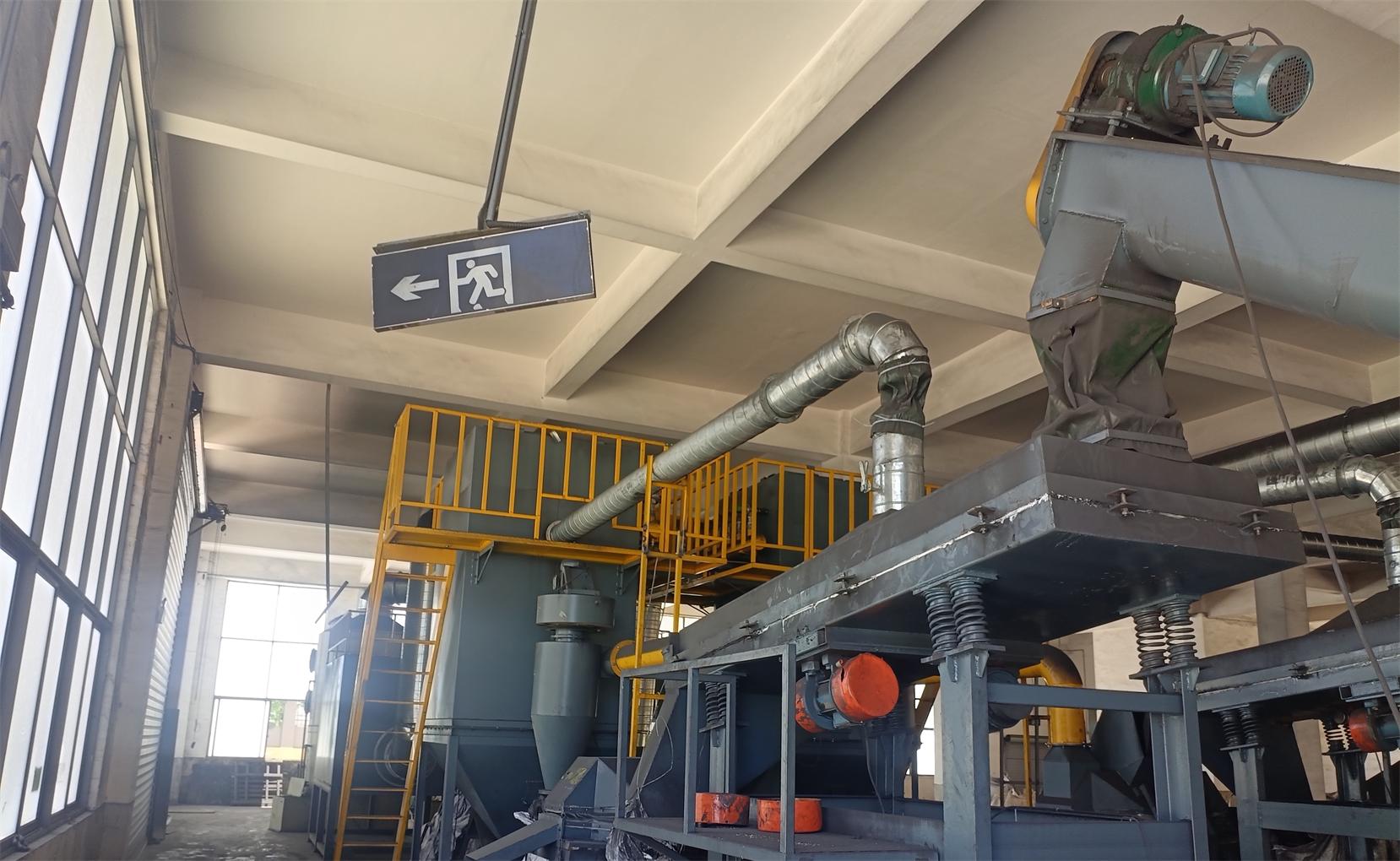
Let's walk through how a typical lead acid battery breaking and separation system does its job. It's a symphony of engineering, designed to turn chaos (a pile of spent batteries) into order (neat piles of lead, plastic, and treated acid).
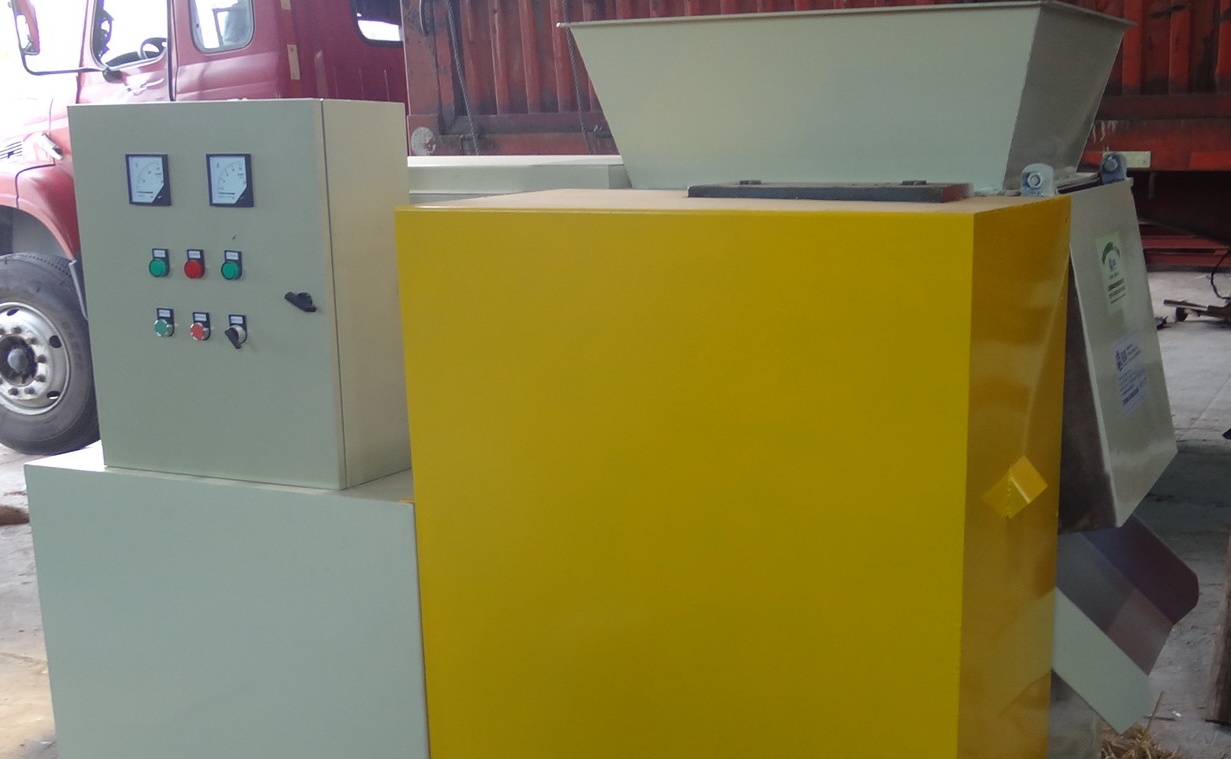
- Feeding the Beast: First, spent batteries are loaded into a hopper—no need for workers to handle each one individually. The hopper feeds them into a pre-breaker or shredder, which cracks open the plastic casings and loosens the internal components.
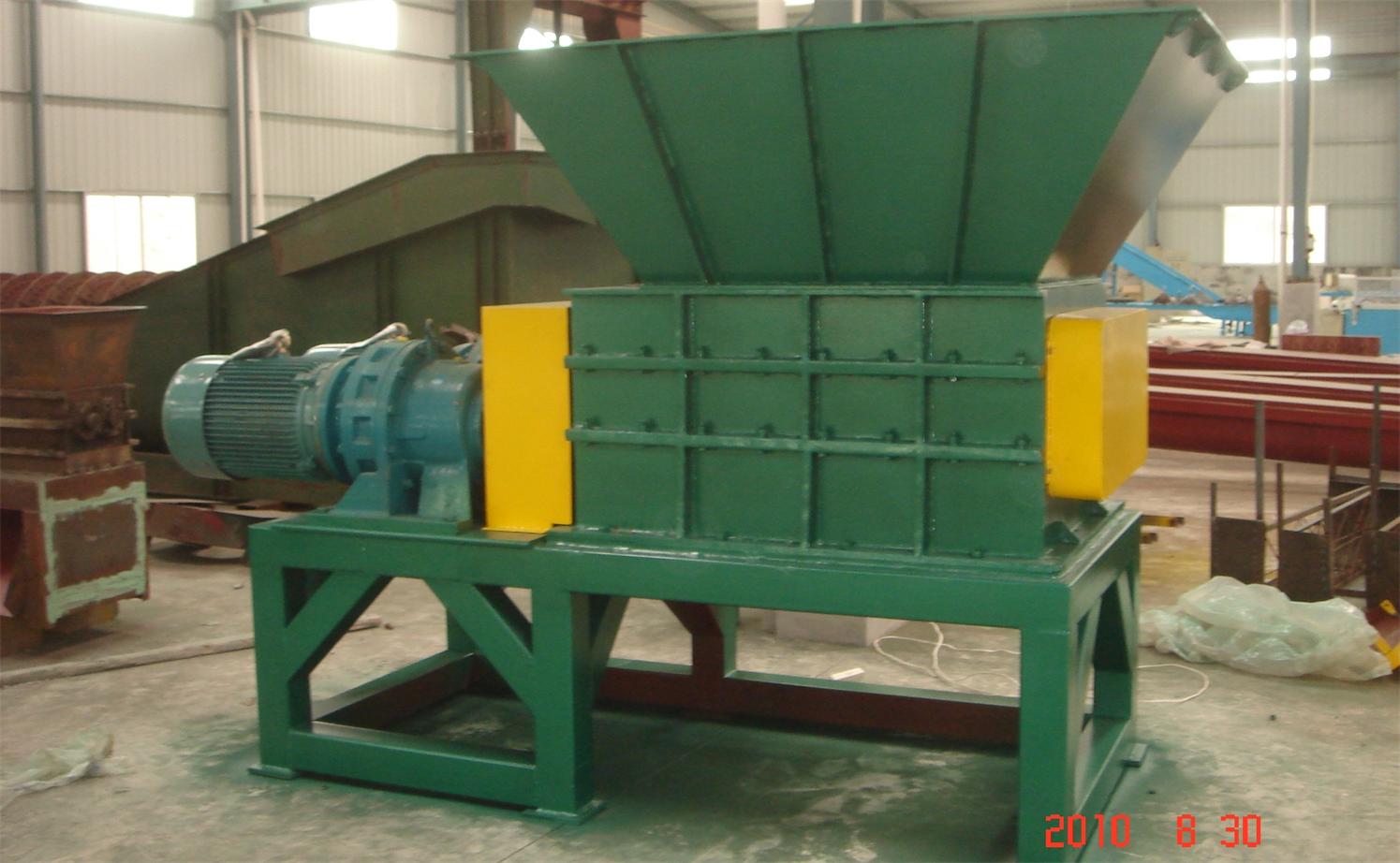
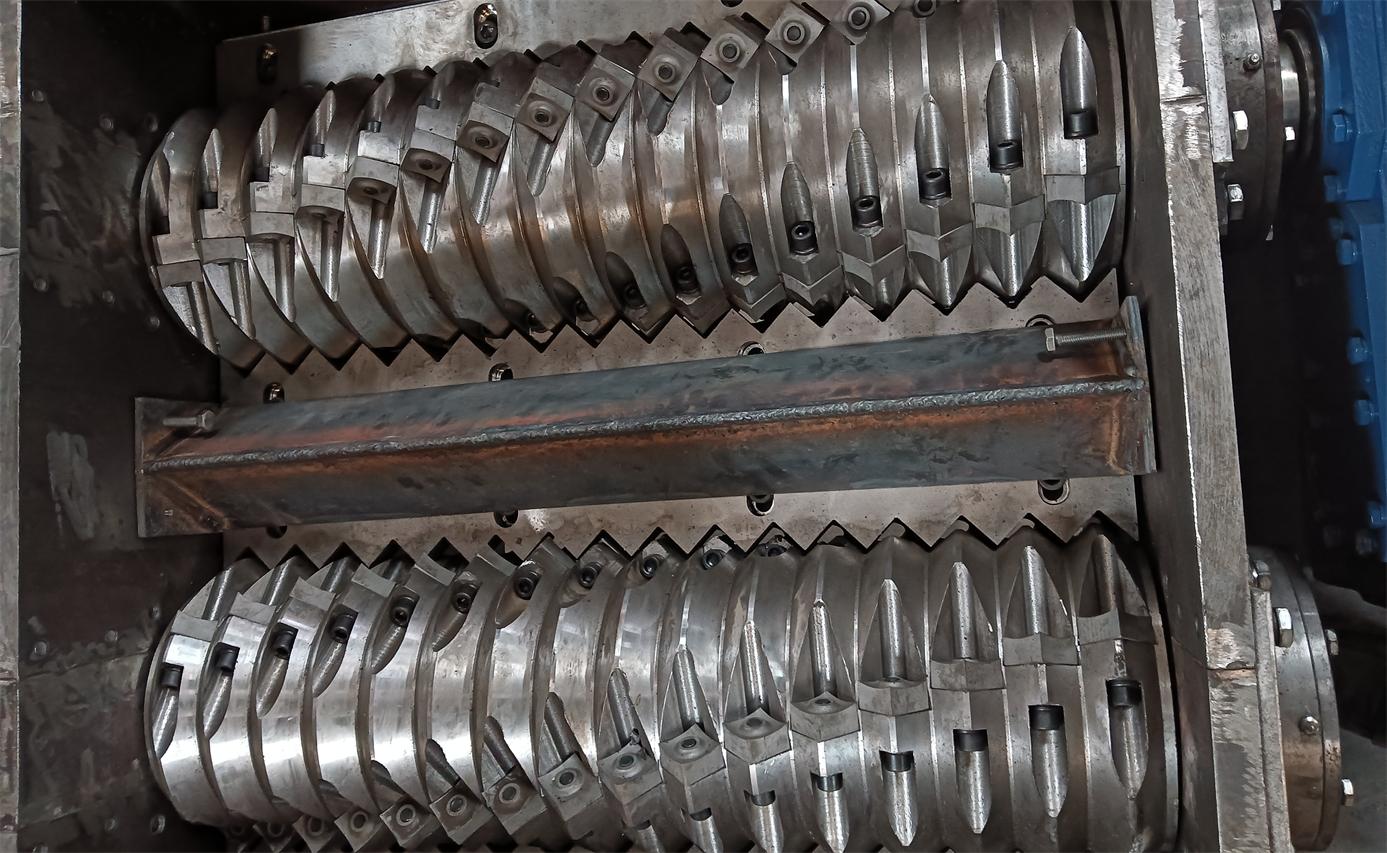
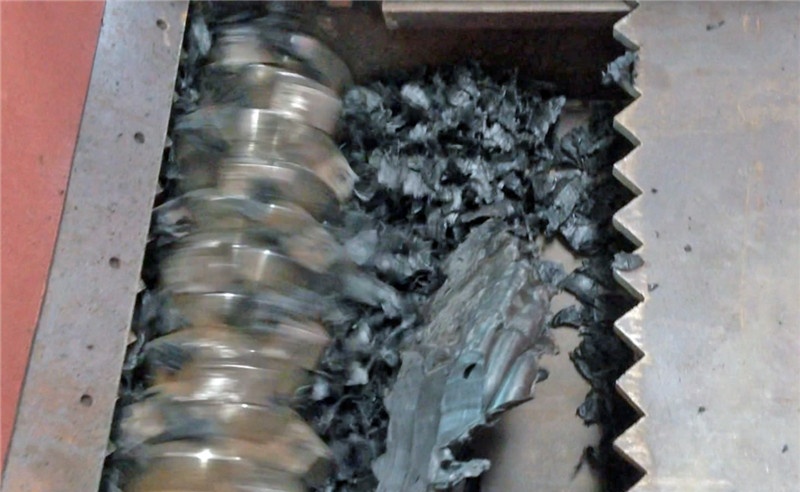
- Crushing and Shredding: Next, a high-torque shredder (often a dual-shaft or quad-shaft design) tears the batteries into smaller pieces. This breaks down the plastic casing into flakes and separates the lead grids from the paste. The goal? Small enough particles that the next step can sort them easily.
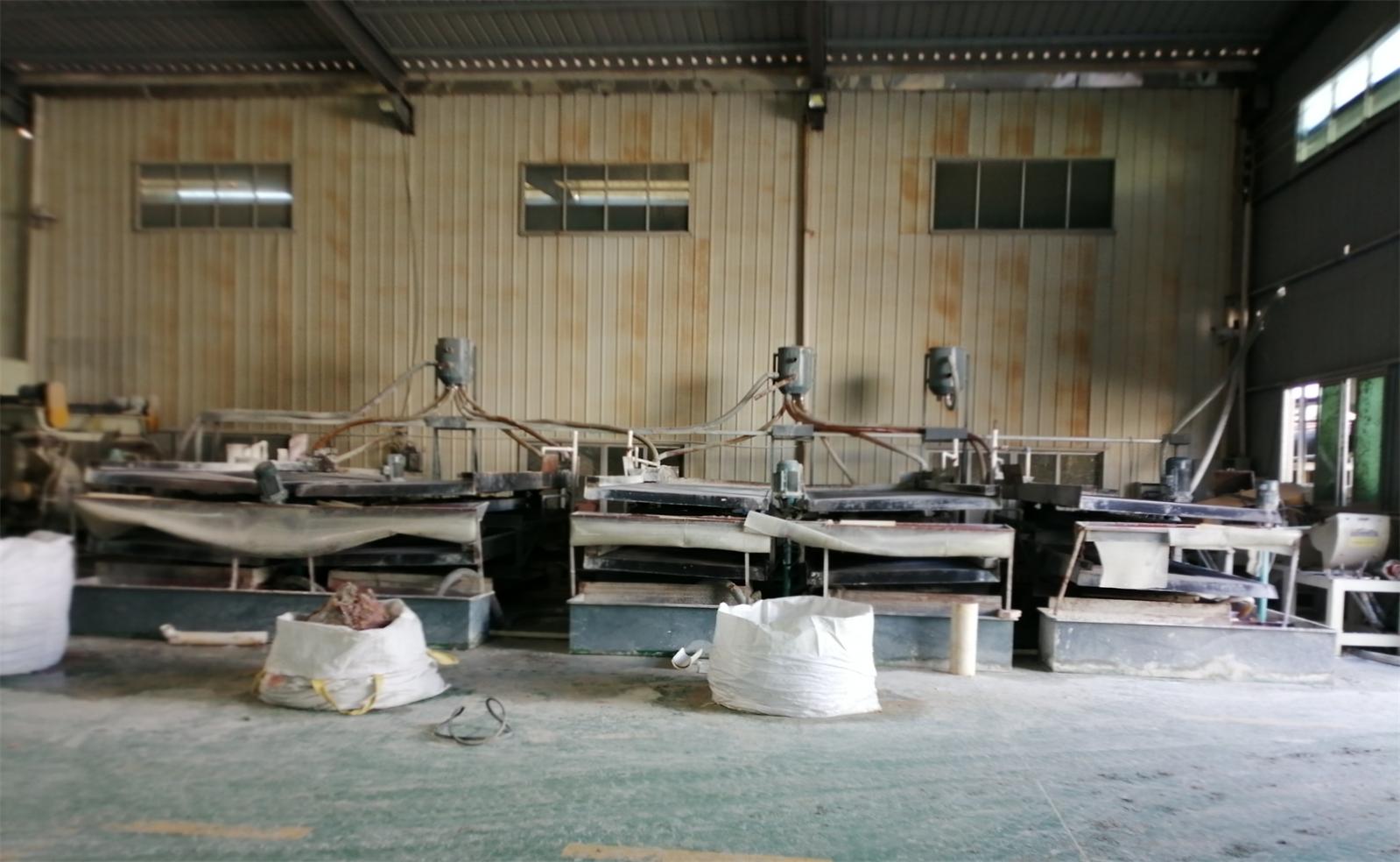
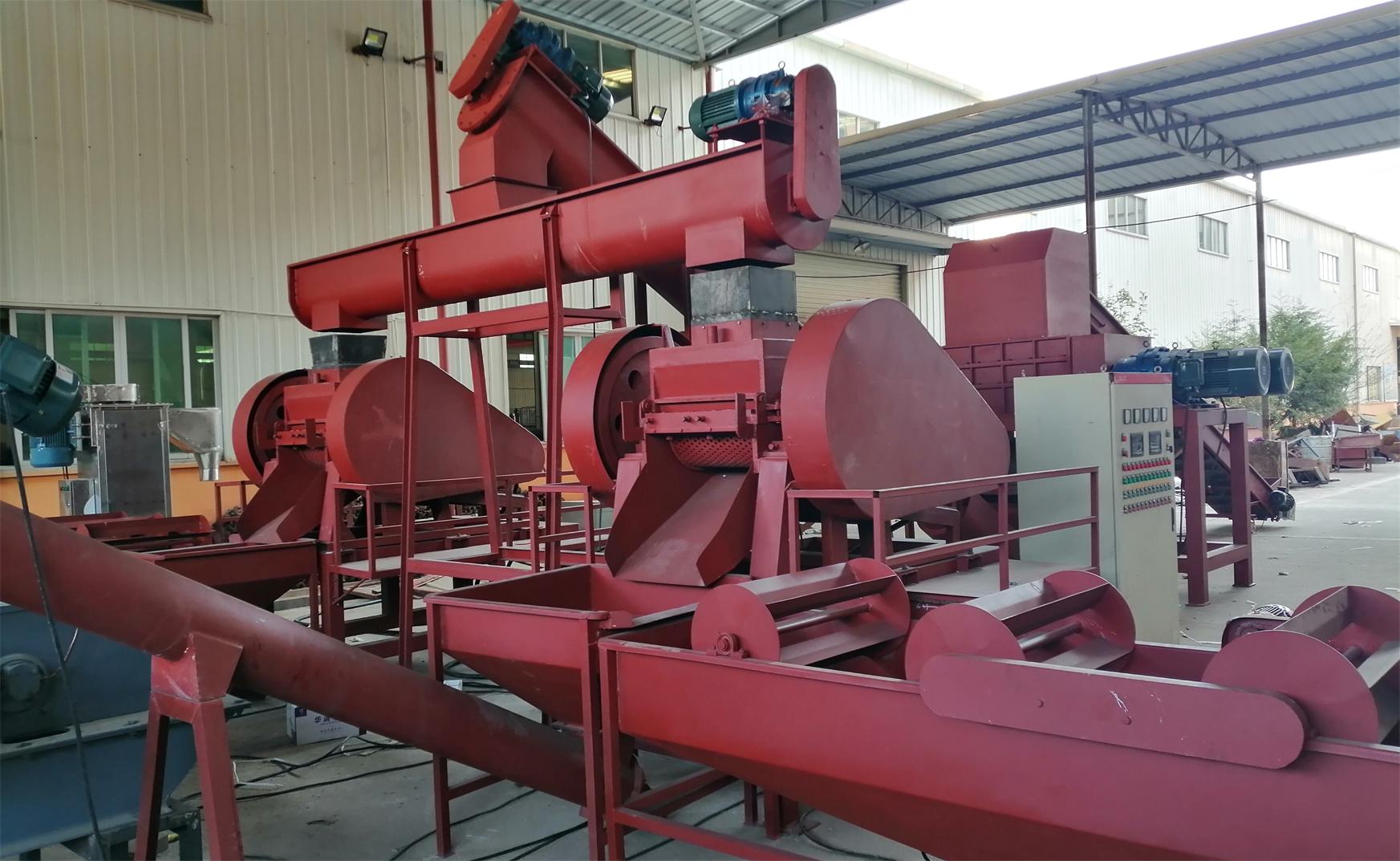
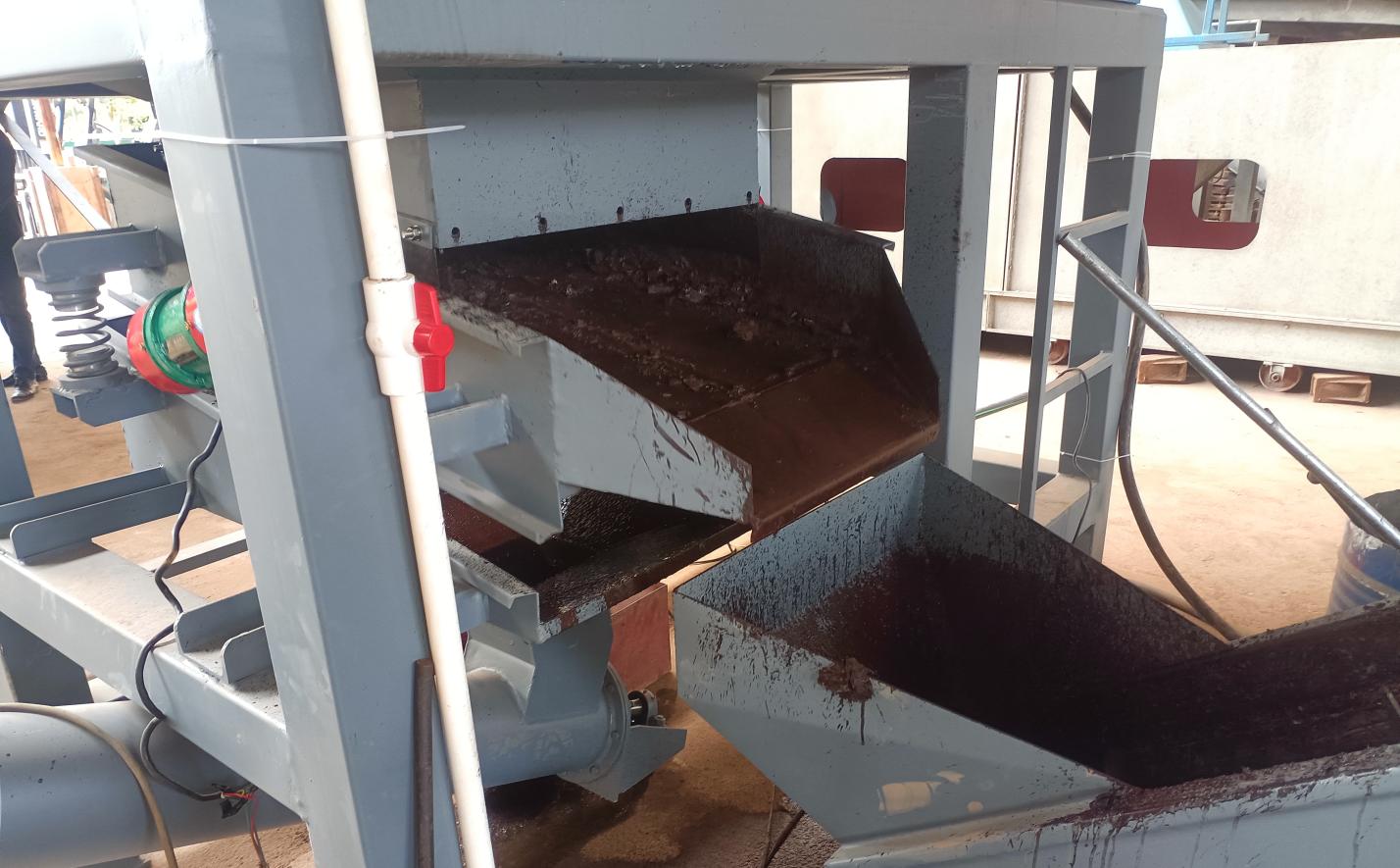
- Washing and Screening: The shredded mix then moves to a washing station, where water (or a neutralizing solution) separates the lead paste from the plastic and lead grids. Lead paste is heavier, so it sinks, while plastic flakes float. A series of screens and conveyors then sift these materials into separate streams.
- Dewatering and Drying: The lead paste, now mixed with water, goes through a filter press equipment to remove excess moisture, turning it into a dry cake ready for the rotary furnace for paste reduction l lead acid battery recycling plant . The plastic flakes are dried and sent to a granulator for further processing into pellets.
- Acid Neutralization: The water used in washing, now containing sulfuric acid, is routed to an effluent treatment system. Here, chemicals like lime are added to neutralize the acid, turning it into harmless water that can be reused or safely discharged.
By the end of this process, what was once a toxic battery is three valuable resources: clean lead (ready for melting and refining), plastic flakes (for new battery casings or other products), and neutralized water. It's alchemy, powered by machinery—but not just any machinery. This is precision engineering with a purpose.
Working in Harmony: Integrating with the Plant Ecosystem
A recycling plant isn't a single machine; it's a network of systems, all dependent on each other. The lead acid battery breaking and separation system doesn't work alone—it's the first domino that sets the rest in motion. Let's see how it connects to other critical equipment:
- Rotary Furnace for Paste Reduction: The dry lead paste from the separation system is fed into this furnace, where high heat (and sometimes carbon) reduces it to metallic lead. Without clean, dry paste from the crusher, the furnace would be less efficient, producing more slag (waste) and less pure lead.
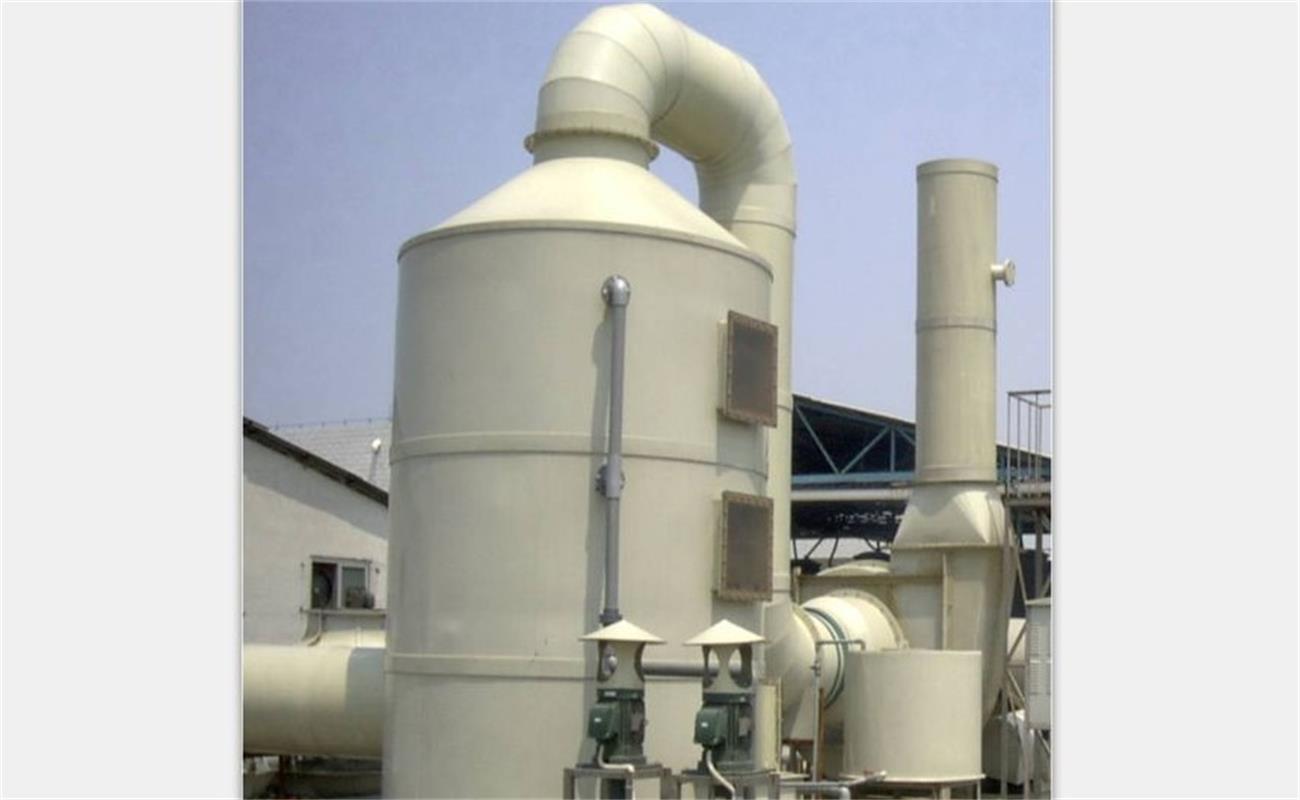
- Air Pollution Control System Equipment: Lead dust and fumes are inevitable in battery recycling, but they don't have to escape into the air. The crushing and separation system is often connected to a air pollution control system equipment —filters, scrubbers, and cyclones that capture lead dust and toxic gases before they leave the plant. This protects workers, neighbors, and the planet.
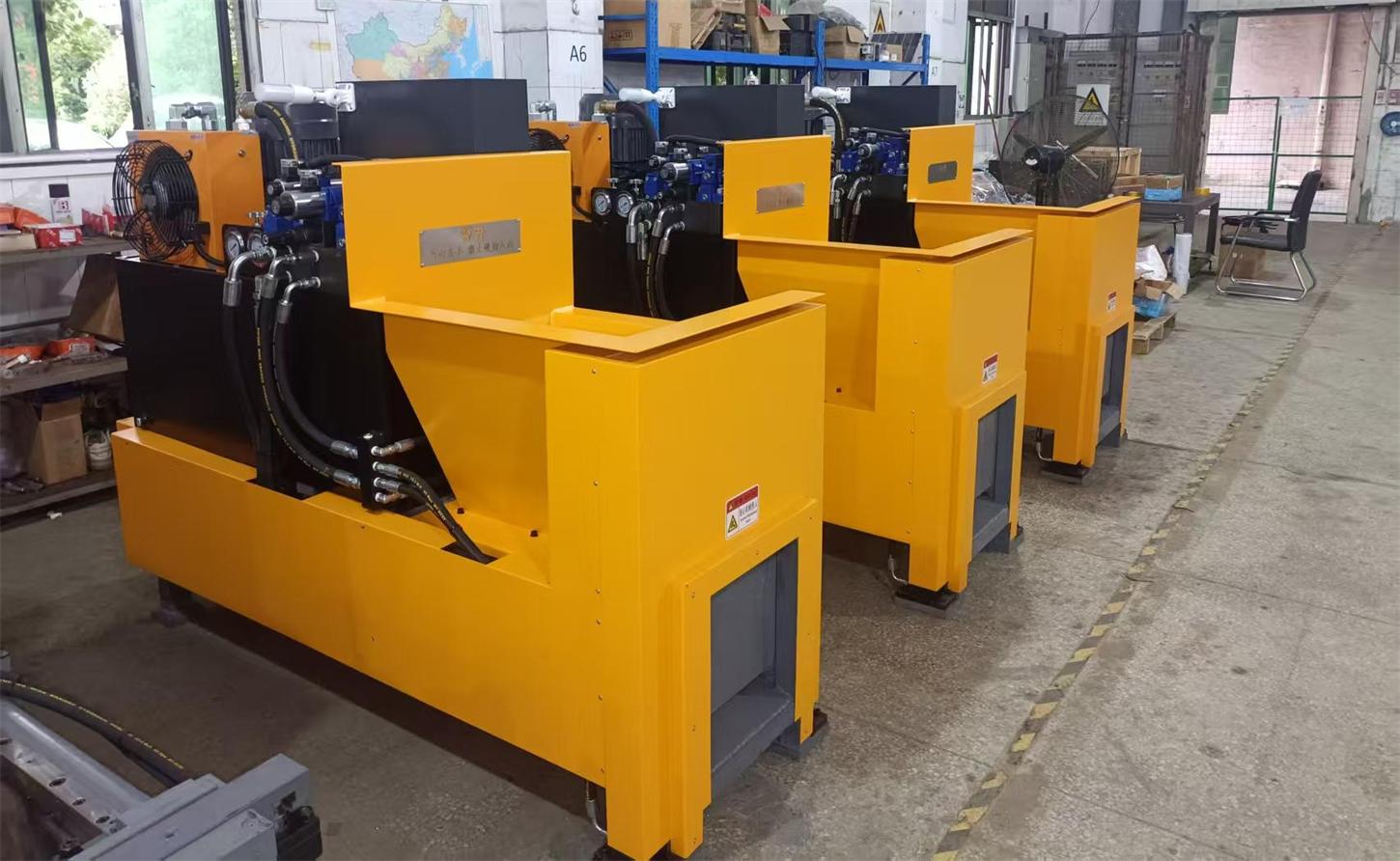
- Filter Press Equipment: As mentioned earlier, the filter press de-waters the lead paste, making it easier to handle and process in the furnace. It also separates solids from the acid-water mixture, ensuring only clean water moves to effluent treatment.
- Plastic Processing Lines: The plastic flakes from the separation system are sent to granulators and pelletizers, then sold to manufacturers for new products. Without the crusher's ability to separate plastic cleanly, this revenue stream (yes, recycled plastic is valuable!) would dry up.
In short, the crushing and separation equipment is the linchpin. It ensures that downstream machines get the high-quality, separated materials they need to do their jobs. A plant without it is like a kitchen without a knife—you can try to cook, but you'll never make a meal worth serving.
Traditional vs. Modern: The Difference Is Night and Day
Still not convinced this equipment is the heart of the plant? Let's compare traditional recycling methods (pre-1990s, often manual or basic mechanical) with modern systems that include advanced crushing and separation equipment. The difference is stark—and it's why forward-thinking plants invest in the best.
| Aspect | Traditional Recycling Methods | Modern Recycling with Crushing & Separation Equipment |
|---|---|---|
| Worker Safety | High risk: Manual breaking exposes workers to lead dust, acid burns, and cuts. No protective enclosures. | Low risk: Fully enclosed systems with dust collection, acid-resistant materials, and minimal human contact. |
| Lead Recovery Rate | 60-70%: Manual sorting leaves lead paste and small grids uned. | 95%+: Mechanical separation captures even fine lead particles, maximizing resource recovery. |
| Environmental Impact | High: Lead dust and acid runoff contaminate soil and water; no air pollution controls. | Low: Integrated air pollution control system equipment and effluent treatment prevent emissions and runoff. |
| Plastic Reuse | Minimal: Plastic casings are often damaged or contaminated, sent to landfills. | High: Clean, separated plastic flakes are recycled into pellets for new products, creating a circular economy. |
| Processing Speed | Slow: 50-100 kg/hour (manual labor). | Fast: 500-2,500 kg/hour (automated machinery). |
The Bottom Line: Why Plants Can't Afford to Skimp
Investing in a top-tier lead acid battery breaking and separation system isn't cheap—but it's an investment that pays for itself, often within a year. Here's how:
- Higher Profits: Recovering 95% of lead instead of 70% means more material to sell. Recycled lead is worth $1,500–$2,000 per ton, so even a small increase in recovery adds up. Plus, selling recycled plastic pellets brings in extra revenue.
- Lower Costs: Fewer workers are needed for manual labor, reducing payroll. Automated systems also minimize waste, so plants spend less on disposal fees for unrecycled materials.
- Regulatory Compliance: Governments worldwide are cracking down on lead emissions and worker safety. Modern equipment helps plants meet strict standards (like EPA or EU regulations), avoiding fines that can cripple a business.
- Reputation Boost: Customers (like auto shops or battery retailers) want to work with responsible recyclers. A plant with advanced equipment can market itself as eco-friendly and safe, attracting more business.
Take, for example, a mid-sized recycling plant processing 100 tons of lead-acid batteries per month. With traditional methods, they might recover 70 tons of lead. With modern crushing and separation equipment, that jumps to 95 tons. At $1,800 per ton, that's an extra $45,000 per month—$540,000 per year. The machine pays for itself, and then some.
Looking Ahead: The Future of Lead-Acid Battery Recycling
As the world shifts to electric vehicles, you might wonder: Do lead-acid batteries still matter? Absolutely. They're still the go-to for cars, trucks, boats, golf carts, and backup power systems—markets that aren't disappearing anytime soon. In fact, global demand for lead-acid batteries is projected to grow by 3-4% annually through 2030. That means more spent batteries to recycle, and more pressure on plants to do it efficiently and safely.
The future of lead-acid battery recycling will only make the crushing and separation system more important. Innovations like AI-powered sorting (to separate different battery types), IoT sensors for predictive maintenance, and even more energy-efficient designs are on the horizon. These upgrades will make the "heart" beat even stronger—faster, smarter, and greener.
And let's not forget: Every battery recycled is a step away from lead poisoning, a step toward a circular economy, and a step toward preserving natural resources. Lead is infinitely recyclable—recycled lead is just as good as virgin lead, but takes 90% less energy to produce. The lead acid battery breaking and separation system isn't just a machine; it's a tool for building a better world.
Final Thoughts: The Heartbeat of Responsible Recycling
At the end of the day, a recycling plant's success hinges on its ability to turn waste into wealth—safely, efficiently, and sustainably. The lead acid battery breaking and separation system is the engine that drives this success. It's the first step in a journey that turns toxic waste into valuable resources, protects workers, and cleans up our planet.
So the next time you start your car, spare a thought for the unsung heroes of recycling: the machines that break down your battery's old shell, the workers who operate them, and the plants that invest in doing it right. They're not just recycling batteries—they're recycling hope for a cleaner, safer future. And at the center of it all? The heart of the plant: the crushing and separation equipment that makes it all possible.