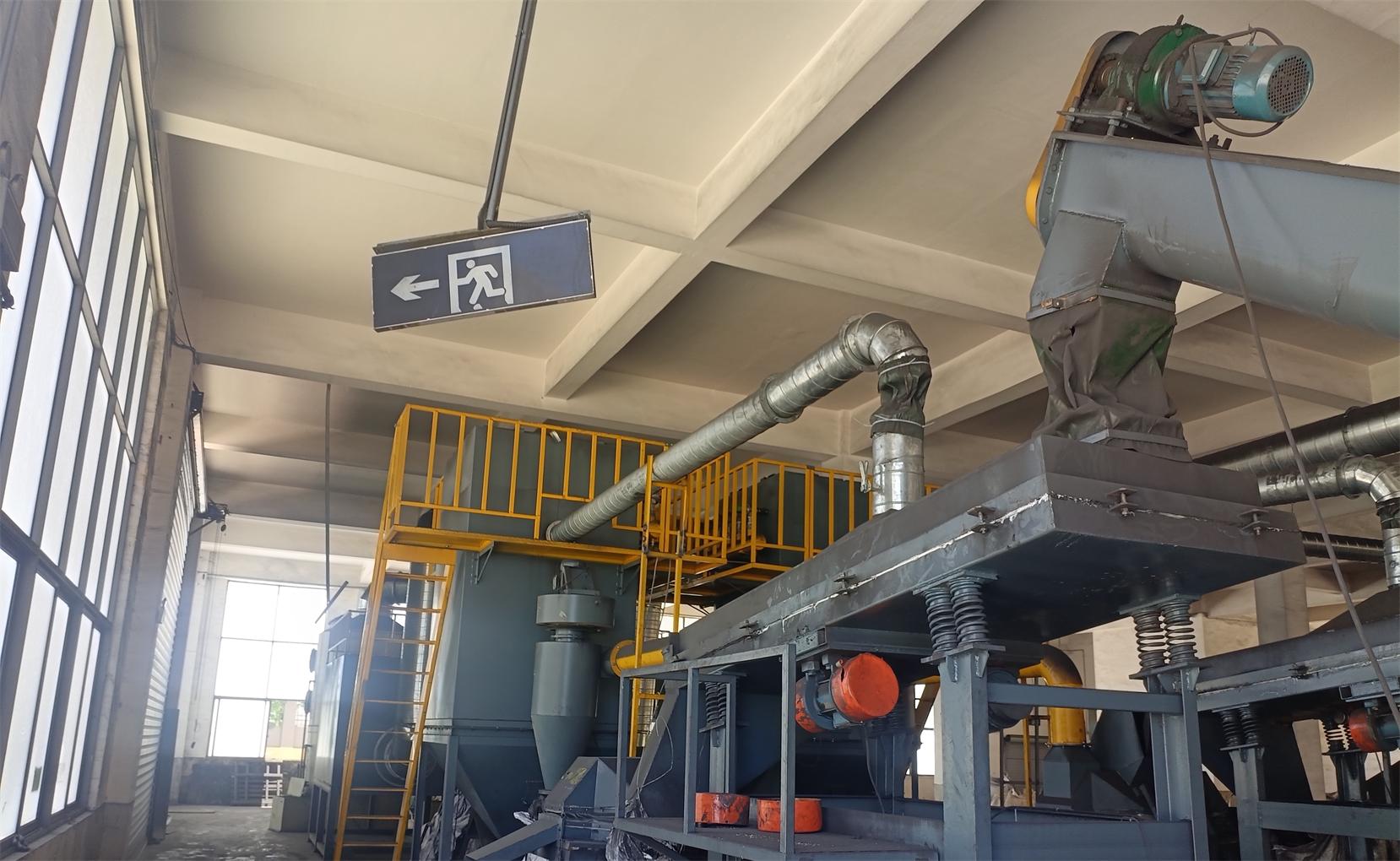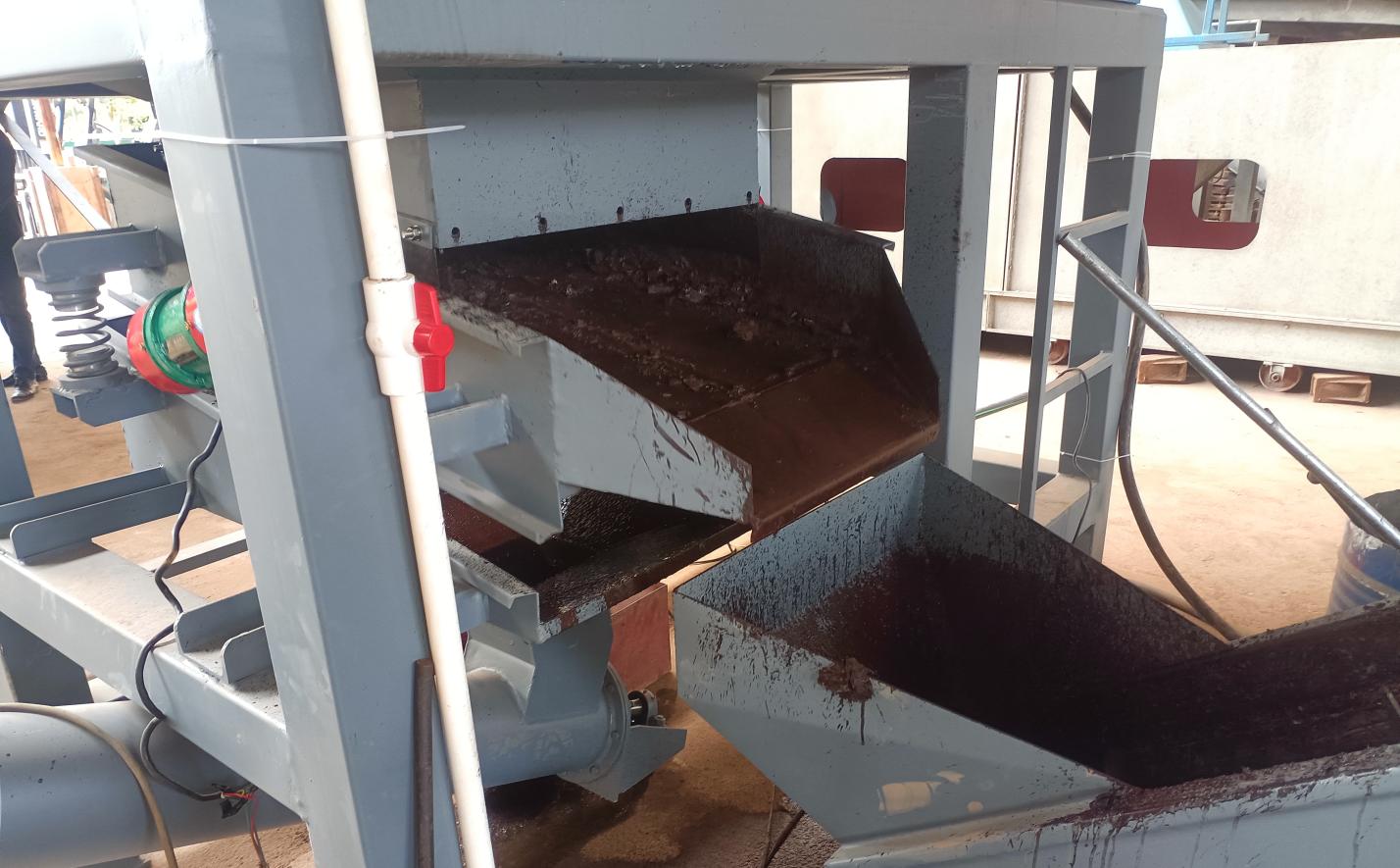
If you’ve ever walked into an electronics recycling facility, you’ve probably seen rows of machines churning through old circuit boards—ripping, shredding, and separating metals like gold, copper, and silver from plastic and glass. But have you noticed something? The dry process PCB recycling equipment there seems to keep going, day in and day out, even when handling tough, abrasive materials. It’s not uncommon to find these machines running for years with minimal breakdowns. So, what makes them so tough? Let’s dive in and unpack the reasons behind their legendary robustness and durability.
First, Let’s Get Clear: What Even is Dry Process PCB Recycling Equipment?
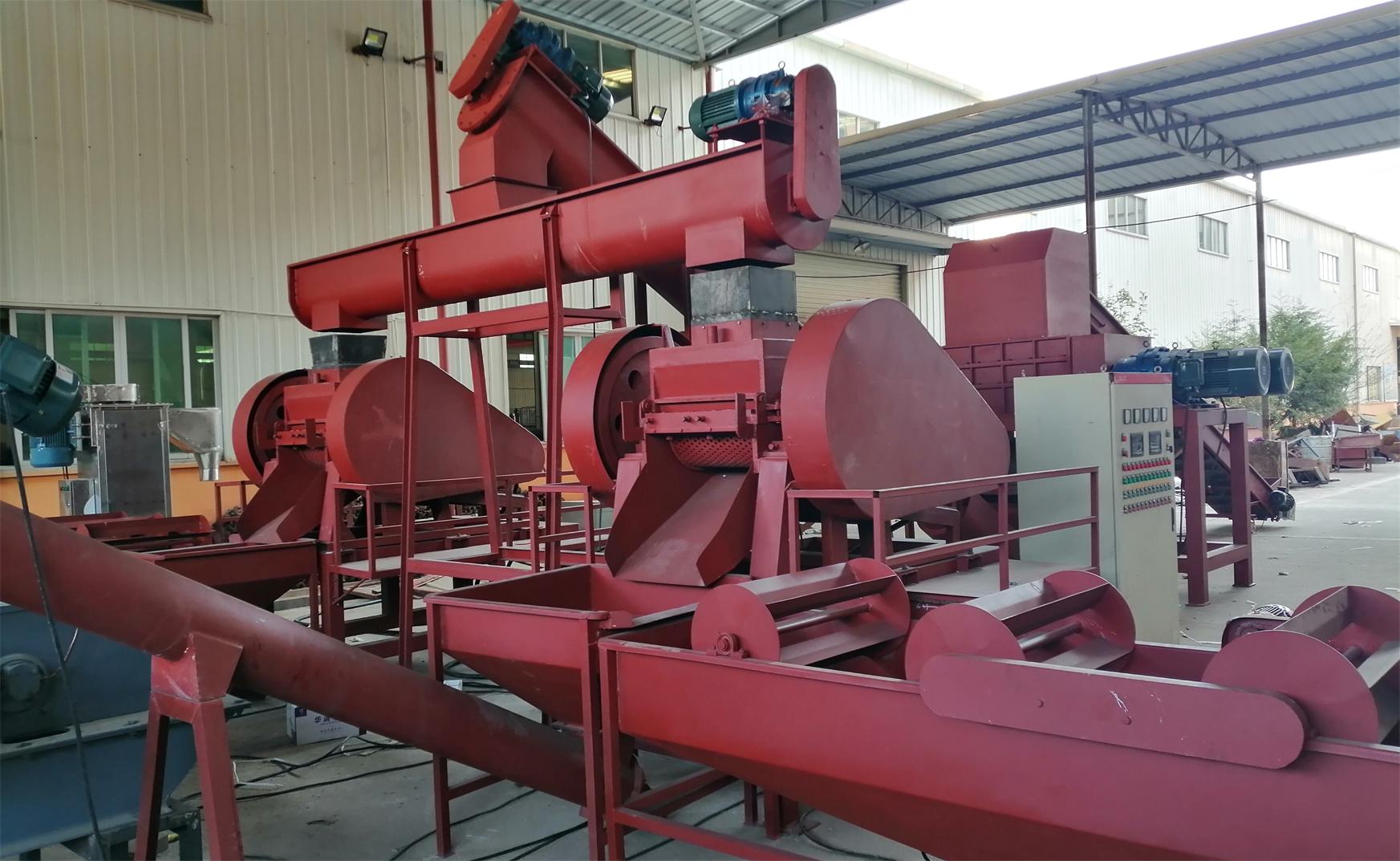
Before we talk about why it’s durable, let’s make sure we’re on the same page. Circuit board recycling equipment comes in two main flavors: wet process and dry process. Wet process uses water or chemicals to separate materials, which can be effective but messy. Dry process, on the other hand, uses mechanical force (like shredding and air separation) and sometimes electrostatic separation—no liquids involved. That might sound simple, but the magic is in how these dry systems are built to handle the chaos of recycling PCBs.
PCBs are tricky customers. They’re made of fiberglass, plastic, and a mix of metals, with sharp edges and varying thicknesses. Shredding them is like trying to chew through a sandwich with rocks in it—you need strong “teeth” and a tough “jaw.” And that’s where dry process equipment shines. Let’s break down the key factors that make these machines built to last.
1. No Liquids = No Corrosion, No Rust, No Hidden Damage
Here’s a big one: dry process equipment skips the water and chemicals. Think about it—wet process machines are constantly exposed to liquids, which can lead to rust, corrosion, and buildup of gunk in nooks and crannies. Over time, that rust weakens metal parts, and chemical residues can eat away at seals and bearings. Dry process? It’s all about air, mechanical force, and sometimes static electricity. That means fewer parts are at risk of degradation from moisture or harsh substances.
Real-world example: A recycling plant in Germany switched from wet to dry process circuit board recycling equipment five years ago. They reported that maintenance costs dropped by 40% because they no longer had to replace corroded pumps or clean out chemical-clogged filters. The dry machines’ metal components stayed sharper and stronger, even after processing over 10,000 tons of PCBs.
Without liquids, there’s also less risk of electrical issues. PCBs have tiny metal bits that can conduct electricity, and water + electricity is a recipe for short circuits. Dry systems avoid that, keeping their motors and control panels safe from unexpected shutdowns.
2. The “Teeth” of the Machine: Shredders Built Like Tanks
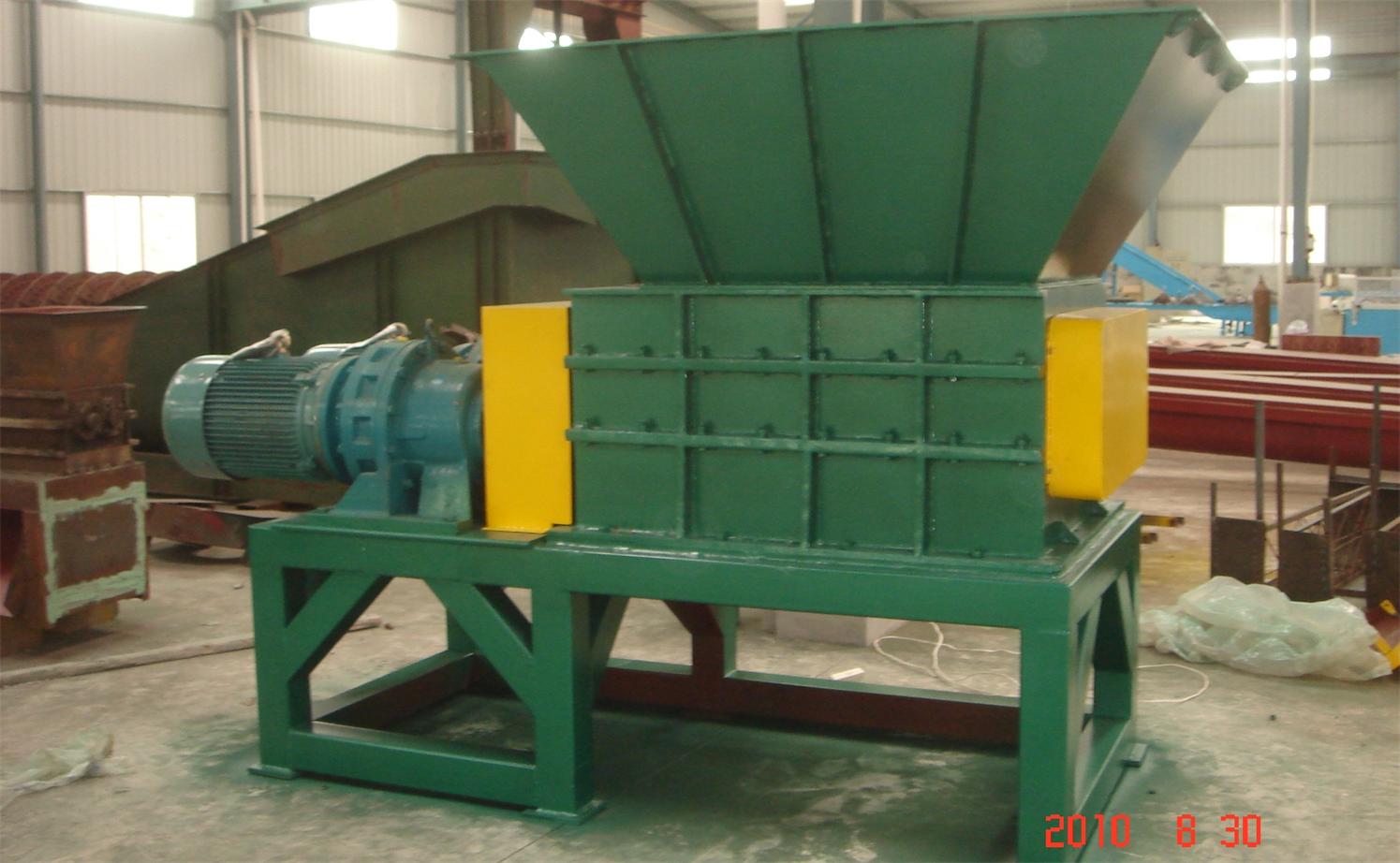
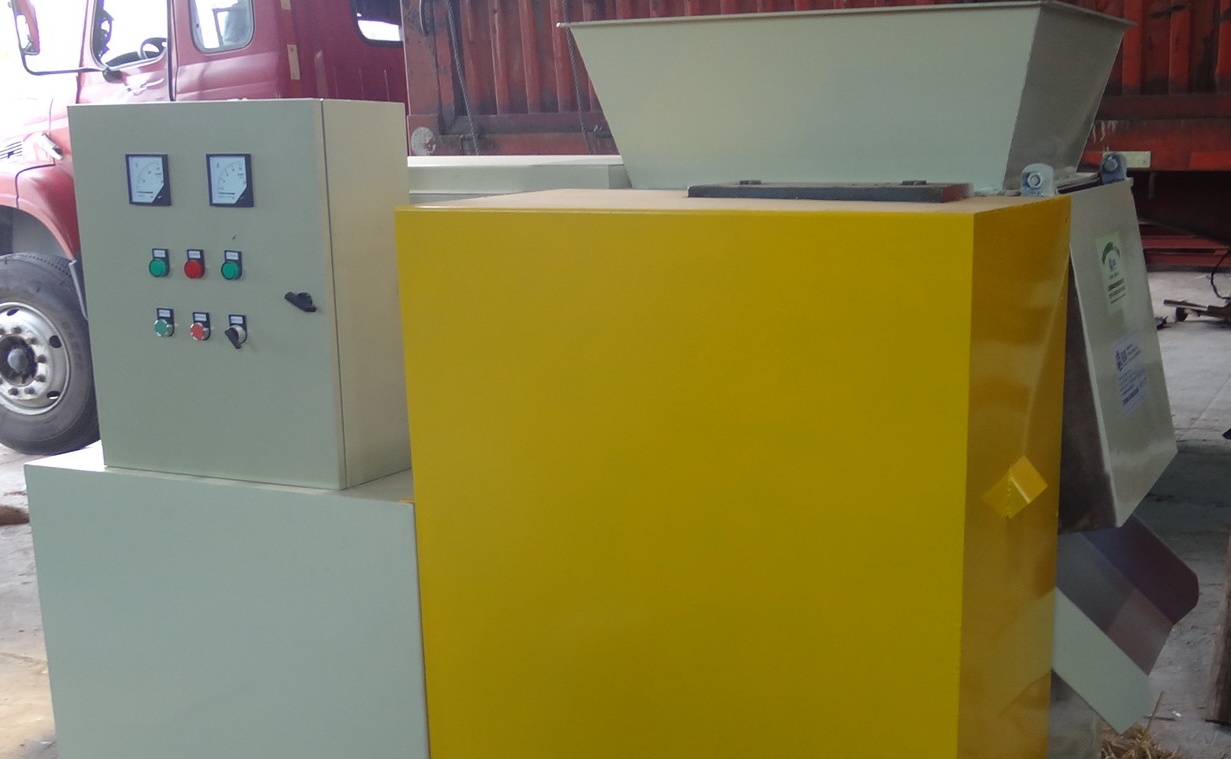
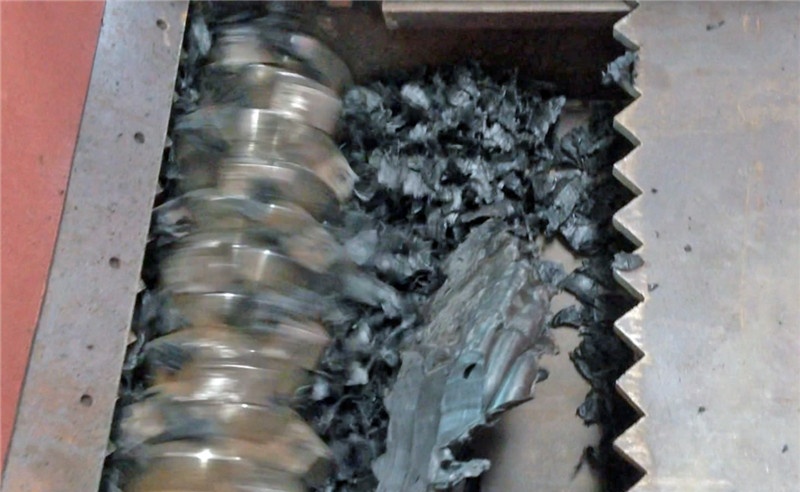
At the heart of any dry process PCB system is the shredder. These aren’t your average office paper shredders—they’re industrial beasts designed to tear through tough materials. Many dry process setups use shredder and pre-chopper equipment to break down PCBs before separation. Let’s look at what makes these shredders so durable:
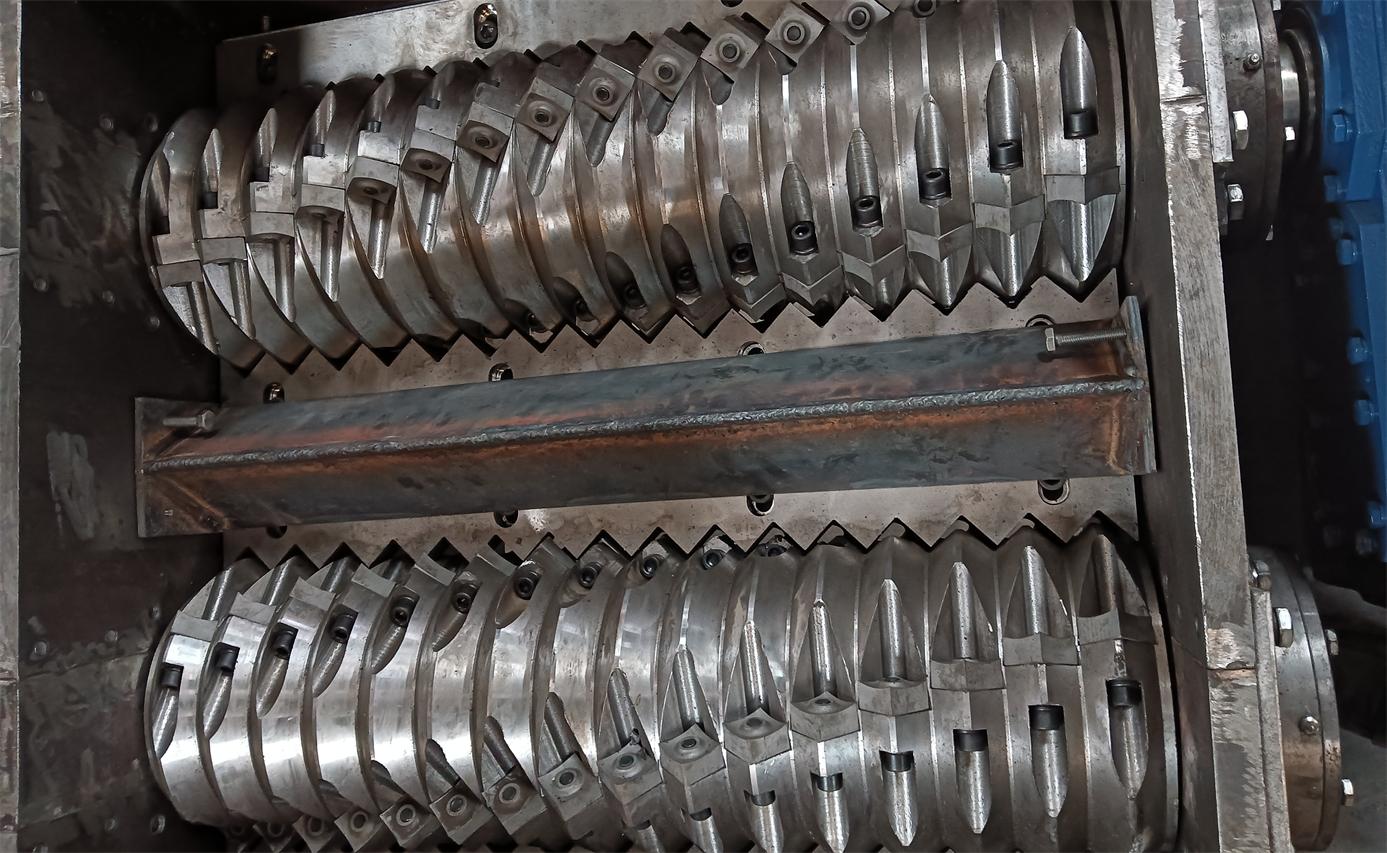
- Blades made from high-hardness steel: The blades (or cutters) in these shredders are often made from hardened alloy steel, like 4140 or D2 tool steel. These materials can withstand the abrasion of fiberglass and metal without dulling quickly. Some manufacturers even coat blades with tungsten carbide, a material almost as hard as diamonds, to extend their life.
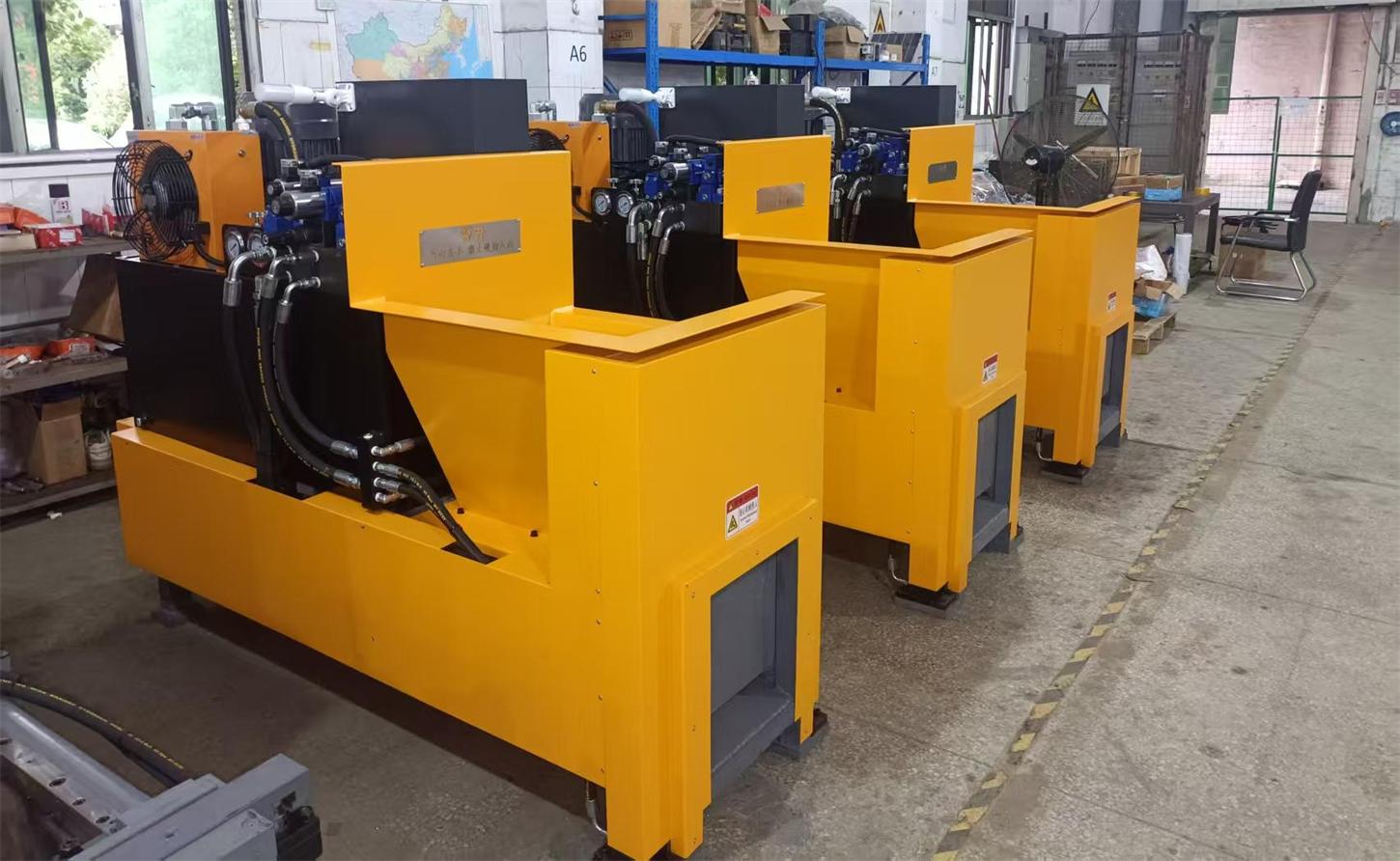
- Heavy-duty bearings and drives: Shredding PCBs requires a lot of torque. Dry process shredders use oversized bearings and powerful hydraulic or electric drives that can handle sudden jolts (like when a particularly thick PCB chunk hits the blades). These components are sealed to keep out dust and debris, preventing wear and tear.
- Single shaft vs. multi-shaft designs: Many dry systems use single shaft shredder equipment for initial chopping. Single shaft shredders have a rotating shaft with blades that interlock with stationary blades, creating a shearing action. This design is simpler (fewer moving parts) and easier to maintain than multi-shaft models, which means less downtime for repairs.
| Shredder Type | Common Use in Dry PCB Recycling | Durability Feature |
|---|---|---|
| Single Shaft Shredder | Primary shredding of whole PCBs | Simple design, replaceable blade segments |
| Pre-chopper | Breaking large PCBs into smaller pieces before main shredding | Low-speed, high-torque operation to avoid blade stress |
One recycling technician I talked to put it this way: “Our single shaft shredder has been running 8 hours a day for three years, and we’ve only replaced the blades twice. That’s unheard of with the old wet process machines we used to have, which needed blade changes every few months.”
3. Modular Design: Easy to Fix, Quick to Get Back Up
Durability isn’t just about not breaking—it’s also about how easy it is to fix when something does go wrong. Dry process PCB equipment is often built with modularity in mind. That means components like shredder blades, screens, and separators are designed to be swapped out quickly, without taking the entire machine apart.
For example, if a blade in the pre-chopper gets dull, a technician can remove just that blade segment instead of replacing the entire shaft. This cuts down on downtime, which is crucial for recycling plants that need to keep up with incoming e-waste. Modular design also makes it easier to upgrade parts over time—say, adding a more powerful motor or a better screen—without replacing the whole system.
Fun fact: Some manufacturers offer “quick-change” blade systems where blades can be replaced in under an hour. Compare that to wet process machines, where fixing a corroded pump might take a full day of disassembling pipes and hoses.
4. Built to Handle Dust and Debris (Because There’s a Lot of It)
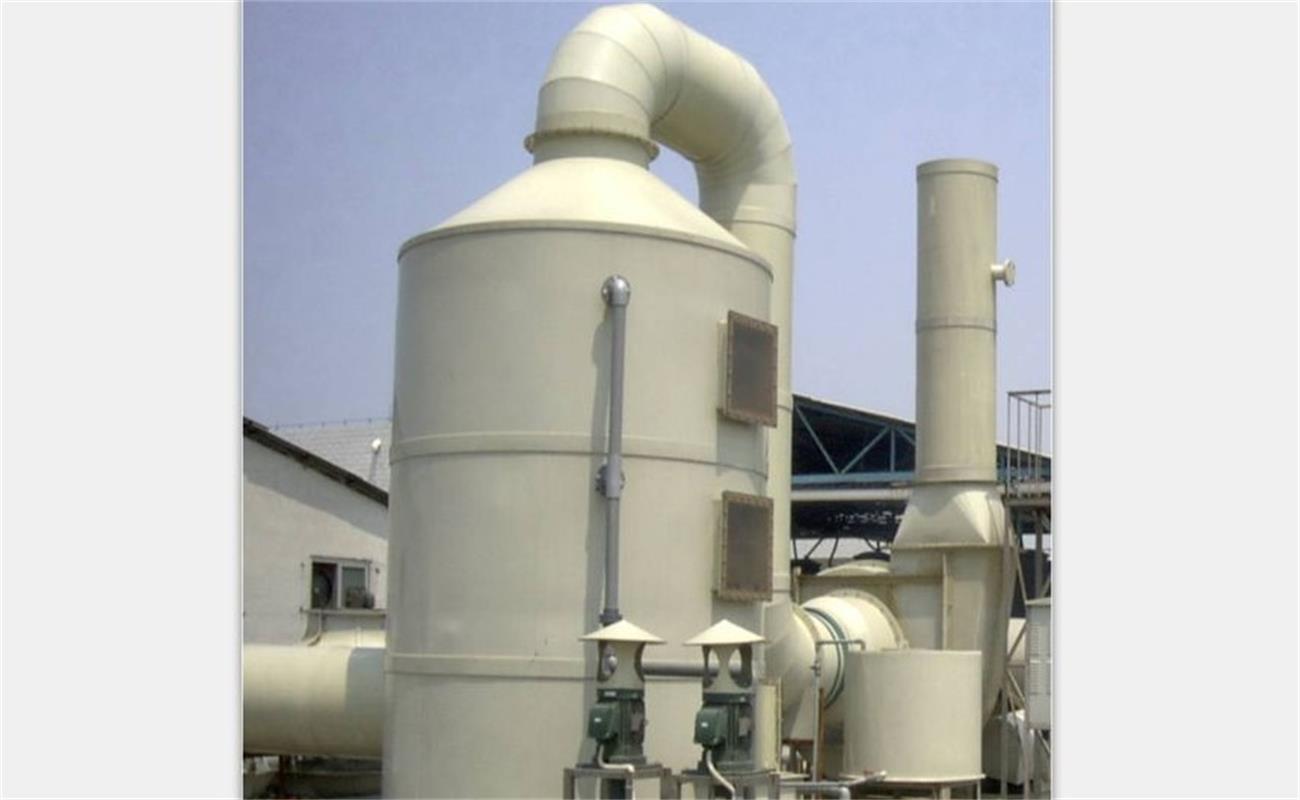
Shredding PCBs creates a ton of dust—fiberglass dust, plastic dust, and tiny metal particles. All that dust can be a problem for machinery, clogging filters and wearing down moving parts. Dry process equipment solves this with built-in dust management, often paired with air pollution control system equipment to keep the air clean. But how does this boost durability?
First, these systems use high-efficiency dust collectors (like baghouses or cyclones) to suck up dust before it can settle on bearings or motors. That means less abrasion on moving parts and fewer clogs in screens. Second, the air pollution control system equipment is integrated into the machine’s design, so there’s no need for separate, clunky add-ons that might vibrate loose or break. Everything works together as a cohesive unit, reducing stress on individual components.
In one case, a recycling plant in Texas installed a dry process system with integrated dust control. They noticed that their shredder’s bearings lasted twice as long as in their old, non-integrated setup because dust wasn’t grinding away at the metal surfaces.
5. Low Maintenance, High Uptime: Designed for the Long Haul
Durability isn’t just about strong parts—it’s about making sure those parts don’t need constant attention. Dry process PCB equipment is engineered to be low-maintenance. Here’s how:
- Fewer moving parts: Compared to wet process systems (which have pumps, valves, and filters), dry systems have simpler mechanics. Less parts mean fewer things to break or wear out.
- Self-cleaning features: Many dry separators use air flow to carry away light materials (like plastic) and drop heavy metals. This air flow also helps keep the machine clean, blowing dust and debris out of critical areas.
- Smart monitoring systems: Modern dry process equipment often comes with sensors that track blade wear, motor temperature, and vibration. If something starts to go wrong, the machine can alert operators before it becomes a major breakdown. For example, a sensor might detect that a shredder blade is dulling, so the team can replace it during a scheduled maintenance window instead of dealing with a sudden jam.
6. Testing, Testing: These Machines Are Put Through the Wringer Before Shipping
Manufacturers of dry process PCB equipment know their machines need to handle real-world abuse. That’s why they subject prototypes to rigorous testing before selling them. They’ll run the machines nonstop for hundreds of hours with “worst-case” materials—think thick, metal-heavy PCBs from old servers or military equipment. They check for weak points, tweak designs, and reinforce parts that show signs of wear.
One supplier I spoke with mentioned they test their single shaft shredder equipment by feeding it 500kg of mixed PCBs per hour for a full week. If the blades or bearings hold up, they’re good to go. If not, they go back to the drawing board. This kind of testing ensures that when the machine arrives at a recycling plant, it’s already proven it can handle the workload.
So, Why Does This All Matter? For Recyclers, Durability = Profitability
At the end of the day, a durable machine is a money-saving machine. Recycling PCBs is a volume business—the more you process, the more metals you recover, and the more profit you make. Downtime for repairs eats into that profit. Dry process equipment minimizes downtime with its robust design, low maintenance, and resistance to corrosion and wear. It’s an investment that pays off in the long run, letting recyclers focus on processing more material instead of fixing machines.
Plus, with e-waste piling up faster than ever (the UN estimates 50 million tons of e-waste is generated yearly), recyclers need equipment they can rely on. Dry process PCB recycling equipment isn’t just durable—it’s a workhorse that helps keep toxic materials out of landfills and valuable metals in circulation. That’s a win for the planet and for business.
Wrapping Up: Dry Process PCB Equipment—Built to Last, Built to Perform
So, why is dry process PCB recycling equipment so robust and durable? It’s a mix of smart design choices: avoiding liquids to prevent corrosion, using tough materials like hardened steel for shredders, integrating dust and pollution control to protect parts, and keeping maintenance simple. Add in rigorous testing and a focus on modularity, and you’ve got machines that can handle the toughest PCB recycling jobs year after year.
Next time you see one of these machines in action, take a moment to appreciate the engineering that goes into making them so tough. They’re not just tools—they’re the backbone of sustainable e-waste recycling, turning old circuit boards into new resources, one durable shred at a time.