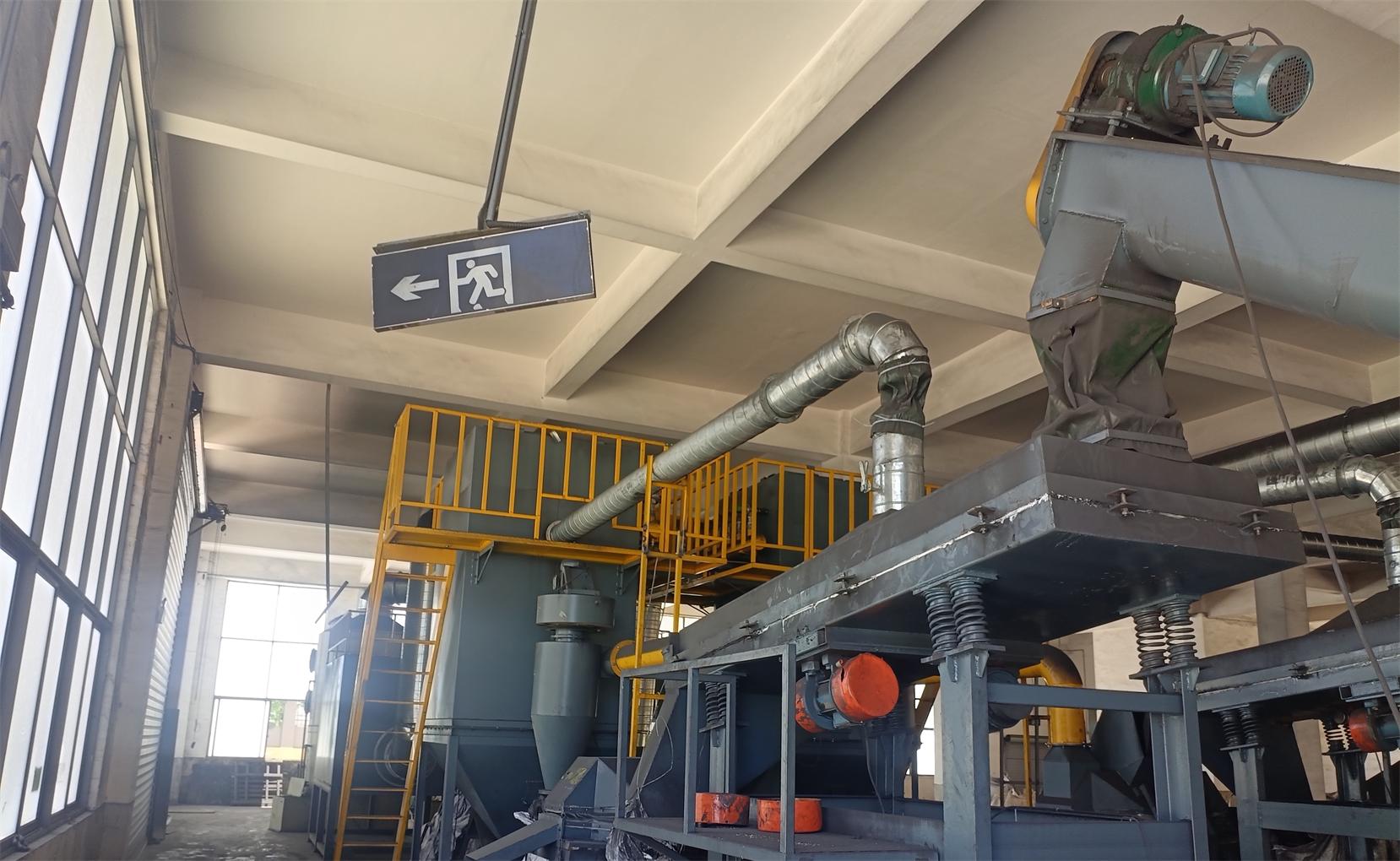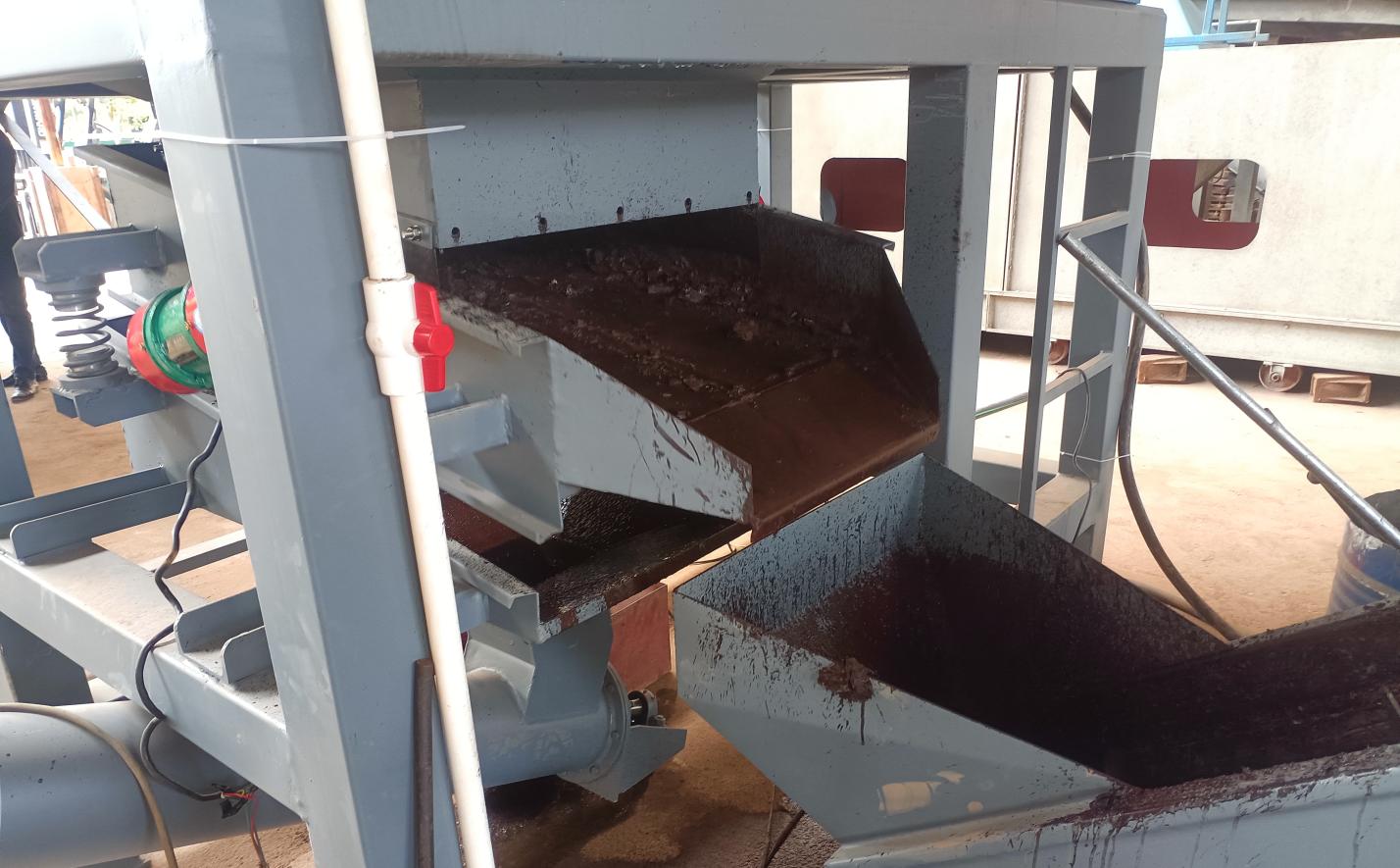
Two business owners walk into the same trade show in Guangzhou. Both want to start an e-waste recycling operation. One signs a purchase order on the spot because the brochure looks impressive. The other asks for the engineer's CV, visits an existing plant, and checks whether the supplier can customize the line for local voltage and raw material mix. Three years later, only one of them is still in business.
The difference between those two owners is not luck. It is due diligence. A recycling plant is not a vending machine. It is a system of crushers, separators, furnaces, and pollution-control units that must work together for ten to fifteen years. Choosing the wrong supplier is expensive. Choosing the right one builds a business.
Why Recycling Equipment Demand Is Growing
The volume of discarded electronics, cables, and batteries increases every year. Regulations in the European Union, North America, and across Asia now mandate proper recycling of e-waste and used batteries. At the same time, copper, lead, lithium, and precious metal prices continue to attract investors who see waste as a feedstock, not a liability. That shift creates opportunity, but only for operators who choose equipment that actually works at scale.
Before you evaluate suppliers, you need to understand which type of recycling line matches your feedstock and market.
Three Core Recycling Lines Every Buyer Should Understand
Five Checks That Separate Real Suppliers From Brokers
What a Full-Service Partner Looks Like
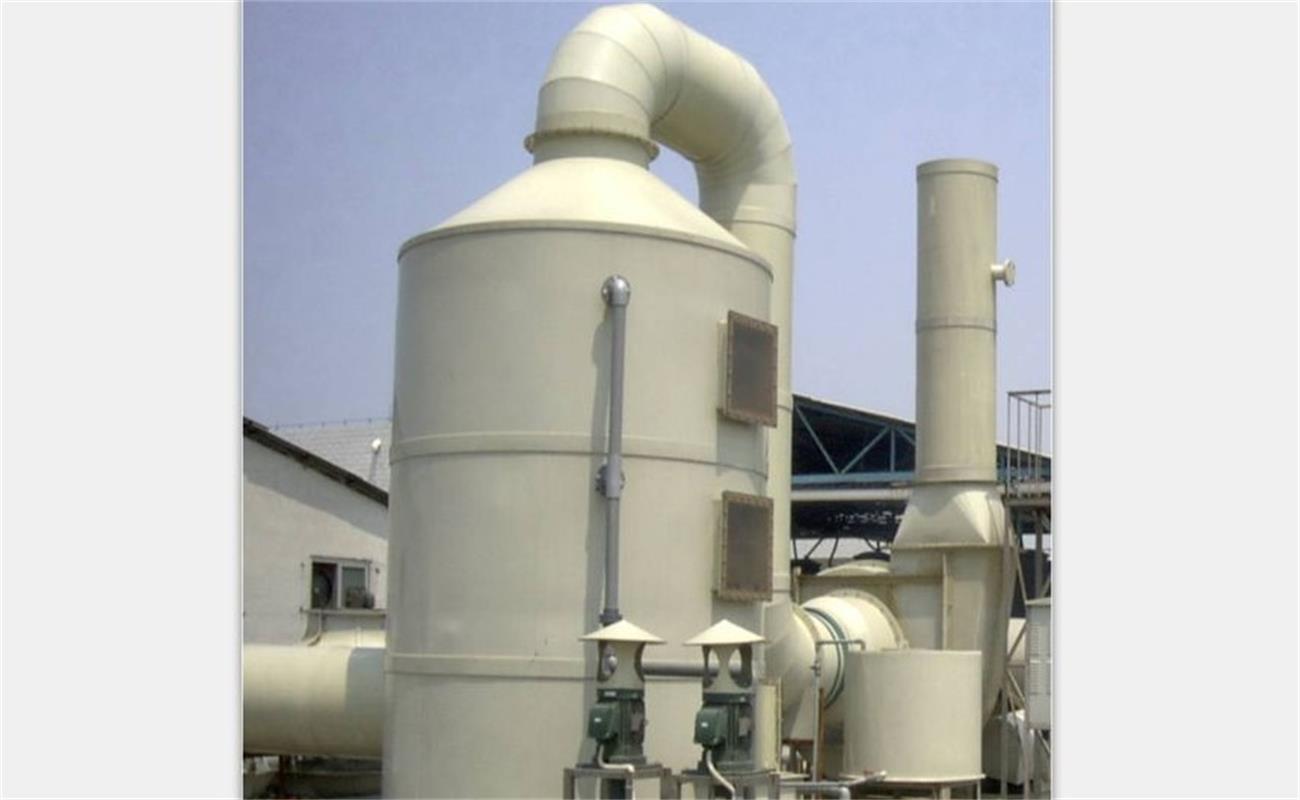
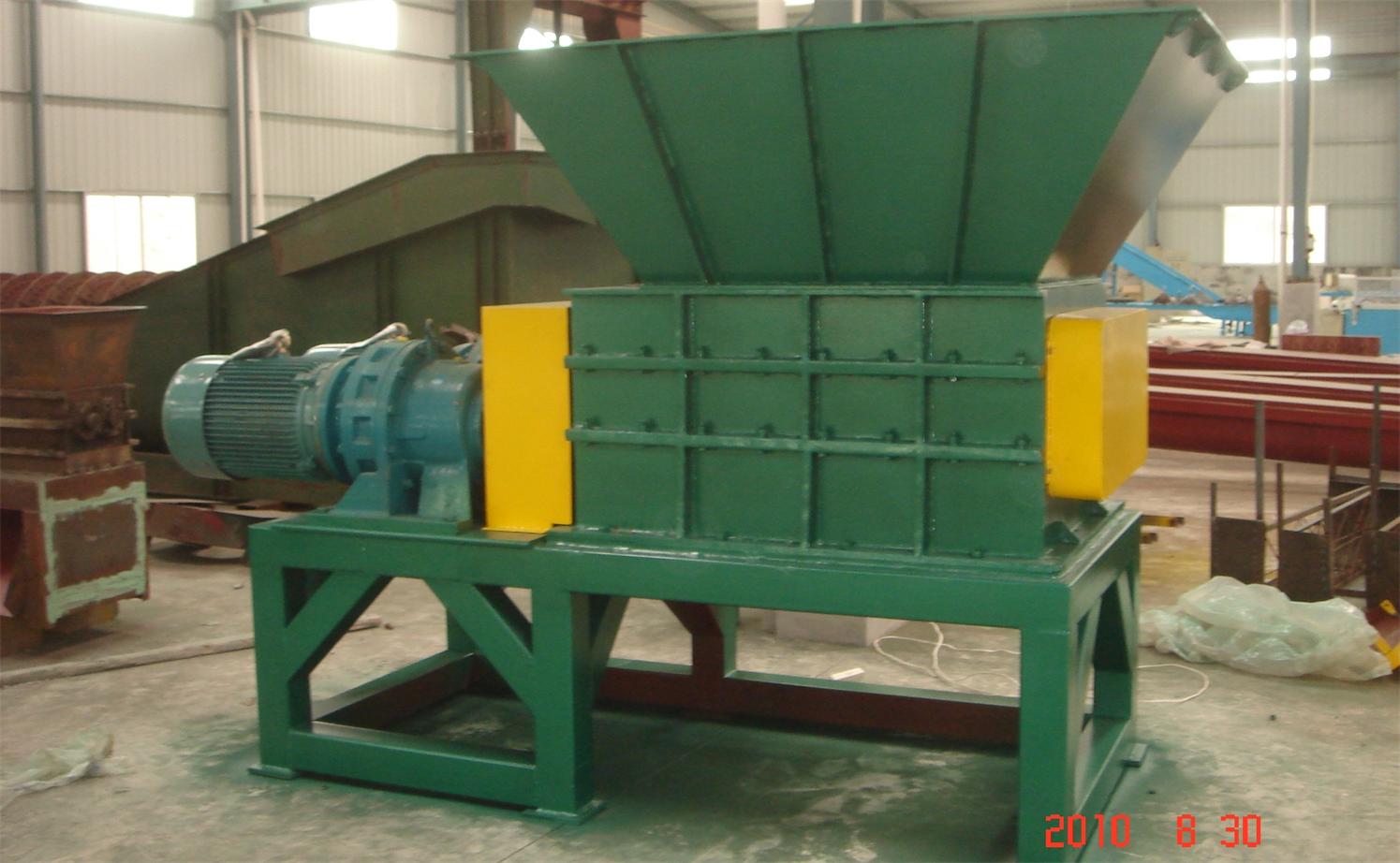
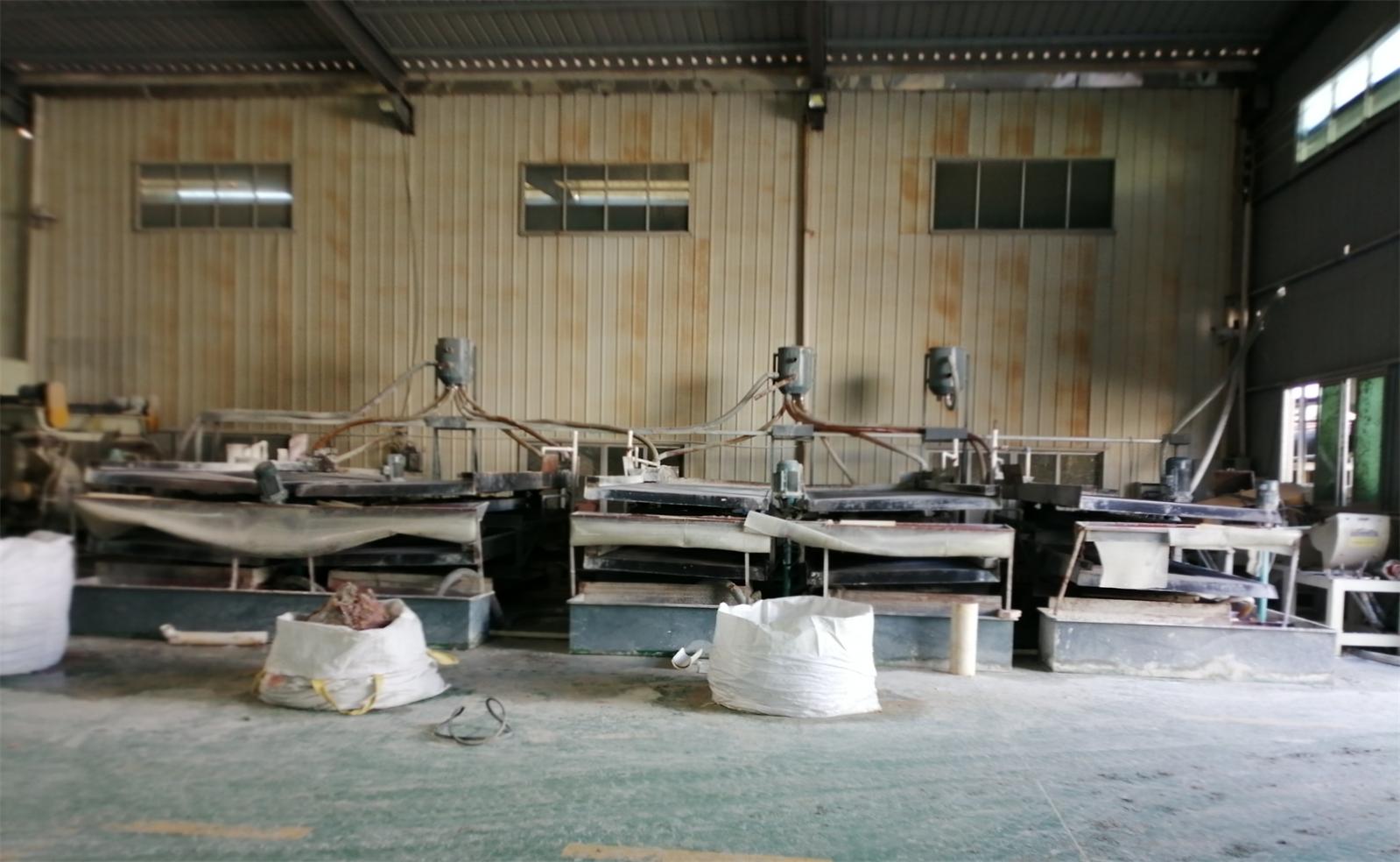
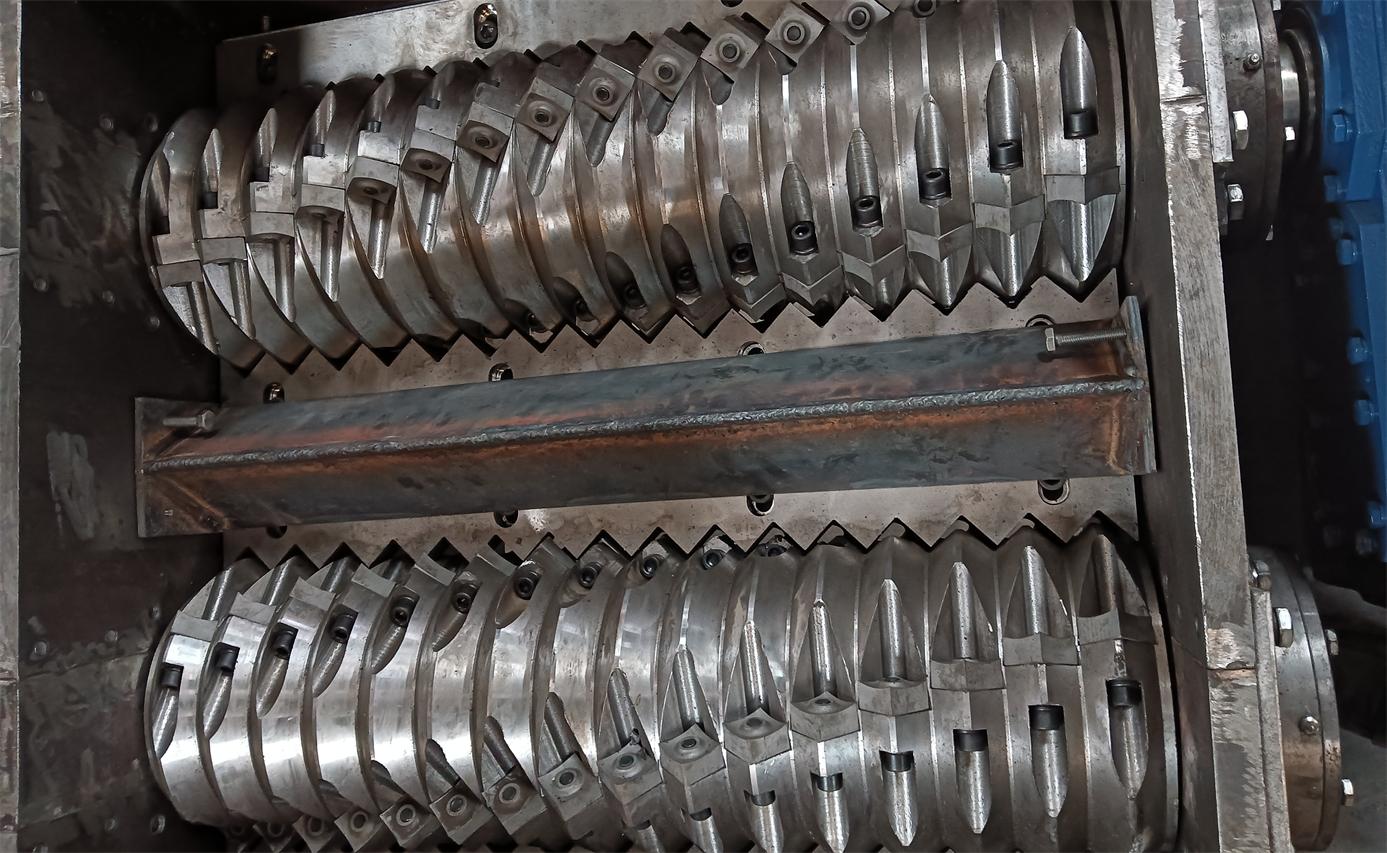
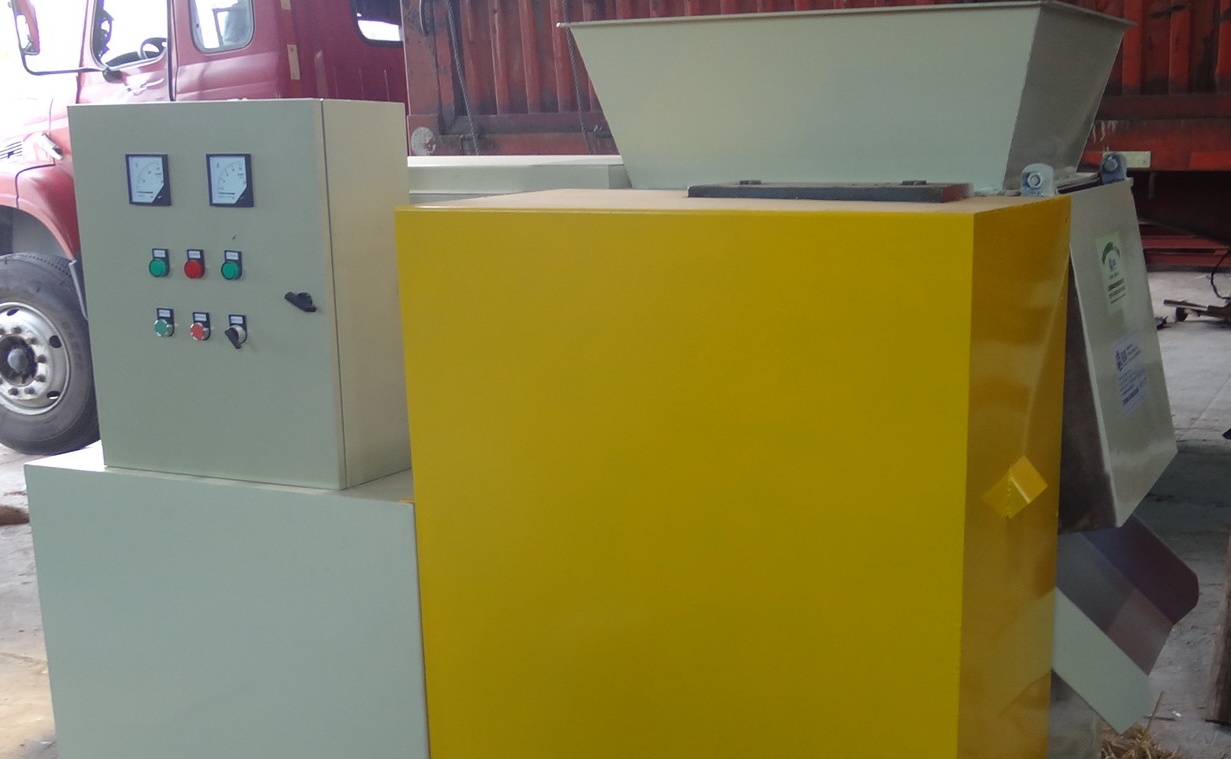
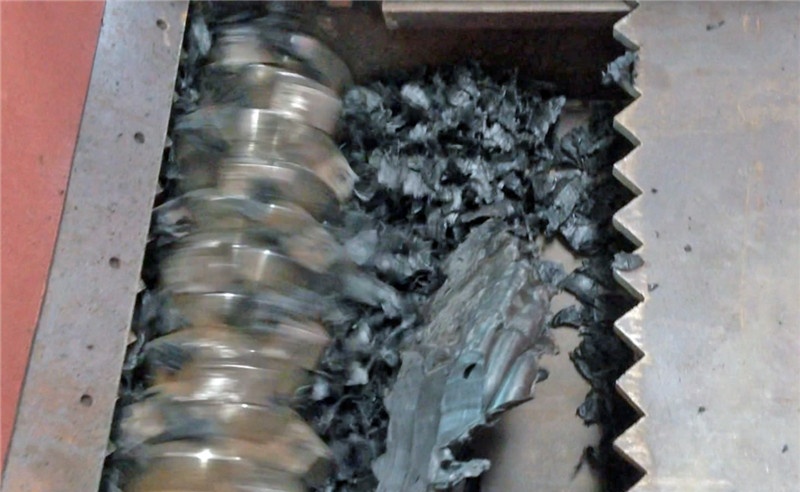
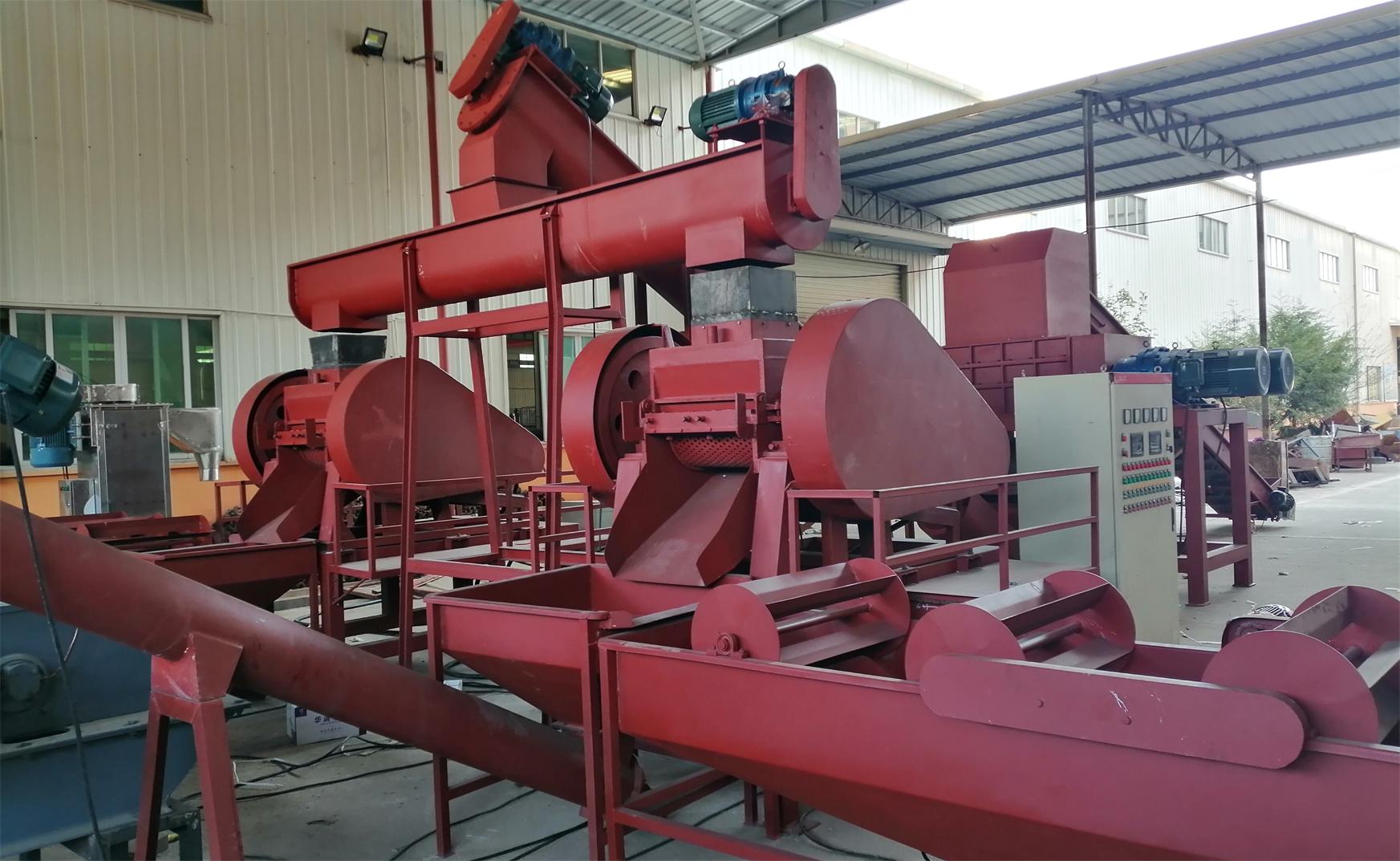
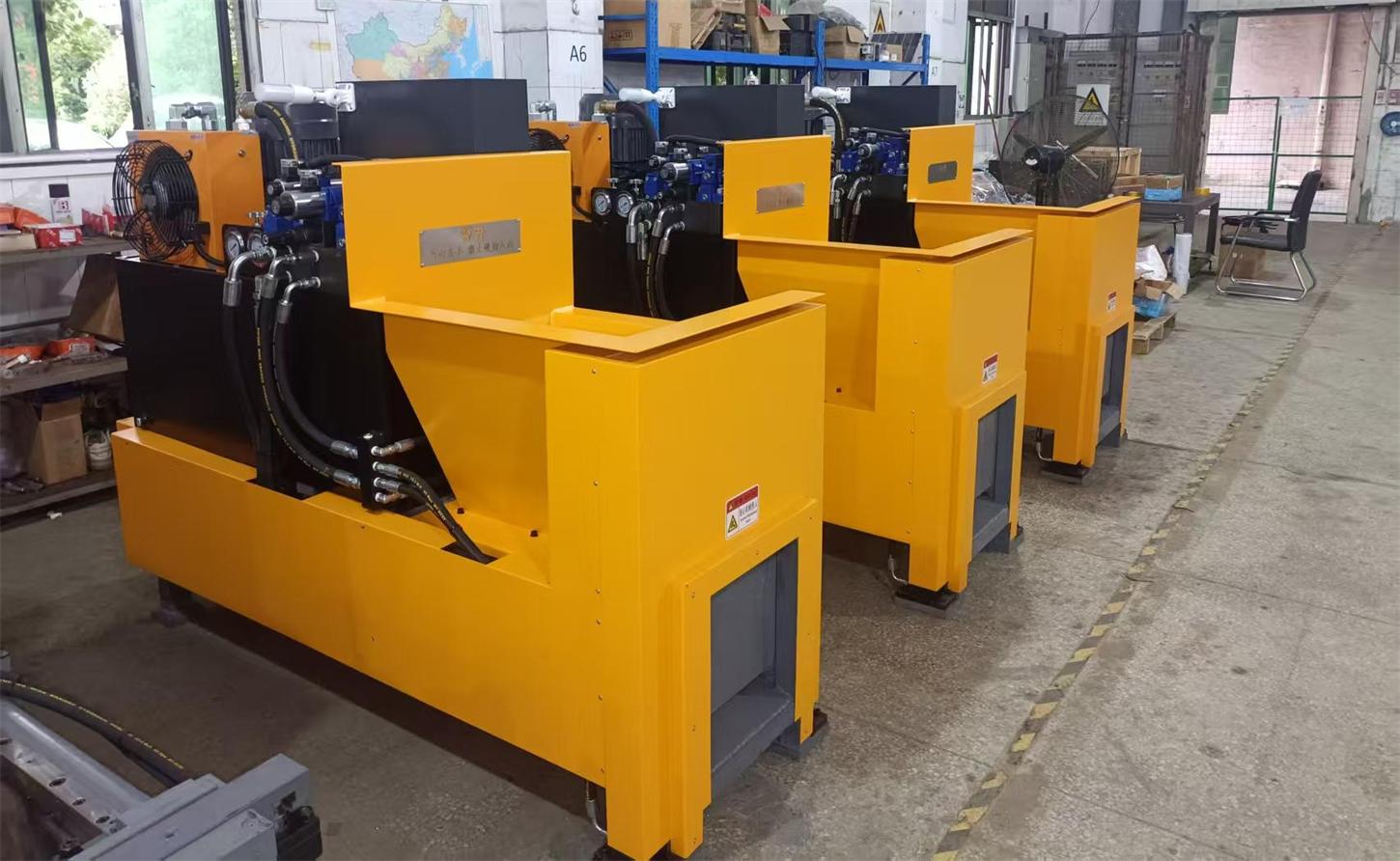
San Lan Technologies, established in 2007, manufactures a full range of e-waste recycling machinery and mining equipment from its facility in Jiangxi Province, China. The product portfolio includes lead acid battery recycling equipment, lithium battery recycling lines, circuit board recycling plants, cable recycling systems, shredders, CRT cutters, refrigerator recycling lines, motor dismantling machines, and auxiliary equipment such as hydraulic presses and melting furnaces.
The engineering team combines master's-level mechanical engineering training with more than fifteen years of hands-on experience in recycling plant design. San Lan has delivered projects to customers in over twenty-one countries, including Singapore, Colombia, Vietnam, Mexico, Argentina, Korea, Malaysia, Indonesia, South Africa, India, Kenya, Saudi Arabia, and the Philippines.
Beyond equipment manufacturing, San Lan offers EPC project services, customized design, installation and commissioning, and even assistance with raw material sourcing and product offtake for recycled outputs such as copper rice, copper powder, and lead ingots. The company operates in both English and Chinese, which reduces communication friction for international buyers.
Key capabilities at a glance: Turn-key plant design, capacity from 300 kg/hour to 5,000 kg/hour, dry and wet separation technologies, integrated air and water pollution control, and support for raw material sourcing and product sales.
Start With the Material, Not the Machine
The most common mistake buyers make is choosing equipment before they understand their feedstock. Cable with jelly filling requires a different line than clean copper wire. Circuit boards with large components need pre-dismantling. Lithium batteries must be fully discharged before crushing. A supplier that asks about your material first, and then recommends a configuration, is a supplier that understands the business.
If you are evaluating a recycling plant investment, start with a conversation about your specific material, capacity target, and local regulations. The right supplier will ask you questions you have not considered yet. That is the one worth working with.
Ready to discuss your recycling project? Browse the full range of li battery recycling equipment, cable recycling systems, and turn-key plant solutions at san-lan.com, or contact the team directly with your material specifications and capacity requirements for a customized proposal.