What Separates a Reliable Recycling Equipment Supplier From the Rest: A Buyer's Checklist
Two entrepreneurs made different choices. One plant runs double shifts. The other sits idle.
Last year, two entrepreneurs on opposite sides of the world decided to enter the e-waste recycling business. Both had capital. Both had raw material sources. Both received quotes that looked professional.
One chose the lowest price. The other chose the supplier who asked harder questions.
Today, one plant is running double shifts, shipping copper powder and lead ingots to buyers. The other is idle, waiting for spare parts that were promised in six weeks and have not arrived in six months.
The difference was not luck. It was the checklist they used before signing.
Why the Supplier Matters More Than the Machine
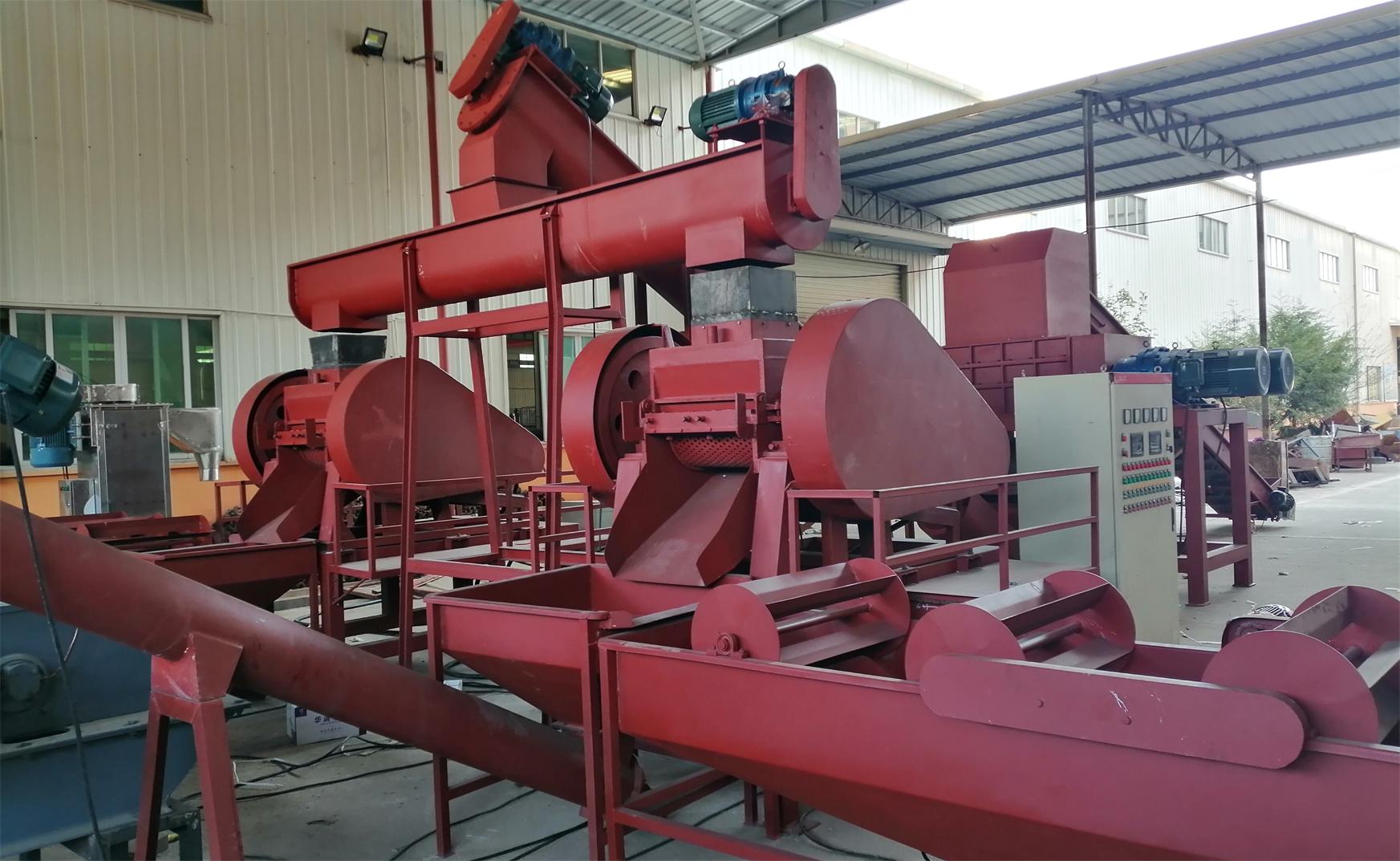
A recycling plant is not a single machine. It is a system. Crushers, separators, smelters, pollution control units, and conveyors must work together. When one link fails, the entire line stops. The supplier's ability to integrate these components, and to support them for years, determines whether your investment becomes an asset or a liability.
A recycling equipment supplier who delivers standalone machines without process integration is selling you hardware. A true partner engineers a solution.
Six Questions That Reveal the Truth
1. Do they understand your material?
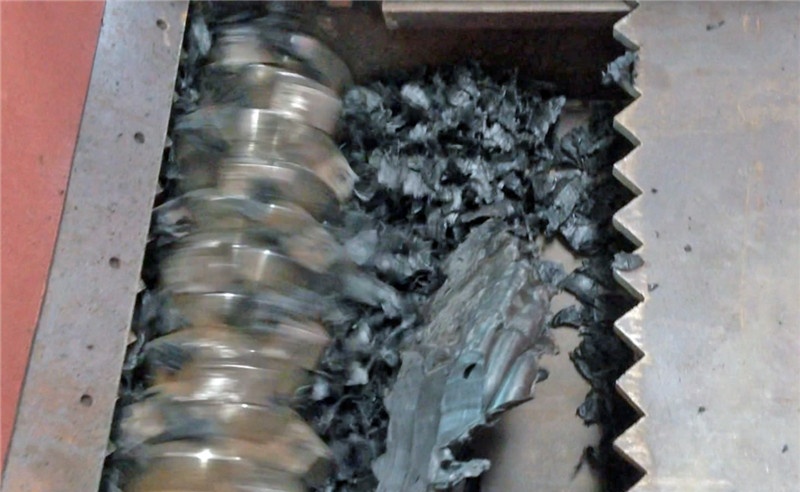
WEEE recycling is not generic. Lead acid batteries require acid neutralization, paste desulfurization, and strict emissions control. Lithium batteries demand inert crushing environments to prevent thermal runaway. PCB recycling needs precise separation of copper powder from precious metals. A supplier who treats every project as a copy-paste job will cost you in downtime and lost recovery rates.
San Lan Technologies, established in 2007, designs dedicated lines for each material stream, from lead acid battery recycling plant systems to lithium battery recycling configurations, rather than forcing a one-size-fits-all solution.
2. Can they deliver a true turnkey solution?
Buying machines is easy. Making them work together is hard. A genuine turnkey partner handles layout design, installation, commissioning, and operator training. They do not disappear after the invoice is paid.
With solid EPC experience, San Lan provides customized design, one-stop purchasing, installation, and commissioning. Their technical team holds master's degrees in mechanical engineering and brings over 15 years of hands-on experience in e-waste recycling machines.
3. What does their installed base look like?
Promises are cheap. Running plants are proof. Ask for references in your region. Ask how long those plants have been operating. Ask about spare parts availability.
San Lan has delivered equipment to clients in 21+ countries, including Singapore, Colombia, Vietnam, Mexico, Argentina, Korea, Malaysia, South Africa, India, Kenya, Saudi Arabia, and Zambia. That global footprint means they have solved problems in diverse regulatory and climatic conditions.
4. Do they offer lifecycle support?
A recycling plant runs for ten to fifteen years. Will your supplier still answer emails in year three? Do they stock wear parts? Can they remotely diagnose control system issues?
San Lan supports customers beyond start-up. They help purchase waste material, cable scrap, PCB scrap, and used lead acid batteries, and assist in selling end products such as copper rice, copper powder, and lead ingots. For customers seeking capital partners, they also connect investors for recycling plant construction.
5. Is pollution control built in or bolted on?
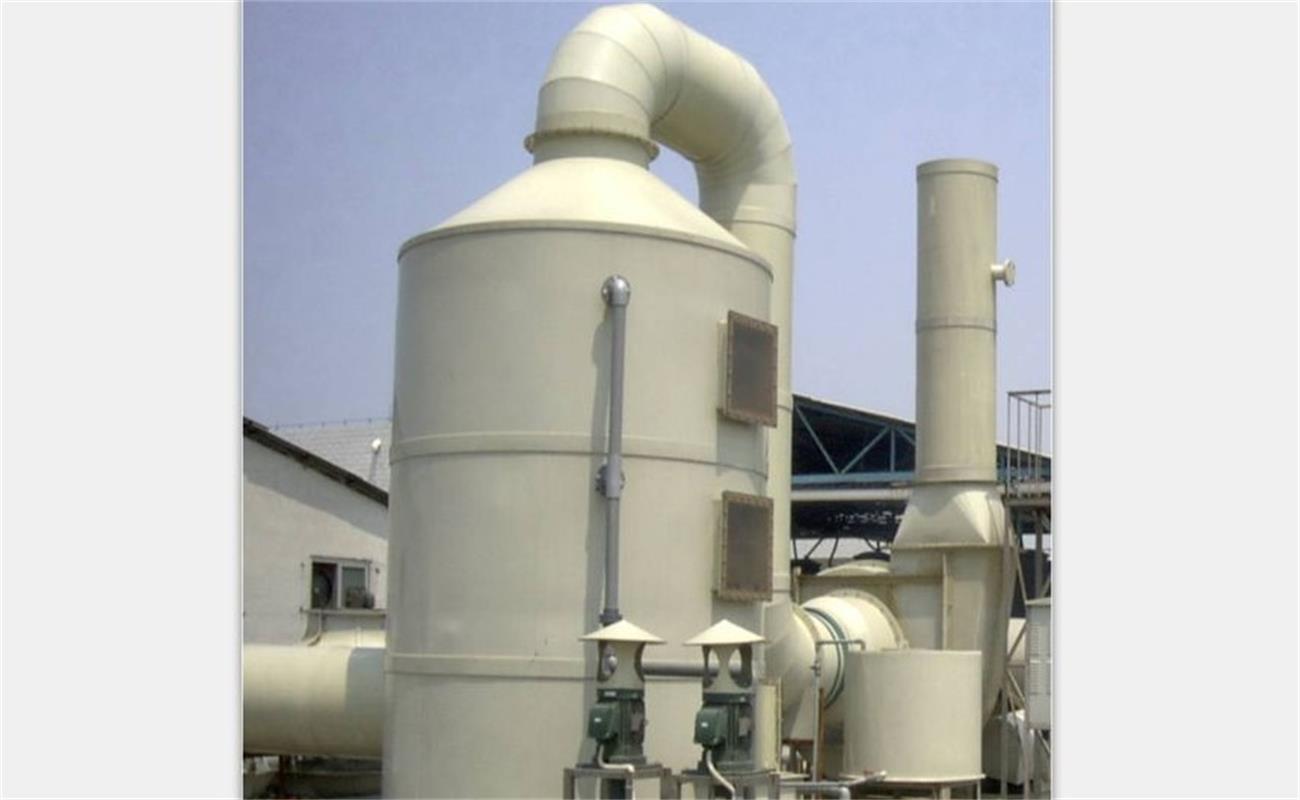
Environmental compliance is not an afterthought. Air pollution control systems, water treatment plants, and effluent treatment must be integrated into the process flow from day one. Retrofitting is always more expensive.
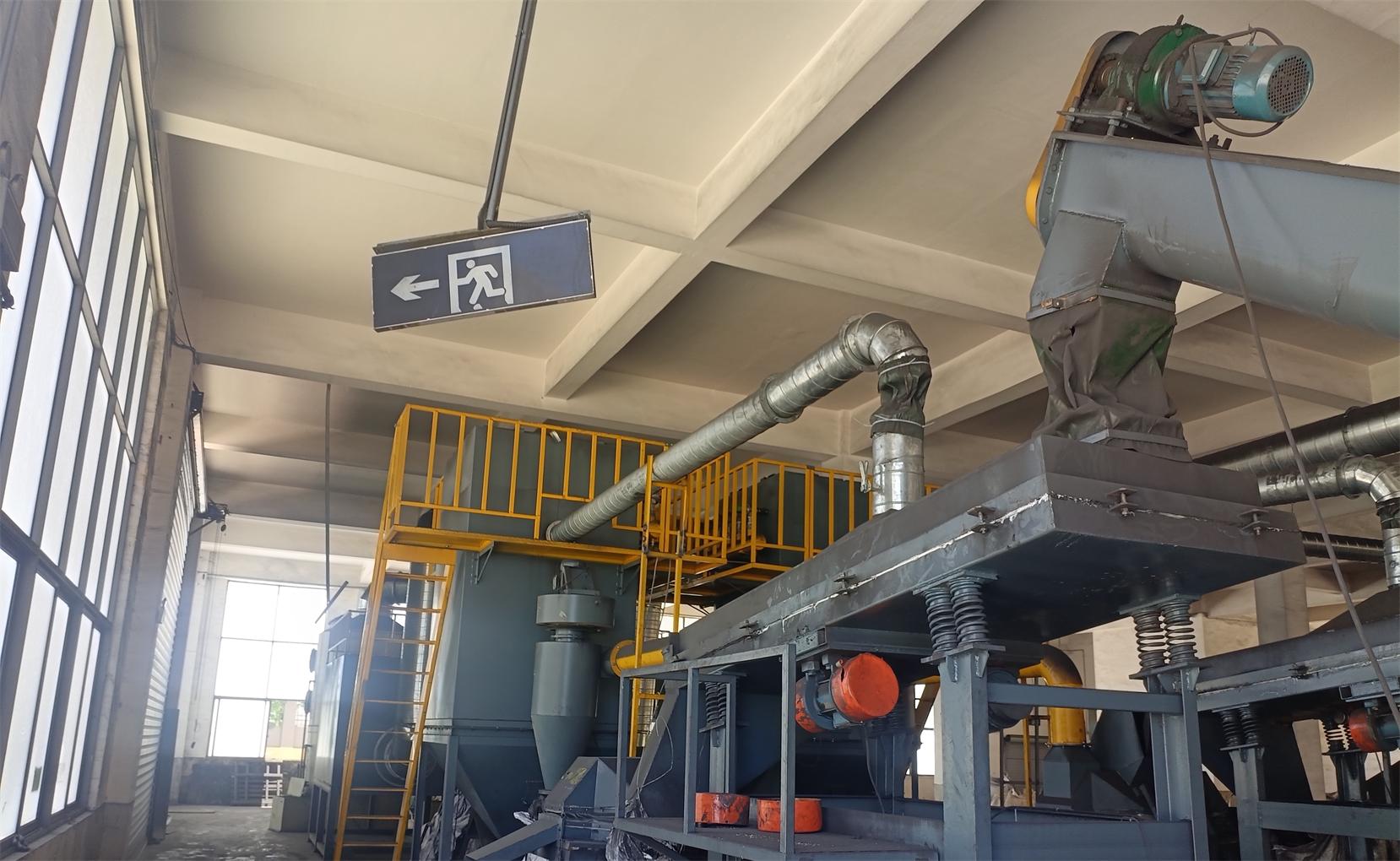
San Lan's circuit board recycling plant lines include pulse bag dust collectors and cyclone separators. Their lead acid battery systems incorporate de-sulfurization units, air pollution control, and water treatment as standard, not optional, components.
6. Can they scale with you?
Your first line may process 500 kg per hour. If demand grows, can the same supplier deliver a 2,000 kg per hour upgrade using compatible controls and spare parts? Supplier consistency reduces learning curves and inventory headaches.
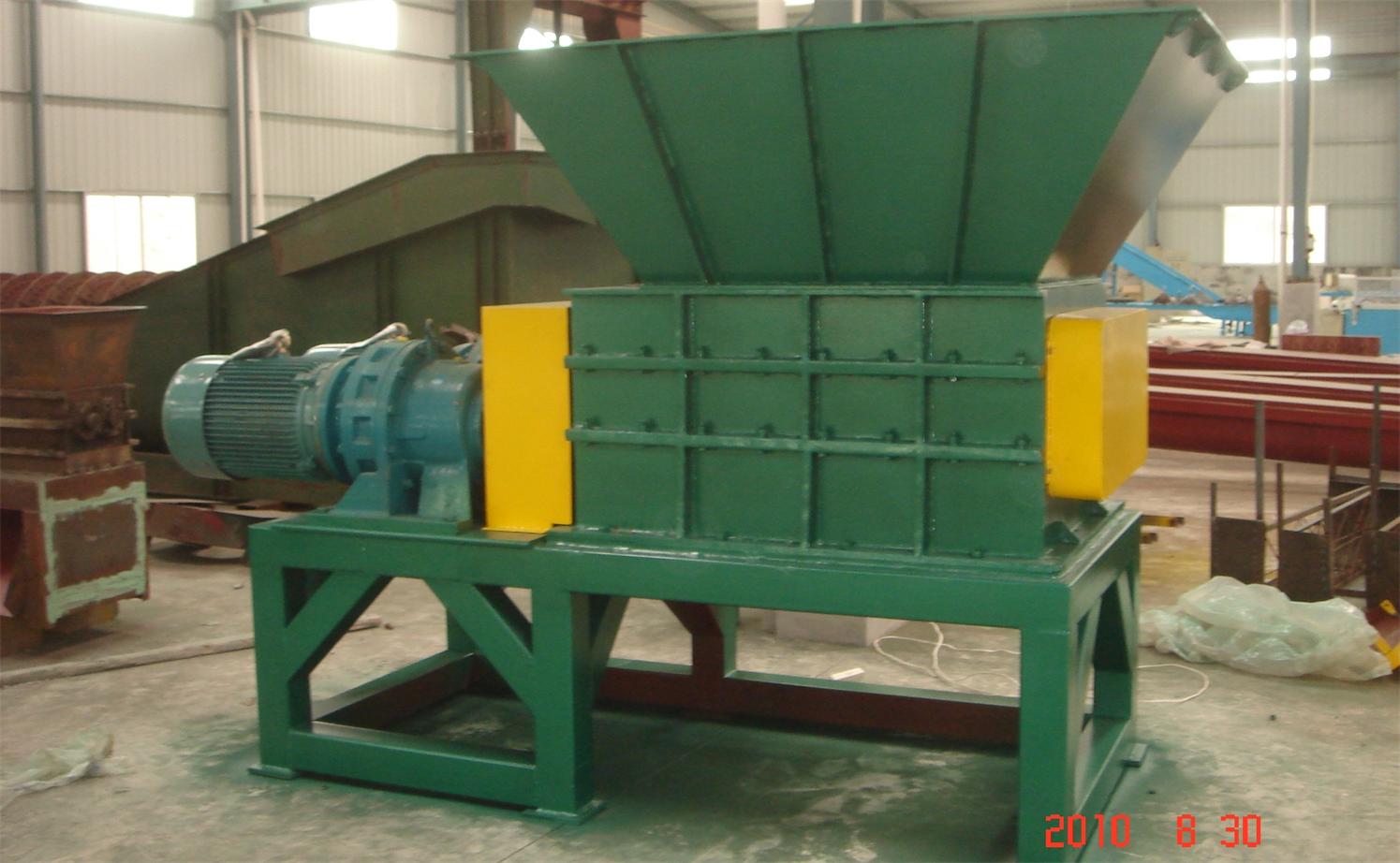
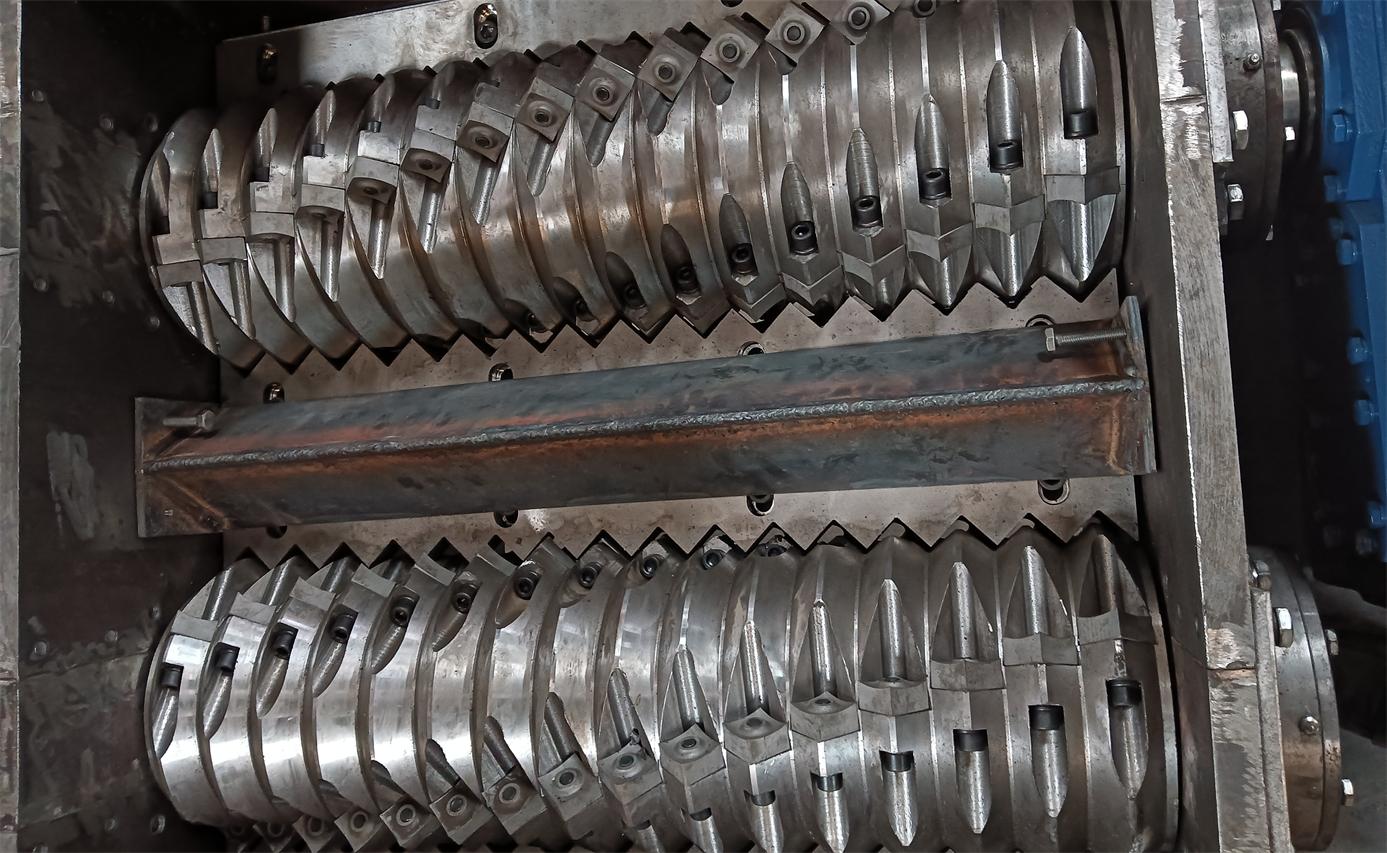
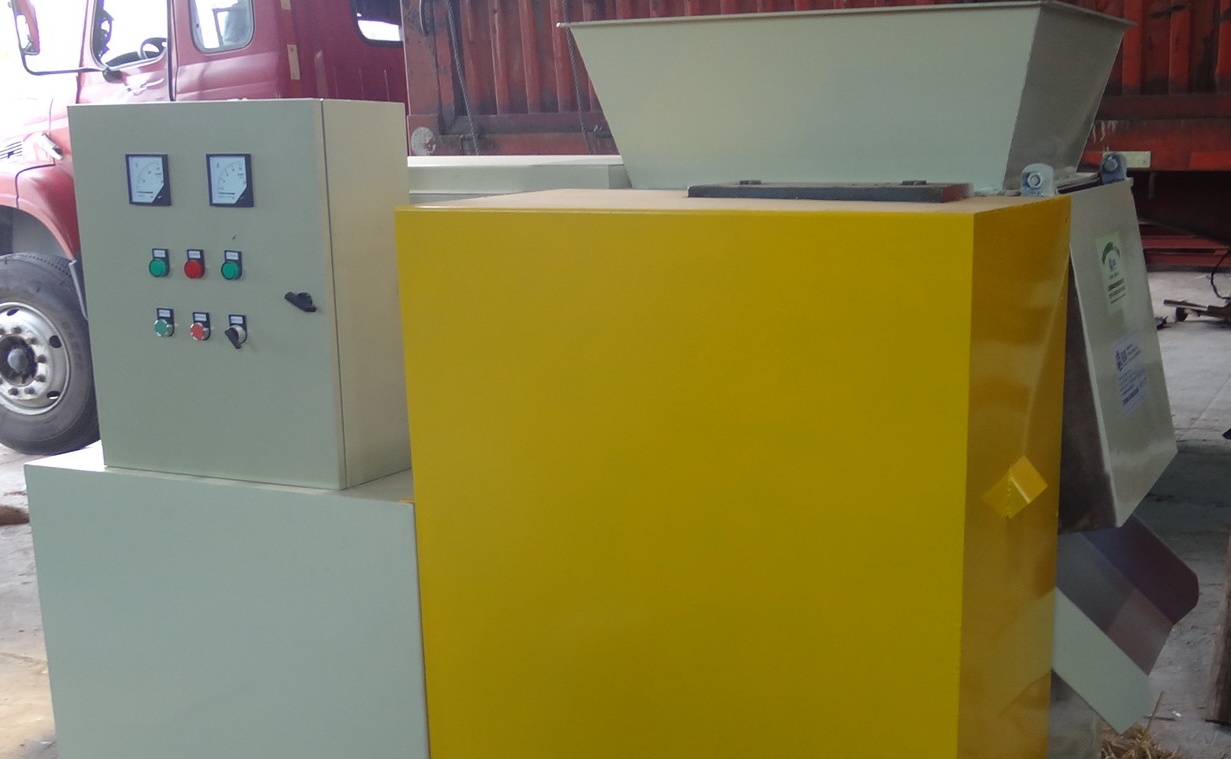
San Lan's product range covers capacities from 300 kg per hour to 5,000 kg per hour across cable recycling, PCB recycling, and battery recycling lines. Whether you need a compact granulator or a full shredding-and-separation plant, the engineering philosophy remains consistent.
Red Flags: When to Walk Away
- Vague scope documents. If the quote is a price list without P&ID, layout, or utility requirements, the supplier has not engineered your solution.
- No reference visits. A supplier who refuses site visits either has no successful installations or does not want you to see them.
- Impossible timelines. A complete battery recycling plant cannot be engineered, manufactured, shipped, and commissioned in six weeks. Anyone who says otherwise is lying about one of those steps.
- Missing pollution control. If emissions and effluent are treated as "local arrangements," you will inherit the compliance risk.
The Bottom Line
The right supplier does not just sell you a catalog. They co-invest in your project's success through technical depth, documented experience, and long-term support. Before you compare prices, compare the depth of the checklist each supplier brings to the table.
Ready to evaluate your project?
Contact San Lan Technologies to discuss material testing, plant layout, and capacity planning. With 60+ products across 13 categories and installations in 21+ countries, they have the range and the track record to back up their proposals.
- Email: info@san-lan.com
- WhatsApp: +86 139 2377 4083
- Website: https://www.san-lan.com