Have you ever stood at your kitchen sink, letting the tap run as you rinse dishes, and wondered: where does all this water go once it disappears down the drain? It’s easy to take for granted—the fact that the water we use daily, whether for bathing, cooking, or cleaning, doesn’t just vanish. Instead, it joins a complex network of pipes that lead to one crucial destination: a sewage treatment plant. At the heart of that plant? Sewage treatment machines. These unsung heroes work tirelessly to turn dirty, contaminated water into something safe enough to return to rivers, oceans, or even, in some cases, be reused. But what exactly are these machines, and how do they perform such a vital transformation? Let’s pull back the curtain and find out.
First Things First: What Even Is a Sewage Treatment Machine?
Put simply, a sewage treatment machine is a system of tools, processes, and technologies designed to remove contaminants from wastewater—whether that’s water from your home (called “domestic sewage”), factories (“industrial sewage”), or farms (“agricultural sewage”). Think of it as a giant, super-efficient filter, but one that doesn’t just strain out dirt. These machines target everything from visible gunk (like food scraps or hair) to invisible threats (like bacteria, chemicals, and viruses). Without them, our waterways would be toxic, ecosystems would collapse, and diseases would spread like wildfire. In short, they’re the reason we can live in crowded cities without drowning in our own waste.
But here’s the thing: sewage treatment isn’t a one-size-fits-all process. Depending on the type of wastewater and the contaminants in it, different machines and methods come into play. Some rely on water-based processes, others on dry mechanical systems, and many use a mix of both. Over the next few sections, we’ll break down how these machines work, the key tools they use, and why they matter more than you might think.
Why Does Sewage Treatment Even Matter? Let’s Get Real About the Risks
Before we dive into the “how,” let’s talk about the “why.” Imagine a world without sewage treatment machines. Every time you flushed the toilet or drained a bathtub, that water—loaded with bacteria like E. coli, chemicals from cleaning products, and organic matter—would flow straight into rivers, lakes, and oceans. Fish would die. Algae would bloom, sucking oxygen from the water and creating “dead zones.” Drinking water sources would become contaminated, leading to outbreaks of cholera, dysentery, and other waterborne diseases. Even groundwater, the source of many wells, would get polluted, making it unsafe to drink.
For cities, the stakes are even higher. A single large city can produce millions of gallons of sewage every day. Without treatment, that volume would overwhelm natural water systems, turning urban waterways into open sewers. Industrial sewage is an added layer of complexity—factories often discharge heavy metals (like lead or mercury), solvents, or acids, which are toxic to humans and wildlife. Agricultural sewage, too, carries pesticides, fertilizers, and animal waste, which can cause algal blooms and poison drinking water.
Fun (or Not-So-Fun) Fact: According to the World Health Organization, over 80% of the world’s wastewater is released into the environment without treatment. That’s a staggering number—and it’s why sewage treatment machines are so critical for public health and the planet.
How Does It Work? The Step-by-Step Journey of Wastewater
Sewage treatment is like a relay race—each stage passes the baton to the next, with different machines handling specific tasks. Let’s walk through the process step by step, so you can see how raw sewage becomes clean water.
1. Pre-Treatment: The “First Line of Defense”
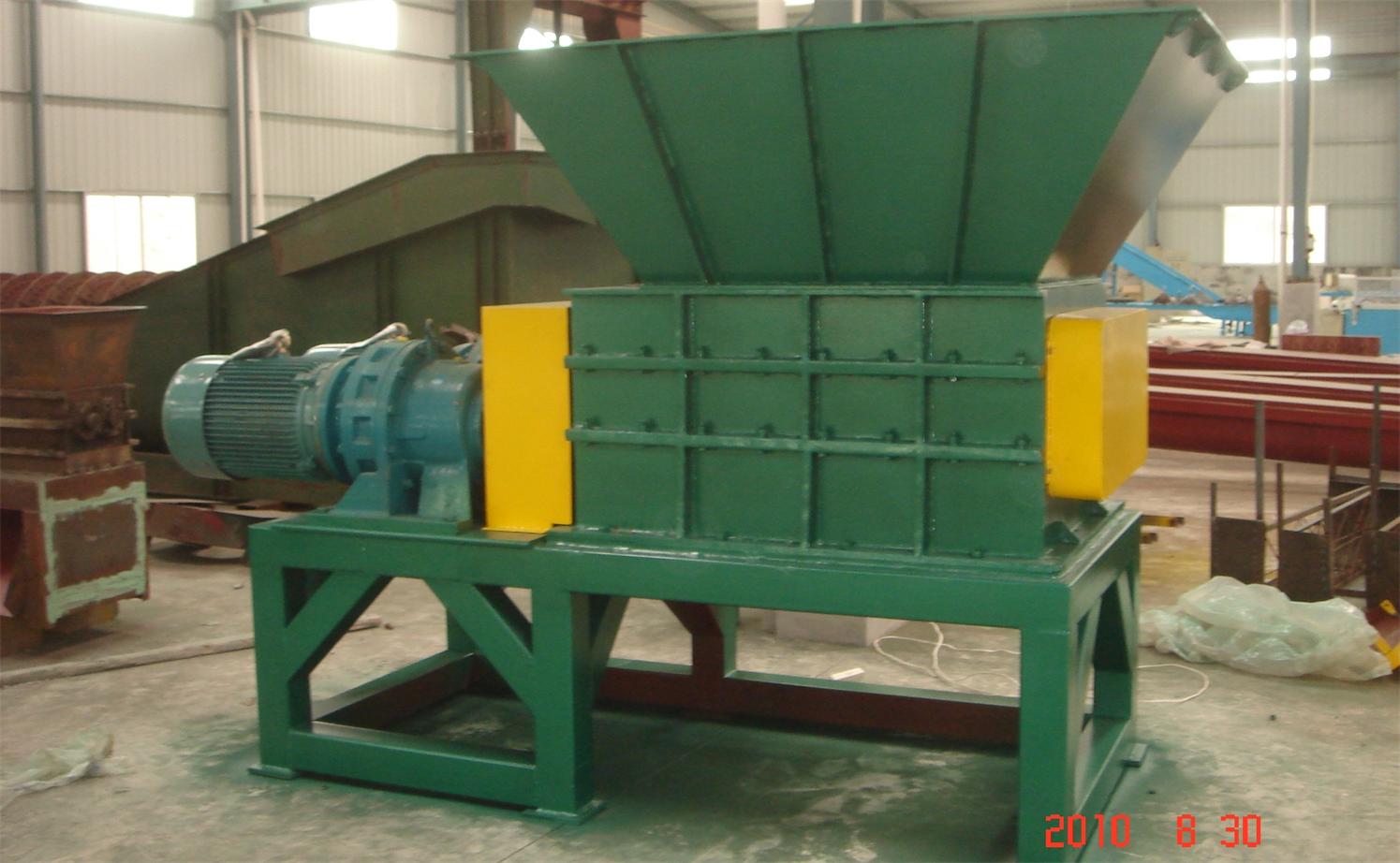
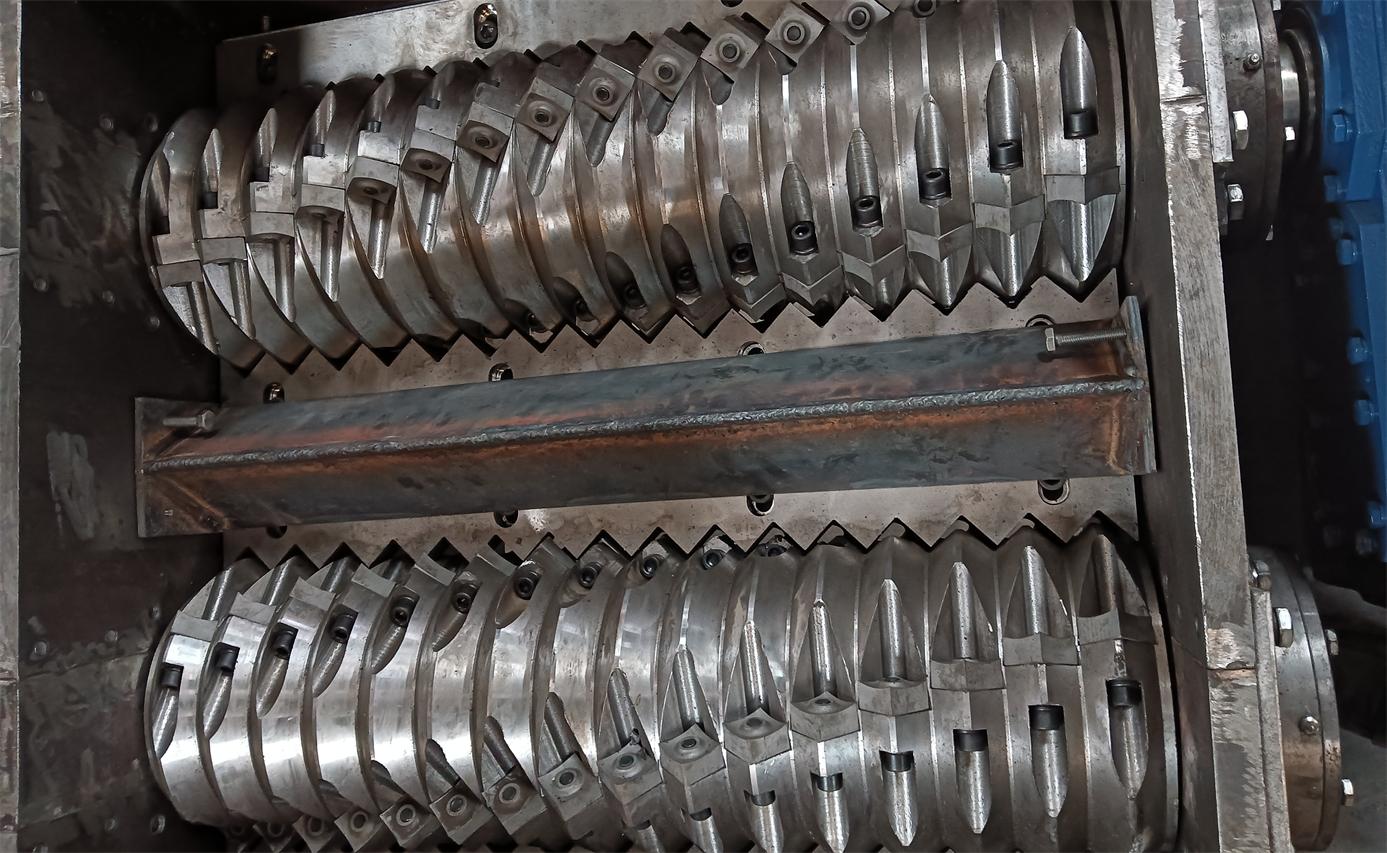
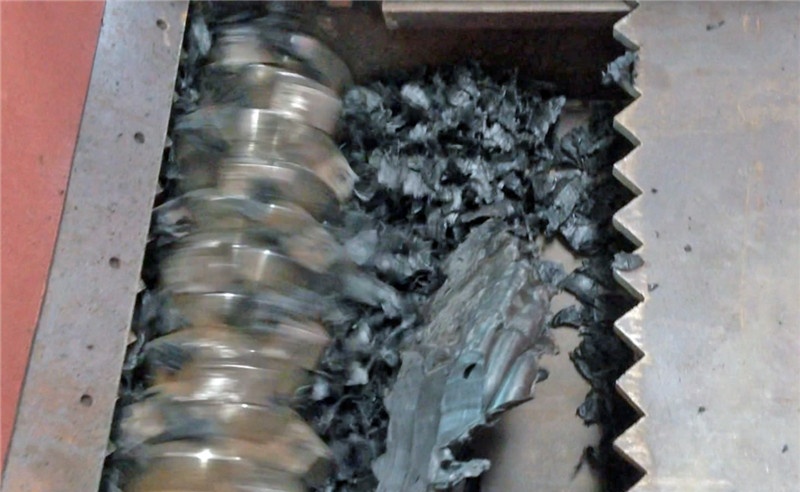
When sewage first arrives at a treatment plant, it’s a messy mix of water, solids, and all sorts of debris—think sticks, plastic wrappers, even the occasional toy (yes, really). The first job of the treatment machine? To catch all that big stuff before it clogs up the rest of the system. This is where pre-treatment comes in. Machines like bar screens (rows of metal bars) and grit chambers (tanks where heavy particles like sand and gravel settle) work together to filter out the largest contaminants. Imagine a strainer you use to drain pasta—this is the industrial version, but for sewage.
2. Primary Treatment: Separating the “Heavy Hitters”
After pre-treatment, the wastewater moves to primary treatment —think of this as the “settling phase.” The water is pumped into large tanks called sedimentation basins, where it sits quietly for several hours. During this time, gravity does its magic: heavier solids (called “sludge”) sink to the bottom, while lighter materials (like oil or grease) float to the top. Skimmers remove the floating gunk, and scrapers collect the sludge from the bottom. By the end of primary treatment, about 50-60% of suspended solids and 30% of organic matter are removed. But the water still isn’t clean enough—this is where the next stage takes over.
3. Secondary Treatment: Let the Microbes Do the Work
Now we’re getting to the “biological” part of the process. Secondary treatment uses tiny, living organisms—bacteria and protozoa—to break down the remaining organic matter in the water. How? The wastewater is mixed with “activated sludge,” a soupy mixture of microbes that thrive on organic waste. The mixture is aerated (pumped with air) to help the microbes grow and eat up the contaminants. After several hours, the water is sent to another sedimentation tank, where the microbes (now clumped together as “biomass”) settle out, leaving clearer water behind. This stage removes up to 90% of organic matter and many pathogens—we’re getting closer!
4. Tertiary Treatment: The “Polishing” Stage
For many treatment plants, secondary treatment is enough to meet basic safety standards. But in areas where water is scarce or where the treated water will be reused (for irrigation, industrial processes, or even drinking water in some cases), tertiary treatment is needed. This is the final “polish,” removing remaining contaminants like nitrogen, phosphorus, heavy metals, and tiny suspended particles. Here’s where specialized machines shine: things like sand filters, membrane bioreactors (which use ultra-fine membranes to trap even microscopic pollutants), and chemical disinfection (with chlorine or UV light to kill any leftover bacteria). By the end of tertiary treatment, the water is often cleaner than the rivers or lakes it’s released into!
5. Sludge Handling: What Happens to the “Waste”?
We can’t forget about the sludge collected during primary and secondary treatment! It might seem like a waste product, but modern treatment machines turn it into something useful. Sludge is first thickened (to remove excess water), then stabilized (to kill pathogens and reduce odors) through processes like anaerobic digestion (where bacteria break it down in the absence of oxygen, producing biogas—methane that can be used for energy). Finally, the remaining solids are dried and can be used as fertilizer, incinerated for energy, or disposed of safely in landfills. Talk about turning trash into treasure!
The Star Players: Key Equipment in Sewage Treatment
Sewage treatment machines aren’t just one big contraption—they’re a team of specialized tools, each with a unique job. Let’s meet some of the most important players:
Water Process Equipment: The Backbone of the System
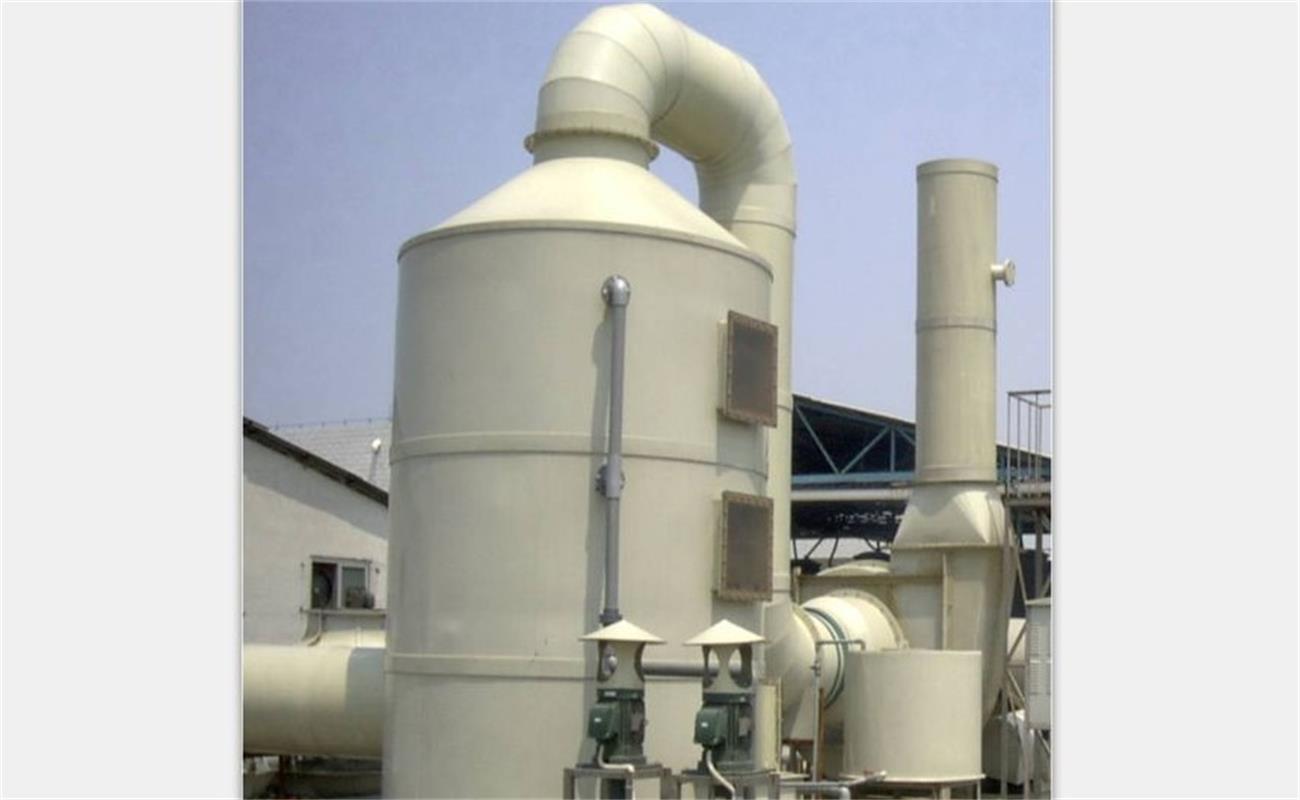
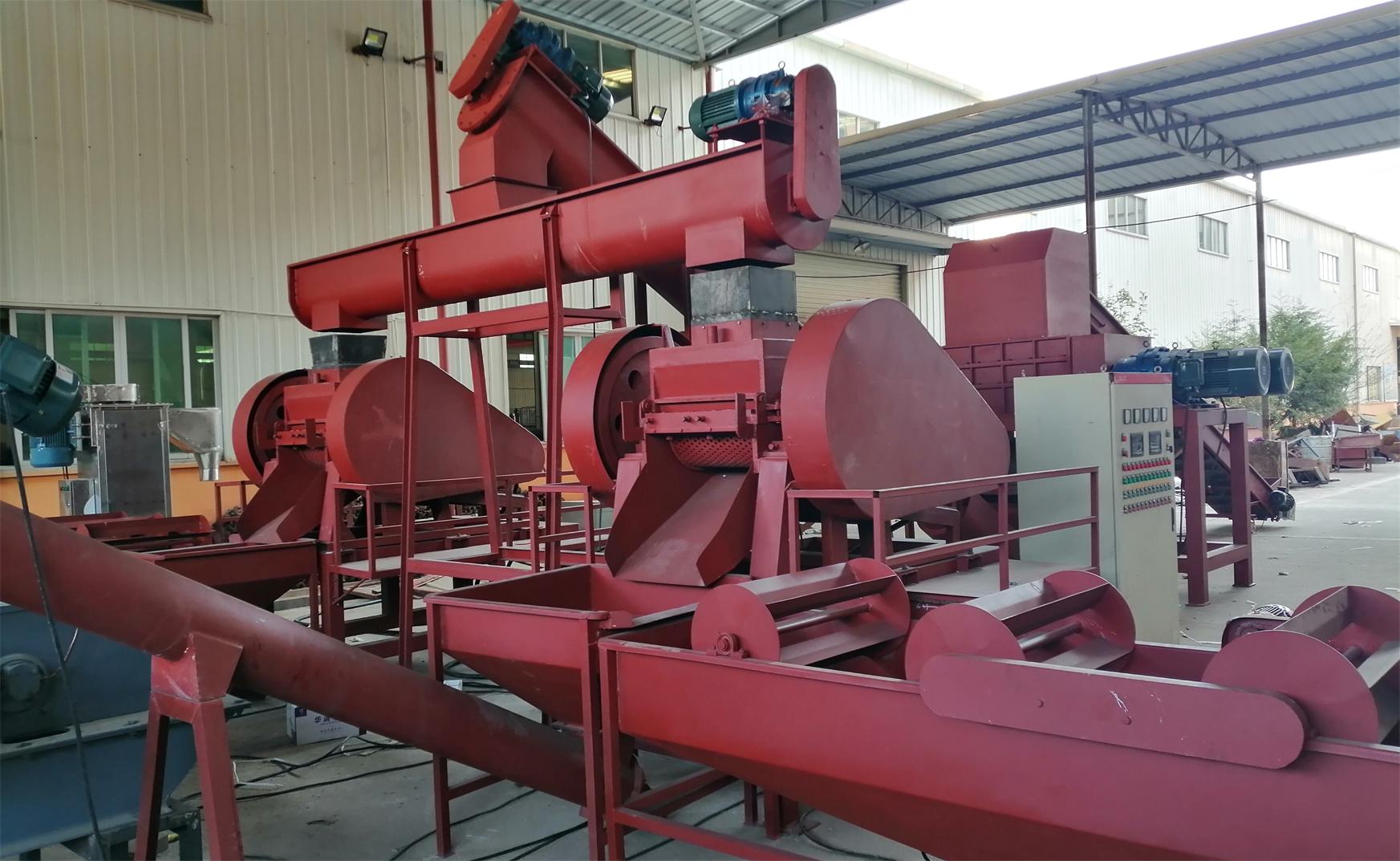
At the core of any sewage treatment plant is water process equipment —the network of tanks, pumps, pipes, and controls that moves water through each treatment stage. Think of it as the “circulatory system” of the plant. From large sedimentation tanks to precision pumps that adjust flow rates, this equipment ensures water moves smoothly and efficiently, so each treatment step can do its job. Without it, the whole process would grind to a halt.
Filter Press Equipment: Squeezing Out the Water
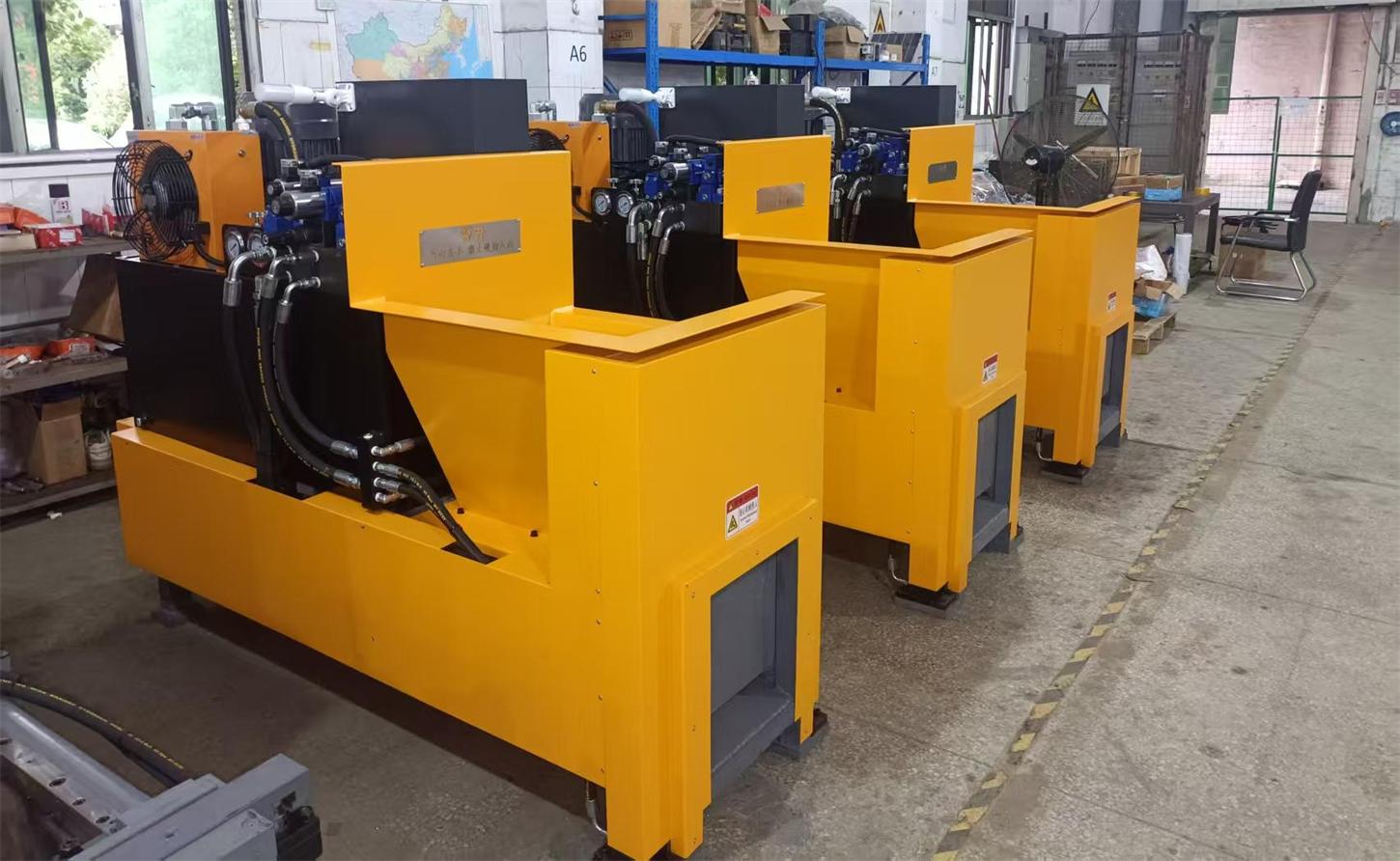
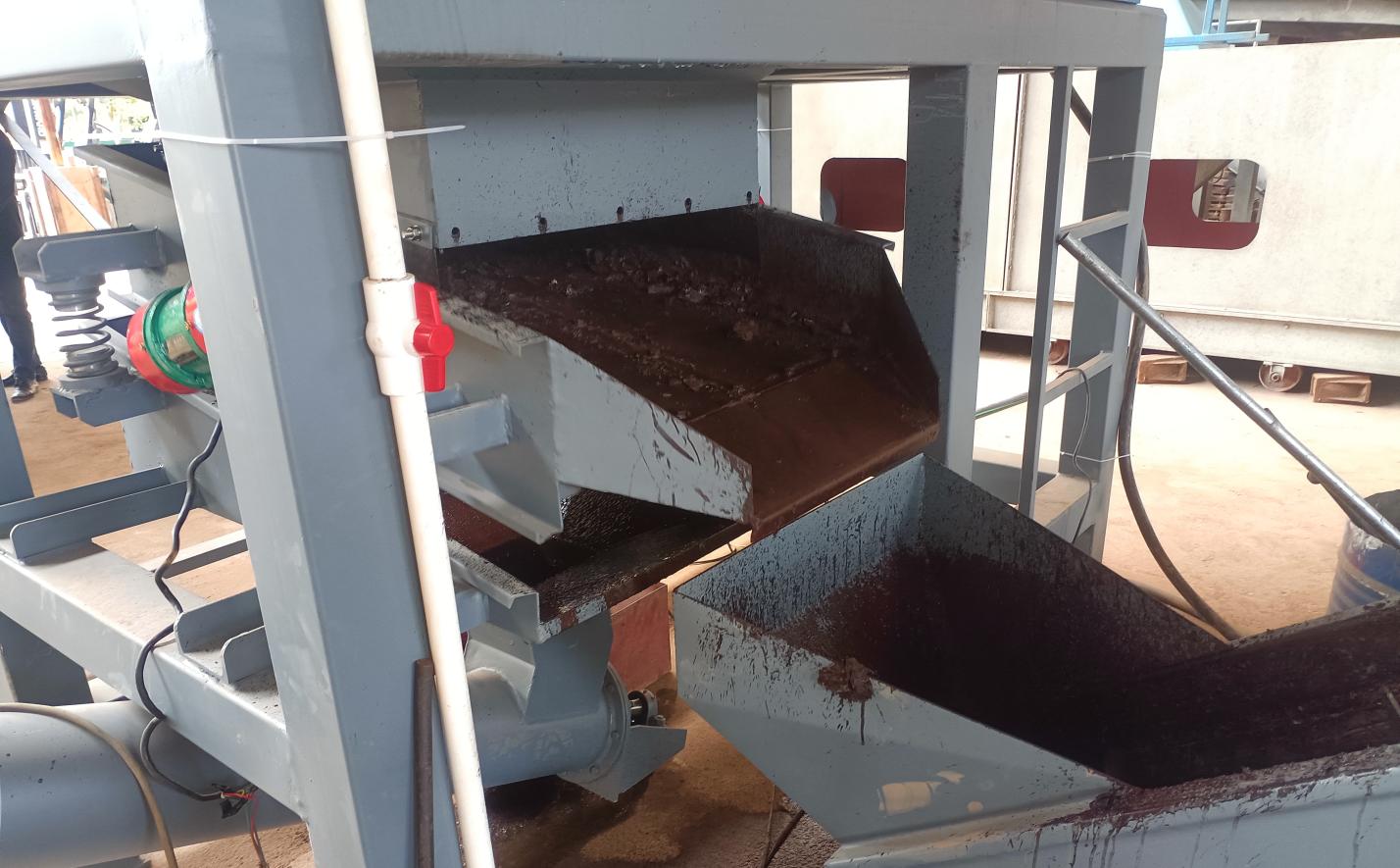
Remember that sludge we talked about earlier? To turn it from a wet, messy soup into something manageable, treatment plants use filter press equipment . Imagine a stack of large, porous cloth filters sandwiched together. The sludge is pumped into the press, and hydraulic rams squeeze the stack tightly. The water (called “filtrate”) is forced through the filters, leaving behind a solid, cake-like material. This not only reduces the volume of sludge by up to 70% but also makes it easier to transport, dry, or repurpose. It’s like wringing out a wet sponge—just on a massive scale.
Pro Tip: Filter presses come in different sizes, from small, portable units for rural plants to giant, automated systems for cities. Some even use advanced materials like polypropylene filters to handle corrosive industrial sludge.
Wet Process vs. Dry Process Equipment: Which One Gets the Job Done?
Not all treatment processes use the same approach. Two common methods are wet process equipment and dry process equipment , each with its own strengths:
- Wet Process Equipment: As the name suggests, this relies on water to carry and treat waste. Think of primary and secondary treatment, where water is the medium for separating solids and feeding microbes. It’s effective for high-volume, organic-rich sewage (like domestic wastewater) but uses a lot of water and produces more sludge.
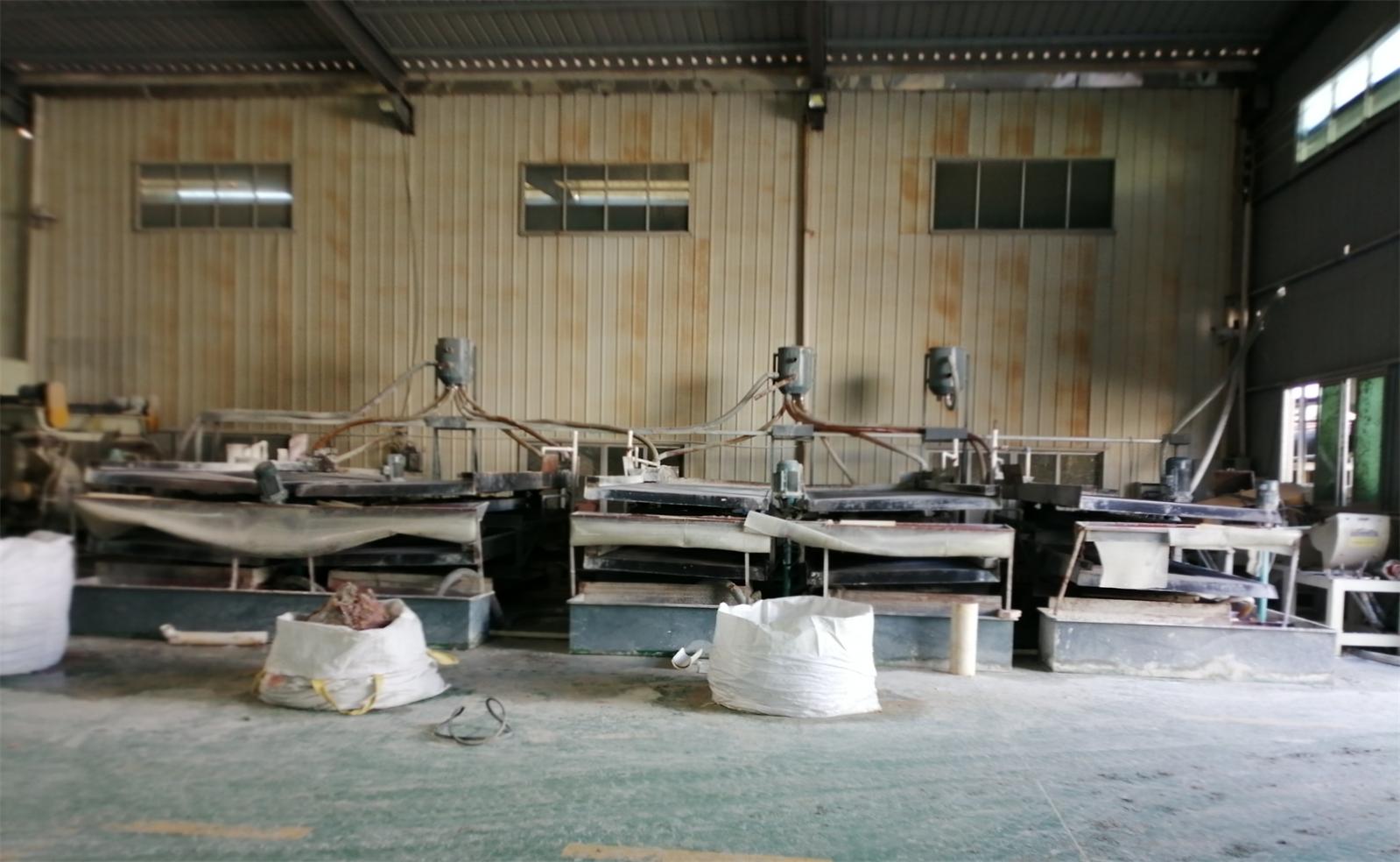
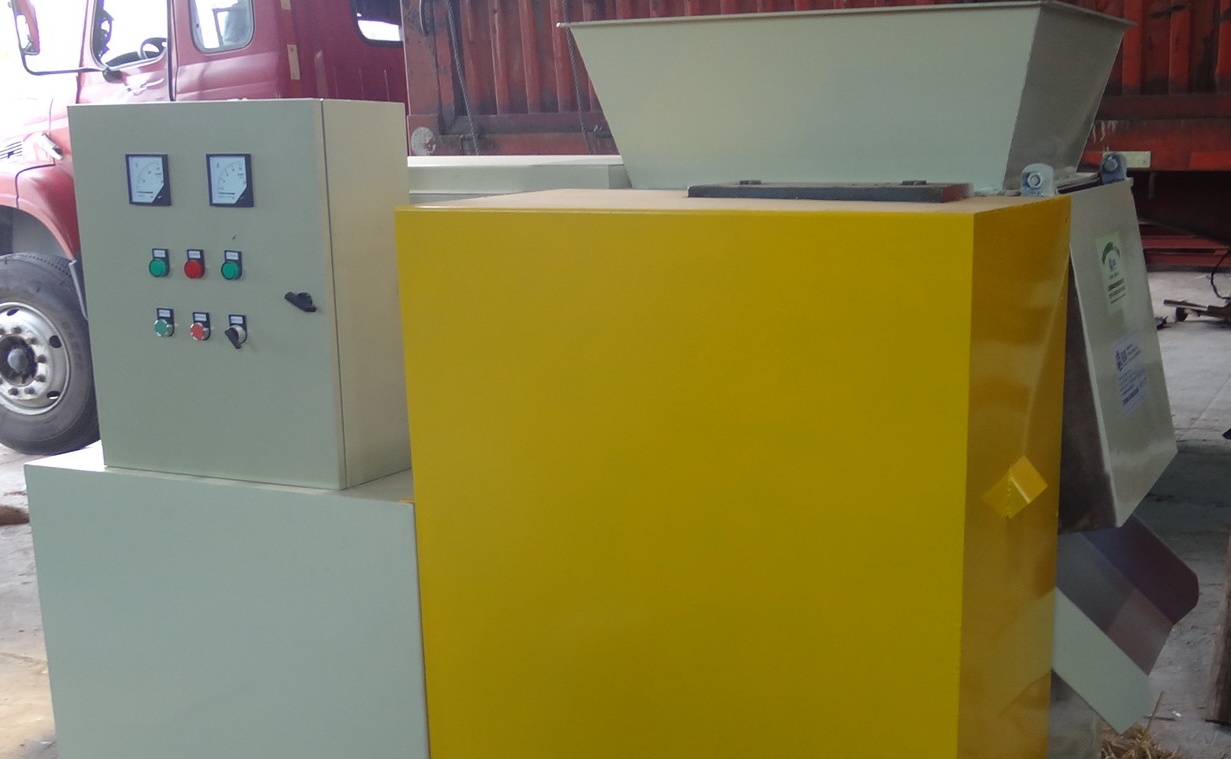
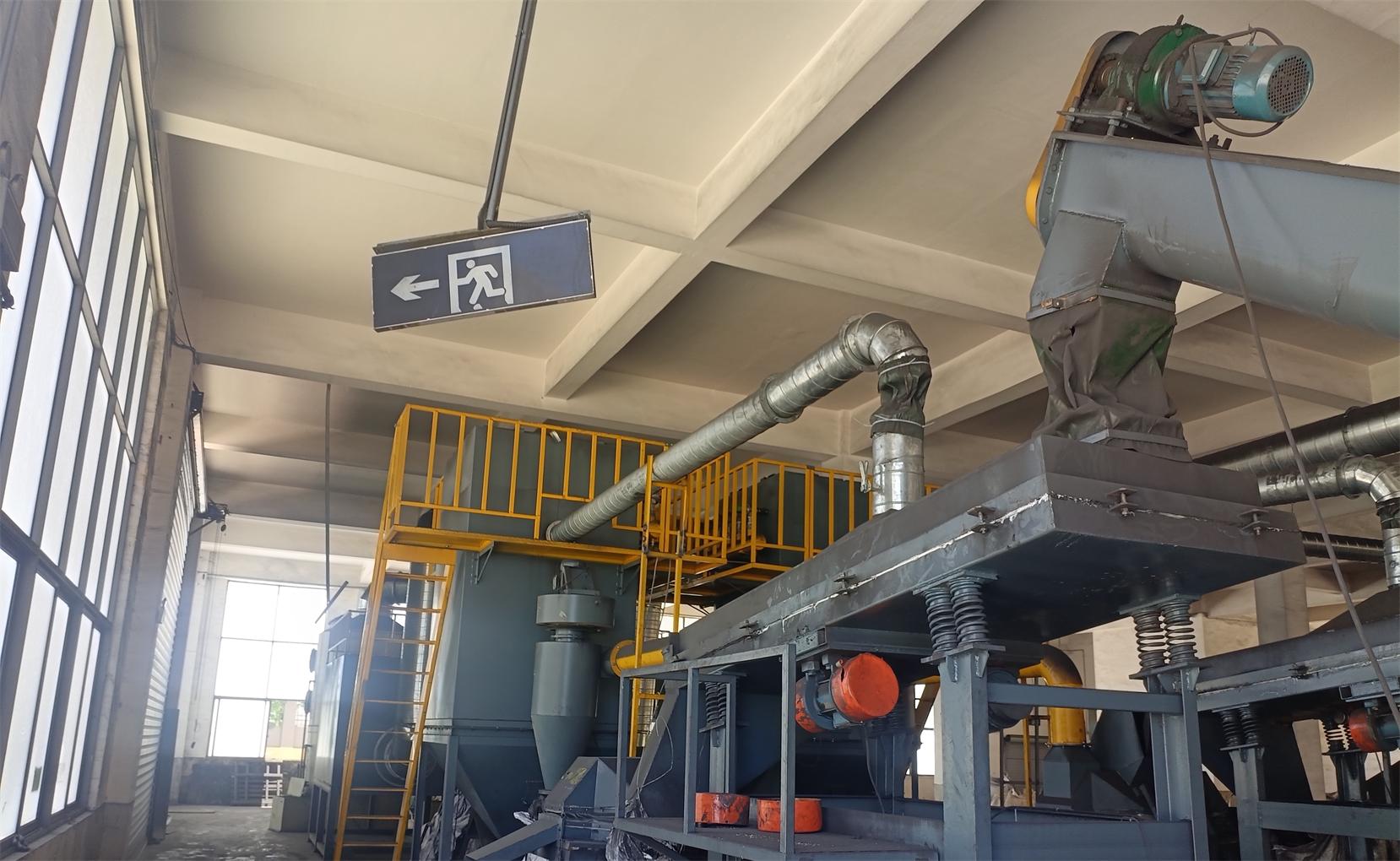
- Dry Process Equipment: This uses mechanical methods—like screens, presses, and heat—to treat waste without relying on large volumes of water. For example, some industrial plants use dryers to evaporate moisture from sludge, or centrifuges to spin solids out of wastewater. It’s ideal for water-scarce areas or industrial sewage with high concentrations of solids (like food processing waste).
Many plants use a mix of both—wet processes for initial treatment, dry processes for sludge handling—to balance efficiency and sustainability.
Effluent Treatment Machine Equipment: Ensuring Safe Release
Finally, we can’t forget effluent treatment machine equipment —the last checkpoint before treated water is released back into the environment. “Effluent” is just a fancy word for the treated water, and this equipment ensures it meets strict quality standards set by regulators. It might include sensors to test pH levels, turbidity (cloudiness), and chemical concentrations, as well as disinfection tools like UV lamps or ozone generators to kill any remaining pathogens. If the effluent doesn’t pass the test, it’s sent back for more treatment—no cutting corners here!
A Quick Look: Treatment Stages and Key Equipment
| Treatment Stage | Main Goal | Key Equipment |
|---|---|---|
| Pre-Treatment | Remove large debris and grit | Bar screens, grit chambers, comminutors (shredders) |
| Primary Treatment | Settle out heavy solids | Sedimentation tanks, skimmers, sludge scrapers |
| Secondary Treatment | Break down organic matter | Aeration tanks, activated sludge systems, trickling filters |
| Tertiary Treatment | Remove remaining contaminants | Sand filters, membrane bioreactors, UV disinfection |
| Sludge Handling | Reduce volume and stabilize sludge | Filter press equipment, centrifuges, anaerobic digesters |
Where Do These Machines Actually Work? Real-World Applications
Sewage treatment machines aren’t just confined to big, industrial plants. They’re everywhere, quietly solving unique wastewater challenges. Here are a few places you’ll find them hard at work:
- Municipal Systems: In cities and towns, large-scale treatment plants handle millions of gallons of domestic sewage daily. These rely on water process equipment, sedimentation tanks, and effluent treatment machines to keep waterways clean.
- Factories and Manufacturing: Industrial plants (chemical, textile, paper, food) produce sewage loaded with unique pollutants—like heavy metals or dyes. They use specialized dry process equipment or filter presses to treat this waste before releasing it.
- Farms and Agriculture: Dairy farms, feedlots, and crop fields generate sewage with high levels of nitrogen and phosphorus. Treatment machines here focus on removing these nutrients to prevent algal blooms in nearby lakes.
- Remote Communities: Small towns or villages without access to large plants use compact, portable systems—like mini filter presses or aerobic digesters—to treat sewage locally.
- Disaster Zones: After floods or earthquakes, temporary sewage treatment machines (often mobile units with effluent treatment equipment) are deployed to prevent the spread of waterborne diseases.
The Future of Sewage Treatment: What’s Next?
As the world’s population grows and water becomes scarcer, sewage treatment machines are evolving to be smarter, more efficient, and more sustainable. Here are a few trends to watch:
- Smart Sensors and AI: Imagine machines that can “taste” the water and adjust treatment in real time. New sensors and AI systems monitor water quality 24/7, automatically adjusting chemical doses or aeration levels to save energy and improve results.
- Resource Recovery: Instead of just treating waste, future machines will recover resources. Think extracting phosphorus from sludge to make fertilizer, or capturing methane from anaerobic digestion to power the plant itself.
- Decentralized Systems: Smaller, modular treatment units (like those using dry process equipment) will make treatment accessible to rural areas, reducing the need for massive pipe networks.
- Water Reuse: With freshwater in short supply, more plants will treat sewage to drinking water standards—yes, you read that right! Technologies like reverse osmosis and advanced oxidation are making “toilet to tap” a reality in places like Singapore and California.
Wrapping Up: Why This Matters to You
At the end of the day, sewage treatment machines are more than just industrial equipment—they’re lifelines. They protect our health, our environment, and our access to clean water. The next time you turn on the tap or flush the toilet, take a moment to appreciate the complex process happening behind the scenes. And as we look to the future, investing in better treatment technologies isn’t just a “nice-to-have”—it’s essential for building sustainable, resilient communities.
So, the next time someone asks, “What’s a sewage treatment machine?” you can tell them: it’s the reason we can live in a world where clean water isn’t just a luxury, but a reality.