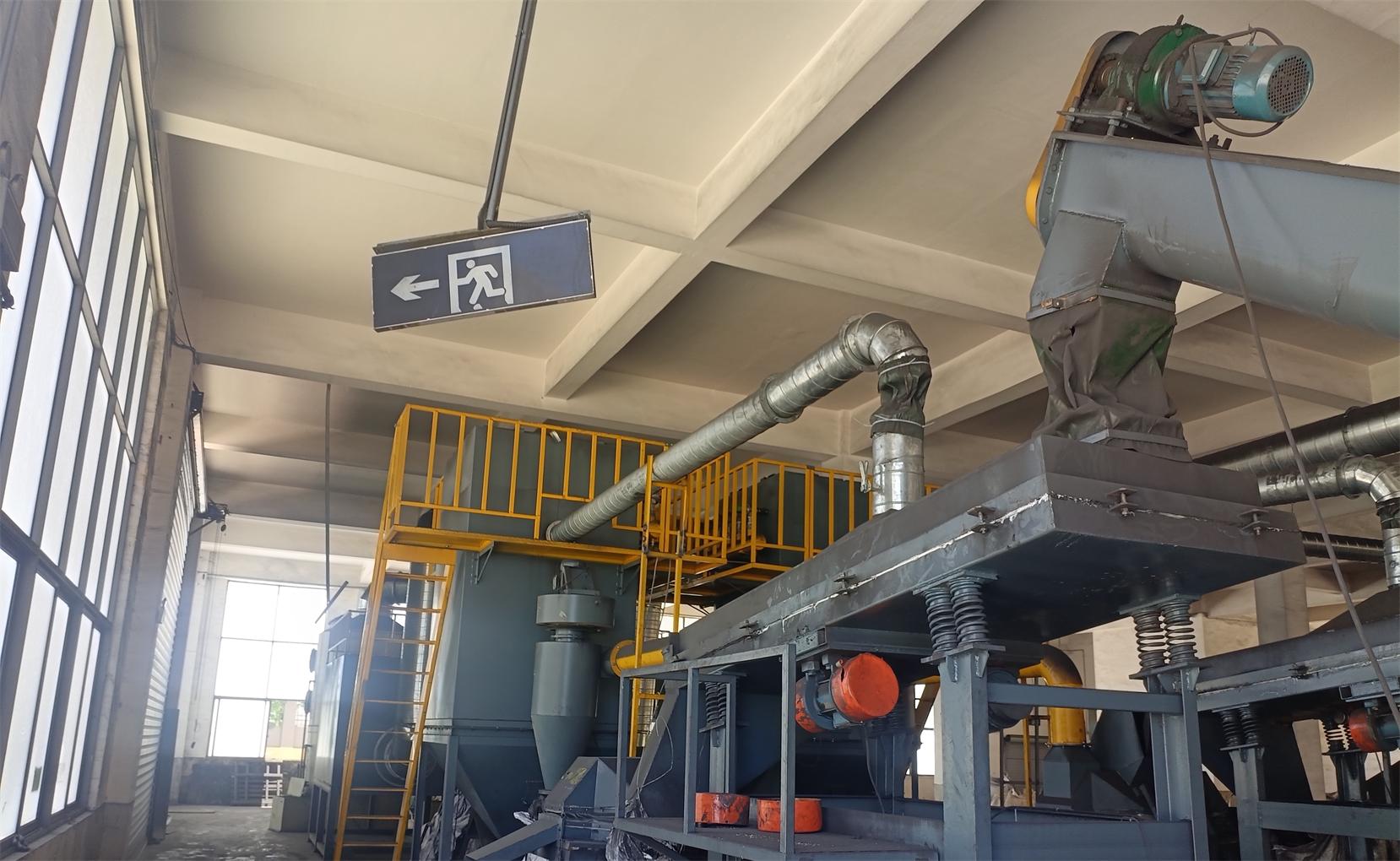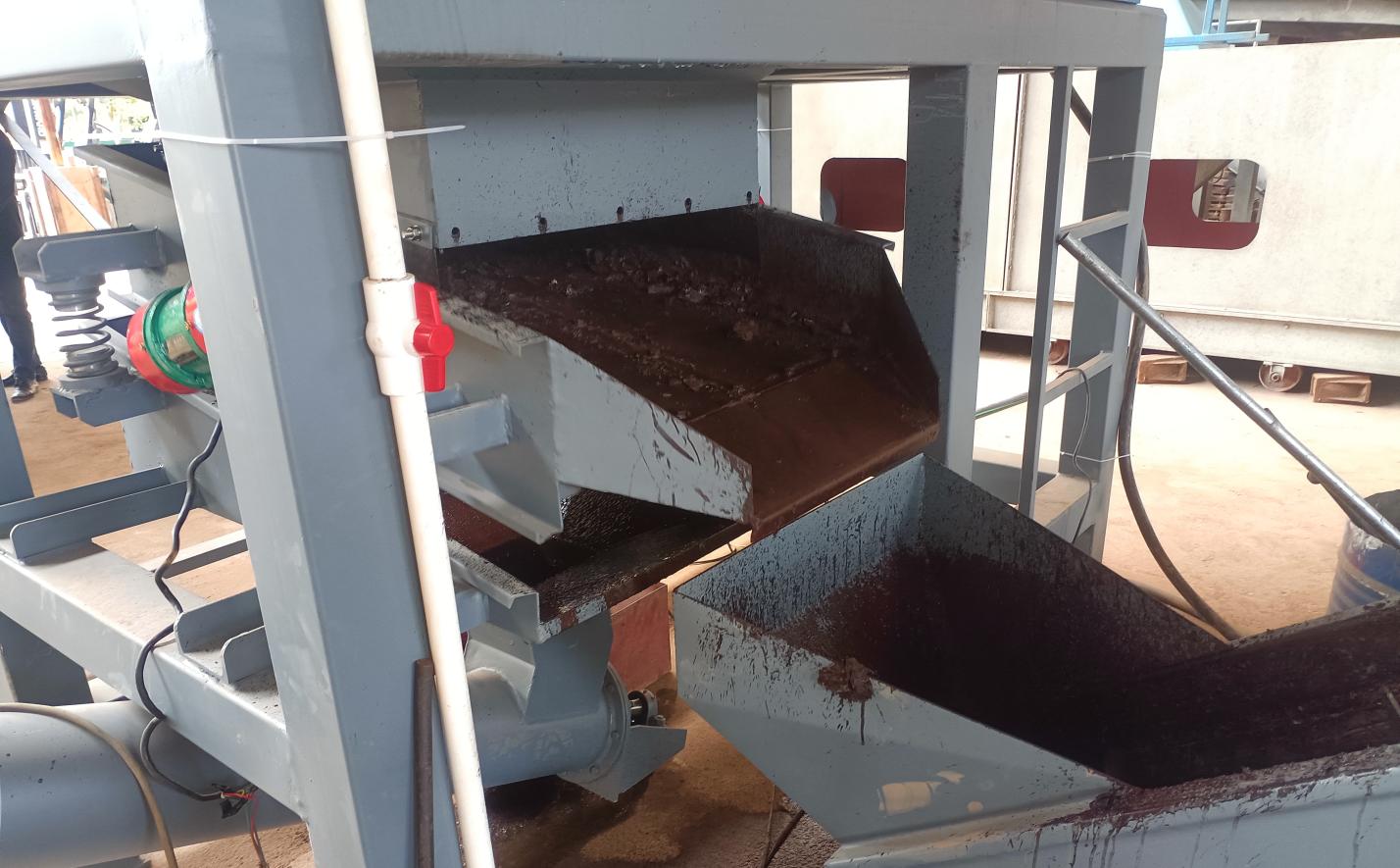
If you’ve ever walked through an industrial plant, you might have noticed large, boxy machines with stacks of plates and hoses snaking in and out. Chances are, that’s a filter press – a workhorse of separation technology that quietly keeps countless manufacturing and recycling processes running smoothly. But what exactly does it do, and why is it so essential? Let’s dive in and unpack this unsung hero of industrial filtration.
So, What Is a Filter Press, Anyway?
At its core, a filter press is a machine designed to separate solids from liquids. Think of it as an industrial-scale coffee filter, but instead of brewing your morning joe, it’s handling everything from mining sludge to chemical slurries. The goal? To produce two things: a clear liquid (called filtrate) and a dry, solid cake (the filtered-out particles). This separation is critical in industries where purity, waste reduction, or resource recovery is key – and that’s just about every industry you can name.
But don’t let its simple purpose fool you. Modern filter presses are engineered for precision, with components that work together to handle tough materials, high pressures, and continuous operation. Whether it’s in lead acid battery recycling, wastewater treatment, or food processing, these machines are built to adapt – and they’ve been around in some form for over a century, evolving with each technological leap.
How Does a Filter Press Actually Work? Let’s Break It Down
While there are different types of filter presses, they all follow the same basic principle: apply pressure to a slurry (a mix of solid and liquid) to force the liquid through a filter medium, leaving the solids behind. Let’s walk through the typical cycle step by step, so you can picture it in action.
Step 1: Loading the Slurry
First, the machine needs something to filter. The slurry is pumped into the filter press through a central inlet. This could be anything from clay slurry in ceramics production to lead paste from lead acid battery recycling equipment – yes, filter presses play a huge role in safely processing used batteries by separating toxic solids from liquids.
Step 2: Pressing and Filtration
Once the slurry is inside, the magic starts. The filter press has a stack of alternating plates and frames (or sometimes just plates, depending on the type), each lined with a filter cloth – the star of the show. The plates are squeezed together tightly, usually by a hydraulic system (more on that later), creating a seal. As the slurry fills the space between the plates, pressure builds, pushing the liquid (filtrate) through the filter cloth. The cloth acts like a super-fine sieve, catching even tiny solid particles and forming a “cake” on its surface.
Here’s a fun fact: the pressure used can range from a few bar to over 30 bar (that’s 435 psi!) depending on how tough the slurry is. For example, in mining, where the solids are coarse and dense, higher pressure is needed to squeeze out every last drop of liquid.
Step 3: Drying the Cake
Once most of the liquid is removed, some filter presses take it a step further with a “drying” phase. This might involve blowing air through the cake to evaporate remaining moisture or using a diaphragm (a flexible membrane) to squeeze the plates even tighter. The result? A cake that’s as dry as possible – which is a big deal because drier cake means less waste to haul away and more solids to reuse or recycle.
Step 4: Unloading the Cake
Finally, the cycle ends when the plates are松开 (opened up), and the dry cake falls out, usually onto a conveyor belt or into a collection bin. The filter cloth is then cleaned (either manually or automatically), the plates are re-clamped, and the whole process starts again. It’s a rhythmic, almost meditative cycle – if you’re into industrial machinery, that is.
Types of Filter Presses: Which One’s Right for the Job?
Not all filter presses are created equal. Over time, engineers have developed different designs to tackle specific challenges. Let’s meet the main players:
| Type | How It Works | Best For | Pros | Cons |
|---|---|---|---|---|
| Plate and Frame Filter Press | Alternating solid plates and hollow frames; slurry fills the frames, filtrate exits through plates. | Small-scale operations, high-viscosity slurries (e.g., paints, adhesives). | Simple design, easy to maintain, low cost. | Lower capacity, cake can be uneven, manual unloading common. |
| Chamber Filter Press | Plates with recessed “chambers” that hold the slurry; no separate frames needed. | Medium to large-scale operations, mining, chemical processing. | Higher capacity, more even cake, automated options available. | More complex than plate-and-frame, higher initial cost. |
| Diaphragm Filter Press | Chamber press with flexible diaphragms (rubber or plastic) on plates; diaphragms inflate to squeeze cake. | Applications needing extra-dry cake (e.g., lead acid battery recycling, pharmaceuticals). | Driest cake, faster cycle times, energy efficient. | Most expensive, diaphragms need replacement over time. |
| Membrane Filter Press | Similar to diaphragm, but uses pressurized water/air instead of mechanical inflation. | Food processing, where hygiene is critical (e.g., fruit juice clarification). | Gentle on sensitive products, easy to clean, compliant with food safety standards. | Limited to lower pressures, not ideal for abrasive slurries. |
So, which one do you choose? It depends on your slurry’s properties (viscosity, particle size), how dry you need the cake, and your budget. For example, if you’re in lead acid battery recycling – where separating lead paste from liquid electrolyte is non-negotiable – a diaphragm press is often the go-to because it produces a dry, dense cake that’s easy to process further.
The Brains (and Brawn) Behind the Machine: Key Components
A filter press might look like a jumble of metal and cloth, but every part has a job. Let’s highlight the MVPs:
Filter Plates: The Backbone
These are the heavy metal plates that make up the press’s “stack.” They’re usually made of cast iron, stainless steel, or plastic (for corrosive materials), and each has channels or grooves to guide the filtrate out. Some plates even have built-in heating elements for processing high-viscosity slurries – talk about multitasking.
Filter Cloth: The Unsung Hero
If the plates are the backbone, the filter cloth is the heart. Made from materials like polypropylene, polyester, or nylon, it’s woven into a tight mesh that traps solids while letting liquid pass. The weave pattern matters: a tight weave catches fine particles but can clog faster, while a looser weave allows more flow but may let small solids through. Choosing the right cloth is like picking the perfect sieve for baking – get it wrong, and the whole batch is off.
Hydraulic System: The Muscle
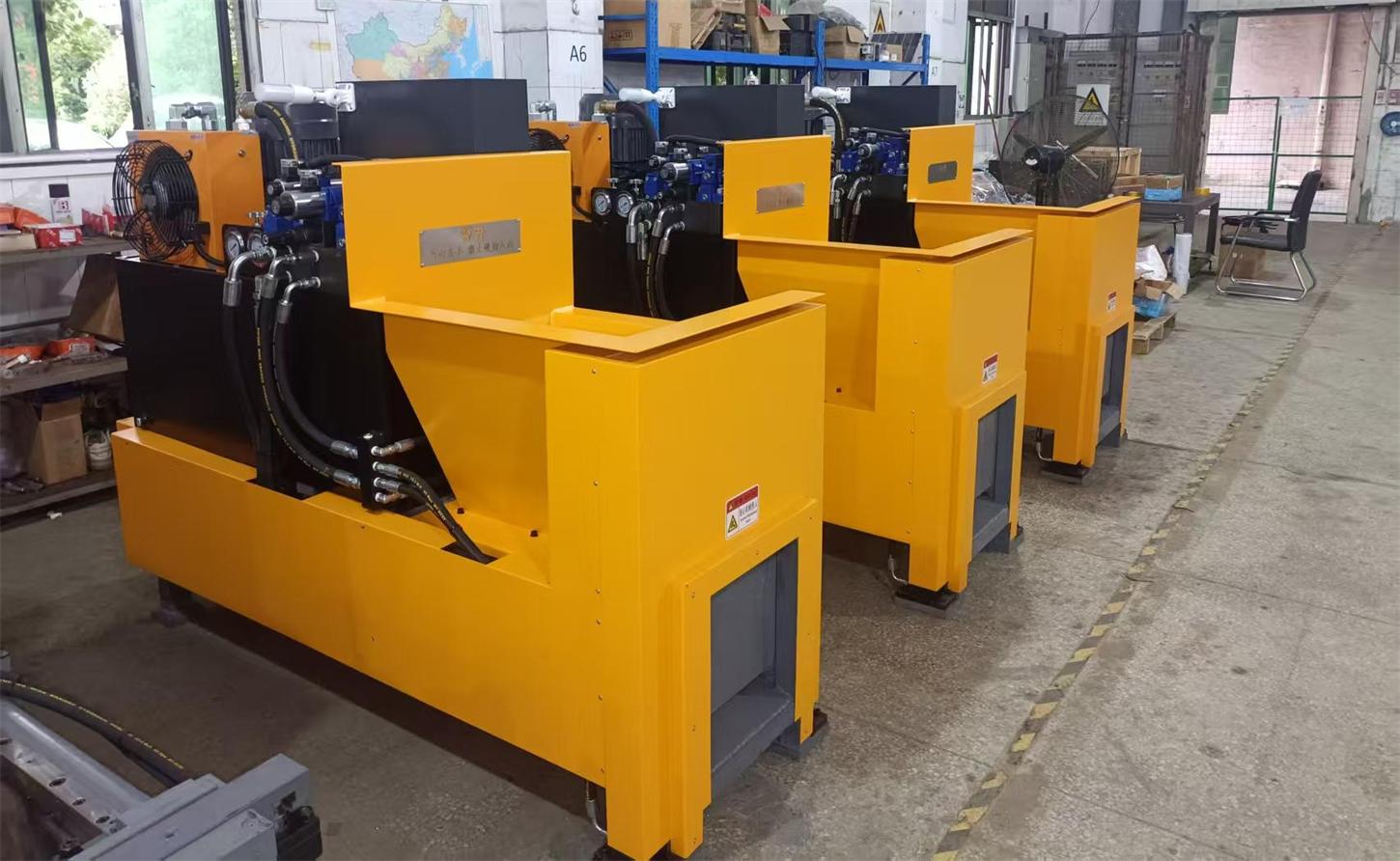
Ever wondered how those heavy plates stay clamped together? Thank the hydraulic system. A pump pushes hydraulic fluid into cylinders, which exert tons of force to squeeze the plates tight. It’s like a giant vice, but controlled with the push of a button. Modern systems even have sensors to monitor pressure, so operators can tweak settings without breaking a sweat.
Feed Pump: The Delivery Guy
No slurry, no filtration. The feed pump is responsible for delivering the slurry into the press at the right pressure and flow rate. Piston pumps are common here because they can handle thick, abrasive slurries without getting bogged down – essential for jobs like mining or construction debris processing.
Where Do Filter Presses Shine? Real-World Applications
Filter presses are everywhere, even if you don’t see them. Let’s take a look at some industries where they’re indispensable – including a few that tie into key recycling and processing equipment.
1. Lead Acid Battery Recycling: Cleaning Up the Past
When a lead acid battery reaches the end of its life, it’s not just trash – it’s a goldmine of recyclable materials, including lead, plastic, and acid. But extracting those materials safely requires careful separation, and that’s where filter presses come in. In lead acid battery recycling equipment, the battery is crushed, and the lead paste (a thick, toxic slurry) is mixed with water to form a slurry. This slurry is pumped into a filter press, which separates the solid lead paste (the cake) from the liquid electrolyte. The dry lead paste can then be smelted and reused, while the filtrate is treated and recycled – a win for both the environment and the bottom line.
2. Water Treatment: Turning Waste into Resource
Municipal wastewater treatment plants, factories, and even breweries rely on filter presses to clean water before it’s released back into the environment or reused. For example, in industrial water process equipment, filter presses handle everything from metalworking coolants to textile dyes, removing contaminants so the water can be recycled or discharged safely. In some cases, the solid cake from water treatment is even turned into fertilizer or construction materials – talk about closing the loop.
3. Mining and Mineral Processing: Digging for Purity
Mining is messy business. After ore is crushed and processed, it leaves behind a slurry of water, rock particles, and valuable minerals. Filter presses separate the mineral-rich solids from the water, which is then reused in the mining process. This not only conserves water (a precious resource in dry mining regions) but also makes it easier to transport and refine the minerals. Whether it’s lithium ore extraction or tailings processing, filter presses are there to clean up the mess.
4. Chemical and Pharmaceutical Manufacturing: Keeping It Pure
In the chemical and pharmaceutical industries, even tiny impurities can ruin a batch. Filter presses ensure that products like medications, dyes, and plastics are free of solid particles, resulting in a higher-quality end product. They’re also used to recover valuable catalysts (substances that speed up chemical reactions) from slurries, reducing waste and cutting production costs.
Why Bother with a Filter Press? The Advantages Are Clear
You might be thinking, “Can’t we just use a centrifuge or a gravity filter instead?” While those technologies have their place, filter presses offer unique benefits that make them irreplaceable in many scenarios:
- Drier Cake: As we mentioned earlier, filter presses produce a much drier cake than centrifuges or gravity filters. For example, a centrifuge might leave 70% moisture in the cake, while a diaphragm filter press can get it down to 10-20%. That means less waste to haul, lower disposal costs, and more solids to reuse.
- Energy Efficiency: Unlike centrifuges, which use massive amounts of energy to spin at high speeds, filter presses rely on pressure – which is often cheaper to generate, especially for batch operations.
- Simplicity: With fewer moving parts than centrifuges, filter presses are easier to maintain and less likely to break down. This translates to less downtime and lower repair costs.
- Flexibility: They can handle a wide range of slurry types, from thin, watery mixtures to thick, paste-like sludges. Just swap out the filter cloth, adjust the pressure, and you’re good to go.
- Eco-Friendly: By reducing waste and recycling water, filter presses help businesses meet sustainability goals and comply with environmental regulations. In today’s world, that’s not just a nice-to-have – it’s a must.
Taking Care of Your Filter Press: Maintenance Tips for Longevity
Like any machine, a filter press needs a little TLC to keep running smoothly. Here are some pro tips to extend its life and keep it performing at its best:
1. Don’t Neglect the Filter Cloth
The filter cloth is the first thing to wear out, so clean it regularly. If you notice the filtrate getting cloudy or the cycle time getting longer, it’s probably time for a deep clean or replacement. Most manufacturers recommend replacing cloths every 3-6 months, depending on usage – think of it like changing the oil in your car.
2. Keep an Eye on the Hydraulic System
Check hydraulic fluid levels and look for leaks – a small drip today can turn into a big problem tomorrow. Also, change the hydraulic oil according to the manufacturer’s schedule (usually every 1-2 years) to prevent sludge buildup, which can clog valves and slow down operation.
3. Inspect Plates for Cracks or Warping
Over time, plates can develop cracks from constant pressure and temperature changes. A cracked plate will let slurry leak, reducing efficiency and making a mess. Inspect plates monthly for damage, and replace any that look suspect – it’s cheaper than letting the problem escalate.
4. Train Your Operators
Even the best machine can fail if operated incorrectly. Make sure your team knows how to adjust pressure, load slurry properly, and troubleshoot common issues. A little training goes a long way toward preventing downtime and accidents.
Troubleshooting Common Headaches
No matter how well you maintain your filter press, problems can pop up. Here are some quick fixes for the most common issues:
Problem: Filtrate is cloudy (not clear)
Solution: Check the filter cloth for holes or tears – if it’s damaged, replace it. If the cloth is fine, the slurry might be too thick; try diluting it with water or reducing the feed rate.
Problem: Cake is too wet
Solution: Increase the pressing time or pressure, or add a drying phase (if your press has that feature). If you’re using a diaphragm press, make sure the diaphragm is inflating properly – a leak here can reduce squeezing power.
Problem: Plates won’t clamp or stay clamped
Solution: Check the hydraulic system for low pressure or leaks. If the pressure is fine, there might be debris between the plates – clean them thoroughly and try again.
The Future of Filter Presses: What’s Next?
As industries push for greater efficiency, sustainability, and automation, filter presses are evolving too. Here’s a sneak peek at what’s on the horizon:
Smart Technology: Imagine a filter press that can “self-diagnose” problems – sensors monitor cake thickness, filtrate clarity, and pressure, sending alerts to operators’ phones if something’s off. Some manufacturers are already testing AI-powered systems that adjust settings automatically, optimizing performance without human input.
Eco-Friendly Materials: New filter cloths made from recycled or biodegradable materials are in the works, reducing the environmental impact of replacement parts. There’s even research into self-cleaning cloths coated with nanoparticles that repel solids – goodbye, manual scrubbing.
Integration with Circular Economies: As more businesses adopt circular economy models (reusing and recycling resources instead of throwing them away), filter presses will play a key role in recovering valuable materials from waste streams. For example, in lithium battery recycling, filter presses could help separate rare earth metals from other components, making recycling more efficient and cost-effective.
Wrapping Up: Why Filter Presses Matter
At the end of the day, filter presses might not be the most glamorous machines in the industrial world, but they’re some of the most important. They turn messy slurries into clean water and reusable solids, reduce waste, cut costs, and help businesses meet their sustainability goals. Whether it’s in lead acid battery recycling, water treatment, or mining, they’re the quiet force that keeps our industries clean, efficient, and responsible.
So the next time you see a stack of metal plates with hoses and hydraulic pumps, take a moment to appreciate it. That’s a filter press – and it’s working hard to make the world a little cleaner, one separation at a time.