Let’s start with a simple fact: lithium-ion batteries are everywhere. From the smartphone in your pocket to the electric car you pass on the highway, these powerhouses keep our modern world running. But here’s the catch—when they reach the end of their life, they don’t just disappear. Tossing them in the trash isn’t just wasteful; it’s risky. Those batteries contain valuable materials like lithium, cobalt, and nickel, plus harmful substances that can leak into soil and water if not handled properly. That’s where li-ion battery breaking and separating equipment comes in. It’s not just another industrial machine; it’s the unsung hero of sustainable manufacturing. Let’s dive into why this equipment matters, how it works, and the real-world impact it’s having across industries.
What Exactly Does This Equipment Do?
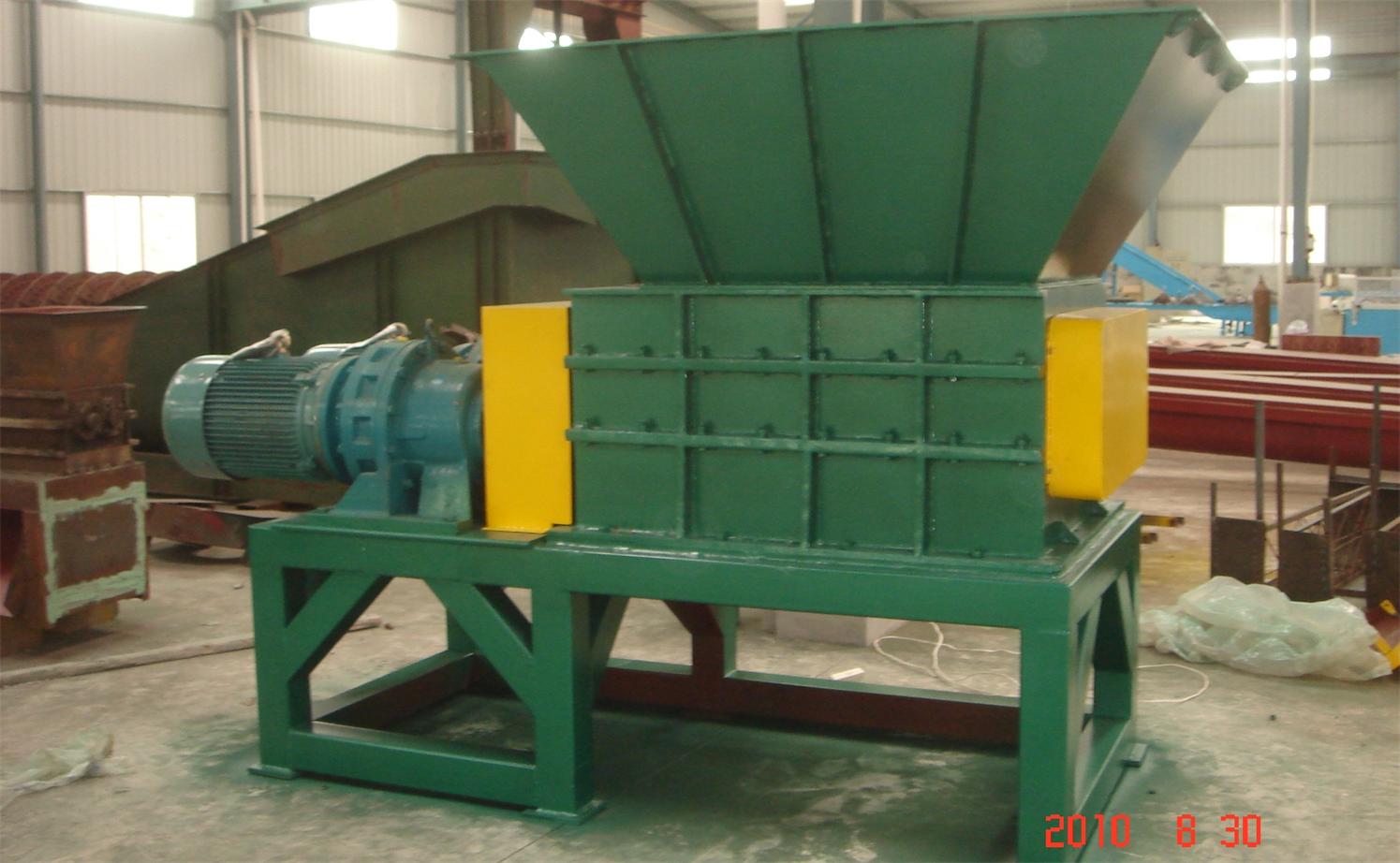
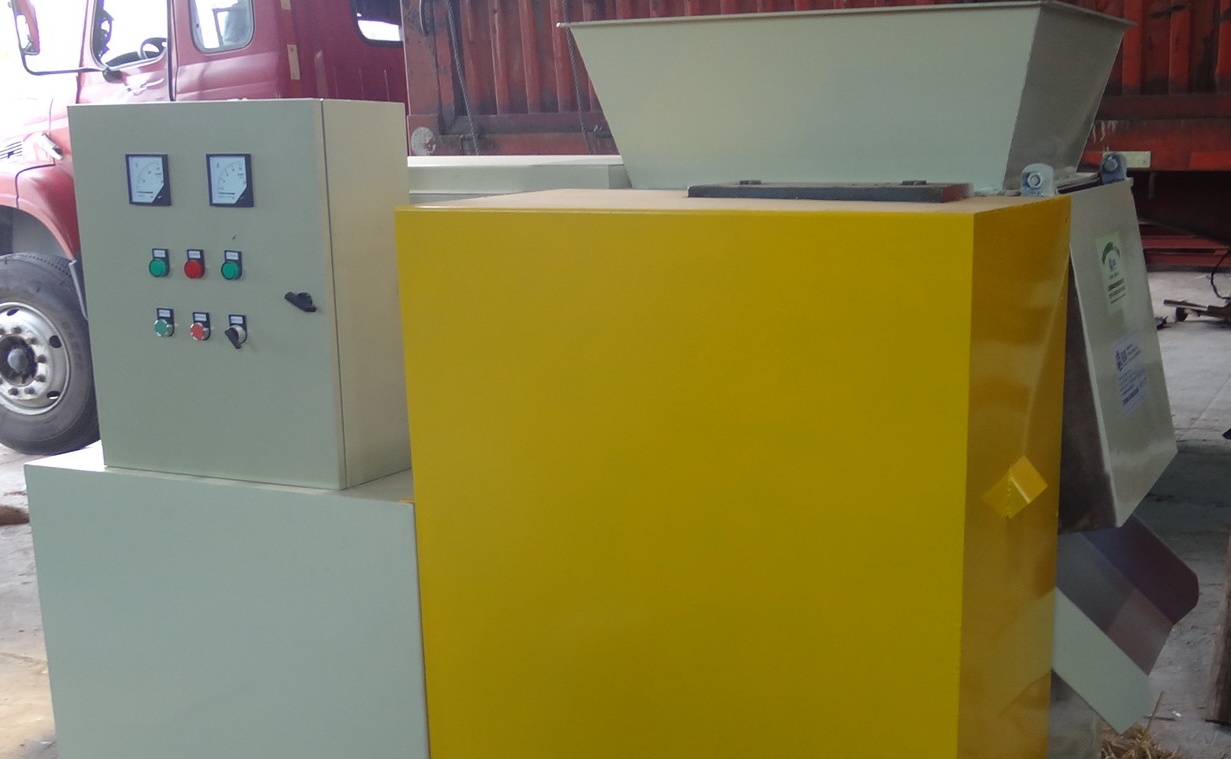
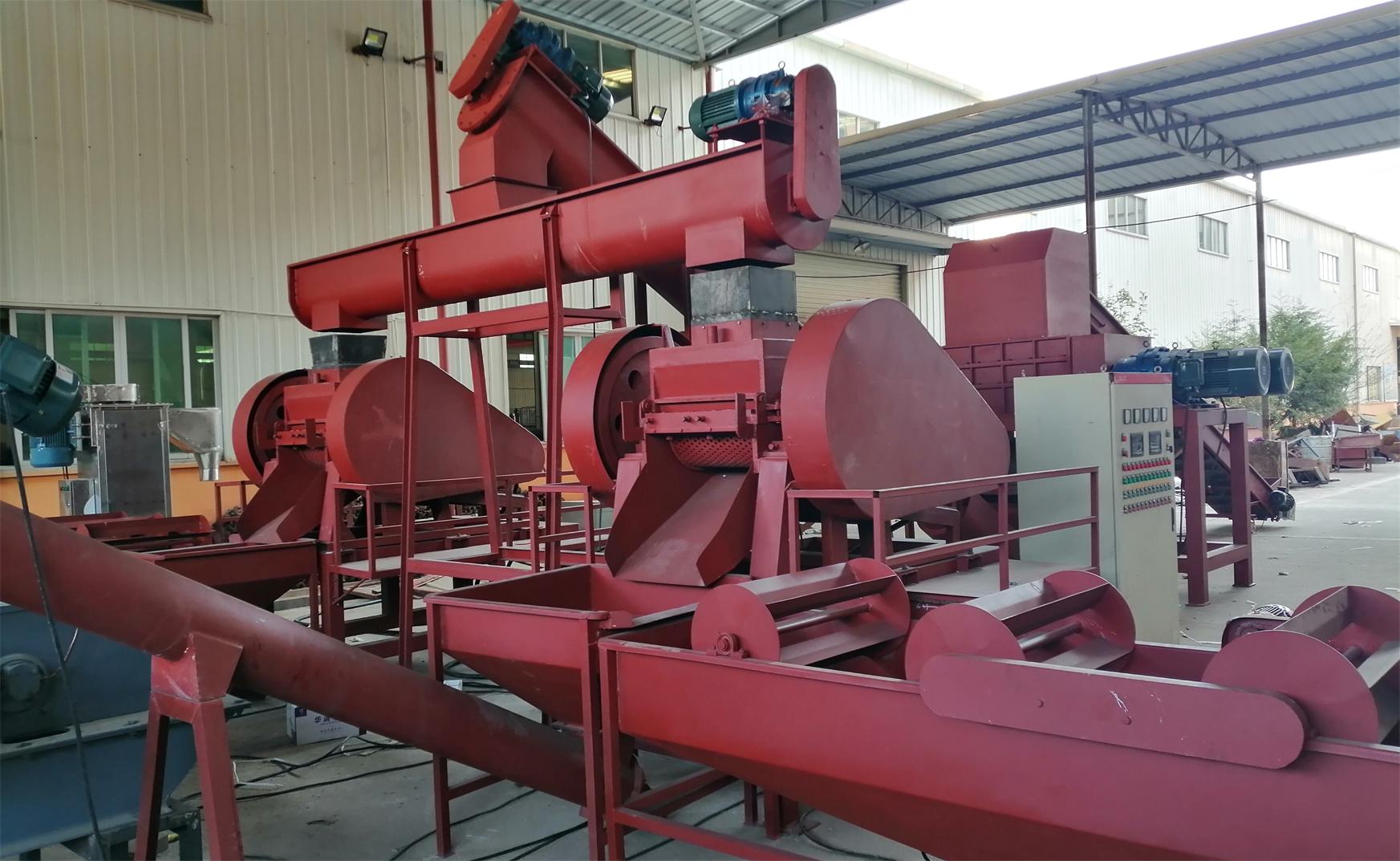
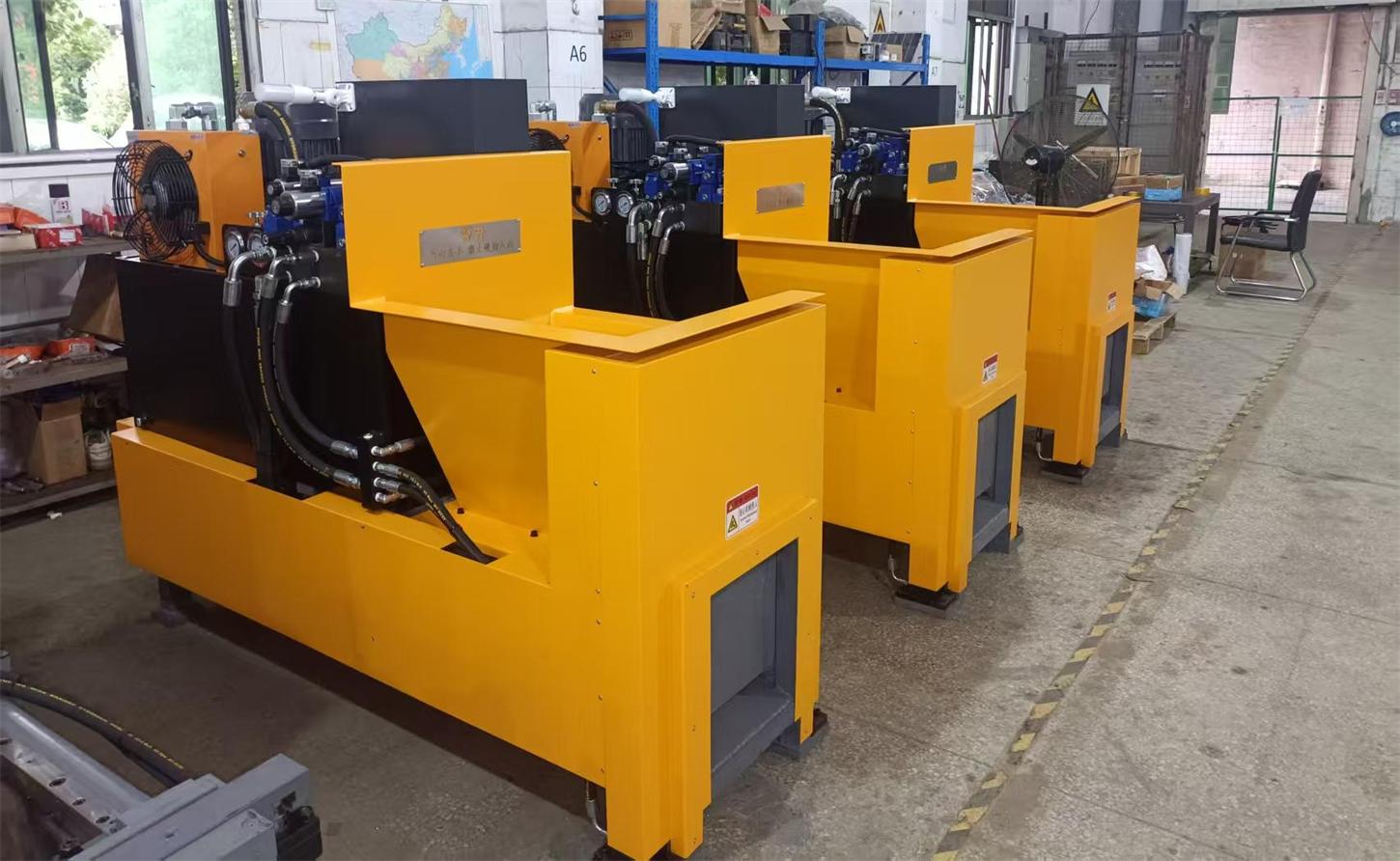
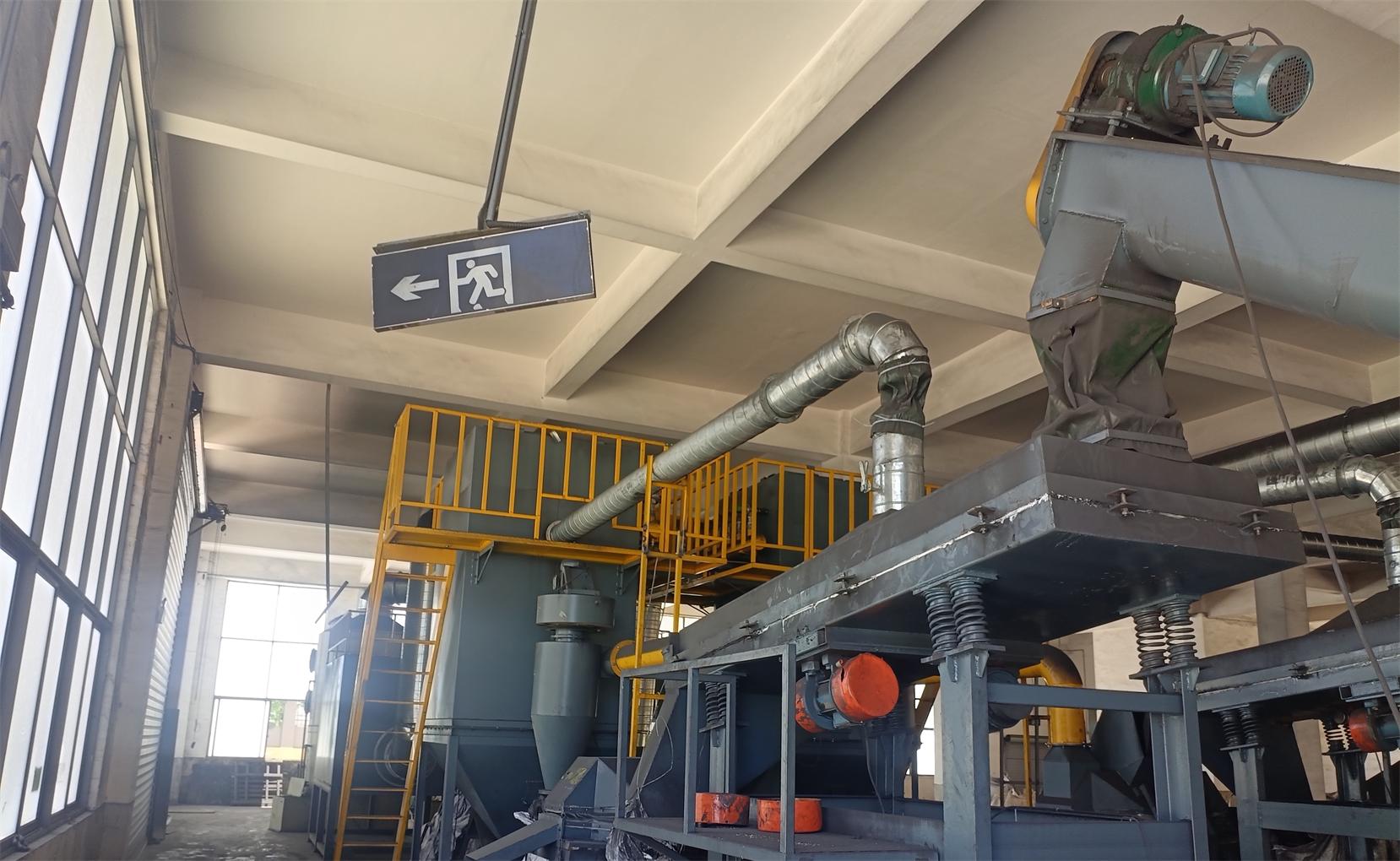
Before we get into the “why,” let’s clarify the “what.” Lithium-ion battery crushing and separation equipment is a specialized system designed to safely take apart used batteries, break them down into smaller components, and separate the valuable materials from the waste. Think of it as a high-tech recycling center in a box—only instead of sorting paper and plastic, it’s handling something far more complex: batteries with layers of metals, plastics, electrolytes, and circuit boards.
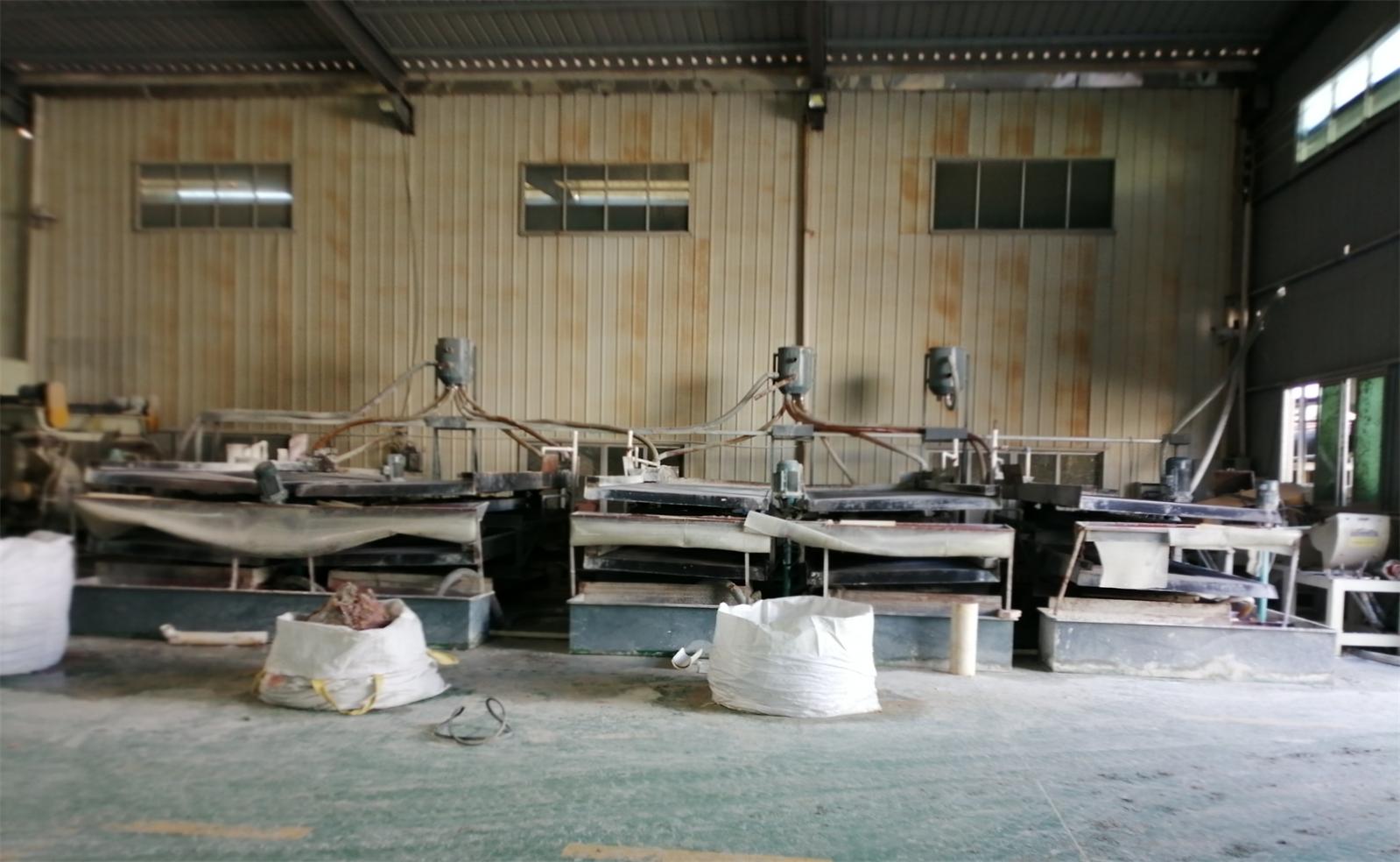
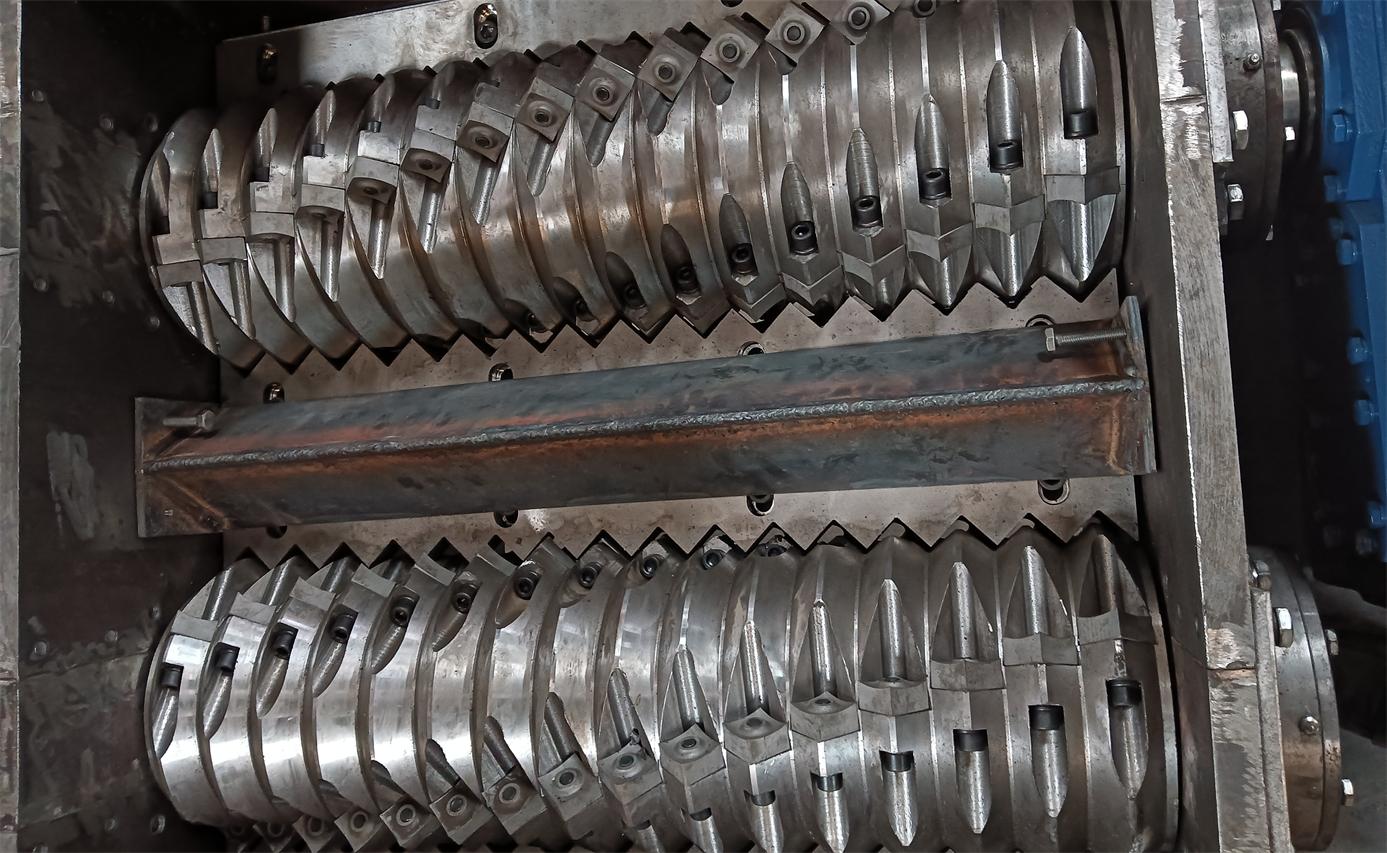
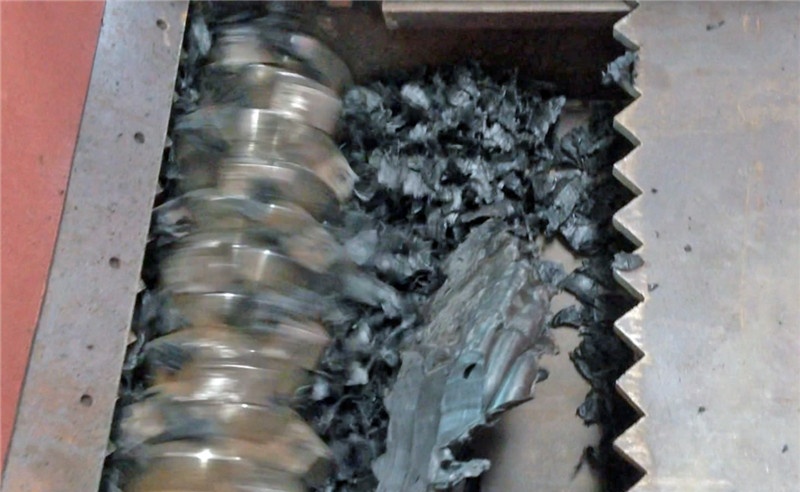
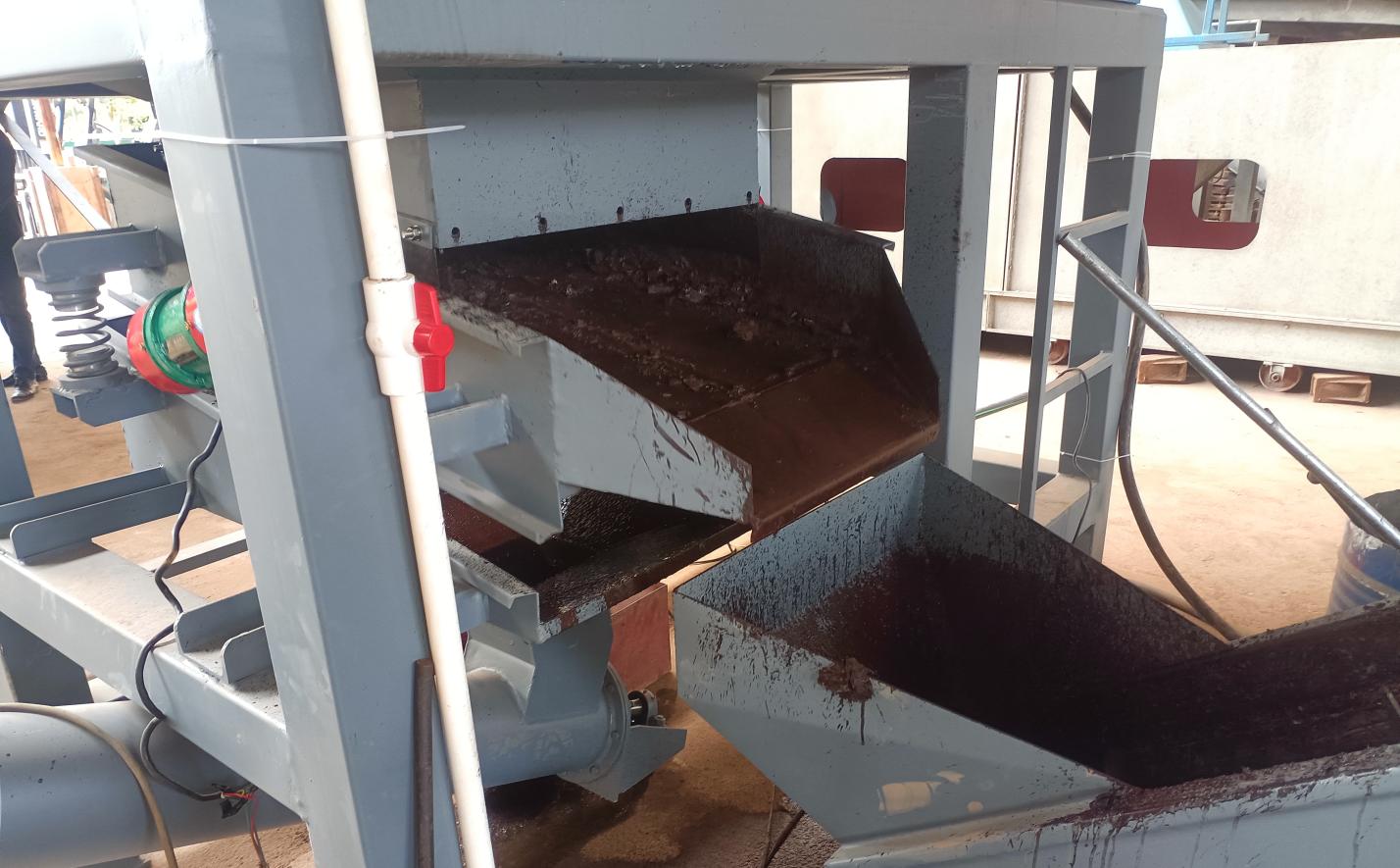
The process typically starts with discharging the battery to eliminate fire risks (you don’t want a spark during crushing!). Then, the battery goes through a crushing stage —first coarse crushing to break the outer casing, then fine crushing to reduce it to smaller particles. After that comes separation : using a mix of mechanical sorting, air classification, and sometimes even magnetic separation to split materials like copper foils, aluminum sheets, lithium-rich cathodes, and plastic casings. The end result? Piles of clean, reusable materials ready to be sent back to manufacturers, and minimal waste that’s safely disposed of.
Key Uses in Modern Industry
Now, let’s talk about where this equipment shines. It’s not just for recycling plants—its uses span multiple industries, each reaping unique benefits.
1. Recovering High-Value Materials
The most obvious use? Retrieving the valuable stuff inside batteries. Let’s break down the numbers: a typical lithium-ion battery contains about 5-7% lithium, 15-20% nickel, 5-10% cobalt, and 20-25% copper and aluminum. These aren’t just random metals—they’re critical for making new batteries, electronics, and even medical devices. For example, cobalt is used in everything from pacemakers to jet engines, while lithium is the backbone of electric vehicle (EV) batteries. Without proper separation equipment, these materials end up in landfills, and manufacturers have to mine more raw ore to meet demand. Mining lithium, for instance, is water-intensive and environmentally damaging—so recycling it? That’s a no-brainer.
Here’s a real-world stat: the International Energy Agency (IEA) predicts that by 2030, the demand for lithium could grow by over 40 times. Recycling with specialized equipment could meet up to 20% of that demand, reducing the need for new mining. That’s a huge win for both industry and the planet.
2. Ensuring Environmental Compliance
Governments worldwide are cracking down on battery waste. The EU’s new Battery Regulation, for example, requires that by 2030, 70% of lithium-ion batteries must be collected and recycled. In the U.S., states like California and New York have strict laws mandating proper battery disposal. If you’re a manufacturer or recycler, non-compliance isn’t just a fine—it can damage your reputation and even get your operations shut down.
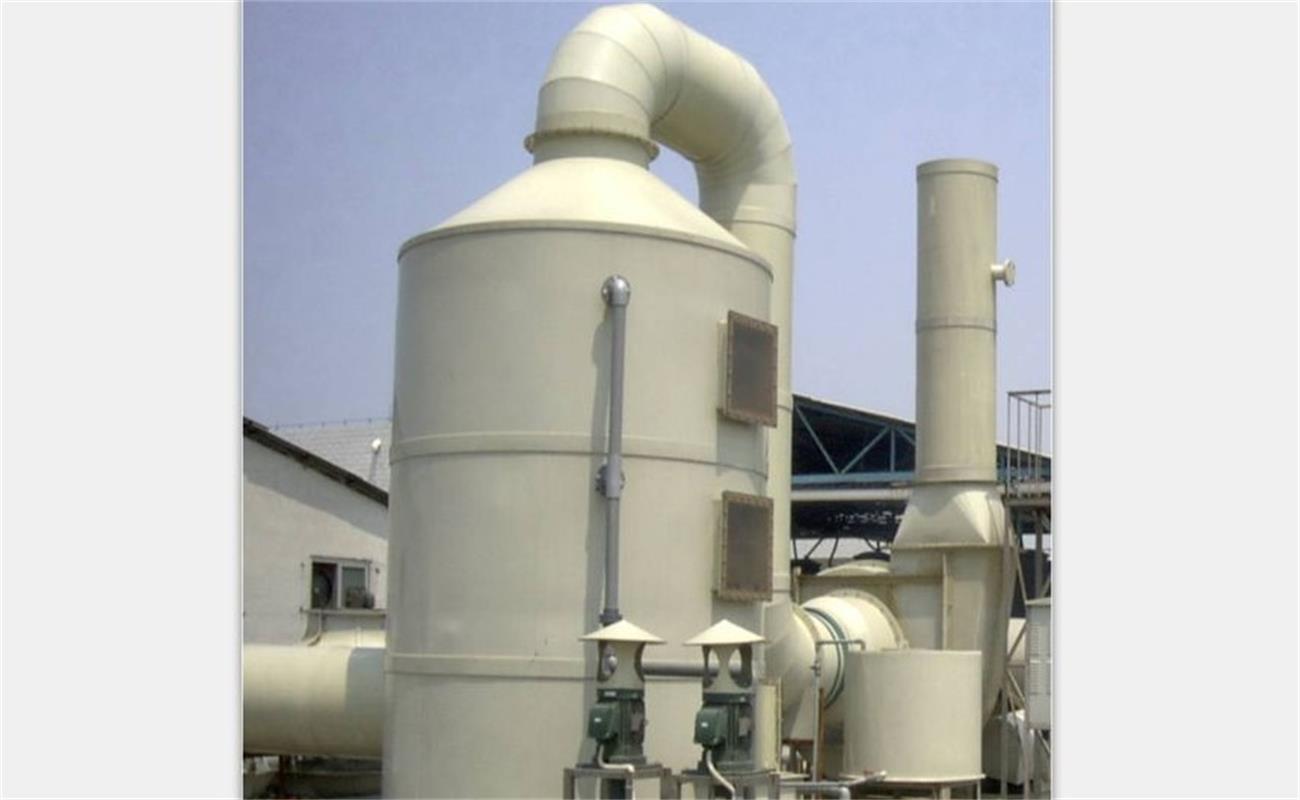
This is where the equipment’s built-in safety features matter. Many systems come with air pollution control system equipment to capture harmful fumes (like volatile organic compounds from electrolytes) and dust. They also integrate water process equipment to treat any liquid waste, ensuring nothing toxic leaks into local water supplies. For companies, this isn’t just about following rules—it’s about proving they’re serious about sustainability to customers and regulators alike.
3. Supporting the Circular Economy
You’ve probably heard the term “circular economy”—the idea of reusing materials to create a closed-loop system, rather than the traditional “take-make-waste” model. Lithium-ion battery crushing and separation equipment is a cornerstone of this model for the electronics and automotive industries. Let’s take EVs: a single electric car battery weighs around 1,000 pounds. If we can recycle 95% of that battery (which modern equipment makes possible), that’s 950 pounds of materials that don’t need to be mined, transported, or processed from scratch. It’s like giving old batteries a second life—and a third, and a fourth.
And it’s not just batteries. Many systems can handle related components, too. For example, after separating the battery’s circuit board, that component can be sent to a circuit board recycling equipment for further processing, recovering gold, silver, and other precious metals. It’s a chain reaction of sustainability.
The Benefits: Why Companies Are Investing
Okay, so we know what it does—but why should a company spend money on this equipment? Let’s get practical. The benefits go far beyond “doing the right thing”—they’re about efficiency, cost savings, and staying competitive in a market that’s increasingly focused on green practices.
1. Higher Efficiency Than Manual Recycling
Let’s be honest: before this equipment existed, recycling lithium-ion batteries was often a manual job. Workers would use hand tools to pry open casings, which was slow, dangerous, and inconsistent. A single worker might process 10-20 small batteries an hour—if they’re careful. Now, with automated crushing and separation systems, a mid-sized machine can handle 500 to 2,500 kilograms of batteries per hour . That’s a game-changer for recycling facilities scaling up to meet demand.
Plus, automation means fewer human errors. Manual sorting can miss small but valuable materials, or accidentally mix contaminants into clean batches. The equipment, with its precision sensors and air classification, ensures that even tiny particles of lithium or cobalt are captured. More material recovered = more profit for the recycler.
2. Cost Savings (Yes, Really)
At first glance, investing in industrial equipment seems expensive. But when you factor in long-term savings, it starts to make sense. Let’s break it down:
- Lower labor costs: One machine can replace multiple workers, reducing payroll expenses.
- Reduced waste disposal fees: By separating valuable materials, you’re left with less actual waste to pay to landfill.
- Revenue from recovered materials: Companies can sell the recycled lithium, cobalt, and copper back to manufacturers at a fraction of the cost of mined materials. For example, recycled cobalt is often 30-40% cheaper than virgin cobalt.
A 2023 study by the World Economic Forum found that recycling lithium-ion batteries using modern equipment can reduce production costs for new batteries by up to 15%. For EV manufacturers already grappling with high battery costs, that’s a huge incentive.
3. Safer Operations for Workers
Lithium-ion batteries are tricky customers. They can overheat, catch fire, or release toxic fumes if damaged. Manual recycling puts workers at risk of chemical exposure, burns, or even explosions. Crushing and separation equipment eliminates most of these risks by handling the dangerous parts automatically. Enclosed systems with ventilation, fire suppression, and air pollution control system equipment keep workers safe from fumes and dust. It’s a win for both employee well-being and company liability—no one wants a workplace accident on their hands.
4. Meeting Customer and Regulatory Demands
Consumers today care about sustainability. A 2022 survey by Nielsen found that 73% of global consumers are willing to pay more for products from companies committed to environmental responsibility. For brands, using recycled materials from properly processed batteries isn’t just a marketing talking point—it’s a way to attract eco-conscious customers.
Regulators are pushing even harder. The EU’s Battery Regulation, which went into effect in 2024, requires manufacturers to label batteries with their recycled content percentage and sets strict targets for collection rates. In the U.S., the EPA is cracking down on improper battery disposal, with fines reaching up to $50,000 per violation. For companies, investing in separation equipment isn’t just optional—it’s a way to avoid penalties and stay in business.
How Does It Compare to Traditional Recycling Methods?
You might be wondering: Can’t we just melt down batteries in a furnace like we do with scrap metal? The short answer is no—at least not efficiently. Traditional methods like smelting (melting at high temperatures) can recover some metals, but they’re energy-intensive, release greenhouse gases, and often destroy heat-sensitive materials like lithium. They also struggle to separate different metals, leading to lower purity and lower value.
Let’s put this in perspective with a quick comparison:
| Feature | Traditional Smelting | Lithium-Ion Crushing & Separation Equipment |
|---|---|---|
| Energy Use | High (requires extreme heat) | Lower (mechanical processes + less heat) |
| Material Recovery Rate | 50-60% (loses lithium and some plastics) | 85-95% (recovers lithium, cobalt, nickel, plastics) |
| Pollution Output | High (CO2, toxic fumes) | Low (filtered by air/water treatment systems) |
| Cost per Ton of Batteries | Higher (energy + waste disposal) | Lower (higher material revenue offsets costs) |
The difference is clear: crushing and separation equipment is more efficient, cleaner, and more profitable. It’s why companies like Tesla, Volkswagen, and CATL (the world’s largest battery manufacturer) are investing billions in this technology.
Real-World Example: A Mid-Sized Recycling Plant in Spain
Let’s look at a concrete example. In 2022, a recycling facility in Barcelona upgraded from manual battery processing to a state-of-the-art li-ion battery breaking and separating system. Here’s what changed:
- Throughput: From 300 kg of batteries processed per day to 2,500 kg per day—an 8x increase.
- Recovery Rate: Cobalt recovery jumped from 45% to 92%, lithium from 30% to 88%.
- Revenue: The plant now earns €12,000 per month from selling recycled materials, up from €2,000 before.
- Environmental Impact: CO2 emissions dropped by 60% (thanks to lower energy use and no smelting), and they eliminated toxic wastewater by using water process equipment to treat and reuse all process water.
The plant manager, Maria Lopez, put it simply: “We weren’t just recycling before—we were barely scraping by. Now, we’re a profitable, sustainable business. The equipment paid for itself in under two years.”
What About the Future? Where Is This Technology Headed?
Like any technology, lithium-ion battery crushing and separation equipment is evolving. Here are a few trends to watch:
1.智能化升级 (Smart Upgrades): Future systems will likely include AI-powered sensors to automatically adjust crushing speed and separation settings based on battery type (e.g., phone vs. EV battery). This will boost efficiency even further.
2. Smaller, More Portable Units: Right now, most equipment is large and fixed in place. But companies are developing smaller, mobile systems that can be transported to battery collection points, reducing the need to ship heavy batteries long distances.
3. Integration with Other Recycling Systems: Imagine a single facility that can process batteries, circuit board recycling equipment , and even scrap cables. Integrated systems will streamline the recycling process and reduce costs.
4. Better Material Purity: Research is underway to improve separation techniques, aiming for 99% pure lithium and cobalt—pure enough to be used in new batteries without compromise.
Final Thoughts: More Than Just a Machine
At the end of the day, lithium-ion battery crushing and separation equipment isn’t just a tool—it’s a bridge to a more sustainable future. As the world relies more on renewable energy and electric transportation, the demand for lithium-ion batteries will only grow. Without a way to recycle them efficiently, we’ll face a crisis of waste and resource scarcity.
This equipment solves that crisis by turning “waste” into wealth—recovering valuable materials, reducing environmental harm, and creating a circular economy where nothing goes to waste. For industries, it’s a chance to cut costs, meet regulations, and build a reputation as leaders in sustainability. For the planet, it’s a step toward reducing our reliance on mining and protecting our natural resources.
So the next time you charge your phone or drive an EV, remember: the battery powering it might one day go through this equipment, get a second chance, and come back as part of something new. That’s the power of innovation—and it’s why lithium-ion battery crushing and separation equipment is more than just industrial machinery. It’s the future of recycling.