Look around your home right now – chances are, you're surrounded by textiles. From clothes and curtains to furniture upholstery and car interiors, fabrics weave through every aspect of modern life. But behind this colorful tapestry lies a dirty secret: the textile industry ranks among the world's most polluting sectors. Each year, global textile production generates 92 million tons of waste – enough to fill the Empire State Building 1,300 times over.
But here's the good news weaving its way through factories worldwide: innovative technologies like hydraulic balers are transforming waste mountains into manageable resources. Let's explore how these powerful machines are reshaping waste management across the textile landscape, turning yesterday's discarded fabrics into tomorrow's valuable commodities.
The Tangled Threads of Textile Waste
Textile waste isn't a single thread but a complex weave of challenges:
The Waste Spectrum:
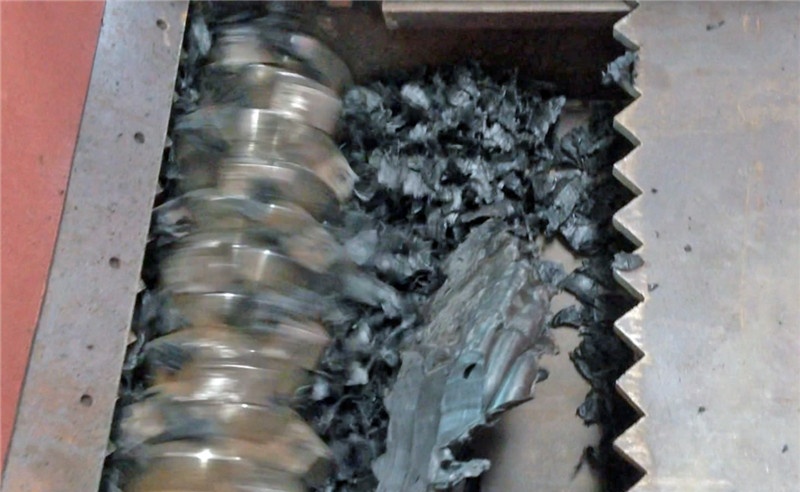
Pre-consumer waste: Factories generate mountains of offcuts, defective fabric rolls, and packaging materials daily. Imagine visiting a denim factory and seeing piles of discarded fabric scraps taller than you – that's the reality before baling arrives.
Post-production remnants: Chemical drums, dye containers, and processing byproducts create hazardous waste streams needing specialized handling.
Finished product discards: Unsold inventory and obsolete materials form a significant portion of textile waste, often languishing in warehouses for years before disposal.
Traditional waste management? Picture workers manually stuffing fabric scraps into undersized containers, trucks making daily trips to landfills, and valuable material disappearing forever. This waste leakage doesn't just hurt the environment – it bleeds company resources through disposal fees and lost material value.
Hydraulic Balers: The Power to Press Progress
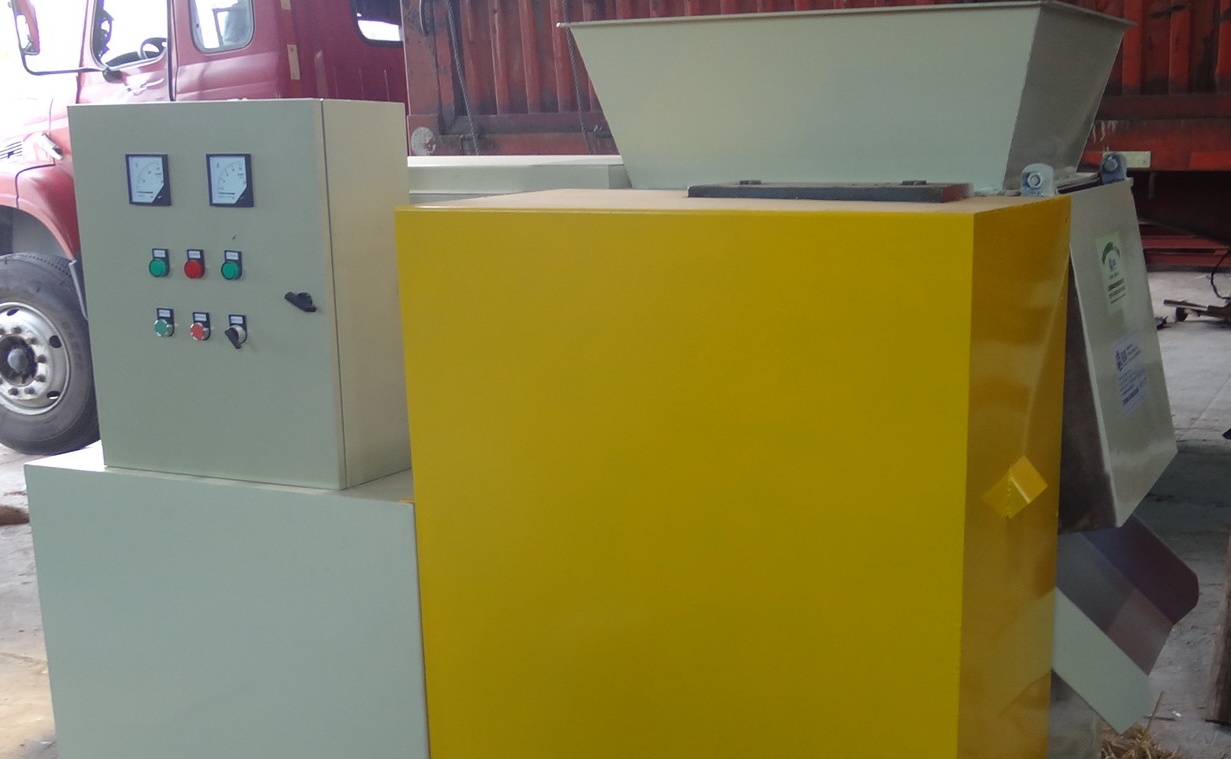
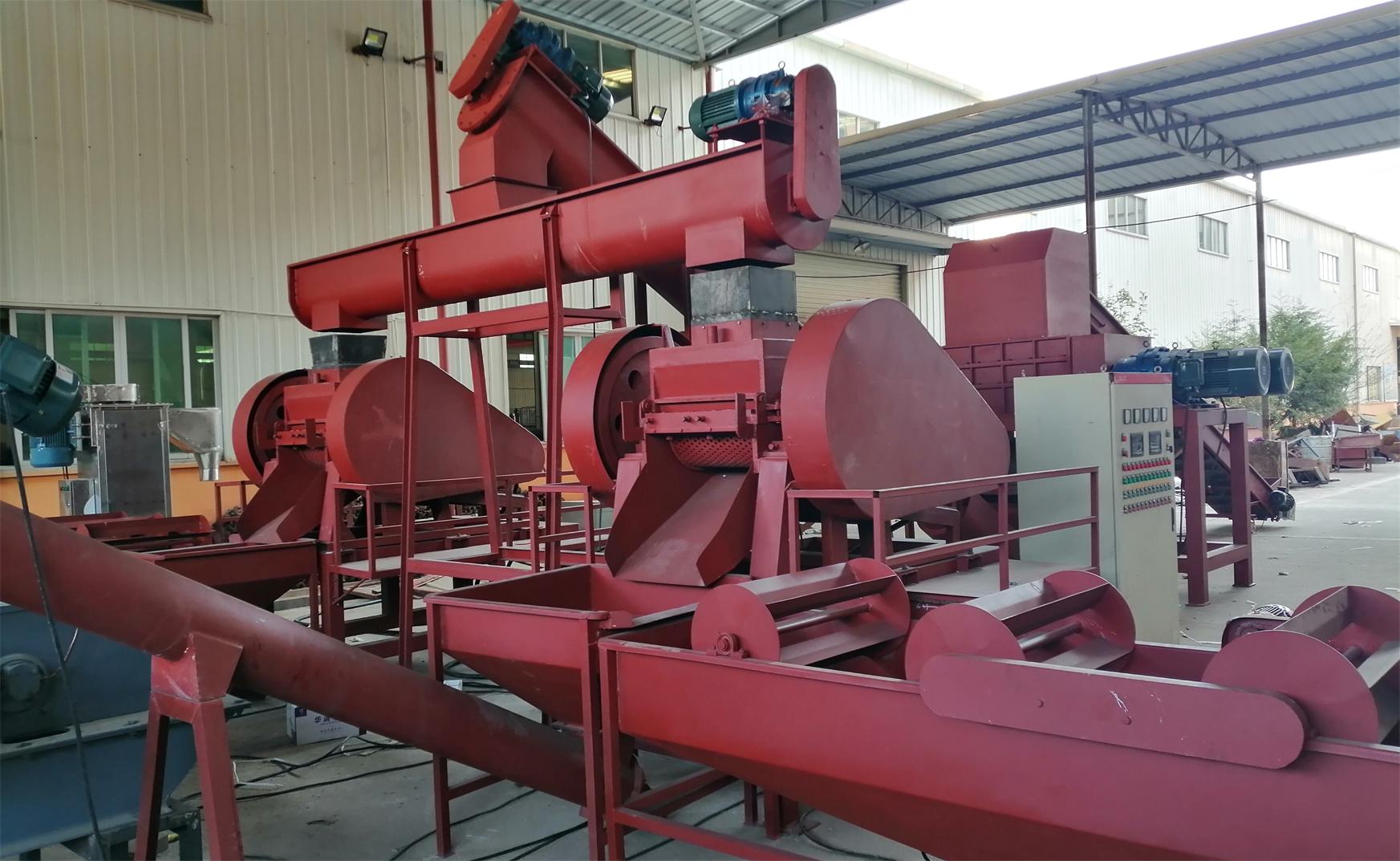
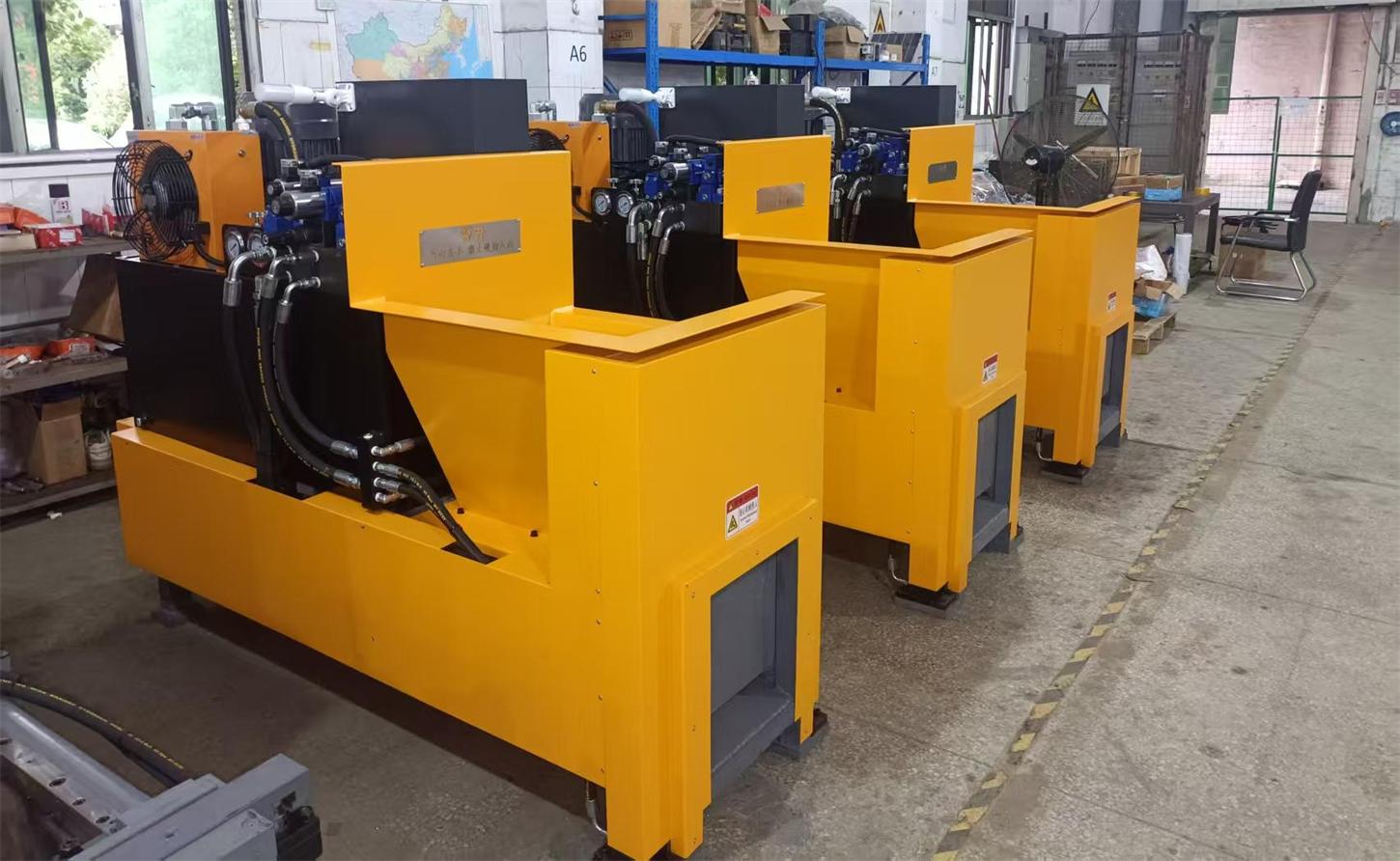
Enter the hydraulic baler – the unsung hero of textile waste transformation. Think of these machines as industrial-sized fabric compactors with muscle. Through hydraulic pressure, they compress loose waste into dense, manageable bales that transform logistics overnight. Modern units feature:
- Intelligent compression systems that adapt pressure based on material density
- Dual-stage compression chambers handling everything from cotton scraps to synthetic blends
- Automated bale ejection systems reducing manual handling
- IoT connectivity monitoring performance metrics in real-time
Why Compression Matters:
A truck that previously carried 2 tons of loose waste can transport 20 tons of baled material – cutting transport costs by 90%. Bales don't just shrink physical space; they expand recycling possibilities by creating standardized feedstock for recycling facilities.
Success Stories: Where Balers Make the Difference
Case Study: Denim Dynasty Turns Scraps into Gold
At a major jeans manufacturer in Pakistan, workers once slipped on piles of denim scraps accumulating near cutting stations. Introducing three hydraulic balers transformed operations:
Before:
- 16 workers spending 2 hours daily managing scraps
- Daily truck trips to disposal sites
- Annual disposal costs: $187,000
After:
- Automated baling stations near production lines
- Weekly truck trips instead of daily
- Scrap sales generating $35,000 annually
- ROI achieved in 14 months
Synthetic Solutions: Polyester Plant Innovation
A European synthetic fiber producer faced a unique challenge: lightweight but voluminous waste that filled containers like popcorn. Their custom hydraulic baler solution featured:
- High-pressure (250 bar) compression system
- Integrated moisture extraction for wet waste
- Custom bale sizes for specialty recyclers
The result? Transportation needs reduced by 87%, and newly valuable bales now feed into automotive insulation manufacturing.
Beyond Compression: The Circular Economy Connection
Hydraulic balers don't just compress waste – they connect dots in the circular economy. Compact bales become the currency in an emerging textile-to-textile marketplace where:
Cotton scraps
→ Become paper or insulation
Synthetic blends
→ Transform into automotive padding
Pure polyester
→ Reappear as new clothing fibers
This baler-enabled resource loop creates unexpected partnerships: a luxury fashion house now supplies bales to a children's toy manufacturer, turning premium fabric scraps into stuffing for plush animals.
The Future Press Forward
Today's hydraulic balers are evolving with smarter capabilities:
- AI-powered material recognition systems optimizing compression settings
- Blockchain-enabled bale tracking from factory to recycler
- Mobile baling units bringing waste processing to remote facilities
- Solar-hybrid systems reducing operational carbon footprints
The textile waste management landscape still faces challenges – chemical contaminants, blended materials, and inconsistent waste streams. But hydraulic balers provide the mechanical muscle to press these obstacles into opportunities, turning environmental liabilities into economic assets.
Conclusion
Hydraulic balers represent more than machinery – they symbolize the industry's growing commitment to sustainability. As these powerful presses reshape textile waste streams worldwide, they're proving that environmental responsibility and business efficiency don't just coexist; they reinforce each other. The next time you see a fabric scrap, picture its journey: from production floor to recycling facility to new life – all thanks to the transformative power of hydraulic baling.