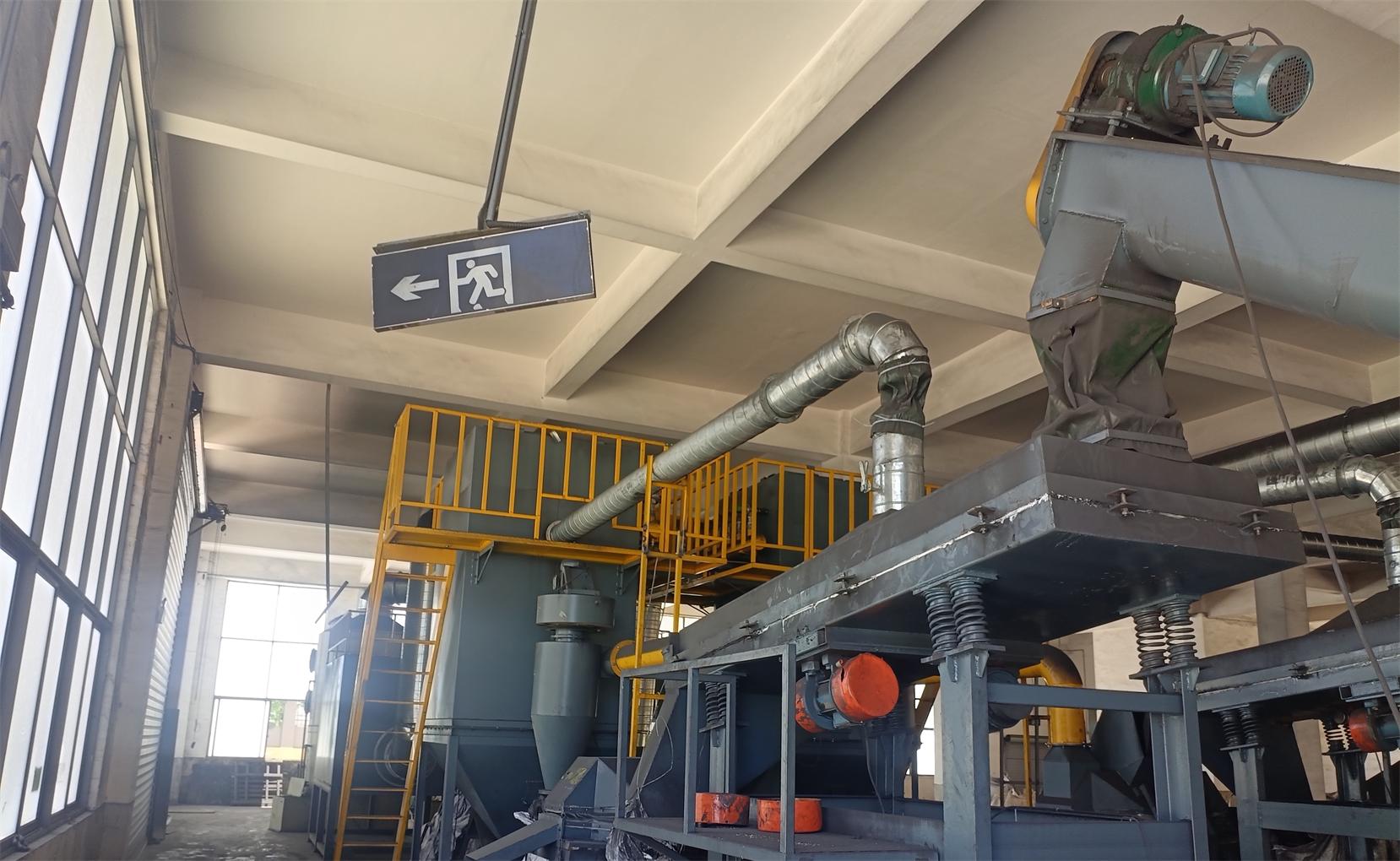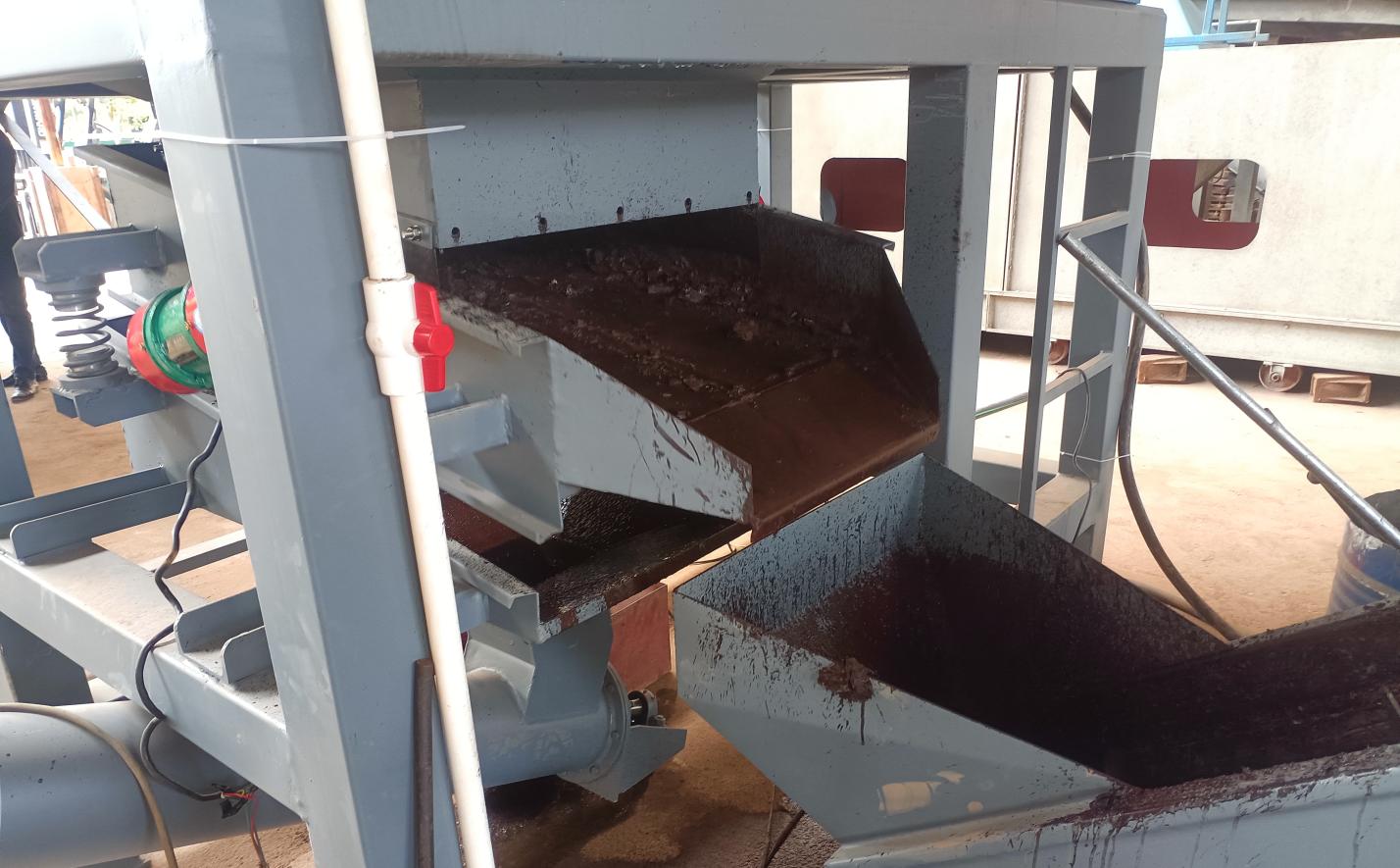
Getting the right power setup for your lamp recycling operation isn't just about plugging a machine into an outlet. I've seen folks spend thousands on equipment only to discover their facility's electrical system can't handle the juice these machines really need. It's like buying a racehorse then realizing you only have a pony stable. Getting voltage and current specs right from the start saves you downtime, repair costs, and safety headaches down the road.
Bottom line up front: Most industrial lamp recycling machines need either 220-240V or 380-480V three-phase power. Small benchtop units might run on standard 110V, but if you're processing more than a few lamps per hour, you'll need industrial-grade power. Always measure twice before buying once.
Why Power Requirements Matter (More Than You Think)
When we talk about lamp recycling machines, we're usually discussing equipment that does several energy-intensive jobs:
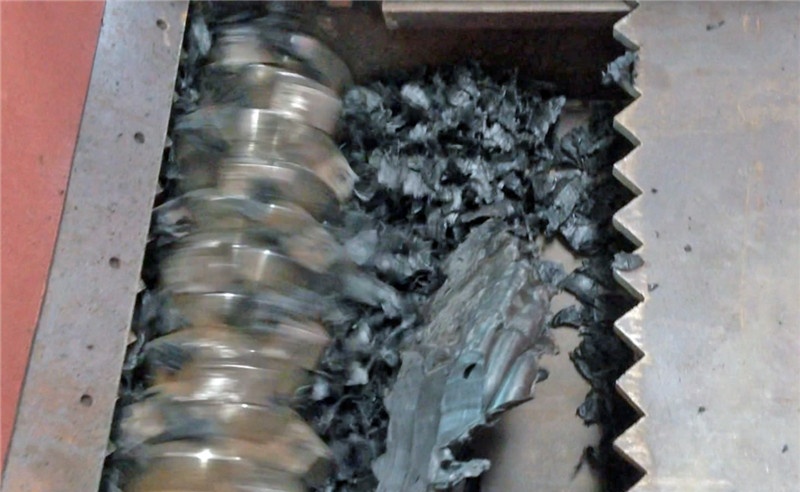
- Crushing tough glass and metal components
- Running vacuum systems to capture mercury vapor
- Operating filtration systems for toxic materials
- Powering sorting conveyors and separation chambers
Skimping on power is like trying to run a mountain bike on AA batteries. I've visited facilities where managers tried to "make do" with undersized circuits. The results? Tripped breakers during peak operation hours, motors burning out in six months instead of six years, and worst of all - incomplete mercury capture that creates health hazards.
⚠️ Safety First Alert:
Improper power setups don't just damage equipment. Voltage fluctuations can compromise mercury containment systems. That white vapor you might see during bulb crushing? That's toxic mercury vapor escaping when filtration systems lose power stability.
Machine Categories and Their Power Personalities
1. Benchtop Crushers (The "Starter Kit")
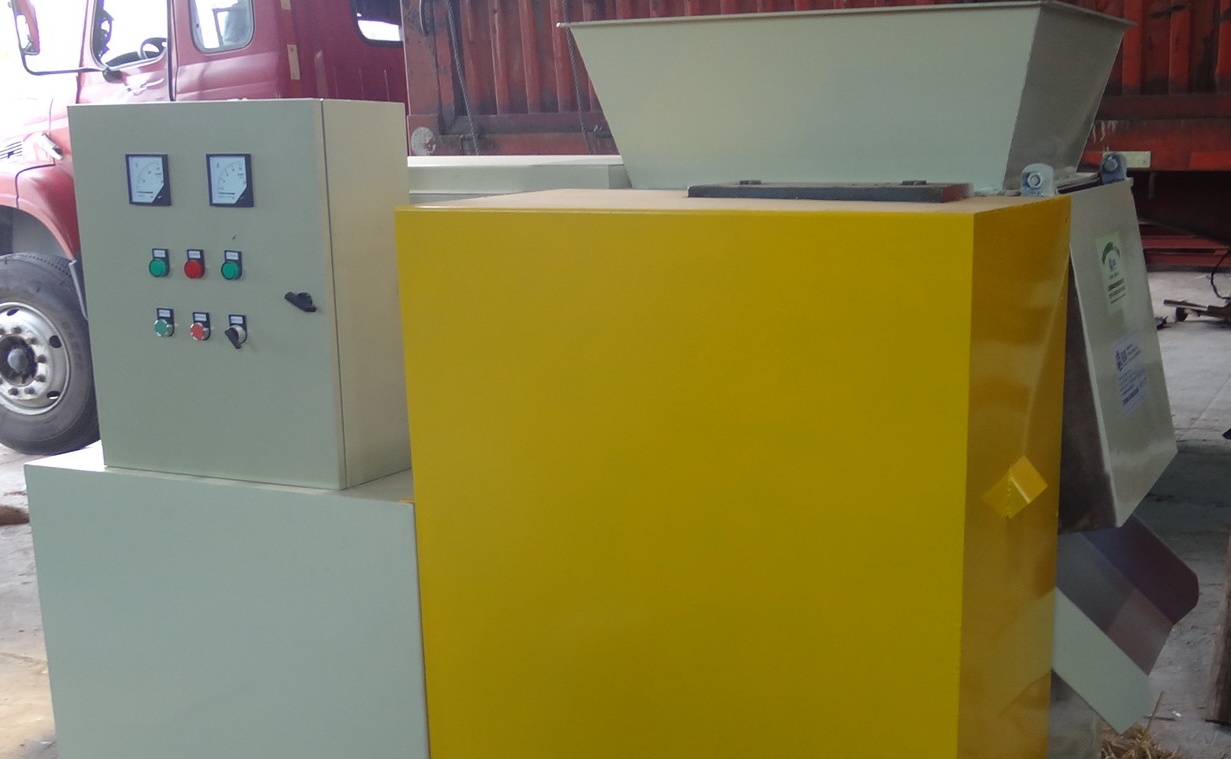
These are your entry-level machines that typically handle up to 50 lamps per hour. They're like the sedans of the lamp recycling world. Most run happily on standard 110-120V circuits that pull about 15-20 amps. But don't let the simple power needs fool you - you'll still want a dedicated circuit just for the machine to avoid flickering lights when it kicks into gear.
| Model Type | Typical Voltage | Current Draw | Circuit Requirements |
|---|---|---|---|
| Manual Feed Benchtop | 110-120V AC | 12-18A | 20A dedicated circuit |
| Semi-Auto Mini System | 110-120V AC | 16-20A | 20A dedicated circuit |
2. Mid-Range Systems (The Workhorses)
This is where power needs jump significantly. These machines typically process 50-300 lamps hourly and include mercury capture systems that demand stable power. You're now in 220-240V territory with 30-50 amp requirements. These units are like commercial kitchen equipment - they require their own power feed from your main panel.
| Model Type | Typical Voltage | Current Draw | Circuit Requirements |
|---|---|---|---|
| Single-Chamber Crusher | 220-240V AC | 25-35A | 40A dedicated circuit |
| Conveyor Feed System | 220-240V AC | 30-50A | 60A dedicated circuit |
Protip: With mid-range systems, voltage matters more than many realize. Running a 240V machine on 208V (common in some commercial buildings) can reduce motor efficiency by 15-20% and lead to overheating. Always verify your actual voltage at the outlet!
3. Industrial Continuous Systems (The Power Guzzlers)
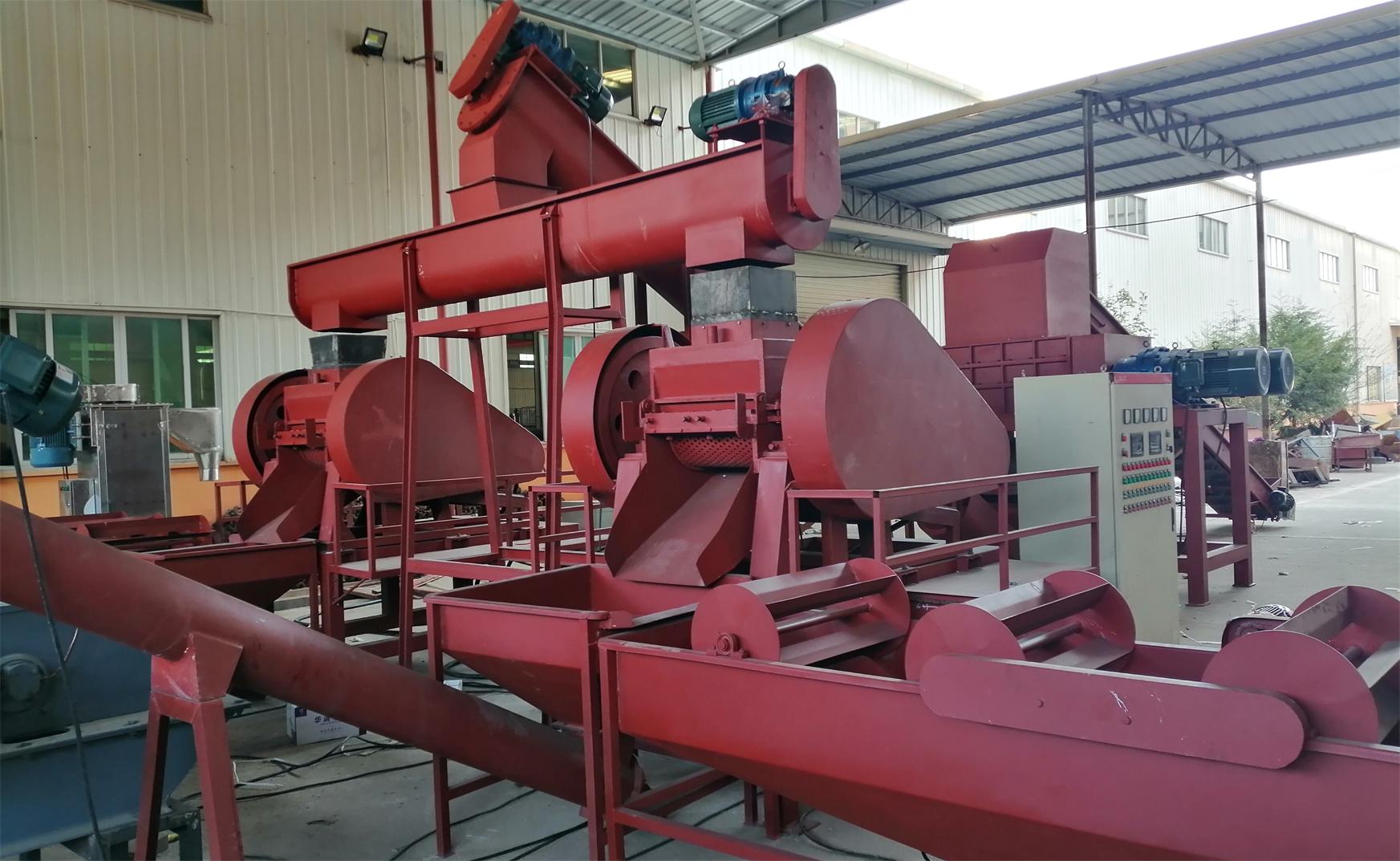
Now we're talking serious power territory. These systems run full production lines processing 500+ lamps per hour. You'll need three-phase power (typically 380-480V) and substantial current capacity. The start-up current alone can trip basic breakers - these machines need a "soft start" mechanism or you'll be resetting breakers all day.
| Model Type | Typical Voltage | Current Draw | Circuit Requirements |
|---|---|---|---|
| Multi-Stage Separation System | 380-480V 3Ø | 60-100A | 125A circuit with soft-start |
| Full Recycling Plant System | 400-480V 3Ø | 150-300A+ | 200A+ circuit with transformer |
Real talk: The installation cost for powering industrial systems often surprises folks. I've seen $80,000 machines needing $25,000 in electrical upgrades. Factor this into your total investment - a quality lamp recycling machine deserves proper power delivery.
Regional Variations & Compliance Factors
Here's where things get spicy. Your power requirements don't exist in a vacuum - they intersect with regional regulations and WEEE compliance standards.
The European Standard (EN 50574)
Across the EU, lamp recycling equipment must meet strict energy efficiency tiers. Machines certified for the higher tiers often include:
- Automatic power-down during idle (reducing vampire drain)
- Variable frequency drives matching motor speed to processing needs
- Power factor correction systems
Meeting these standards typically requires 380V three-phase systems that allow for the sophisticated control electronics. Trying to implement power factor correction on a simple 220V circuit is like performing ballet in work boots.
North American Nuances
The US and Canada present an electrical patchwork. While industrial facilities typically have 480V three-phase, many smaller recycling operations retrofit warehouse spaces with only 208V service. Here's the crunch:
A machine designed for 240V running on 208V loses about 25% of its torque. When you're crushing thick CFL glass bases that extra torque matters. Always size your voltage to match equipment specifications rather than hoping to "get by."
The WEEE Connection
Under WEEE regulations, proper mercury capture isn't optional - it's mandatory. And effective mercury capture requires consistent, clean power:
- Vacuum pumps need constant voltage to maintain proper airflow
- Mercury monitors require stable power for accurate readings
- Filtration systems use sensors needing voltage within ±5% tolerance
I've witnessed inspectors shutting down operations where voltage dips during machine operation compromised mercury capture. Your power quality literally impacts your regulatory compliance.
Installation Power Checklist
Before signing any equipment order, run through this power readiness checklist:
Measure Actual Voltage
Use a quality multimeter at your planned installation point during peak facility usage. Document the lowest reading.
Calculate Total Load
Add the machine's maximum current draw to other equipment on the same circuit. Never exceed 80% of circuit capacity.
Verify Phase Requirements
Three-phase machines won't run on single-phase. Period. Don't believe salespeople who say otherwise.
Assess Wire Gauge
Long runs need thicker wire. A 100-foot 60A circuit requires different cabling than a 10-foot run.
Plan for Surge Protection
These machines have sensitive electronics. A $500 surge protector beats replacing a $15,000 control panel.
Consider Clean Power Needs
If your facility has variable frequency drives or heavy welding equipment, you might need power conditioners.
⚠️ The Grounding Imperative
Improper grounding causes more equipment failures than any other electrical issue. Lamp recycling machines produce fine metal dust that loves to find ground paths through control boards. Ensure your ground resistance is <1 ohm and bonded correctly to building steel.
Future Trends: Smarter Power Solutions
The next generation of lamp recycling machines focuses on energy intelligence:
Energy Recovery Systems
Some newer models capture the kinetic energy from crushing mechanisms to supplement power needs, effectively recycling energy while recycling lamps. These systems require more sophisticated electrical interfaces but can shave 15-25% off power bills.
Smart Grid Integration
Several European manufacturers are testing machines that:
- Communicate with facility energy management systems
- Shift processing cycles to off-peak hours automatically
- Participate in demand-response programs
These developments point toward more integrated, efficient lamp recycling operations that turn power from an expense into a managed resource.
Parting Wisdom
At the end of the day, lamp recycling is both an environmental imperative and a technical challenge. The best equipment in the world underperforms if underpowered. Treat your lamp recycling machine's power requirements with the same seriousness as its mercury capture efficiency ratings.
Final reality check: Budget for professional electrical assessment before buying equipment. A $500 consultation beats $10,000 in rewiring after installation. Your lamp recycling machine isn't just another appliance – it's a specialized industrial tool that deserves proper power foundations.
Whether you're setting up a small community collection center or running an industrial-scale recycling facility, respecting the voltage and current requirements ensures safety, compliance, and operational efficiency. Now go crush those old bulbs – with the right power behind your efforts.