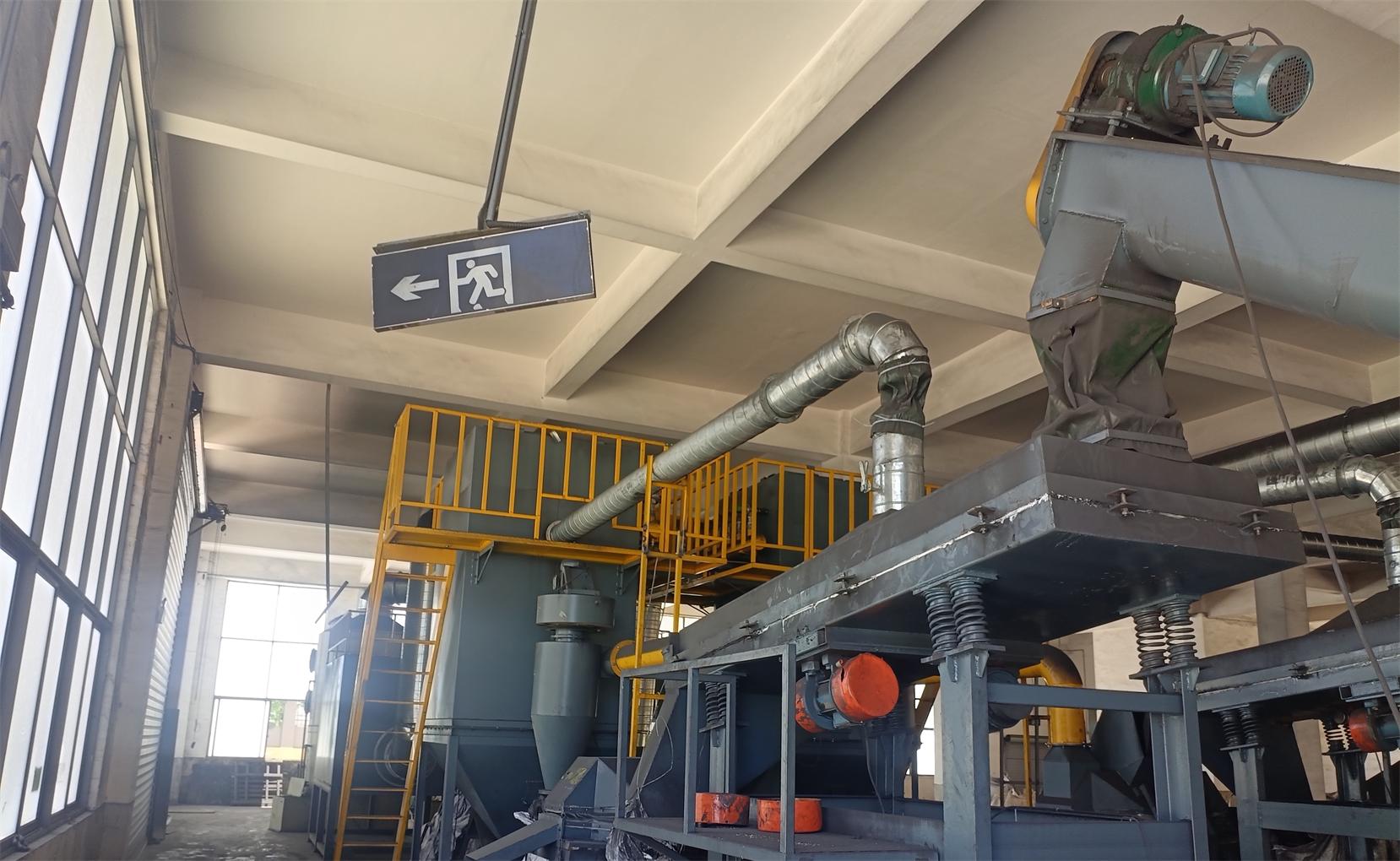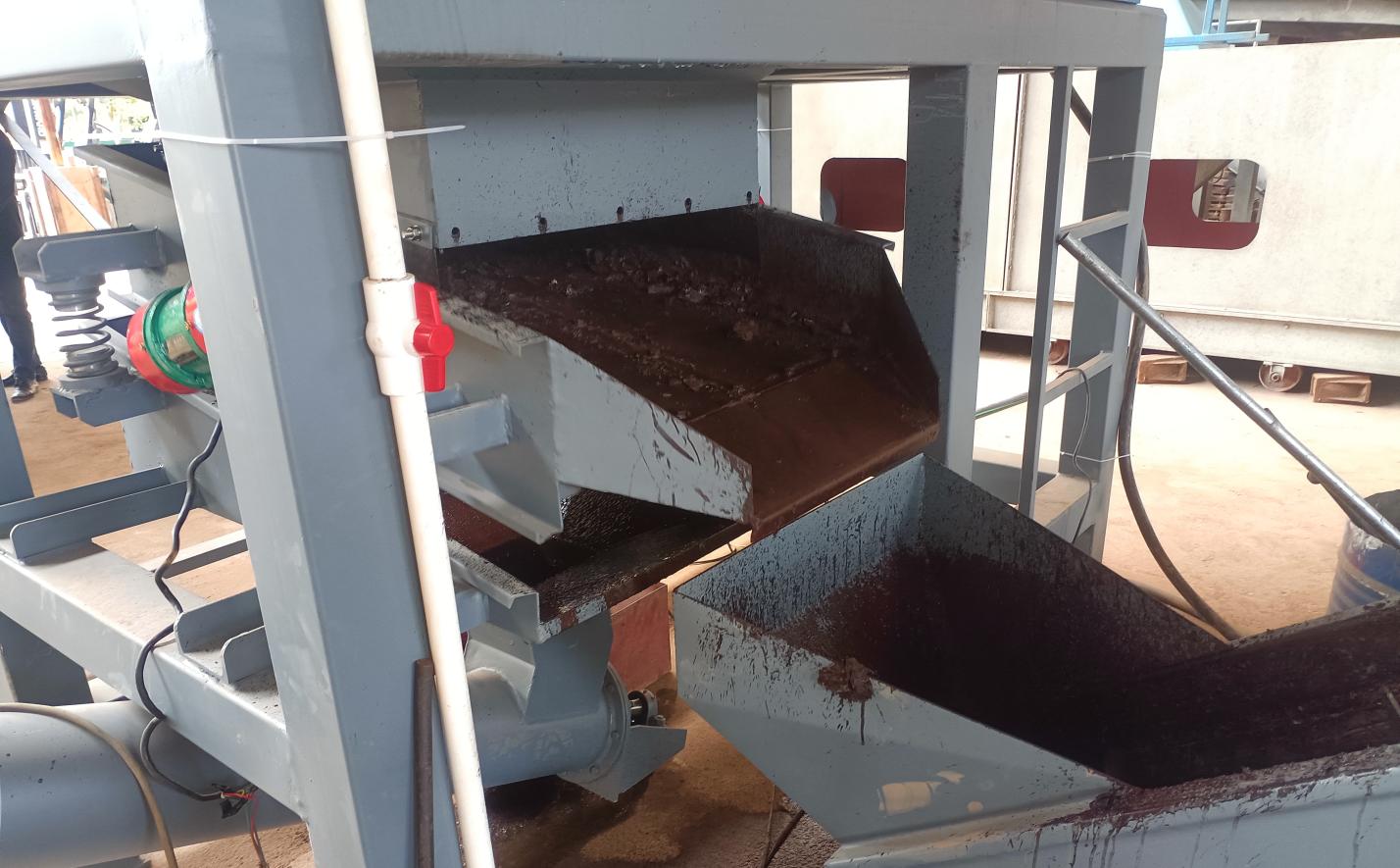
If you’ve ever walked through a plastic recycling facility or a manufacturing plant, you’ve probably seen it—those networks of pipes snaking through the ceiling, quietly moving plastic pellets, flakes, or powder from one end of the facility to another. That’s the magic of plastic pneumatic conveying systems at work. These systems are the unsung heroes of modern material handling, making it possible to move bulk plastic materials efficiently, hygienically, and with minimal manual labor. But how do they really work? What should you consider before investing in one? And why do so many industries swear by them? Let’s dive into the five key things you need to know to master this essential equipment.
l. How Do These Systems Actually Move Plastic? The Basics of Pneumatic Conveying
At its core, a plastic pneumatic conveying system is all about using air to move stuff. Think of it like a supercharged vacuum cleaner for industrial materials—except instead of sucking up dust bunnies, it’s transporting everything from tiny plastic granules to larger post-consumer flakes through a closed network of pipes. But there’s more to it than just blowing air; the science of how the air and material interact determines everything from efficiency to material integrity.
Two Main Types: Dilute Phase vs. Dense Phase
Not all pneumatic conveying systems are created equal. The first big decision you’ll face is choosing between dilute phase and dense phase systems, and the right pick depends entirely on what you’re moving and how far.
Real-World Example: A plastic bottle recycling plant might use a dilute phase system to move lightweight PET flakes from the shredder to the washing station (short distance, low bulk density), while a manufacturer of automotive plastic parts could rely on dense phase to transport heavy-duty polypropylene pellets 300 meters across the factory (long distance, high density).
Dilute phase systems work by suspending the plastic material in a high-velocity air stream (usually 15-30 m/s). Imagine tossing a handful of feathers into a strong wind—they stay airborne and move fast. This is great for small, lightweight materials and short to medium distances (up to 100 meters). The downside? Higher air volume means more energy use, and the high speed can sometimes cause material degradation (think tiny plastic particles chipping off) or pipe wear over time.
Dense phase systems, on the other hand, push material in slow-moving plugs or batches using low-velocity, high-pressure air (typically 2-8 m/s). Picture squeezing toothpaste through a tube—the material moves as a cohesive mass, not individual particles floating around. This is ideal for fragile materials (like recycled plastic flakes that can’t handle roughhousing) or long-distance transport (over 100 meters). It’s gentler on materials, uses less energy per ton of material moved, and reduces pipe wear. The tradeoff? Higher upfront costs for pressure-rated equipment and a need for more precise control over air flow.
Why Air, Not Conveyors or Trucks?
You might be wondering: Why not just use a conveyor belt or a forklift to move plastic? For many operations, pneumatic systems win out for three big reasons: space efficiency , hygiene , and automation . Pipes can run vertically, horizontally, or even through walls, making them perfect for crowded factories where floor space is gold. They’re also a closed system, so no dust escapes (critical for food-grade plastic processing or meeting air pollution control standards) and no contaminants get into the material. Plus, they integrate seamlessly with other equipment—like connecting a dry process equipment granulator directly to a molding machine without any manual handling.
2. The Building Blocks: Key Components That Make It All Work
A plastic pneumatic conveying system is more than just pipes and a fan. It’s a symphony of components working together to ensure material moves smoothly, safely, and without hiccups. Let’s break down the star players and what they do.
The "Lungs": Air Mover (Blower, Compressor, or Vacuum Pump)
This is the heart of the system—the device that generates the air flow. For dilute phase systems, you’ll usually see positive displacement blowers (they push air at medium pressure, high volume). Dense phase systems, needing higher pressure, often use rotary lobe compressors or reciprocating compressors . Vacuum systems (yes, some use suction instead of pressure!) rely on vacuum pumps , which are great for situations where you don’t want material dust escaping at the pickup point (like in food-grade facilities).
The "Mouth": Feeder or Airlock
Ever tried pouring cereal into a bowl while the bowl is moving? That’s basically what a feeder does—introduce material into the air stream without letting air escape. Rotary airlocks are the most common; they’re like revolving doors for plastic, with vanes that seal the system while dropping material into the pipe. For sticky materials (looking at you, soft PVC), a screw feeder might be better, using a rotating screw to push material into the air stream evenly.
The "Veins": Pipes and Fittings
Pipes are the highways of the system, and their design matters. Most systems use schedule 40 or 80 steel pipes (durable and easy to source), but for abrasive materials (like glass-filled plastics), you might need ceramic-lined or UHMWPE pipes to resist wear. Fittings—elbows, tees, reducers—are equally critical. Sharp elbows can cause material buildup and pipe erosion, so many systems use long-radius elbows (curved, not 90-degree angles) to keep material flowing smoothly.
The "Separator": Getting the Plastic Out of the Air
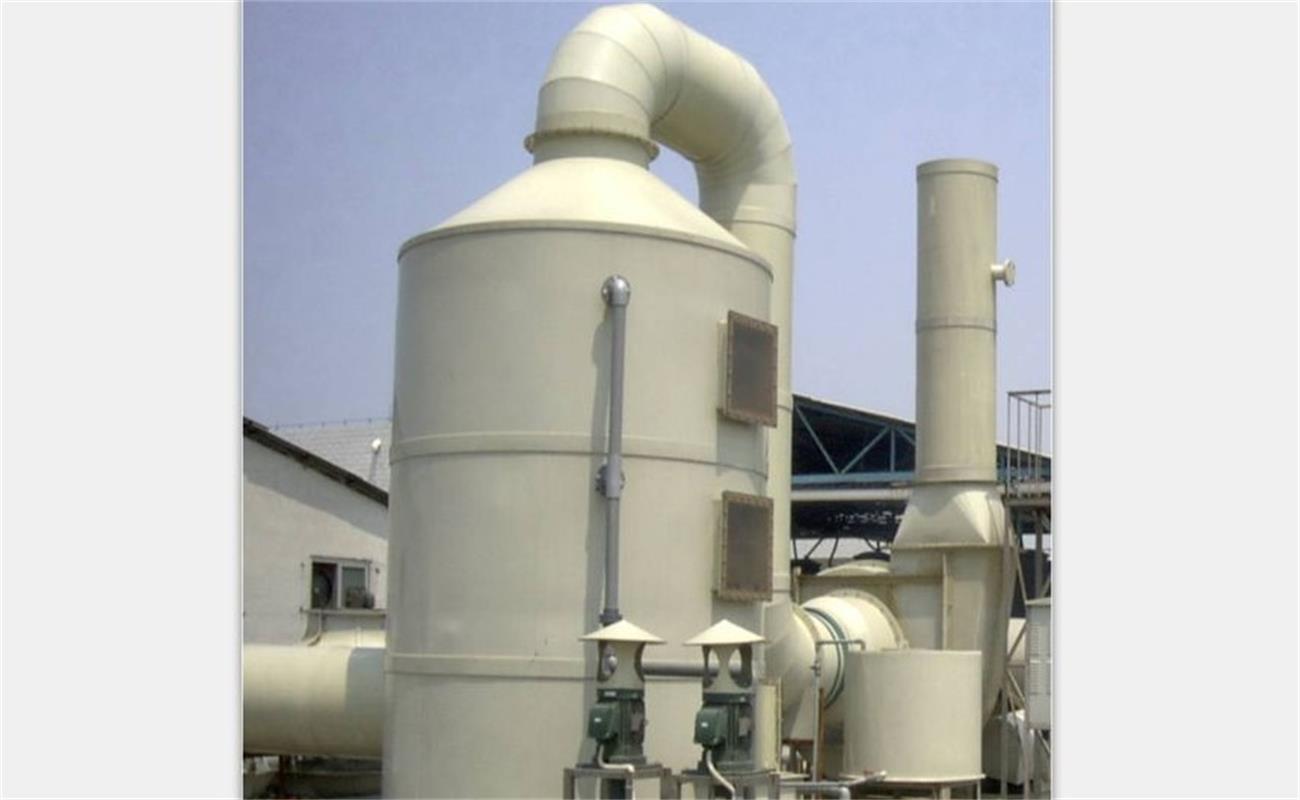
Once the material reaches its destination, you need to separate it from the air. Cyclones are the workhorses here—they use centrifugal force to spin the air/material mixture, flinging heavy plastic particles out the bottom while clean air exits the top. For finer materials (like plastic powder), you’ll need a bag filter or cartridge filter to catch the tiniest particles, ensuring nothing escapes into the facility air (and keeping your air pollution control system happy).
The "Helpers": Auxiliary Equipment
No system works alone. Auxiliary equipment keeps things running smoothly: pressure relief valves prevent pipe bursts if pressure builds up, level sensors in hoppers tell the system when to start/stop conveying, and air dryers remove moisture from the air stream (critical for hygroscopic plastics like nylon, which absorb water and clump up).
| Component | Role | Common Issue to Watch For |
|---|---|---|
| Air Mover | Generates air flow/pressure | Overheating from dirty filters; reduced efficiency from worn rotors |
| Rotary Airlock | Feeds material into the system | Vane wear from abrasive materials; jamming with oversized particles |
| Cyclone Separator | Separates material from air | Material buildup in the cone; reduced efficiency with high humidity |
| Long-Radius Elbow | Redirects material flow | Erosion at the outer curve; material bridging (getting stuck) in tight bends |
3. Designing Your System: 5 Critical Factors to Avoid Costly Mistakes
Designing a pneumatic conveying system isn’t a one-size-fits-all process. Get it wrong, and you’ll end up with a system that clogs constantly, damages your material, or guzzles energy. Here’s what you need to nail before hitting "order."
Factor l: Know Your Material Like the Back of Your Hand
The biggest mistake? Not testing your actual material. Plastic isn’t just "plastic"—a 5mm HDPE pellet acts nothing like a 2mm ABS flake, and both behave differently from recycled plastic with contaminants (like paper labels or metal bits). Key properties to test:
- Bulk density (kg/m³): Light materials (like expanded polystyrene) need more air to suspend; dense materials (like filled plastics) need higher pressure.
- Particle size and shape : Irregularly shaped flakes (from recycling) are more likely to bridge in pipes than smooth pellets.
- Abrasiveness : Glass-filled or mineral-reinforced plastics will wear pipes faster—plan for thicker walls or耐磨材料.
- Moisture sensitivity : Nylon and PET absorb moisture, which can make them sticky and cause clogs. A dry process equipment setup with dehumidifiers might be necessary.
Factor 2: Distance and Layout Matter More Than You Think
A system that works for a 20-meter horizontal run won’t cut it for a 200-meter run with 10 vertical bends. Every turn, rise, or drop adds "equivalent length" to the system—meaning a 90-degree elbow might act like adding 5 meters of straight pipe in terms of air resistance. Vertical lifts are especially tricky; you need enough air velocity to keep material from falling back down the pipe (a common cause of clogs).
Pro Tip: Work with a supplier who uses computational fluid dynamics (CFD) software to model your system. They can simulate how your material will flow through every bend and lift before you build anything, saving you from expensive reworks.
Factor 3: Capacity Needs—Don’t Underestimate (or Overkill)
How much material do you need to move per hour? This is measured in tons per hour (TPH) or cubic meters per hour (m³/h) . But be realistic: A system rated for 10 TPH might only hit that under ideal conditions (dry material, straight pipes). Add in real-world variables (moisture, occasional oversized particles), and you’ll want to size up by 10-20% to avoid bottlenecks.
Factor 4: Energy Efficiency—Your Wallet Will Thank You
Pneumatic systems can be energy hogs, especially dilute phase setups running at high velocities. To keep costs down: Opt for dense phase if your material and distance allow (it uses 30-50% less energy than dilute phase for the same TPH). Variable frequency drives (VFDs) on blowers let you adjust air flow based on demand (no need to run at full speed when conveying half-loads). And proper pipe sizing —too small, and you’ll have high pressure drop; too large, and velocity drops, causing material to settle.
Factor 5: Safety and Compliance—Don’t Cut Corners
Plastic dust can be explosive (yes, really—think static electricity igniting fine particles). Systems handling combustible materials need anti-static pipes , grounding wires , and explosion relief valves . You’ll also need to comply with local air quality regulations, which might mean integrating an air pollution control system (like a baghouse filter) to capture dust emissions. And don’t forget OSHA standards—pipes and fittings should be securely anchored to prevent vibration-related accidents.
4. Keeping It Running: Maintenance Tips and Fixing Common Headaches
Even the best-designed system will hit snags if you neglect it. The good news? Most issues are preventable with regular maintenance, and when problems do pop up, they’re usually fixable without tearing the whole system apart.
Daily Checks to Prevent Catastrophes
Spend l0 minutes each shift on these, and you’ll avoid 90% of downtime:
- Listen for odd noises : A high-pitched squeal from the blower could mean a bearing is failing; rattling pipes might indicate loose fittings or material buildup.
- Check pressure gauges : Sudden pressure spikes often mean a clog; drops could signal a leak (like a cracked pipe or worn airlock vane).
- Inspect filters : Clogged filters reduce air flow, making the system work harder. Clean or replace them before they’re completely blocked.
- Monitor material flow : Use sight glasses (clear sections of pipe) to watch for slowdowns or bridging.
Monthly Deep Dives
Once a month, dig a bit deeper:
- Lubricate moving parts : Airlock bearings, blower motors, and feeder screws need fresh grease—check the manufacturer’s specs for type and frequency.
- Check for pipe wear : Use a thickness gauge on elbows and bends (the most common wear spots). If the wall is thinning, patch or replace the section before it bursts.
- Test safety devices : Trip switches, pressure relief valves, and emergency stops should all trigger when they’re supposed to—don’t wait for an accident to find out they’re faulty.
Troubleshooting the Top 3 Problems
Even with maintenance, you’ll hit issues. Here’s how to fix the most common ones:
| Problem | Likely Cause | Fix |
|---|---|---|
| Material clogging in pipes | Low air velocity (material settling); oversized particles; moisture causing clumping | l. Increase air flow temporarily to clear the clog (use a "blowback" function if available). 2. Check for worn airlock vanes (letting air escape, reducing velocity). 3. Screen material to remove oversized particles; add a dryer if moisture is the issue. |
| High energy bills | Blower running at full speed when not needed; leaky pipes/fittings; dirty filters | l. Install a VFD to adjust blower speed based on demand. 2. Inspect pipes for cracks (especially at joints); replace worn gaskets. 3. Clean/replace filters—restricted air flow makes the blower work harder. |
| Material degradation (chips, fines) | Too high air velocity (dilute phase); sharp elbows causing impacts; abrasive pipe walls | l. Switch to dense phase if possible (lower velocity = gentler handling). 2. replace sharp elbows with long-radius ones. 3. Line pipes with UHMWPE or ceramic to reduce friction. |
When to Call in the Pros
Some issues are beyond DIY fixes: repeated clogs despite adjustments, unusual vibration, or a sudden drop in capacity. A good supplier should offer on-site troubleshooting, and many now use remote monitoring (sensors in the system that send data to the cloud) to catch problems before they cause downtime.
5. Where Are These Systems Used? Real-World Applications and Future Trends
Plastic pneumatic conveying systems aren’t just for big factories—they’re everywhere plastic is made, recycled, or processed. Let’s look at how different industries use them, and what’s next for this technology.
Recycling: The Unsung Hero of Circular Economy
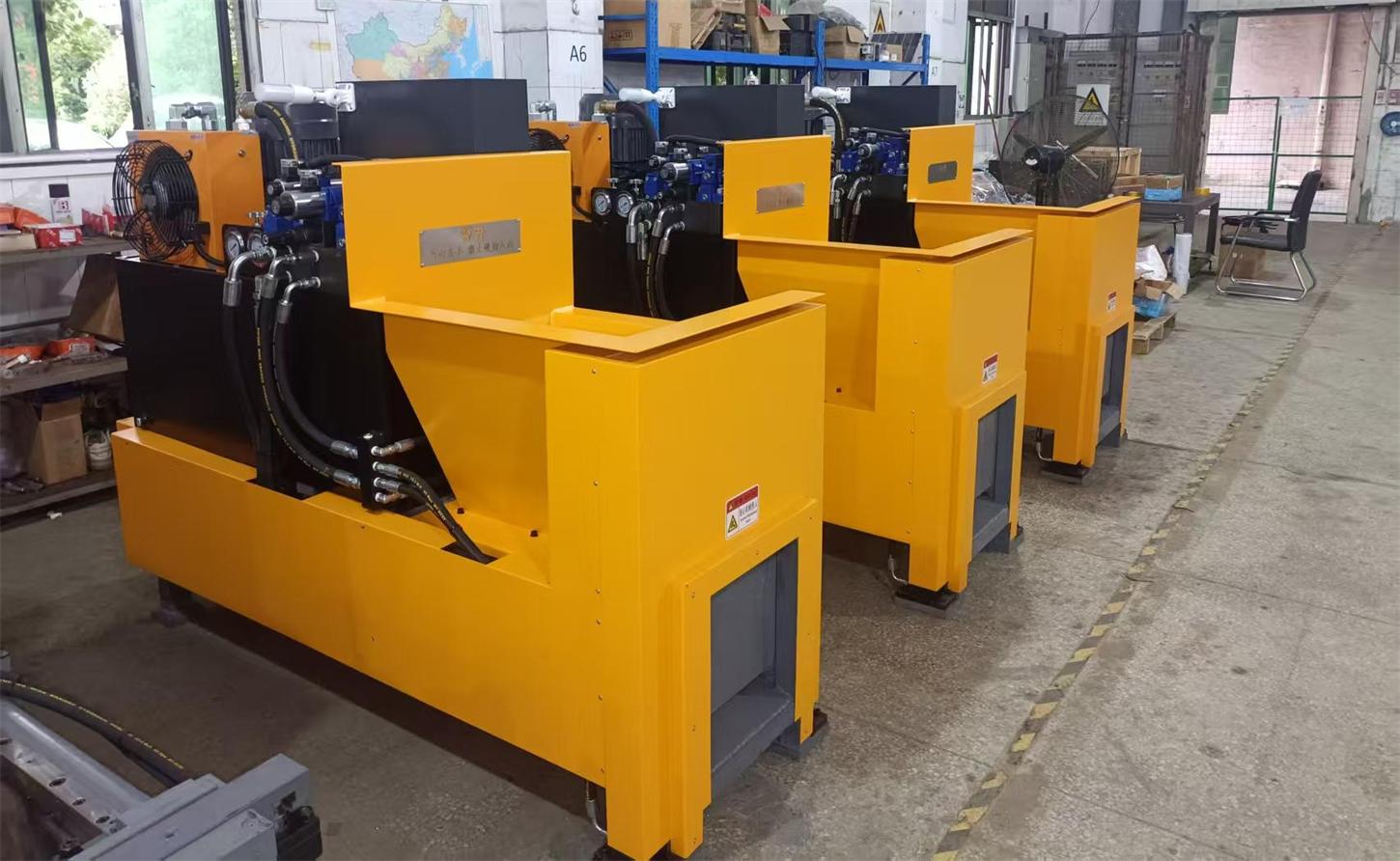
Plastic recycling plants rely heavily on pneumatic conveying to handle the messy, variable materials that come in. For example, after shredding post-consumer plastic waste, a system might transport the flakes to a washing station, then to a dryer, and finally to a granulator. From there, the recycled pellets are conveyed to a hydraulic briquetter to be compacted into blocks for shipping, or directly to an extruder for remolding. The closed system is key here—it prevents contamination (like dirt or metal) from getting into the recycled material and keeps dust levels low (critical for worker health and meeting air pollution standards).
Automotive and Packaging: Precision and Speed
In automotive plastic parts manufacturing, time is money. Pneumatic systems deliver precise amounts of material (like glass-filled polypropylene for bumpers) directly to injection molding machines, 24/7. The systems are often automated, with sensors that track material levels in hoppers and trigger conveying only when needed—no more manual loading or stockouts. In packaging, food-grade systems (with stainless steel pipes and easy-to-clean components) move PET resin for water bottles, ensuring no contamination from start to finish.
What’s Next? Smarter, Greener, and More Connected
The future of pneumatic conveying is all about smart systems . Imagine sensors that monitor material flow in real time, adjusting air velocity automatically to prevent clogs. Or AI-powered predictive maintenance—algorithms that analyze vibration, pressure, and temperature data to tell you a blower bearing will fail in two weeks, not two hours. Energy efficiency will also take center stage, with more systems integrating heat recovery (capturing waste heat from blowers to warm facility air) and variable speed drives as standard, not optional.
Another trend? Modular systems . As factories adapt to smaller batch sizes and frequent material changes, modular pipes and components that can be reconfigured quickly (without welding) will become more popular. And for sustainability-focused operations, systems that work with recycled and biodegradable plastics (which often have unique flow properties) will be in high demand—think specialized feeders and separators designed for these tricky materials.
Final Thoughts: Is a Pneumatic Conveying System Right for You?
At the end of the day, a plastic pneumatic conveying system isn’t just a piece of equipment—it’s an investment in efficiency, safety, and scalability. Whether you’re running a small recycling facility or a large manufacturing plant, the key is to start with the basics: understand your material, design for your specific layout, and commit to regular maintenance. And remember, you don’t have to go it alone—partner with a supplier who takes the time to test your material, model your system, and support you long after installation.
These systems have come a long way from the early days of loud, inefficient blowers. Today’s options are quieter, smarter, and more tailored than ever, making them a cornerstone of modern plastic processing. So the next time you see those pipes snaking through a factory, you’ll know—the real magic isn’t just moving plastic. It’s moving it in a way that keeps businesses running, workers safe, and materials ready for their next life.