Two scrap yard owners in the same province receive the same phone call: a demolition site has twenty tons of mixed copper cable ready for pickup. Both men have the cash, the warehouse space, and the buyer for separated copper. The difference is what happens after the trucks arrive.
Owner A buys the first cable recycling equipment he finds on a trading platform. The photos look professional, the price is low, and the seller promises "99% separation rate." Six months later, he is still trying to get the vibrating screen to stop clogging. The copper purity tests at 82%. His buyer downgrades the price. The plastic fraction is contaminated with copper dust. The dust collector was an optional extra he skipped.
Owner B spends two weeks understanding what actually happens inside a cable granulator before he spends a dollar.
This article is for Owner B.
What Cable Recycling Actually Involves
Scrap cable is not uniform. It arrives as thin communication wire, thick armored power cable, jelly-filled telephone lines, and everything in between. The goal is to separate the conductive metal—usually copper or aluminum—from the insulating plastic with enough purity that a smelter or direct buyer will pay full market rate.
The process generally follows three stages:
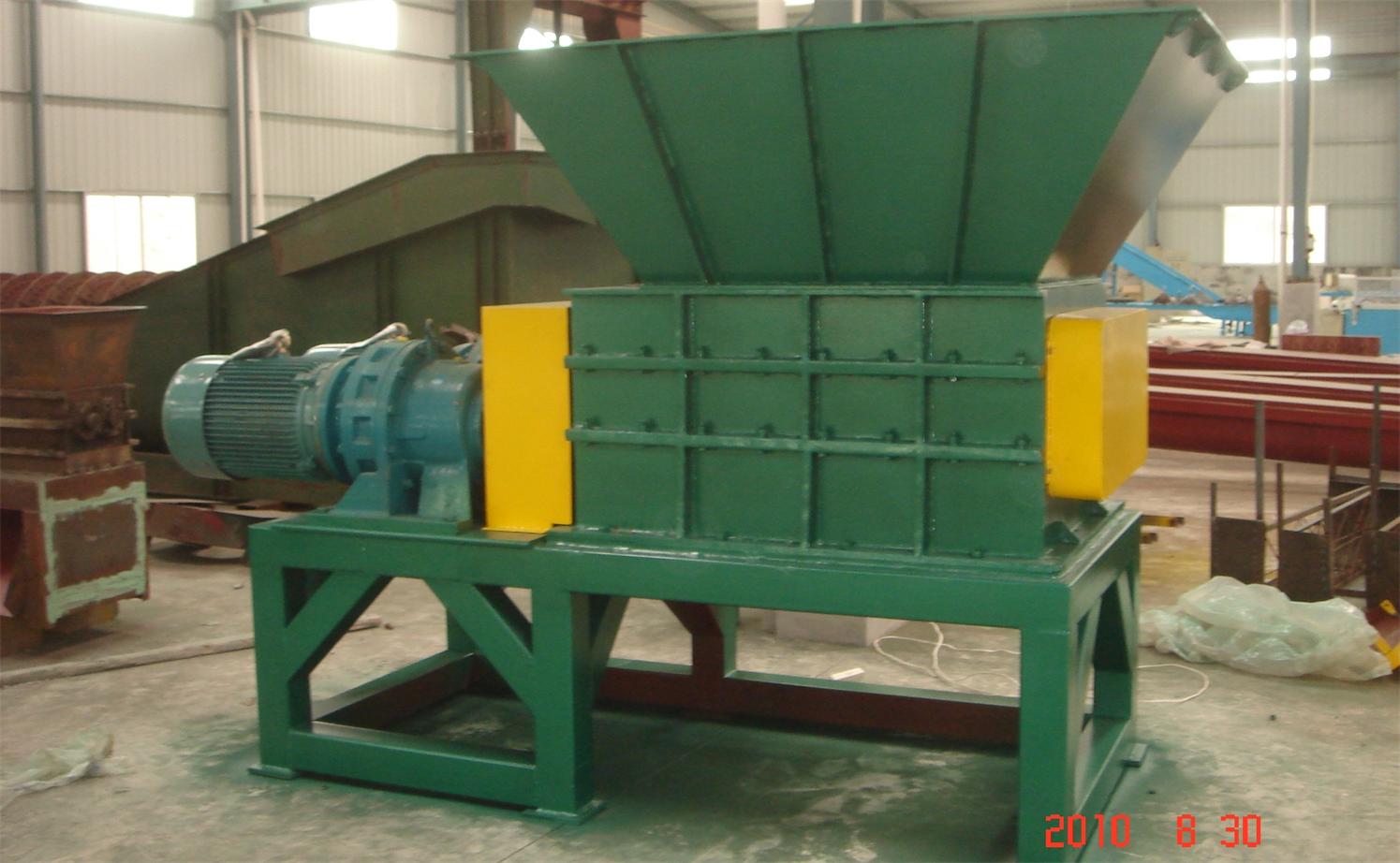
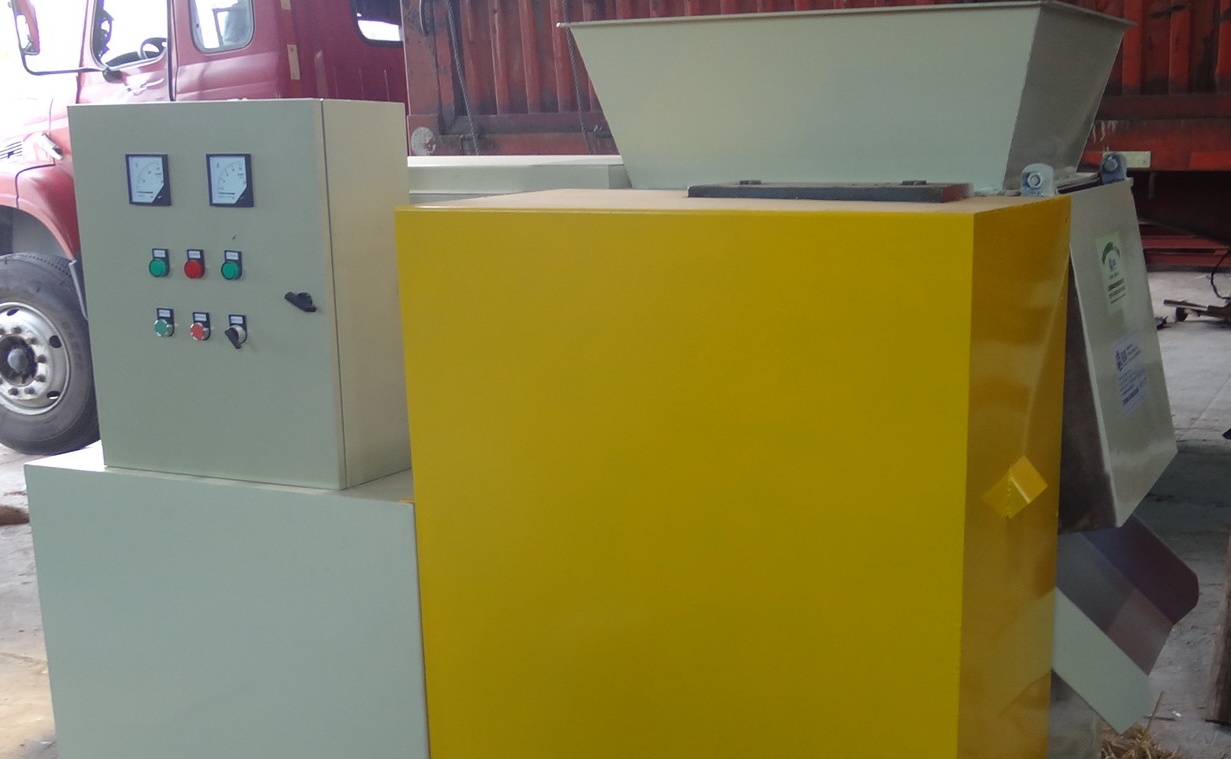
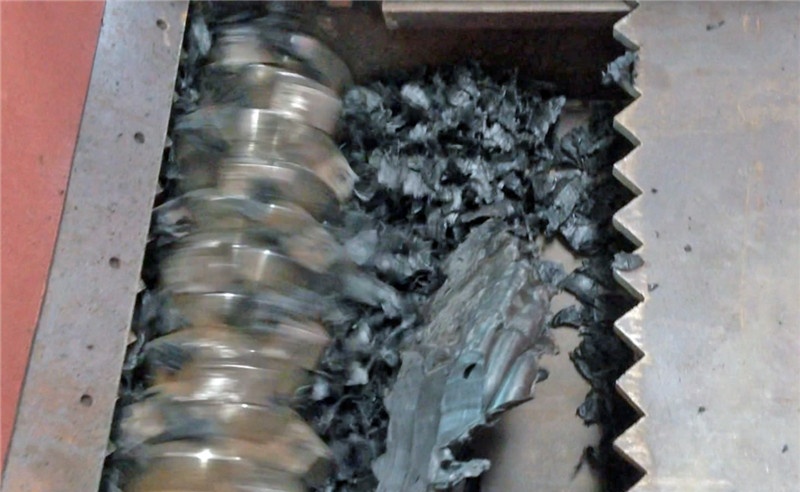
1. Size reduction. Cables too large for direct granulation must first be stripped or shredded. A scrap cable stripper handles diameters from 1.5 mm to 150 mm, removing the insulation in one pass so the metal core can go straight to melting or sale. For mixed loads, a shredder acts as a pre-chopper, breaking bulky material into uniform pieces that feed cleanly into downstream equipment.
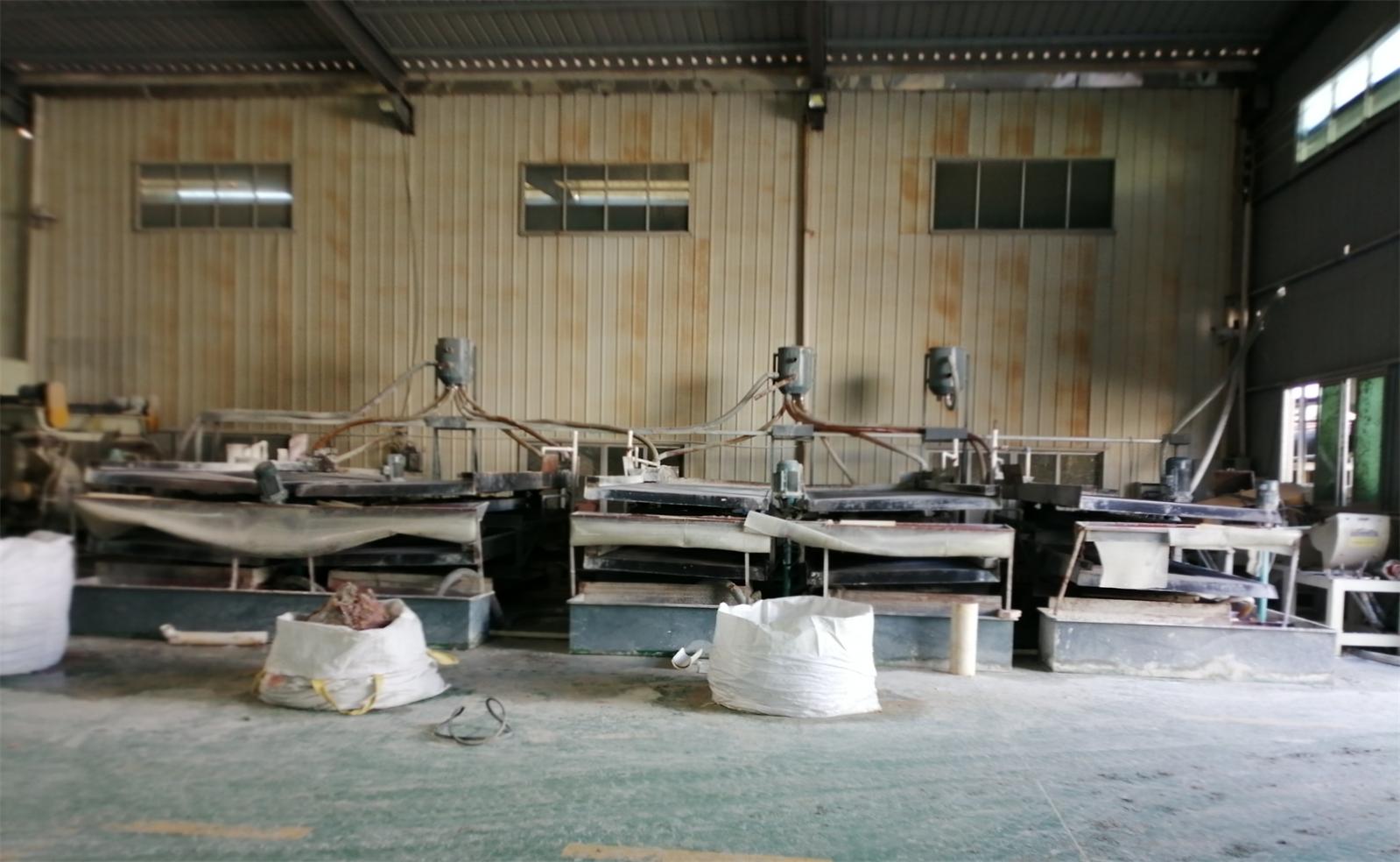
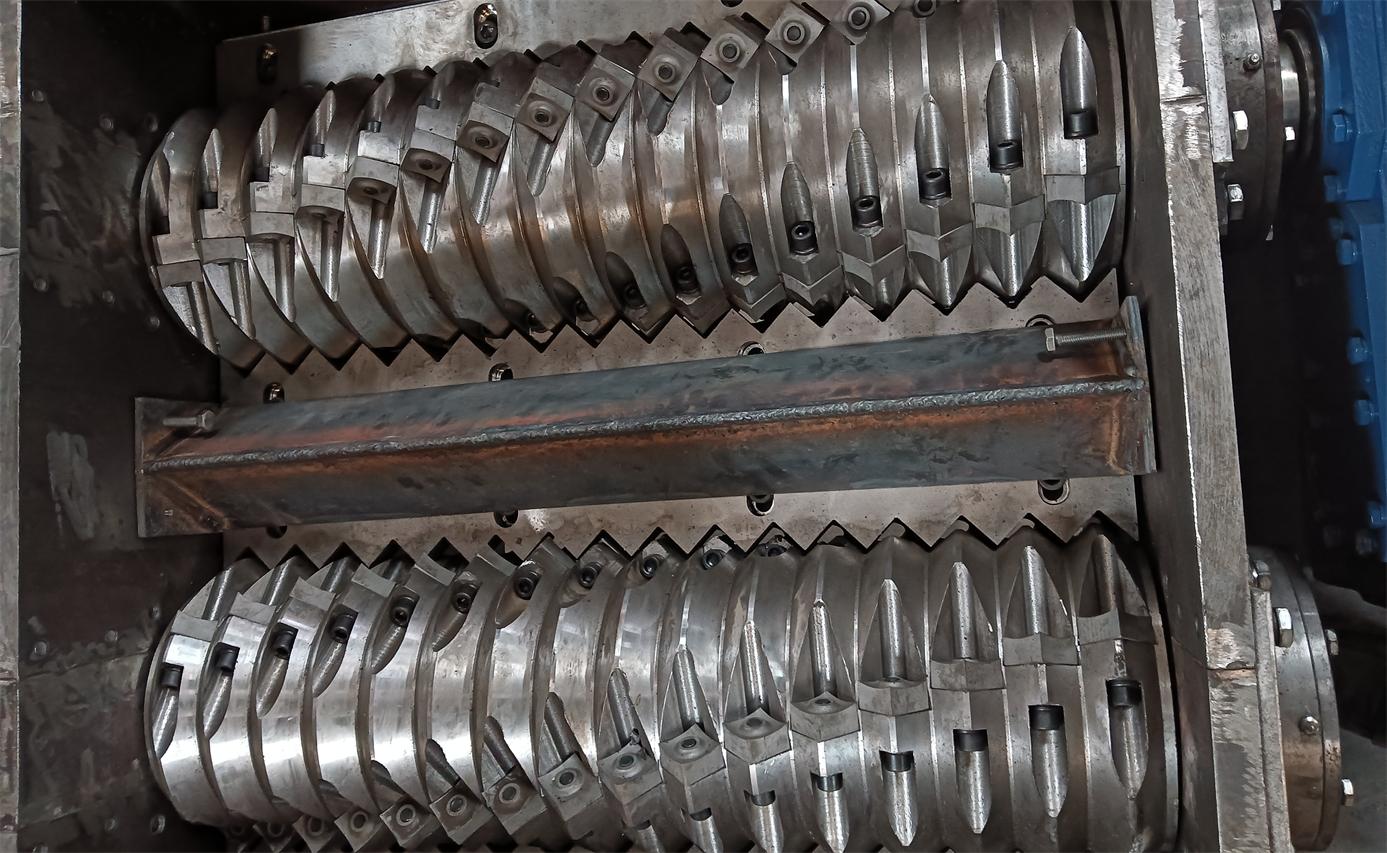
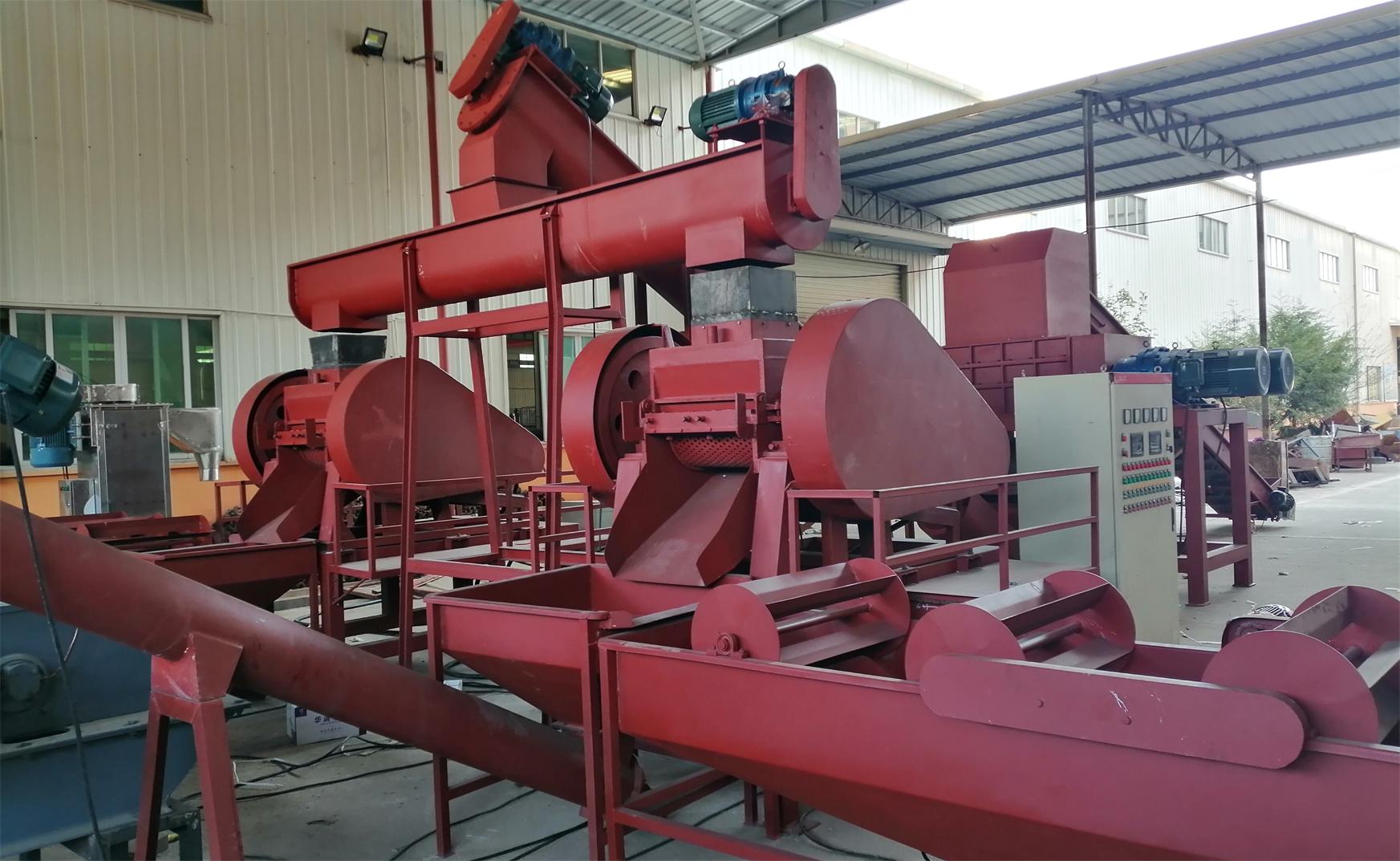
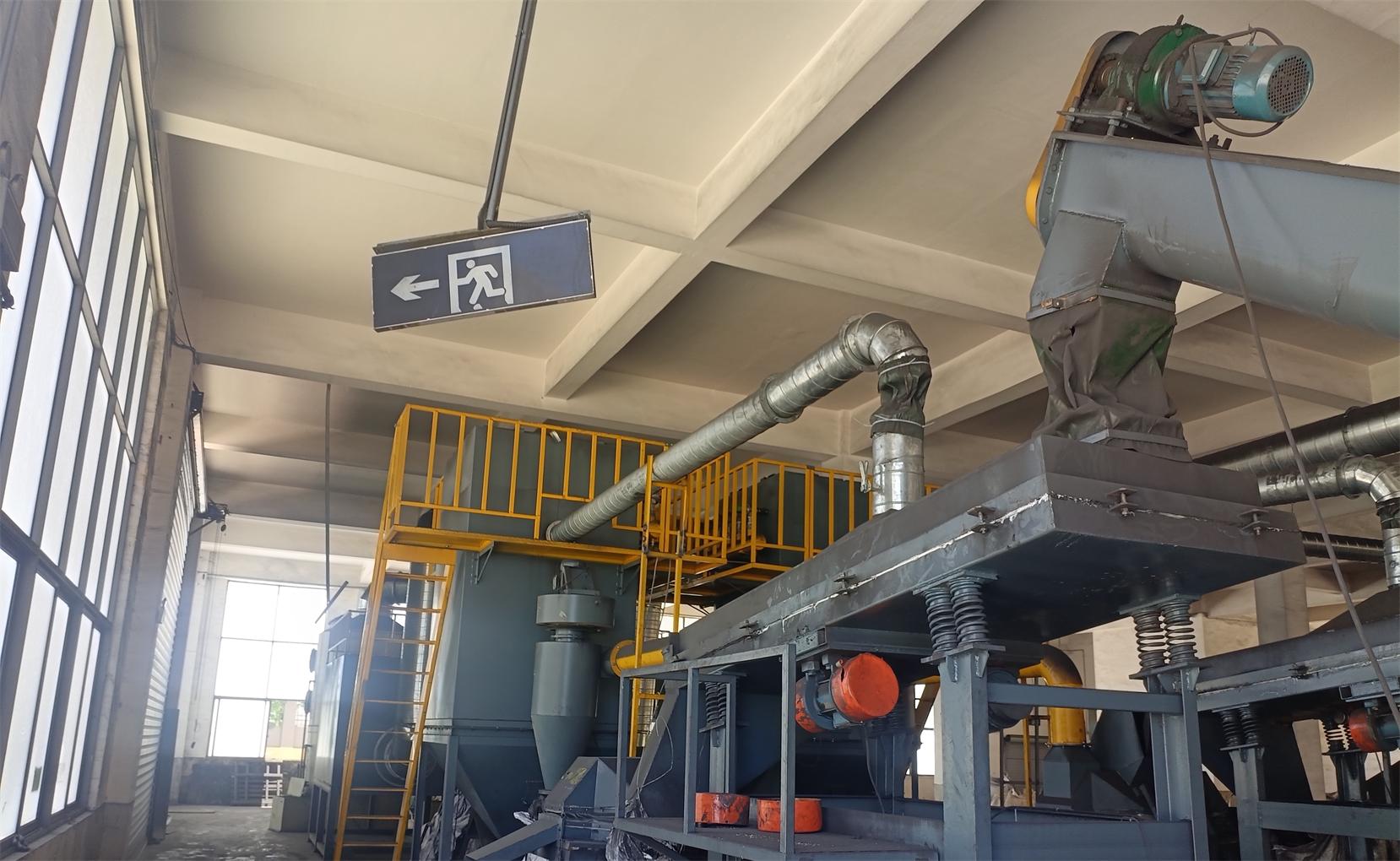
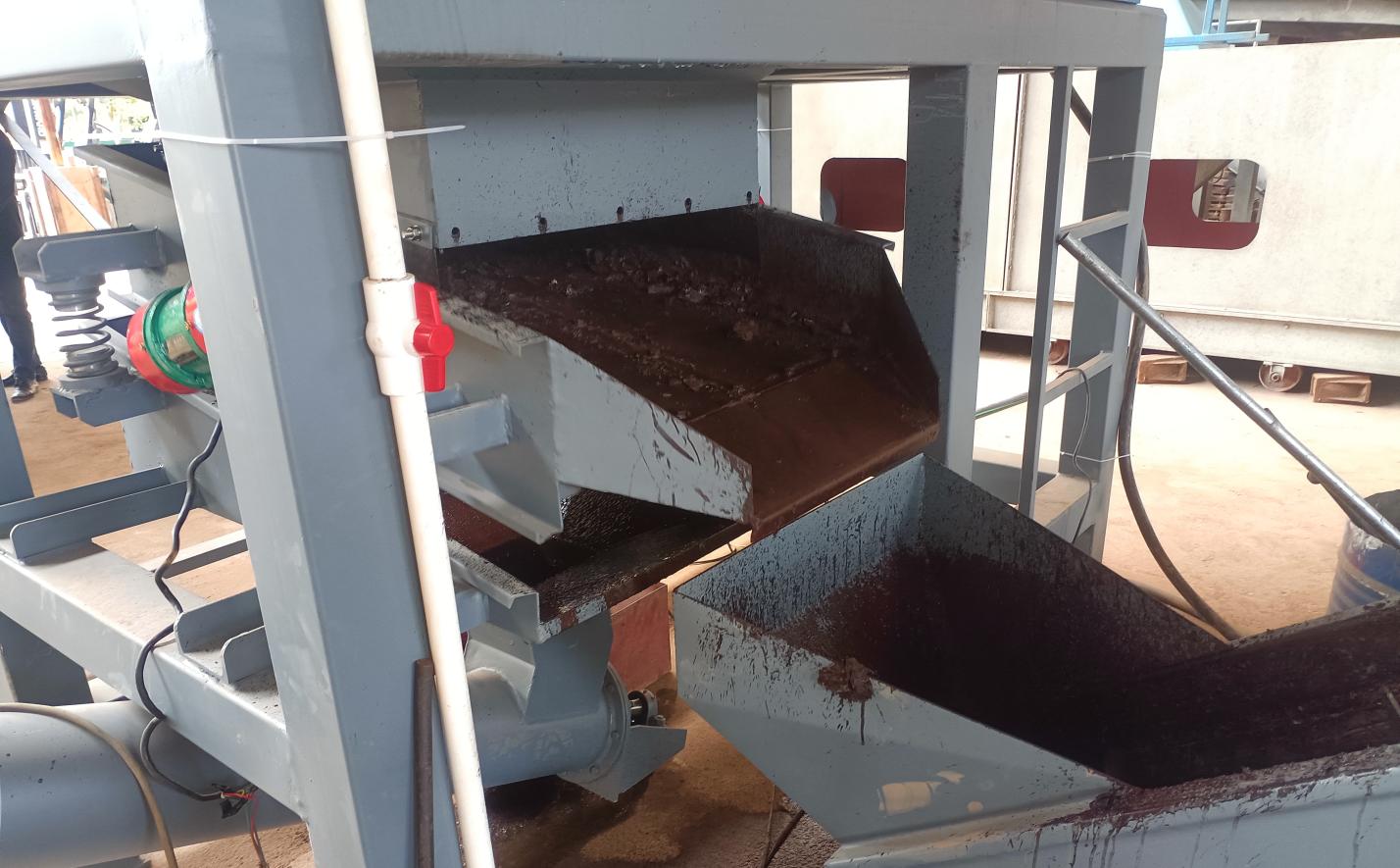
2. Granulation and separation. The cable granulator crushes the material into small particles. A dry separator uses air classification and vibrating screens to sort metal from plastic. A wet separator adds water-based gravity separation for finer fractions or dust-sensitive operations. The difference matters: dry systems are simpler to operate and require no water treatment, while wet systems can achieve higher purity on complex or dirty feedstock.
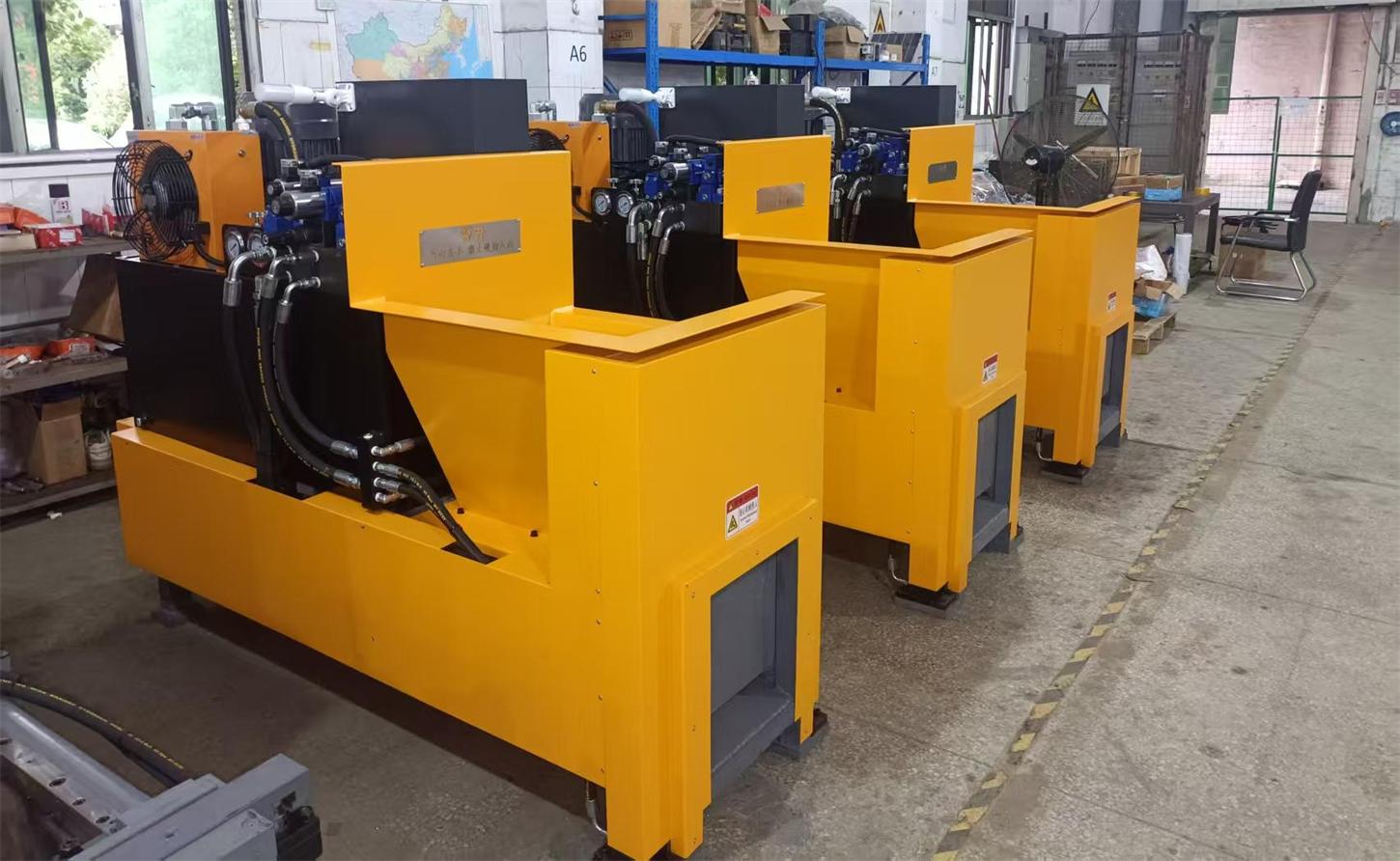
3. Collection and densification. The separated plastic film and fluff are often pneumatically conveyed to a hydraulic briquetter, compressing the volume by ratios up to 10:1. This reduces storage space and transport cost.
San Lan Technologies manufactures equipment for every stage of this line, from scrap cable strippers and single-shaft shredders through cable granulators with both dry and wet separation options, to pneumatic conveying systems and hydraulic briquetters.
Five Hard Metrics to Check Before You Sign
A supplier who answers in specifications is a supplier who understands the physics. A supplier who answers only in adjectives is a reseller. Here is what to ask for:
1. Throughput vs. feedstock match
A machine rated at 1,000 kg per hour assumes clean, dry, homogeneous cable. Your actual feedstock is not clean, dry, or homogeneous. Ask the manufacturer for test data on mixed cable, wet cable, and cable with connectors still attached. San Lan offers models ranging from 100 kg/hour compact units to 1,200 kg/hour industrial lines, with custom configurations for jelly-filled and armored cable.
2. Purity and recovery rate
"High purity" is not a number. Ask for the copper powder purity percentage and the overall metal recovery rate. San Lan's dry separation circuit board recycling equipment achieves 96–98% copper powder purity, and the same air-classification engineering carries over to cable separation systems. Recovery rate should be stated for the specific cable types you handle.
3. Dust and emission control
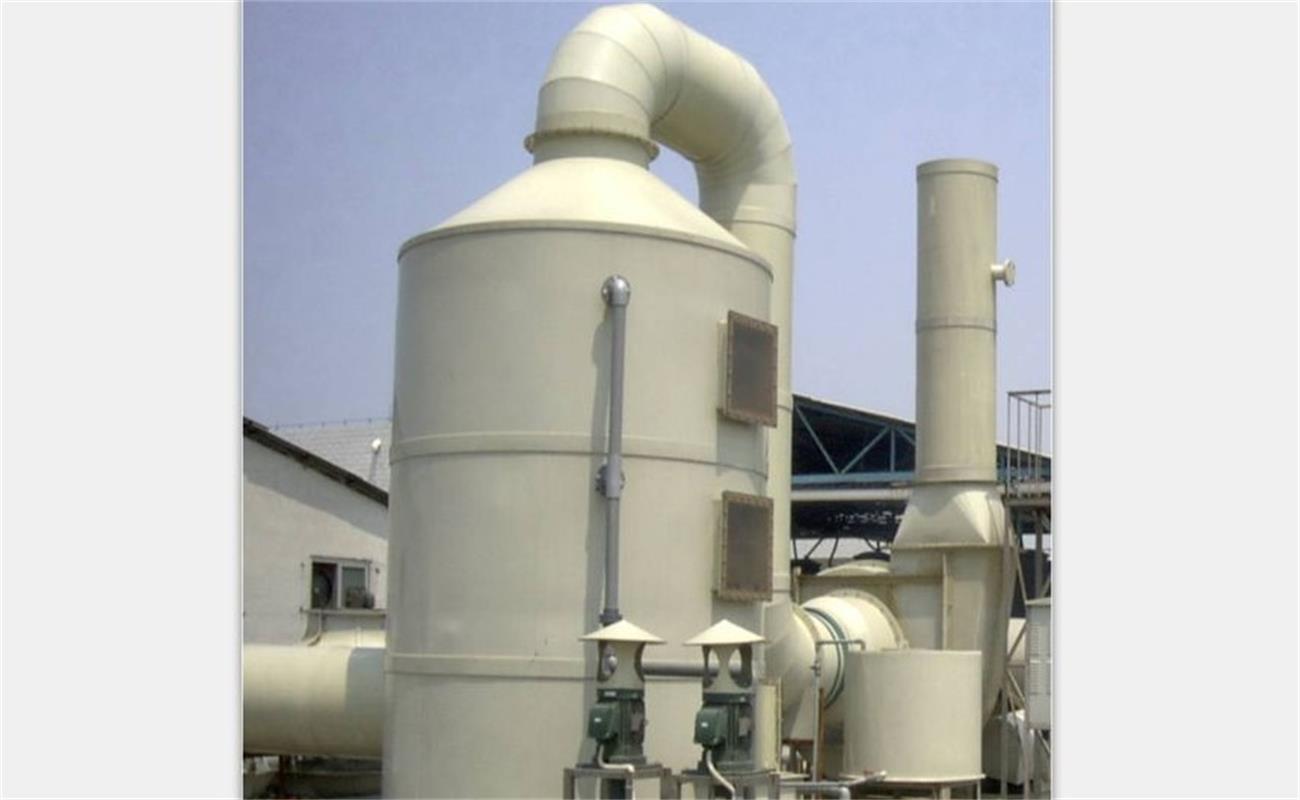
Cable insulation generates fine plastic dust and, in some cases, halogenated compounds that are hazardous to inhale. A pulse bag dust collector or cyclone separator is not optional. San Lan integrates air pollution control systems designed for the specific dust load of cable and circuit board recycling operations.
4. Wear part life and availability
Blades, screens, and vibrating deck liners wear out. Ask for the expected service life in operating hours, the cost of replacement, and whether the supplier stocks spare parts. A lead acid battery cutter blade hardened to HRC 56–62 will survive thousands of cuts. The same metallurgical discipline should apply to granulator blades.
5. Power and space reality
Check the actual connected load, not the motor nameplate rating. A refrigerator shredding and separating plant may require up to 150 kW, while a compact cable granulator runs on a fraction of that. Match the machine to your electrical supply and workshop layout.
Beyond Cable: The Full Recycling Plant
Most scrap dealers who start with cable soon encounter other streams: used lead acid batteries from automotive shops, lithium-ion packs from e-bikes and power tools, printed circuit boards from obsolete electronics, refrigerator compressors, and electric motor stators.
Buying separate machines from separate suppliers creates integration problems. Different control voltages, incompatible material handling heights, and conflicting spare part philosophies turn your plant into a maintenance nightmare.
San Lan Technologies, established in 2007, designs and builds complete recycling plants across thirteen equipment categories:
- Lead acid battery recycling plant: Break-and-separation systems, de-sulfurization units, rotary furnaces for paste reduction, blast furnaces, lead refinery kettles, and water treatment plants.
- Li battery recycling plant: Breaking and separating lines with capacity from 500 to 2,500 kg/hour, recovering black mass, plastic, copper, and aluminum.
- Circuit board recycling plant: Wet and dry separation systems from 300 kg/hour to 2,000 kg/hour, with copper powder purity up to 98%.
- Refrigerator and AC recycling: Refrigerant extraction machines, compressor cutting machines, and shredding-separating plants.
- Motor recycling: Stator cutters that remove copper windings from iron cores in a single pass.
- Shredders and pre-choppers: Single-shaft, twin-shaft, and four-shaft models for size reduction across all material types.
- Hydraulic press machines: Briquetters and balers for densifying separated fractions.
This range matters because it means one engineering team understands how your cable line, your battery line, and your e-waste line should share material handling logic, safety interlocks, and dust control architecture.
Why Experience Matters More Than the Brochure
Recycling machinery is not a consumer product. It is industrial equipment that must survive abrasive feedstock, run continuously, and comply with environmental regulations that vary by country.
San Lan's technical team includes mechanical engineers with master's degrees and more than fifteen years of direct experience in e-waste recycling machine design. The company has delivered EPC projects—engineering, procurement, and construction—to buyers in over twenty-one countries, including Singapore, Colombia, Vietnam, Mexico, South Africa, India, and Saudi Arabia.
That experience translates into practical services that go beyond the machine itself:
- Customized plant design based on your feedstock analysis and target capacity
- One-stop purchasing for integrated lines, avoiding the integration risk of multi-vendor projects
- Installation and commissioning support
- Assistance sourcing waste material feedstock (cable scrap, PCB scrap, used batteries)
- Help selling recovered output (copper rice, lead ingots, etc.)
- Investor and partnership introductions for plant construction financing
A Quick Decision Checklist
Before you release a purchase order for cable recycling equipment, confirm:
- You have tested your actual feedstock on the proposed machine, or received video proof with similar material
- The supplier has provided written specifications for purity, recovery rate, and power consumption
- Dust control is included, not optional
- Spare parts pricing and availability are confirmed in writing
- The supplier has references in your region or a similar regulatory environment
- Installation, commissioning, and operator training are included or quoted separately
- There is a clear warranty term and response time for technical support
The Difference Six Months Later
Owner A is still on the phone with a trading company that no longer returns his messages. His copper sells at a discount. His dust collector is a shop vacuum on a ladder.
Owner B is running two shifts. His copper tests at market-grade purity. His plastic fraction is clean enough to sell to a separate recycler. When he decided to add a lead acid battery recycling equipment line six months later, he called the same engineering team that built his cable plant. They already knew his workshop layout, his power supply, and his maintenance schedule.
The pile of cable was the same. The homework was not.
If you are planning a cable recycling line, a battery recycling plant, or a complete e-waste facility, start with a supplier who answers in specifications, not adjectives. Browse San Lan's full product range, or contact the team directly with your project scope.