In early 2023, two recycling plant owners in Southeast Asia received quotes for new processing lines. One chose the lowest bidder. The other asked harder questions: Who installs this? Who trains my team? Has your engineer ever run a plant, or only drawn one?
Two years later, the first owner is replacing conveyor belts, fighting with local electricians, and searching for a new technical partner. The second is adding a second shift and negotiating a contract for a second line. The difference was not the equipment alone. It was the supplier behind it.
The Real Cost of Cheap Equipment
Recycling machinery is not a consumer purchase. A cable granulator that runs at 70% separation rate instead of 98% does not just waste material; it poisons your downstream buyer relationships. A lead acid battery recycling equipment line without proper acid containment and air pollution control does not just risk fines; it risks shutdown.
The cheapest quote rarely includes the hidden costs: delayed commissioning because no technician was sent, wrong voltage configurations, missing spare parts lists, or manuals written in a language your staff cannot read. By the time these appear, the supplier has moved on to the next inquiry.
What Modern E-Waste Recycling Actually Involves
Electronic waste is not a single material. A typical recycling facility handles batteries, cables, printed circuit boards, refrigerators, and small appliances. Each stream demands different technology, different safety protocols, and different end-product specifications.
Key Material Streams:
• Lead acid batteries → Lead paste, lead grid, plastic, acid
• Lithium-ion batteries → Black mass (Ni/Co/graphite), copper, aluminum, plastic
• Scrap cables → Copper or aluminum granules, plastic insulation
• PCBs → Copper powder, precious metal concentrate
• Refrigerators/AC units → Refrigerant recovery, separated metals and plastics
A supplier who understands only one stream will sell you a machine. A supplier who understands the full plant will sell you a workflow that actually runs.
Battery Recycling: The Two Categories Every Buyer Must Understand
Battery recycling is not interchangeable. Lead acid and lithium-ion batteries require completely different processing lines, safety systems, and end-product handling.
Lead Acid Battery Recycling
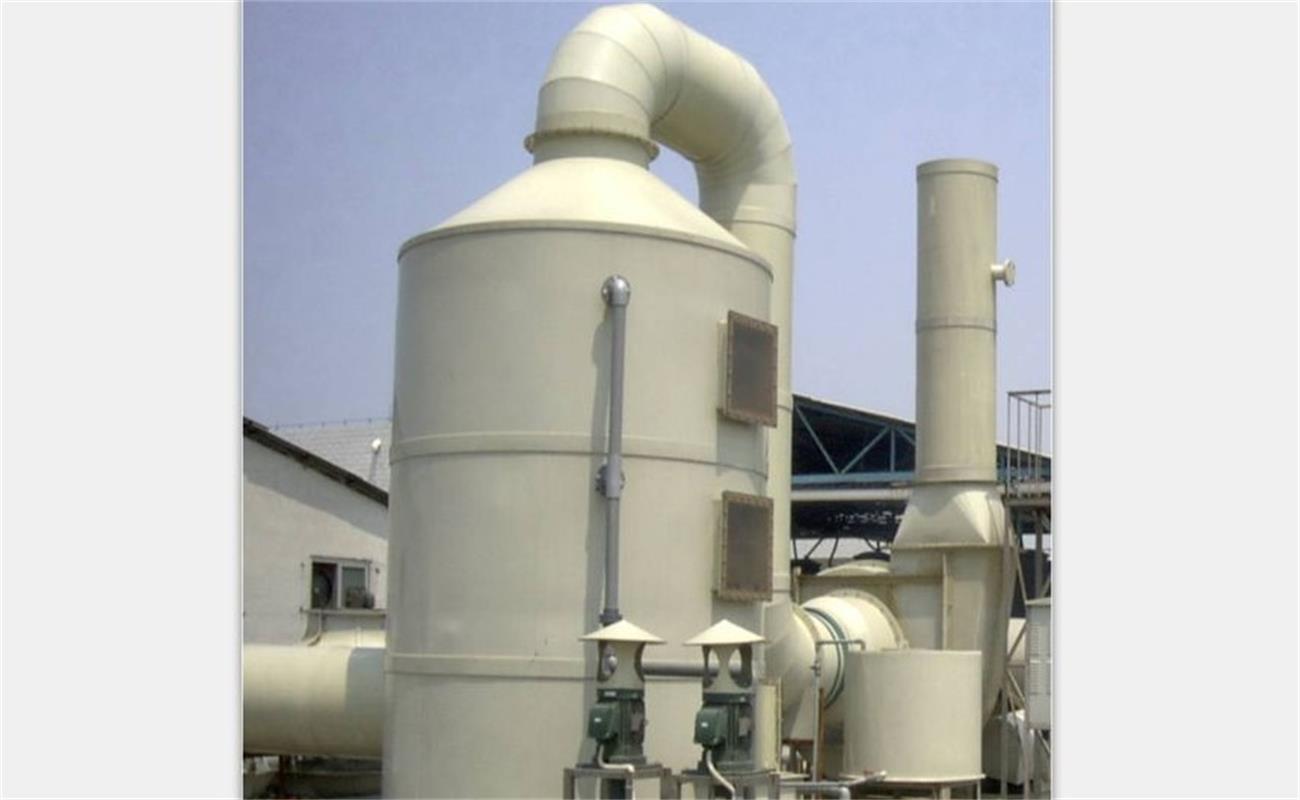
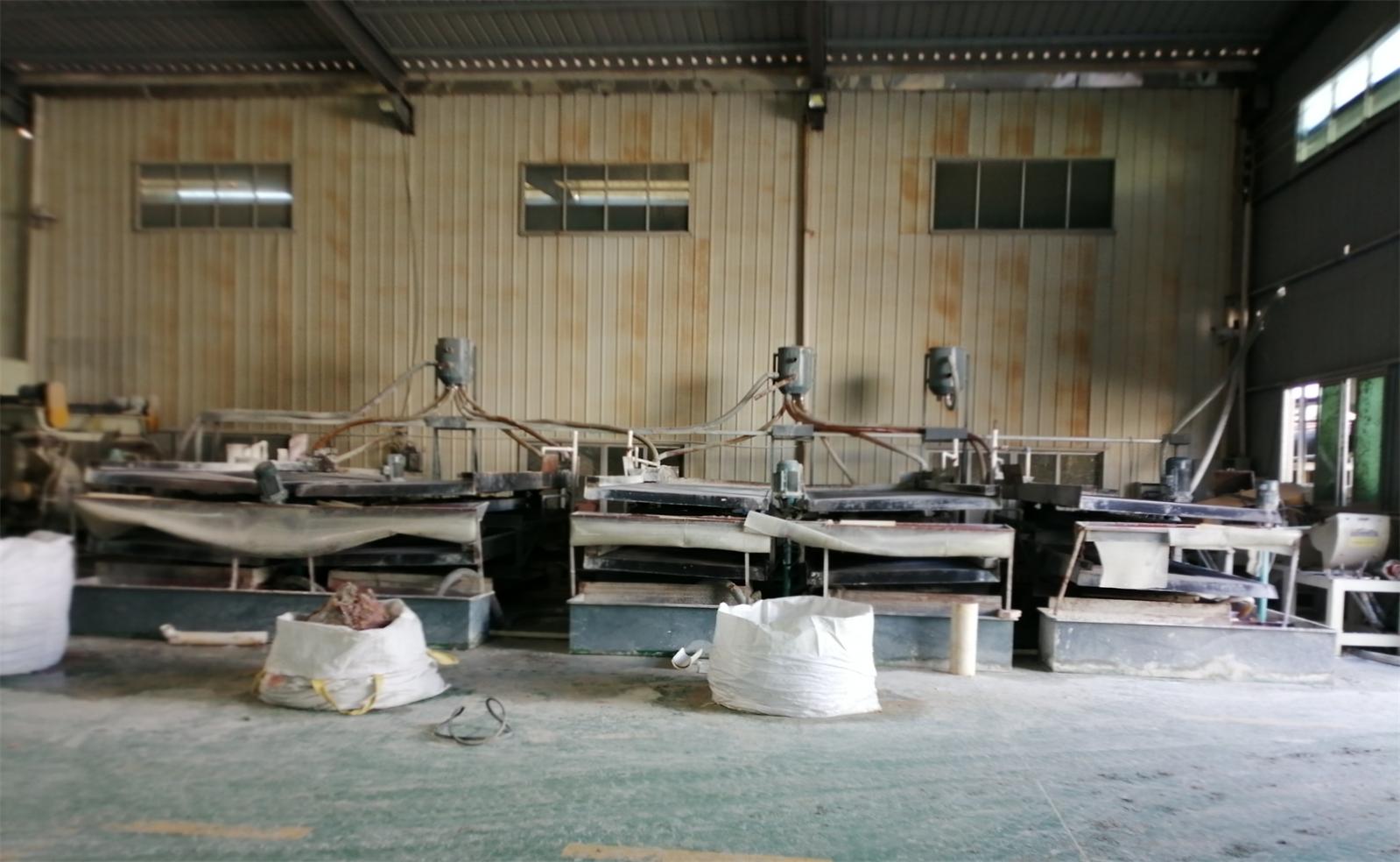
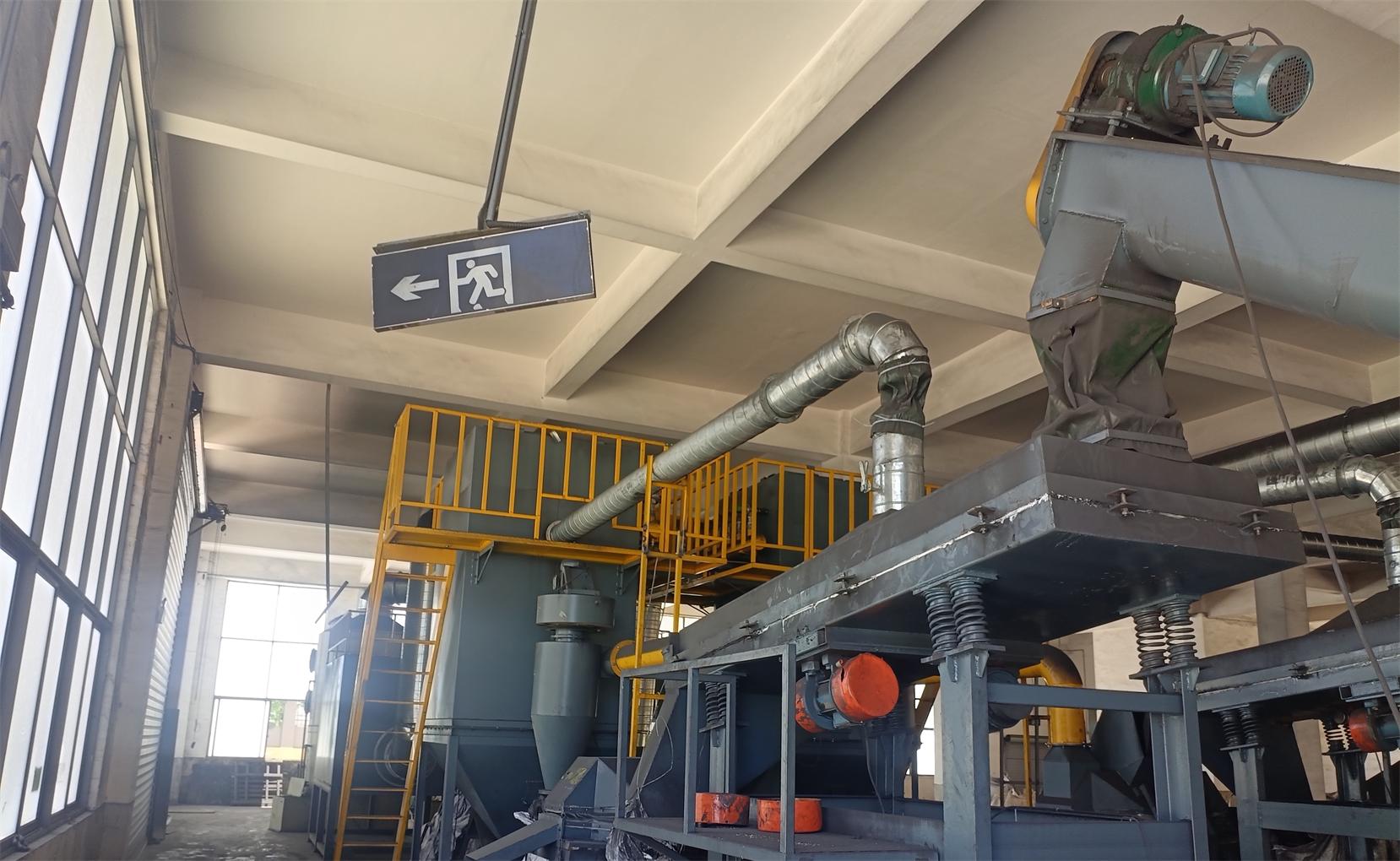
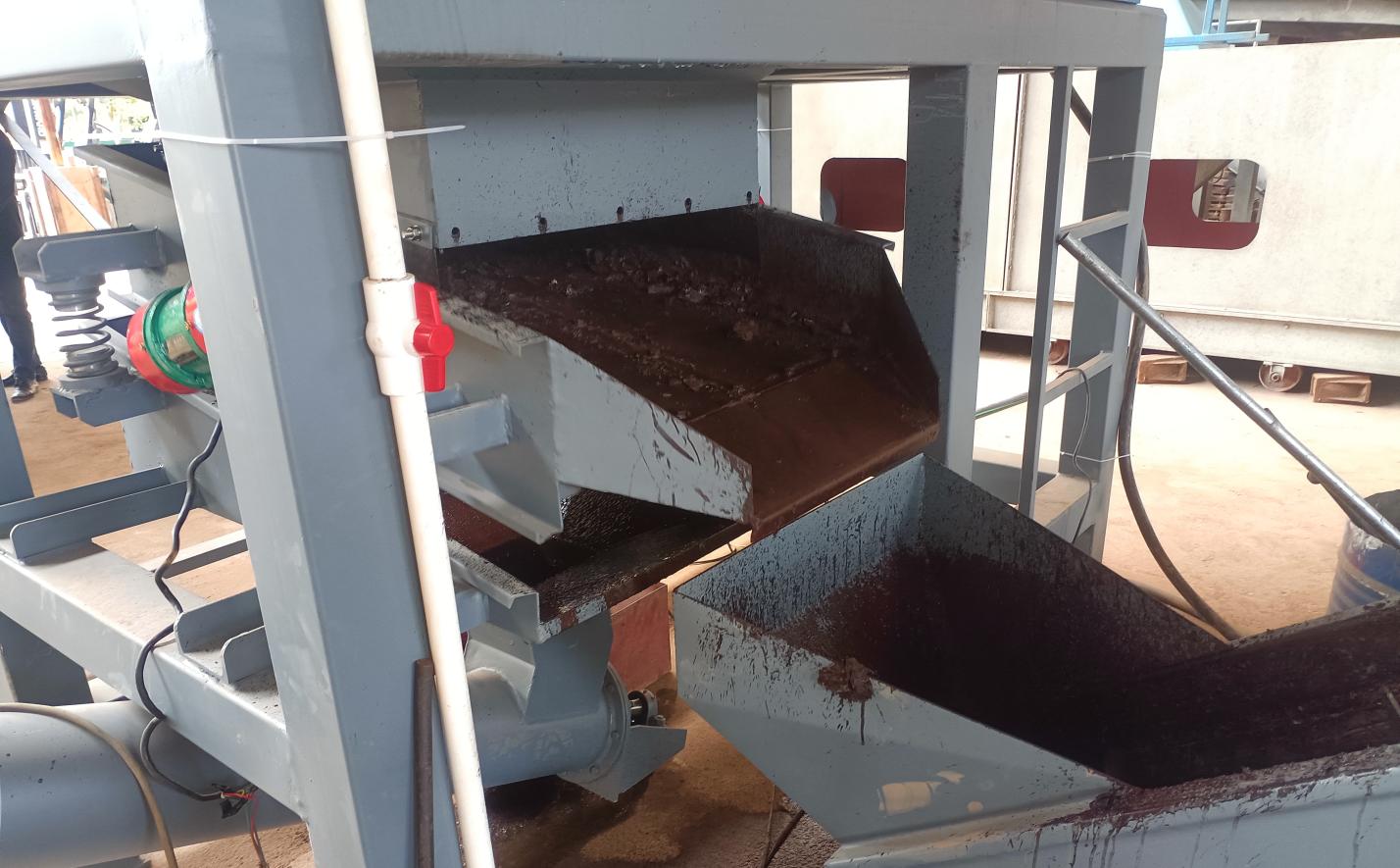
Used lead acid batteries (ULAB) are crushed and separated into four fractions: acid, lead paste, lead grid, and plastic. The lead paste then goes through desulfurization and smelting to produce crude lead, which is refined to 99.999% purity. A complete lead acid battery recycling equipment line includes breaking and separation systems, filtration, water treatment, air pollution control, and refining furnaces.
Critical detail: The rotary furnace for paste reduction achieves higher lead recovery rates than traditional blast furnaces. Electric refinery kettles using near-infrared heating can reduce energy consumption by 30-50% compared to natural gas or diesel systems.
Lithium Battery Recycling
Lithium-ion batteries must be discharged before processing to prevent thermal runaway. The recycling line then crushes and separates the battery into black mass (containing nickel, cobalt, and graphite), copper, aluminum, and plastic. Capacity requirements vary widely, from 500 kg/hour pilot lines to 2,500 kg/hour industrial plants.
A reliable lithium battery recycling equipment supplier provides not just the crusher and separator, but also the discharge station, air pollution control system for toxic gas neutralization, and pneumatic conveying systems for plastic collection. Skipping any of these creates either safety risks or material losses.
Beyond Batteries: Cables, PCBs, and Refrigerators
Many plant owners start with one material stream and expand. A supplier who can support that expansion from day one saves you from replacing your entire vendor base later.
Cable recycling uses either stripping machines for thick armored cables or granulators with dry or wet separation for mixed scrap. Dry separation works for clean cable; wet separation handles greasy or jelly-filled cable. The wrong choice means copper purity below 96% and rejected batches.
Cable recycling equipment ranges from compact 100 kg/hour units for small yards to 1,200 kg/hour industrial lines. The key specification is not just throughput; it is the separation rate and the purity of the output copper.
Circuit board recycling uses either air separation or wet metal separation. Air separation suits simpler boards; wet separation handles boards with components still attached. Recovery rates above 95% are achievable with proper configuration.
Refrigerator and AC recycling requires refrigerant extraction before shredding. European and North American regulations mandate specific recovery rates for refrigerants, foam, and metals. A line that cannot document these recoveries creates compliance exposure.
Five Questions That Separate Suppliers From Partners
Before signing any purchase order, ask these five questions. The answers will tell you whether you are buying from a trading company or from a manufacturer who will still answer your calls in three years.
Why Technical Depth Matters More Than Brochures
San Lan Technologies, established in 2007 in Jiangxi Province, China, manufactures WEEE recycling equipment and mining machinery. The company has delivered plants to 21 countries including Singapore, Colombia, Vietnam, Mexico, Argentina, Korea, Malaysia, Indonesia, South Africa, Tunisia, India, Kenya, Saudi Arabia, Philippines, and Zambia.
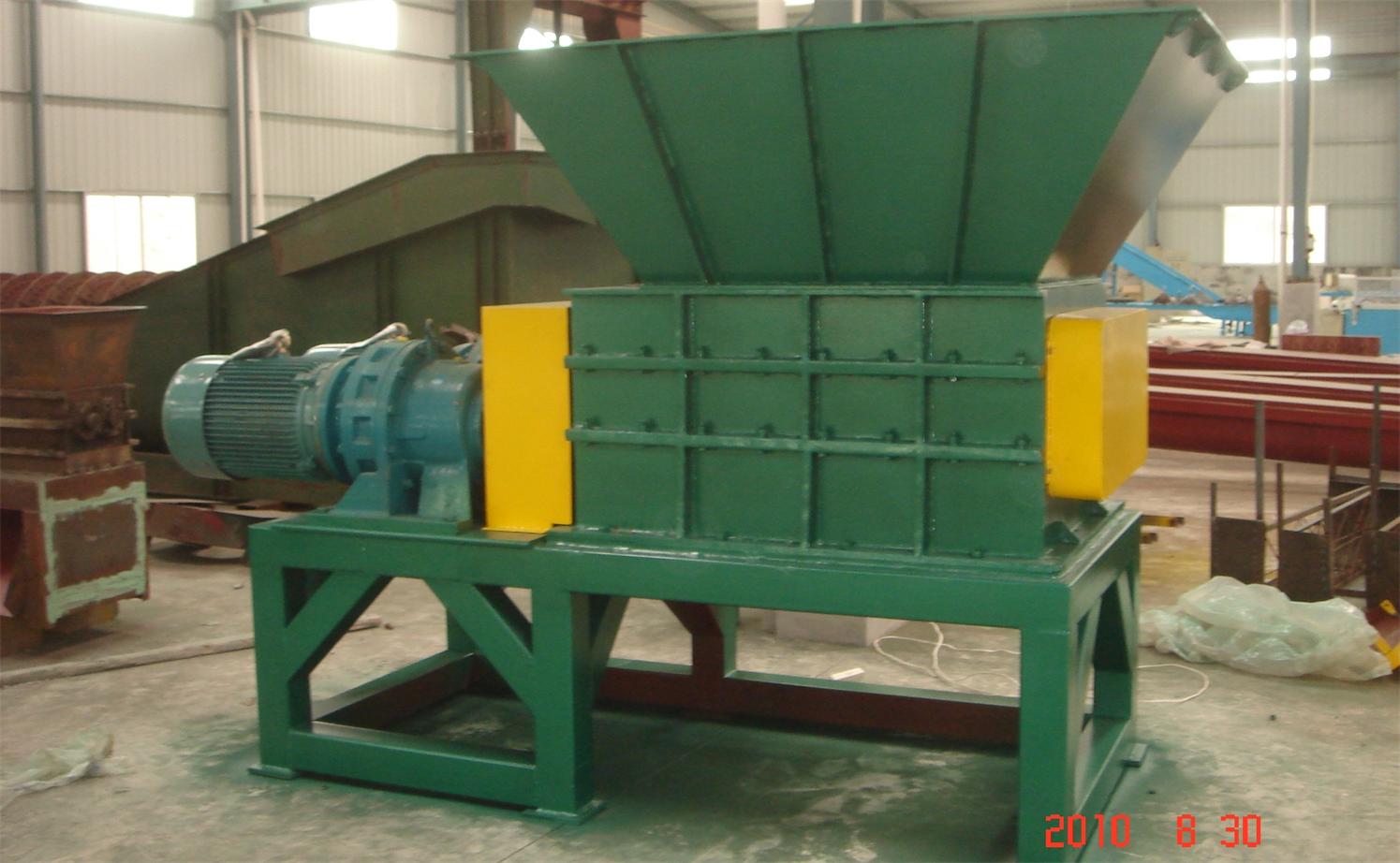
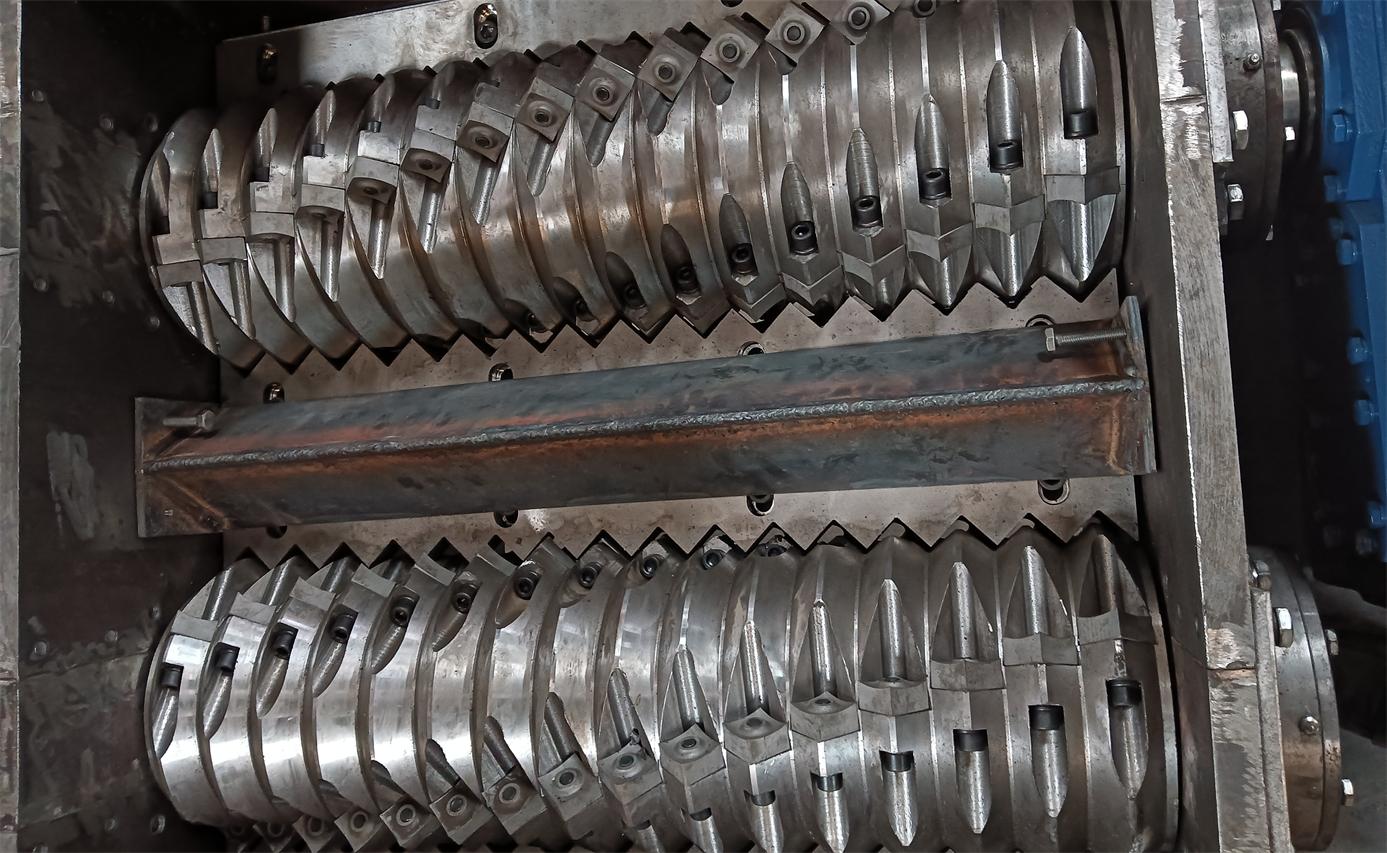
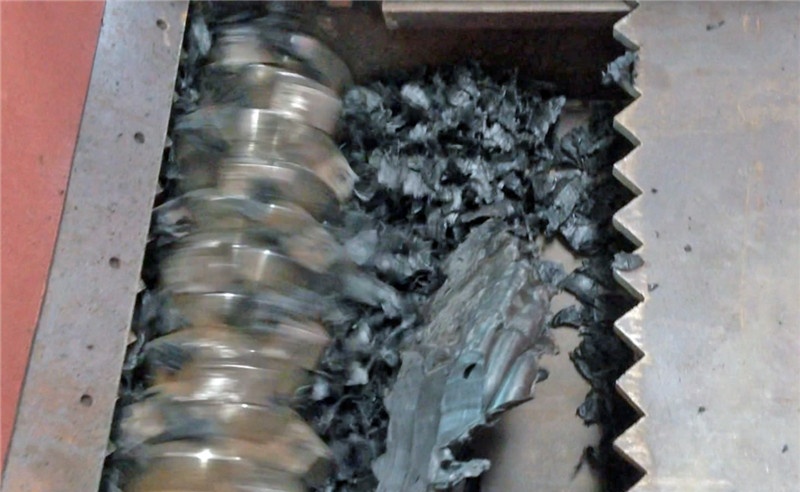
The technical team includes mechanical engineers with master's degrees and over 15 years of direct experience in e-waste recycling machine design. This matters because recycling equipment is not generic industrial machinery. A shredder chamber designed for plastic will fail in six months processing lead acid batteries. A separation system optimized for clean copper cable will not handle jelly-filled telecom cable.
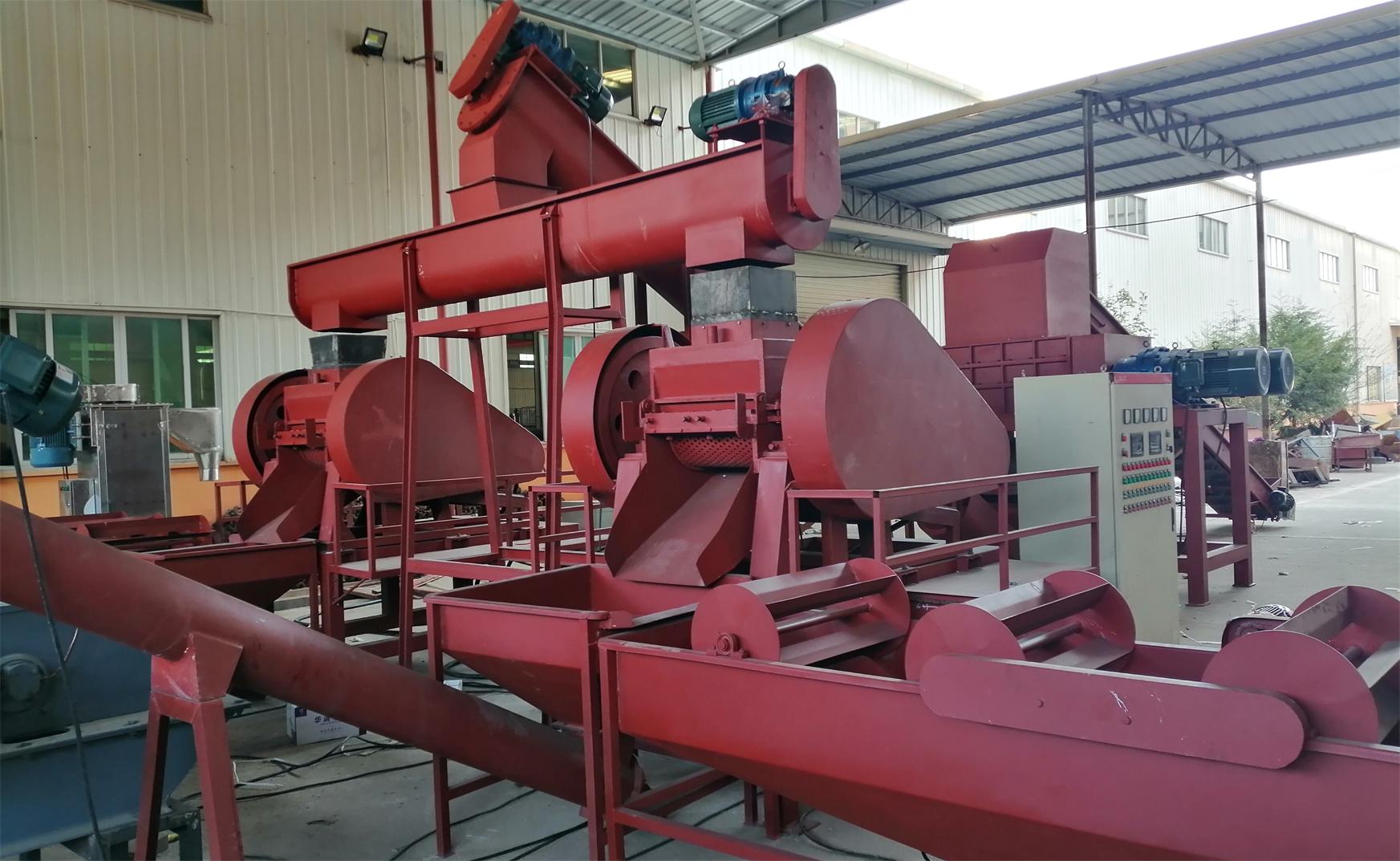
San Lan provides EPC (Engineering, Procurement, Construction) project services, meaning they design the plant layout, supply the equipment, install and commission it, and train local operators. They also assist customers with purchasing waste material inputs, connecting with product buyers for recovered metals, and finding investment partners for plant construction.
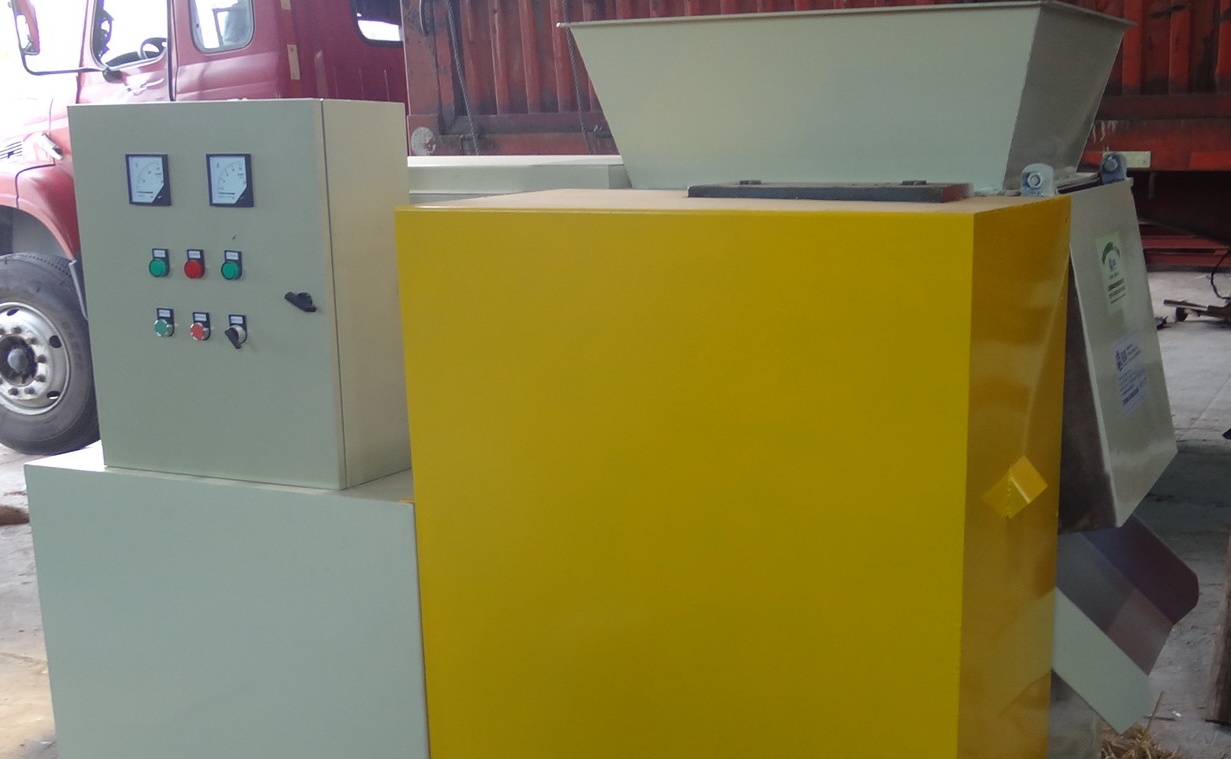
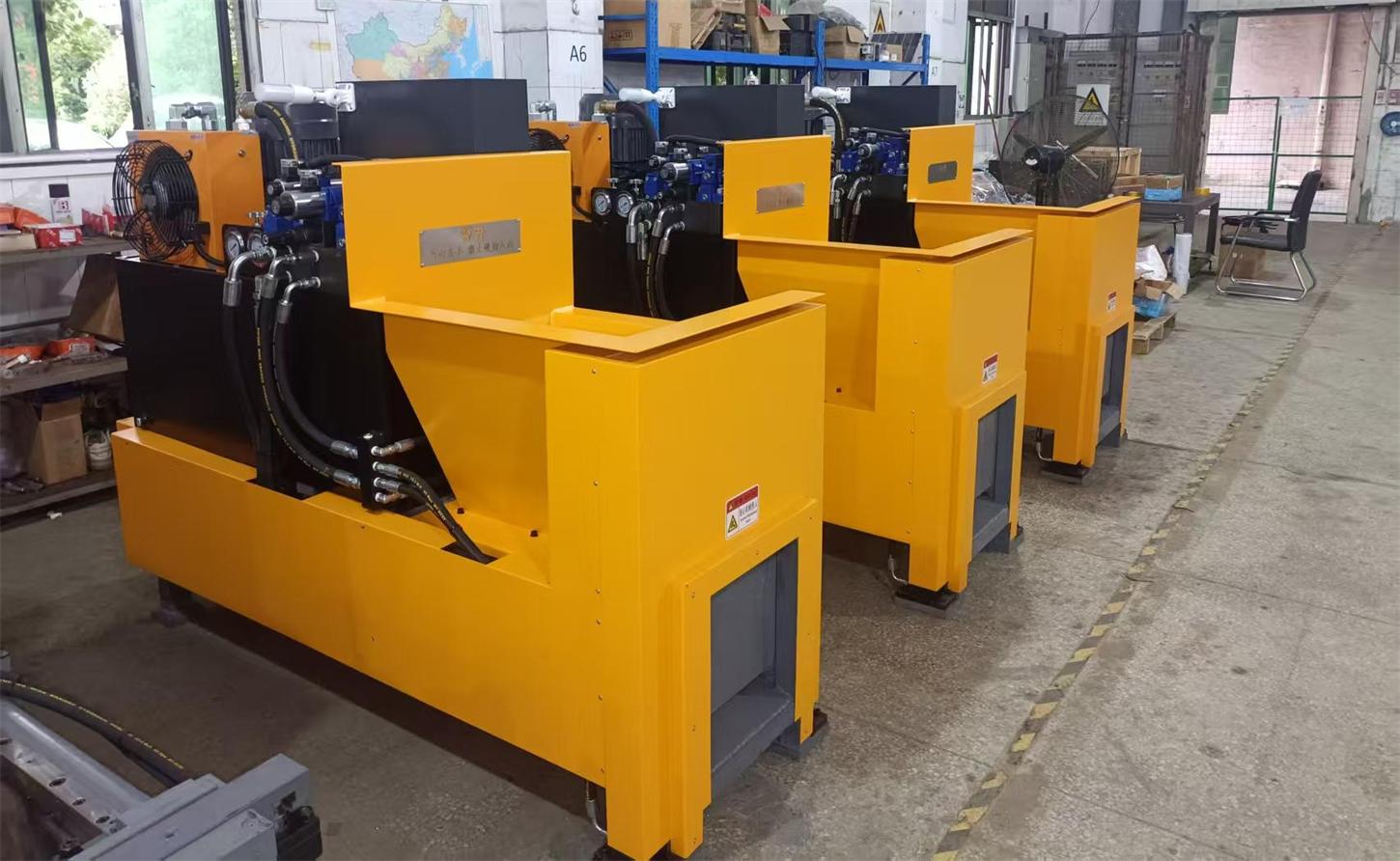
The product range covers lead acid battery recycling lines, lithium battery recycling plants, circuit board recycling equipment, cable recycling machines, refrigerator and AC recycling systems, motor recycling machines, shredders, hydraulic presses, and metal melting furnaces. This breadth allows plant owners to expand material streams without changing supplier relationships.
The Checklist Before You Decide
If you are evaluating recycling equipment suppliers, use this checklist before making your final decision:
About San Lan Technologies
San Lan Technologies Co., Ltd. designs and manufactures e-waste recycling plants and mining equipment from its facility in Ganzhou, Jiangxi Province, China. Since 2007, the company has supplied complete recycling lines for lead acid batteries, lithium-ion batteries, cables, circuit boards, refrigerators, and motors to operators across 21 countries.
Services include customized plant design, equipment manufacturing, installation and commissioning, operator training, waste material sourcing assistance, and product off-take support. The technical team combines mechanical engineering expertise with direct field experience in recycling plant operations.
For project specifications or facility planning support, contact San Lan Technologies at info@san-lan.com or via WhatsApp at +86 139 2377 4083.