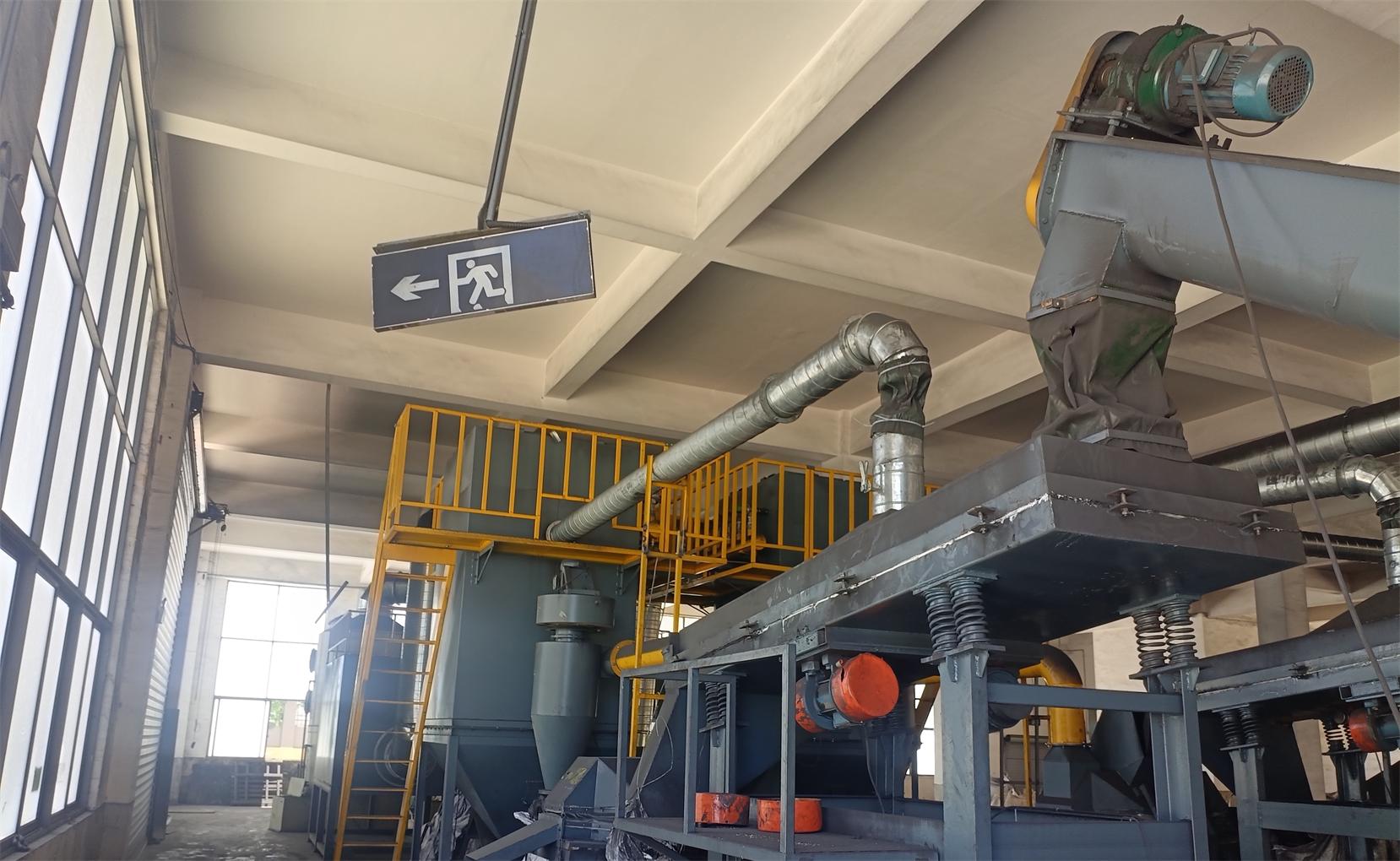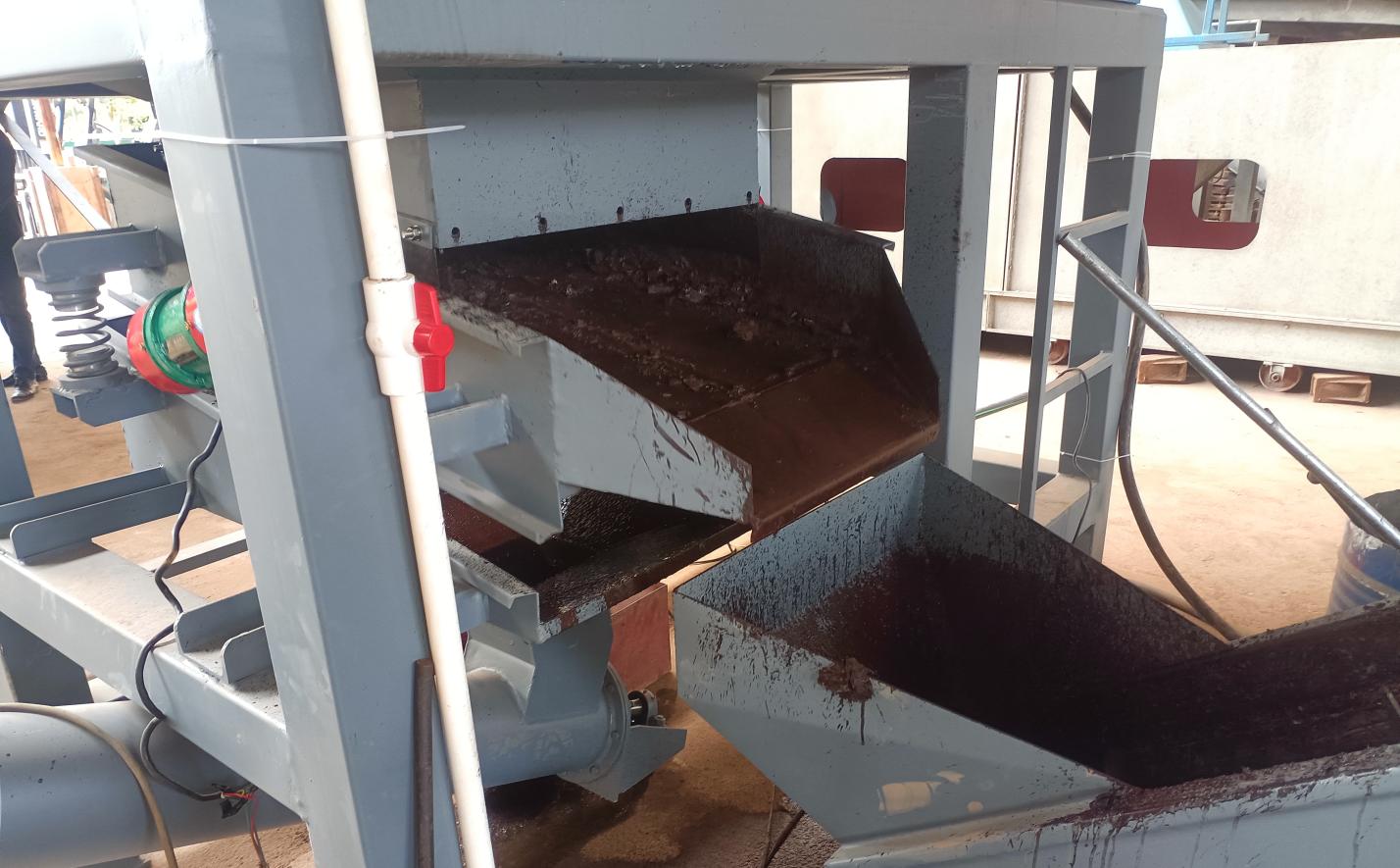
In 2022, two entrepreneurs in Southeast Asia decided to enter the e-waste recycling business. Both secured similar volumes of used lead acid batteries and scrap cable. Both raised comparable capital. Two years later, one operation had expanded to a second line processing lithium batteries and circuit boards. The other was still struggling with downtime, environmental compliance issues, and a separator that never quite separated clean enough.
The difference was not ambition. It was not capital. It was the equipment supplier they chose on day one.
Global e-waste generation continues to rise, and regulations in markets from the EU to Southeast Asia now mandate responsible disposal. The opportunity is real, but so are the technical challenges. A recycling plant is only as reliable as its core machines. When a breaking system fails to separate lead paste cleanly, or a cable granulator leaves too much copper in the plastic fraction, profitability disappears into rework and lost material.
The operators who win in this market do not just buy machines. They partner with manufacturers who understand the full process flow—from feedstock characteristics to final product offtake.
If you are building or upgrading a recycling facility, four equipment categories deserve your closest attention:
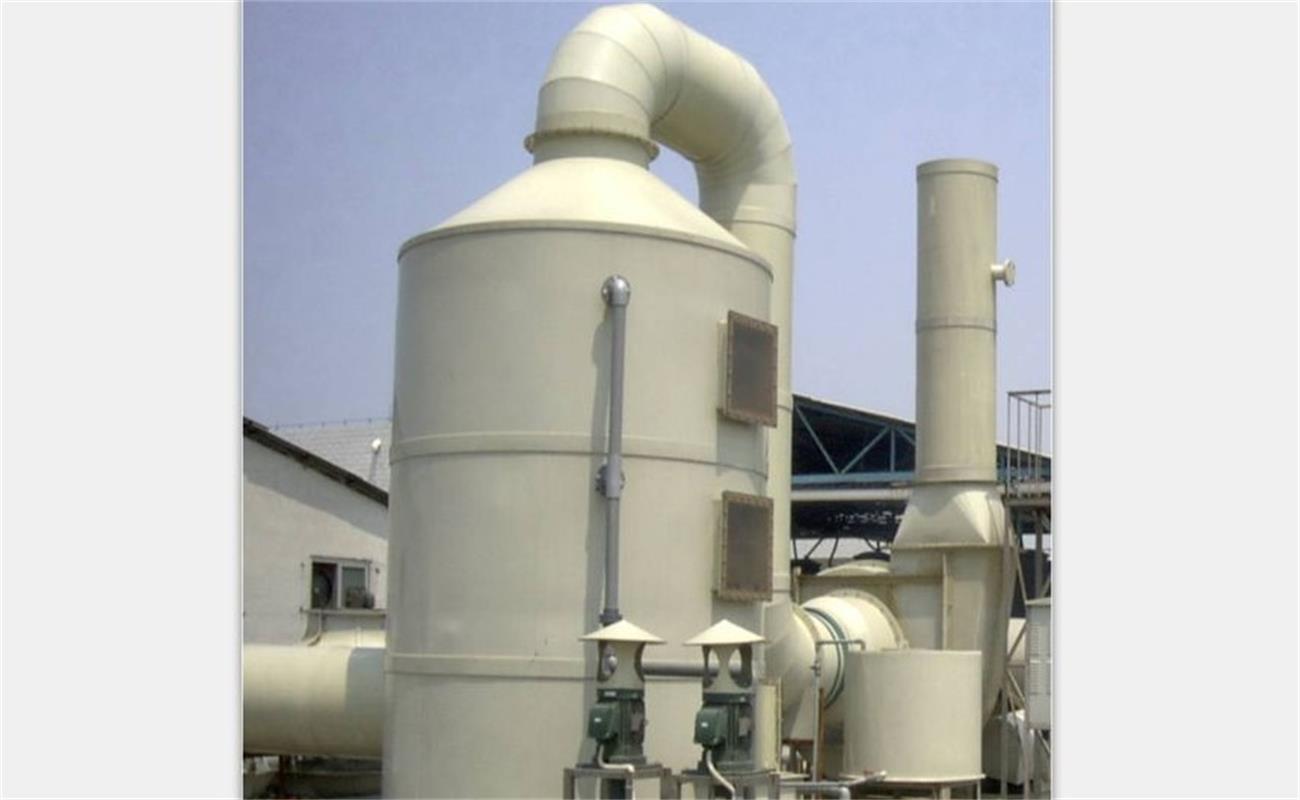
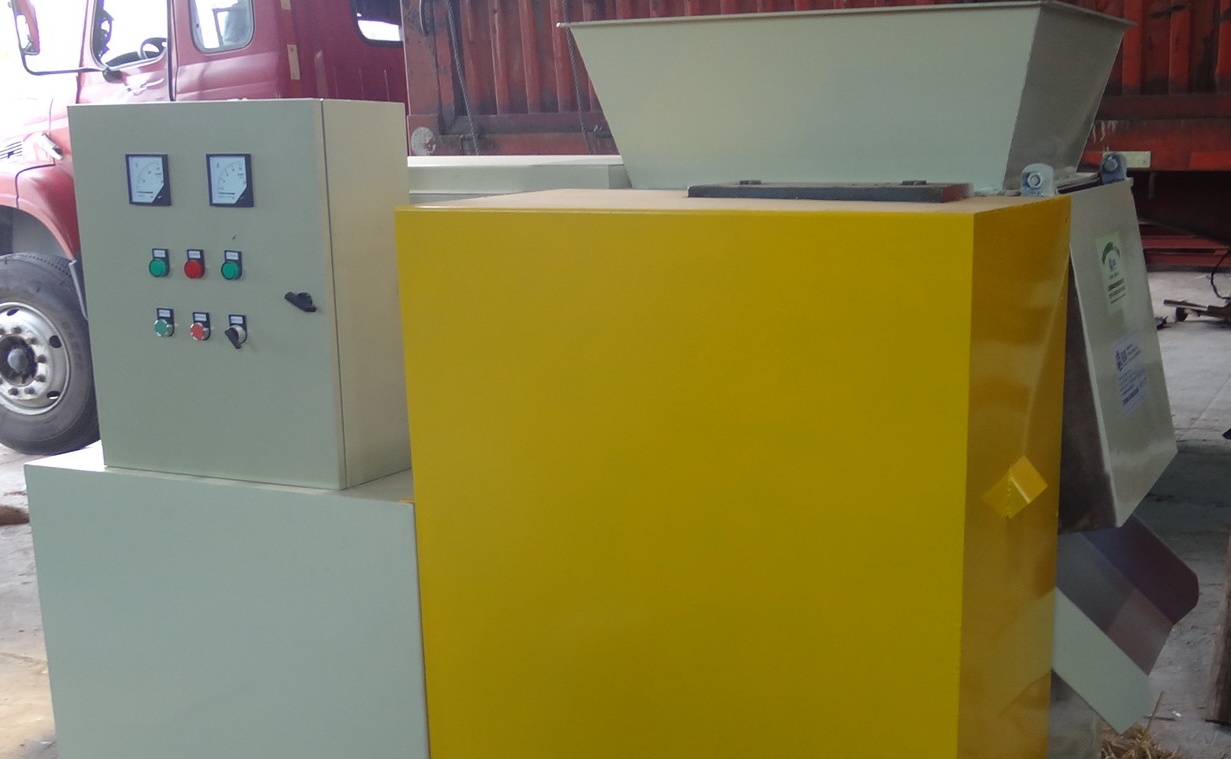
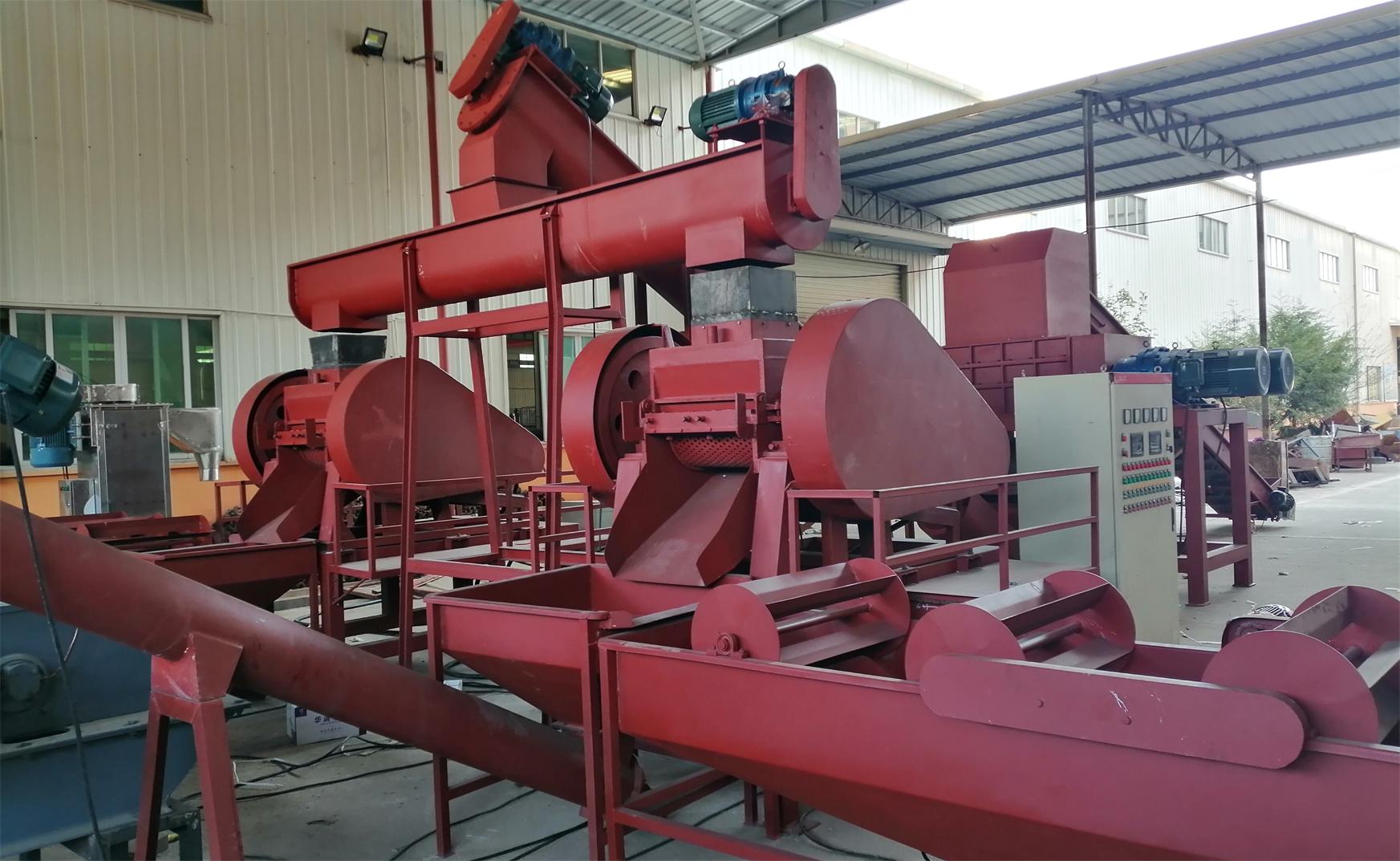
A complete lead acid battery recycling equipment line must handle breaking, separation, desulfurization, smelting, and refining. The breaking and separation system is the bottleneck. Capacity typically ranges from 1 to 10 MT per hour, and the target is clean fractions: lead grid, lead paste, plastic shell, and acid. Without reliable separation, downstream smelting suffers contamination and losses. Rotary furnaces for paste reduction can achieve higher recovery rates than traditional blast furnaces, and near-infrared electric heating can cut energy consumption by 30–50% during refining.
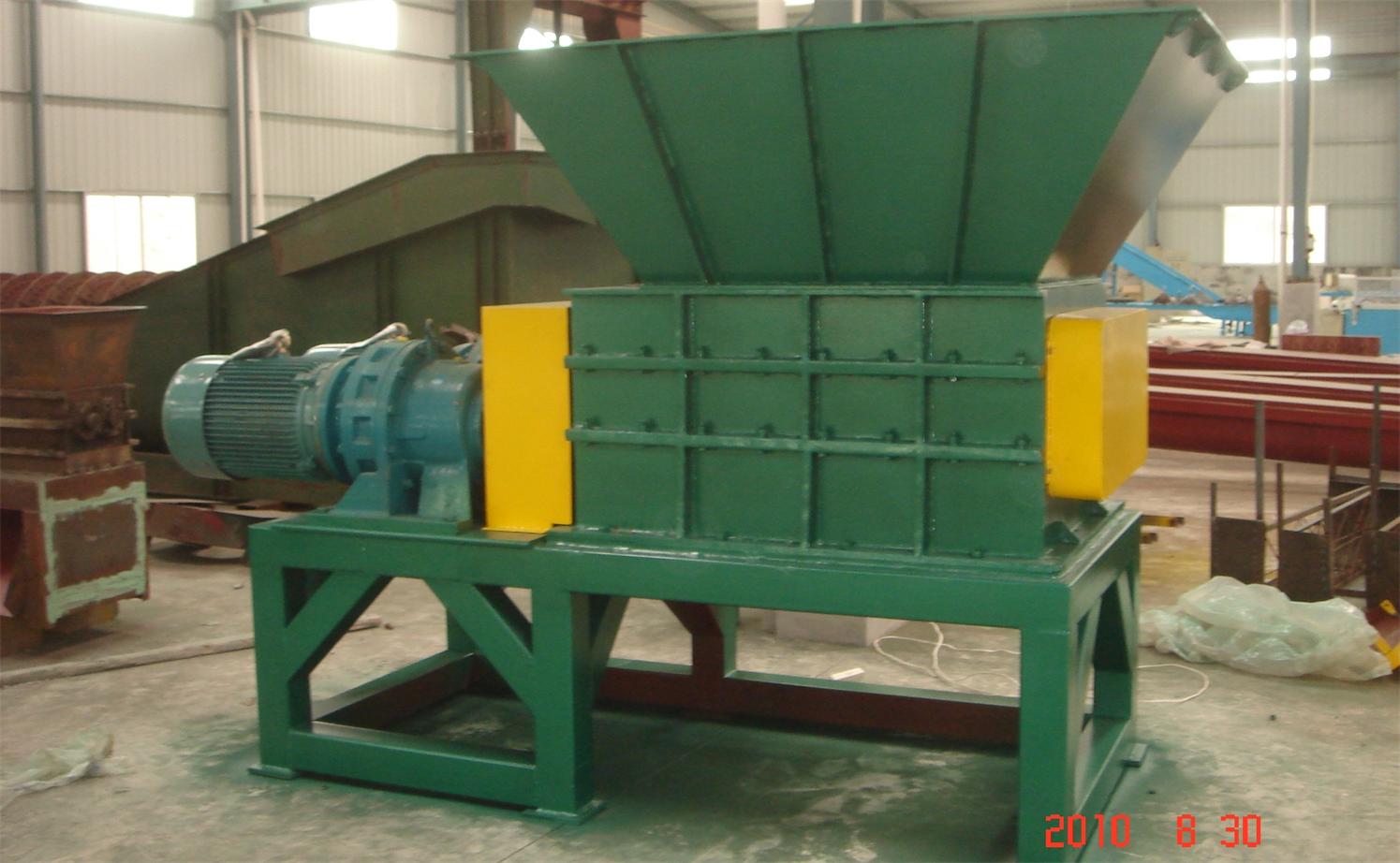
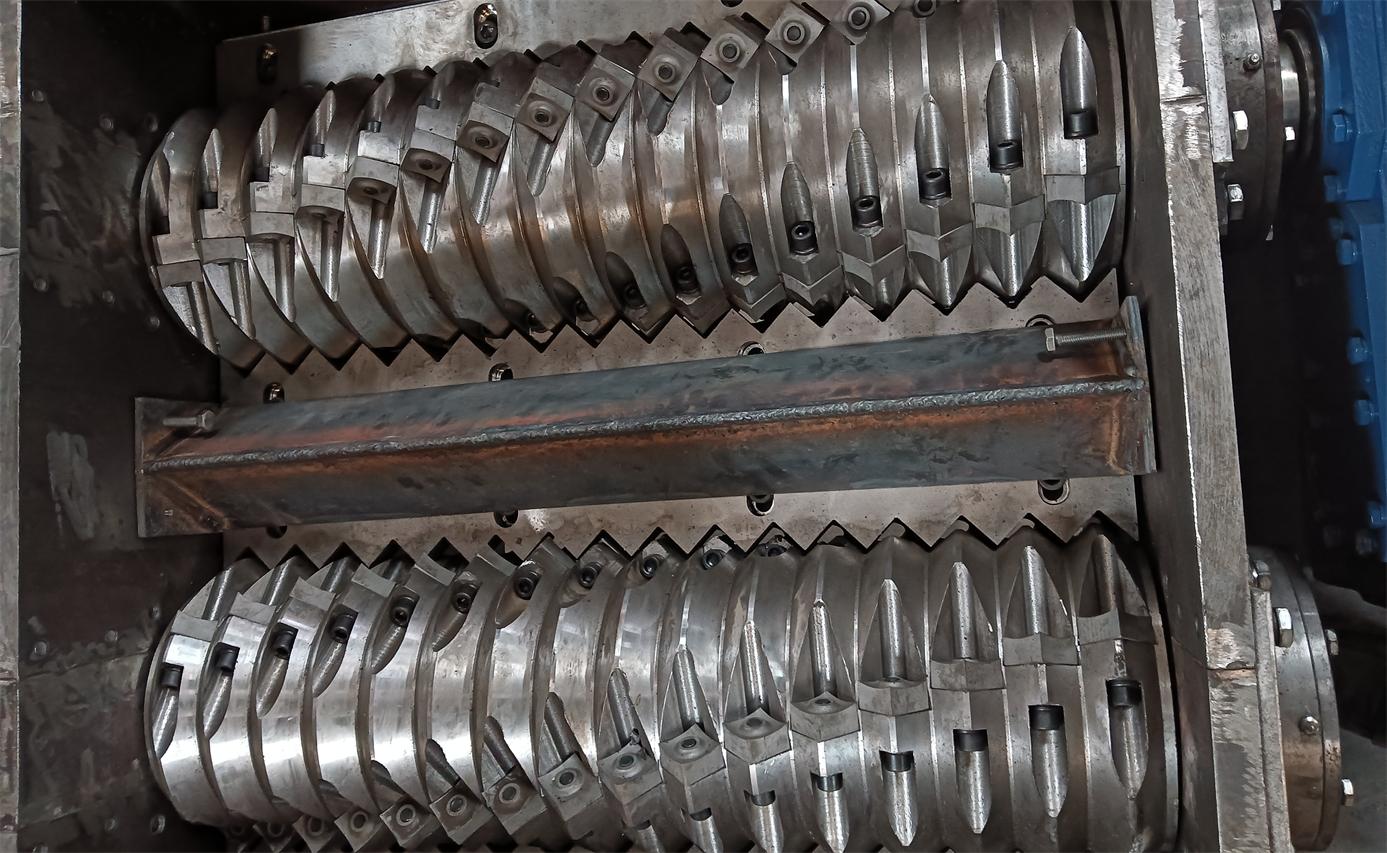
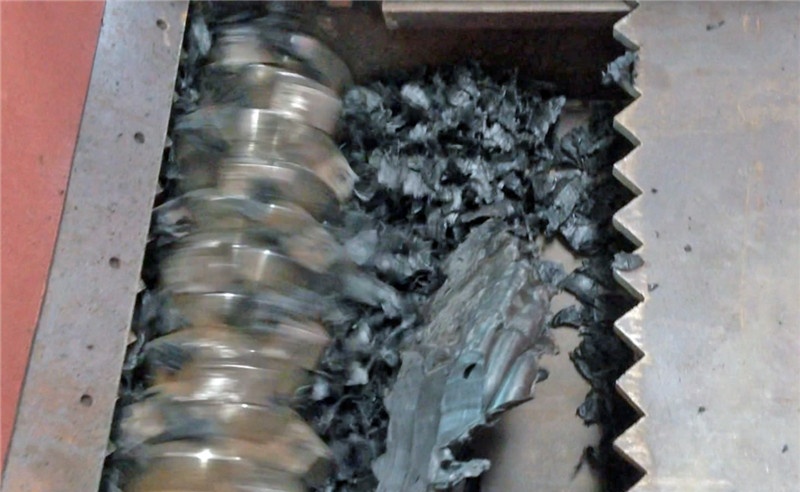
Modern cable recycling equipment uses dry separation—crushing followed by air or electrostatic separation—to recover copper and aluminum without water or chemicals. Granulators range from compact units processing 100 kg/hour to industrial lines at 1,200 kg/hour and above. The critical metric is copper purity in the final fraction. A well-tuned dry separator can achieve 96–98% copper powder purity. Pre-shredding with scrap cable strippers improves feeding consistency and protects downstream granulator blades.
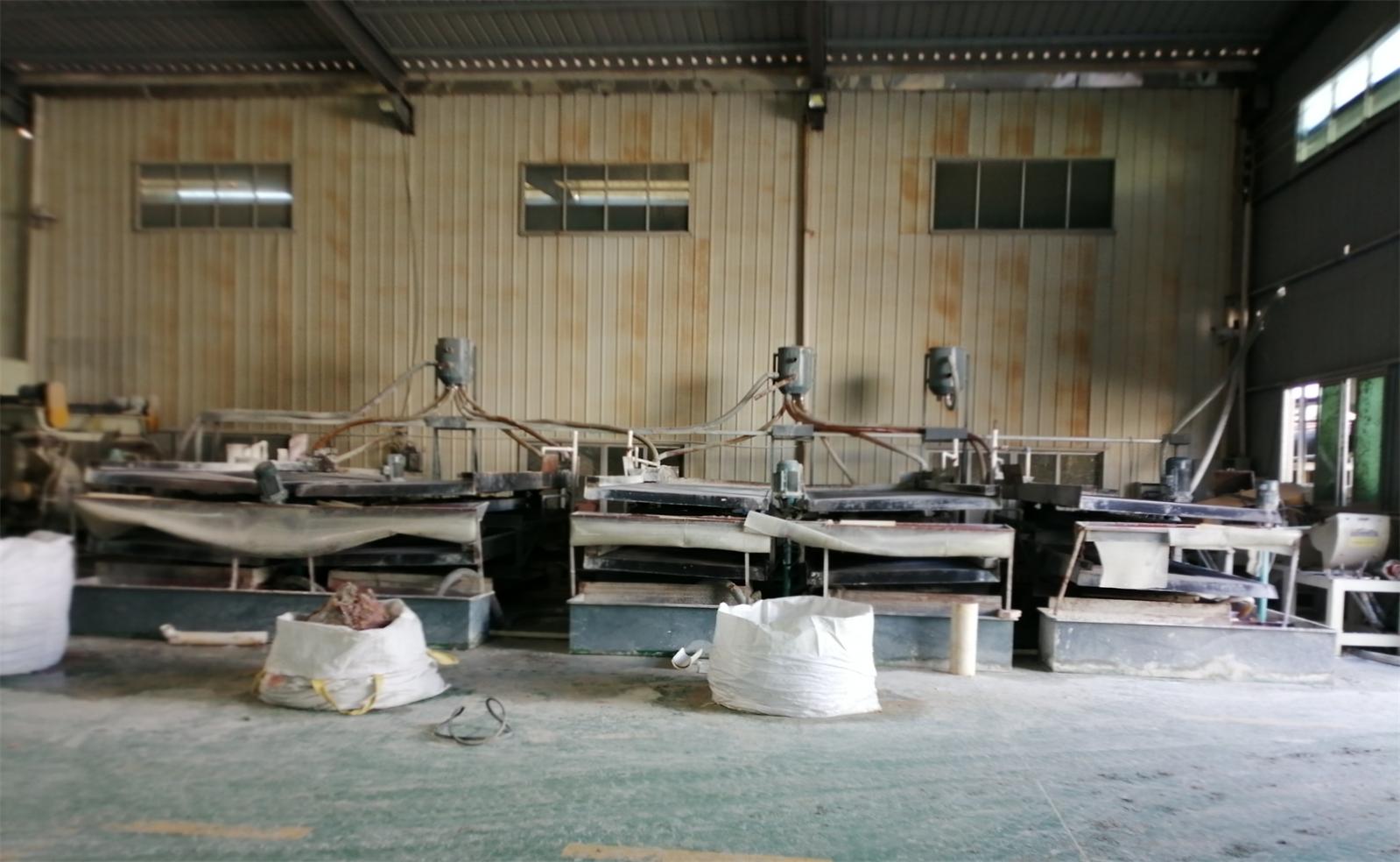
Circuit board recycling equipment faces the challenge of liberating metals from resin and fiberglass. Wet separation plants use water-based density separation, while dry lines rely on air classifiers, electrostatic separators, and pulse dust collection. Capacity ranges from 300 kg/hour to 2,000 kg/hour. Recovery rates of 95% are achievable with the right process configuration. The choice between wet and dry separation depends on local water availability, environmental permits, and the specific mix of boards being processed.
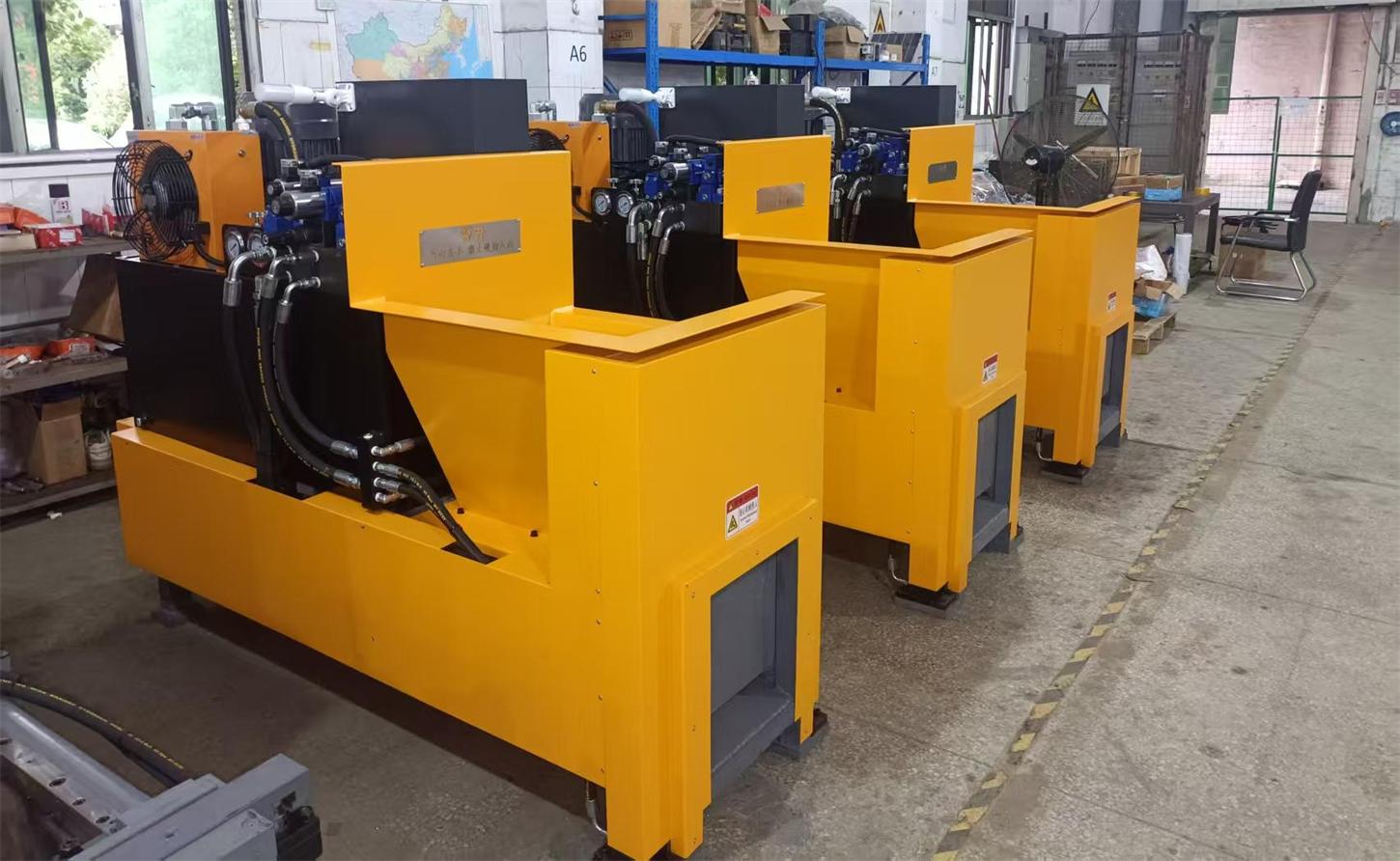
With the electric vehicle market expanding, lithium battery recycling is the fastest-growing segment. A complete plant must safely discharge batteries, then crush and separate black mass (containing nickel, cobalt, and graphite), copper, aluminum, and plastic film. Capacity typically falls between 500 and 2,500 kg/hour. Safety systems—including air pollution control and inert gas protection—are non-negotiable. The plastic separator film can be compressed into blocks with a volume reduction ratio of 10:1 for easier transport and resale.
After reviewing dozens of plant installations, five signals consistently separate reliable suppliers from risky ones:
San Lan Technologies Co., Ltd., established in 2007 in Jiangxi Province, China, manufactures the full range of equipment described above—from lead acid battery recycling equipment to cable recycling equipment, circuit board recycling equipment, lithium battery lines, shredders, CRT cutters, refrigerator recycling systems, and melting furnaces.
The engineering team holds master's degrees in mechanical engineering and brings over 15 years of direct experience in e-waste recycling machine design. San Lan has delivered EPC projects across 21 countries, including Singapore, Colombia, Vietnam, Mexico, South Africa, India, Kenya, Saudi Arabia, and the Philippines.
Beyond manufacturing, San Lan offers integrated services: customized plant design, one-stop equipment procurement, installation and commissioning, assistance with feedstock sourcing, and support for selling recovered materials such as copper rice, copper powder, and lead ingots. For investors looking to enter the recycling sector, San Lan can also act as a strategic partner in plant construction and business development.
Before you sign a purchase order, verify:
If you are planning a recycling plant or upgrading an existing line, send your project specifications to San Lan Technologies. The team will review your feedstock, target capacity, and local requirements, then propose a tailored equipment configuration.