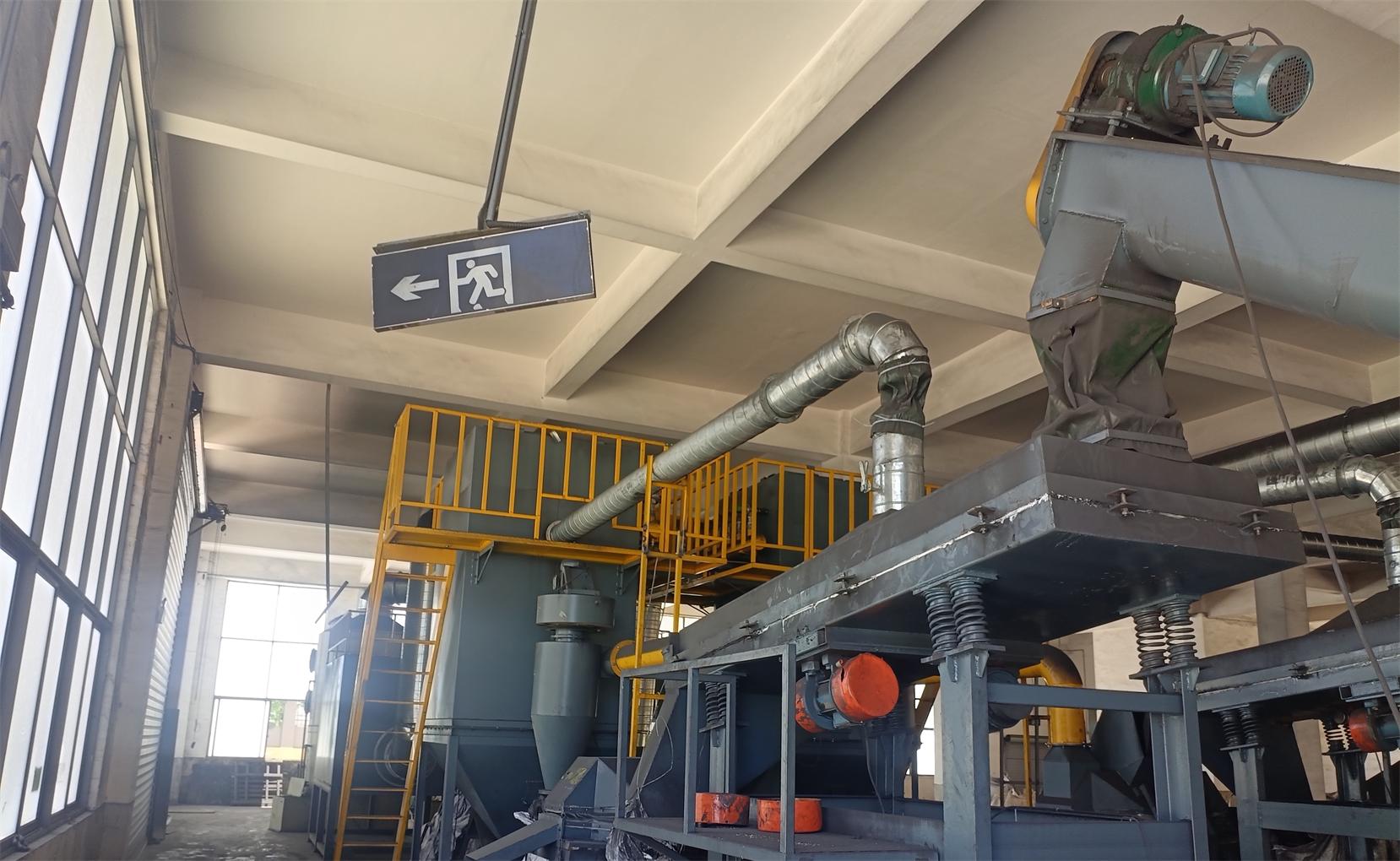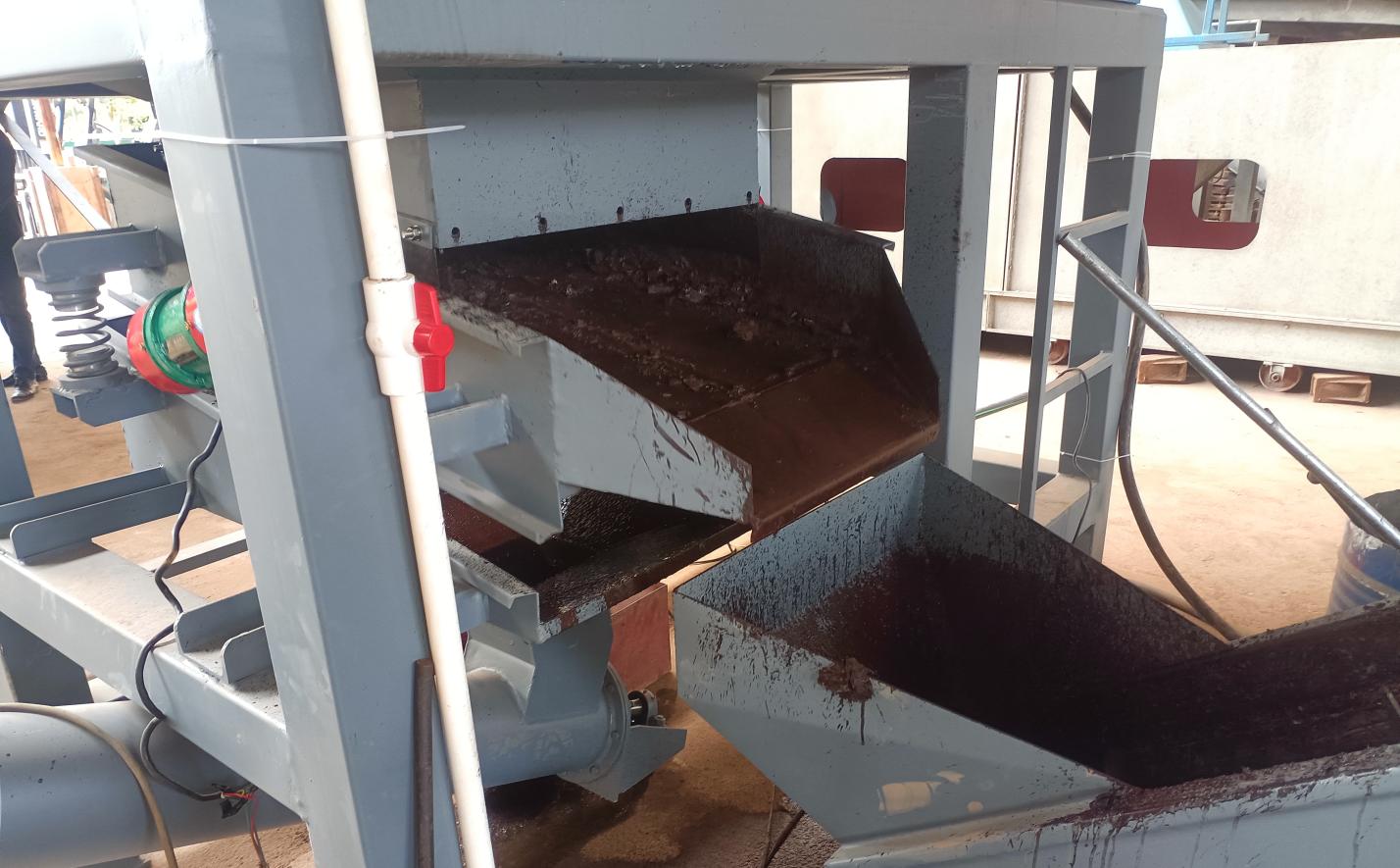
Two recycling plants opened in the same industrial zone in 2019. Both processed mixed electronic scrap. Both hired local workers. Both faced the same market prices for copper and aluminum. Five years later, one plant had expanded to a second location. The other had sold its sheds for warehouse space. The difference was not luck, market timing, or capital. It was the equipment behind the loading bay.
The first plant bought machines based on price alone. Motors burned out within eighteen months. Separation rates hovered below industry norms. Downtime ate into margins until there were no margins left. The second plant asked harder questions before signing any contract. They wanted to know who would install the equipment, who would train their staff, and who would answer the phone when something went wrong at midnight.
This story repeats across the recycling industry. Electronic waste is one of the fastest-growing waste streams in the world. Every discarded cable, circuit board, battery, and motor contains recoverable metal. But recovery is not automatic. It depends on whether your equipment was built by engineers who understand the material, or by assemblers who only understand the invoice.
What the Right Equipment Actually Does
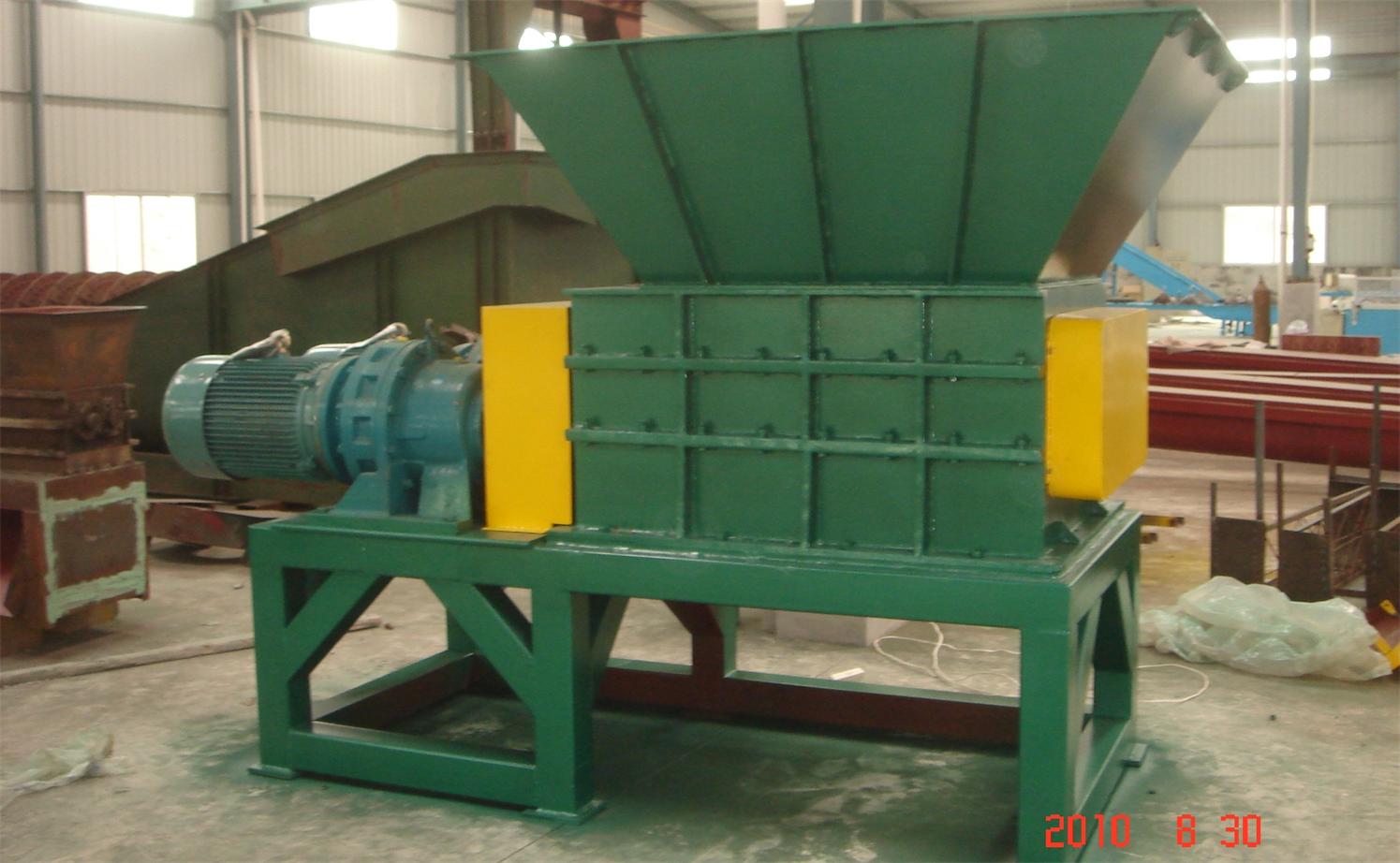
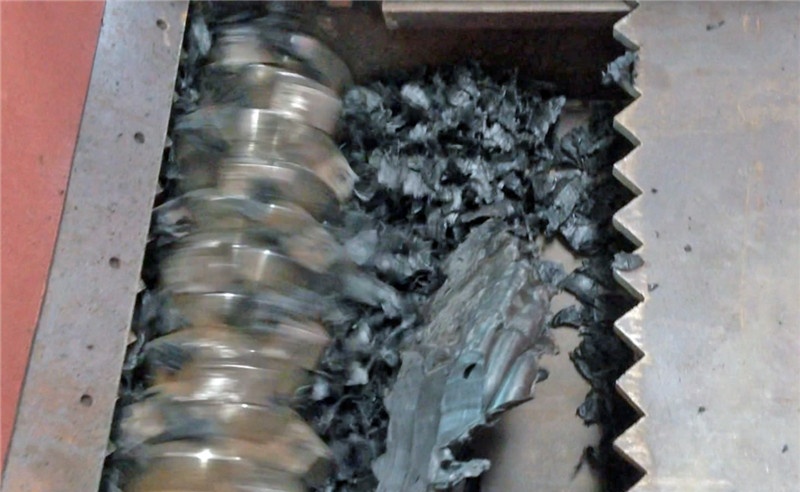
A cable recycling machine is not just a shredder with a conveyor. Proper cable granulation separates copper or aluminum from plastic insulation through a sequence of crushing, air separation, and sometimes water separation. The difference between high purity and marginal purity is the difference between a saleable product and a discounted one.
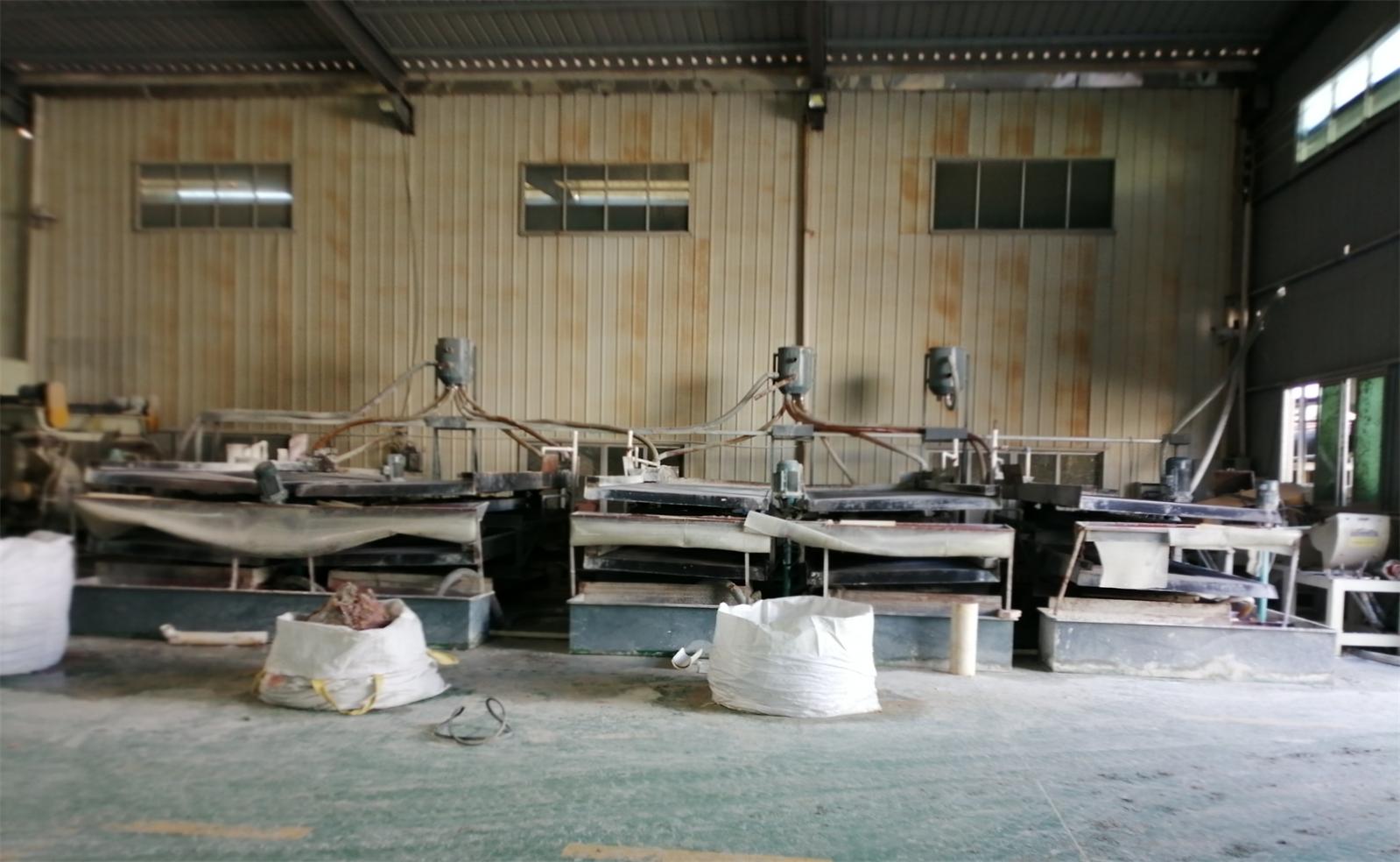
Circuit board recycling equipment faces a different challenge. PCBs contain copper, precious metals, and hazardous substances. Dry separation systems use air classifiers and electrostatic separators. Wet systems use water and gravity. Each approach has implications for dust control, water treatment, and final metal purity. The right choice depends on your local environmental regulations and your target output.
Batteries demand even more precision. Lead acid battery recycling equipment must break and separate batteries into lead paste, lead grids, plastic, and acid without releasing sulfur dioxide or lead dust. Li battery recycling equipment must handle flammable electrolytes and recover black mass containing nickel, cobalt, and graphite. These are not processes you improvise.
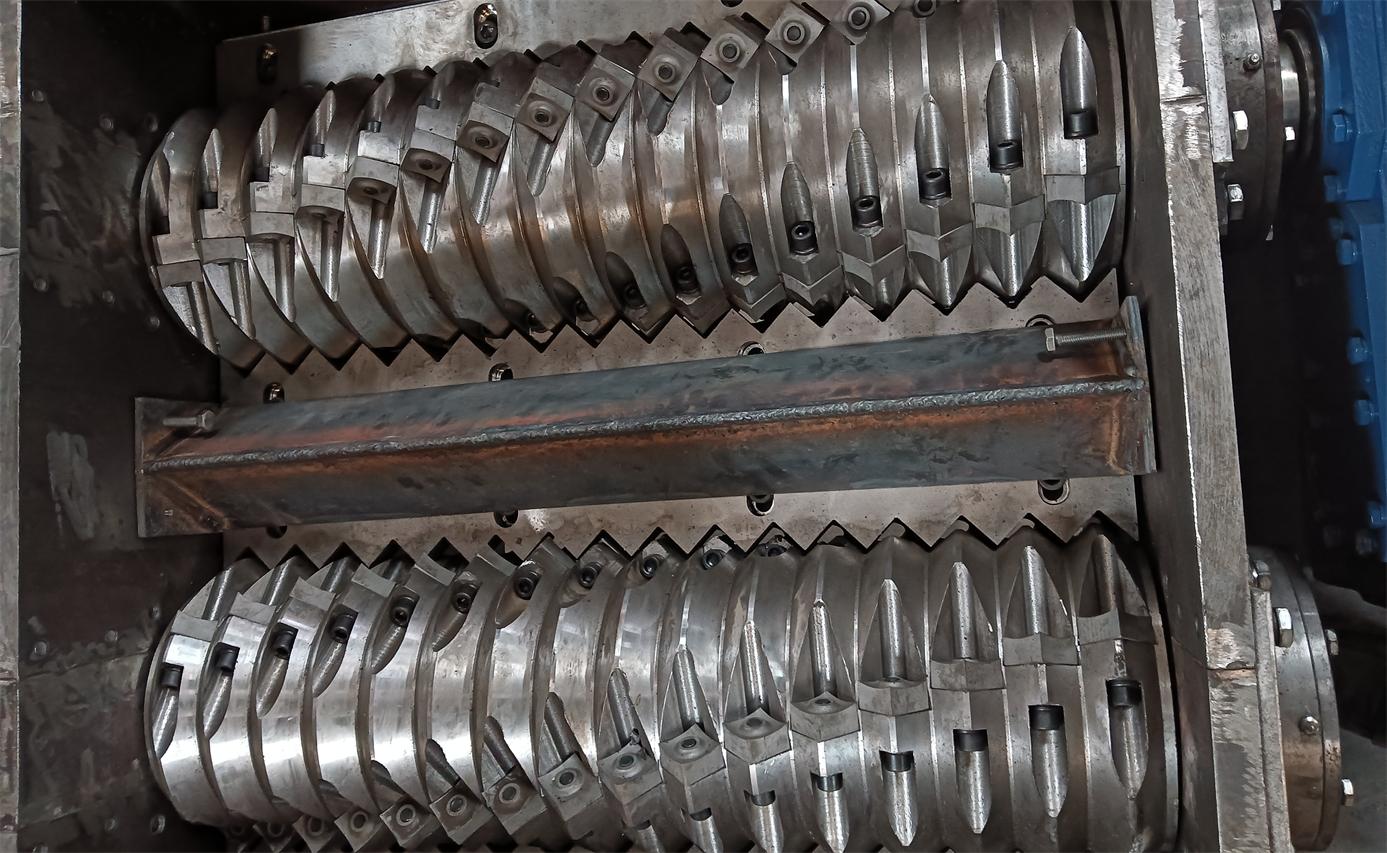
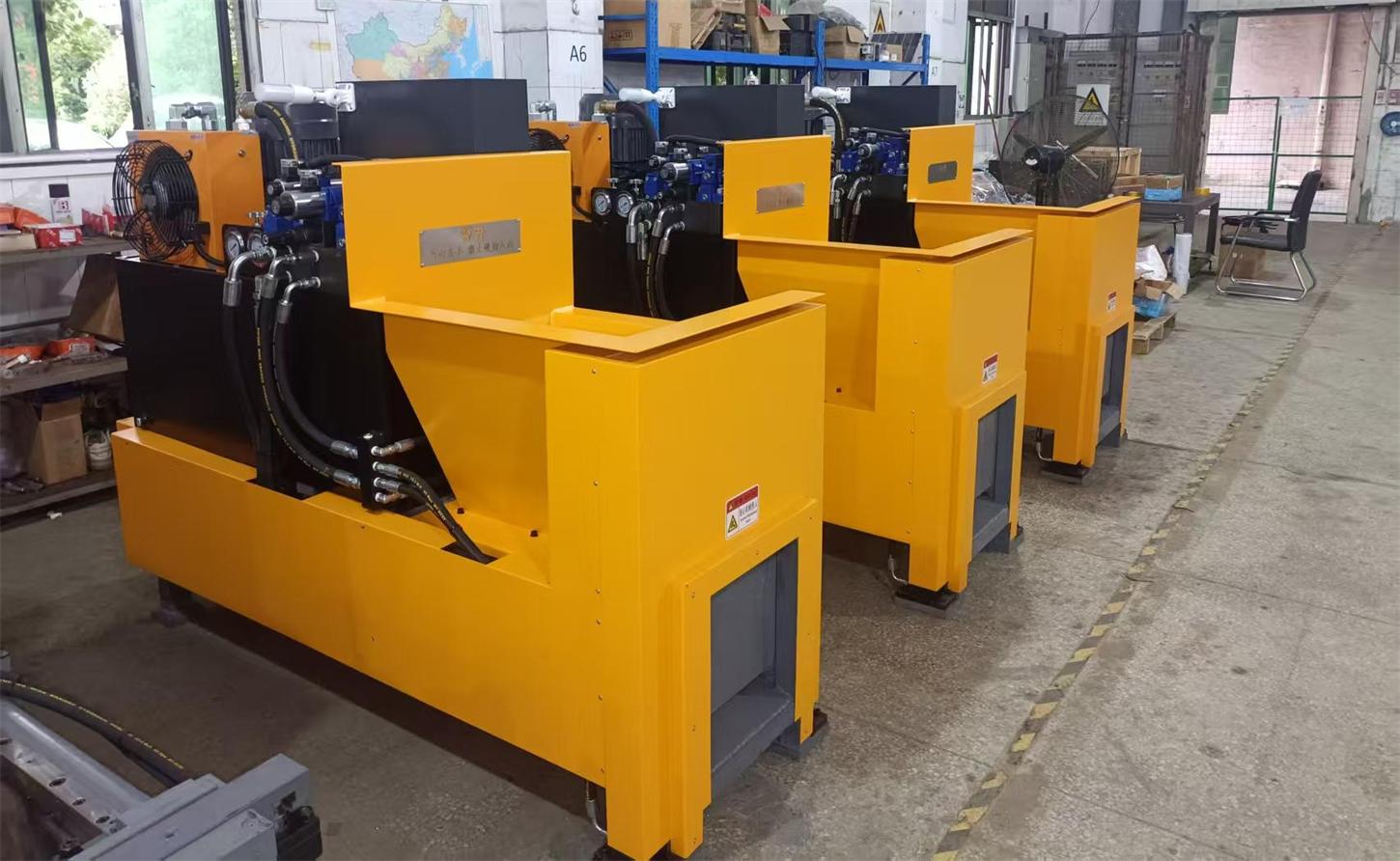
Even motor recycling machines equipment requires careful engineering. A motor stator cutter must break the cylindrical iron core without damaging the copper windings inside. The hydraulic pressure, blade angle, and feed speed all determine whether you extract clean copper or a mixed fragment that sells for scrap prices.
Five Questions Before You Buy
1. Does the manufacturer understand your scrap profile?
Cables come in many diameters and insulation types. Batteries vary by chemistry and casing. A catalog photo does not guarantee a match. Ask whether the manufacturer has tested similar material and can show you separation results.
2. What happens after delivery?
Installation, commissioning, and operator training separate professional suppliers from traders. If the supplier cannot send a technician to your site, you are buying a puzzle, not a plant.
3. How does the equipment handle environmental compliance?
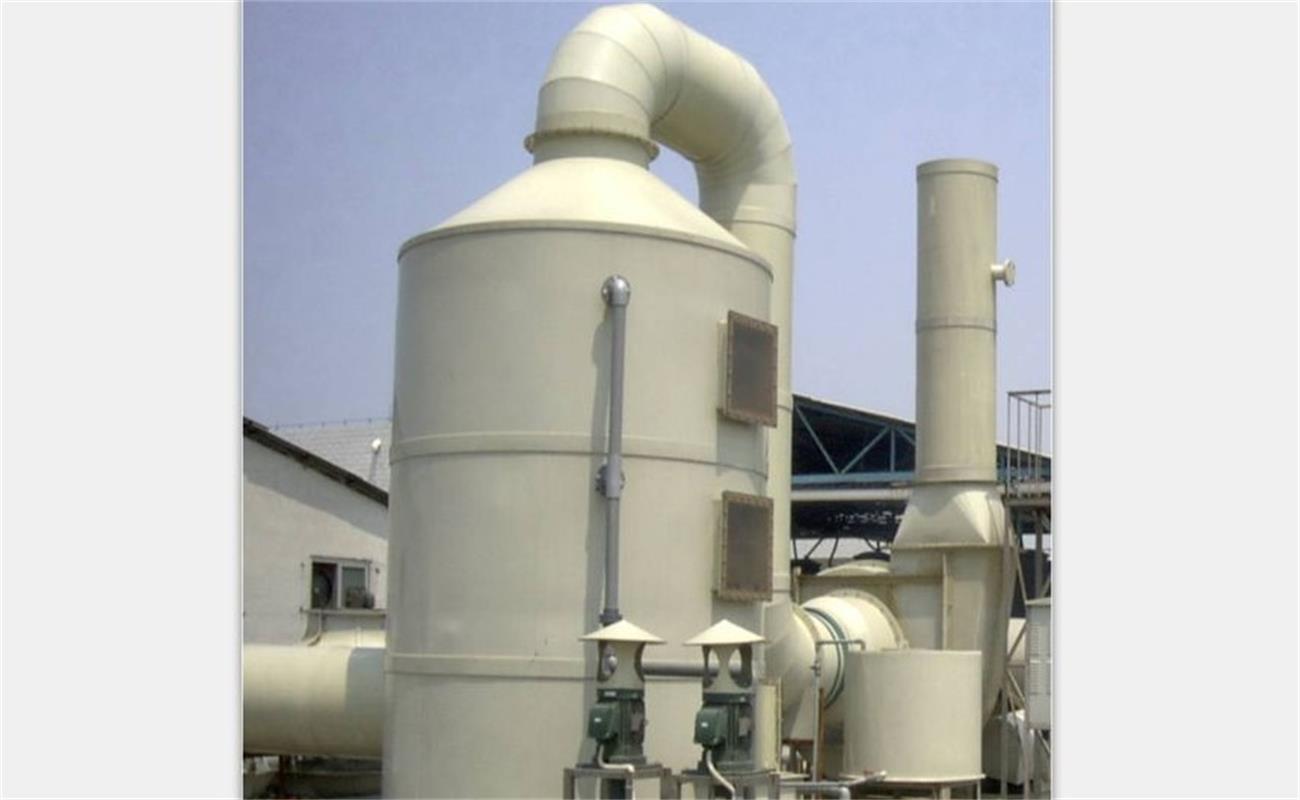
Air pollution control, wastewater treatment, and dust collection are not optional accessories in most jurisdictions. They are legal requirements. Verify that the system includes the necessary environmental controls.
4. Can the supplier support your full project?
Some buyers need a single machine. Others need a complete plant with material handling, power distribution, and effluent treatment. An EPC-capable supplier designs the integration, not just the individual units.
5. What is the real track record?
Ask for references in your region or in similar regulatory environments. A supplier with installations in twenty-one countries has faced more variables than one who only ships domestically.
Why San Lan Technologies Approaches This Differently
San Lan Technologies Co., Ltd was established in 2007 and has spent nearly two decades focused specifically on WEEE recycling equipment and ore extraction machinery. The technical team includes mechanical engineers with master's degrees and over fifteen years of direct experience in e-waste recycling machine design. This is not a sideline business. It is the core competence.
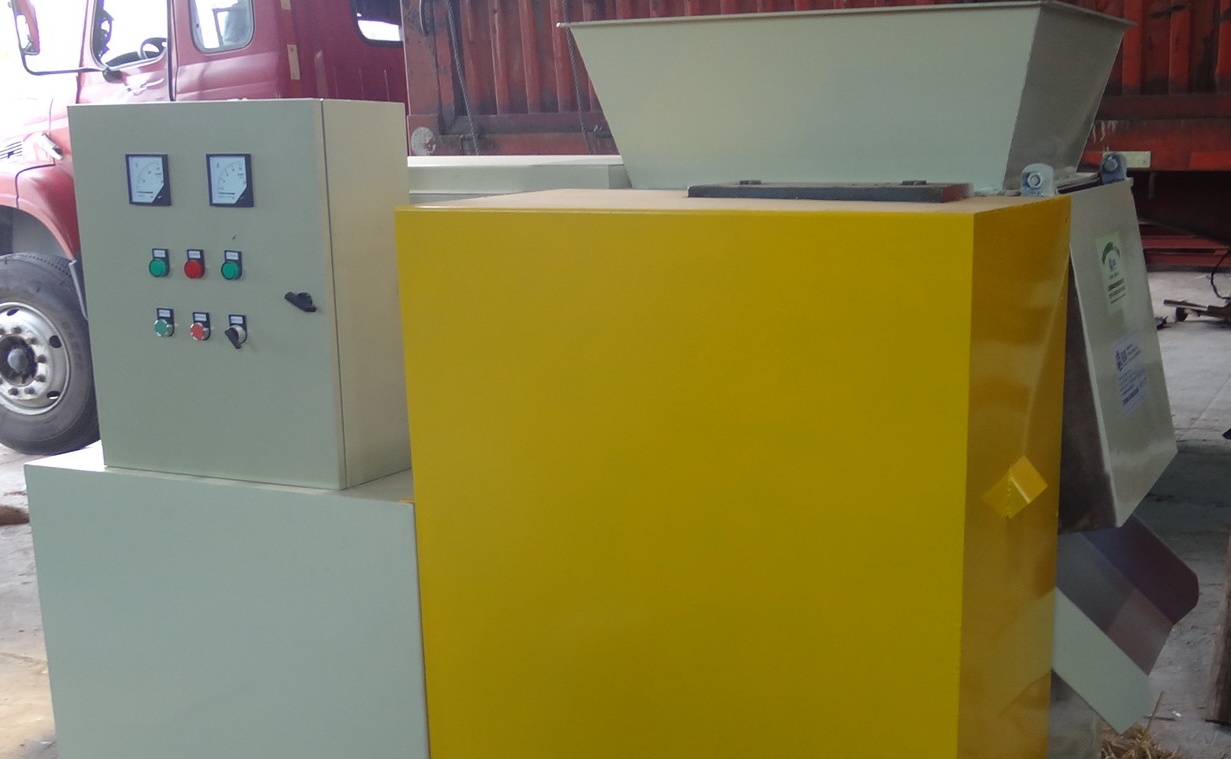
The company manufactures a full range of equipment including cable recycling machine systems, circuit board recycling equipment, lead acid battery recycling equipment, li battery recycling equipment, and motor recycling machines equipment. Capacities range from compact units suitable for small yards to industrial plants processing multiple tons per hour.
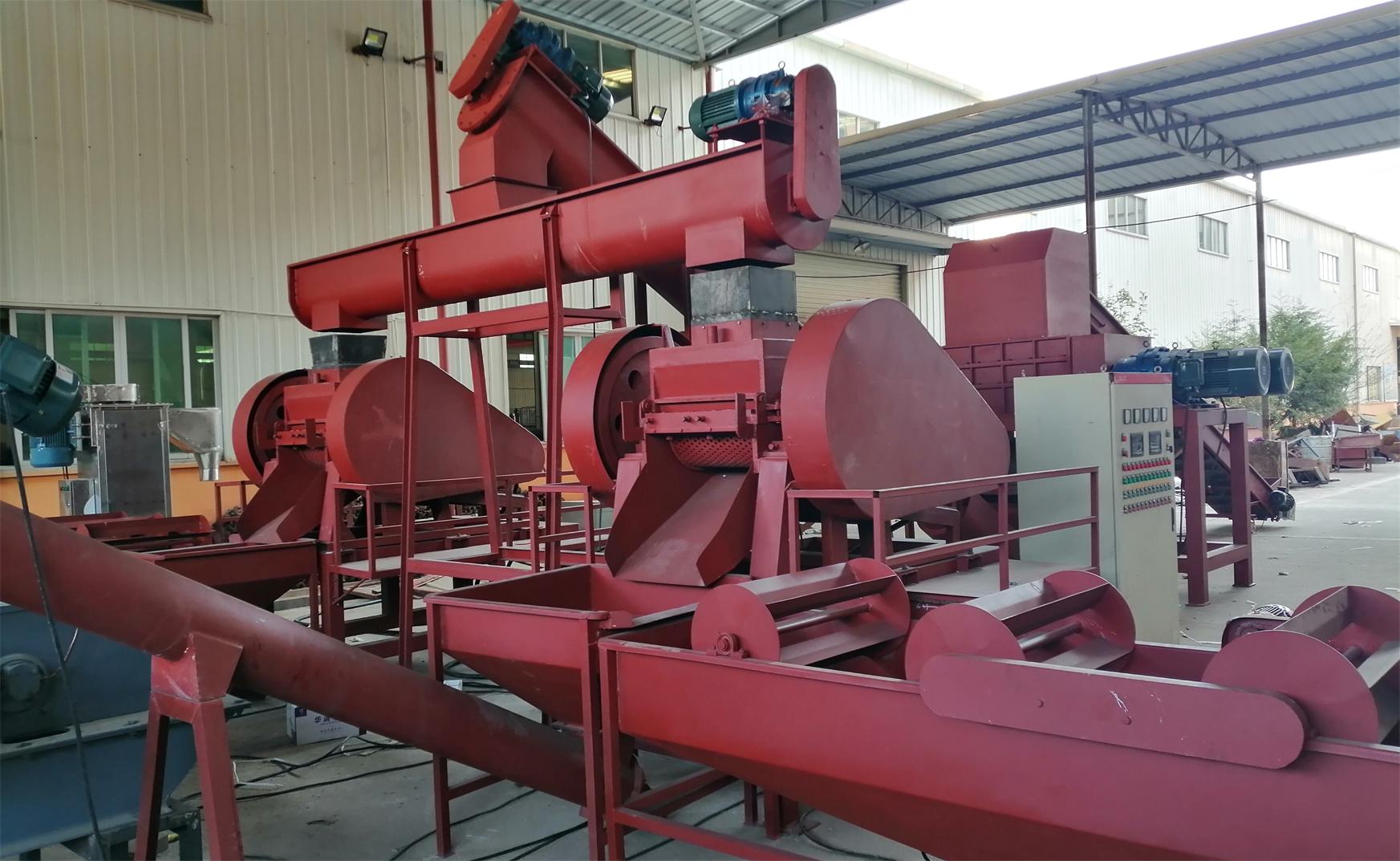
Beyond manufacturing, San Lan offers EPC project services: customized plant design, one-stop equipment procurement, installation, and commissioning. The company also assists clients with sourcing waste material such as cable scrap, PCB scrap, and used lead acid batteries; helps connect investors for plant construction; and supports the sale of recovered products including copper rice, copper powder, and lead ingots. This is a full-circle approach that treats recycling as a business system, not just a machine sale.
San Lan's equipment has been installed in more than twenty-one countries across Asia, Africa, Latin America, and the Middle East. The team operates in both English and Chinese, which matters when technical details are being discussed across time zones.
The Checklist That Matters
If you are evaluating recycling equipment suppliers, start with these concrete steps:
Price is easy to compare. Downtime, recovery rates, and regulatory fines are harder to predict until you are already committed. The plant that expanded in 2024 made its critical decision in 2019 not by choosing the lowest bid, but by choosing the supplier who could explain what would happen after the invoice was paid.
Contact San Lan Technologies
If you are planning a new recycling facility or upgrading an existing line, San Lan Technologies can provide a technical assessment based on your material, capacity targets, and local requirements. Contact the team at info@san-lan.com or via WhatsApp at +86 139 2377 4083. You can also browse the full equipment range at www.san-lan.com.