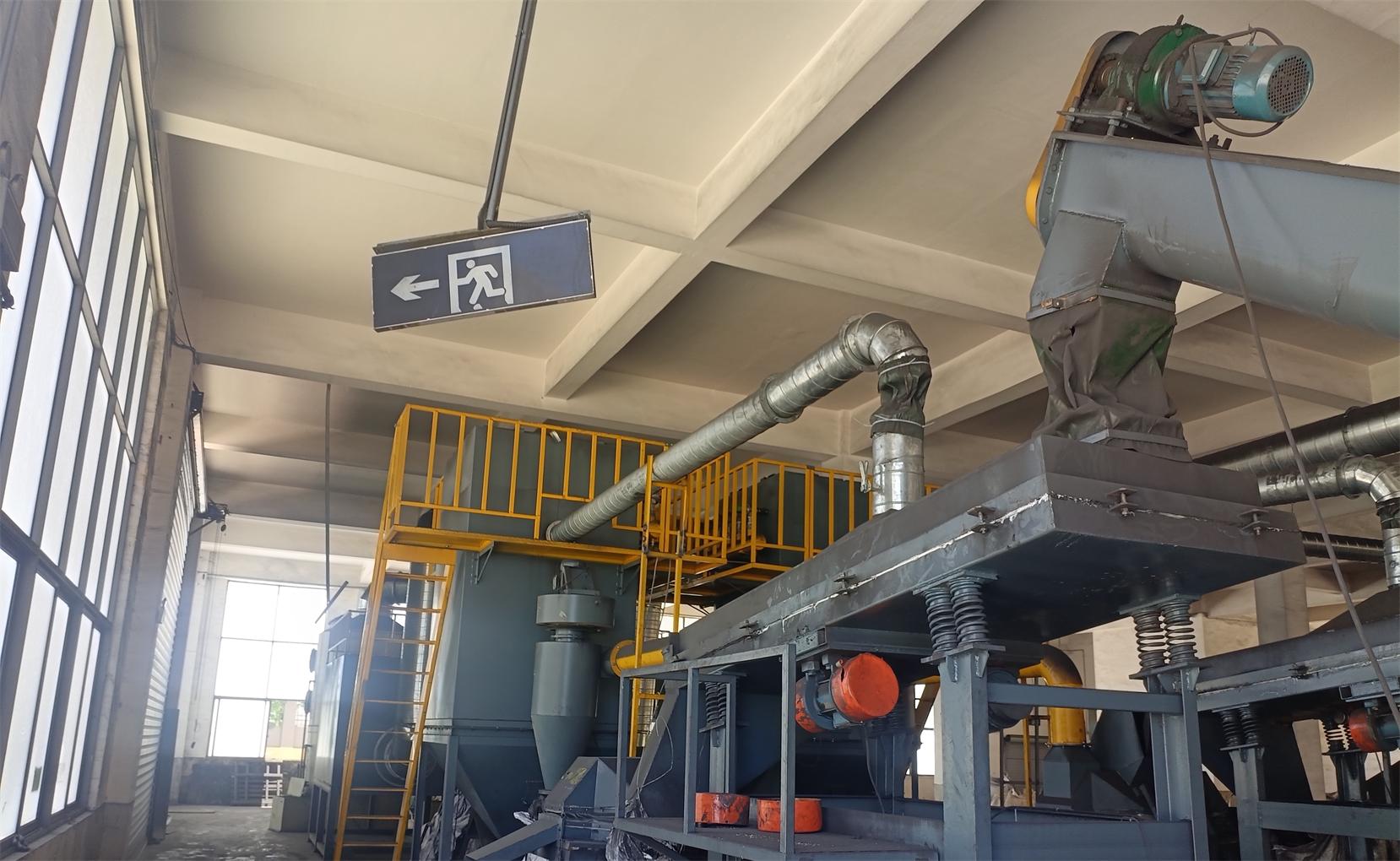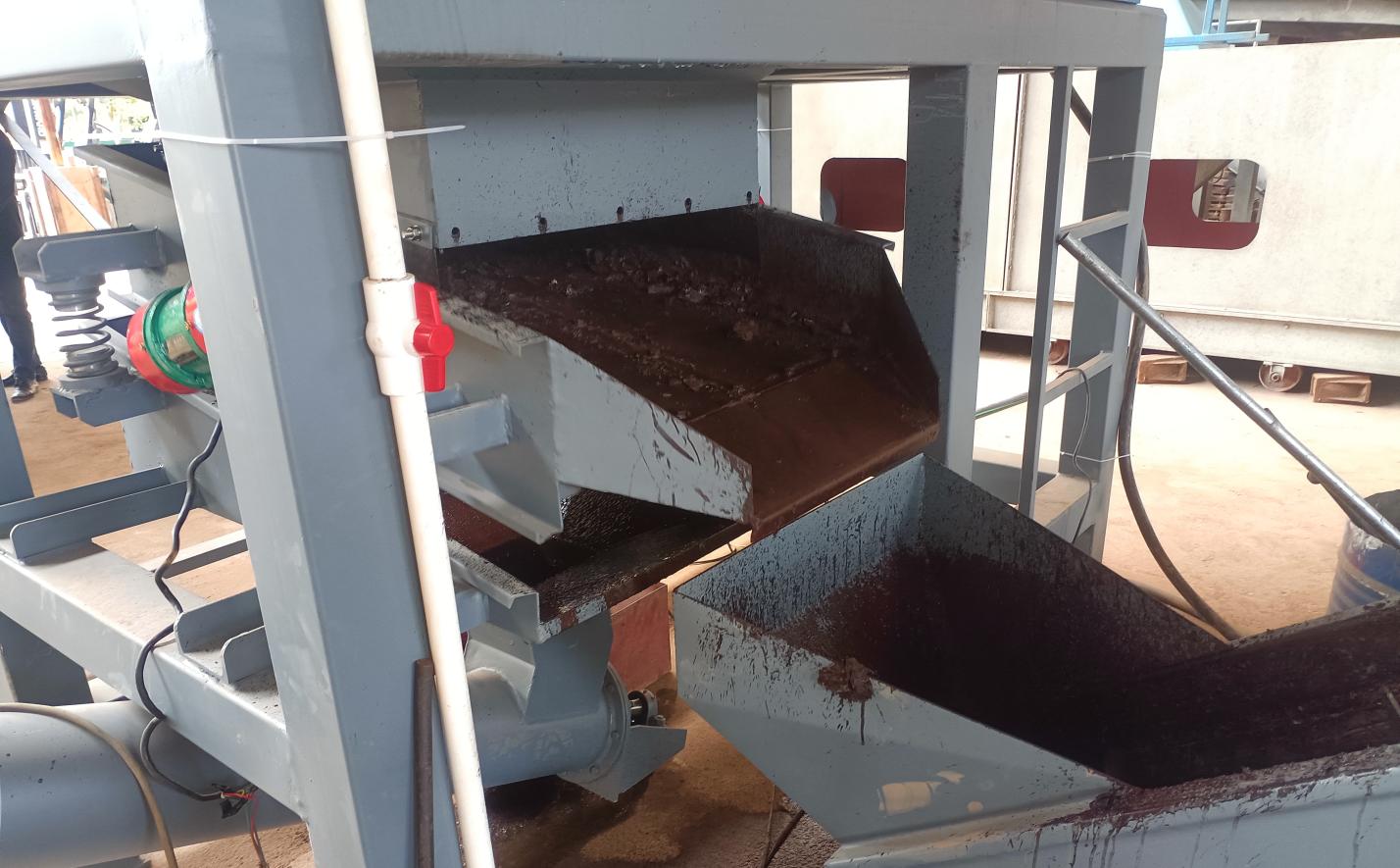
In January 2022, two entrepreneurs on opposite sides of the world decided to enter the e-waste recycling business. Both had access to feedstock. Both had investors. Both believed the market for recovered copper, lead, and lithium materials would only grow.
Eighteen months later, one operator had a plant running at 92% uptime, selling copper powder and lead ingots to smelters at a margin that covered his loan payments. The other was still troubleshooting conveyor jams, discovering that the "turnkey" solution he bought could not handle the mixed material stream he had promised his investors. His recovery rate was 30% below specification. His environmental permit was under review because the dust collection system was undersized.
The difference was not capital. It was not work ethic. It was the recycling equipment supplier each chose at the start.
Why Equipment Selection Defines the Business
E-waste recycling is a physics business disguised as an environmental business. You are buying equipment to break, separate, and concentrate materials at a cost per ton that leaves room for profit. If the machine cannot handle your actual feedstock, if the separation efficiency drops when humidity changes, if the supplier cannot explain why their recovery rate is higher than a competitor's, your margin disappears before you ship your first container.
The trap most first-time buyers fall into is treating equipment procurement like commodity shopping. They compare two quotes for a "cable recycling machine," pick the lower number, and only later discover that capacity ratings were measured under ideal lab conditions, that wear parts have a 14-week lead time, or that the supplier has no technician who can visit the site for commissioning.
A reliable supplier answers in specifications, process diagrams, and commissioning schedules. A weak one answers in adjectives.
Matching Equipment to Your Material Stream
Before you request a quote, you need a clear material profile. The machine that efficiently processes waste cables is not the machine that safely breaks lithium batteries. Each stream has different hazards, different target outputs, and different environmental compliance requirements. Here is how the major categories map to equipment choices.
The boundary between categories matters. A plant that accepts both lead acid and lithium batteries needs separate preprocessing lines because the chemistries, hazards, and outputs are completely different. A supplier who treats them as interchangeable is a supplier who has never commissioned a working plant.
Three Technical Questions That Filter Out the Wrong Supplier
When you speak with a potential supplier, ask these three questions. The quality of the answer will tell you more than the price sheet.
A credible supplier quotes a recovery range tied to a specific feedstock composition and cites the test method. For example, "copper powder purity 96-98% from mixed PCB feed, measured by sieve analysis and atomic absorption." A vague claim like "high recovery" is not data; it is marketing.
Video calls to operating plants, references from customers in similar climates, and commissioning reports are standard due diligence. A supplier who refuses direct reference contact is waving a red flag.
Installation, commissioning, operator training, and spare parts availability separate real suppliers from traders. Ask for a written commissioning schedule, training curriculum, and typical spare parts list with lead times.
The Hidden Cost of Ignoring EPC Capability
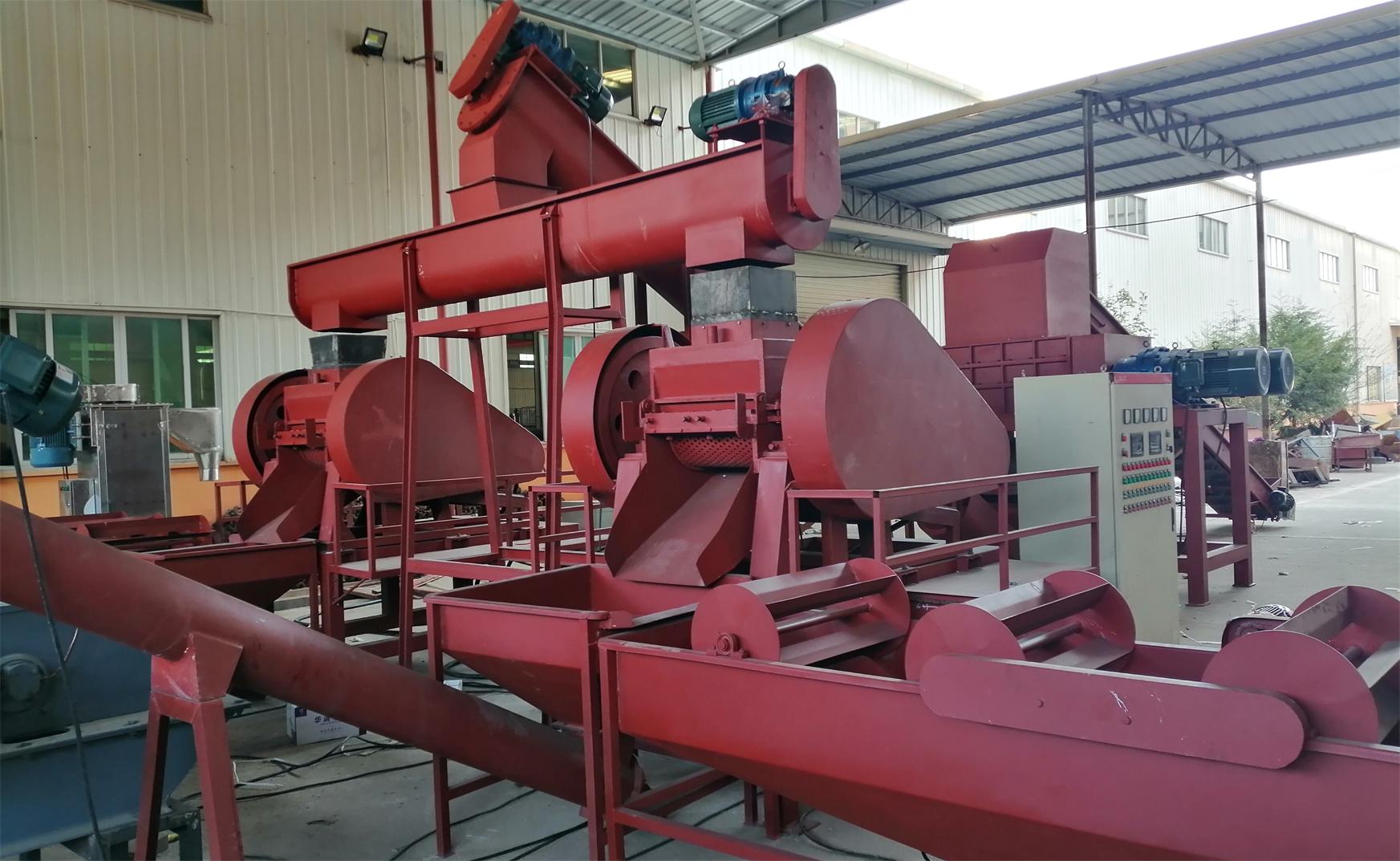
EPC stands for Engineering, Procurement, and Construction. In recycling, it means the supplier designs the plant layout, specifies auxiliary equipment like dust collectors and water treatment, sources the components, and oversees installation until the plant hits performance targets.
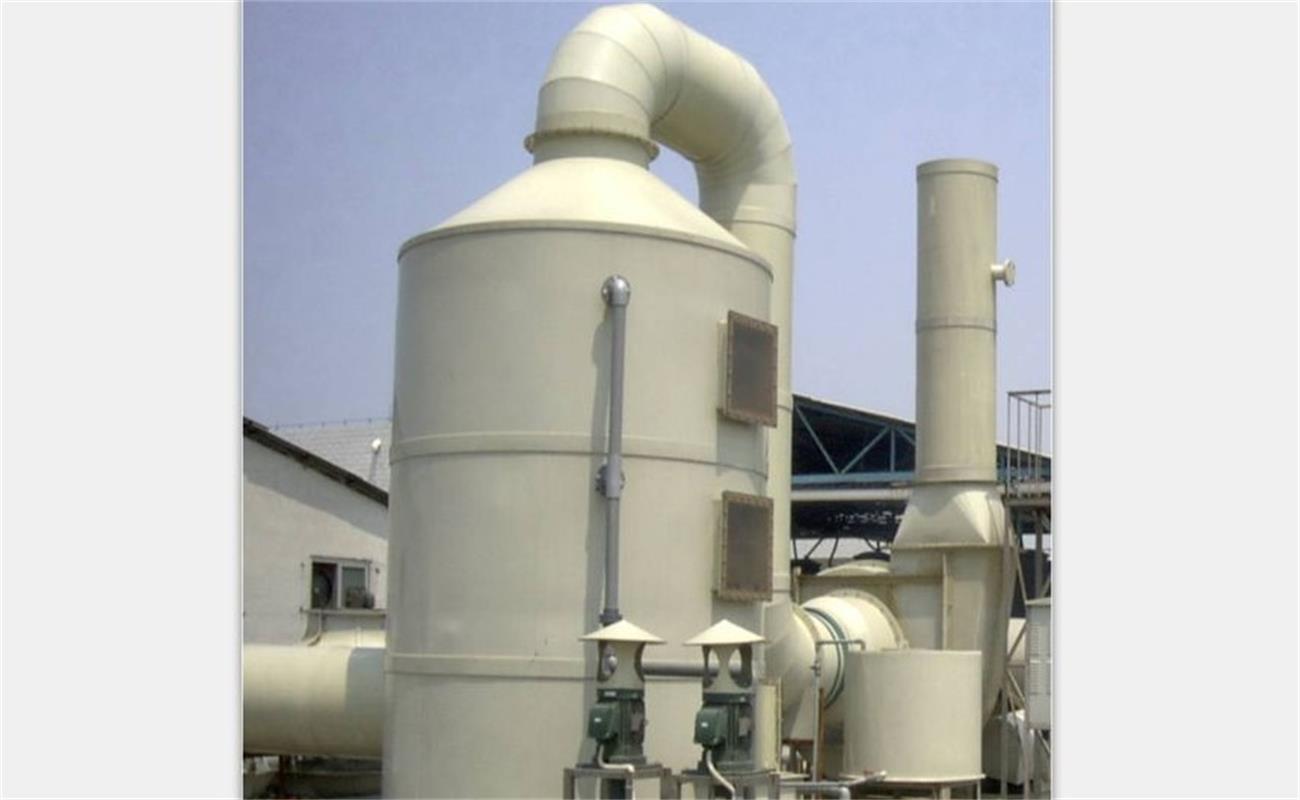
A buyer who purchases machines from one vendor, conveyors from another, and environmental controls from a third becomes the system integrator by default. When the dust collector is undersized because no one calculated the actual particle loading, or when the water treatment plant cannot handle the acidic effluent from battery breaking, the buyer pays for the redesign.
An EPC-capable supplier absorbs that integration risk. They calculate mass balances, size utilities, and guarantee that the components work together. That is why experienced buyers prioritize EPC track record over unit price.
What 21 Countries Have in Common
San Lan Technologies Co., Ltd has supplied recycling plants to operators in Singapore, Colombia, Vietnam, Mexico, Argentina, Korea, Malaysia, Indonesia, South Africa, Tunisia, India, Kenya, Saudi Arabia, Philippines, Zambia, Israel, and beyond. The common thread among these projects is not identical equipment. It is that each plant was designed around the customer's actual feedstock, local regulations, and target products.
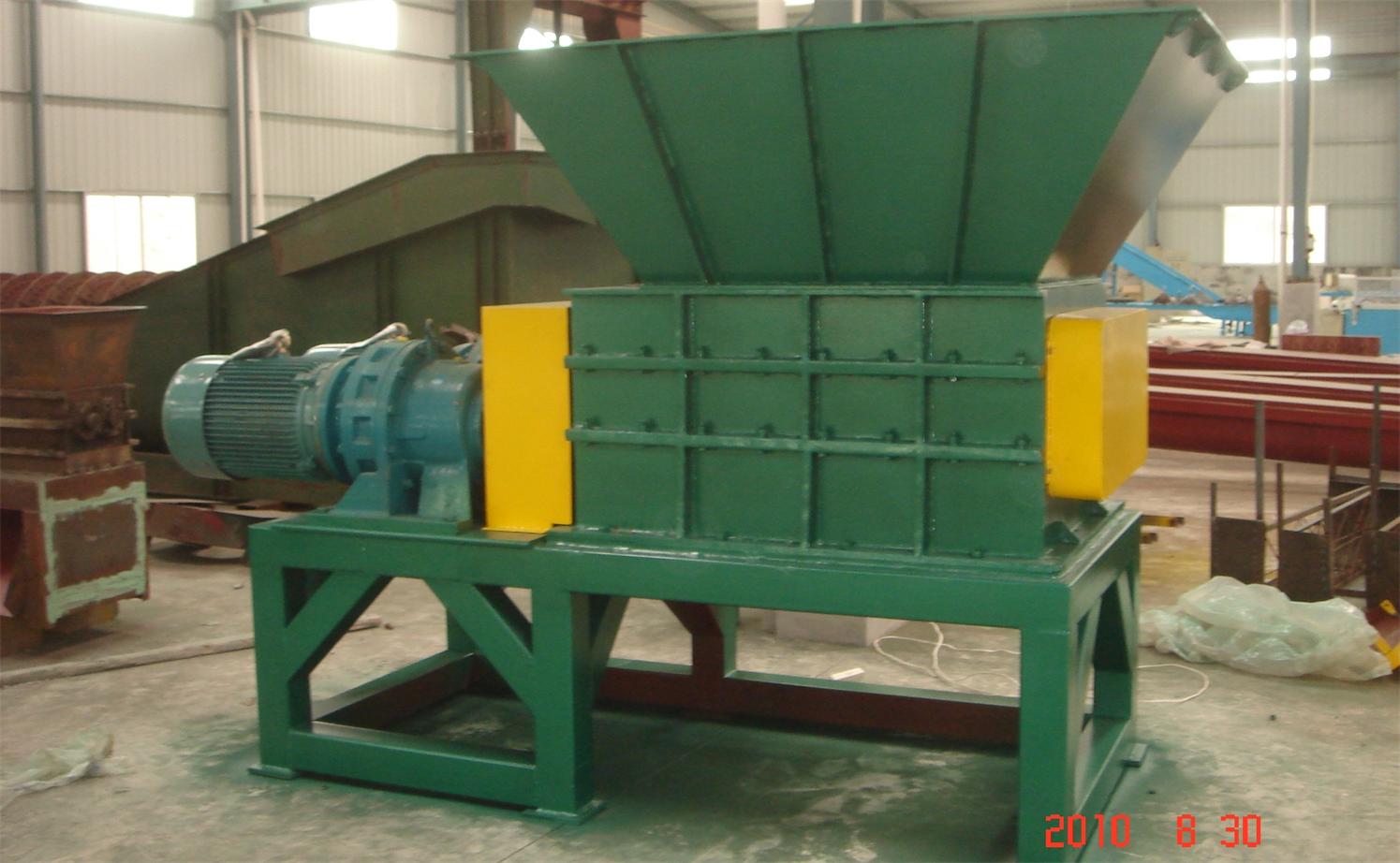
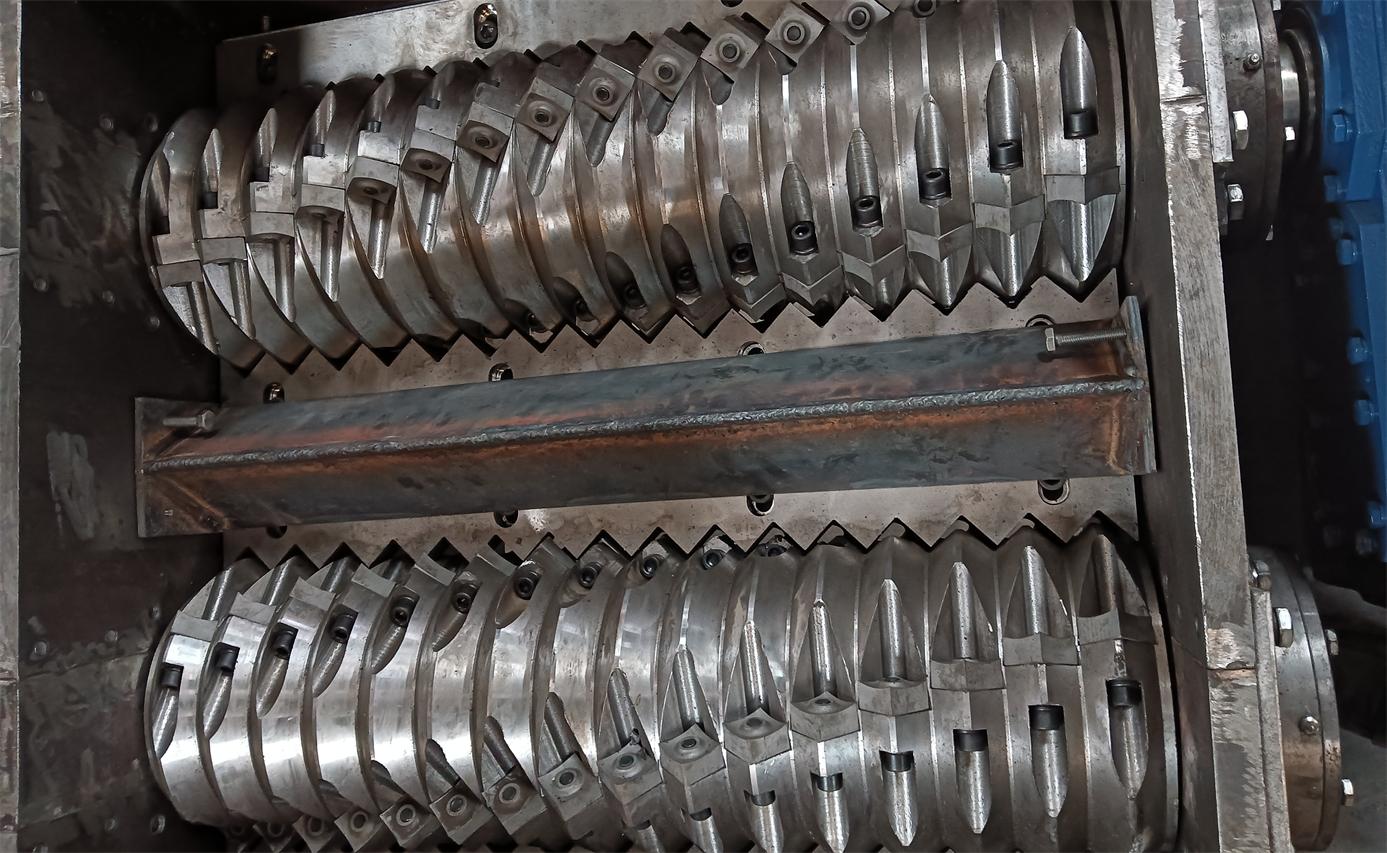
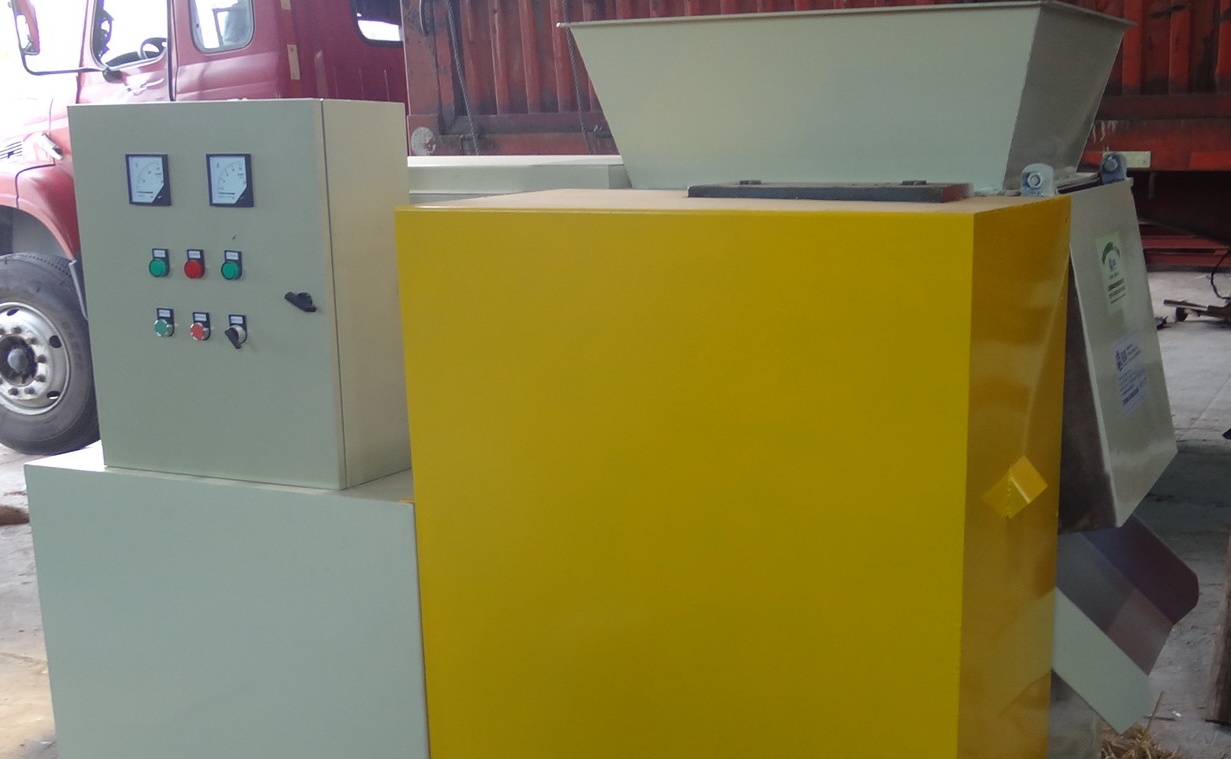
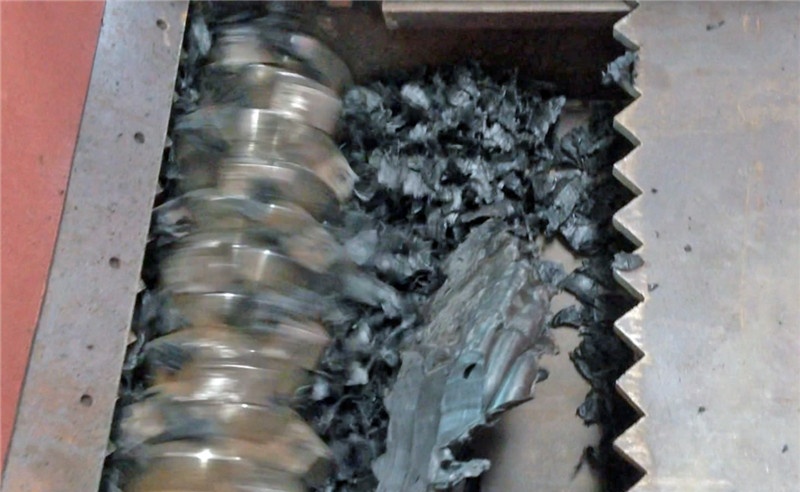
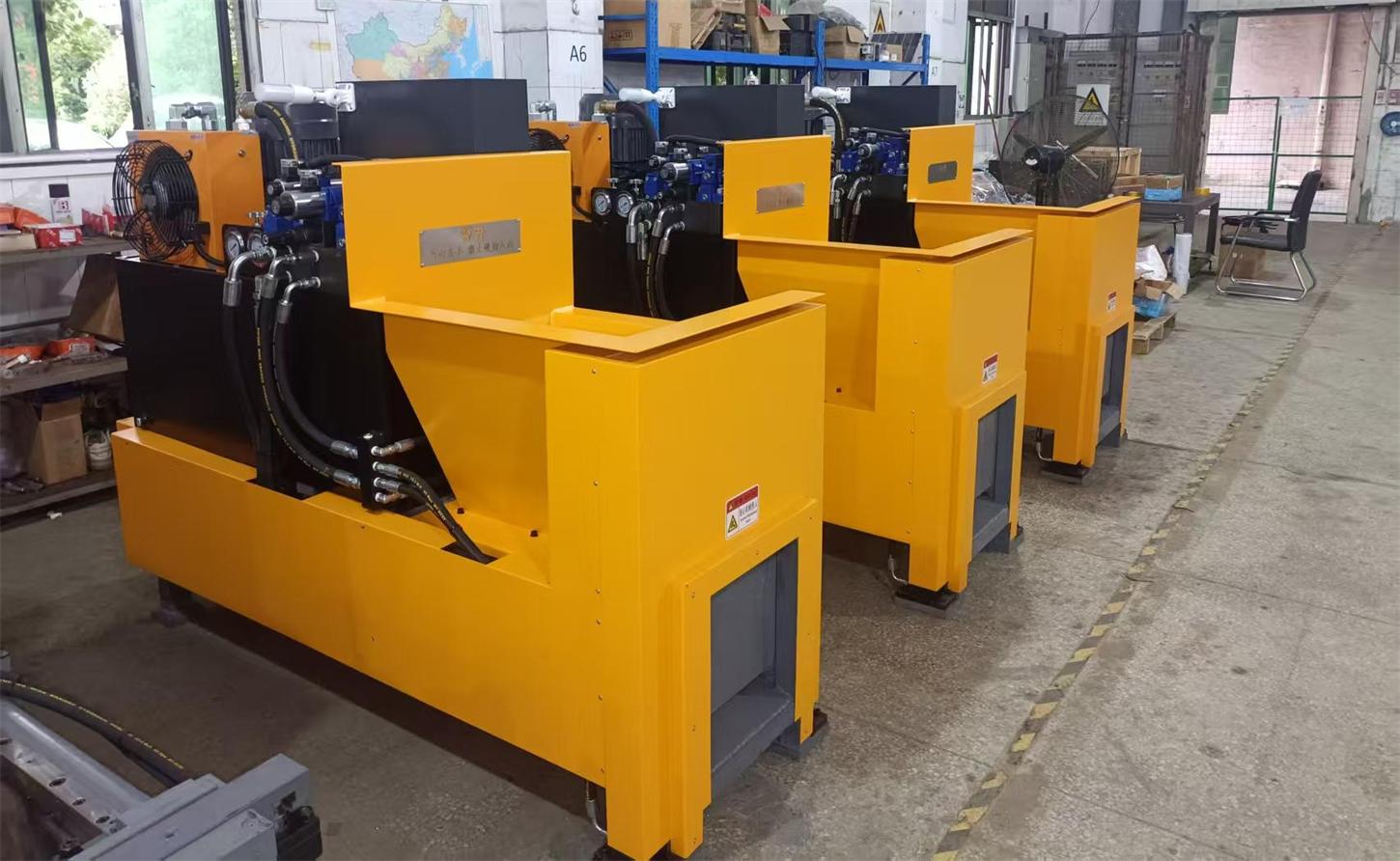
Established in 2007 in Jiangxi Province, China, San Lan manufactures a full range of WEEE recycling machinery and mining equipment. The product line includes lead acid battery recycling plant systems, Li Battery recycling plant lines, cable recycling plant equipment, circuit board recycling systems, shredders, refrigerators and AC recycling machines, CRT cutters, motor recycling equipment, and lithium ore extraction plants.
The engineering team holds master's degrees in mechanical engineering and brings over 15 years of field experience in e-waste recycling machines. San Lan offers customized design, one-stop purchasing, installation and commissioning, technical training for staff, and ongoing support including assistance with sourcing waste material and selling recovered products like copper rice, copper powder, and lead ingot.
A Quick Decision Checklist
Before you sign a purchase order, verify the following:
- The supplier has commissioned plants in your region or a similar regulatory environment.
- You have spoken to at least one reference customer who has operated the equipment for more than 12 months.
- The quote includes auxiliary systems: dust collection, water or effluent treatment, and safety interlocks where required.
- The commissioning schedule and training plan are written into the contract, not promised verbally.
- Spare parts for wear components are available with a lead time under six weeks.
- The supplier can explain the recovery rate test method and show lab reports from an operating plant.
Ready to stop comparing brochures and start designing your plant? Contact San Lan Technologies to discuss your material stream, capacity target, and output specifications. The team will return a process flow diagram, equipment list, and commissioning plan tailored to your project — not a generic catalog page.
Email: info@san-lan.com | WhatsApp: +86 139 2377 4083 | Contact Page