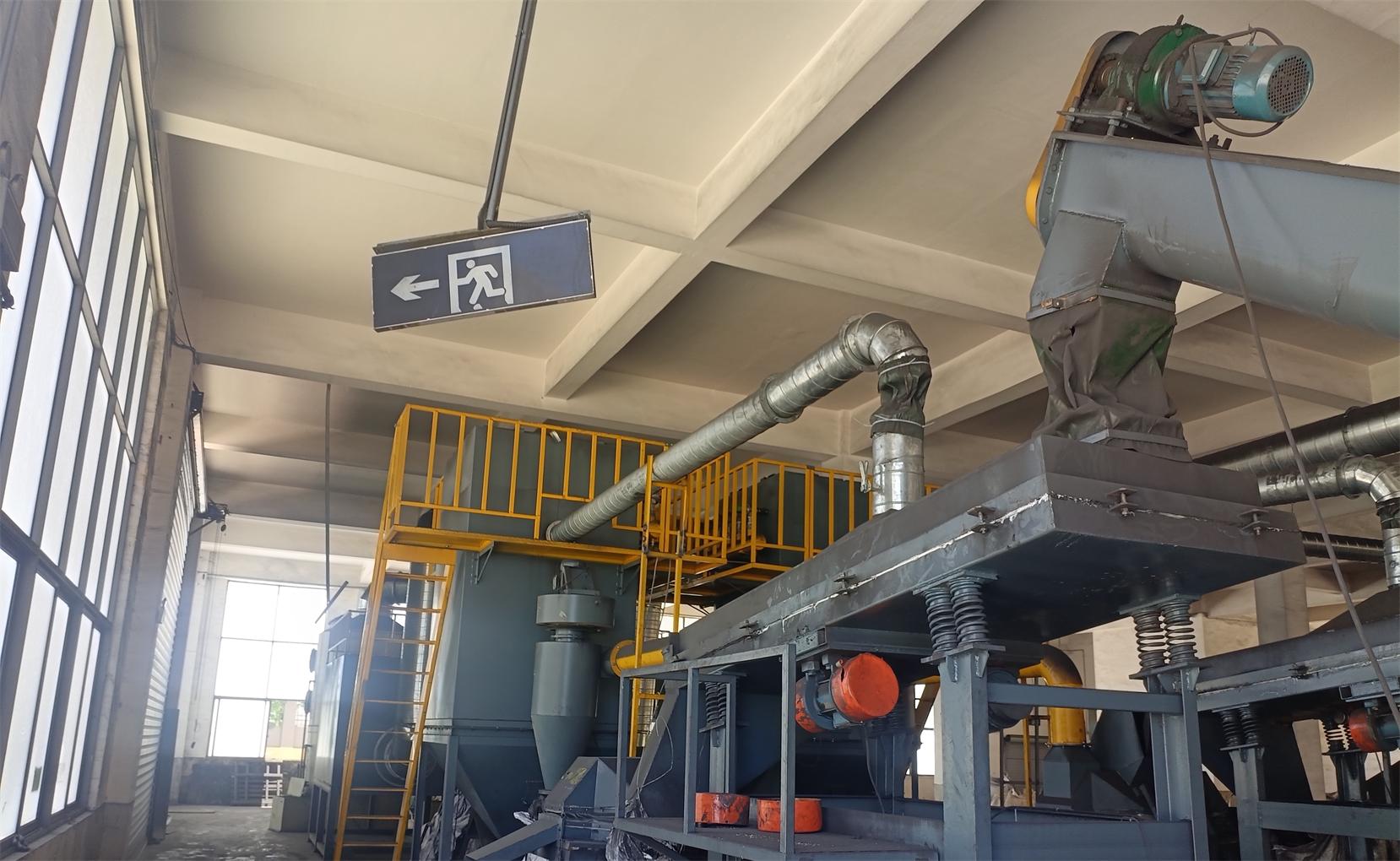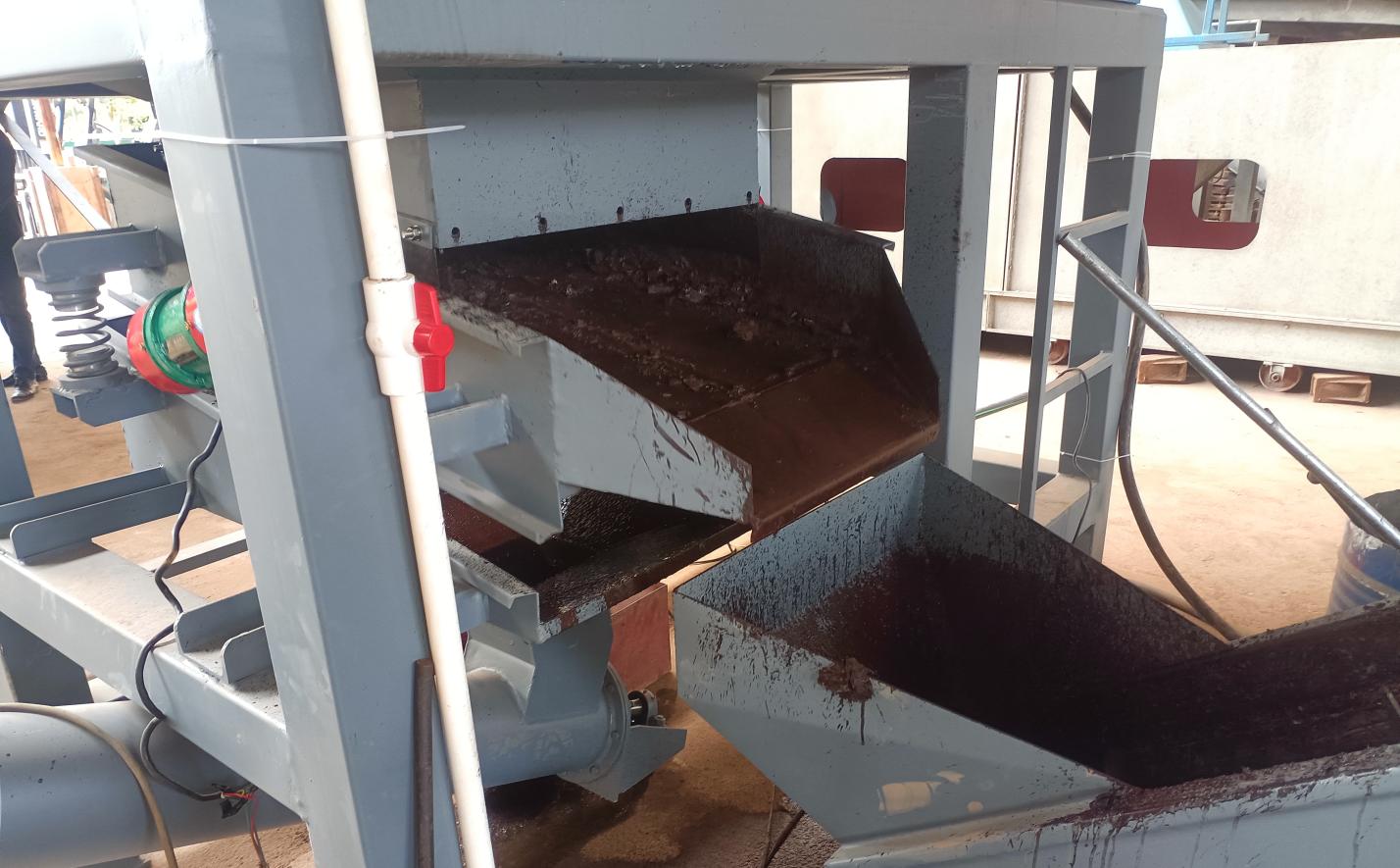
Two investors in Southeast Asia each commit the same capital to build an e-waste recycling facility. Three years later, one plant runs at full capacity with a steady stream of processed copper, lead ingots, and separated plastics. The other sits at half utilization, constantly repairing mismatched machines that promised high throughput but were never designed for the local raw material mix. The difference was not budget. It was equipment selection.
The global e-waste stream is not shrinking. Discarded phones, laptops, vehicle batteries, and industrial cables keep arriving at recovery facilities in growing volumes. Governments across Southeast Asia, Eastern Europe, the Middle East, and Africa have tightened disposal regulations, making informal dismantling and uncontrolled chemical leaching increasingly illegal. Formal recycling plants that use professional recycling equipment are becoming the only compliant option. The raw material is abundant. The regulatory pressure is real. The only variable left is whether the machinery in your plant matches what you actually process.
Know Your Feedstock Before You Choose Your Machines
E-waste is not a single material. A plant that processes primarily scrap cables faces entirely different challenges from one that handles used lead-acid batteries or printed circuit boards. Each waste stream demands a specific mechanical approach.
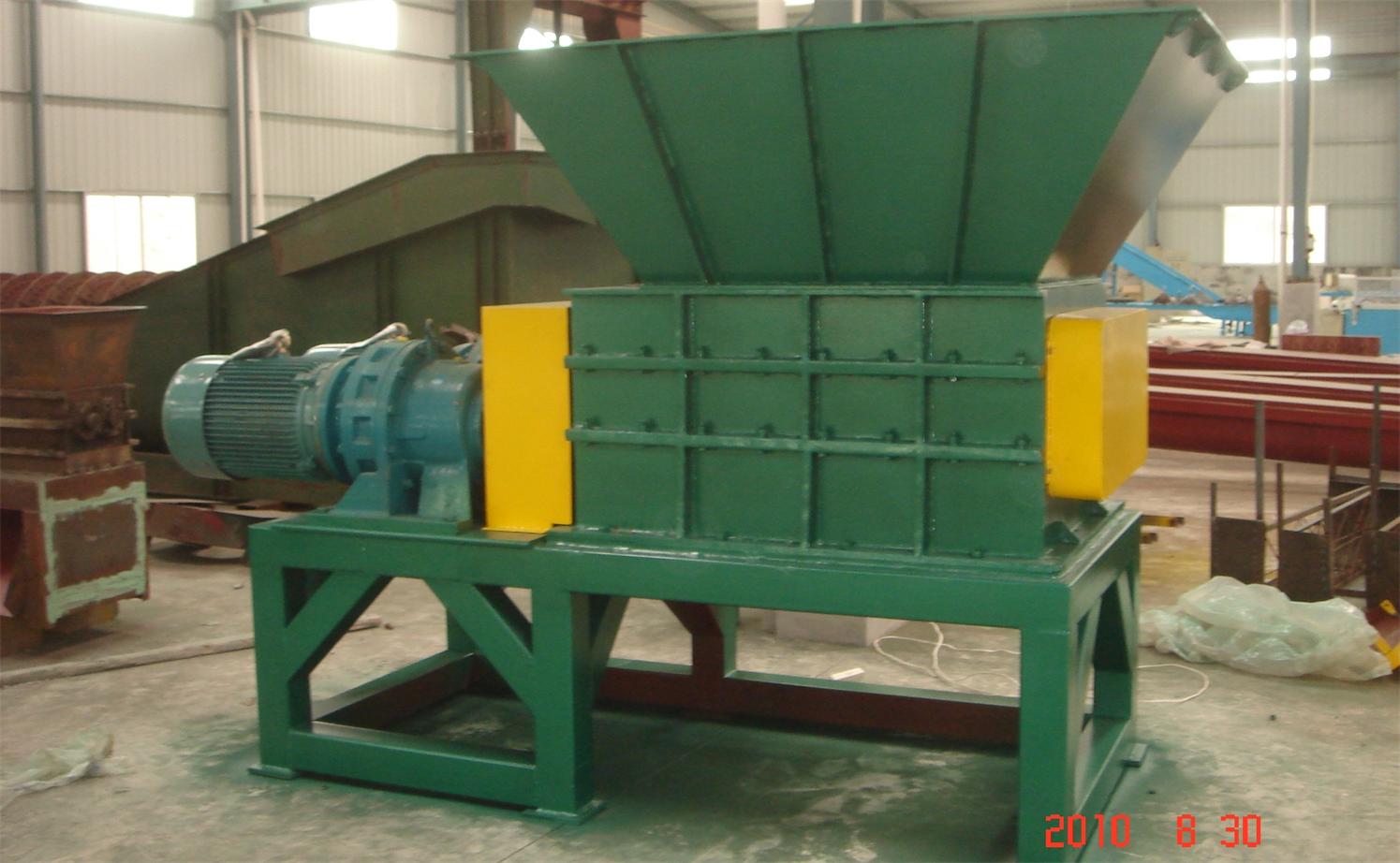
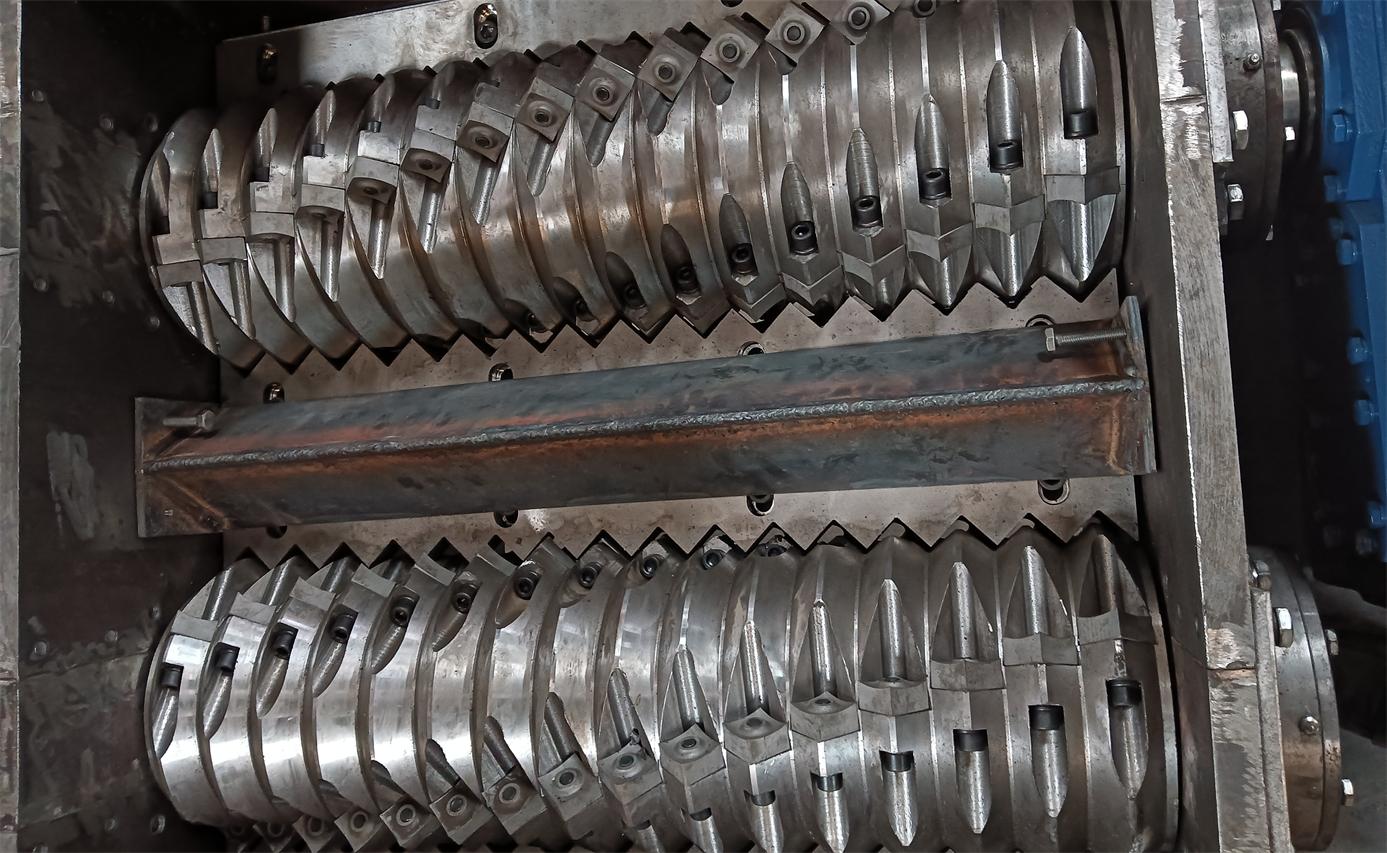
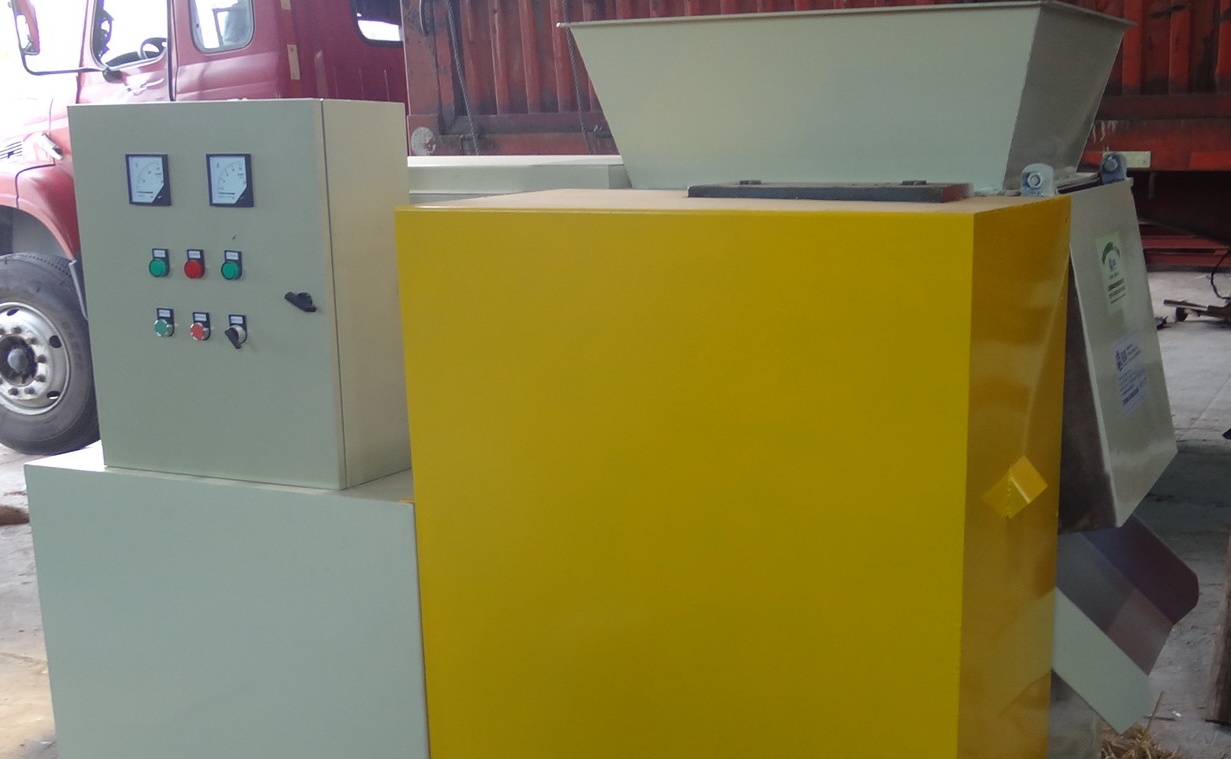
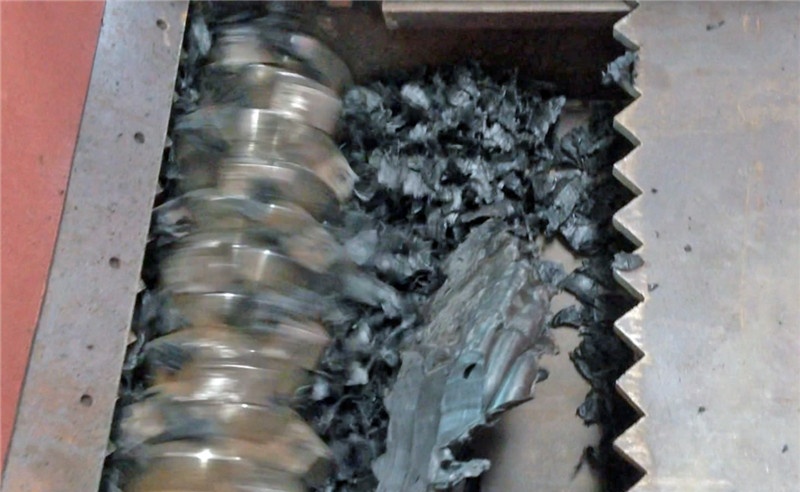
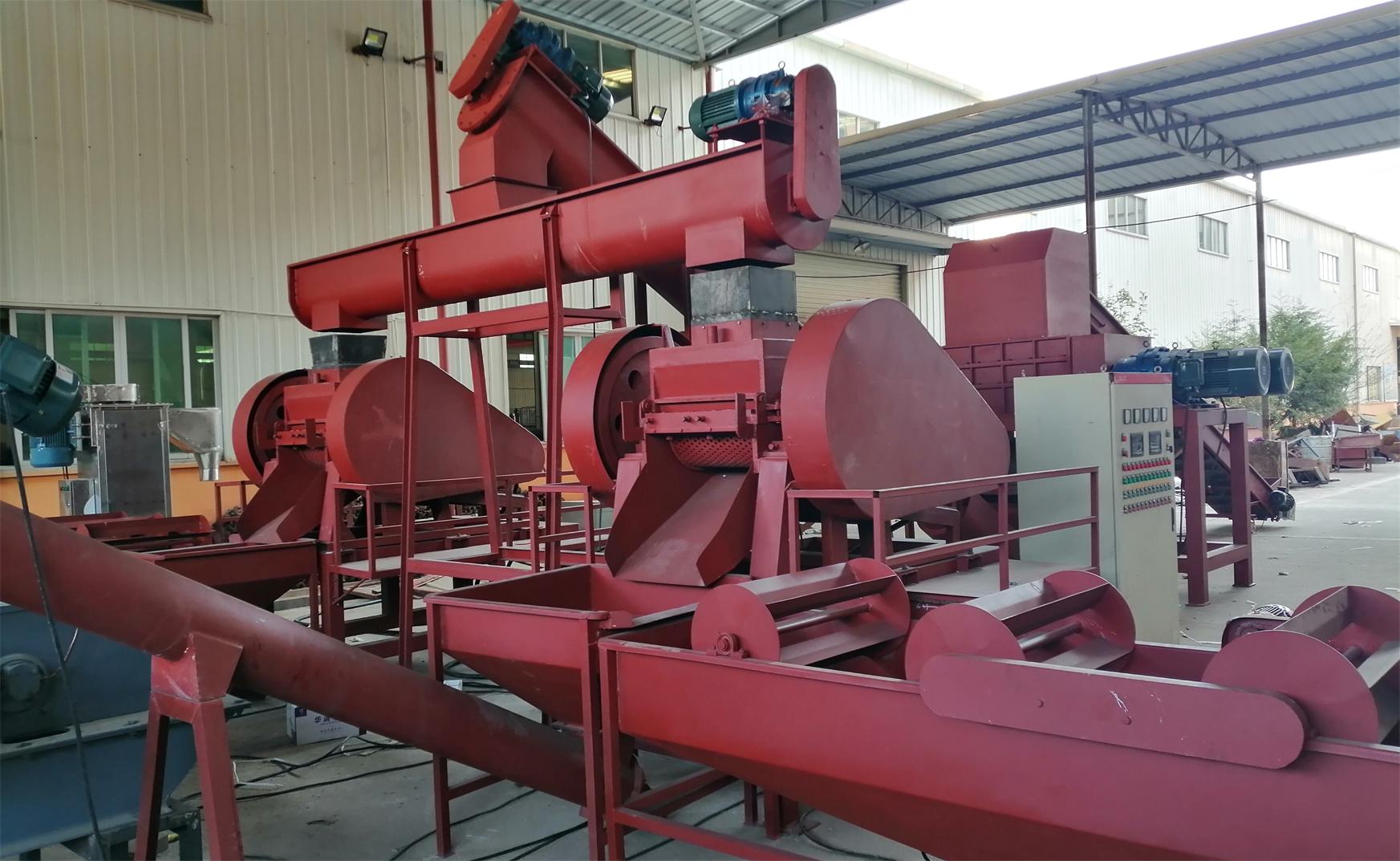
Scrap cables and wires require crushing, grinding, and air or water separation to isolate copper or aluminum from plastic insulation. The right cable recycling equipment turns what looks like tangled wire into uniform copper granules and clean plastic pellets. Without properly sized shredders and calibrated separators, you lose metal fines to dust and plastic contamination, directly cutting into margins.
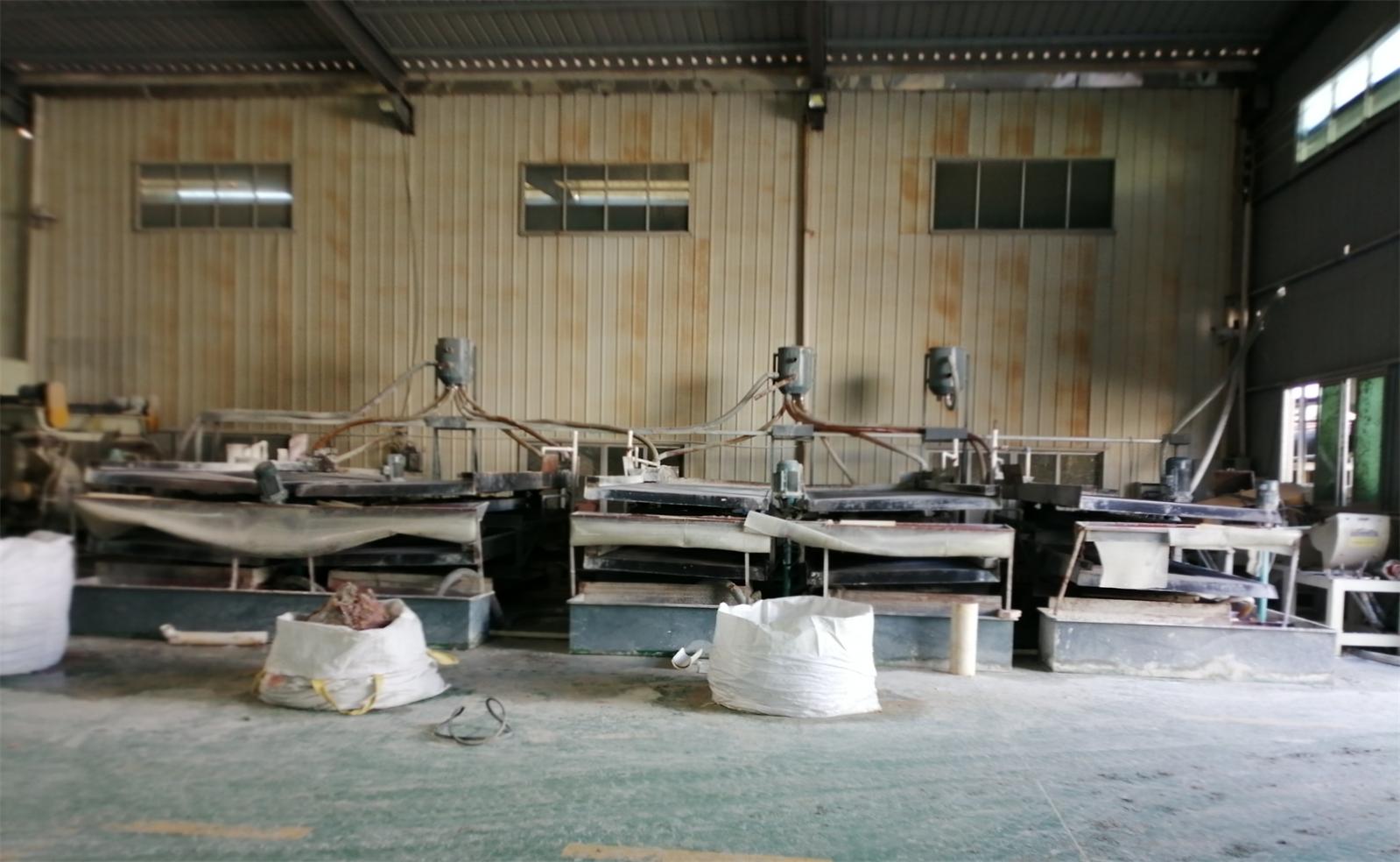
Printed circuit boards contain copper, precious metals, and non-metal resin. Recovery depends on whether you choose dry air separation or wet water separation. Dry systems avoid wastewater treatment but demand precise airflow control. Wet systems achieve higher copper powder purity—up to 96–98% in well-tuned plants—but require water treatment circuits. Either way, the decision shapes your plant layout, staffing, and environmental compliance costs.
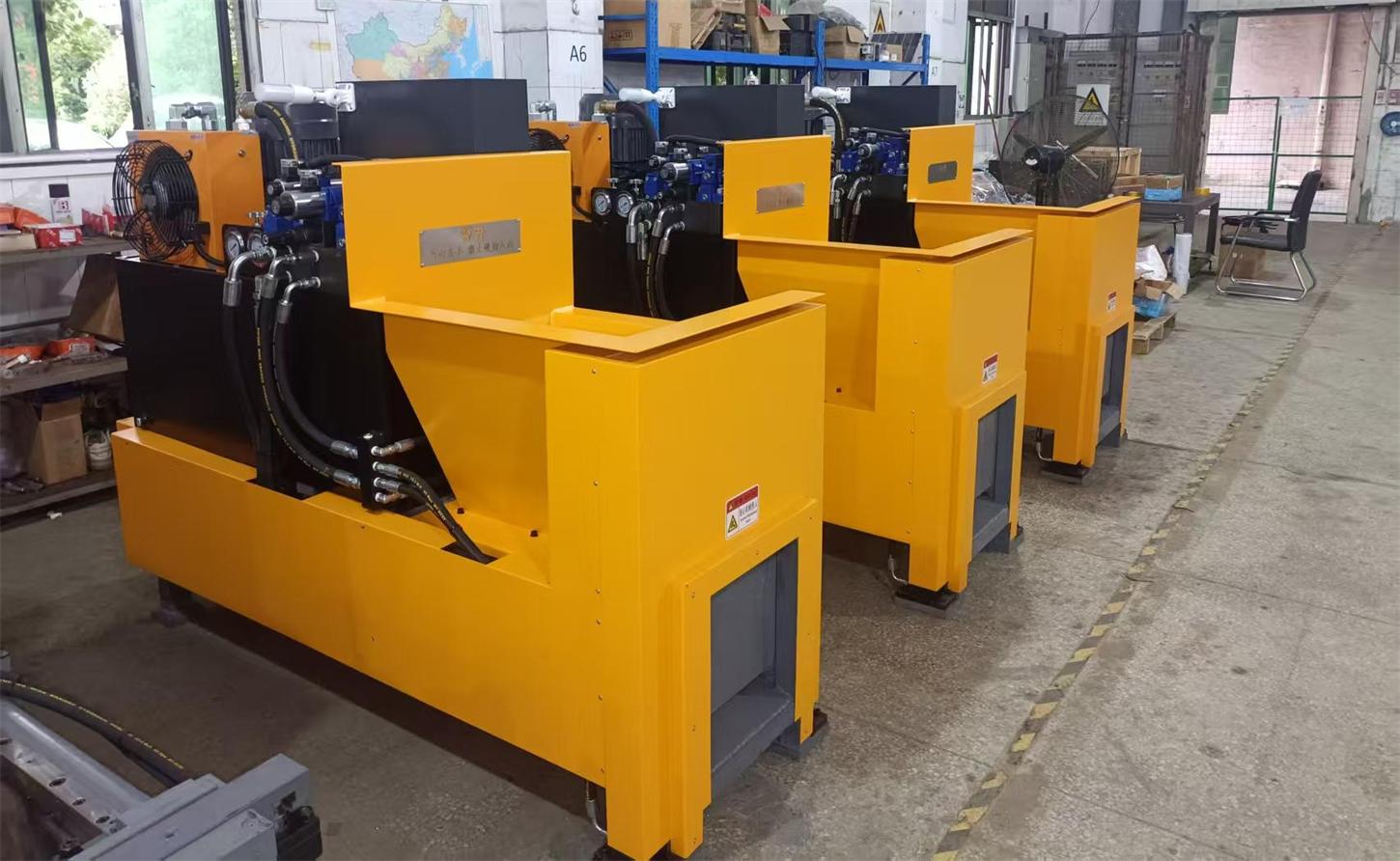
Used lead-acid batteries represent one of the most regulated waste categories. Breaking and separating them is only the first stage. Acid must be neutralized, plastic shells separated by type, lead paste filtered, and lead grids smelted. Professional lead acid battery recycling equipment handles each fraction through dedicated units: cutters, breakers, filter presses, desulfurization systems, rotary furnaces, and refinery kettles. Buying only the breaker and ignoring the downstream smelting line is a common mistake that leaves investors with separated materials they cannot sell at full value.
Five Checks That Separate Smart Buyers From Regretful Ones
- Ask for processing capacity ranges, not a single headline number. A machine rated at 2,000 kg per hour may only achieve that under ideal conditions with pre-sorted, dry feedstock. Your actual input will likely be mixed, wet, and irregular. Request capacity data across a range of material conditions.
- Verify separation efficiency for your specific waste mix. Recovery rate matters more than throughput. A circuit board line that recovers 95% of available copper pays for itself faster than a faster line that only captures 80%. Ask for test results or trial runs with material similar to yours.
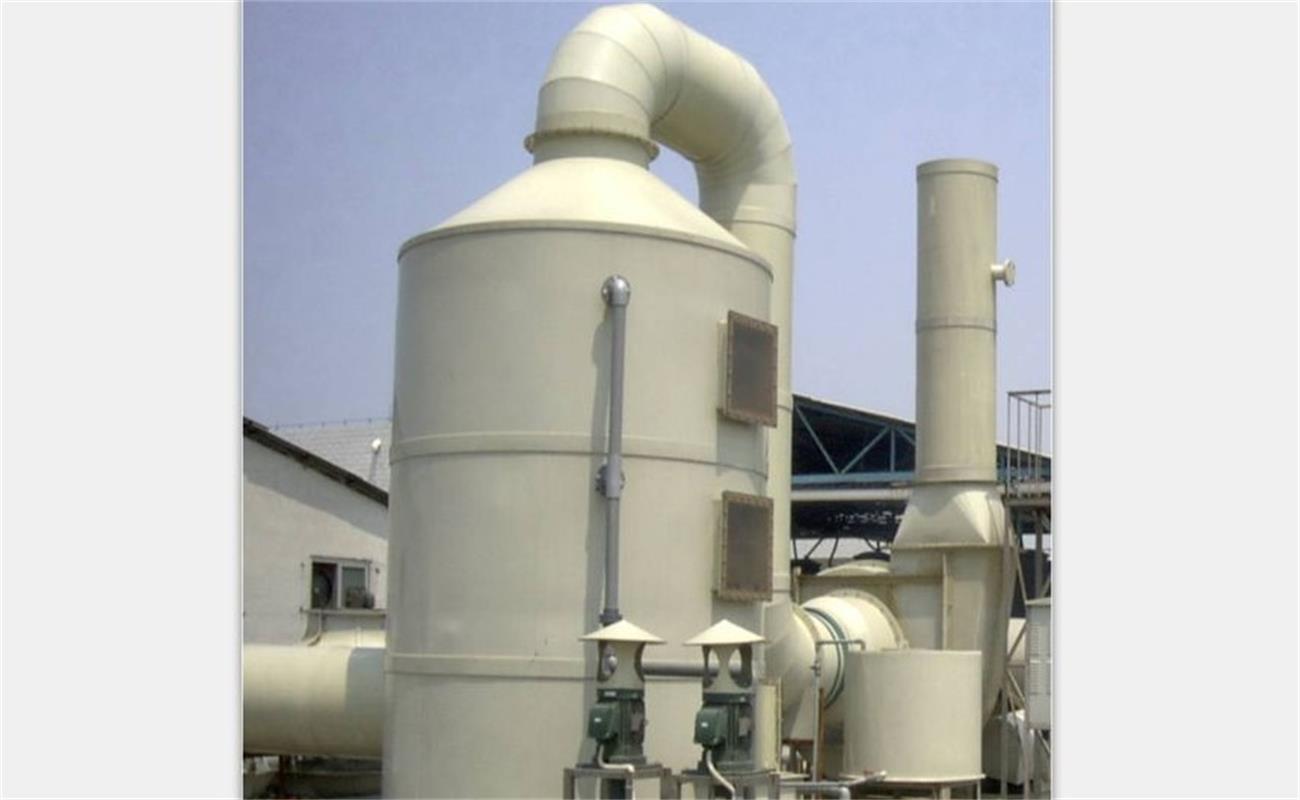
- Check environmental compliance modules, not just the core machine. Air pollution control, water treatment, and dust collection are not optional add-ons. They are legal requirements in most jurisdictions. A quotation that excludes these units is incomplete and dangerous.
- Confirm voltage, language, and spare part availability for your region. Overseas plants fail when control panels arrive in the wrong language or when a critical blade takes eight weeks to ship. Verify that the manufacturer has experience with your local electrical standards and maintains a spare parts inventory.
- Ask who handles installation and commissioning. Even well-built machines perform poorly if belts are misaligned or separation parameters are never calibrated. Manufacturers who send only a manual leave you guessing. Those who provide on-site engineers protect your investment.
What Experienced Manufacturers Bring Beyond the Machine
San Lan Technologies Co., Ltd, established in 2007, has delivered e-waste and battery recycling machinery to clients in more than 21 countries. The engineering team holds master's degrees in mechanical engineering and brings over 15 years of direct experience in recycling machine design. This matters because theoretical designs and field-proven designs are not the same thing.
San Lan offers complete EPC (Engineering, Procurement, Construction) project execution. That means the same team that designs your circuit board recycling line also selects the compatible shredder, sizes the dust collector, and plans the plant layout. Customized design is standard, not a premium service. One-stop purchasing covers auxiliary equipment like hydraulic balers, metal melting furnaces, and motor recycling machines, so you do not spend months coordinating separate vendors.
For investors who need more than machinery, San Lan provides additional project support: assistance sourcing waste feedstock such as cable scrap or used batteries, help selling output products like copper rice and lead ingots, and partnership opportunities for plant construction investment. The company operates in both English and Chinese, which reduces communication friction during complex technical negotiations.
The Real Cost Is Not the Invoice
The cheapest quotation rarely produces the lowest total cost of ownership. Machines that corrode faster, consume more power, or require constant recalibration drain profits long after the initial payment. Conversely, well-matched recycling equipment that is properly commissioned and supported pays back through higher metal recovery, lower downtime, and fewer regulatory penalties.
Before you sign a purchase order, define your feedstock precisely. Match the machine to the material. Verify the full scope of supply, including environmental units. Confirm that the manufacturer can support you after delivery. The investor who does this work upfront is the one whose plant thrives three years later.