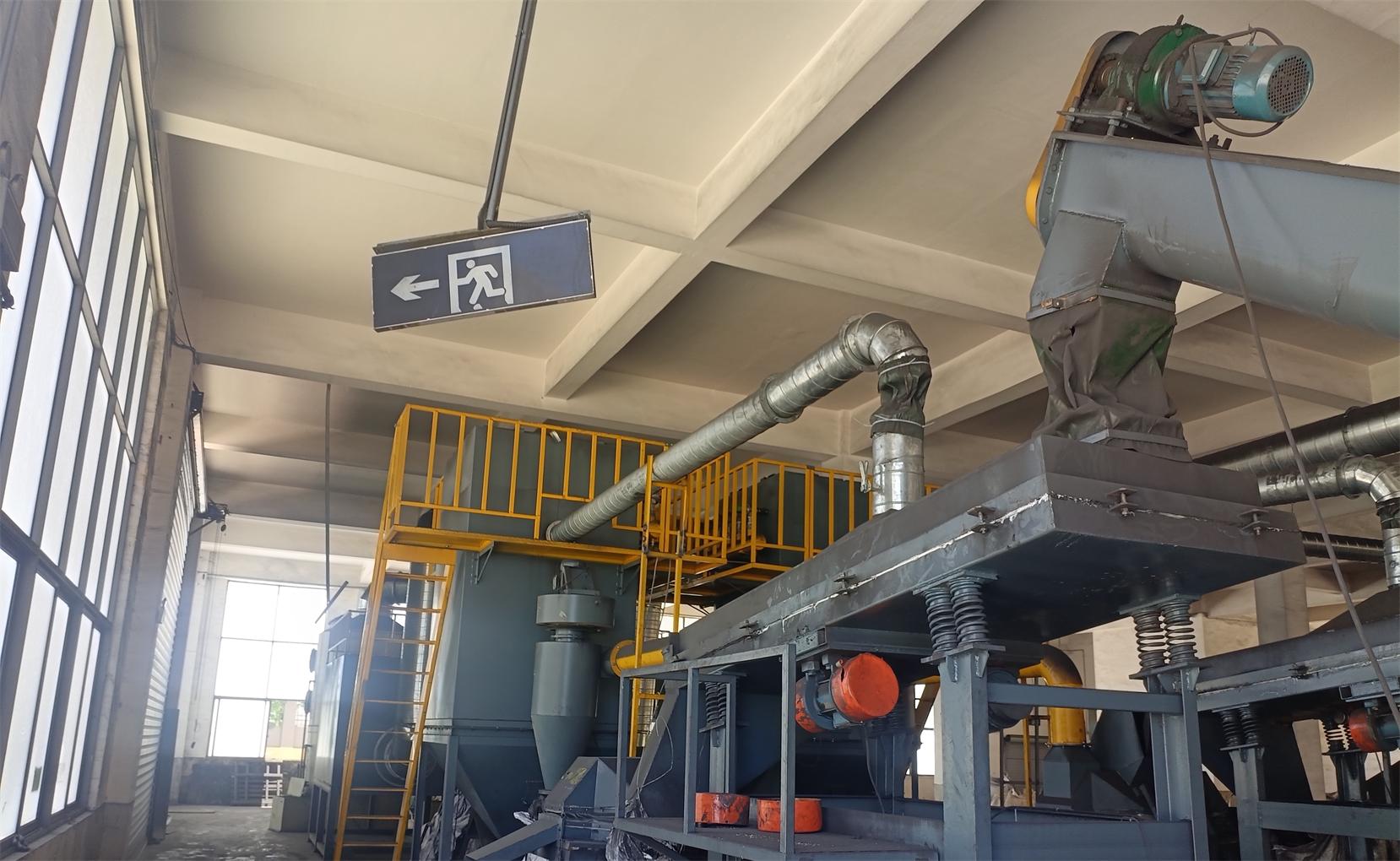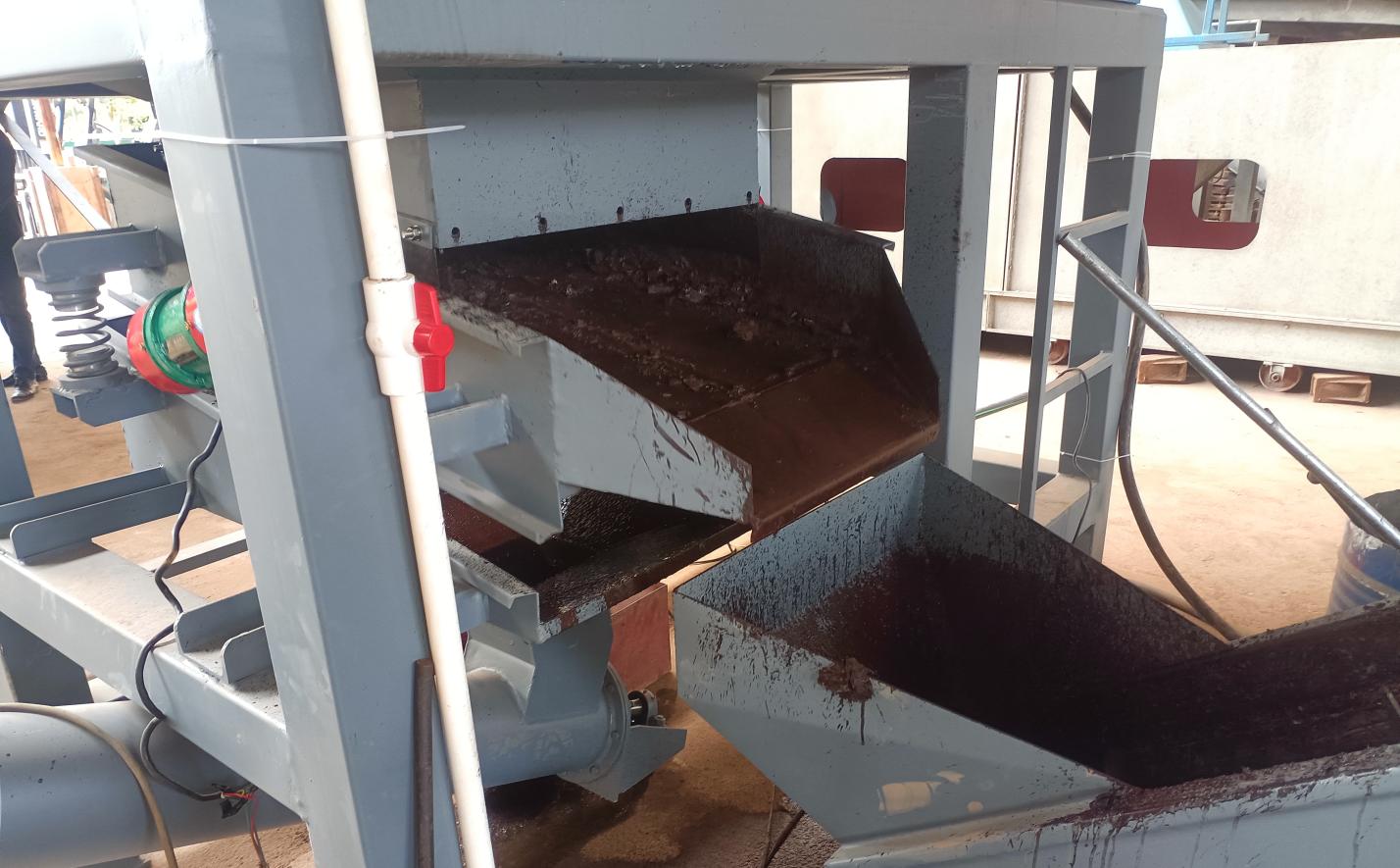
In 2023, two plant managers in Southeast Asia each decided to process used lead-acid batteries and scrap cable on-site. Both bought crushers. Both installed separation lines. Both expected copper, lead, and plastic to flow out the other end.
Twelve months later, one manager was still trucking mixed residue to a third-party smelter and paying gate fees. The other was selling 99.999% refined lead ingots, bagged copper granules, and sorted plastic directly to downstream buyers. The difference was not the waste stream. It was the equipment behind it.
This article explains what the second manager understood: in recycling, the machine is only part of the equation. Separation efficiency, process integration, and the partner who installs the line matter just as much as the purchase order.
The Real Cost Is Not the Invoice
First-time buyers often compare recycling equipment on throughput and price. A crusher rated at two tonnes per hour looks identical on paper whether it produces clean copper or a tangled mix of metal, plastic, and dust. The real cost reveals itself months later in lost recovery, downstream penalties, and reprocessing labor.
Consider lithium battery recycling. A single battery pack contains copper, aluminum, black mass (valuable nickel, cobalt, and graphite), and plastic separator film. If your line cannot separate aluminum from copper after the initial crush, you end up with contaminated metal that sells at a discount or requires re-melting. If black mass is not isolated cleanly, you lose the highest-value fraction entirely.
Multi-stage separation technology solves this. A well-designed line uses primary sorting after shredding, then grinds and screens intermediate fractions, then applies secondary sorting to capture remaining metal. Each stage recovers material that a single-pass machine would leave behind. Over a year, that delta is the difference between a marginal operation and a profitable one.
Separation Technology: Where Profit Lives or Dies
The reference article on lithium battery copper-aluminum separation systems highlights a critical insight: separation purity is not a single-step achievement. It requires a sequence of mechanical processes that progressively narrow the particle size and density window until each fraction is commercially salable.
A robust system typically runs like this:
- Primary crush and sort — Breaks the feedstock and removes large contaminants.
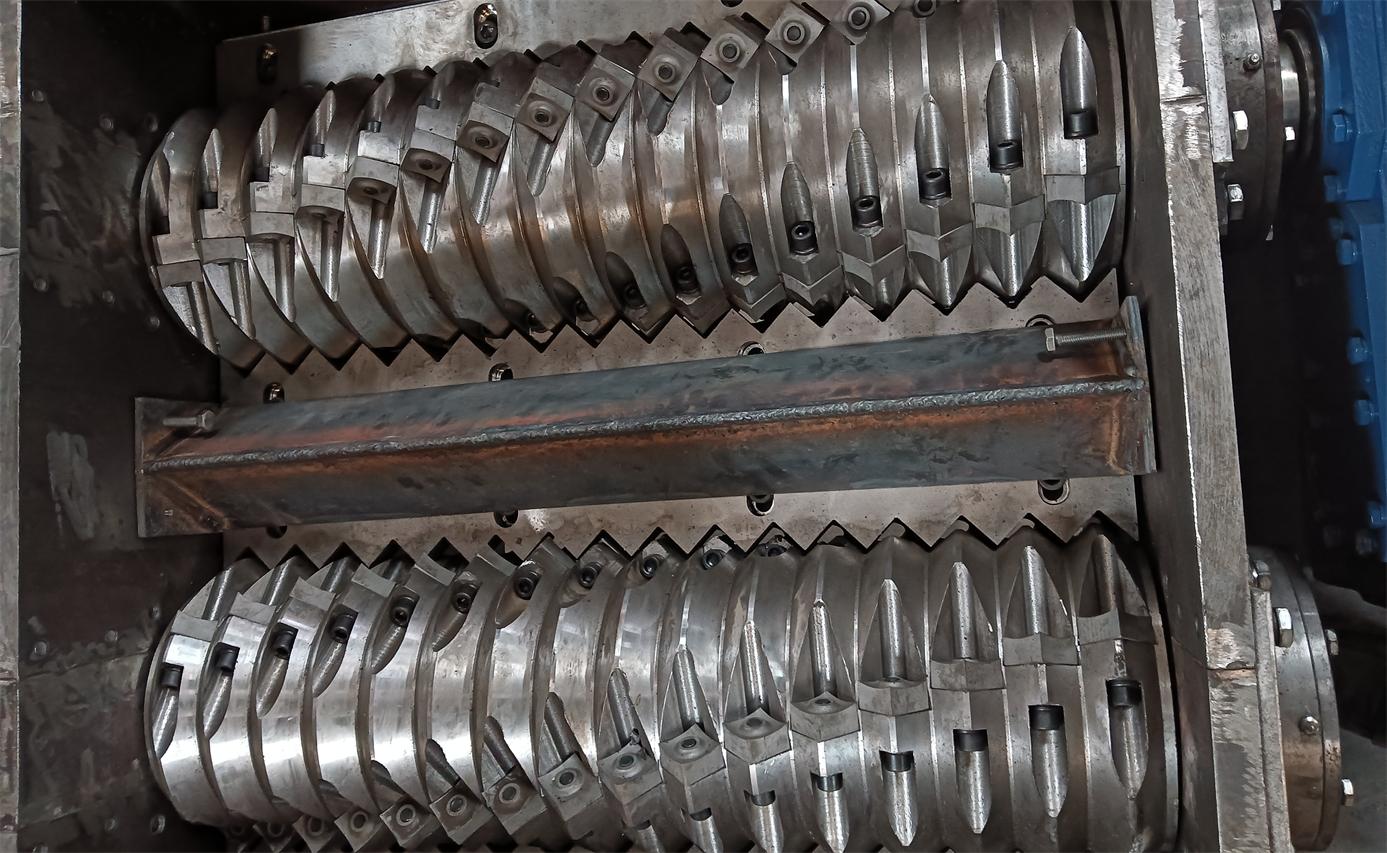
- Secondary grinding — Reduces particle size to liberate embedded metal.
- Screening and air classification — Separates by size and density.
- Magnetic and eddy-current separation — Pulls out ferrous and non-ferrous fractions.
- Final sorting — Isolates specific metals or residues for direct sale.
Each stage adds capital cost but reduces operating loss. A plant that stops at stage two recovers metal. A plant that runs through stage five recovers metal at market-grade purity. The buyer who understands this does not ask, "What is the cheapest line?" The buyer asks, "What is the cost of what this line leaves behind?"
Four Equipment Categories That Reward Precision
San Lan Technologies, established in 2007, manufactures equipment across the full e-waste and mining recovery spectrum. Below are four categories where separation precision directly affects revenue.
Lead Acid Battery Recycling
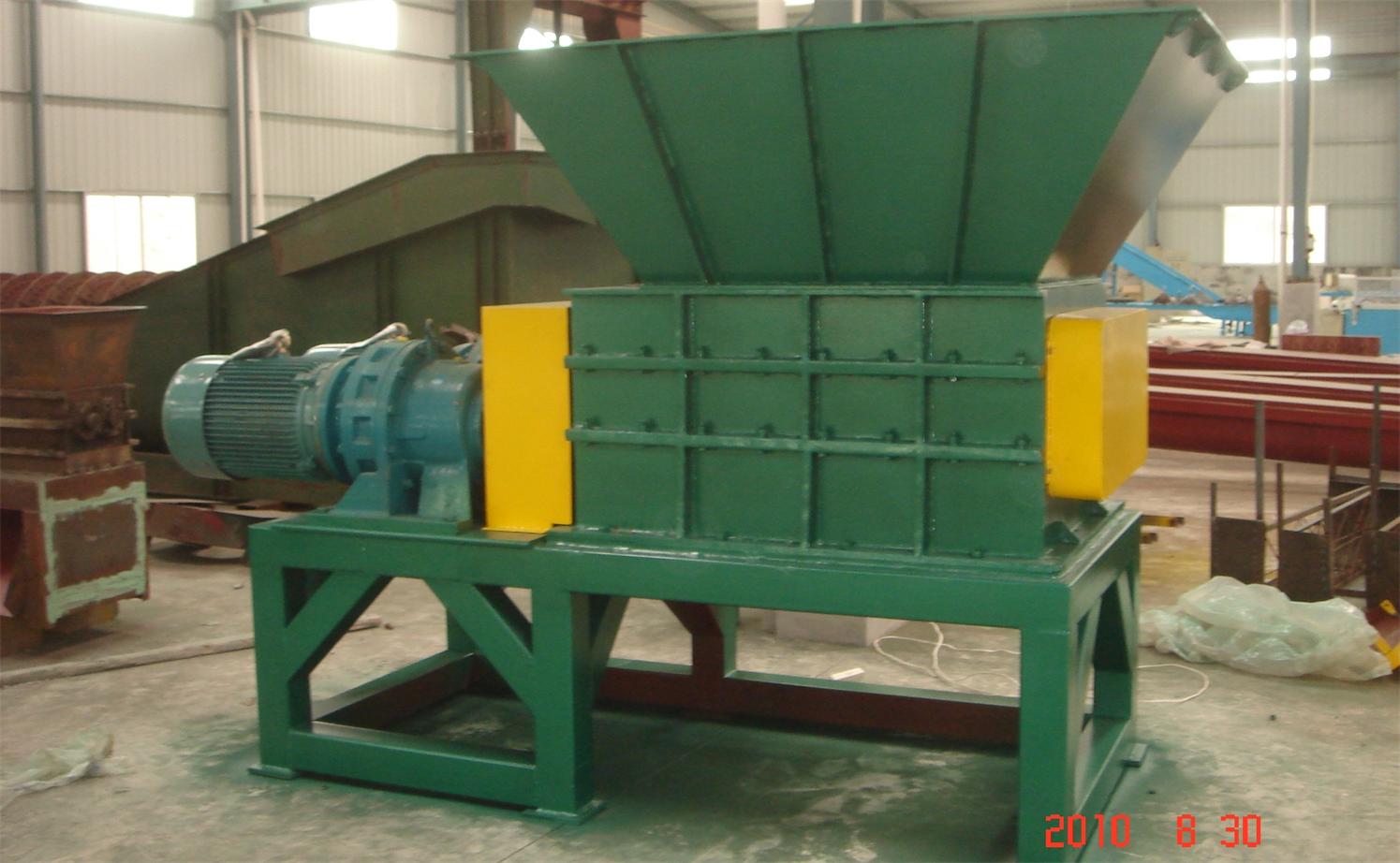
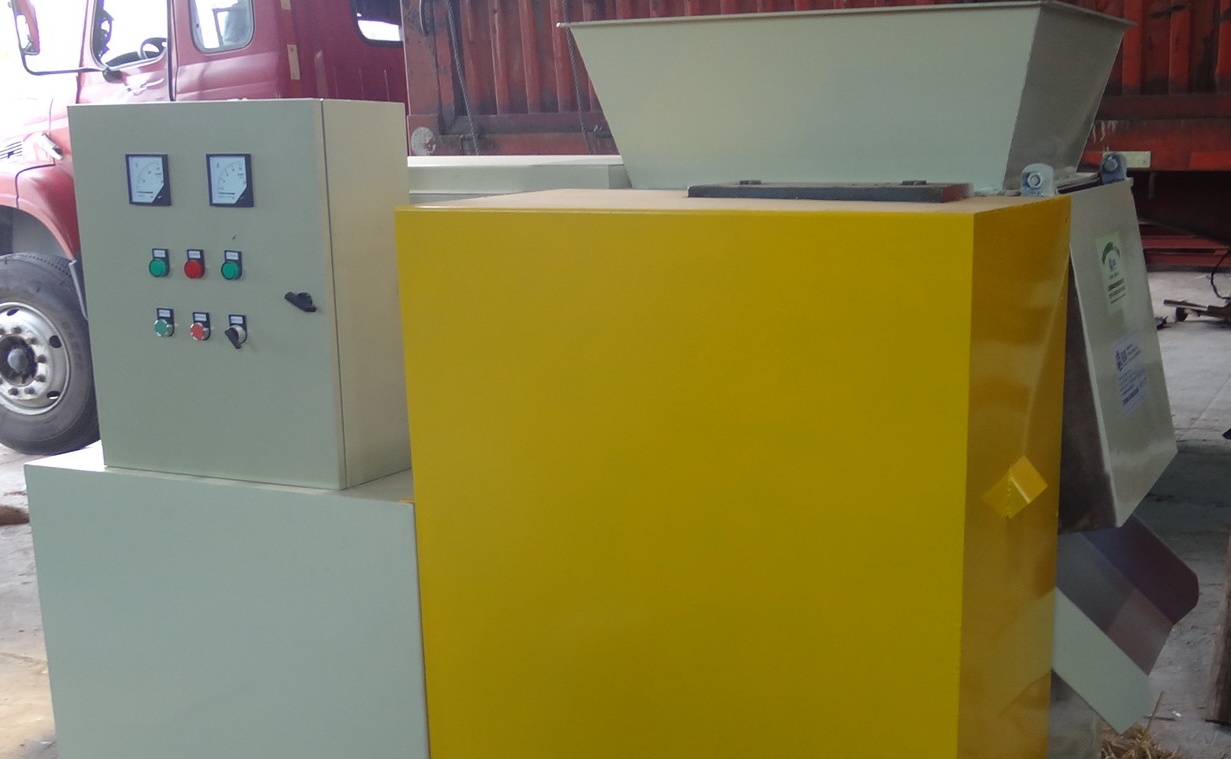
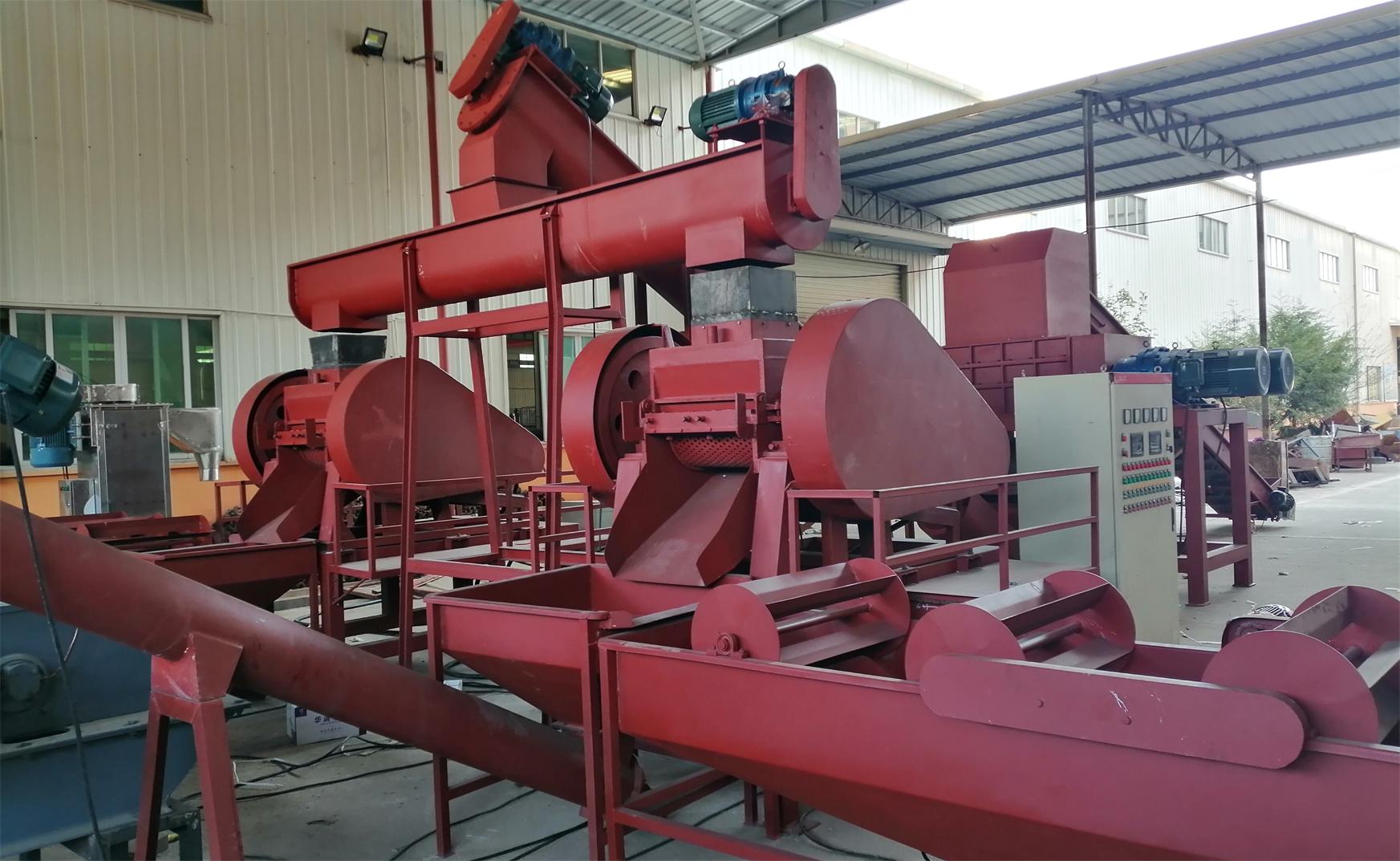
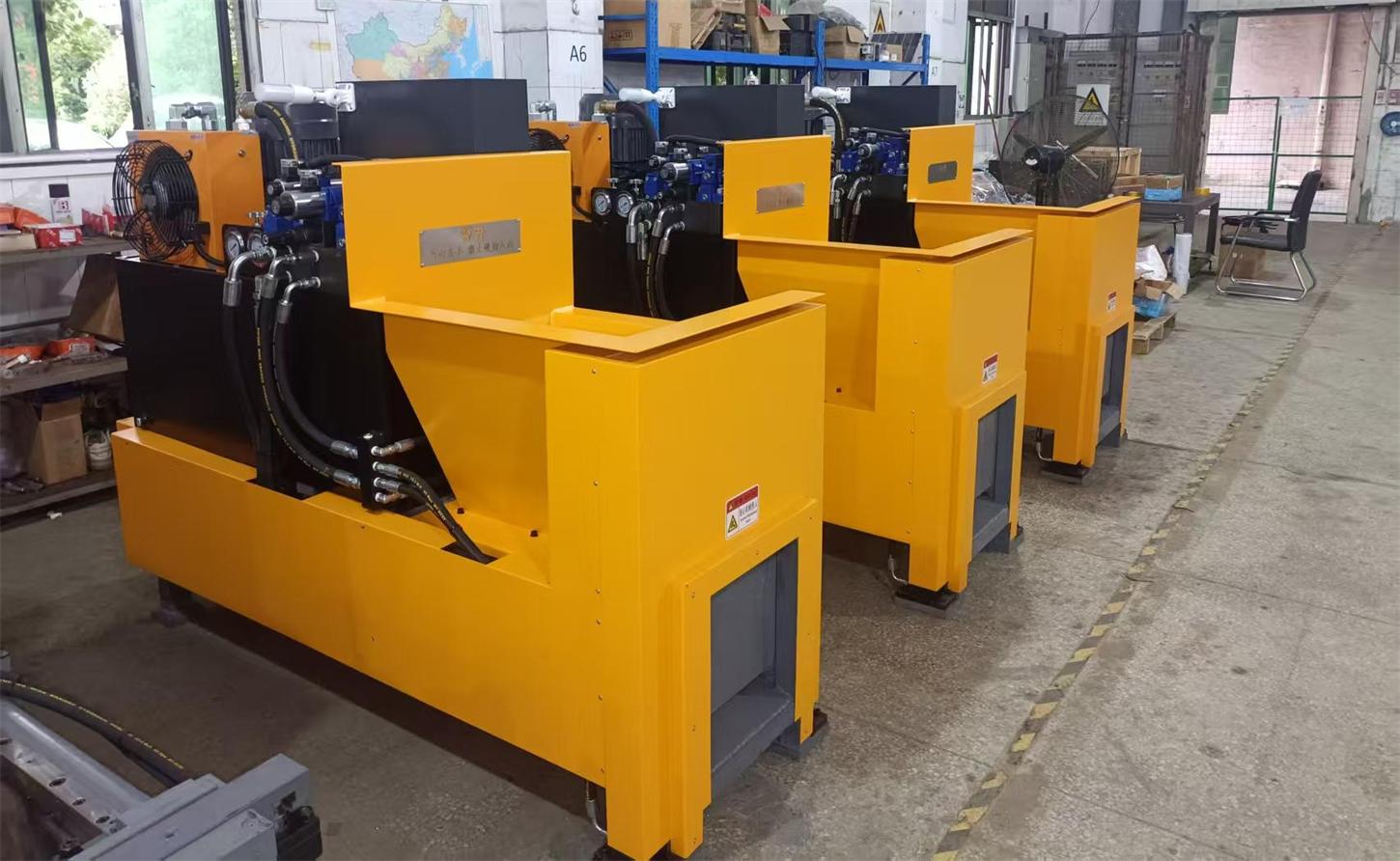
A complete lead acid battery recycling equipment line breaks and separates used batteries into four streams: acid, lead paste, lead grid, and plastic. Capacities range from 1 to 10 MT per hour. Downstream, rotary furnaces reduce lead paste to crude metallic lead, and refinery kettles refine it to 99.999% purity. The electric-heated refinery kettle uses near-infrared heating and cuts energy consumption by 30–50% compared with conventional fuel heating.
Cable Recycling
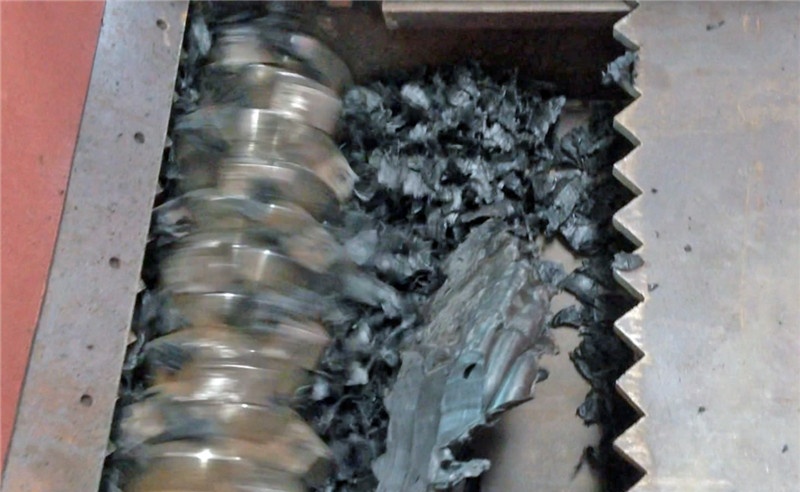
Scrap cable is superficially simple: copper or aluminum inside, plastic or rubber outside. In practice, cable diameter varies from 1.5 mm fine wire to 150 mm industrial cable, and insulation types range from PVC to jelly-filled sheaths. A cable recycling equipment line must handle this range without cross-contamination. Granulators with dry separators process whole cable into copper granules and plastic pellets. Pre-strippers handle large-diameter cable before granulation. The result is copper granule that meets smelter specifications without secondary processing.
Circuit Board Recycling
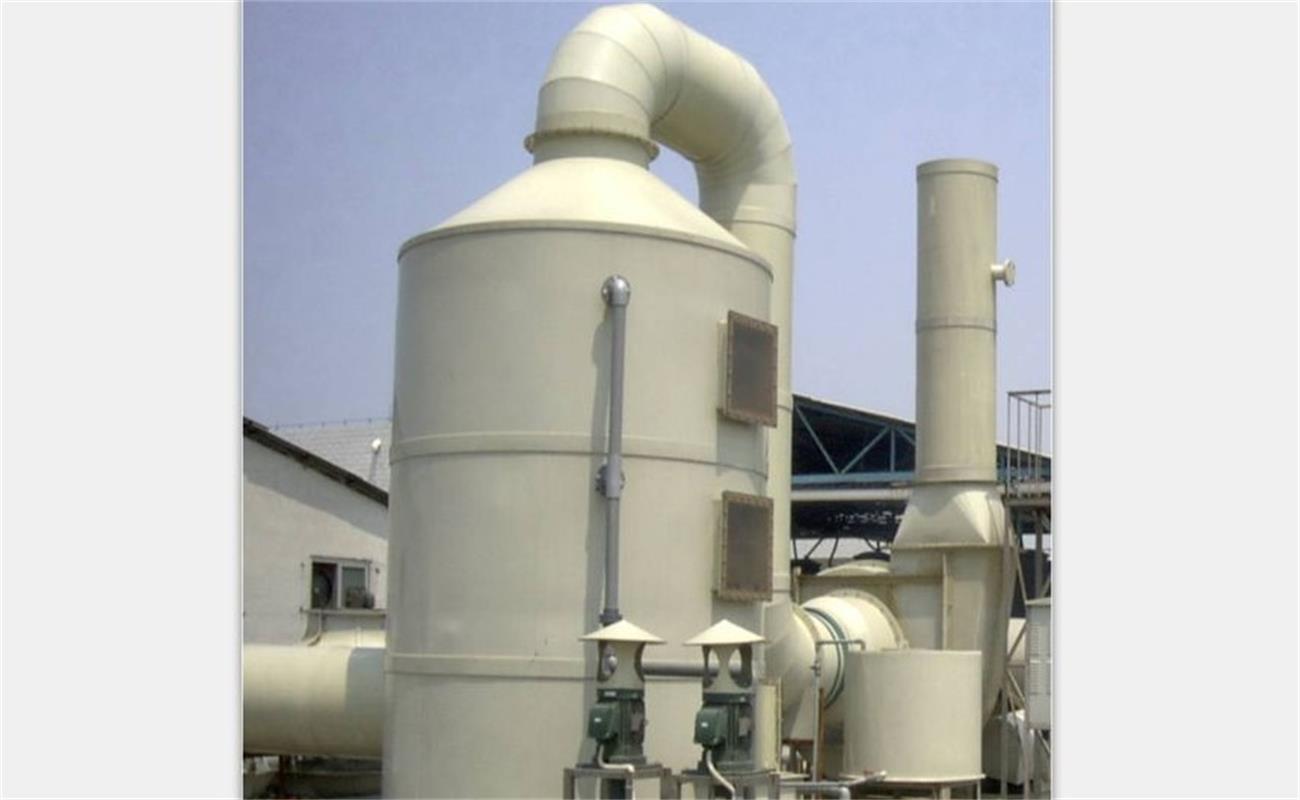
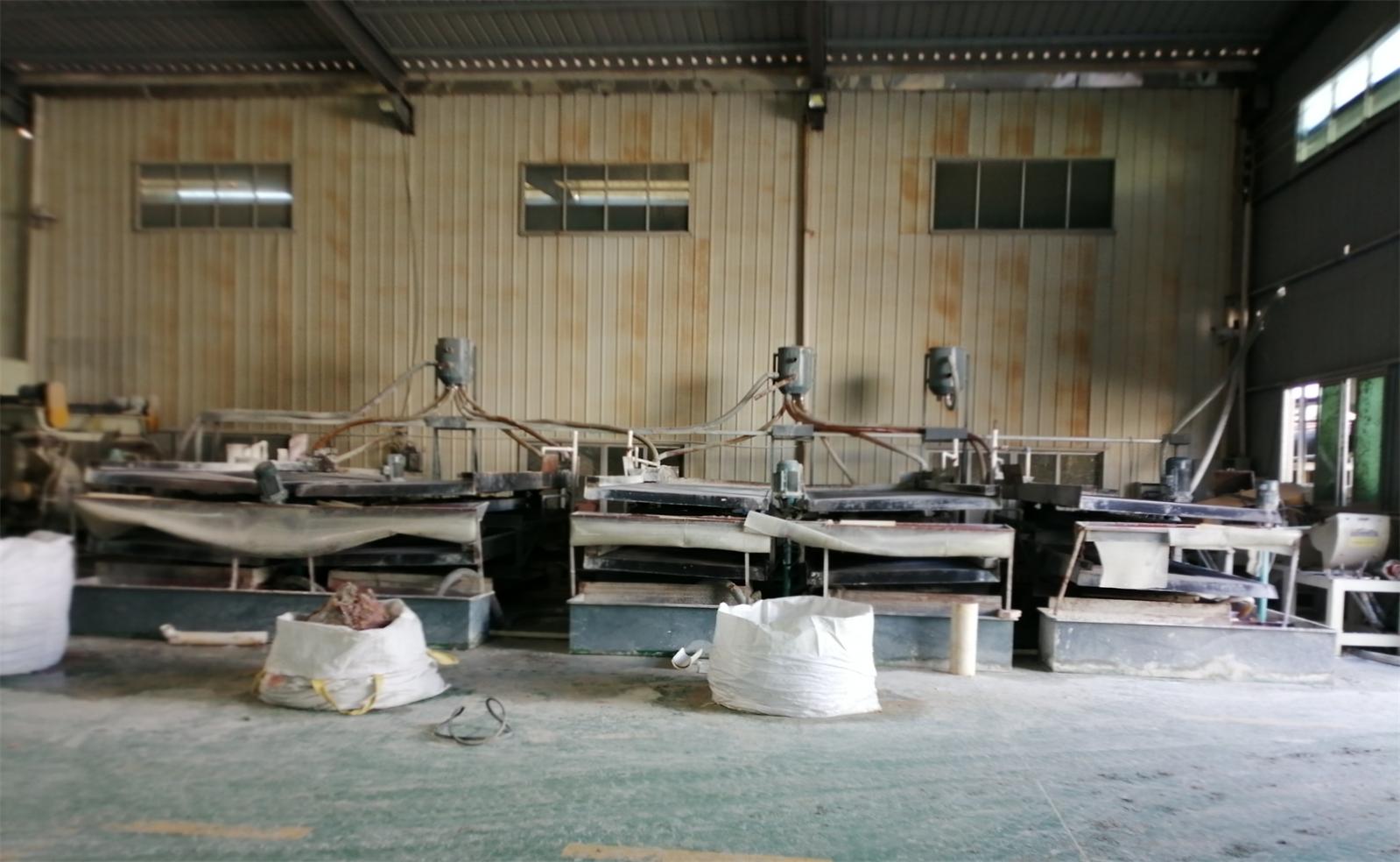
Printed circuit boards contain copper, precious metals, and non-metallic resin powder. Recovery rates and copper powder purity depend heavily on whether the separation is wet or dry. Dry air-separation plants achieve copper powder purity of 96–98% with capacities from 300 to 2,000 kg per hour. Wet separation plants handle higher throughputs up to 5,000 kg per hour and can process boards with components still attached. Choosing between circuit board recycling equipment configurations requires matching the feedstock mix to the separation method.
Lithium Battery Recycling
Spent lithium-ion batteries are the fastest-growing e-waste stream. A complete line discharges, pre-crushes, and granulates cells, then separates black mass (containing nickel, cobalt, and graphite), plastic film, copper, and aluminum. Capacities range from 500 to 2,500 kg per hour. Air pollution control systems neutralize harmful gases before emission. Plastic film is pneumatically conveyed and briquetted for easy transport. The critical metric is not just throughput; it is the yield of each fraction at salable purity.
The Partner Behind the Plant
Equipment specifications are easy to publish. Consistent quality across installation, commissioning, and early production is harder. San Lan Technologies operates from Ganzhou, Jiangxi Province, China, and has shipped to more than 21 countries including Singapore, Colombia, Vietnam, Mexico, Argentina, Korea, Malaysia, Indonesia, South Africa, Tunisia, India, Kenya, Saudi Arabia, Philippines, Zambia, and Israel.
The engineering team holds master's degrees in mechanical engineering and brings over 15 years of hands-on experience in e-waste recycling machine design. Beyond manufacturing, San Lan offers:
- EPC (Engineering, Procurement, Construction) project delivery
- Customized plant design for specific feedstock and local regulations
- One-stop purchasing centers for auxiliary equipment
- Installation and commissioning support
- Assistance sourcing waste material (cable scrap, PCB scrap, used lead-acid batteries)
- Help selling recovered products (copper rice, lead ingots, etc.)
A plant is not a catalog purchase. It is a system that must start up, run reliably, and adapt to variable feedstock. The partner who answers in process detail, not adjectives, is the one who protects your margin.
Five Questions Before You Sign the Purchase Order
Use this list to separate a vendor from a partner:
The short version: A supplier who answers in numbers, process flow diagrams, and commissioning schedules is a supplier who understands your business. A supplier who answers in superlatives is selling hope.
Ready to turn scrap into revenue? San Lan Technologies designs and builds lead acid battery recycling equipment, cable recycling equipment, and circuit board recycling equipment for operators in more than 21 countries. Browse the full product range at www.san-lan.com, or contact the team directly at info@san-lan.com / WhatsApp +86 139 2377 4083 to discuss your specific feedstock and recovery targets.