In 2021, two mining projects in South America acquired concessions with nearly identical lithium crude ore grades. Both committed to processing plants with similar upfront capital. By 2024, one facility was shipping battery-grade concentrate to cathode manufacturers. The other was still trying to understand why its tailings pond held more recoverable lithium than its product stockpile. The geology was not the difference. The extraction equipment was.
The Lithium Rush Hides a Technical Problem
Global demand for lithium is accelerating as electric vehicle production scales and energy storage projects multiply. Every battery gigafactory needs a reliable feedstock of lithium carbonate or hydroxide, and both paths begin with hard-rock spodumene or brine. For hard-rock operations, the challenge is not finding ore. It is converting that ore into concentrate at grades and recovery rates that make the project economically viable.
Crude ore typically enters a plant at grades between 0.25% and 0.3% lithium oxide. The goal is to produce concentrate at 4% to 5% grade while pushing tailings down to 0.15% or lower. The margin between success and failure is measured in recovery percentage points, and those points are won or lost inside the grinding, classification, and flotation circuit. Choosing the right lithium ore extraction equipment is not a procurement decision. It is a financial structuring decision.
From Crude Ore to Concentrate: What the Process Actually Demands
Lithium extraction from hard rock follows a well-established sequence, but the efficiency of each stage determines whether the operation profits or bleeds cash. The standard flow includes crushing, grinding, classification, flotation, dewatering, and tailings management. Each stage has specific equipment requirements, and mismatched capacities or incompatible technologies between stages create bottlenecks that are expensive to fix after commissioning.
Crushing and Pre-Concentration
Run-of-mine ore must be reduced to a size suitable for grinding mills. Jaw crushers, cone crushers, and vibrating screens handle this duty. The goal is consistent feed size because uneven feed damages grinding media and reduces downstream separation efficiency. Pre-concentration through dense media separation or optical sorting can reject waste rock early, reducing the volume entering the energy-intensive grinding circuit.
Grinding and Classification
This is where most projects succeed or fail. Lithium minerals must be liberated from gangue without over-grinding, which creates slimes that interfere with flotation. Ball mills, tower mills, and vertical stirred mills are common choices. The selection of grinding media directly affects energy consumption and particle size distribution. Nano ceramic grinding media, for instance, offers high density and wear resistance that translates to lower media consumption and more consistent product size.
Flotation and Dewatering
Froth flotation separates spodumene from feldspar, quartz, and mica using specific collectors and modifiers. The chemistry is sensitive to particle size, pH, and pulp density. After flotation, concentrate thickening and filtration reduce moisture content to meet shipping specifications. Tailings must be dewatered and managed to comply with environmental permits and to recover process water for reuse.
The Tailings Opportunity Most Operators Miss
A typical primary extraction plant leaves 0.25% to 0.3% lithium grade in its tailings. In a thousand-ton-per-day operation, that represents a significant inventory of unrecovered metal. A secondary tailing ore extraction equipment circuit can pull that grade down to 0.15% while adding recoverable concentrate to the product stream. The economics are compelling: the feedstock is already mined and crushed, the infrastructure is already in place, and the incremental capital is a fraction of the original plant cost.
The barrier is not economics. It is equipment integration. Adding a tailings recovery line to an existing plant requires matching the new circuit's throughput to the primary plant's discharge rate, managing the combined water balance, and ensuring that the regrinding and re-flotation stages do not destabilize the overall flow sheet. This is why experienced operators prefer recycling equipment supplier partners who understand both primary extraction and tailings recovery as a unified system rather than separate purchases.
What San Lan Technologies Brings to Hard-Rock Lithium Operations
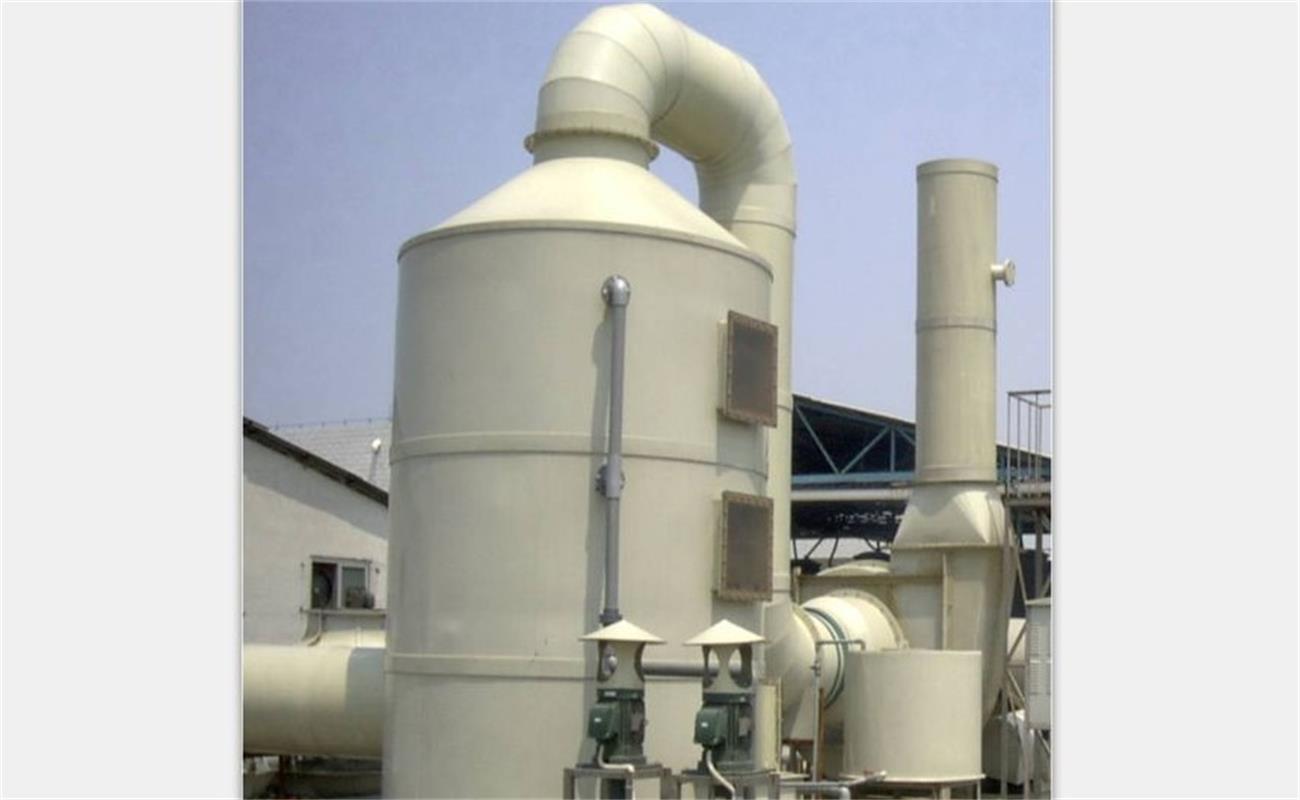
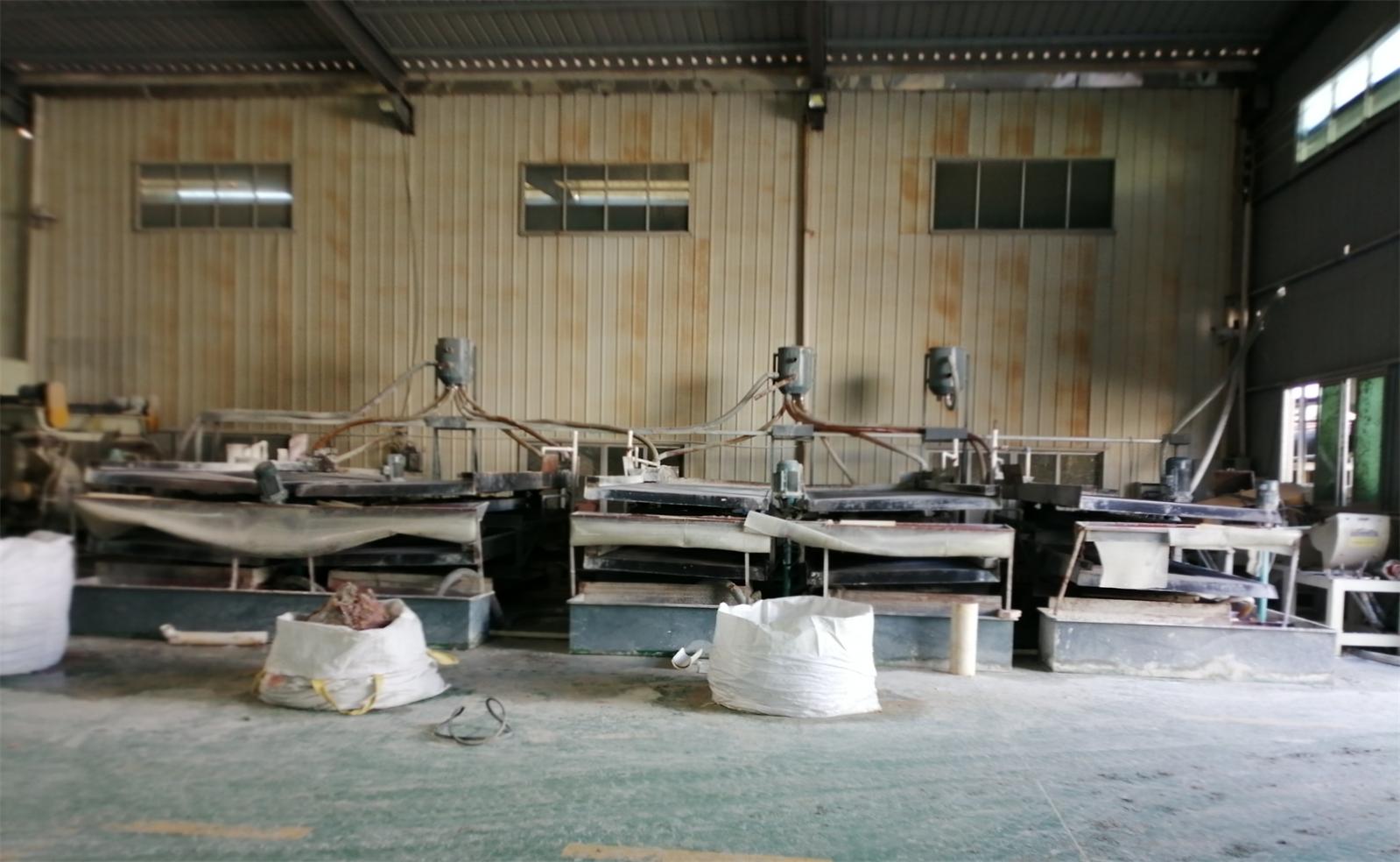
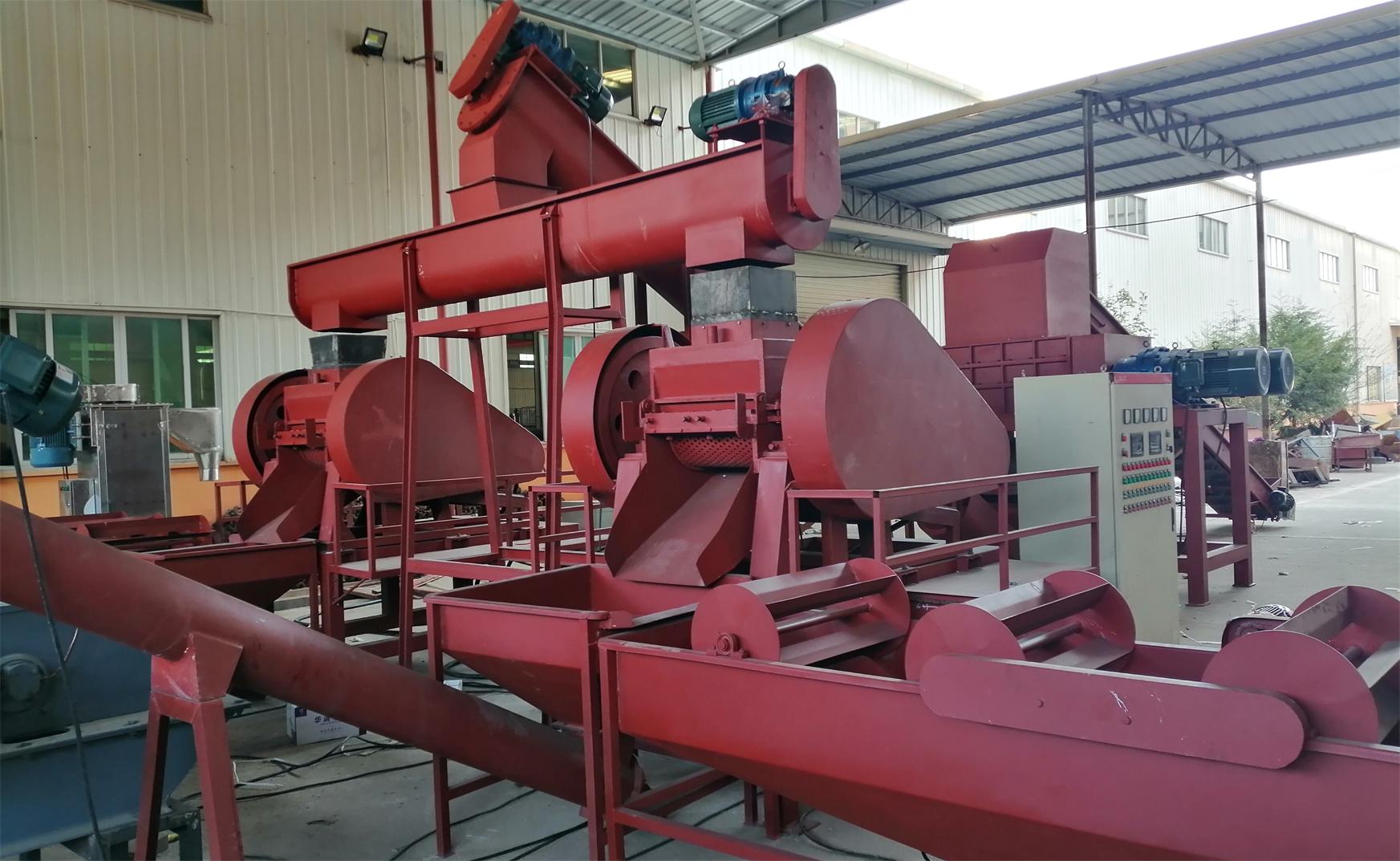
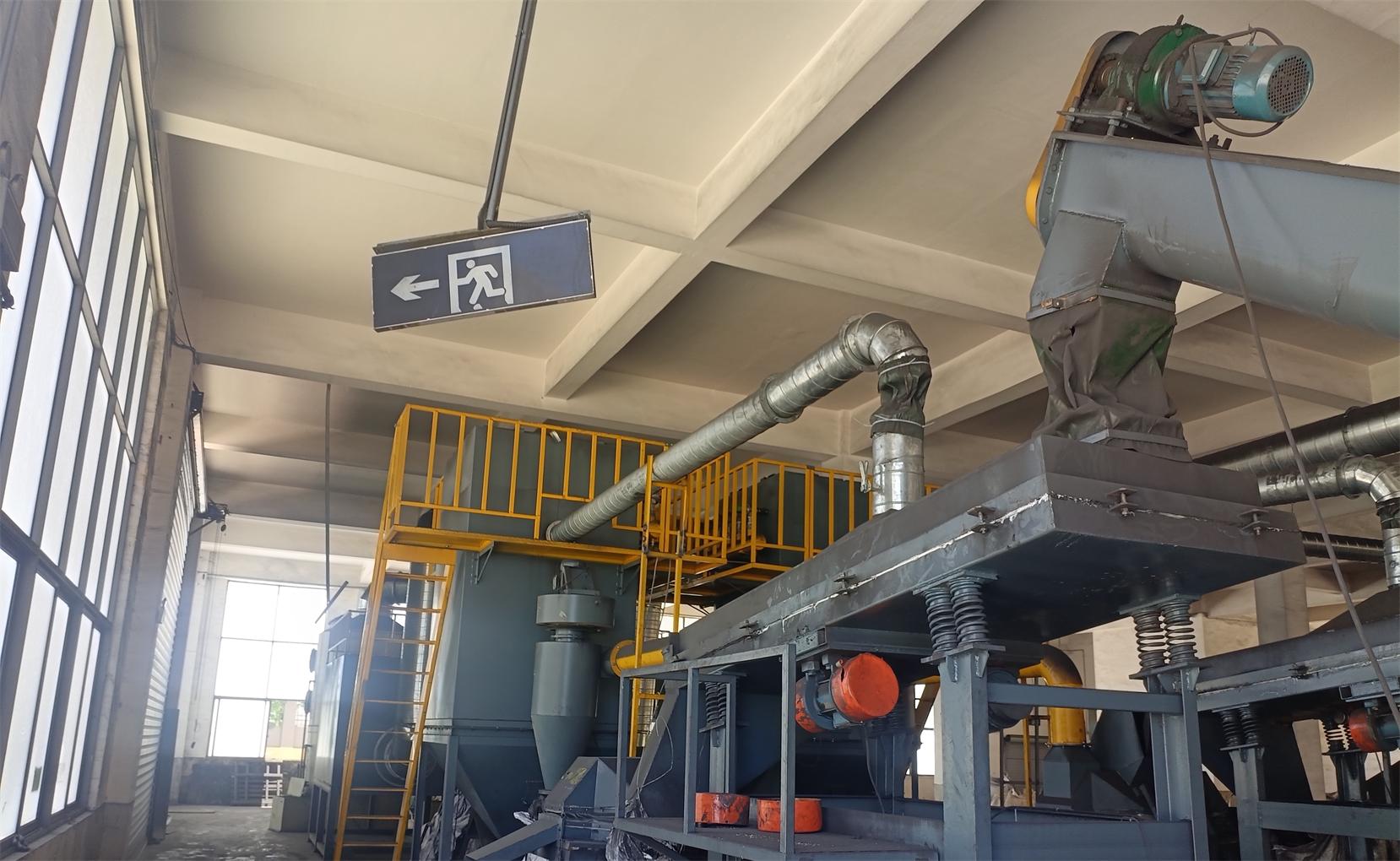
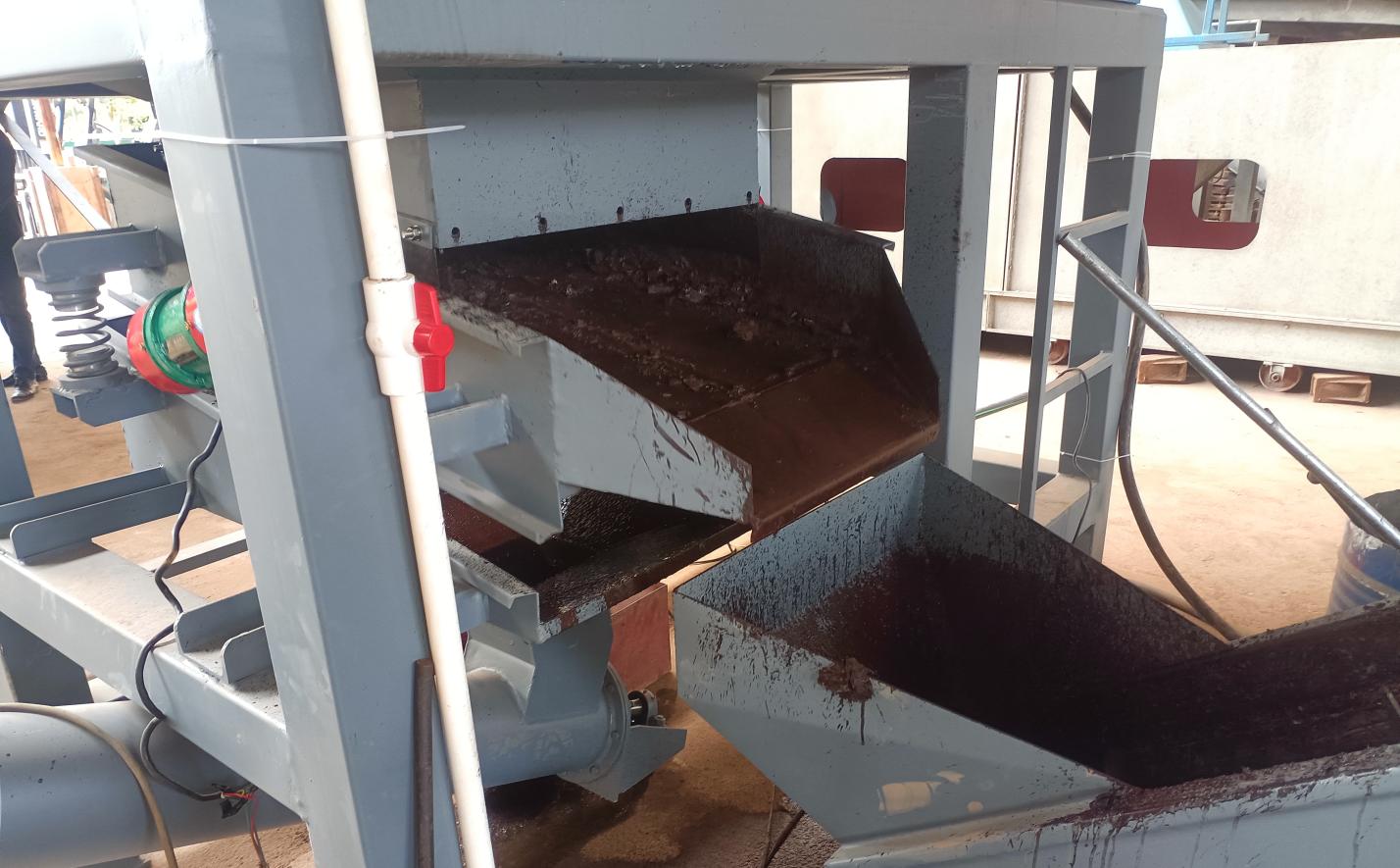
San Lan Technologies Co., Ltd, established in 2007 in Ganzhou, Jiangxi Province, China, manufactures a comprehensive range of mineral processing and crude ore extraction equipment designed for lithium projects from pilot scale through commercial production. The company's lithium ore processing portfolio includes primary crude ore plants with capacities from 500 to 5,000 metric tons per day, and tailings recovery plants ranging from 500 to 2,000 metric tons per day.
Project Reference Parameters: A typical 1,000 MT/day crude ore processing plant converts lithium crude ore to concentrate with grade 4% to 5%, while reducing tailings grade from 0.25% to 0.3% down to 0.15%. The integrated tailings recovery plant processes 800 MT/day and achieves a total recovery rate of 75%, compared with an industry average of approximately 65%.
The technical team includes professionals with master's degrees in mechanical engineering and over fifteen years of field experience in mineral processing and recycling equipment supplier projects across more than twenty-one countries. San Lan offers full EPC delivery: customized plant design, equipment integration, installation supervision, and commissioning support until the line reaches nameplate capacity. The company also provides value-added services including assistance with raw material procurement and support in marketing recovered products.
Nano Ceramic Grinding Media
Beyond complete processing plants, San Lan manufactures nano ceramic grinding media for ball mills, tower mills, and vertical stirred mills. These media are applicable to fine grinding circuits in lithium ore processing. The product range includes composite ceramic balls designed for different mill types, offering high density and wear resistance that contribute to consistent particle size distribution and lower media consumption over the life of the campaign.
From Mine to Battery: Closing the Loop
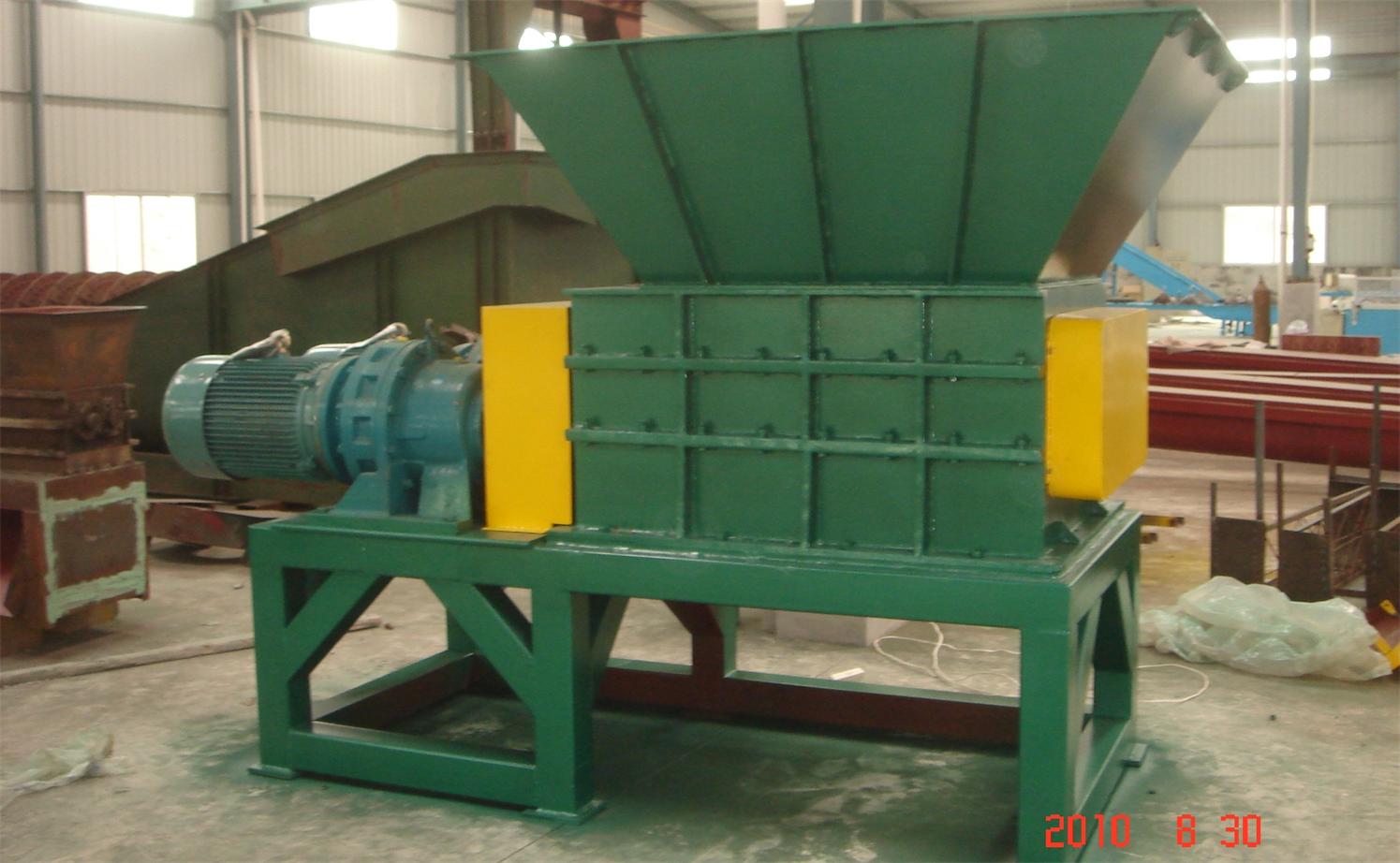
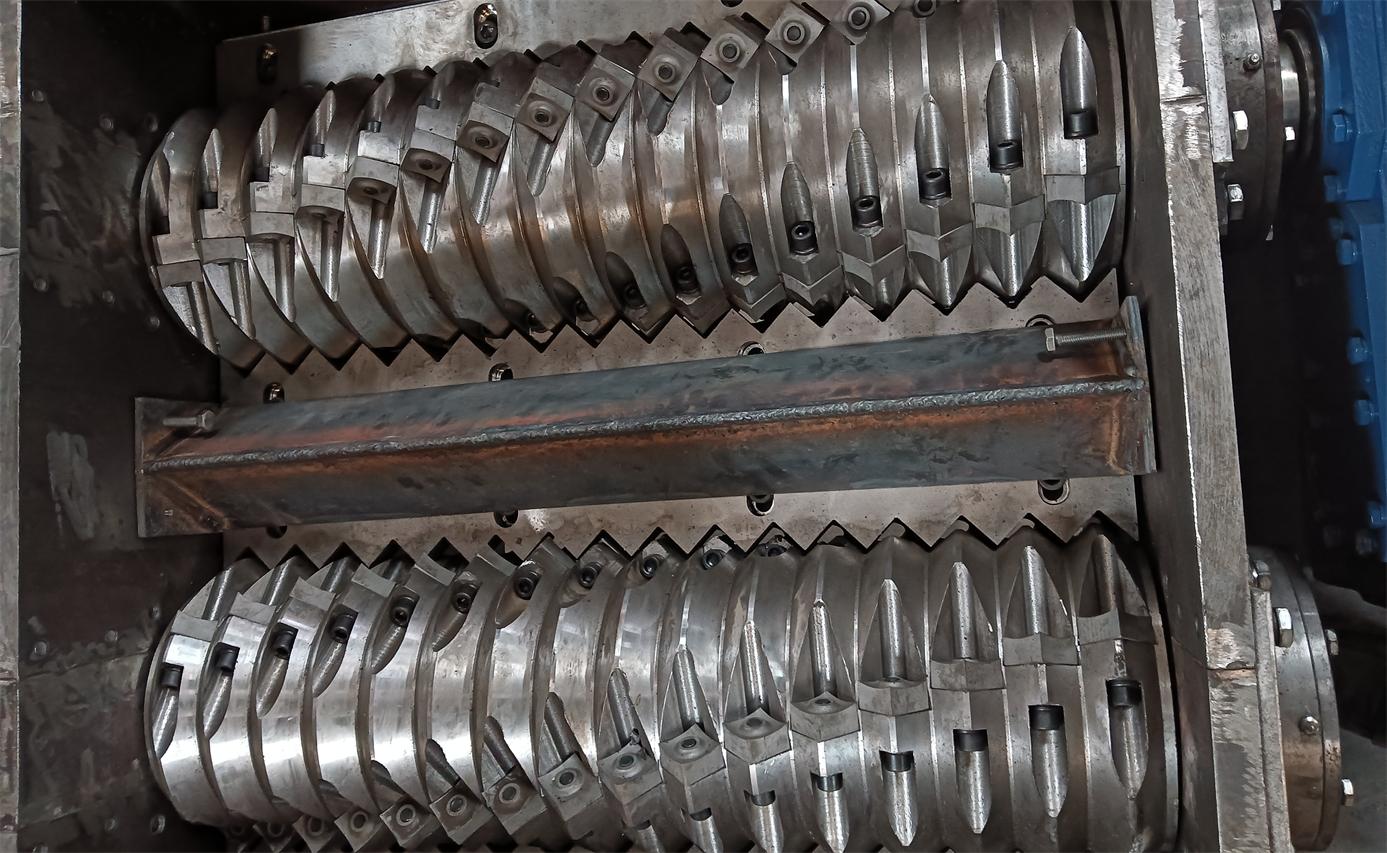
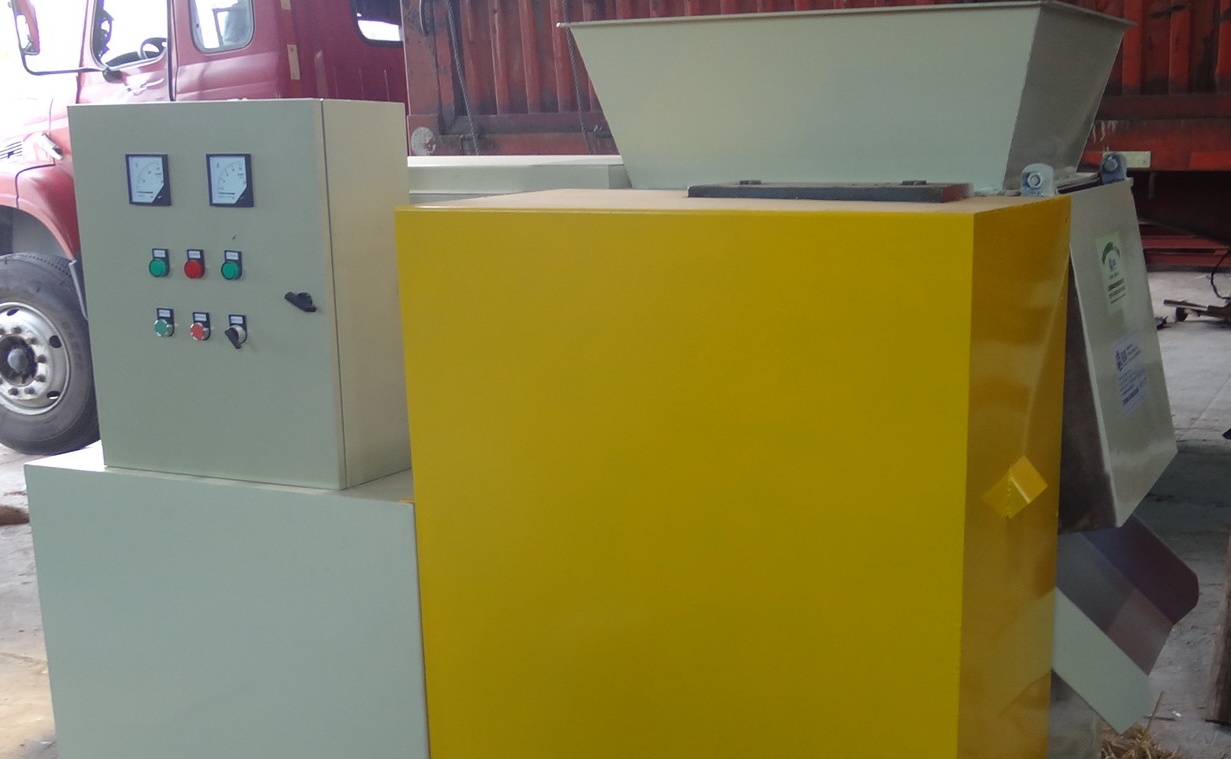
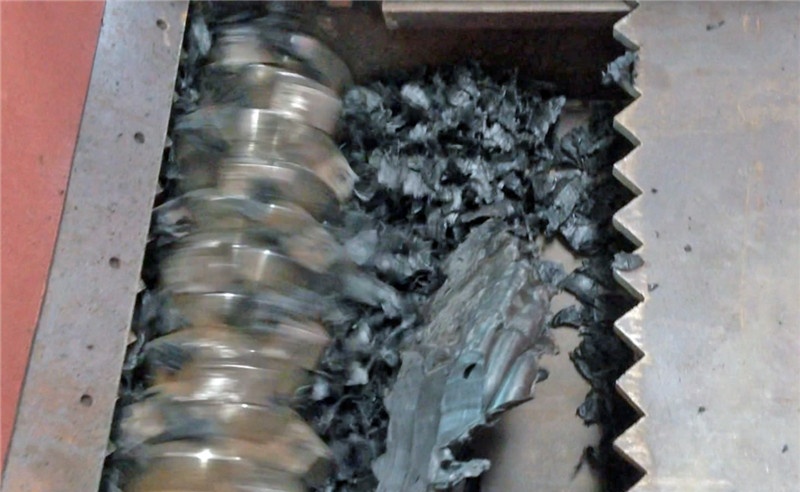
The lithium supply chain does not end at the mine gate. When batteries reach end of life, the lithium they contain can be recovered and returned to the production cycle. San Lan's product range extends from ore extraction through to battery recycling, including li battery recycling equipment that breaks and separates waste lithium-ion batteries to recover black mass, copper, aluminum, and plastic. For operators and investors who see the full lithium lifecycle, this integrated capability means working with a single equipment partner across both the upstream mining and downstream recycling segments of the business.
A Practical Checklist Before You Commission
Lithium projects live or die on recovery rate and concentrate grade. San Lan Technologies offers the engineering depth, processing equipment, and global commissioning experience to turn your lithium ore from a geological resource into a commercial product. Contact the team to discuss your ore characteristics, capacity targets, and environmental requirements, and receive a customized proposal that matches your specific deposit and market timeline.