Two buyers receive the same equipment catalog on the same Monday morning. Both are looking for a recycling equipment supplier to build a new processing line. One flips to the price list first. The other turns to the back page and starts counting how many engineers the company employs. Six months later, one plant is running at design capacity. The other is still waiting for a technician who understands why the separator is vibrating.
Recycling machinery is not a consumer product. It is a capital-intensive, long-duration commitment. The difference between a reliable partner and a costly mistake usually shows up not in the brochure, but in the questions the buyer forgot to ask.
Question 1: Does the Supplier Understand the Full Process Chain?
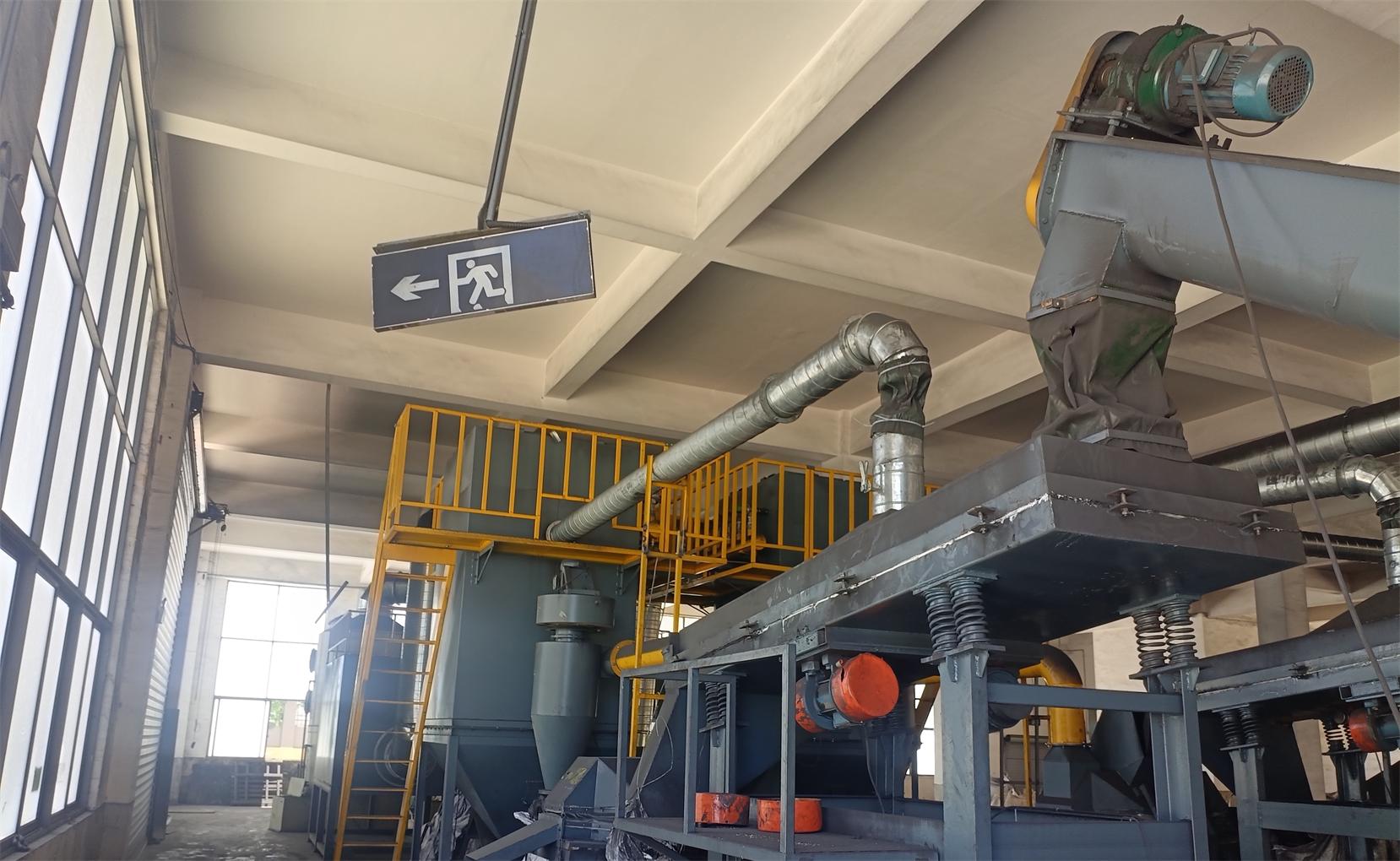
A shredder is not just a shredder. A furnace is not just a furnace. In e-waste and battery recycling, every machine is a node in a chain. If the pre-chopper feeds material faster than the separator can classify, you get bottlenecks. If the air pollution control system was sized for a different gas composition, you get regulatory headaches. A supplier who sells machines without understanding upstream and downstream constraints is essentially selling you a puzzle with missing pieces.
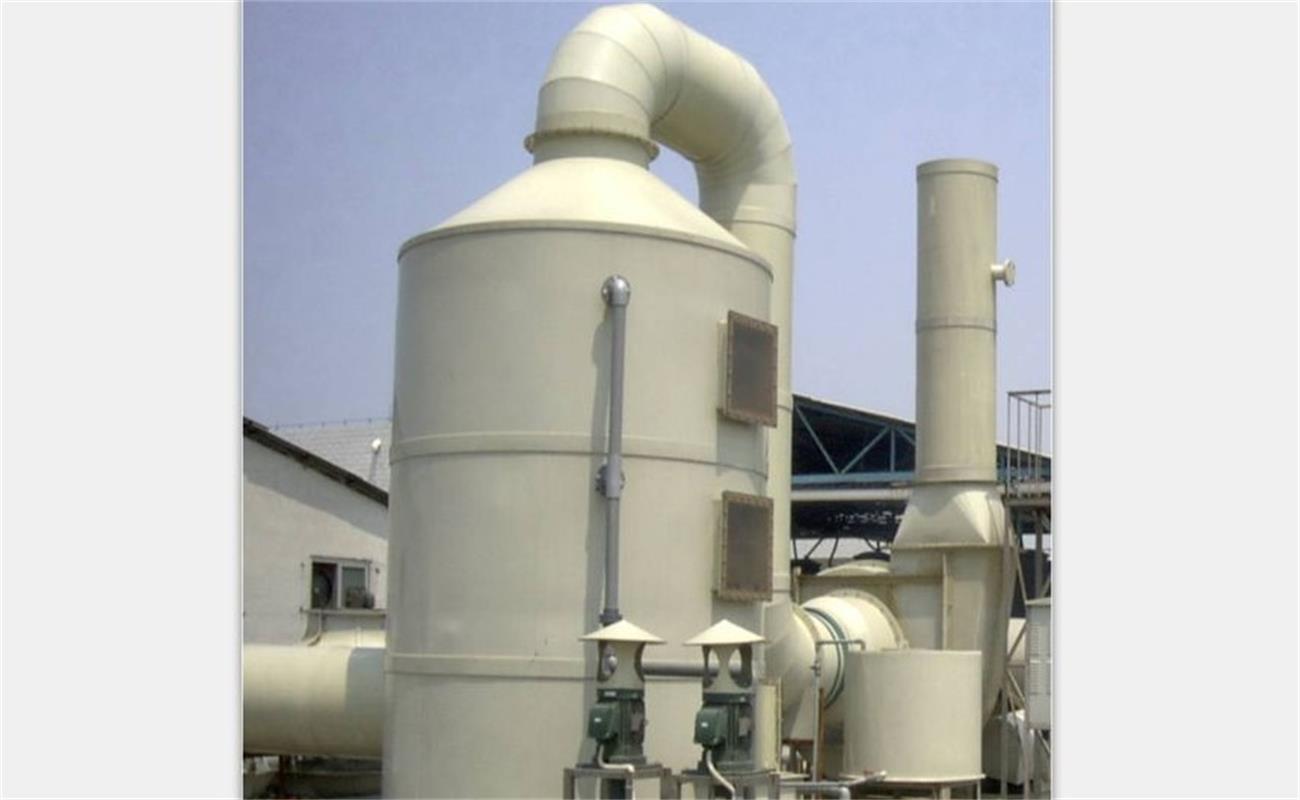
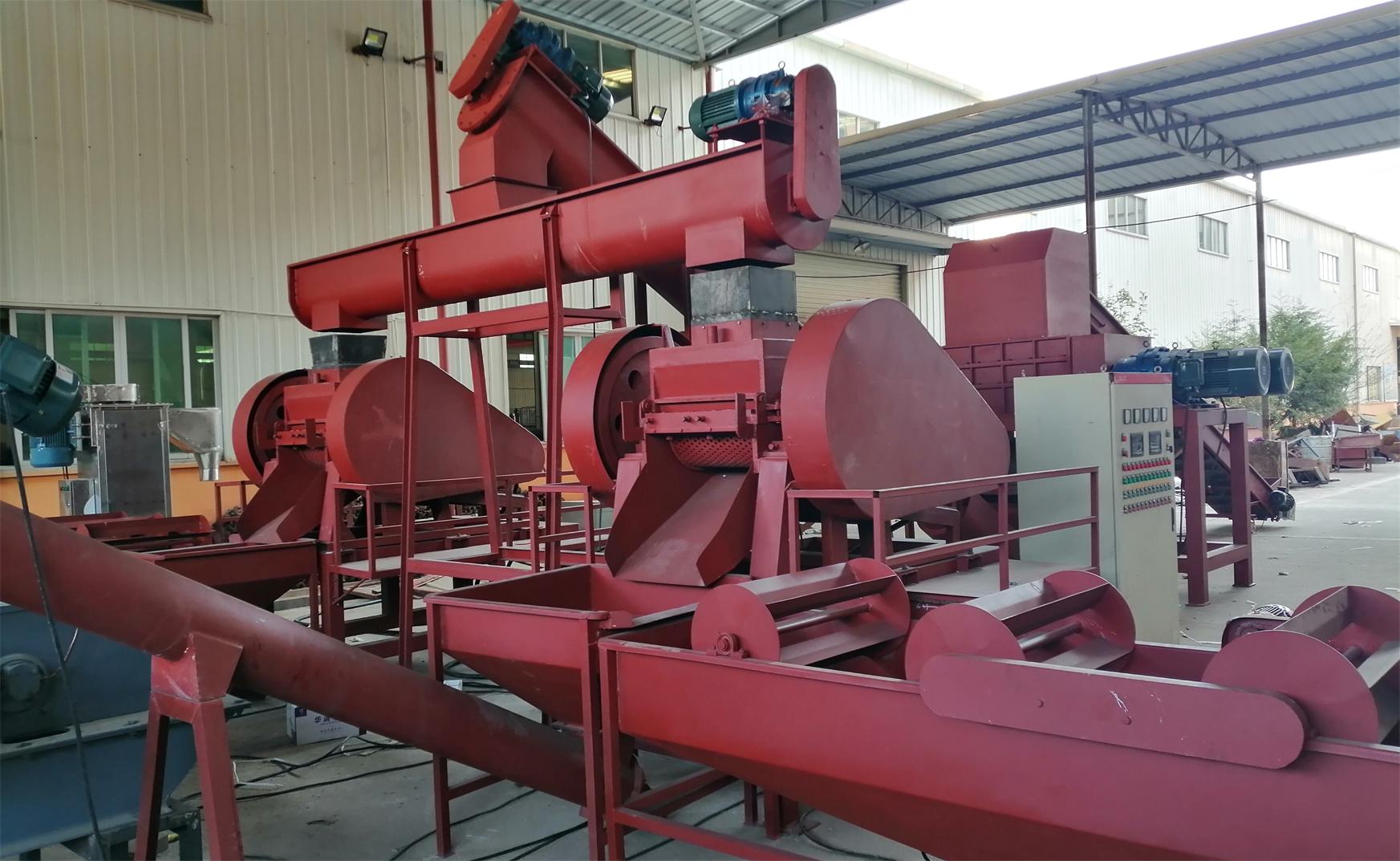
Look for a recycling equipment supplier whose technical team includes mechanical engineers with deep process knowledge, not just sales staff who memorized spec sheets. The complexity of a lead acid battery recycling equipment line, for example, spans breaking, separation, desulfurization, smelting, refining, effluent treatment, and emission control. Each stage affects the others. Someone needs to have designed the full chain before.
Question 2: Can They Deliver Integrated EPC Solutions?
EPC stands for Engineering, Procurement, and Construction. In plain language, it means the supplier designs the layout, sources the equipment, and oversees installation and commissioning. This matters because splitting responsibility between three separate vendors creates gaps. When the crusher output does not match the conveyor inlet, each vendor blames the other. An integrated EPC contractor owns the entire interface.
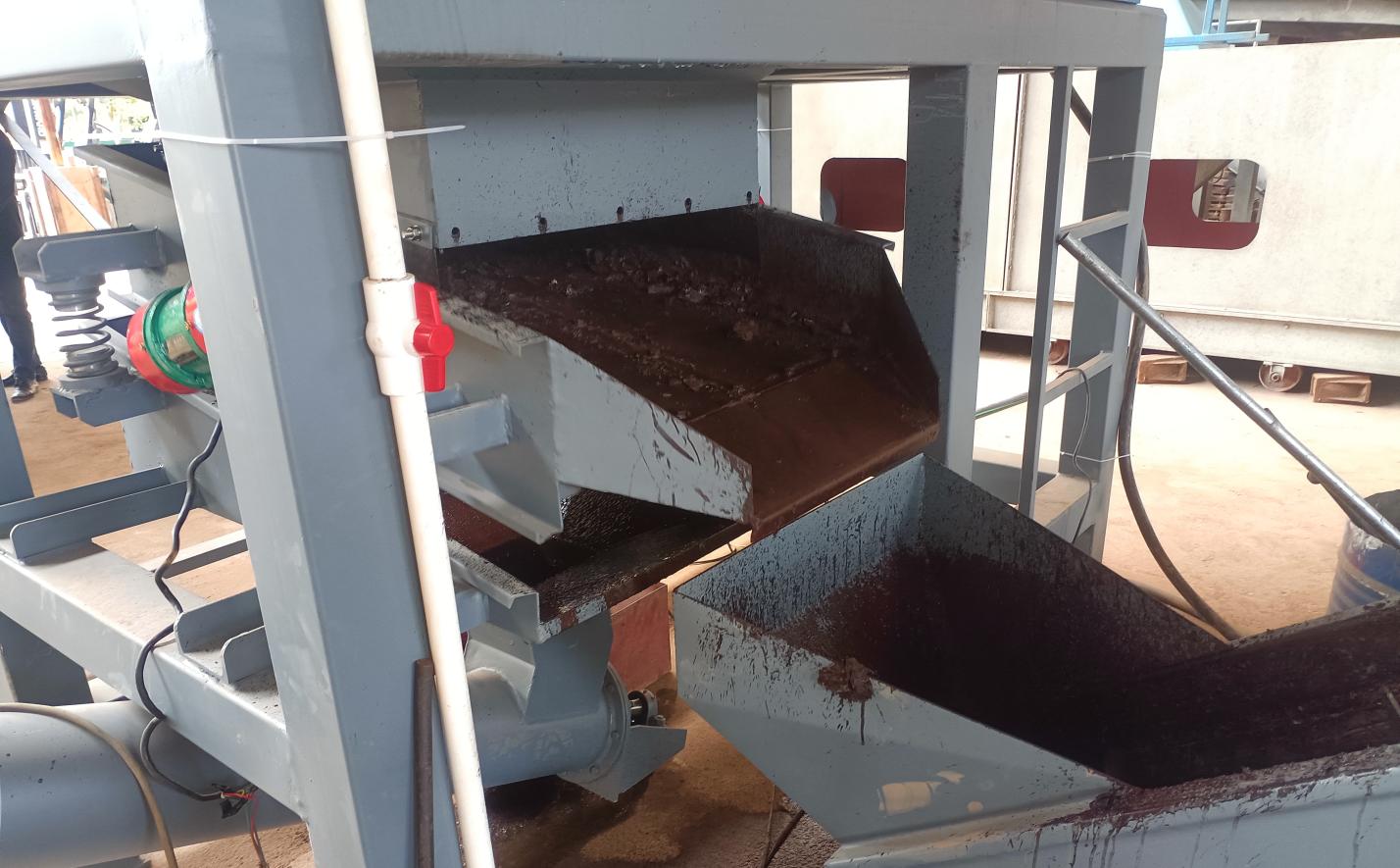
Customized design is equally important. A facility processing 500 kg per hour of lithium batteries faces different fire-safety, gas-handling, and material-flow challenges than one processing 2,500 kg per hour. A lithium battery recycling plant must handle discharging, pre-crushing, secondary granulation, black powder separation, and magnetic separation of iron and steel. Off-the-shelf configurations rarely fit local feedstock characteristics, building dimensions, or utility availability without adjustment.
Question 3: What Happens After the Machines Arrive?
The most expensive mistake in recycling plant procurement is assuming that delivery equals completion. Installation, commissioning, operator training, and ongoing maintenance separate a functioning plant from an expensive sculpture in a warehouse. Ask specifically: Will your team send engineers to my site? Will they train my operators? Will they help me recruit technical staff who understand the process?
Remote support capabilities matter too. When a conveyor belt drifts or a separation efficiency drops, waiting two weeks for a plane ticket is not an option. A supplier with a structured operating management platform can diagnose issues remotely, update parameters, and keep downtime under control.
Question 4: Can They Help With Feedstock and Product Offtake?
Equipment is only half the business model. You need raw material to feed the line, and you need buyers for the recovered output. A supplier who understands the market can help you source cable scrap, used lead acid batteries, or PCB waste. They can also introduce you to buyers for copper rice, copper powder, lead ingots, or the black mass recovered from lithium cells.
This is where a true partner differentiates from a mere vendor. If your cable recycling equipment produces copper granules at 99% purity but you do not know who buys them at market price, your margin evaporates in logistics and brokerage fees. The same applies to circuit board recycling equipment output: copper powder and precious metal concentrates need reliable offtake agreements.
Question 5: Do They Have Proven International Project Experience?
Domestic project experience does not automatically translate to international delivery. Different countries have different voltage standards, environmental regulations, import documentation requirements, and site preparation norms. A supplier who has shipped, installed, and commissioned plants across multiple continents has already solved the problems you have not encountered yet.
Ask for reference projects in regions similar to yours. A supplier with installations in 21-plus countries has likely dealt with tropical humidity, high-altitude voltage fluctuations, and customs inspections that delayed containers by three weeks. That experience protects your timeline and your budget.
What a Full-Scope Partner Looks Like
San Lan Technologies Co., Ltd, established in 2007 and based in Jiangxi Province, China, manufactures a comprehensive range of WEEE recycling and mining equipment. Their product portfolio includes:
- Lead acid battery recycling equipment with breaking and separation systems, desulfurization units, rotary furnaces, refinery kettles, and pollution control systems
- Lithium battery recycling plant with capacity from 500 to 2,500 kg per hour, including pneumatic conveying and hydraulic briquetting for plastic film recovery
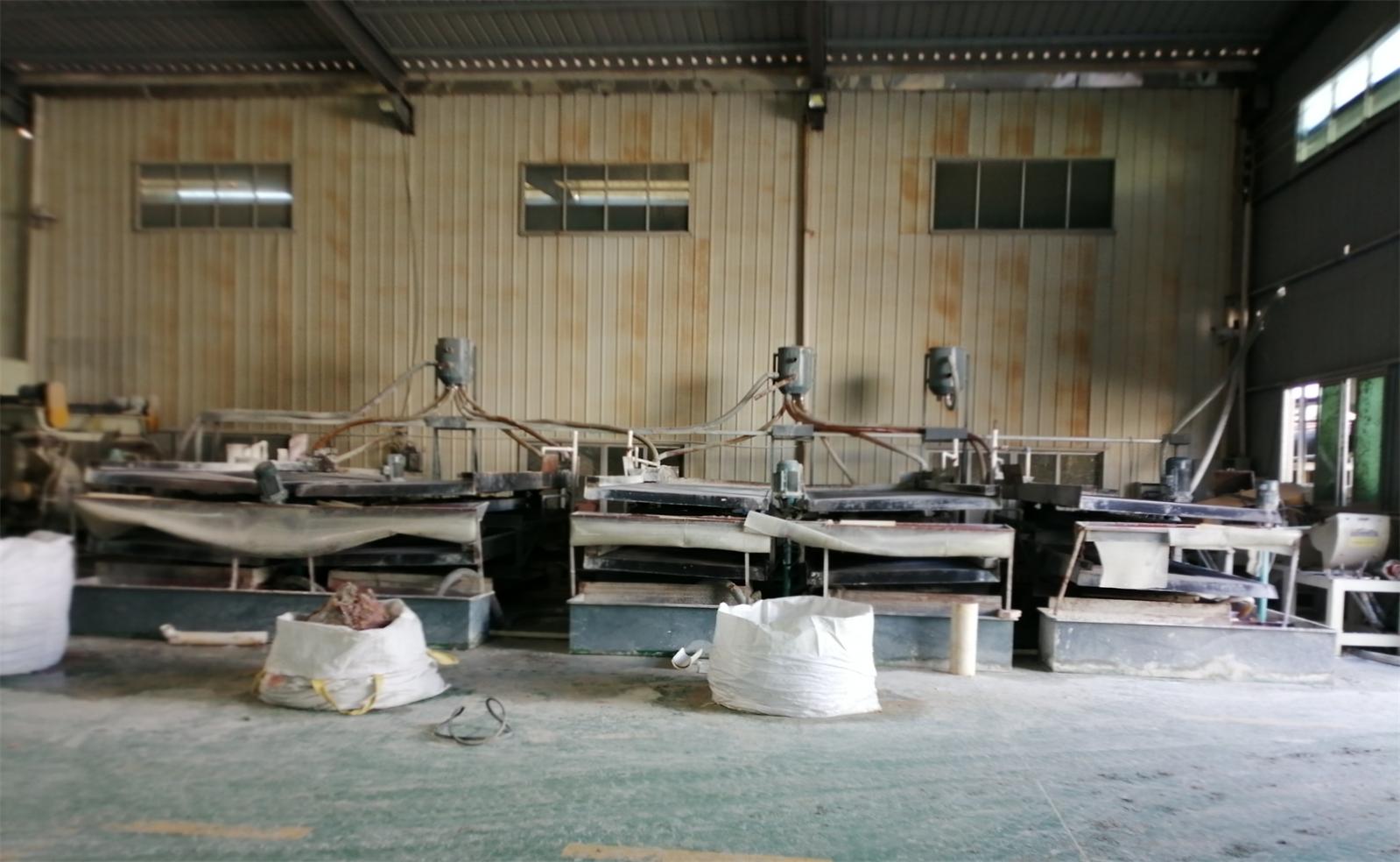
- Circuit board recycling equipment with both wet and dry separation options, capacities from 300 to 2,000 kg per hour
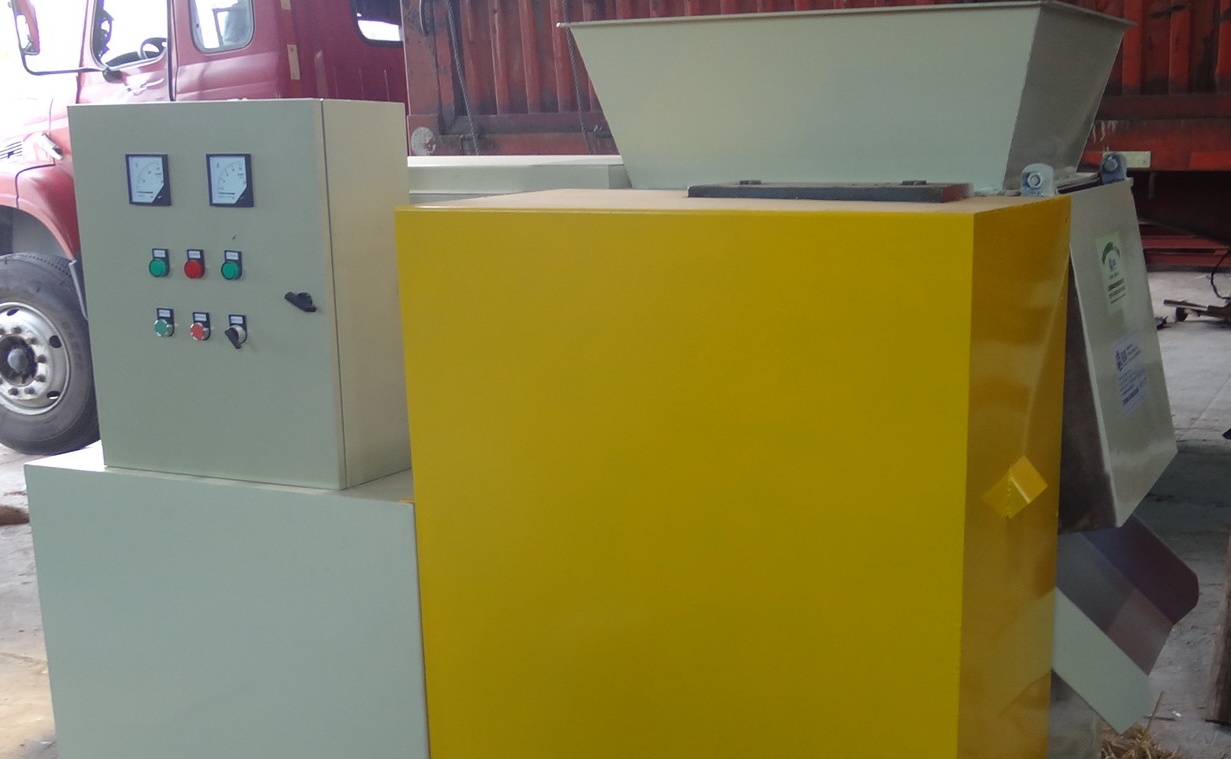
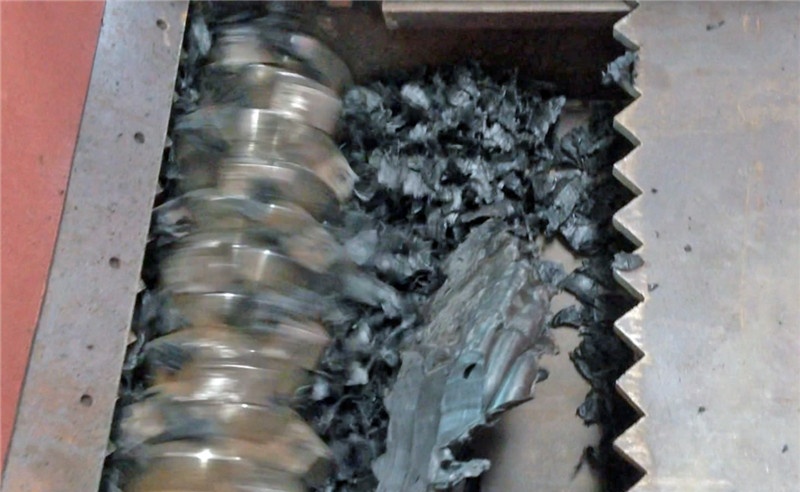
- Cable recycling equipment including scrap cable strippers and granulators with dry separators
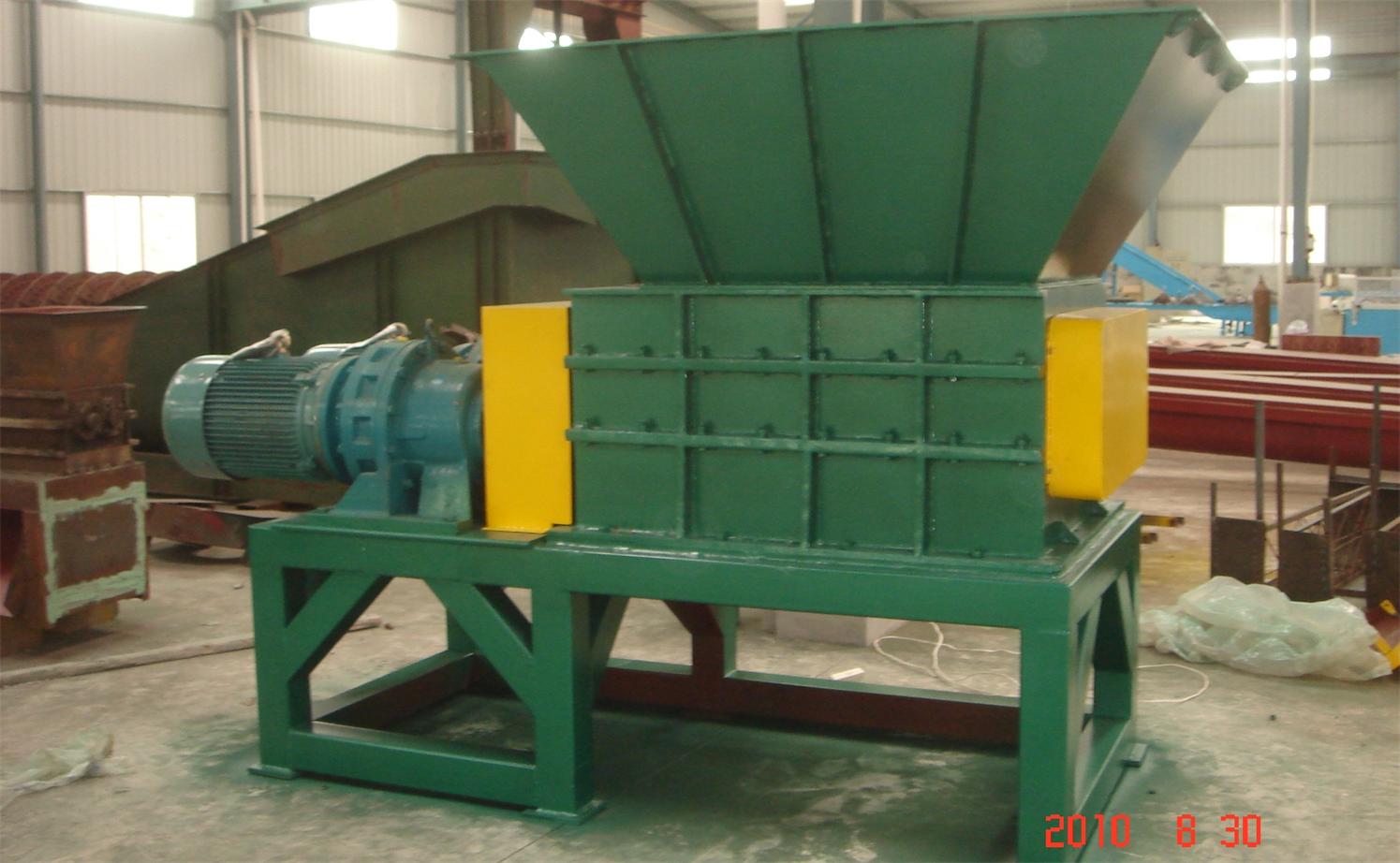
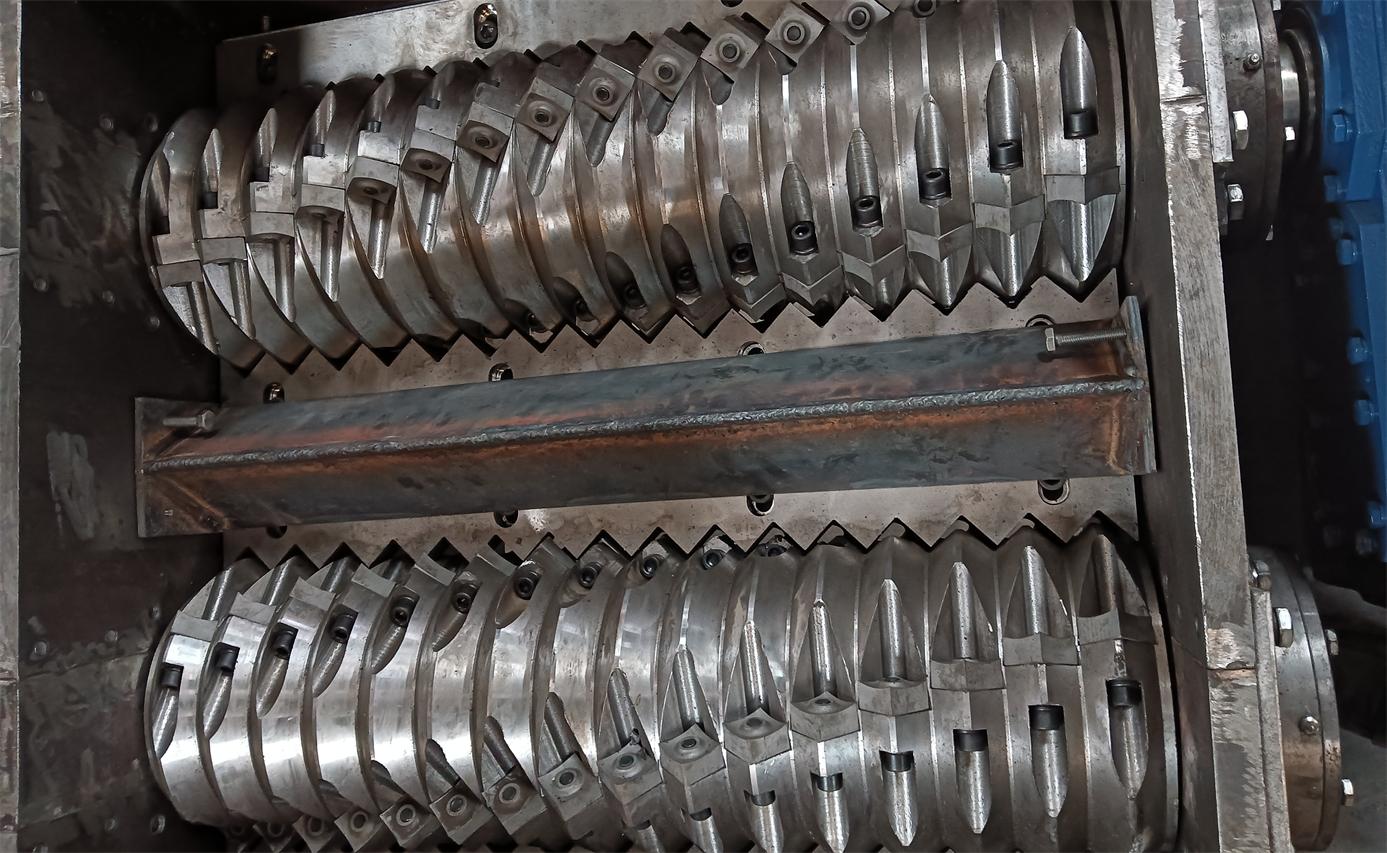
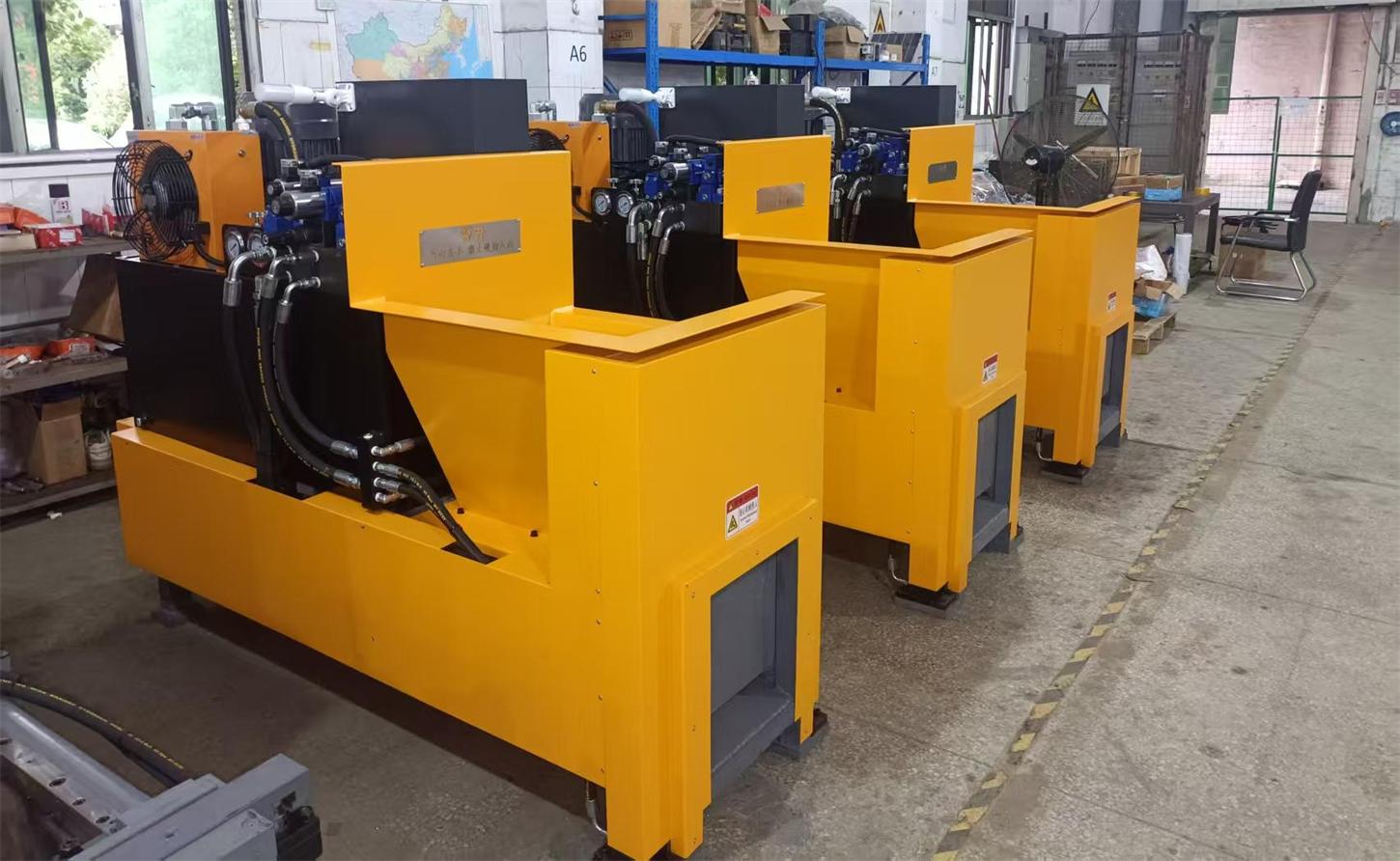
- Refrigerator and AC recycling lines, CRT cutters, motor stator cutters, shredders, hydraulic presses, metal melting furnaces, and lithium ore extraction plants
Their technical team holds master's degrees in mechanical engineering and brings over 15 years of direct experience in e-waste recycling machine design. They offer EPC project delivery, customized plant design, one-stop purchasing, installation and commissioning, operator training, staff recruitment assistance, feedstock sourcing support, and product offtake introductions. Their customer base spans more than 21 countries including Singapore, Colombia, Vietnam, Mexico, Argentina, Korea, Malaysia, Indonesia, South Africa, India, Kenya, Saudi Arabia, Philippines, and Zambia.
The bottom line: A low quote that omits installation support, training, and after-sales service is not a bargain. It is a deferred cost. The right recycling equipment supplier answers your questions with process detail, project references, and a clear scope of responsibility. Everything else is just a price list.
If you are planning a recycling plant project and want a partner who covers engineering, equipment, installation, training, and ongoing support, contact San Lan Technologies. Tell them your feedstock, target capacity, and site conditions. They will tell you what the catalog does not: how to make it work in your facility.