Two entrepreneurs decide to enter the e-waste recycling business in the same year. Both have similar capital, access to comparable feedstock, and target the same metal markets. Three years later, one operation runs at full capacity and is preparing to expand. The other is bleeding money on downtime, inconsistent recovery rates, and replacement parts. The difference was not luck, and it was not the market. It was the equipment supplier they chose on day one.
The Machinery Decision Is the Business Decision
E-waste recycling is not a speculative niche. It is a mechanical processing business where margins are won or lost at the machine level. The scrap does not care who owns it. What matters is whether your line can separate copper from plastic at 96% purity, whether your furnace can recover lead at 95% efficiency, and whether your shredder can run three shifts without seizing.
Buyers who treat equipment as a commodity purchase usually get commodity results. Buyers who treat the supplier selection as a strategic partnership tend to build operations that last. The gap between those two outcomes is where circuit board recycling equipment, battery breaking systems, and cable granulators either become assets or liabilities.
What the Core Product Lines Actually Do
Before evaluating any supplier, you need to understand the equipment categories that form the backbone of a recycling plant. Each category addresses a different feedstream, and each has its own technical thresholds.
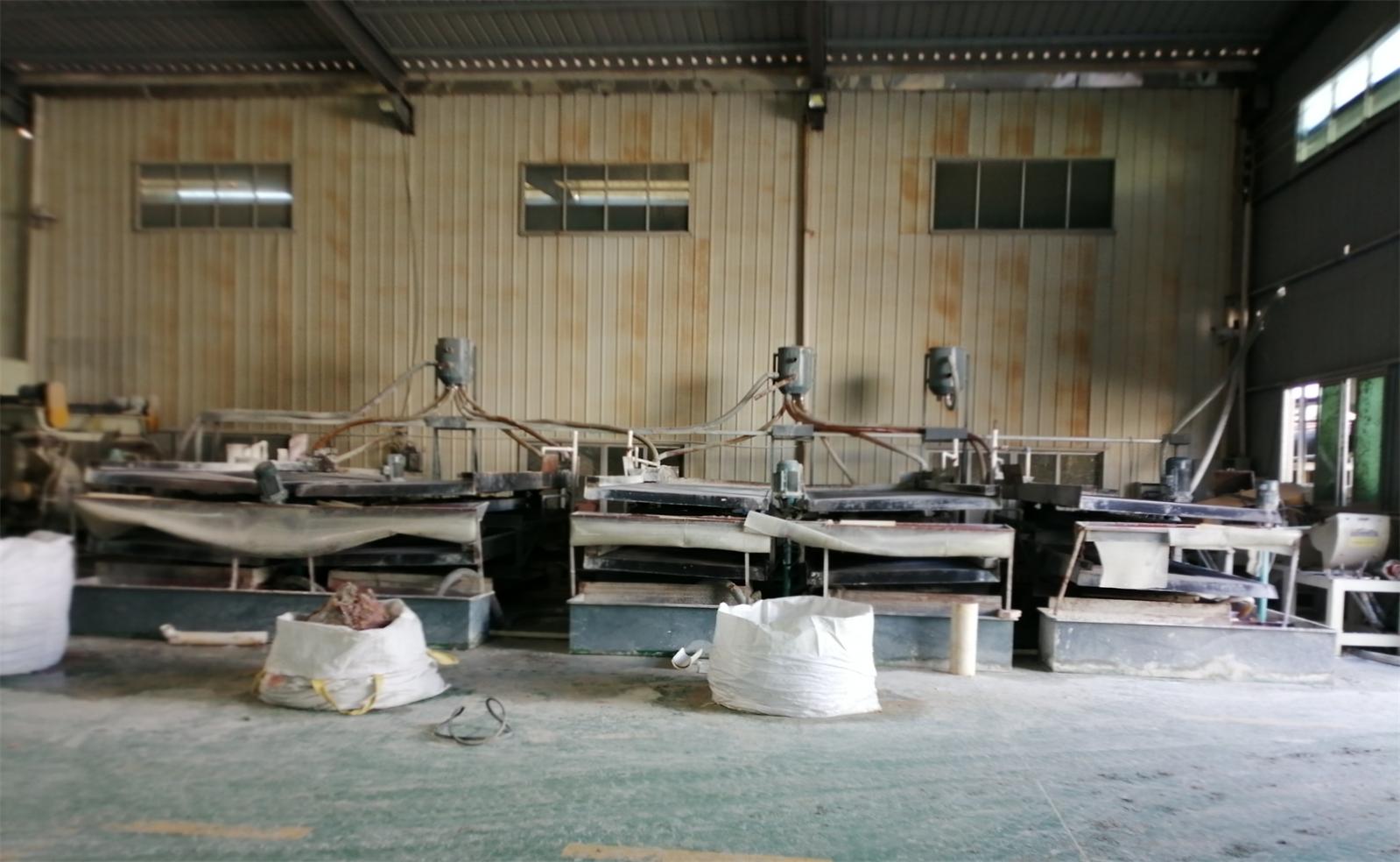
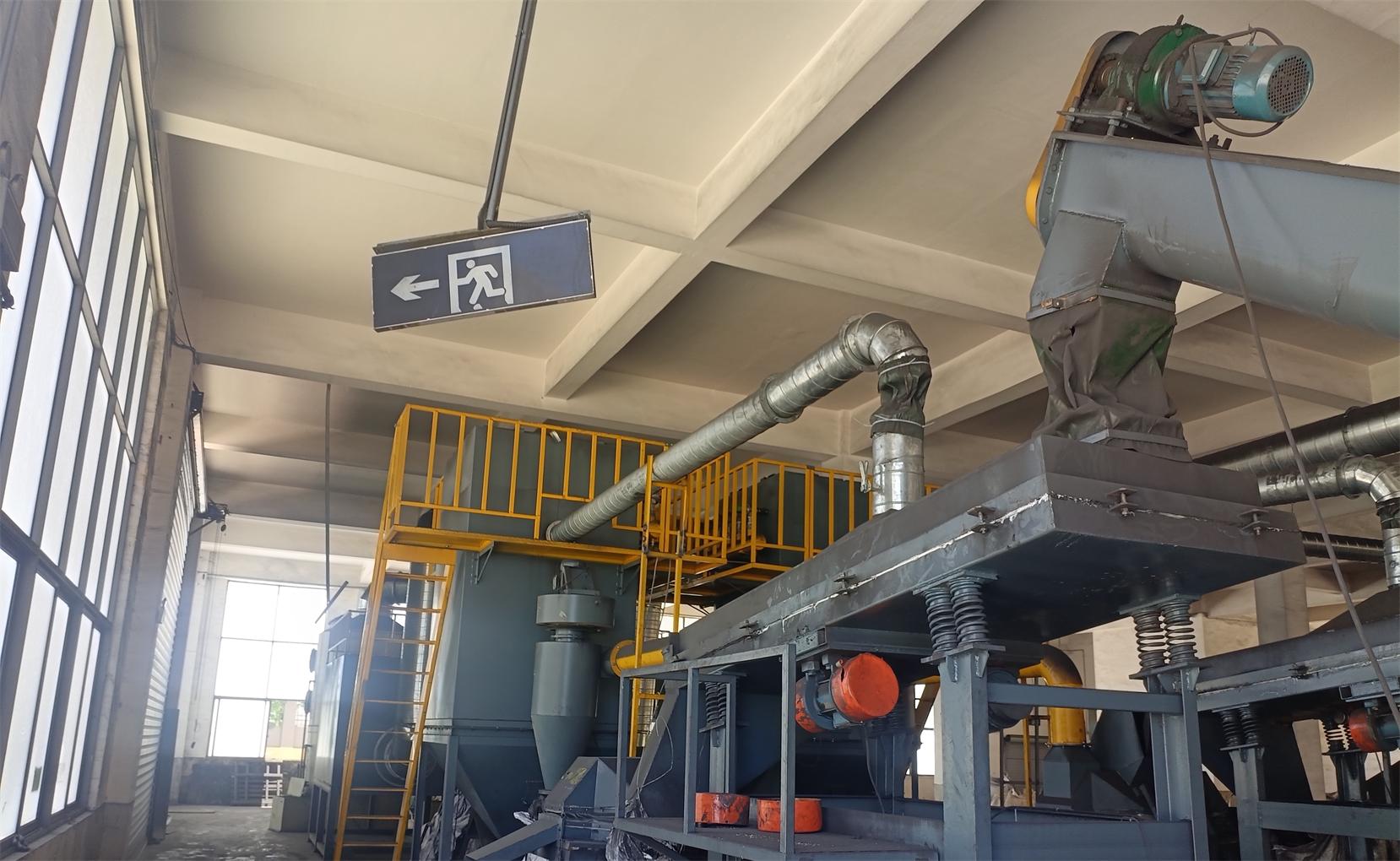
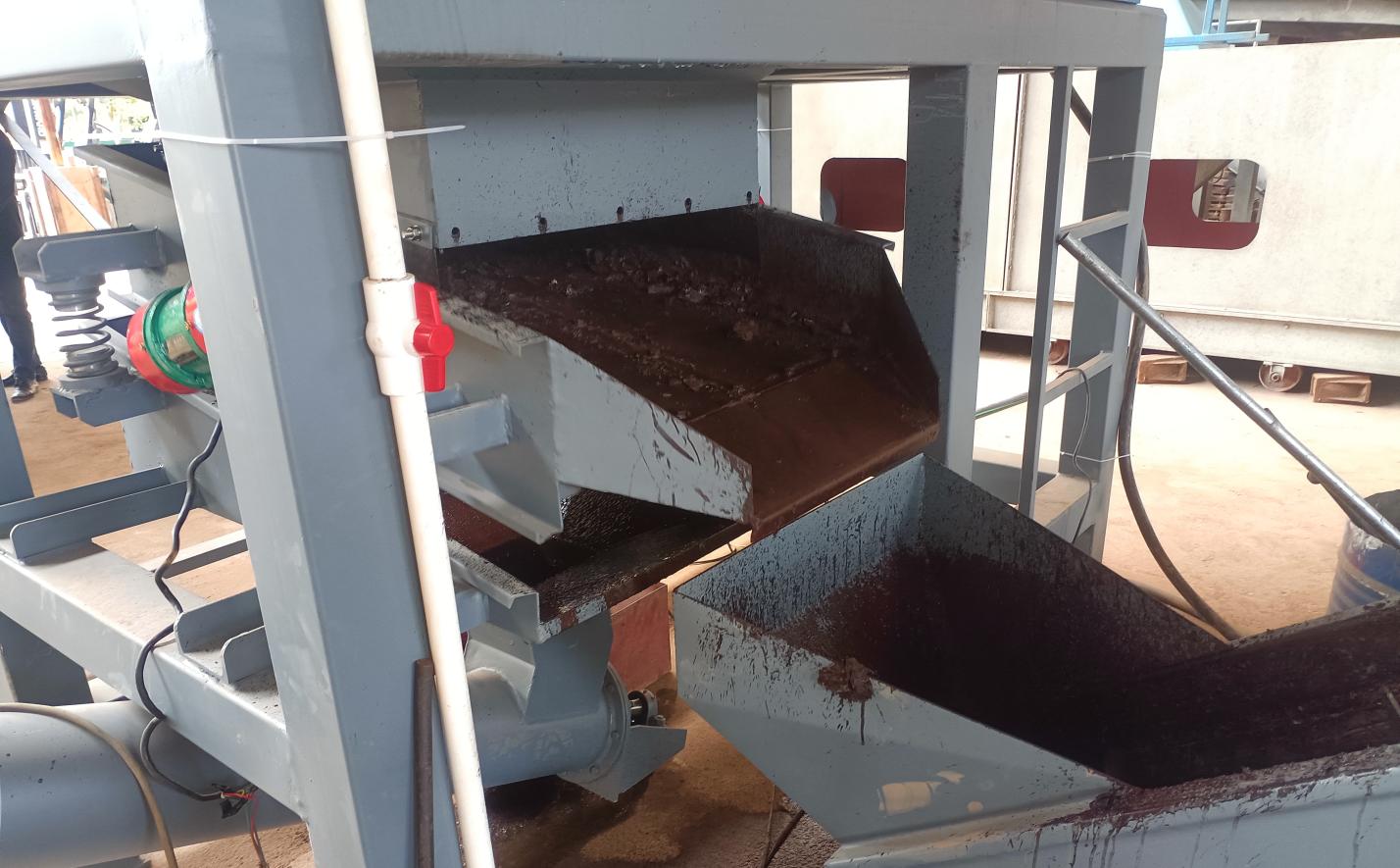
Circuit board recycling equipment processes printed circuit boards to recover copper powder and precious metals. Wet separation systems use water and gravity to separate metal from non-metal fractions, while dry systems rely on air separators, electrostatic separators, and dust collectors. Capacity ranges from 300 kg/hour for smaller operations up to 2,000 kg/hour or more for industrial plants. Recovery rates and copper purity are the metrics that determine whether the output commands a premium price or gets downgraded.
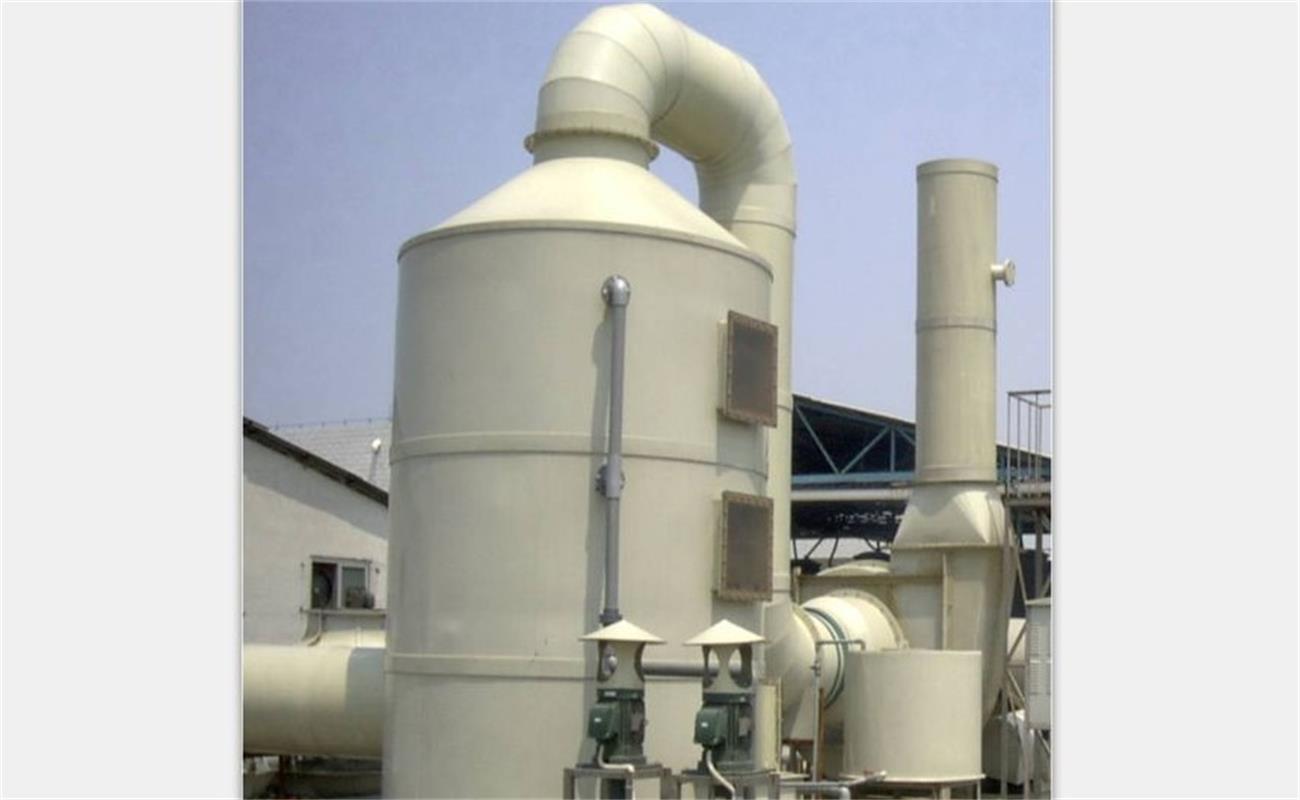
Lead acid battery recycling equipment breaks and separates used batteries into four primary fractions: lead grid, lead paste, plastic casing, and acid. A complete plant includes a battery cutter, breaking and separating system, de-sulfurization unit, furnace for paste reduction, lead refinery kettle, and pollution control system. Lead recovery rate and the ability to produce 99.999% pure refined lead are what separate a profitable operation from an expensive experiment.
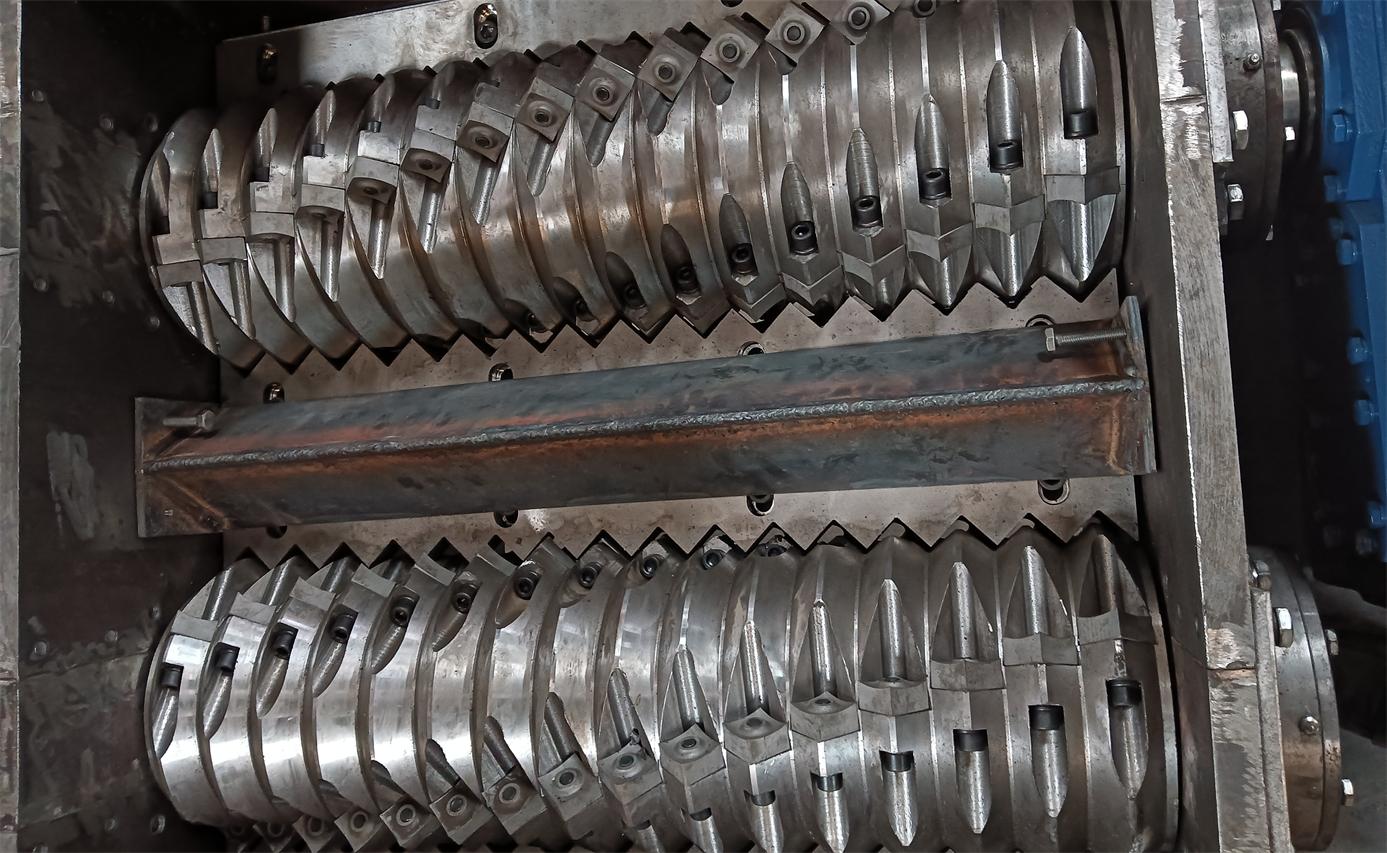
Cable recycling equipment granulates scrap cable to separate copper or aluminum from plastic insulation. Output is typically "copper rice" or copper powder, depending on the system. Throughput ranges from compact 100 kg/hour units to large 1,200 kg/hour or higher lines. The critical factor is separation purity, because mixed fractions sell at a discount or require reprocessing.
Five Dimensions That Separate Reliable Suppliers from Risky Ones
When you evaluate a recycling equipment manufacturer, price should be one of the last variables you check. Here are the five dimensions that actually predict long-term performance.
1. Technical depth and customization capability
A supplier who only sells standard catalog models may not be able to adapt feed hoppers, separation stages, or pollution control systems to your local raw material mix. Ask whether they have designed custom lines for different feedstock compositions. Ask for references where they modified capacity, added pre-shredding stages, or integrated auxiliary equipment.
2. Full-system integration experience
Recycling plants are not collections of standalone machines. They are continuous process lines where the output of one stage becomes the input of the next. A supplier who understands EPC (Engineering, Procurement, Construction) project delivery can design the layout, specify utilities, and ensure that mechanical, electrical, and environmental systems work together.
3. Installation and commissioning support
The moment the machines arrive at your site, the real work begins. Suppliers who provide onsite installation, commissioning, and operator training reduce the time from delivery to first profitable batch. Remote support is useful, but nothing replaces an engineer who has commissioned lines in your region and understands local electrical standards and environmental permits.
4. Post-sale material and market support
Some manufacturers stop answering emails the day after final payment. Others help their customers source feedstock, recruit technical staff, and even connect them with buyers for recovered metals. That layer of operational support is often the difference between a plant that breaks even and one that scales.
5. Pollution control and compliance discipline
Environmental permits are not optional paperwork. They are operating constraints. A supplier who integrates air pollution control systems, effluent treatment, and dust collection into the plant design from day one saves you from retrofitting later or, worse, from regulatory shutdowns.
What 15 Years in the Field Actually Means
San Lan Technologies Co., Ltd has been manufacturing recycling machinery since 2007. That duration matters because e-waste feedstock has changed over time. Older CRT monitors gave way to flat screens. Lead acid batteries now coexist with lithium-ion packs. Cable insulation materials have evolved. A manufacturer who has survived two product cycles has had to adapt designs, troubleshoot new failure modes, and refine separation physics in ways that a newcomer simply has not.
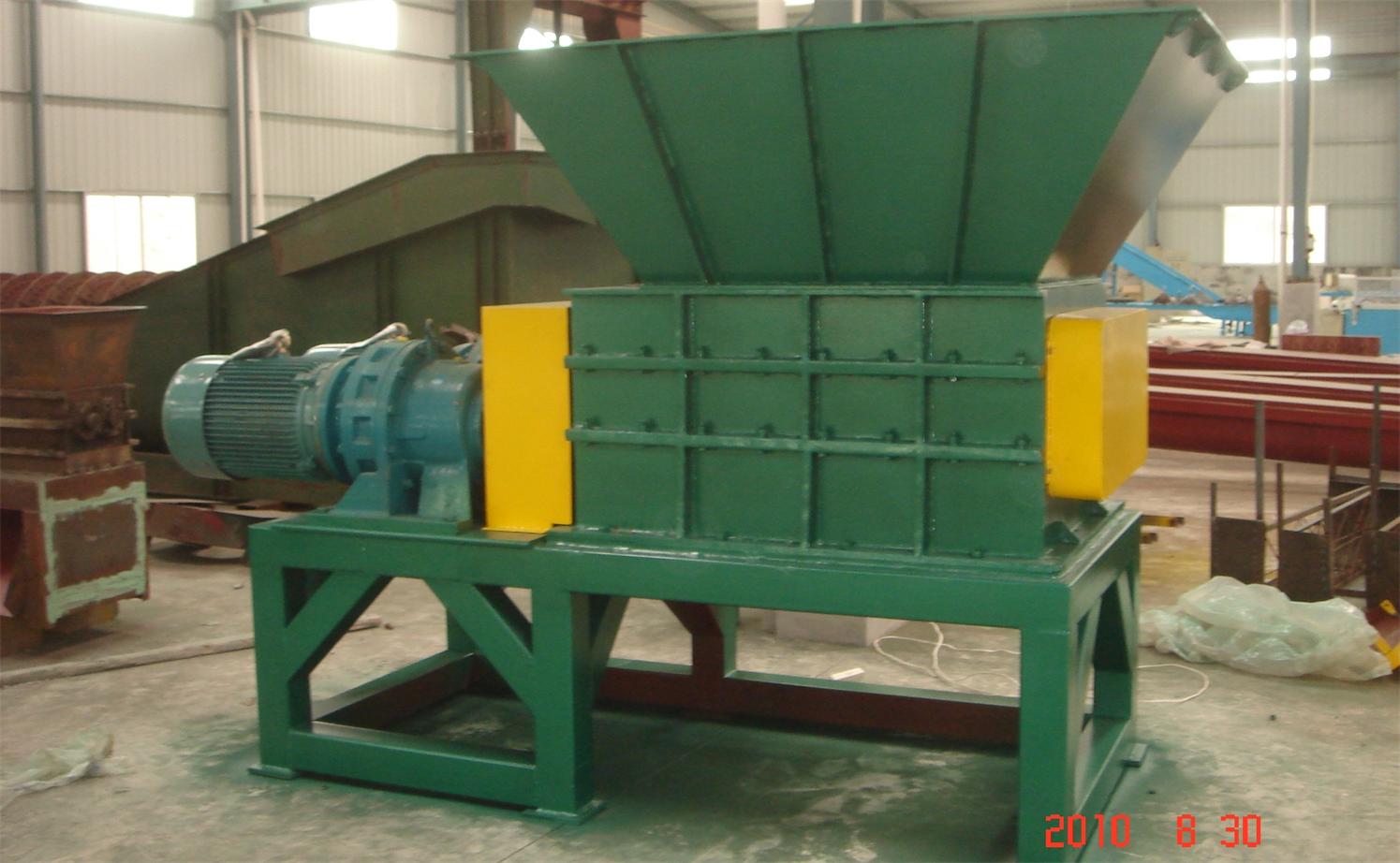
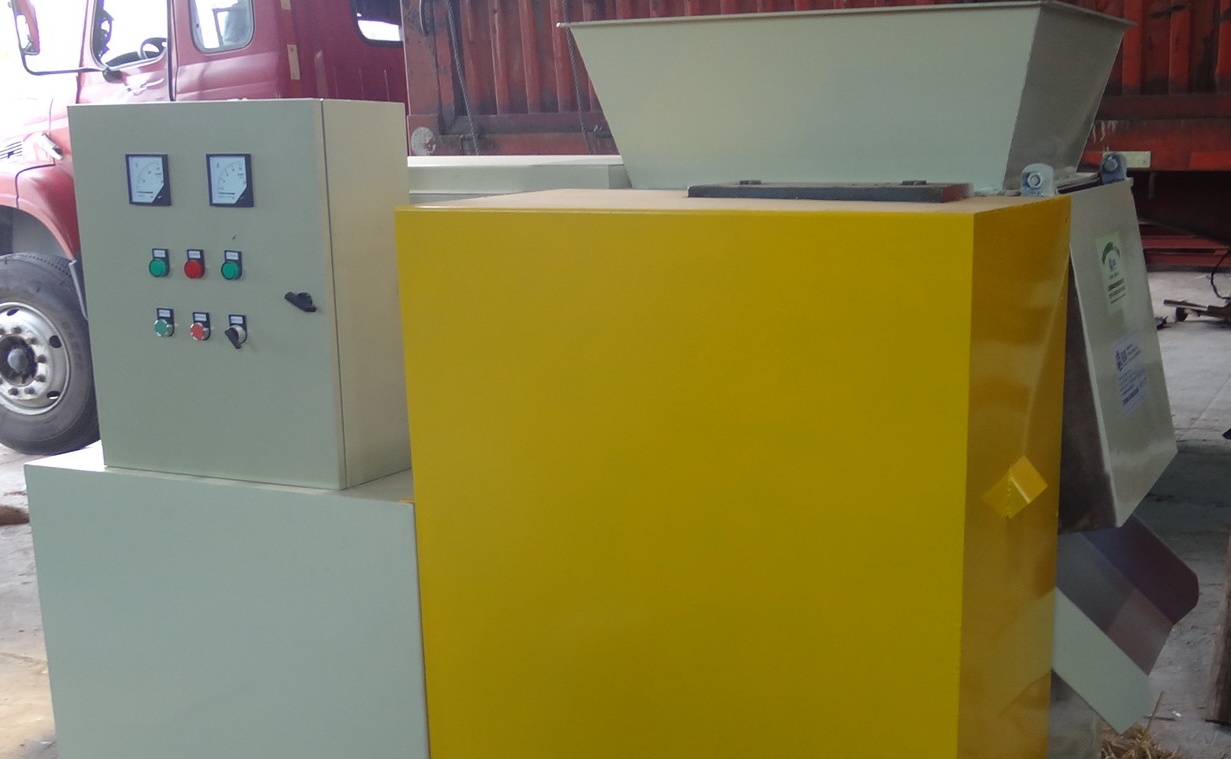
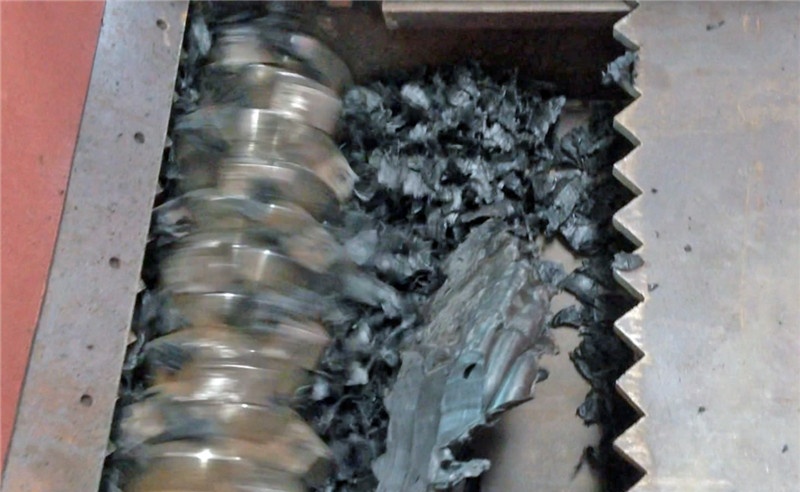
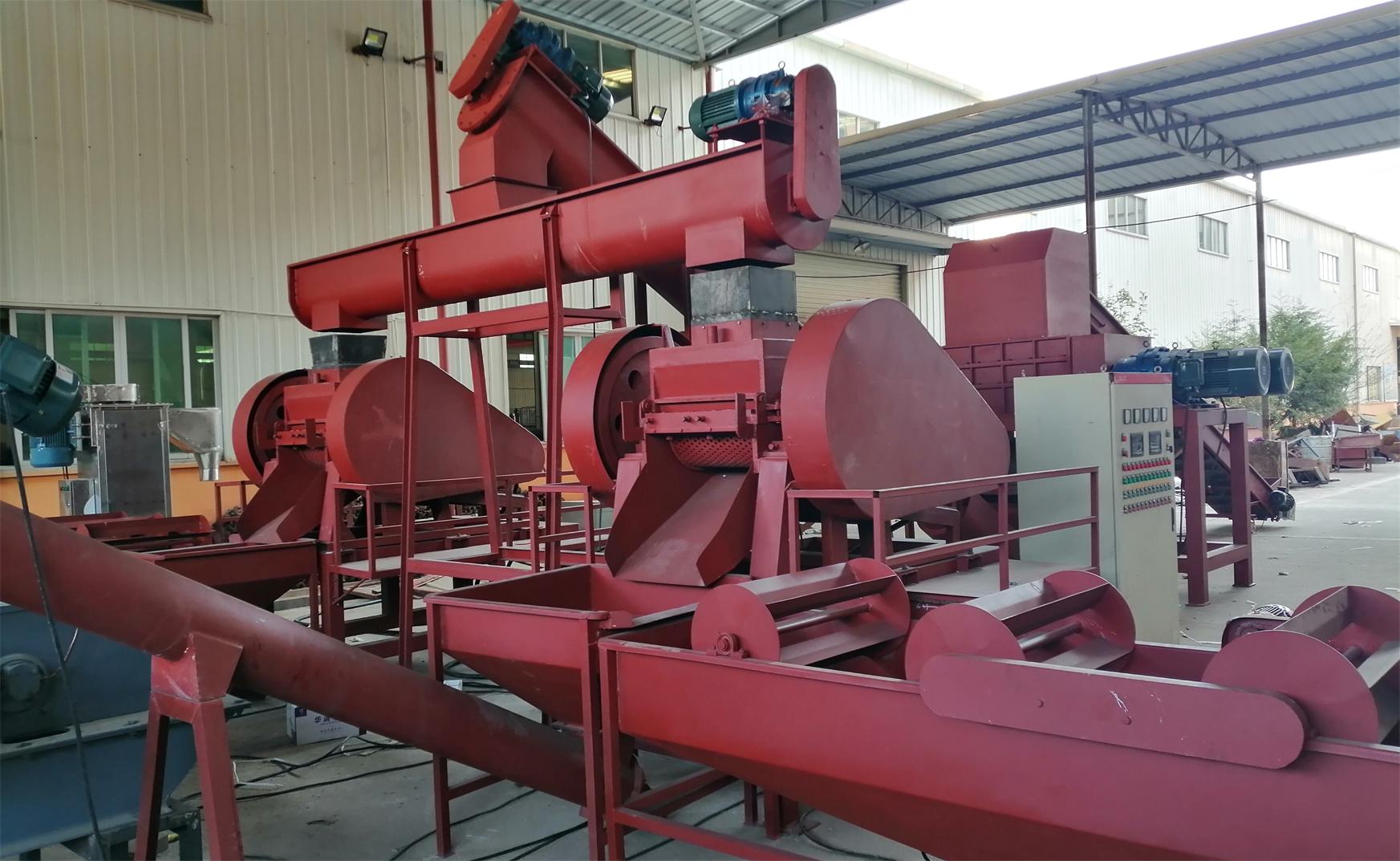
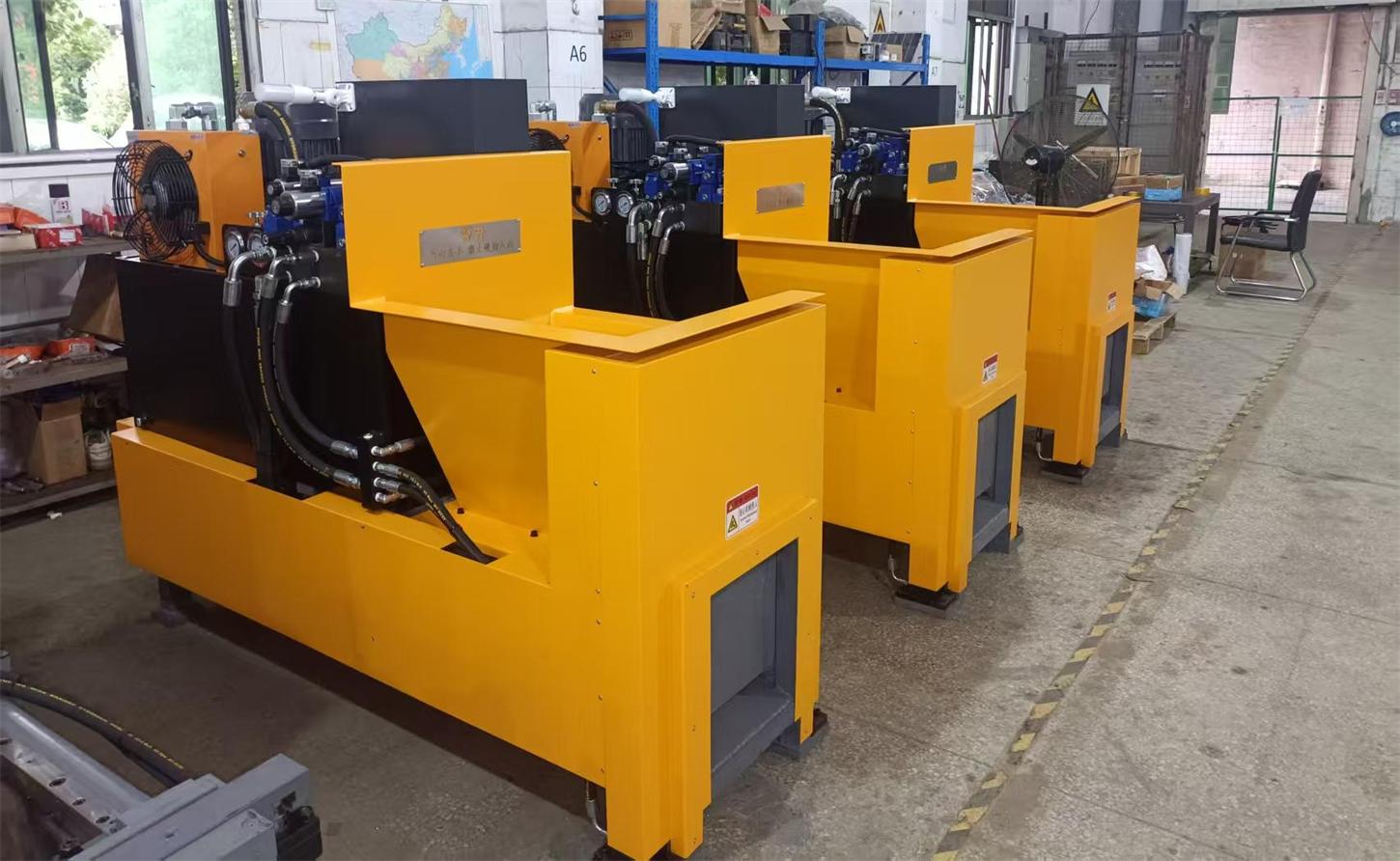
The company produces lead acid battery recycling equipment with complete breaking, separation, de-sulfurization, and smelting lines. It manufactures circuit board recycling equipment with both wet and dry separation technologies. Its cable recycling equipment spans scrap cable strippers, compact granulators, and high-capacity separation plants. The product portfolio also covers lithium battery recycling lines, refrigerator and AC recycling systems, CRT cutters, motor dismantling machines, shredders, and metal melting furnaces.
More importantly, San Lan operates as more than a catalog vendor. The team includes mechanical engineers with master's degrees and over 15 years of experience in recycling machinery. They deliver EPC projects with customized design and one-stop purchasing. They provide onsite installation and commissioning or remote assistance when travel is not practical. They train customer staff, help recruit technical personnel, assist in purchasing waste scrap, and support the sale of recovered materials such as copper rice and lead ingots.
That operational breadth is not a marketing claim. It is a response to the reality that many recycling startups fail not because the machines are defective, but because no one taught the operator how to adjust the separator angle, how to read vibration signatures, or how to time the paste reduction cycle.
A Pre-Purchase Checklist for Equipment Buyers
If you are comparing quotes from multiple suppliers, use this checklist to structure your due diligence. The answers will tell you more than the price list.
1. Can the supplier provide references from customers in your region or with similar feedstock?
2. Do they offer onsite installation and commissioning, or only remote guidance?
3. What is the realistic recovery rate and output purity for your specific raw material mix?
4. Is pollution control equipment integrated, or is it an optional add-on?
5. What is the lead time for spare parts, and do they keep common wear components in stock?
6. Do they provide operator training as part of the delivery package?
7. Can they customize capacity, layout, or auxiliary equipment to fit your site constraints?
8. What post-commissioning support is available for process optimization?
The Real Cost of the Wrong Choice
A recycling plant that underperforms does not fail dramatically. It dies slowly, through off-spec output that buyers reject, through downtime that stretches from hours into days, and through maintenance costs that were never in the business plan. The original savings from choosing the cheaper quote evaporate within the first year.
The buyer who profits is the one who asked hard questions before signing the purchase order. The one who visited a running plant, touched the recovered copper, and spoke with the operator who actually runs the line. The one who chose a supplier that treated the transaction as the beginning of a relationship, not the end of a sales cycle.
San Lan Technologies Co., Ltd manufactures circuit board recycling plants, cable recycling machines, lead acid battery recycling lines, lithium battery recycling systems, and complementary equipment for the WEEE recycling industry. With customers in more than 21 countries, the company provides machinery, installation support, technical training, and operational assistance to help recycling plants reach stable production.
To discuss your project requirements, explore the product range at san-lan.com or contact the team directly via email at info@san-lan.com or WhatsApp at +86 139 2377 4083.