The global surge in electronic waste has created both an environmental challenge and a business opportunity. As regulations tighten and raw material prices fluctuate, more companies are looking to enter the recycling sector or expand their existing operations. Whether you are processing used lead acid batteries, lithium-ion batteries, scrap cables, or printed circuit boards, the equipment you choose will largely determine your operational efficiency, recovery rates, and long-term profitability.
However, not all equipment suppliers offer the same level of support. For buyers entering this market, particularly those investing in complete recycling plants, the difference between a vendor and a true partner can mean the difference between a smooth launch and years of costly setbacks.
Why the Right Partner Matters More Than the Right Price
It is tempting to evaluate recycling equipment purely on upfront cost. Yet in this industry, the hidden costs of poor design, inadequate commissioning, and missing after-sales support often exceed the original investment. A reliable supplier should do more than deliver machines. They should understand your feedstock, local regulations, target output, and operational constraints, then tailor a solution that fits.
Key insight: Experienced recycling plant operators consistently find that long-term supplier support has greater impact on overall profitability than choosing the lowest upfront equipment price. The hidden costs of poor integration, delayed commissioning, and inadequate training often exceed any initial savings.
Five Factors to Evaluate Before Choosing a Supplier
1. Breadth and Depth of Product Range
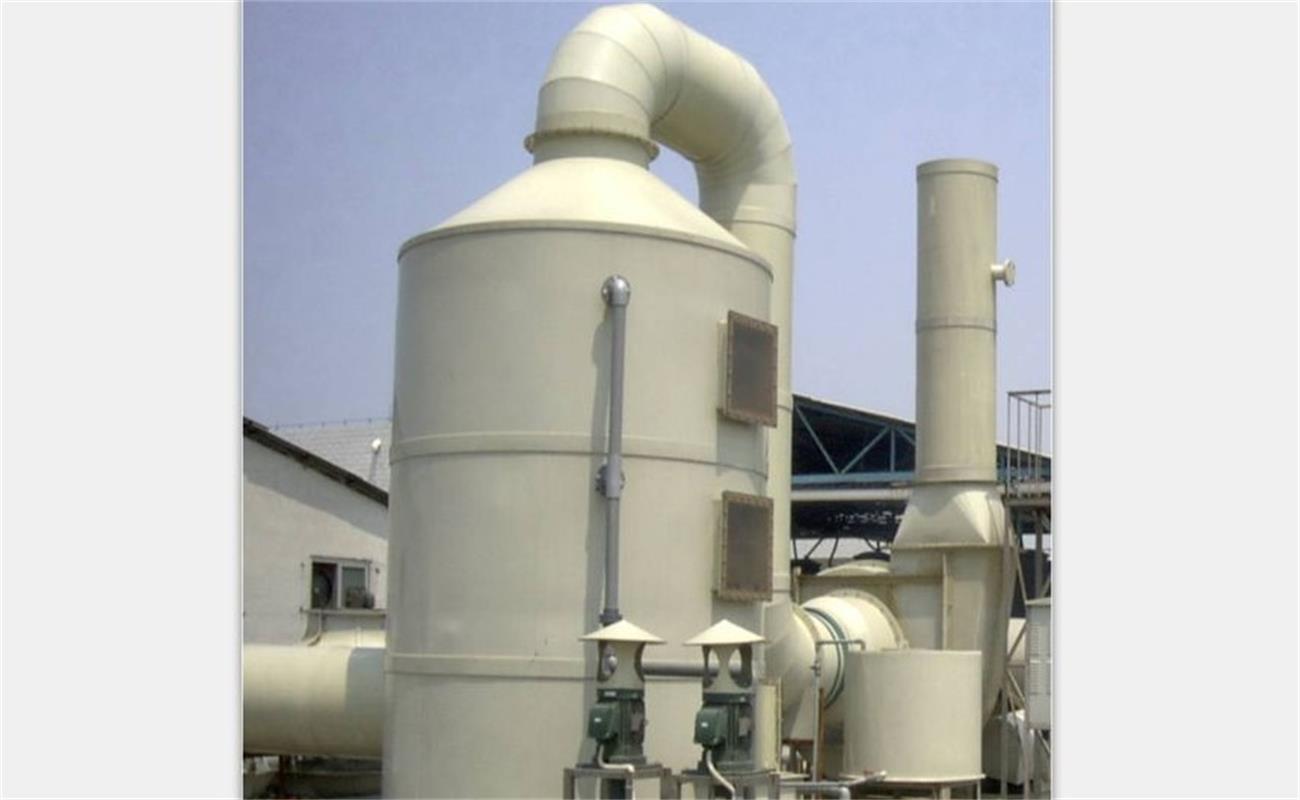
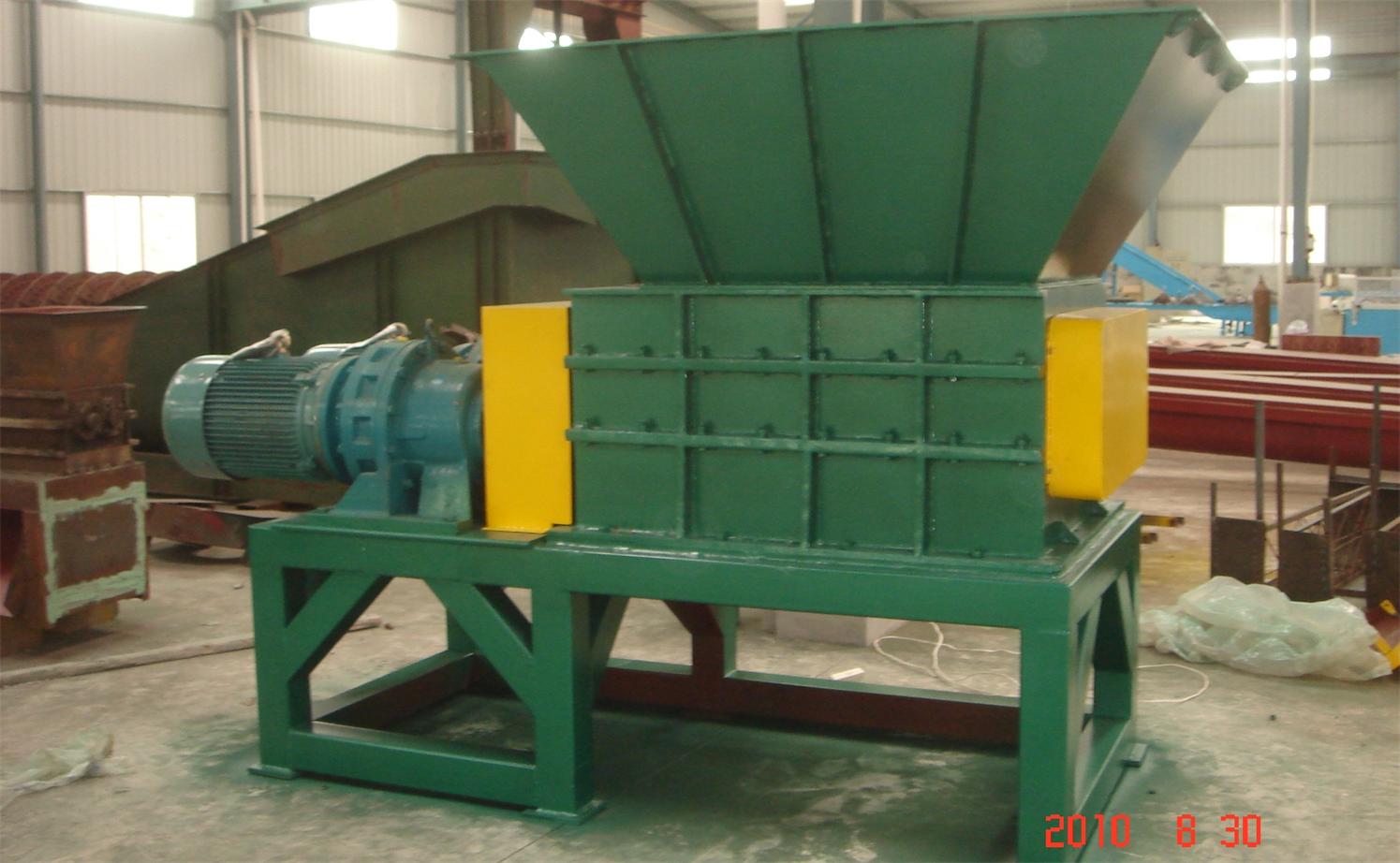
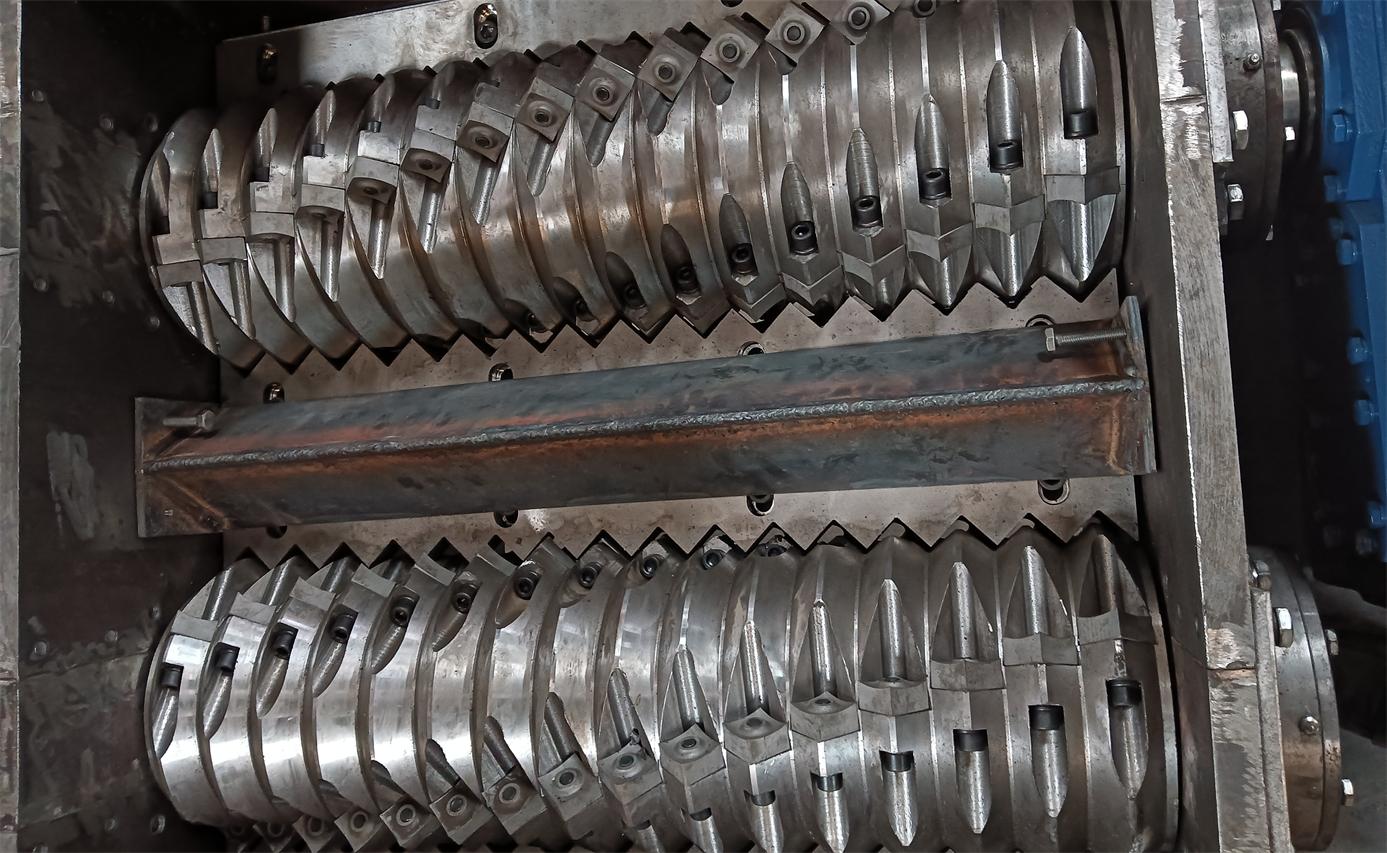
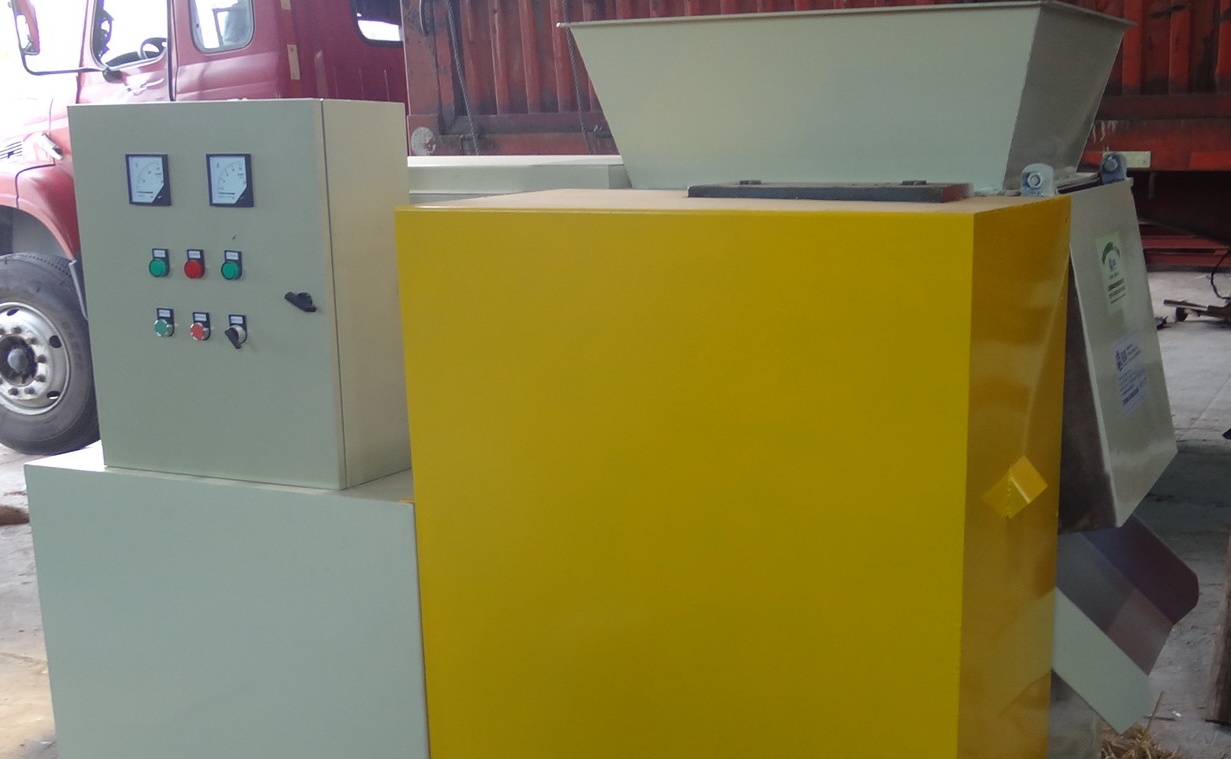
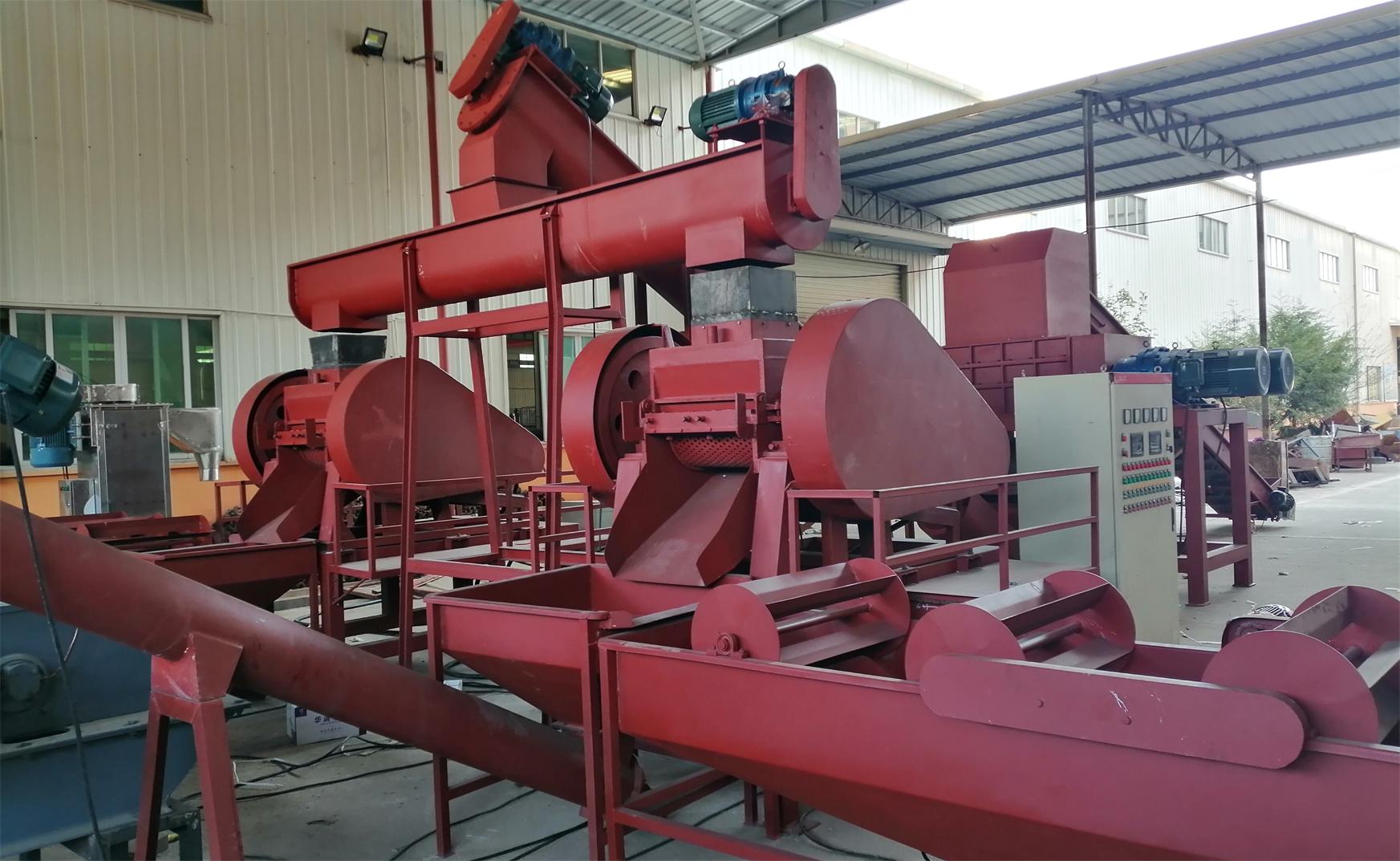
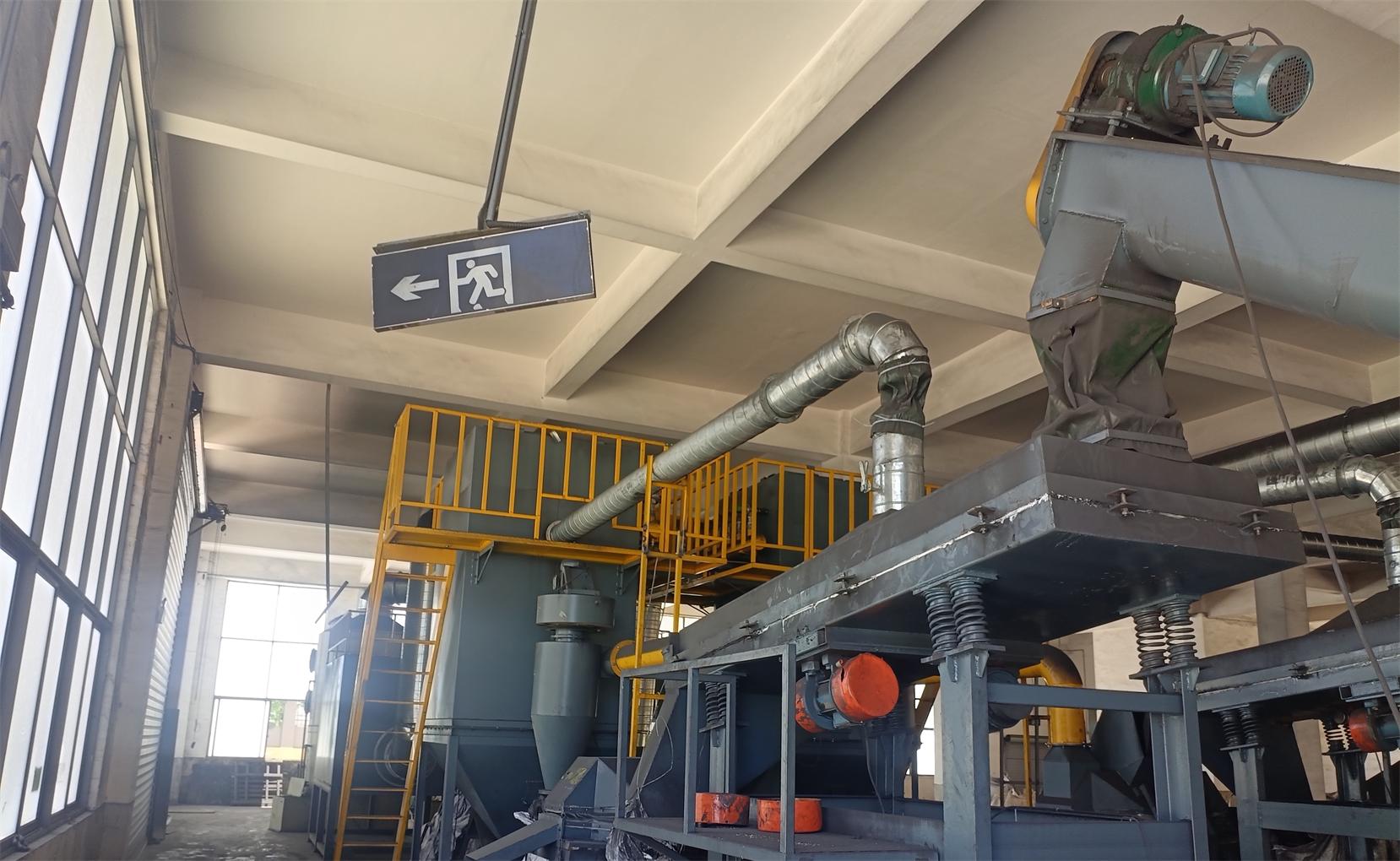
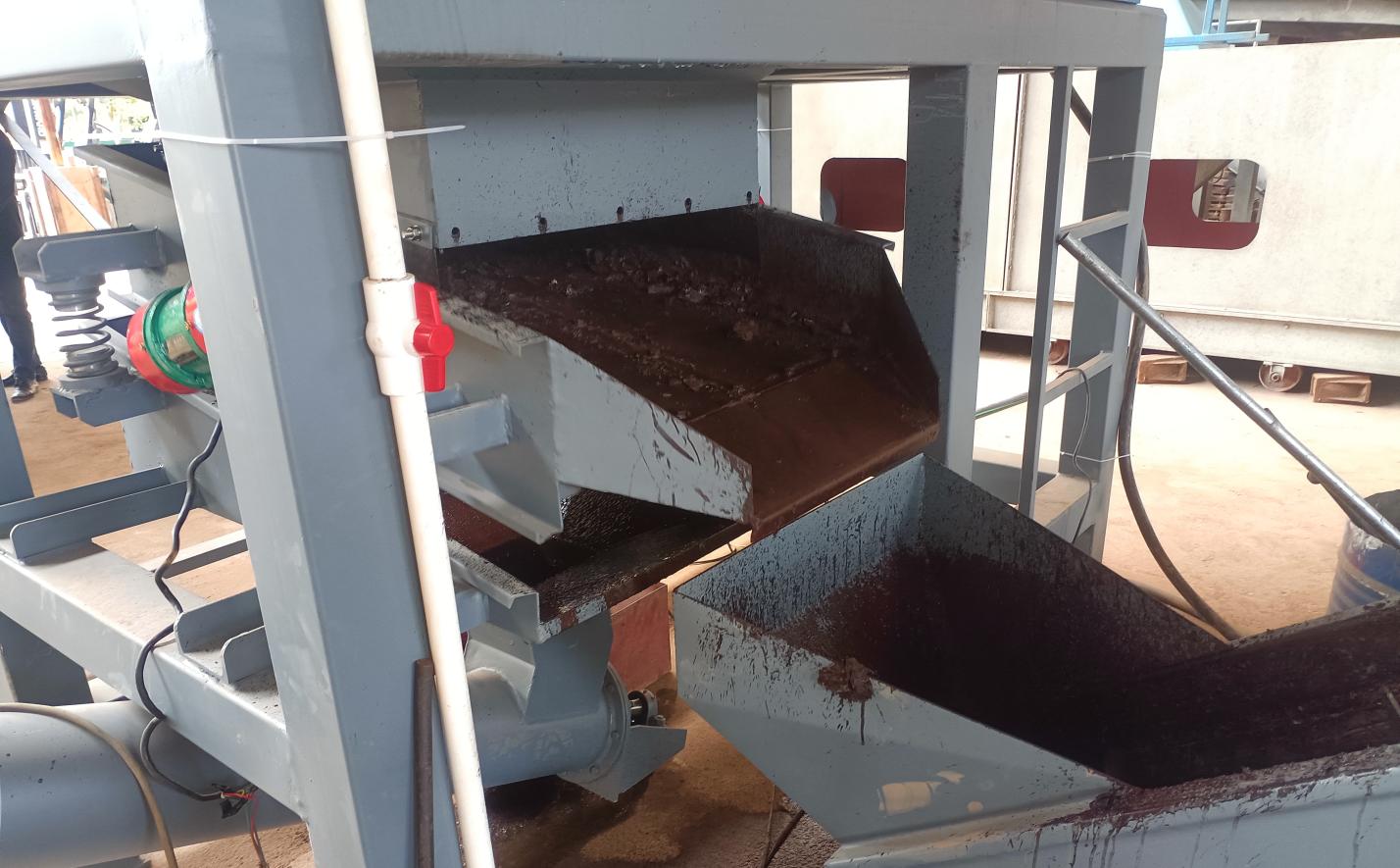
A supplier with a narrow catalog may force you to source complementary equipment from multiple vendors, creating integration headaches and conflicting warranties. Look for manufacturers that offer end-to-end solutions under one roof. For example, a complete lead acid battery recycling equipment line should include breaking and separation systems, smelting furnaces, refinery kettles, pollution control systems, and water treatment plants that are designed to work together.
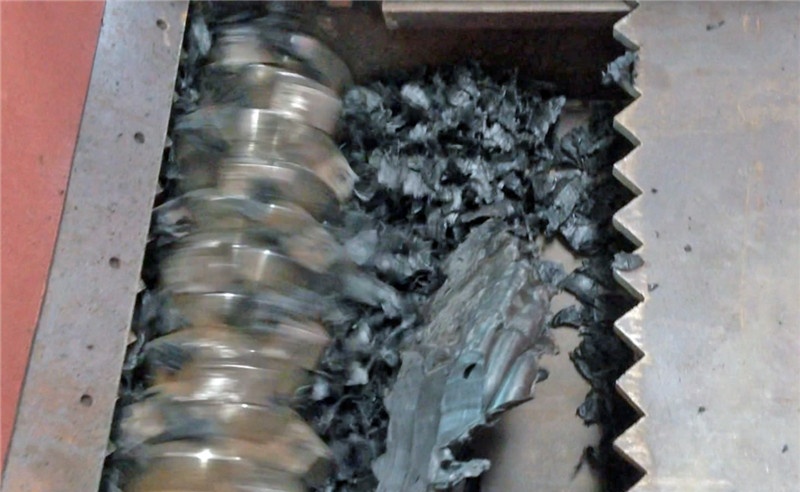
Similarly, cable recycling equipment should span from scrap cable strippers for large-diameter wires to compact granulators with dry separators for fine copper recovery. When all components come from a single source, compatibility, spare parts availability, and technical support become far simpler to manage.
2. Proven Experience in EPC Projects
Engineering, Procurement, and Construction (EPC) capability separates equipment sellers from true turnkey solution providers. An experienced EPC partner handles plant layout design, equipment selection, installation supervision, commissioning, and operator training. This dramatically reduces the risk of delays and cost overruns, especially for first-time plant operators.
Companies with solid EPC track records understand that every project is different. A plant designed for processing 1 metric ton per hour of used lead acid batteries in Southeast Asia will have different layout, ventilation, and safety requirements than a 10 metric ton per hour facility in the Middle East. Customized design matters.
3. International Deployment Experience
Recycling plant installation involves more than shipping containers. It requires understanding local electrical standards, environmental regulations, import procedures, and workforce skill levels. Suppliers who have successfully completed projects across diverse regions bring invaluable practical knowledge that no brochure can convey.
A supplier with customers in over 20 countries has likely encountered and solved a wide range of logistical and technical challenges. That experience translates into faster problem-solving when unexpected issues arise at your site.
4. Technical Team Credentials
Ask about the technical team behind the equipment. Do they hold advanced degrees in mechanical engineering? How many years of direct experience do they have specifically in e-waste recycling machinery? A team with deep domain expertise can optimize machine settings for your particular material mix, troubleshoot performance issues quickly, and suggest process improvements that boost your recovery rates.
In battery recycling, for instance, subtle adjustments to breaking speed, separation air pressure, or smelting temperature can significantly affect lead recovery rates and operational safety. You want a partner whose engineers understand these nuances firsthand.
5. Value-Added Services Beyond Equipment
The best suppliers offer services that extend well beyond the initial sale. These may include assistance sourcing raw material feedstock, helping you find buyers for your recovered products, and even connecting you with investors or partners for plant expansion. Some manufacturers also provide ongoing process optimization consultations to help you improve yields and reduce operating costs over time.
Bilingual support is another often-overlooked advantage. When your technical team and the supplier's engineers can communicate clearly in English (or your local language), project execution becomes significantly smoother.
What a Complete Recycling Partner Looks Like
Based on the criteria above, here is what buyers should realistically expect from a comprehensive recycling equipment supplier:
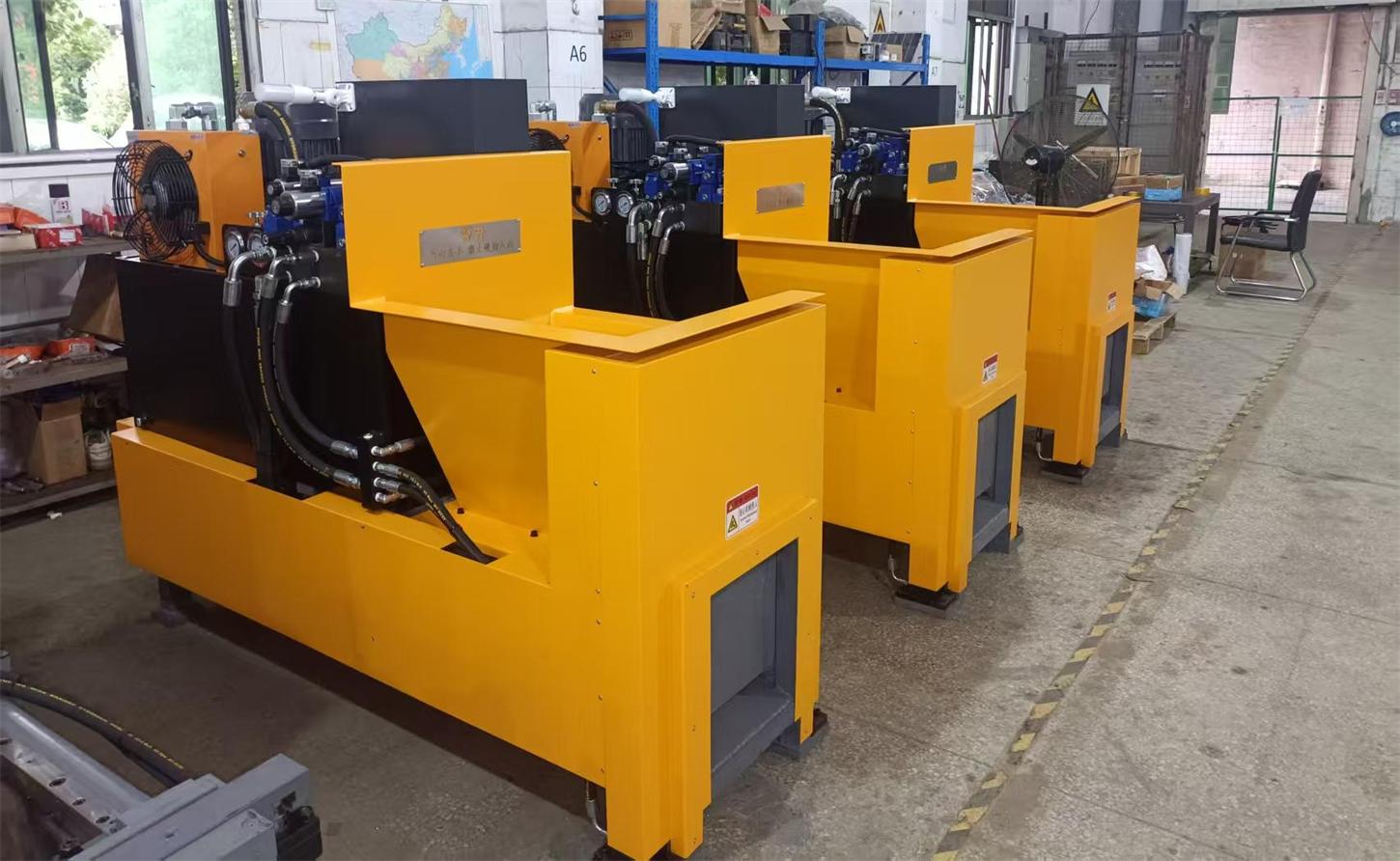
A supplier offering circuit board recycling equipment alongside battery and cable systems demonstrates the breadth of expertise needed to serve complex, multi-stream recycling operations.
Red Flags to Watch For
- Vague technical specifications: If capacity, power consumption, or recovery rates are not clearly stated, request detailed datasheets before proceeding.
- No reference installations: A legitimate supplier should be able to point to operating plants you can verify.
- Limited after-sales commitment: Be wary of suppliers who disappear after delivery. Ask specifically about installation supervision, commissioning support, and spare parts availability.
- One-size-fits-all proposals: Your material composition, local regulations, and production goals are unique. A proposal that does not reflect that is a warning sign.
Making Your Decision
Selecting a recycling equipment supplier is a long-term strategic decision, not a simple procurement exercise. The right partner will help you navigate technical challenges, comply with environmental regulations, and continuously improve your process efficiency. The wrong one can leave you with idle equipment, unexpected costs, and missed market opportunities.
Take time to evaluate potential partners against the five factors outlined above. Request detailed proposals, speak with existing customers if possible, and visit manufacturing facilities when feasible. The extra due diligence upfront will pay dividends throughout the operational life of your recycling plant.
San Lan Technologies has been designing and manufacturing e-waste recycling equipment since 2007. With over 60 products across 13 categories and installations in more than 21 countries, we provide turnkey EPC solutions tailored to your specific requirements. From initial consultation to commissioning and beyond, our team works alongside you to turn waste streams into valuable recovered materials.
Contact us today to discuss your project and receive a customized equipment proposal.