Turnkey E-Waste Recycling Plants: Equipment, Processes, and Global Support
The global surge in electronic waste presents both an environmental challenge and a significant business opportunity. Every year, millions of tons of discarded batteries, cables, circuit boards, and end-of-life appliances pile up in landfills, releasing hazardous materials while wasting recoverable resources. For entrepreneurs and established businesses alike, investing in modern recycling infrastructure is no longer just an environmental choice; it is a strategic move toward long-term profitability and sustainability.
Building an efficient recycling operation, however, requires more than good intentions. It demands reliable equipment, proven processes, and a partner who understands the technical, regulatory, and commercial complexities of the industry. This is where turnkey solutions become essential.
Understanding the Core Recycling Processes
A well-designed e-waste recycling plant typically follows a structured workflow: collection and sorting, mechanical breakdown, material separation, purification, and final recovery. The exact equipment configuration depends on the type of waste stream being processed, but the underlying principle remains consistent: maximize recovery rates while minimizing environmental impact.
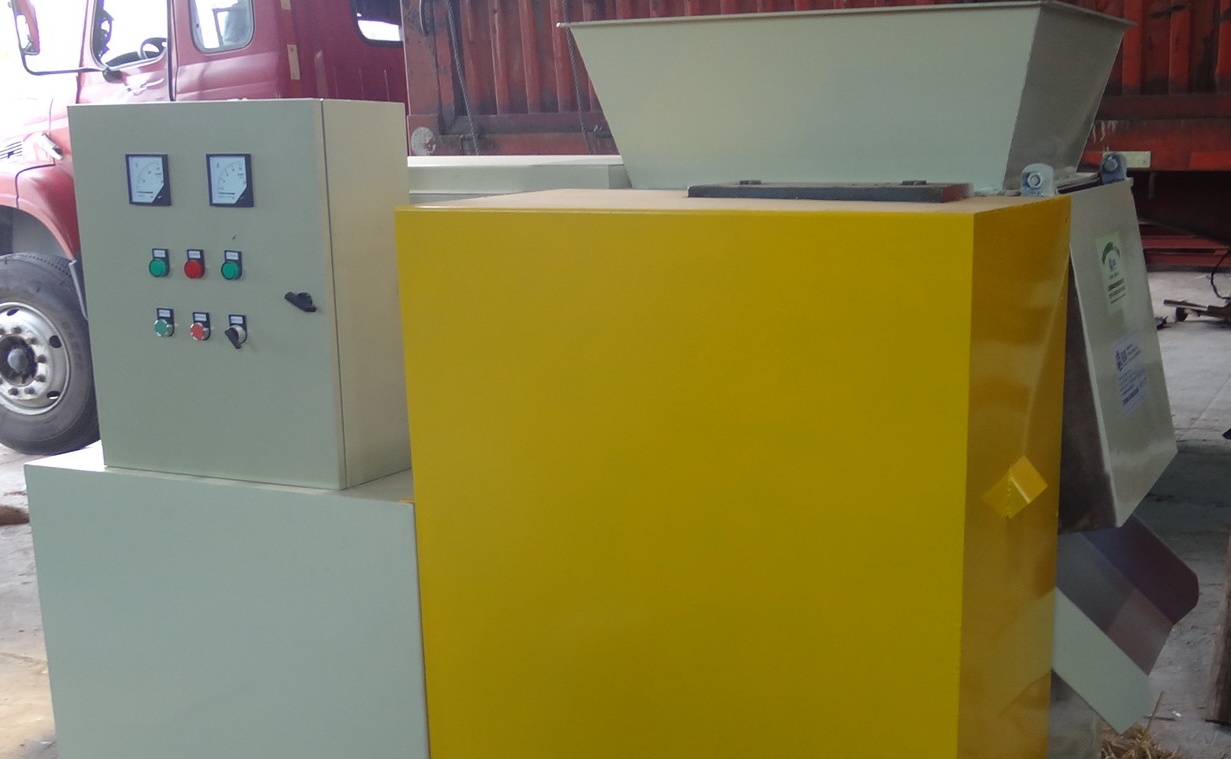
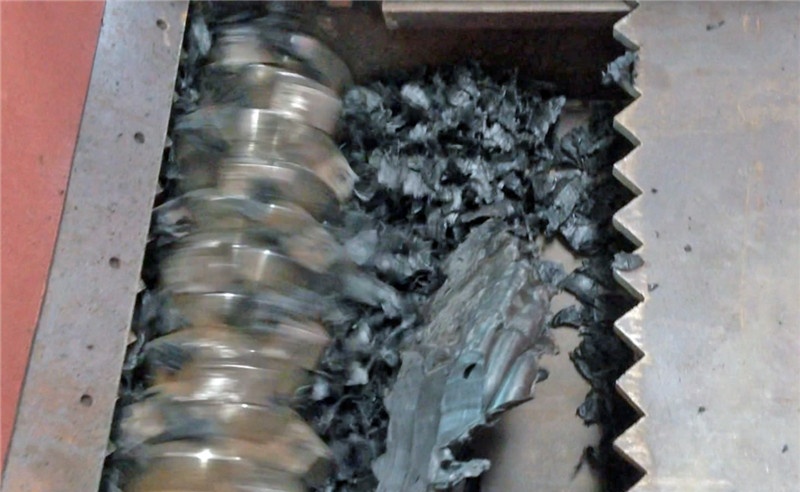
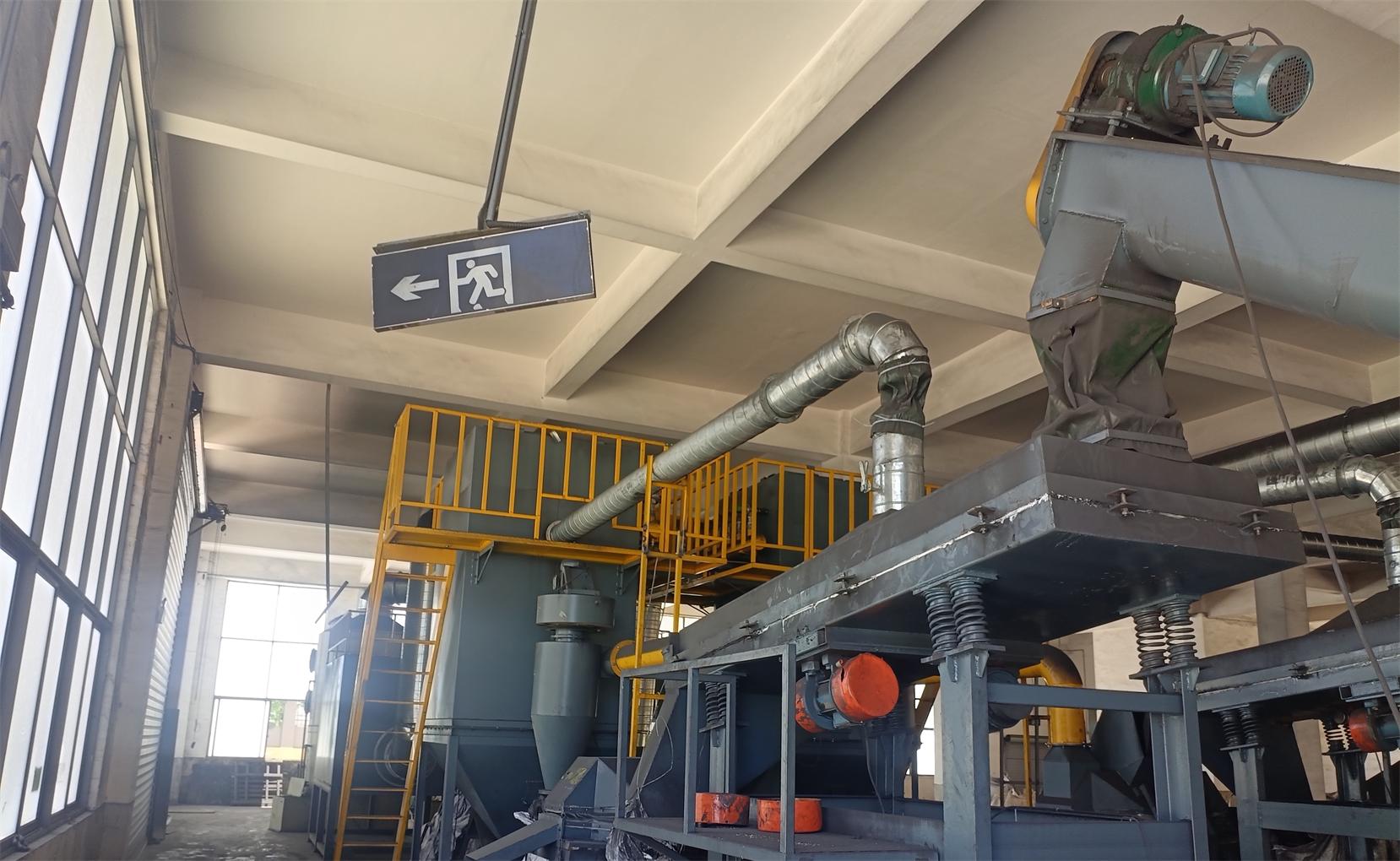
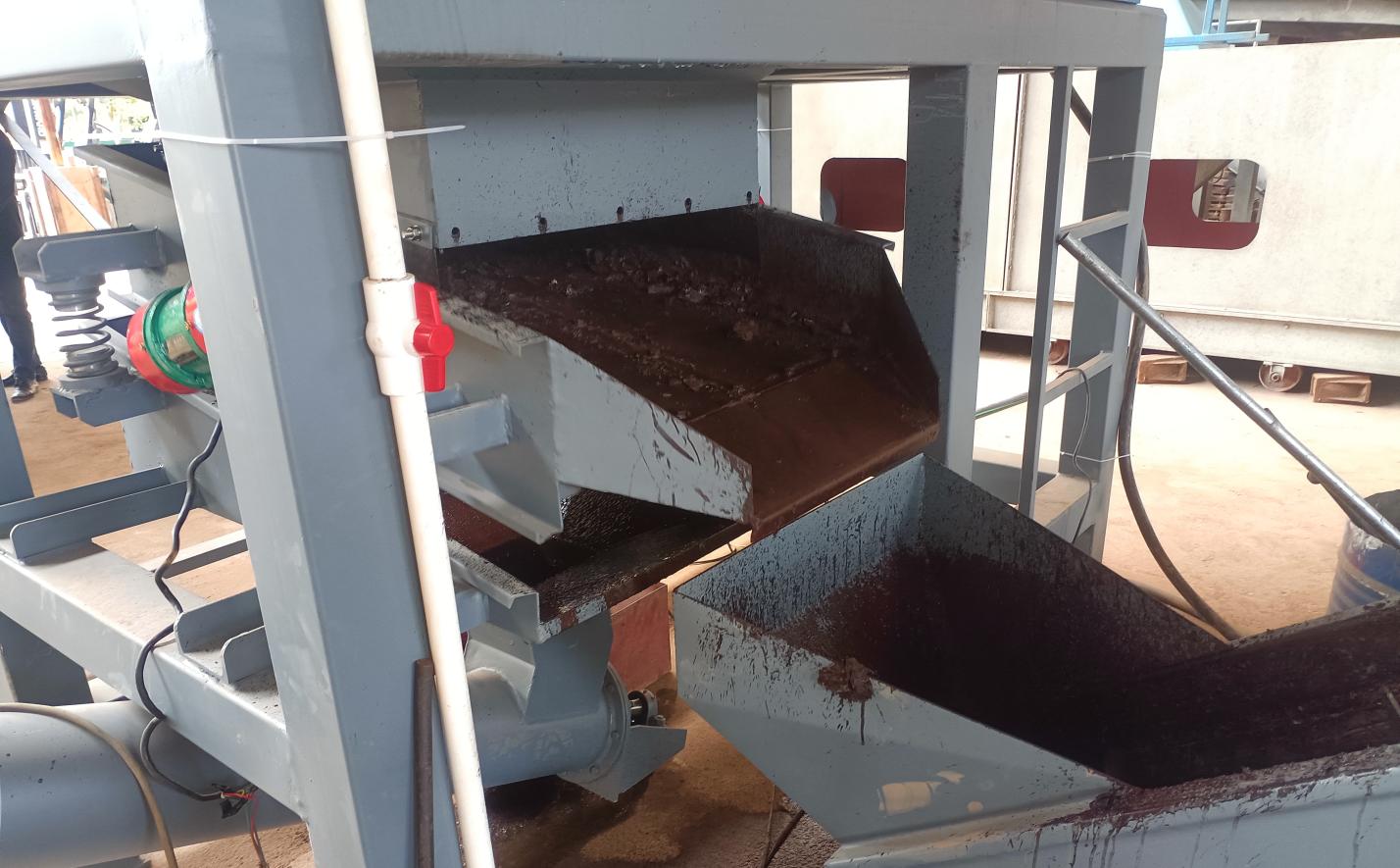
For lead acid batteries, the process begins with safe breaking and separation. Advanced systems crush used batteries and classify the output into lead paste, lead grids, plastic shells, and acid. The lead paste then undergoes desulfurization before smelting in rotary furnaces or blast furnaces, producing crude metallic lead that can be refined to 99.999% purity. Modern plants equipped with comprehensive lead acid battery recycling equipment can achieve processing capacities ranging from 1 to 10 metric tons per hour, with lead recovery rates reaching 95%.
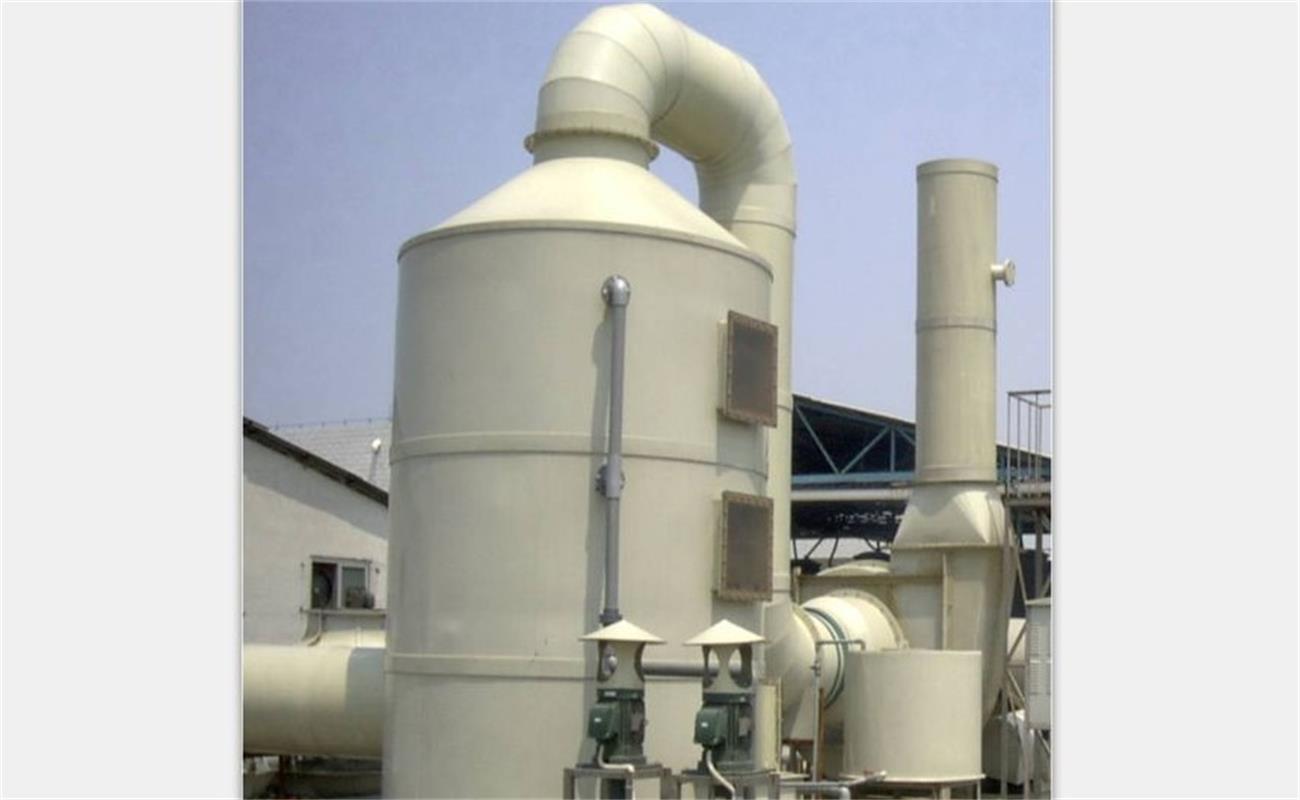
Lithium-ion battery recycling follows a different path. After discharge and pre-crushing, batteries are granulated and separated into black mass containing nickel, cobalt, and graphite, along with recoverable copper, aluminum, and plastic. Given the volatile nature of lithium cells, specialized air pollution control systems are critical to neutralize harmful gases and ensure safe operations. Capacities for lithium battery recycling lines typically range from 500 to 2,500 kilograms per hour.
Expanding Beyond Batteries: Cable and Circuit Board Recovery
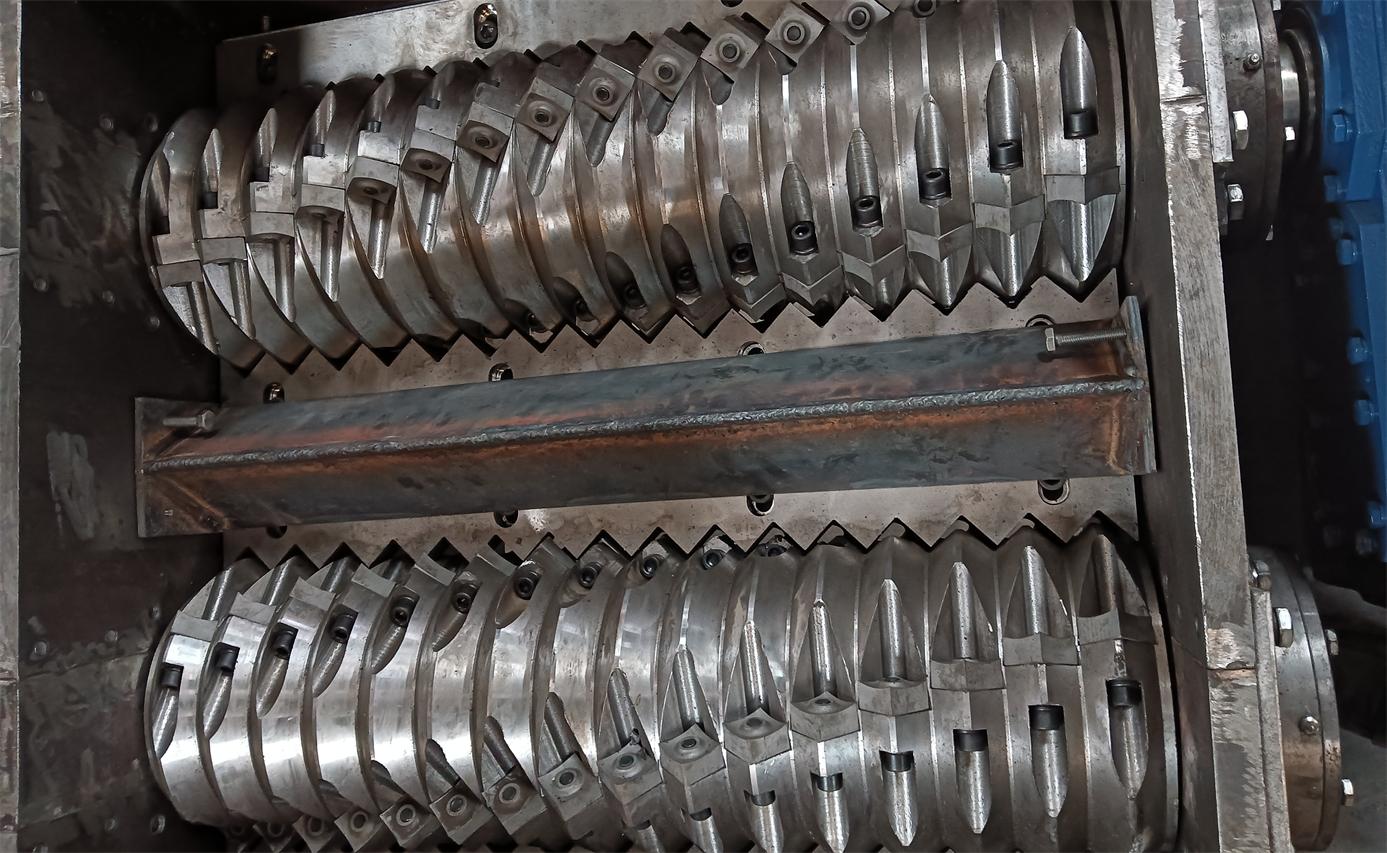
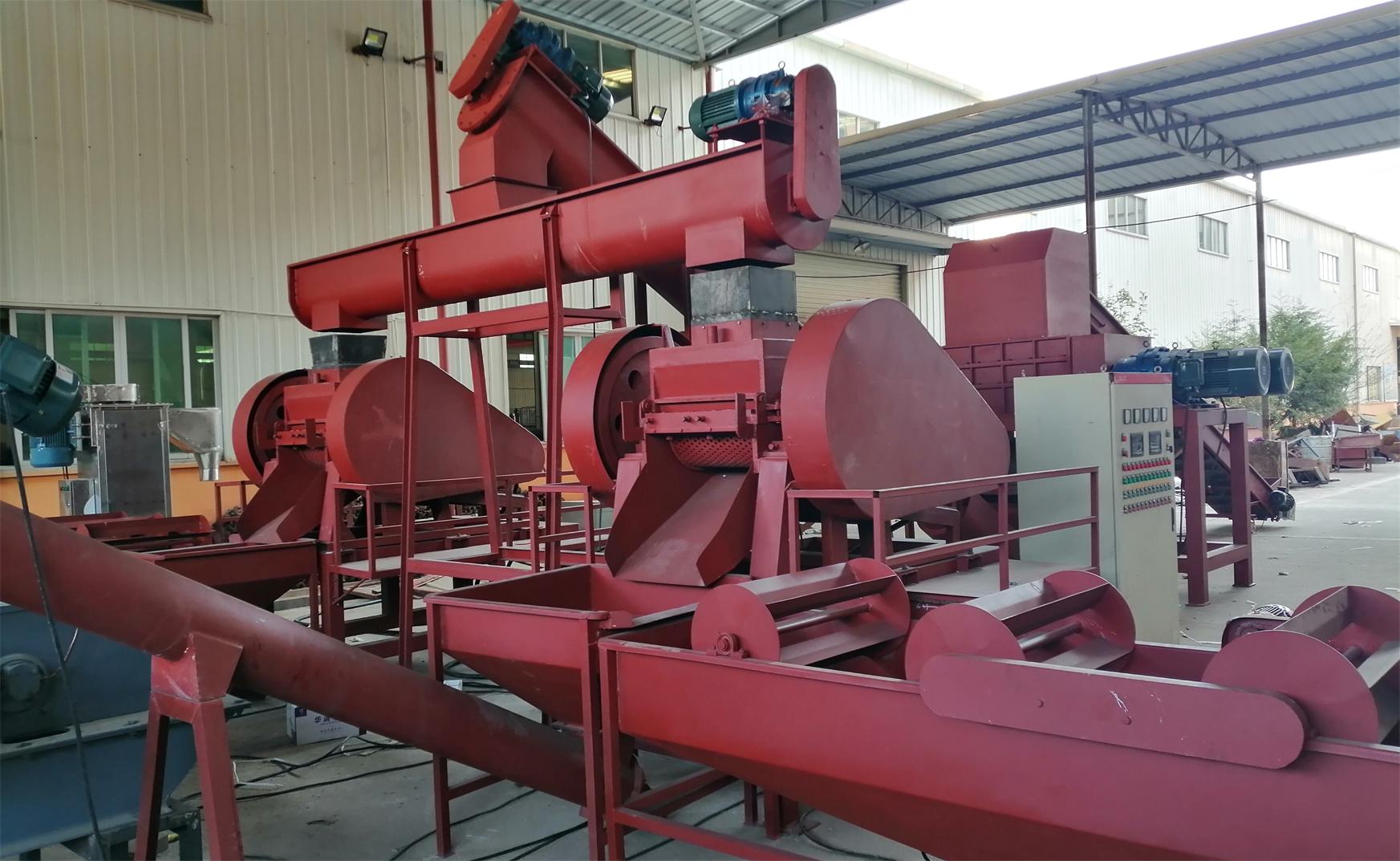
While batteries represent a high-value waste stream, successful recycling businesses often diversify into complementary materials. Scrap cables, for instance, contain valuable copper and aluminum that can be efficiently separated from plastic insulation using granulators and air separation systems. Depending on cable type and preprocessing, cable recycling equipment can process hundreds to thousands of kilograms per hour, producing clean copper granules with purity levels exceeding 96%.
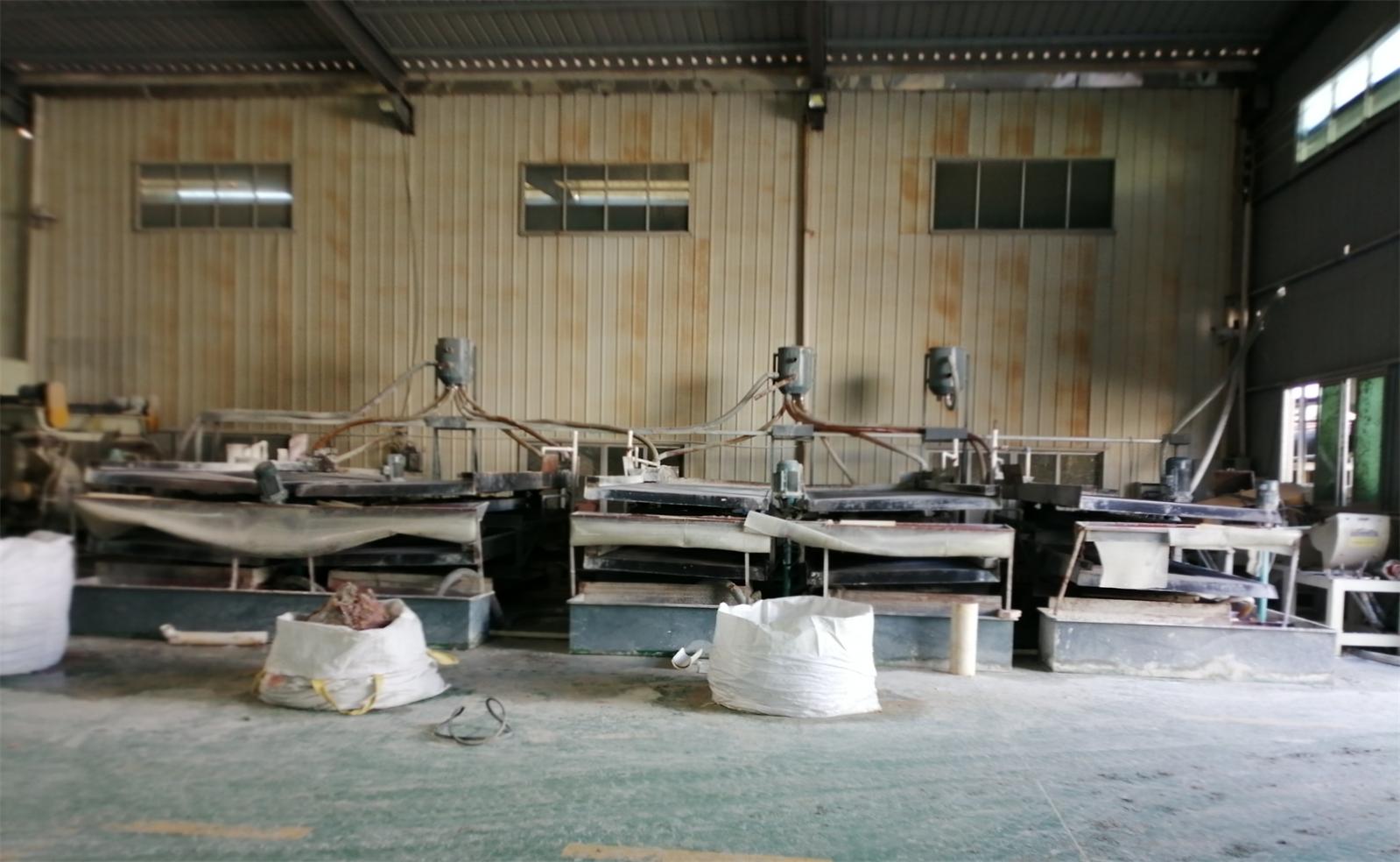
Printed circuit boards offer another lucrative opportunity. Through crushing, grinding, and either wet or dry separation methods, PCB recycling plants recover copper powder and precious metals from electronic scrap. Advanced circuit board recycling systems achieve recovery rates around 95%, with copper powder purity between 96% and 98%. Integrating circuit board recycling equipment into your facility allows you to capture value from a broader range of e-waste sources.
Why Turnkey Solutions Matter
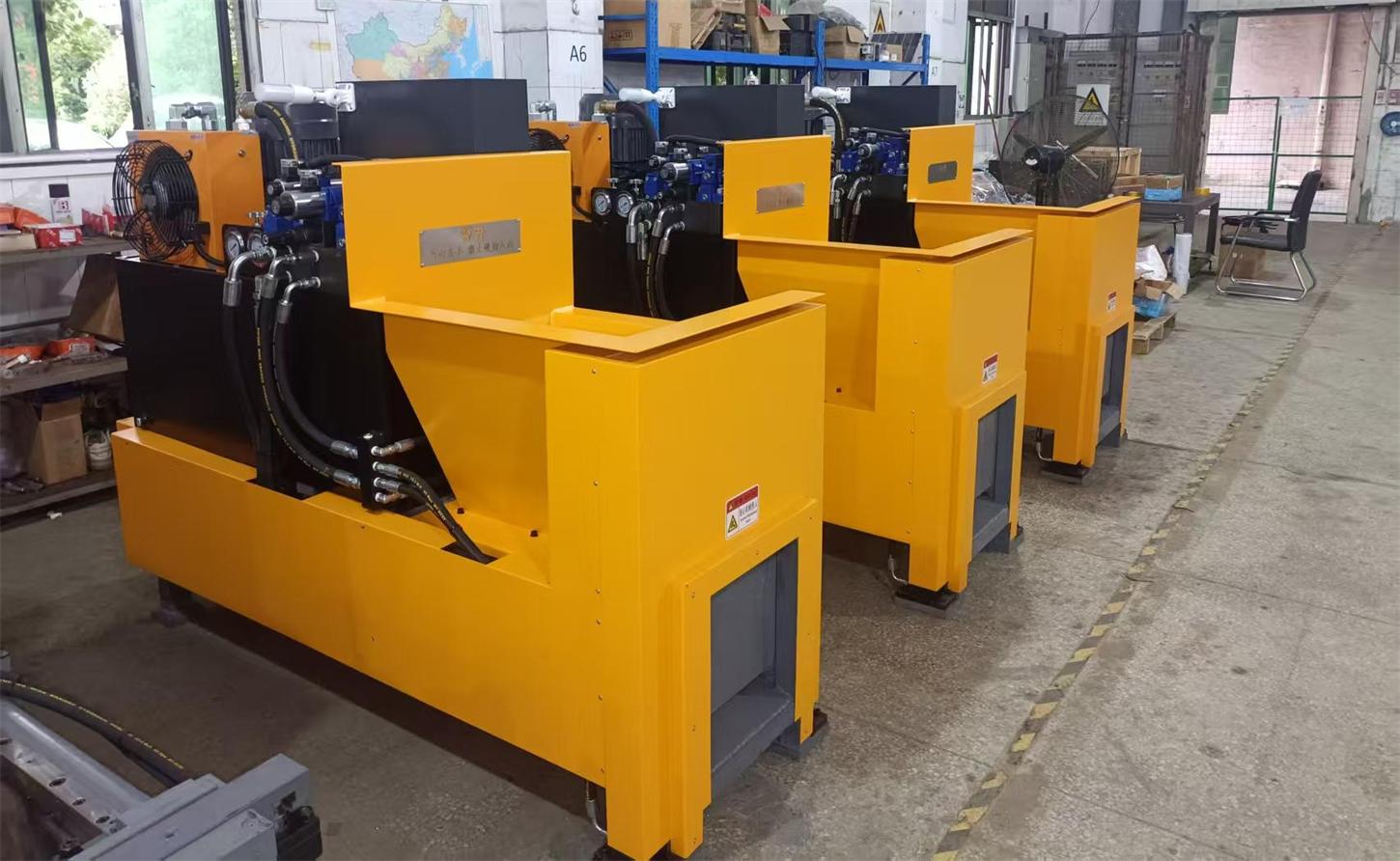
Purchasing individual machines is only the beginning. A truly operational recycling plant requires careful layout design, compatible equipment integration, pollution control compliance, installation, commissioning, and operator training. Turnkey project providers handle these complexities as a unified package, reducing the risk of costly mismatches between components and accelerating the path to production.
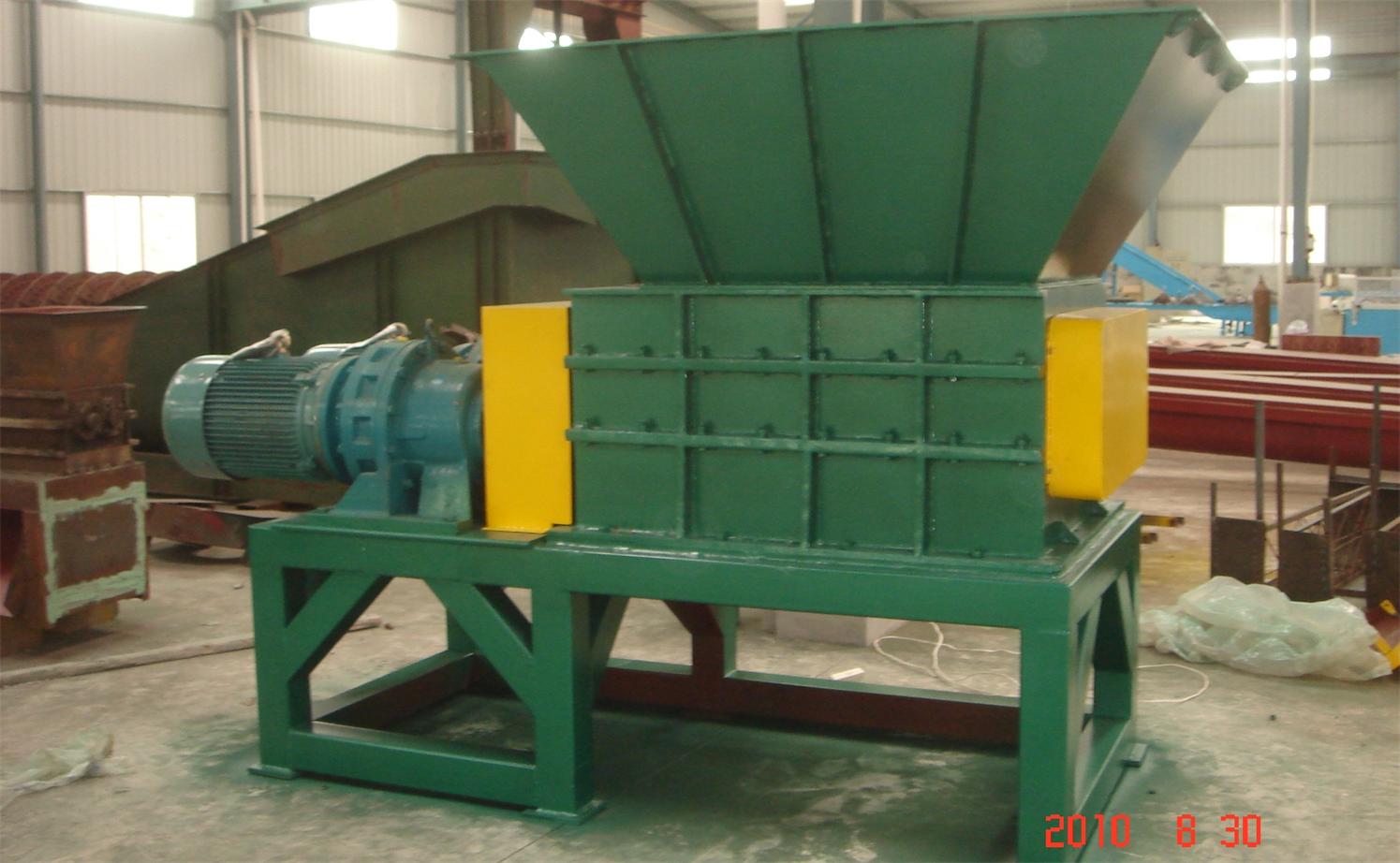
Experienced turnkey partners also bring practical insights that raw equipment vendors cannot offer. They understand local regulatory requirements, know how to optimize material flows through a facility, and can recommend the right combination of shredders, separators, smelters, and pollution control systems for specific waste streams and production targets.
What to Look for in a Long-Term Partner
Selecting the right equipment supplier goes beyond comparing specifications and prices. A dependable partner should demonstrate deep technical expertise, proven international experience, and a willingness to support your business well after installation.
Key capabilities to evaluate:
Technical depth: Look for engineering teams with advanced degrees and extensive hands-on experience in recycling machinery design and optimization.
Project portfolio: A supplier with customers across diverse regions has likely encountered and solved a wider range of operational challenges.
Scope of supply: The ability to provide not just core equipment but also auxiliary systems such as water treatment, air pollution control, and material handling equipment simplifies procurement and integration.
Commercial support: Some suppliers assist with sourcing waste materials, connecting you with feedstock suppliers, and even help market recovered products such as copper rice, lead ingots, or aluminum granules.
Language and communication: Bilingual support in English and Chinese ensures smoother negotiations, clearer documentation, and more responsive after-sales service for international buyers.
Building a Sustainable Competitive Advantage
The recycling industry rewards operators who combine efficient technology with smart business strategy. Plants that achieve high recovery rates, maintain strict environmental compliance, and secure reliable supply chains for both inbound waste and outbound recovered materials position themselves for stable, long-term profitability.
Moreover, as governments worldwide tighten regulations around e-waste disposal and extend producer responsibility laws, the demand for professional recycling infrastructure will only grow. Early movers who establish capable, compliant facilities now will be well positioned to capture market share as legislative pressure intensifies.
Ready to explore your recycling plant project? Whether you are evaluating lead acid battery recycling equipment, cable recycling equipment, or circuit board recycling equipment, partnering with an experienced manufacturer can make the difference between a struggling startup and a thriving operation. Contact a specialist today to discuss your material streams, capacity requirements, and project timeline.