Turning Waste into Wealth: How Modern Recycling Equipment Transforms Your E-Waste Business
Every year, millions of tons of electronic waste end up in landfills, carrying valuable metals like copper, lead, and lithium with them. For businesses willing to invest in the right technology, this waste stream represents one of the most profitable untapped resources in the modern economy.
The Growing Opportunity in E-Waste Recycling
The global volume of discarded electronics continues to rise sharply. Used lead acid batteries from vehicles and backup power systems, spent lithium-ion batteries from electric vehicles and consumer electronics, obsolete circuit boards from outdated devices, and scrap cables from construction and demolition sites all contain recoverable materials with strong market demand.
Governments worldwide are tightening environmental regulations around e-waste disposal. This creates both a compliance challenge and a business opportunity. Companies that establish proper recycling operations not only avoid penalties but also generate revenue from recovered metals and materials.
Lead Acid Battery Recycling: A Proven Revenue Stream
Used lead acid batteries remain one of the most recycled consumer products globally, and for good reason. The lead content alone makes them valuable, while the plastic casing and sulfuric acid can also be recovered and reused. A well-designed lead acid battery recycling equipment setup can process batteries at capacities ranging from 1 to 10 metric tons per hour, separating lead paste, lead grids, plastic shells, and acid with high efficiency.
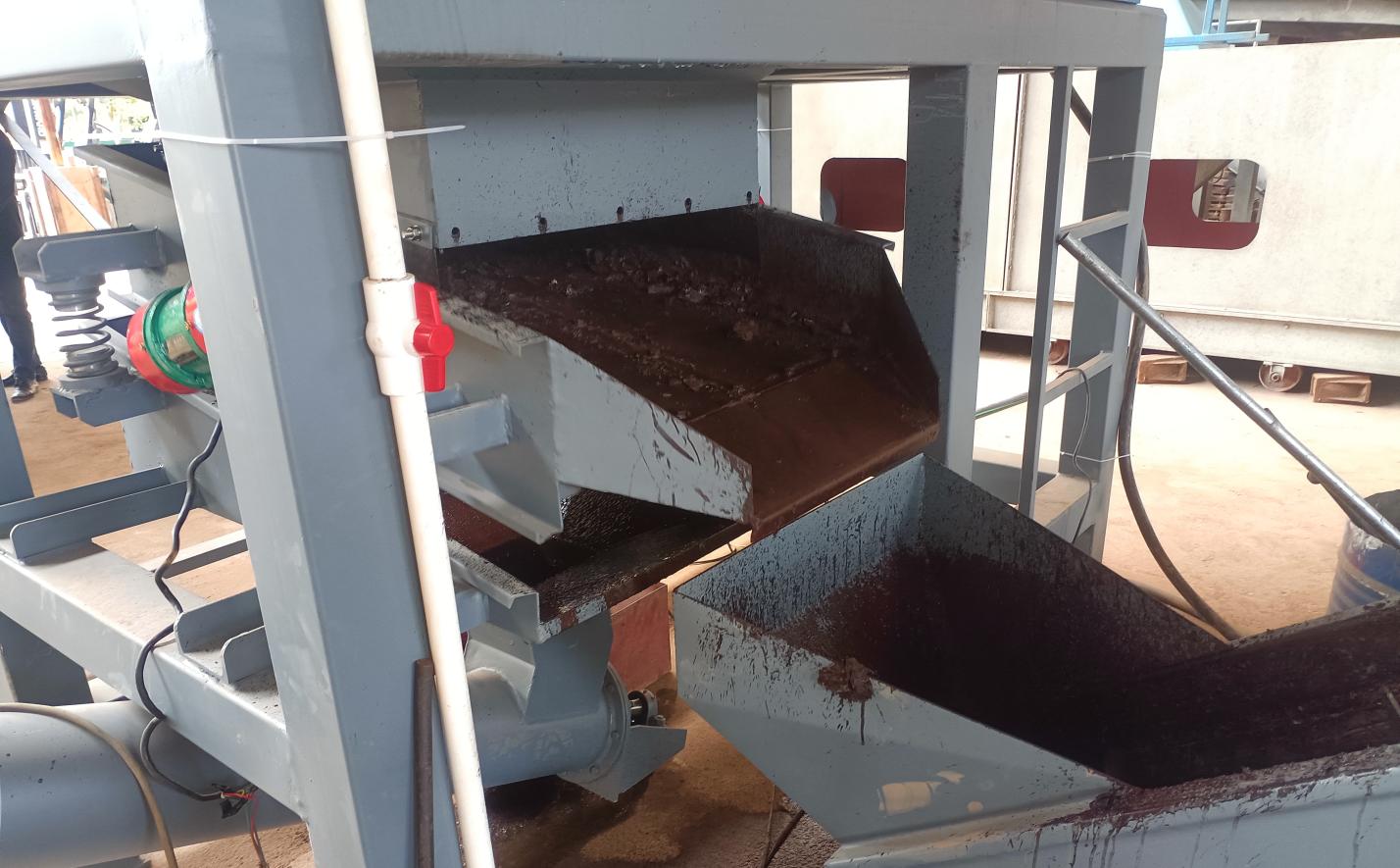
Modern recycling plants use automated breaking and separation systems followed by smelting furnaces to convert lead paste into crude metallic lead. Advanced de-sulfurization units reduce sulfur content before melting, which lowers energy consumption and minimizes emissions. Refinery kettle furnaces then purify the crude lead to 99.999% purity, ready for resale to battery manufacturers and other industries.
Lithium Battery Recycling: Capturing the Energy Transition
As electric vehicles and renewable energy storage expand, the volume of end-of-life lithium-ion batteries is growing exponentially. These batteries contain valuable materials including nickel, cobalt, graphite, copper, and aluminum. A modern lithium battery recycling plant can process 500 to 2,500 kilograms per hour, recovering black mass rich in critical metals along with separated plastic, copper, and aluminum fractions.
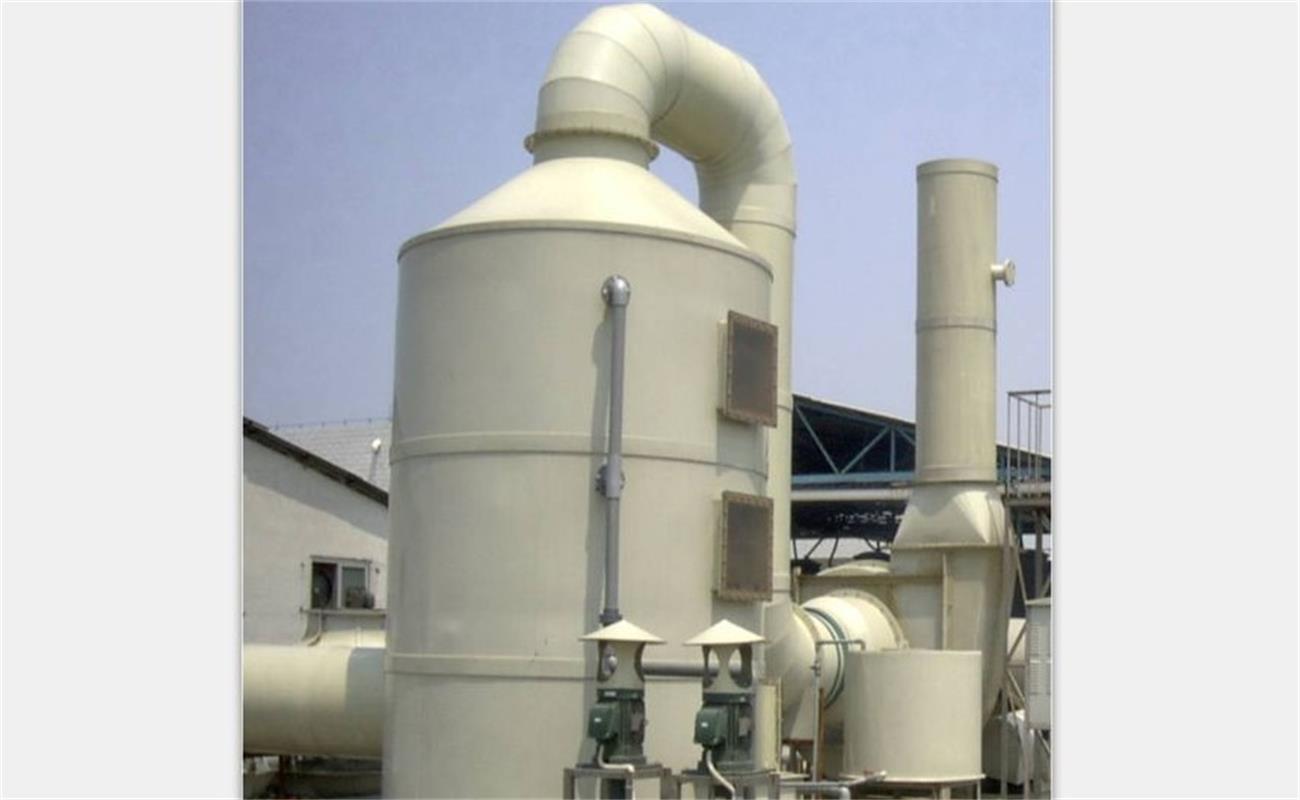
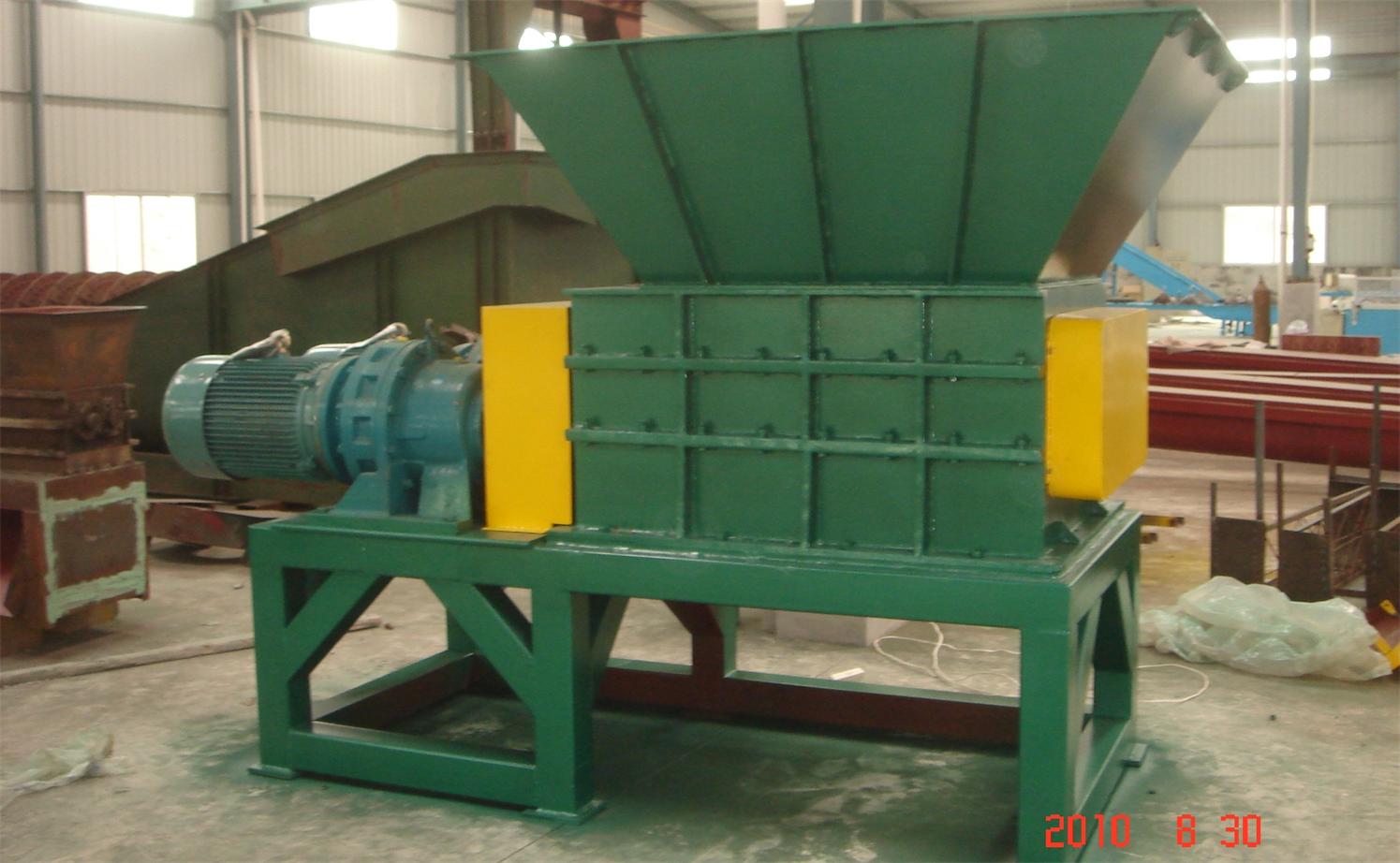
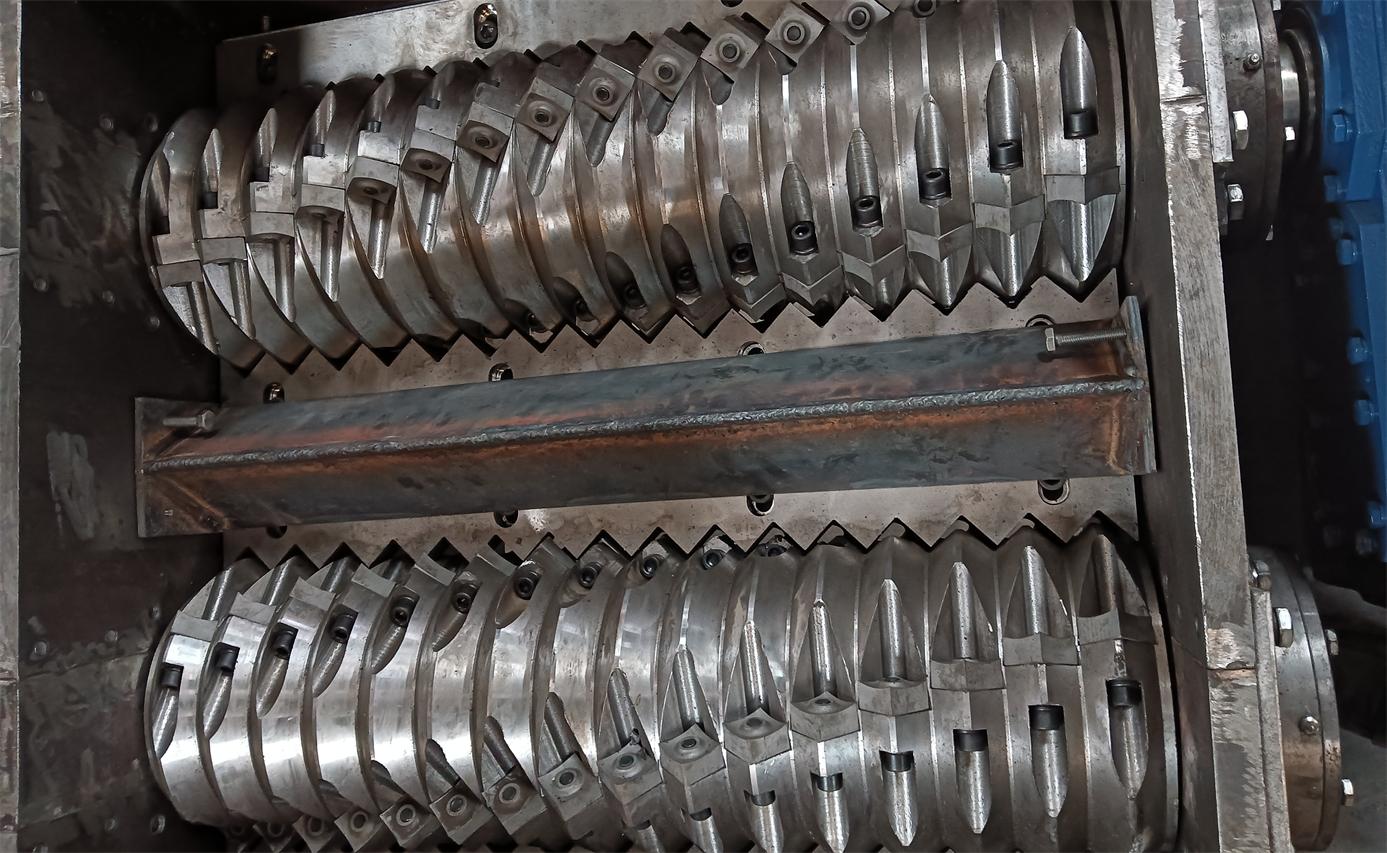
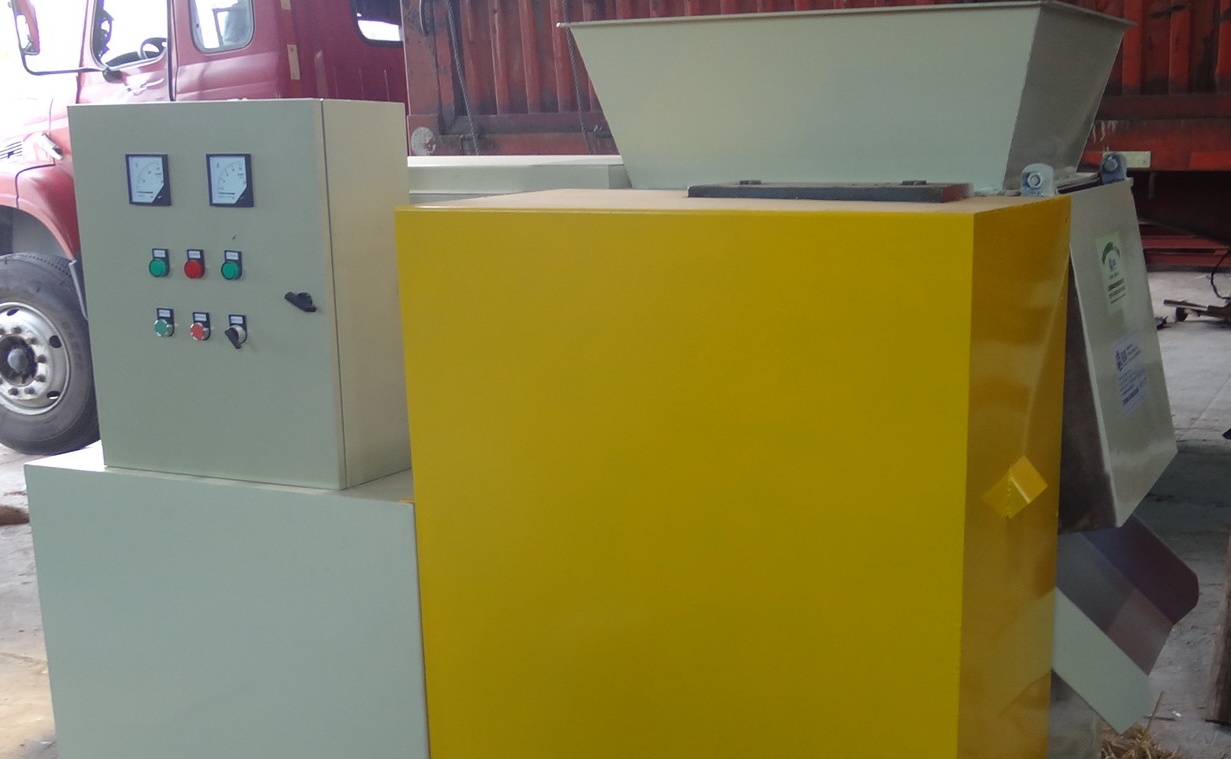
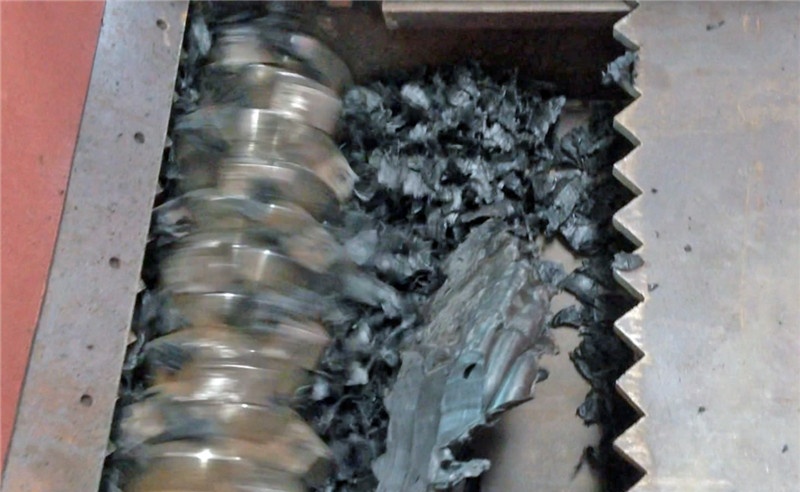
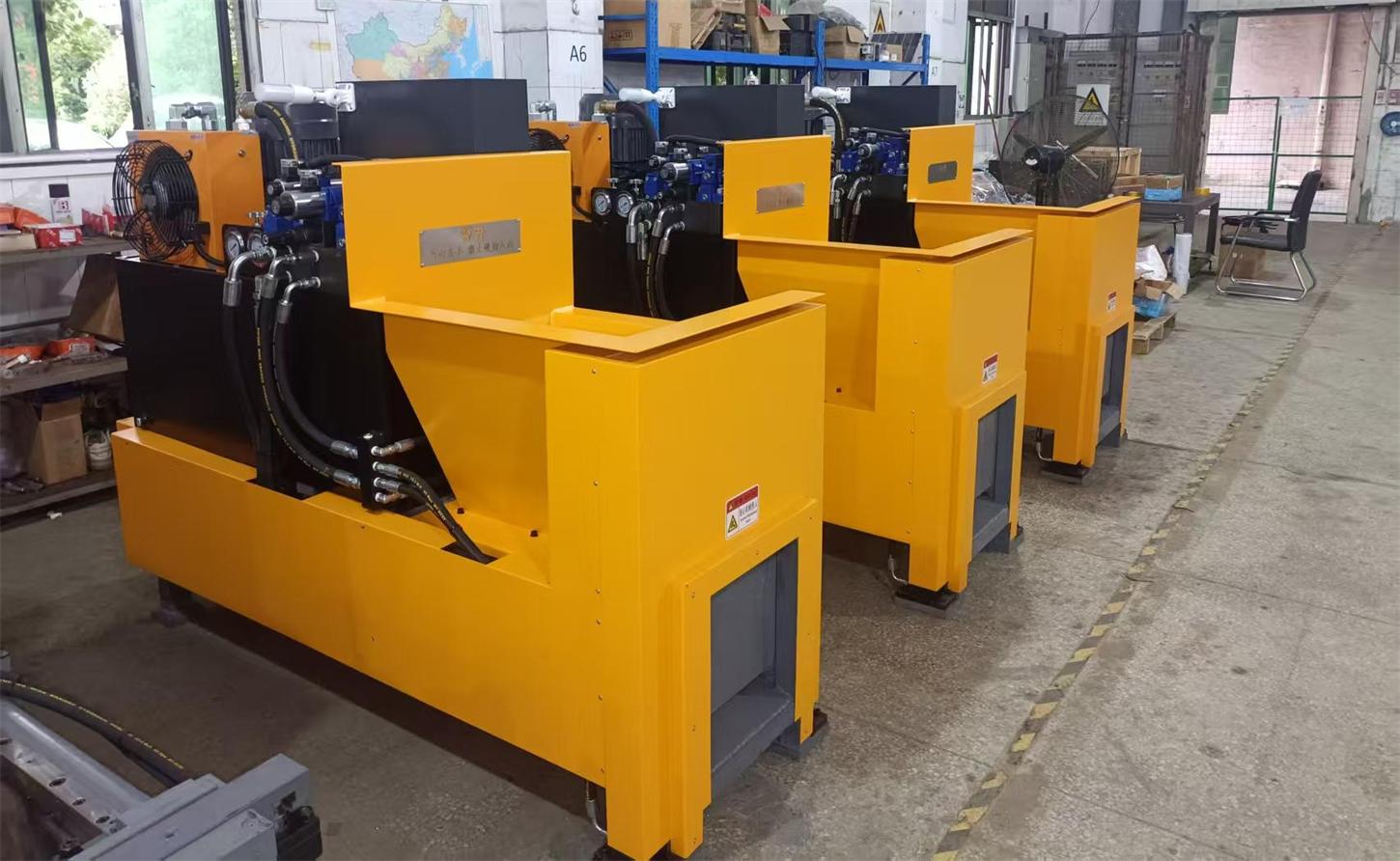
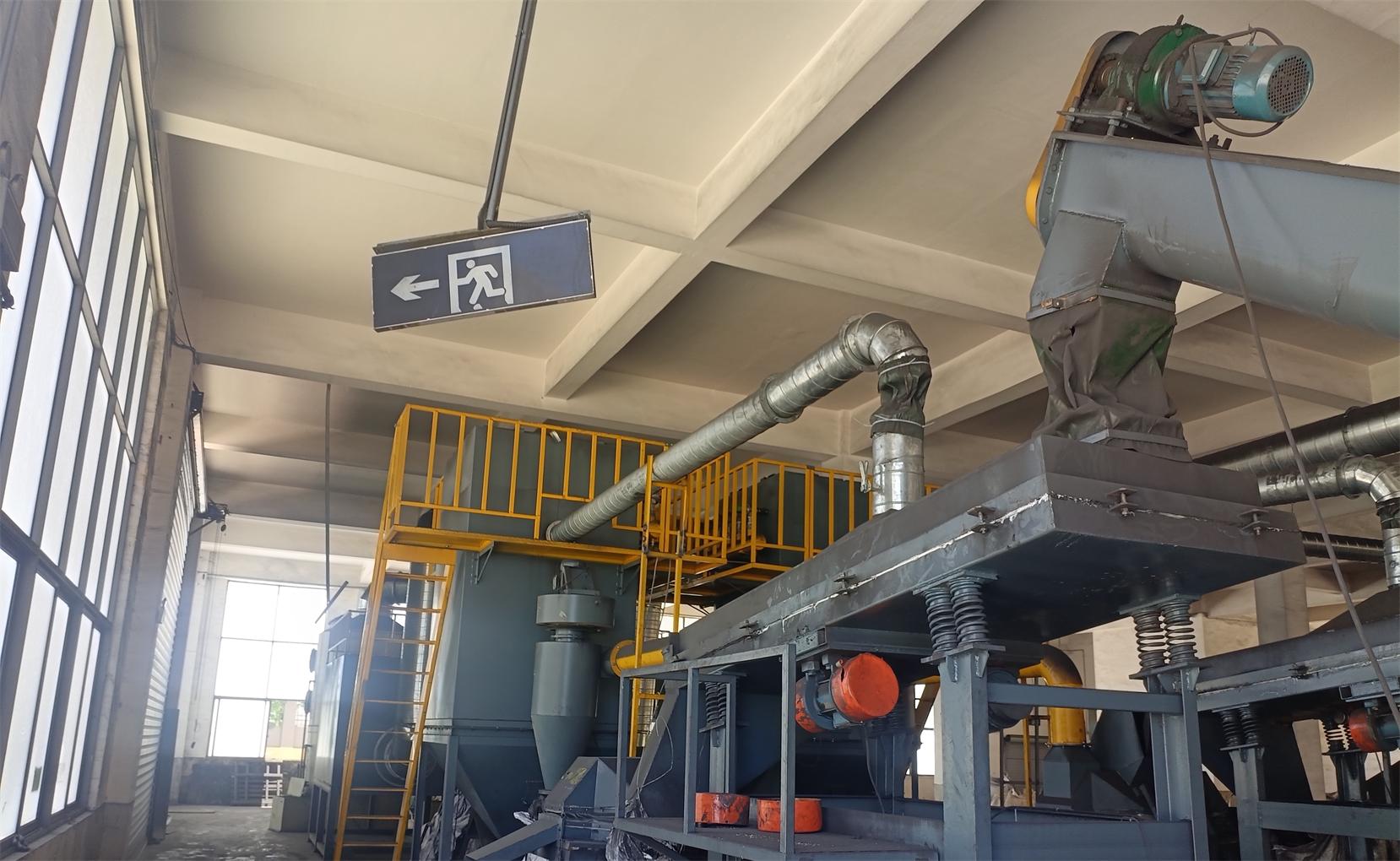
The recycling process typically involves safe discharging, pre-crushing, secondary granulation, and multi-stage separation. Air pollution control systems are essential to capture and neutralize any harmful gases released during crushing. Pneumatic conveying systems and hydraulic briquetters help handle the plastic separator films efficiently, compressing them into dense blocks for easier transport and resale.
Cable and Circuit Board Recovery: Maximizing Metal Yield
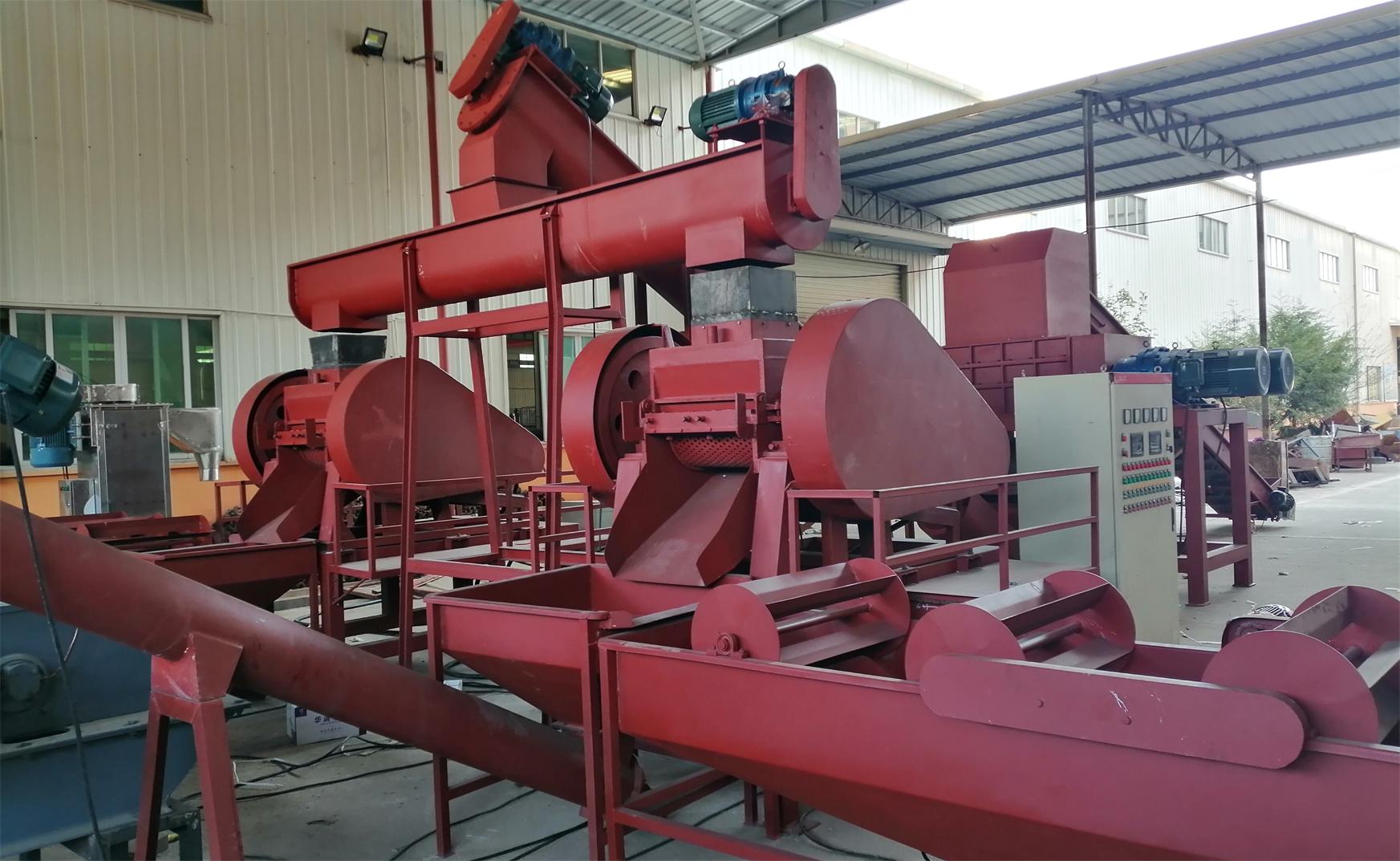
Scrap cables from construction sites, telecommunications upgrades, and industrial maintenance represent a consistent supply of recoverable copper and aluminum. Specialized cable recycling equipment uses dry or wet separation methods to strip insulation and isolate pure metal granules. Copper wire granulators can achieve purity levels of 96 to 98 percent, making the output directly saleable to metal refiners.
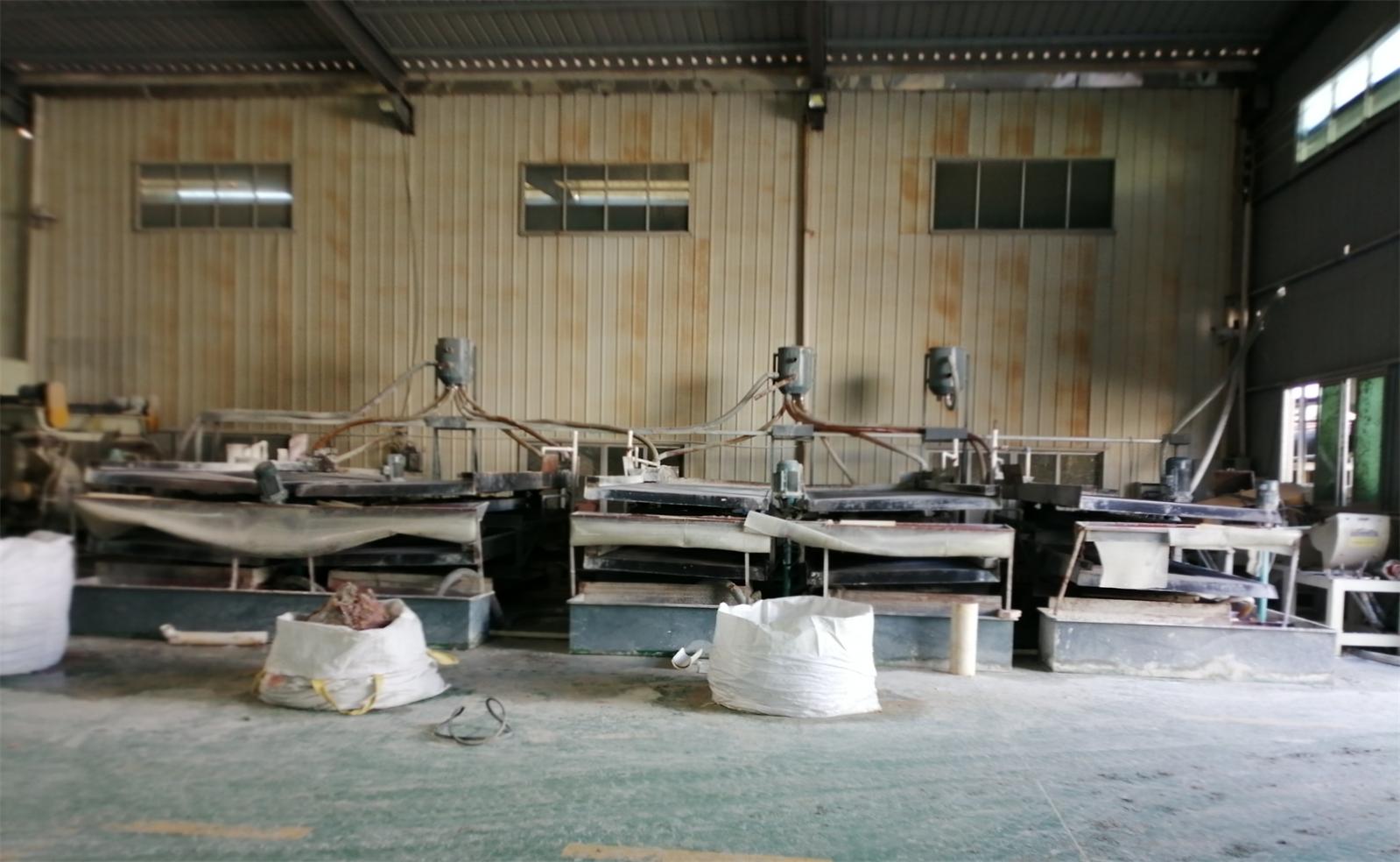
Printed circuit boards from discarded electronics contain not only copper but also trace amounts of precious metals. Circuit board recycling equipment with air or water separation technology can process hundreds to thousands of kilograms per hour, recovering copper powder and concentrating precious metals for further refining. Both dry and wet process options are available depending on local environmental regulations and feedstock characteristics.
What to Look for in a Recycling Equipment Partner
Choosing the right equipment supplier can determine whether your recycling operation succeeds or struggles. Here are the factors that separate reliable partners from mere vendors:
Technical expertise and experience: Look for manufacturers with over 15 years of hands-on experience in e-waste recycling machinery. Engineering teams with advanced degrees in mechanical engineering and direct involvement in recycling plant operations bring practical insights that generic equipment makers cannot match.
Complete project capability: The best suppliers offer full EPC (Engineering, Procurement, Construction) services, handling everything from initial design and equipment manufacturing to installation, commissioning, and operator training. This single-source responsibility reduces coordination problems and ensures all components work together properly.
Customization and flexibility: No two recycling operations are identical. Feedstock types, available space, local regulations, and target output volumes all vary. A capable manufacturer should offer customized designs rather than forcing your operation to fit a standard template.
Proven international track record: Suppliers with customers across 20 or more countries have demonstrated their ability to meet diverse standards, handle export logistics, and support operations remotely. This global experience often translates into more robust equipment design and better after-sales support.
Value-added services: Beyond equipment, some suppliers help customers source waste materials, find buyers for recovered outputs like copper rice and lead ingots, and even connect investors interested in funding recycling plant projects. These services can significantly accelerate your path to profitability.
Building a Sustainable and Profitable Operation
Success in e-waste recycling requires more than just buying machines. You need a clear understanding of your feedstock supply, your target output markets, and the regulatory environment in your region. Start with a realistic assessment of available waste volumes and work backward to determine the appropriate equipment scale.
Environmental compliance should be built into your plant design from the beginning, not treated as an afterthought. Modern recycling equipment includes integrated air pollution control systems, water treatment plants, and dust collection systems that keep emissions well within regulatory limits. Investing in these systems upfront protects your operation from shutdowns and fines while building goodwill with local communities.
Labor efficiency matters too. Automated breaking, separation, and material handling systems reduce staffing requirements while improving consistency and safety. The most advanced plants can operate with minimal manual intervention, lowering your ongoing costs and reducing workplace hazards.
Conclusion: The Time to Act Is Now
The e-waste recycling industry is moving from a niche environmental activity to a mainstream business opportunity. Rising metal prices, stricter disposal regulations, and growing corporate sustainability commitments are all driving demand for professional recycling services. Companies that establish capable operations now will be well-positioned to capture market share as the industry expands.
Whether you are starting your first recycling venture or expanding an existing operation, partnering with an experienced equipment manufacturer can help you avoid costly mistakes and reach profitability faster. The right supplier brings not just machines, but decades of accumulated knowledge about what works in real-world recycling environments.
Ready to explore how modern recycling equipment can transform your waste stream into revenue? San Lan Technologies has been designing and building e-waste recycling plants since 2007, serving customers in over 21 countries with complete solutions from initial concept through commissioning and beyond. Contact their team today to discuss your specific project requirements and discover how the right equipment partner can accelerate your success.