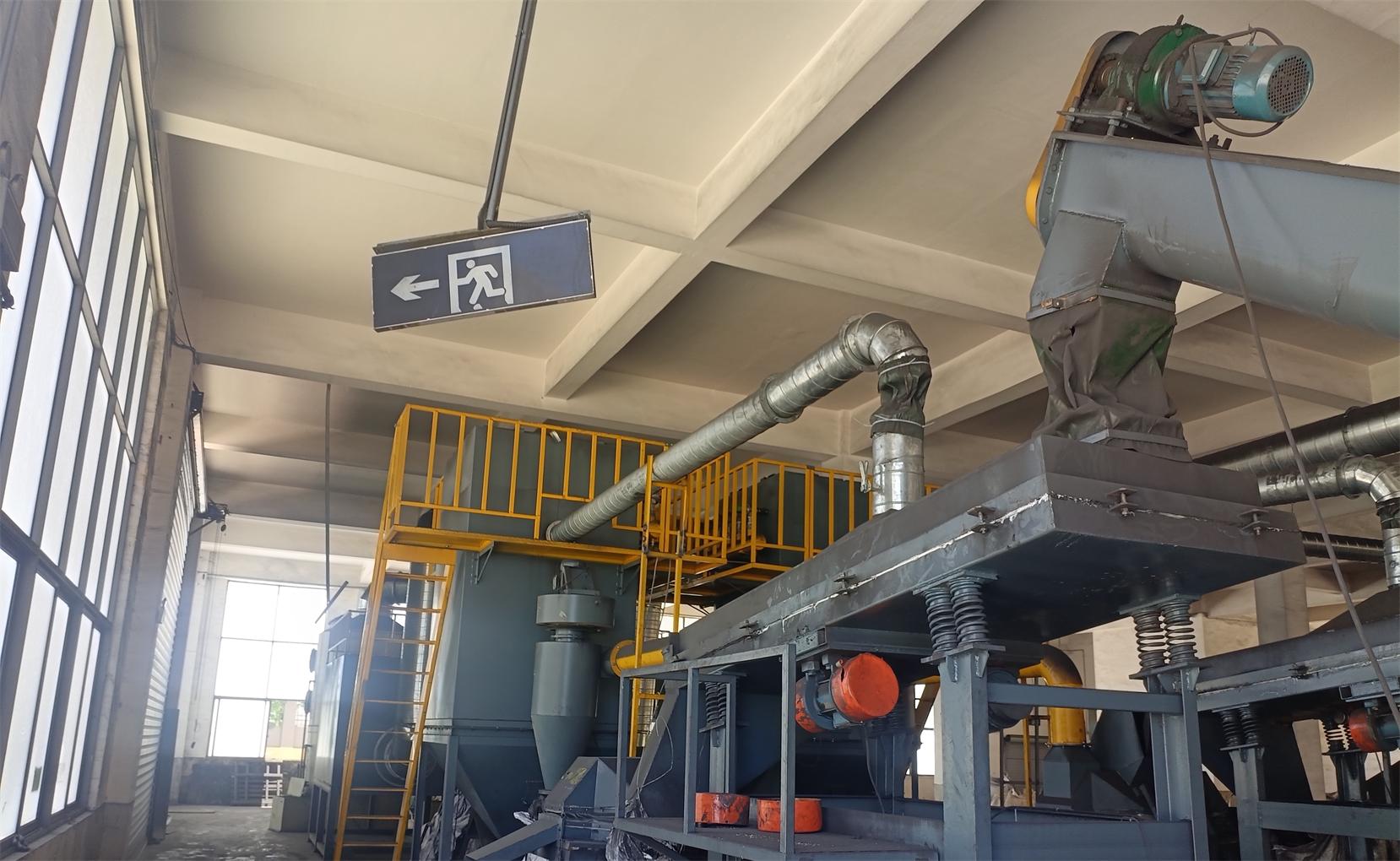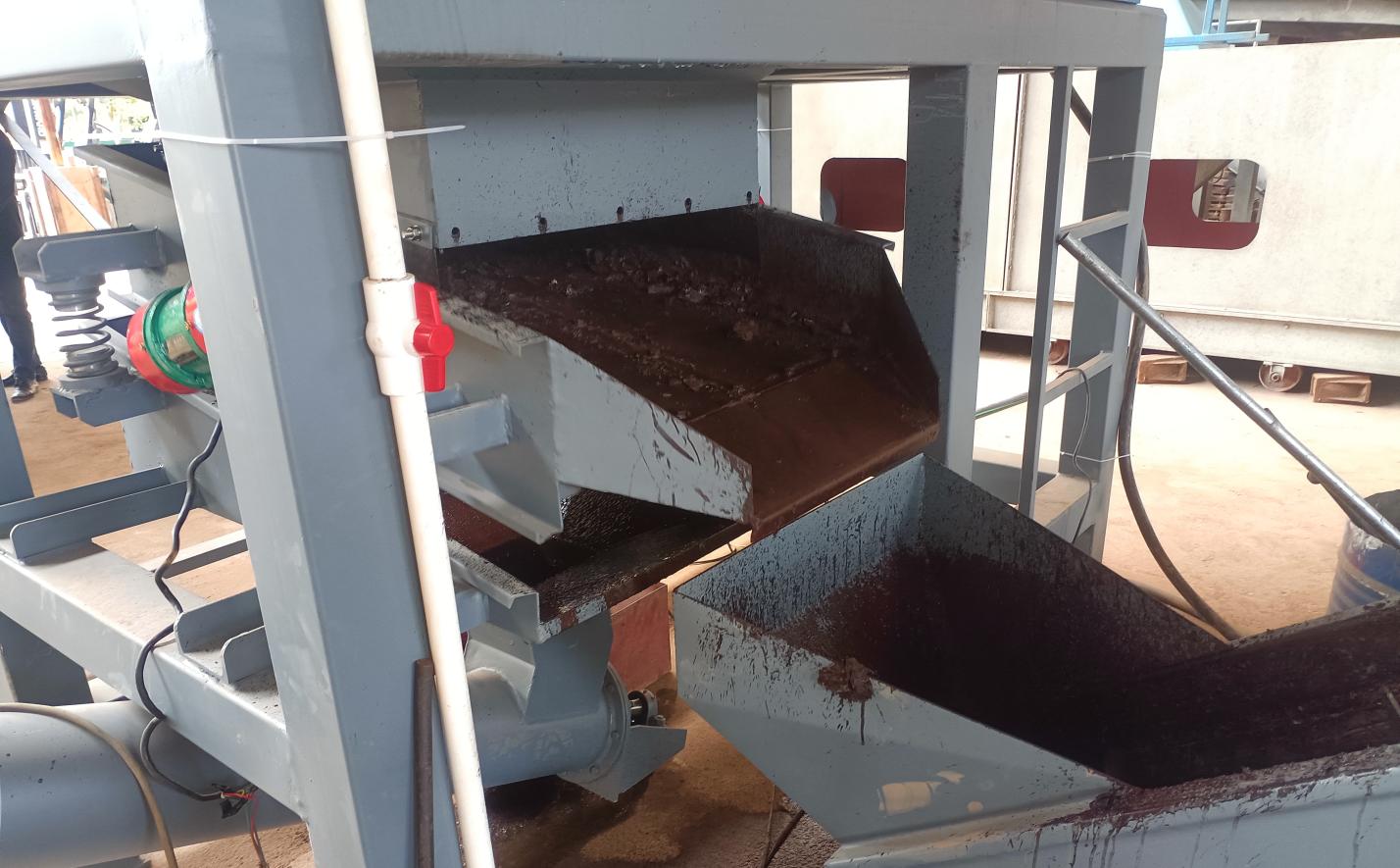
Why Industrial Recycling Equipment Matters
Consumer-grade recycling programs handle drop-off collection and basic sorting. Industrial operations, however, need machinery that can process tonnes of material per hour while recovering valuable metals at high purity levels. The wrong equipment leads to low recovery rates, excessive downtime, and regulatory headaches.
A well-designed recycling plant does more than protect the environment. It turns discarded materials into sellable commodities: copper rice, lead ingots, aluminum granules, and black mass containing nickel, cobalt, and graphite. The economics are straightforward. The higher your recovery rate and metal purity, the stronger your margins.
Key Equipment Categories for a Full-Scale Operation
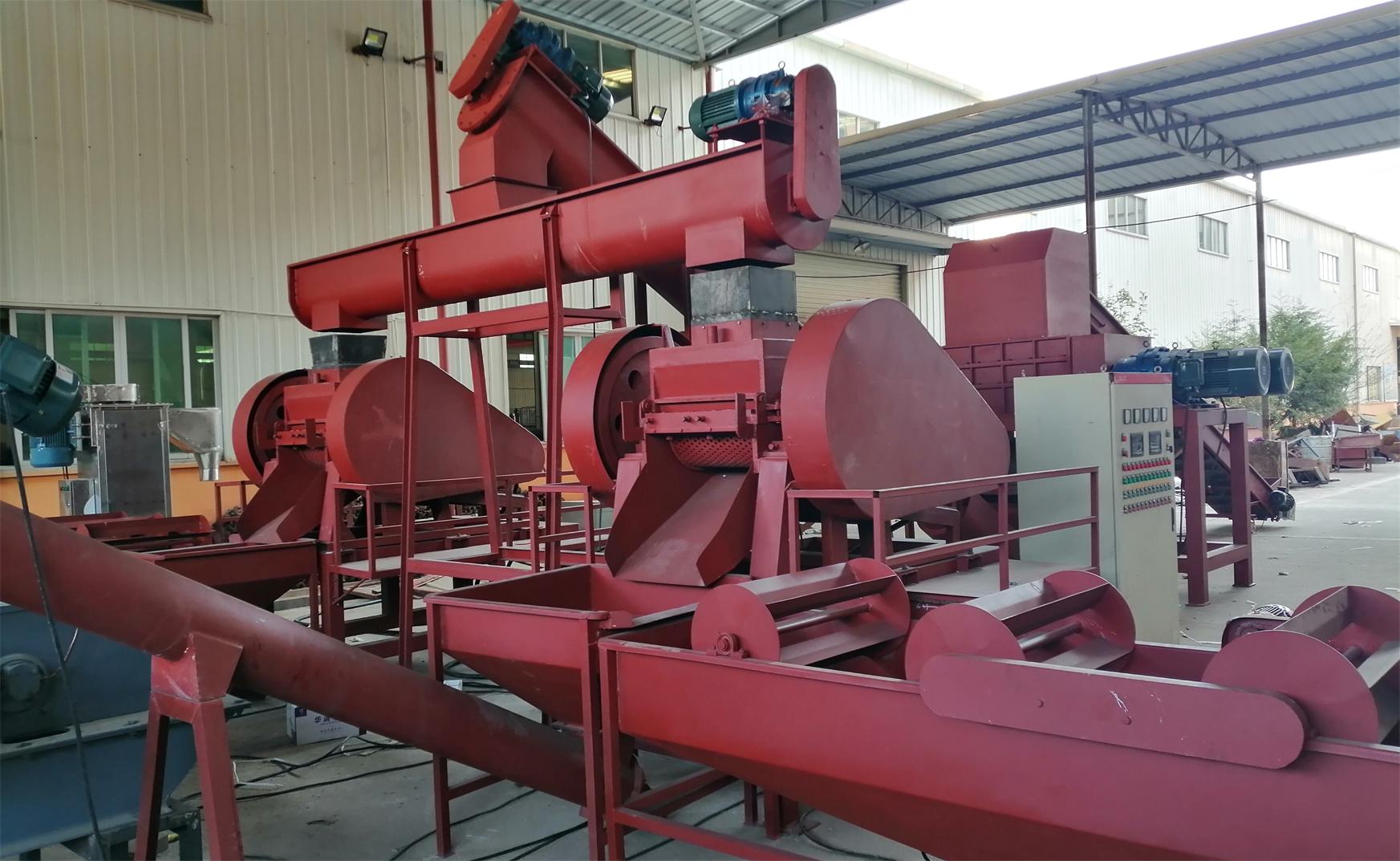
A complete e-waste recycling line typically includes several specialized machines working in sequence. Here are the core categories that every serious operator should understand.
Batteries represent one of the fastest-growing waste streams globally. Lead acid battery recycling equipment breaks and separates batteries to recover acid, plastic shells, lead grids, and lead paste. Capacity typically ranges from 1 to 10 metric tonnes per hour. The recovered lead can be refined to 99.999% purity using rotary furnaces and refinery kettle furnaces, making it suitable for resale to battery manufacturers.
On the lithium side, li battery recycling equipment handles the more complex chemistry of modern cells. These systems discharge, pre-crush, and granulate waste lithium batteries, then separate black mass from plastic film, copper, and aluminum. Capacities range from 500 to 2,500 kg per hour. Given the rising demand for cobalt, nickel, and lithium carbonate, this segment offers exceptional long-term value.
Granulators and strippers separate copper or aluminum from plastic insulation. Dry and wet separation options are available depending on cable type and local environmental rules.
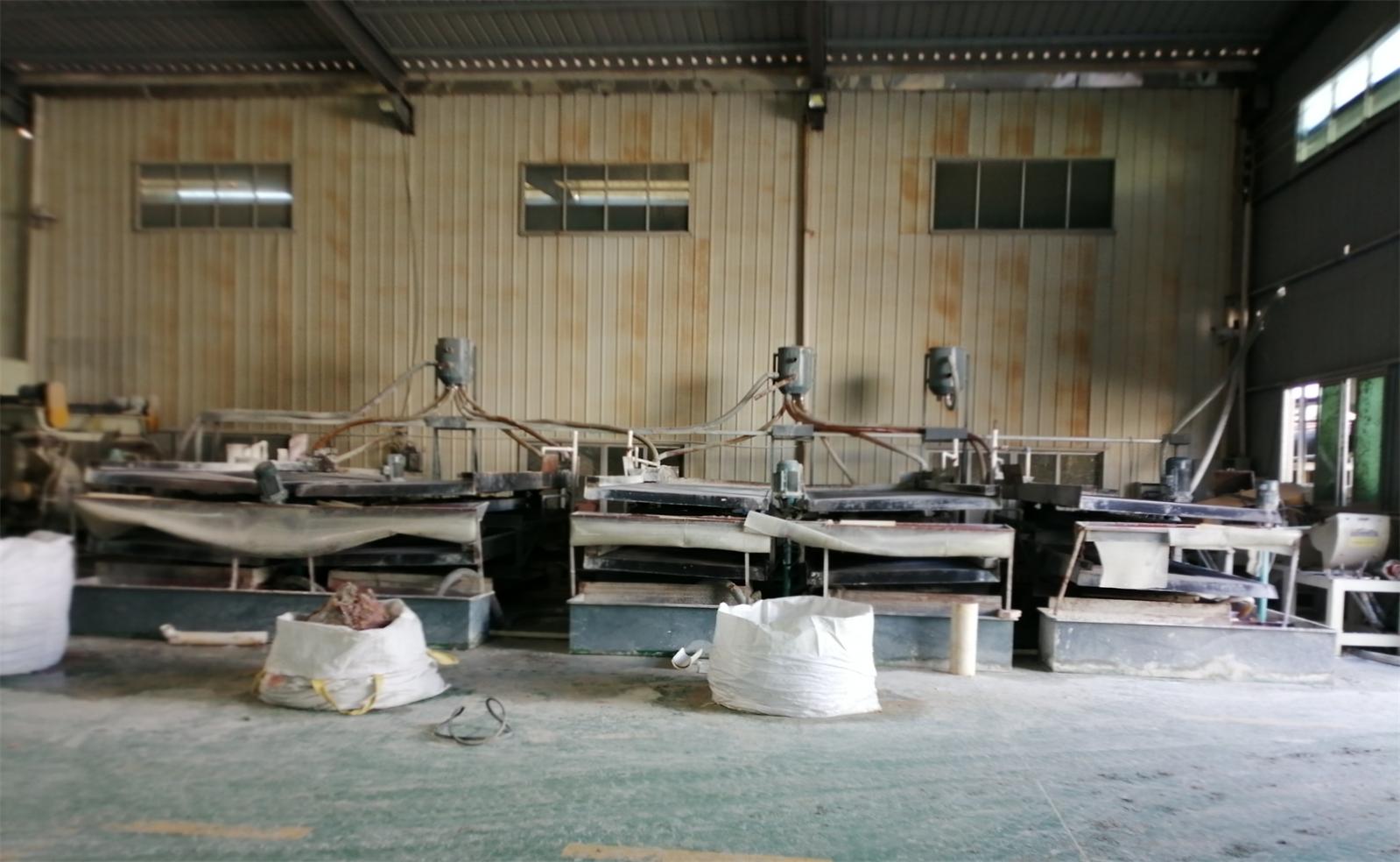
Air and wet separators extract copper powder and precious metals from PCBs. Recovery rates reach 95% with copper purity of 96-98%.
Specialized lines safely extract refrigerants before shredding and separating metals, plastics, and polyurethane foam.
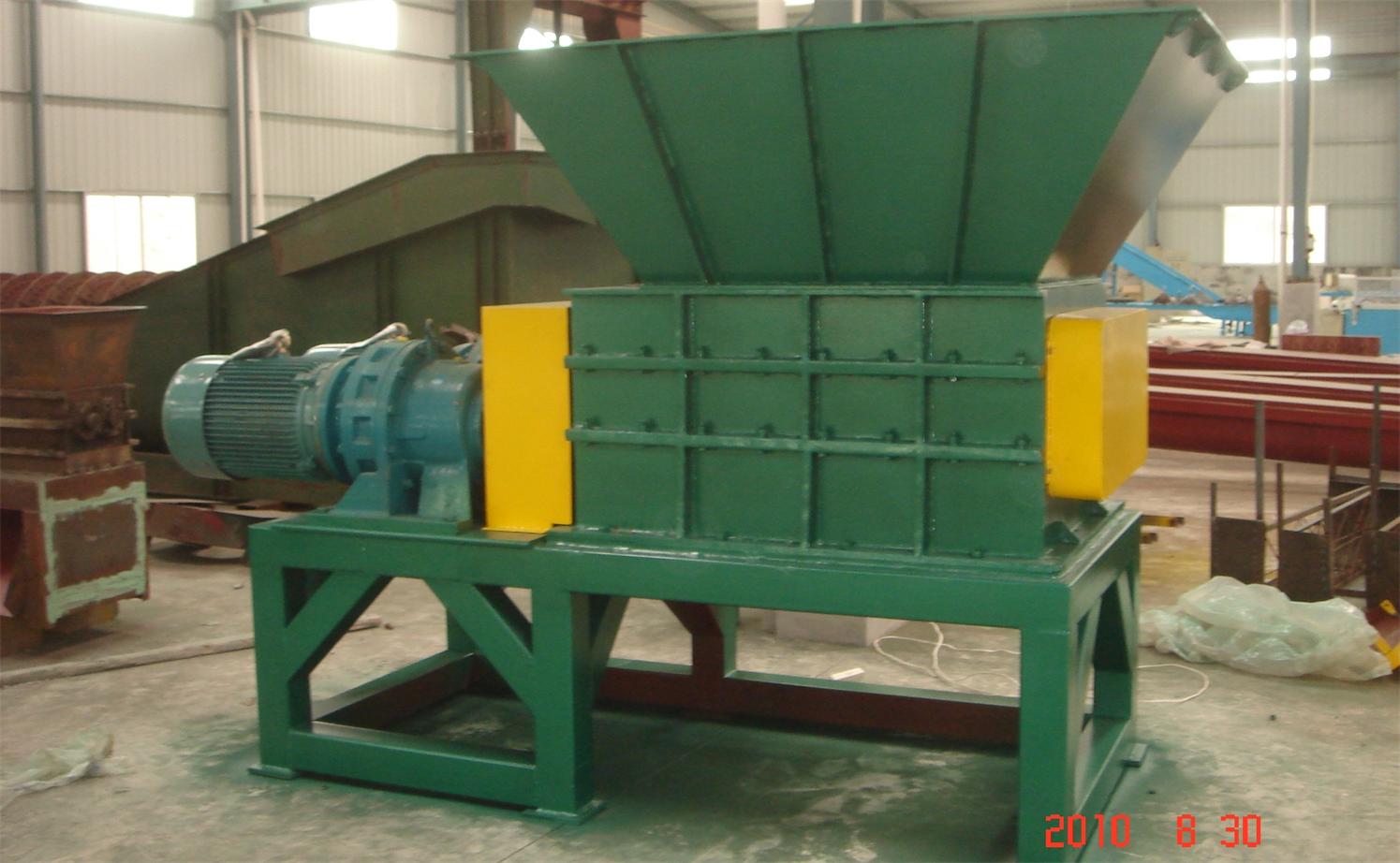
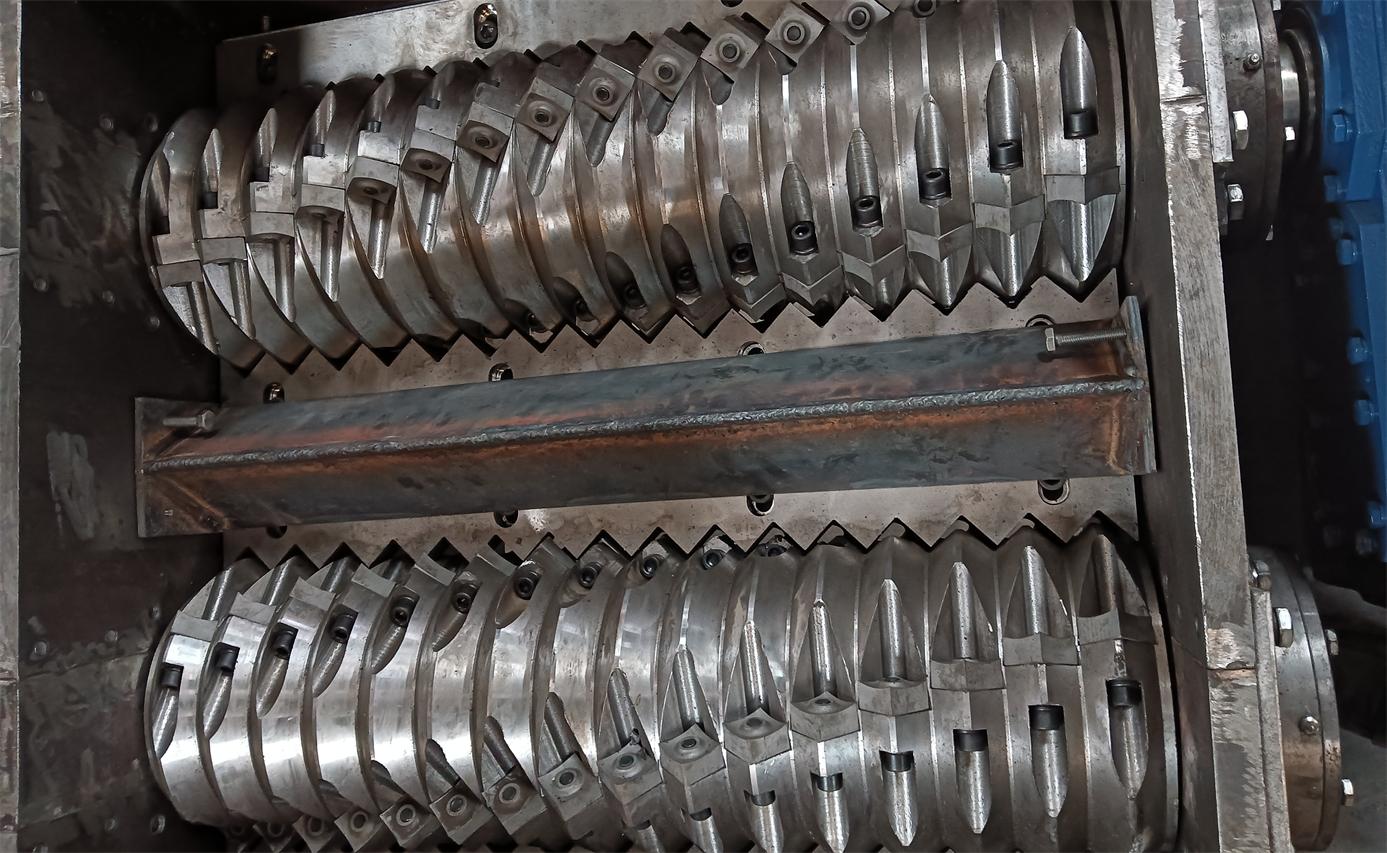
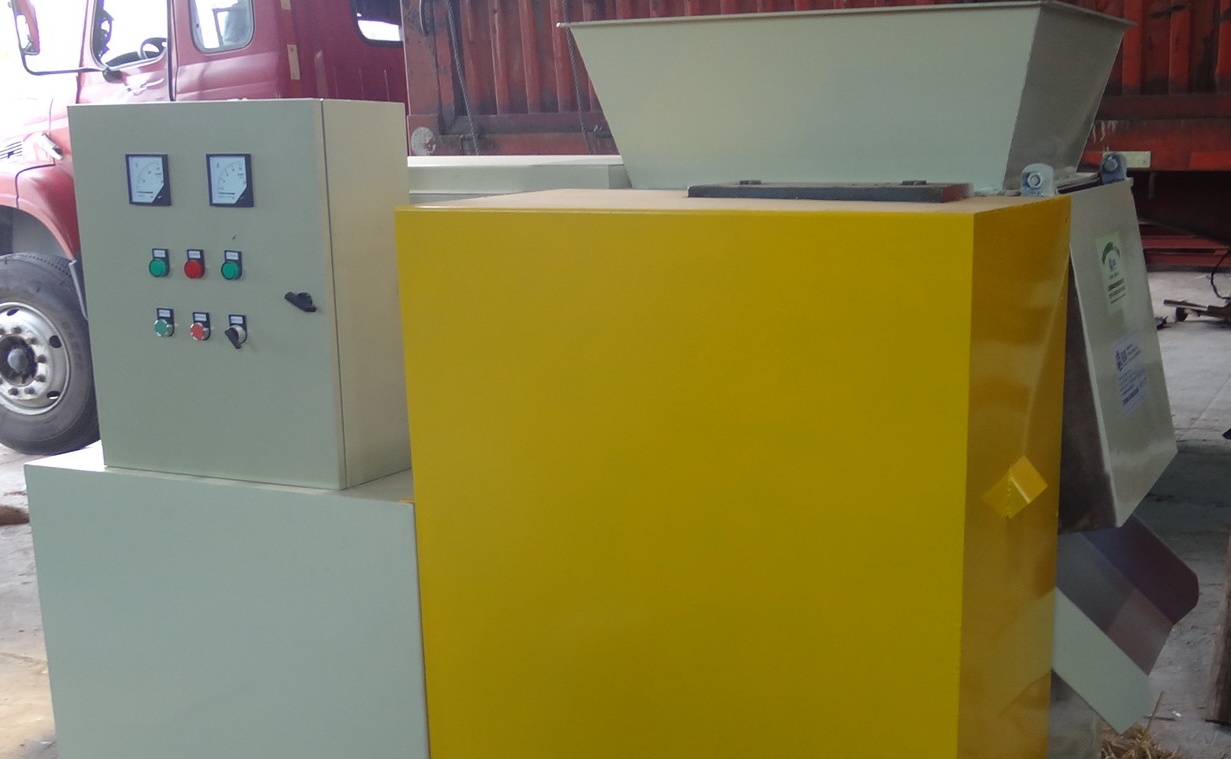
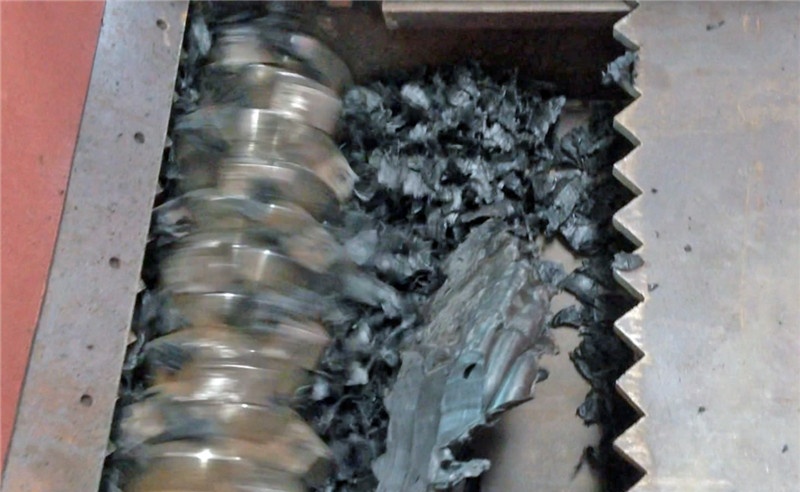
Multi-purpose shredders handle everything from PCB and cable to refrigerators and batteries, preparing material for downstream separation.
What to Look for in a Recycling Equipment Partner
Buying machinery is only the beginning. The most successful recycling plants are built with partners who understand the full project lifecycle. Here are the criteria every buyer should evaluate before making a commitment.
- Technical depth: Look for a supplier with an in-house engineering team holding advanced degrees and deep experience in mechanical design for waste processing.
- EPC capability: Engineering, procurement, and construction experience means your supplier can design the layout, source auxiliaries, and supervise installation rather than simply dropping off containers.
- Customization: No two feedstocks are identical. Your supplier should offer adjustable capacity, modular expansion, and process tweaks based on your local material mix.
- After-sales support: Commissioning, operator training, and spare parts availability determine whether your plant runs at 90% uptime or 50%.
- Business ecosystem: The best partners help you source raw material, connect with investors, and find buyers for your recovered metals.
San Lan Technologies: A Track Record Across 21 Countries
Founded in 2007, San Lan Technologies Co., Ltd has spent nearly two decades building recycling plants and mining equipment for clients in Singapore, Colombia, Vietnam, Mexico, Argentina, Korea, Malaysia, Indonesia, South Africa, Tunisia, India, Kenya, Saudi Arabia, the Philippines, Zambia, Israel, and beyond.
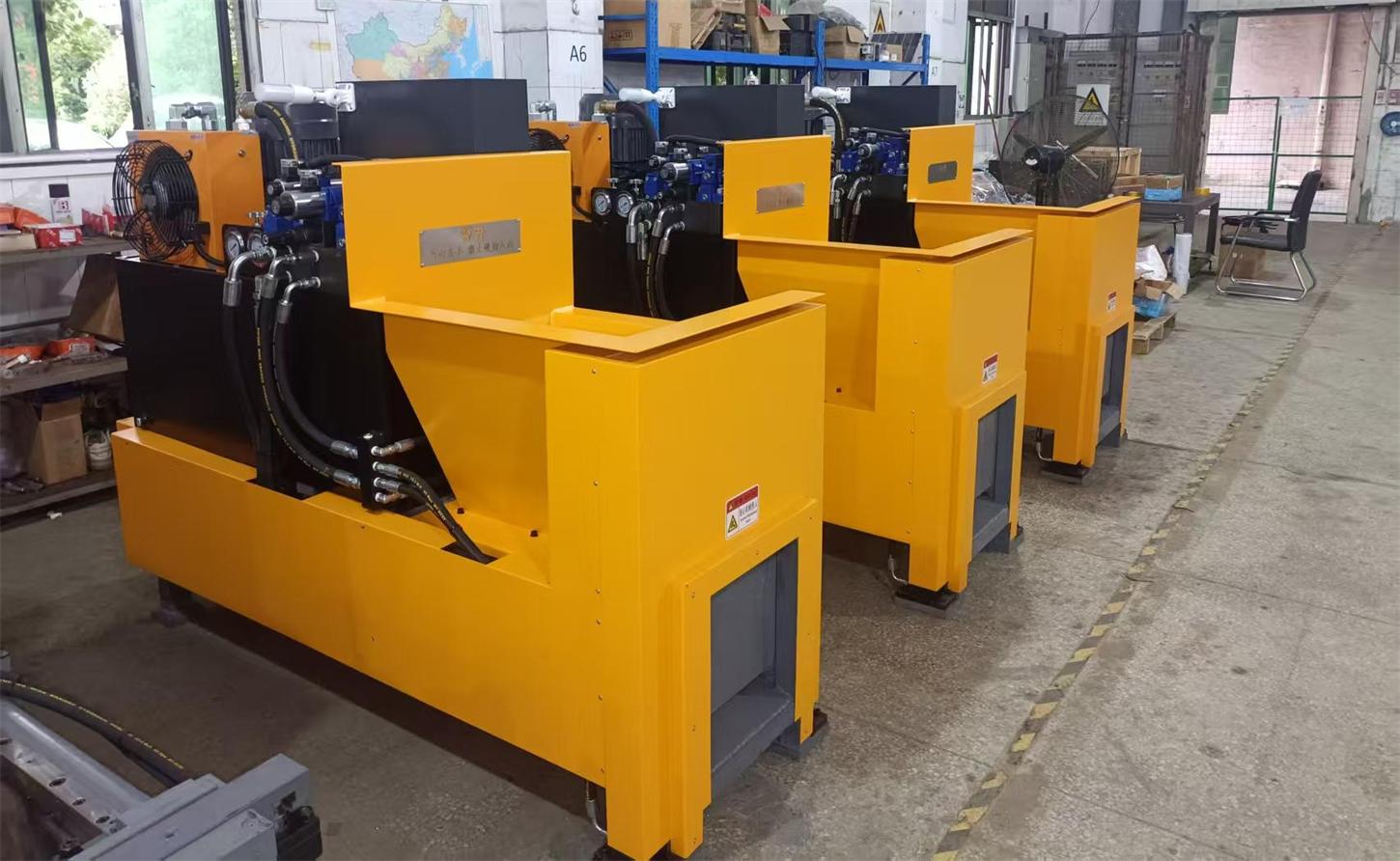
The company manufactures a full spectrum of WEEE recycling machinery, from lead acid battery recycling equipment and li battery recycling equipment to circuit board plants, cable granulators, CRT cutters, refrigerator shredding lines, motor dismantling machines, and hydraulic presses. It also supplies lithium ore extraction plants for miners looking to produce battery-grade concentrate.
San Lan's technical team combines master's-level mechanical engineering with over 15 years of hands-on experience in e-waste recycling machine design. The company offers turnkey EPC projects, customized plant layouts, one-stop purchasing, installation and commissioning, and even assistance with raw material sourcing and product offtake. This end-to-end approach reduces the risk for first-time investors and helps experienced operators scale faster.
Getting Started: Define Your Feedstock and Capacity
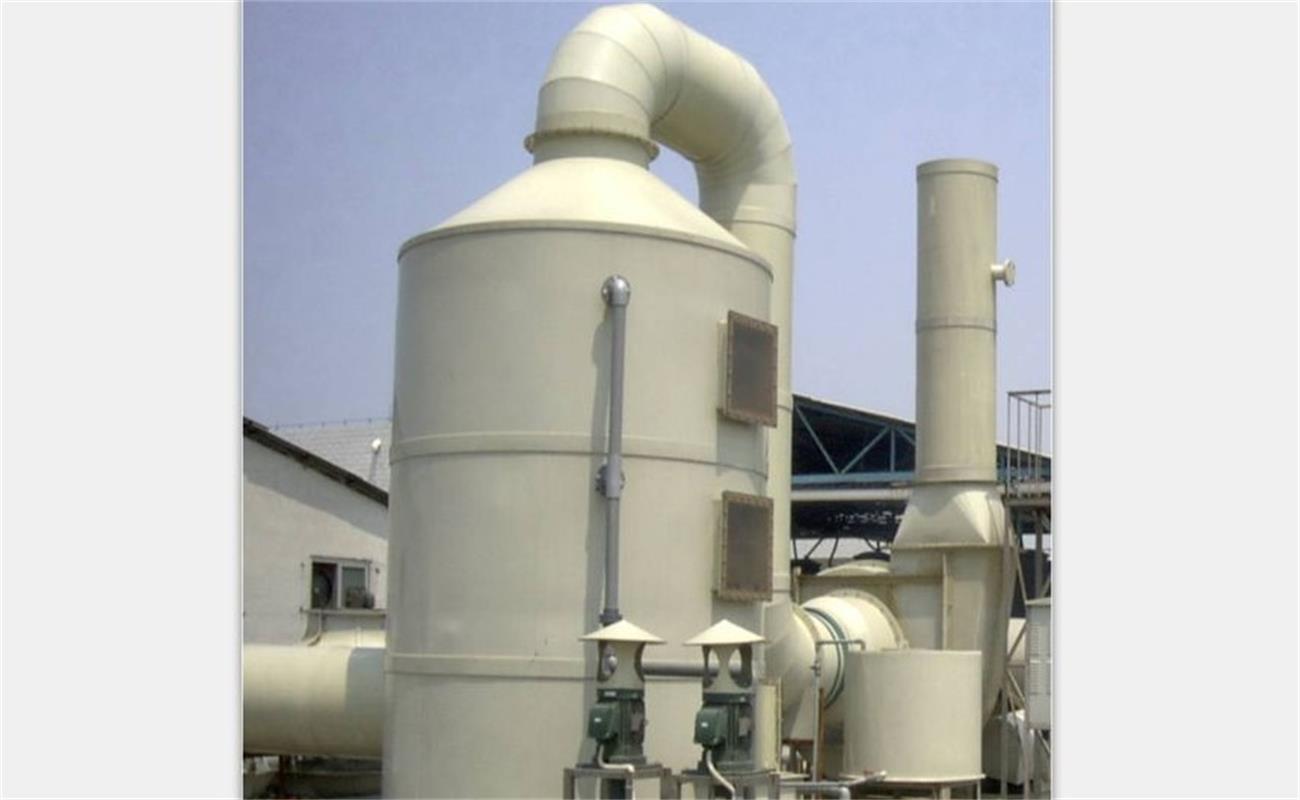
Before requesting quotes, clarify three variables. First, what is your primary feedstock? Lead acid batteries, lithium batteries, cables, and PCBs each require different front-end equipment. Second, what is your target daily throughput? A plant processing 5 tonnes per day uses a very different configuration from one handling 50 tonnes. Third, what are your local environmental regulations? Emission control, wastewater treatment, and noise limits will shape your auxiliary equipment list.
With these answers in hand, a qualified recycling equipment supplier can propose a tailored flowsheet, equipment list, and layout drawing within days. Do not settle for cookie-cutter proposals. The best outcomes come from suppliers who treat your project as a custom engineering challenge, not a catalog sale.
Ready to build or upgrade your recycling plant? San Lan Technologies offers free project consultation, customized flowsheet design, and turnkey EPC solutions for battery, cable, PCB, and general e-waste recycling operations. With customers in over 21 countries and a full range of in-house manufactured equipment, San Lan is equipped to turn your waste stream into a revenue stream.
Contact the team today at info@san-lan.com or via WhatsApp at +86 139 2377 4083 to discuss your project requirements and receive a tailored equipment proposal.