How advanced equipment is transforming e-waste and battery recycling into profitable, sustainable enterprises
The world is drowning in electronic waste. From discarded smartphones and laptops to spent vehicle batteries and industrial cables, the volume of e-waste continues to surge at an alarming rate. Yet hidden within this growing challenge lies an extraordinary opportunity: the chance to recover valuable metals, reduce environmental harm, and build a thriving business in the process.
For entrepreneurs and established companies alike, investing in the right recycling equipment has become one of the most promising pathways into the circular economy. Whether you are looking to process used lead acid batteries, lithium-ion cells, printed circuit boards, or scrap cables, modern recycling technology offers efficient, environmentally sound solutions that turn waste streams into revenue streams.
The E-Waste Challenge and the Business Case for Recycling
Electronic waste is now the fastest-growing waste category globally. Batteries, in particular, represent a critical segment. Lead acid batteries have powered vehicles and industrial systems for over a century, and billions remain in use today. Meanwhile, the explosive growth of electric vehicles and portable electronics has created an unprecedented surge in lithium-ion battery consumption.
When these batteries reach end-of-life, they cannot simply be discarded. Lead acid batteries contain sulfuric acid and toxic lead compounds. Lithium-ion batteries harbor valuable metals like nickel, cobalt, and lithium, but also pose fire and chemical hazards if improperly handled. Regulations worldwide are tightening, and businesses that can offer safe, efficient recycling services are positioned to capture significant market share.
According to industry research, the lithium-ion battery recycling market alone saw explosive growth in recent years, with market size expanding by over 180 percent year-on-year in some regions. This trajectory is expected to continue as more batteries reach retirement age.
Lead Acid Battery Recycling: A Mature Market with Modern Solutions
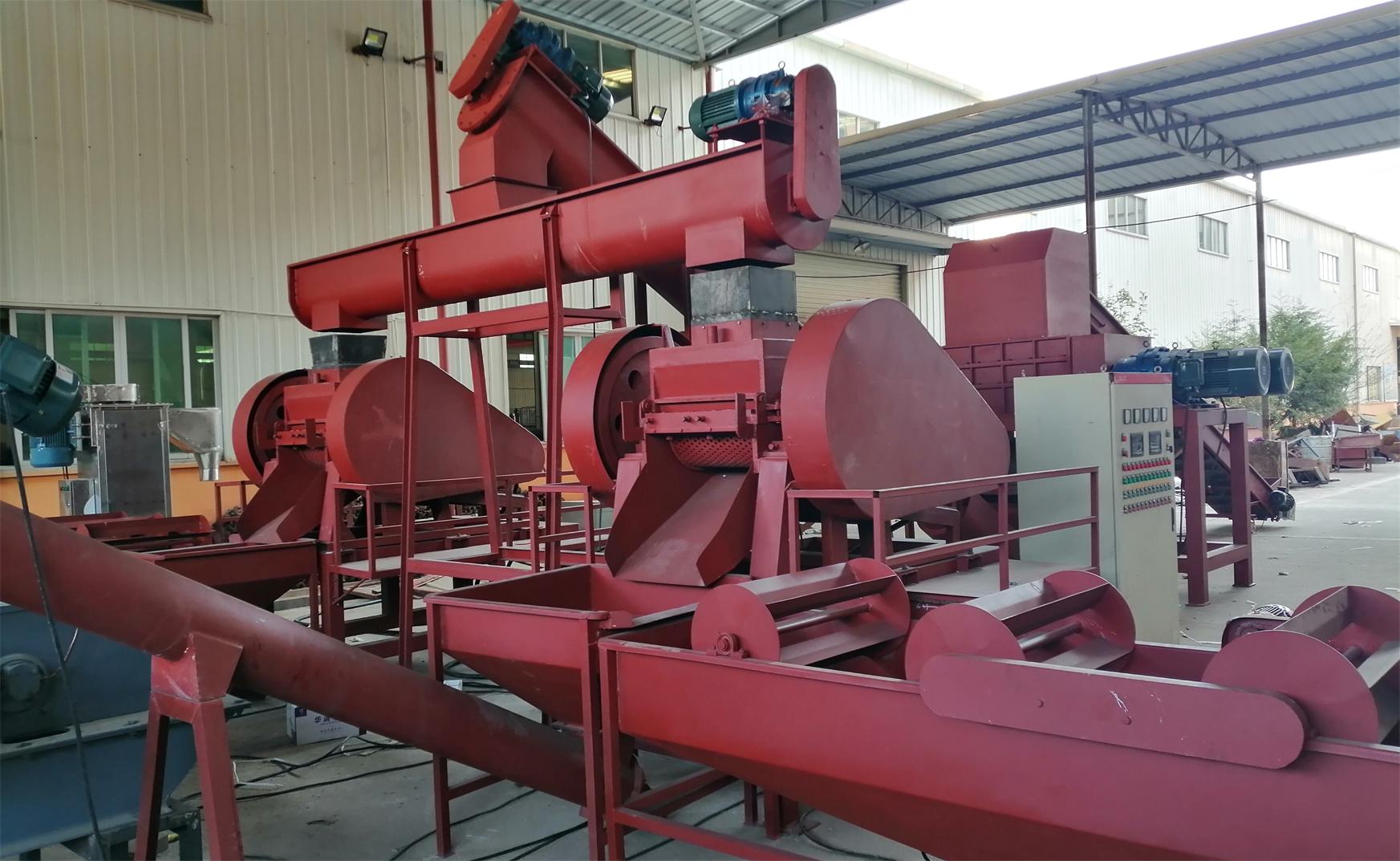
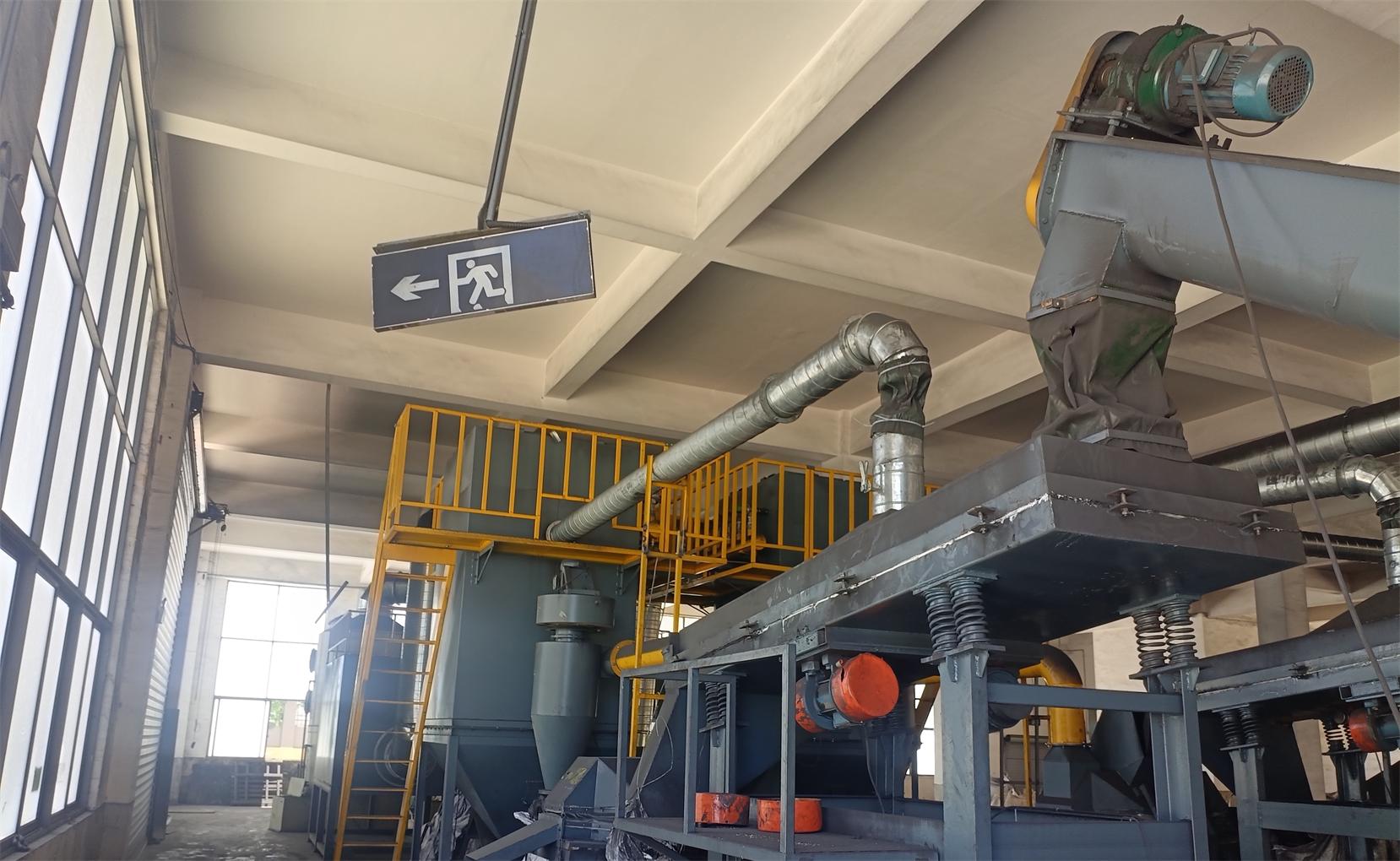
Lead acid battery recycling is one of the most established segments of the e-waste industry, with well-developed technologies and strong demand for recovered lead. A complete lead acid battery recycling equipment line typically includes battery breaking and separation systems, paste reduction furnaces, lead refinery kettles, and air pollution control systems.
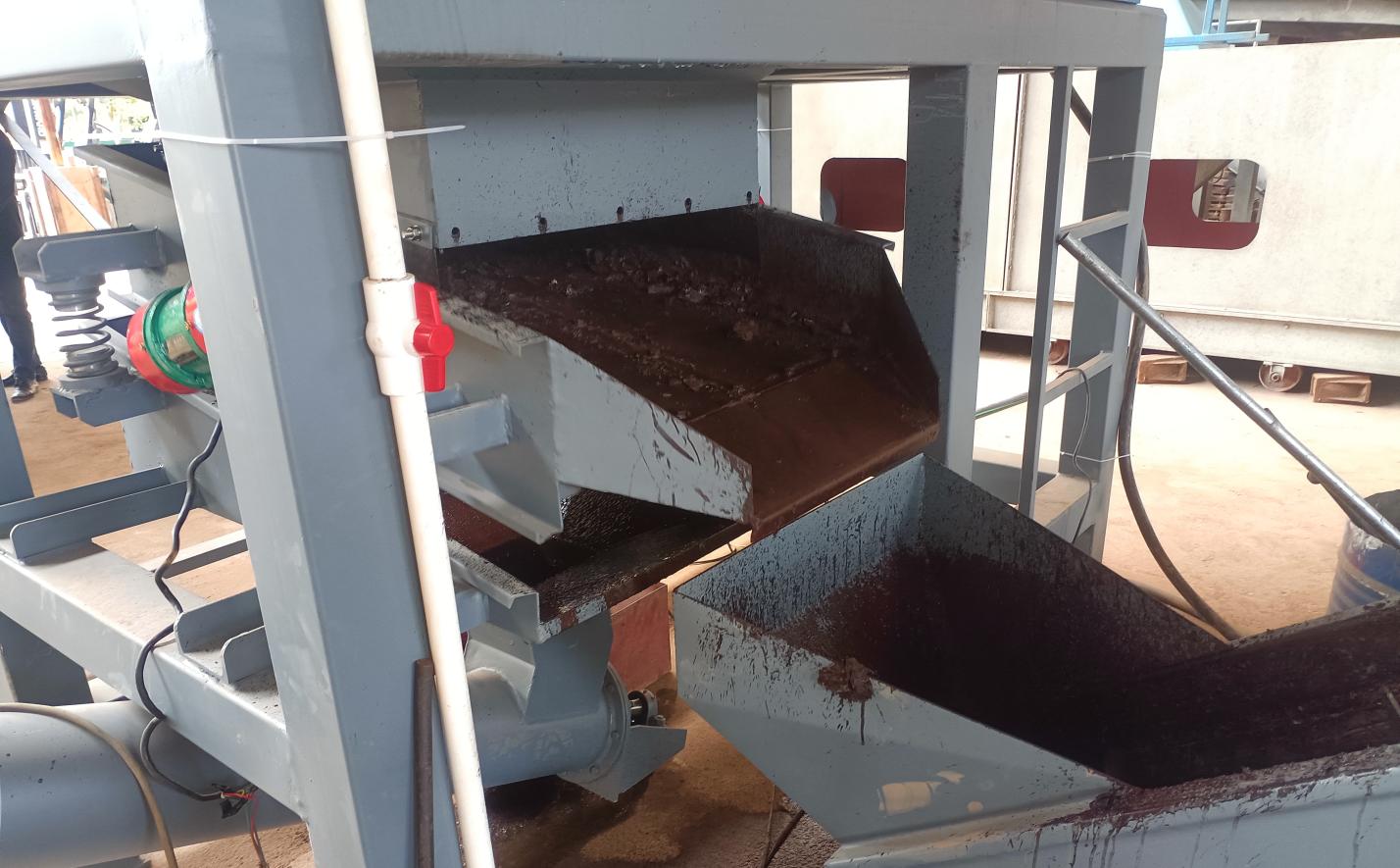
The process begins with breaking and separating the batteries to recover acid, plastic shells, lead grids, and lead paste. Advanced systems can handle capacities from 1 to 10 metric tons per hour. The lead paste then undergoes desulfurization before smelting in rotary or blast furnaces, producing crude metallic lead with recovery rates exceeding 95 percent. Final refining achieves purity levels of 99.999 percent, suitable for resale to battery manufacturers and other industries.
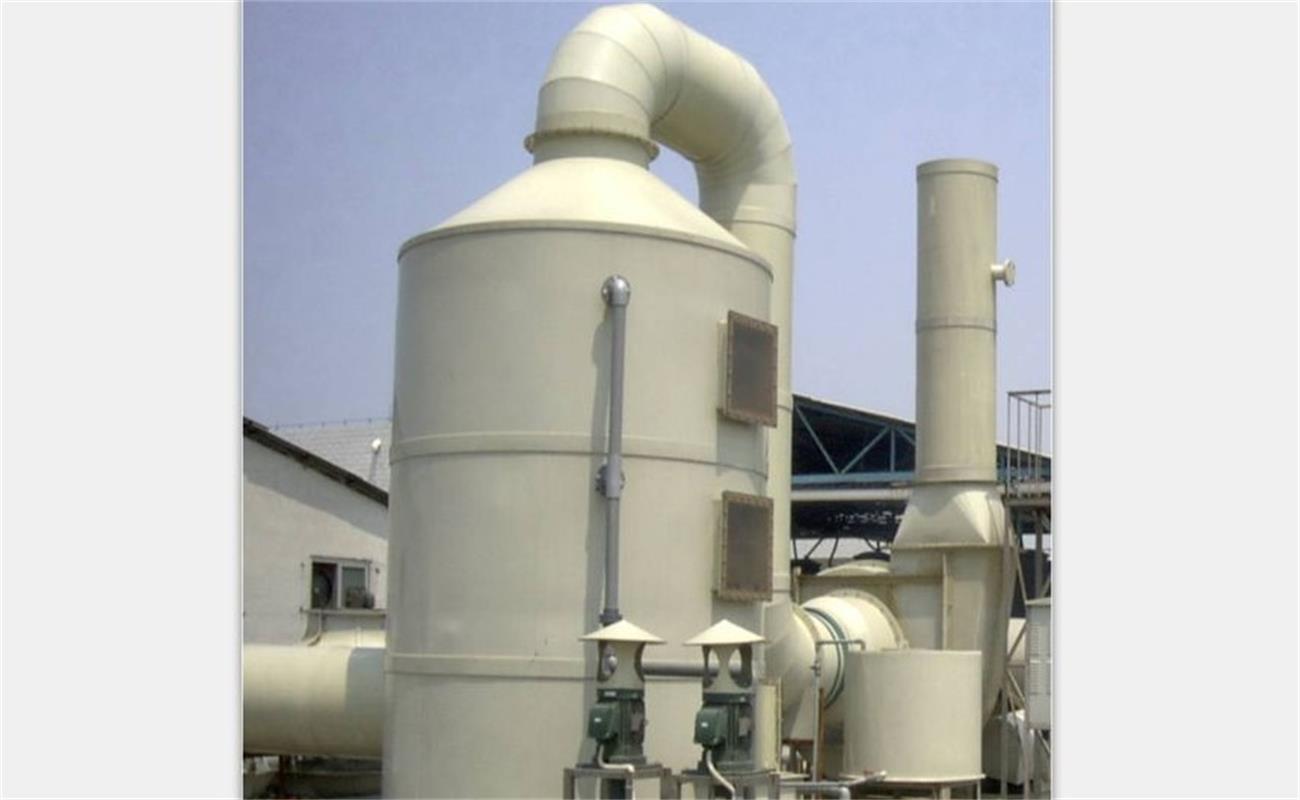
Environmental compliance is a critical concern. Modern plants incorporate water treatment systems, effluent treatment machines, and air pollution control equipment to ensure emissions meet strict regulatory standards. This integrated approach not only protects the environment but also safeguards the operator from costly fines and operational shutdowns.
Lithium Battery Recycling: Capturing Value from the EV Revolution
As electric vehicle adoption accelerates, the wave of retired lithium-ion batteries is building rapidly. These batteries contain valuable materials including copper, aluminum, graphite, and critical metals like nickel and cobalt. A well-designed lithium battery recycling plant can recover these materials at capacities ranging from 500 to 2,500 kilograms per hour.
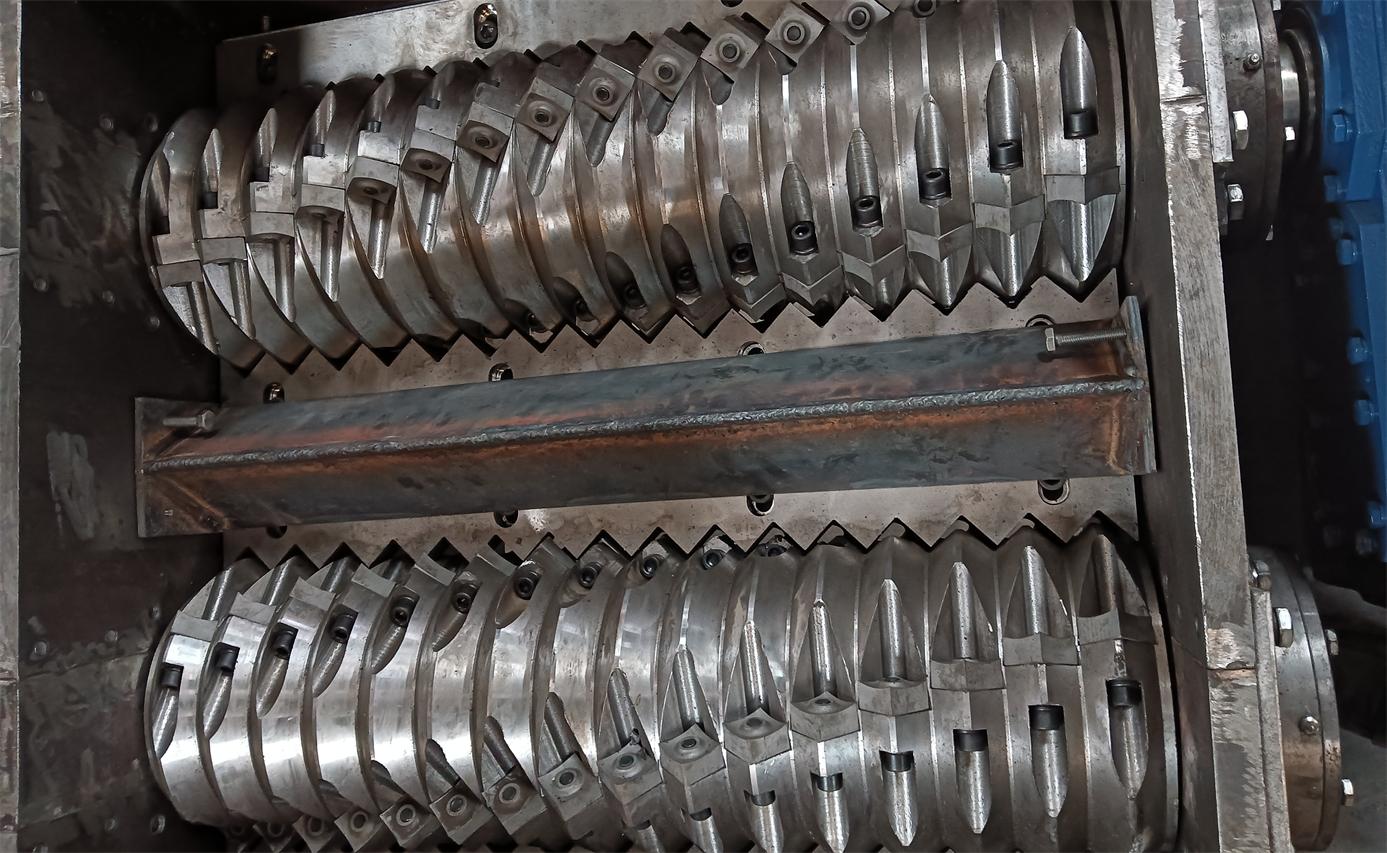
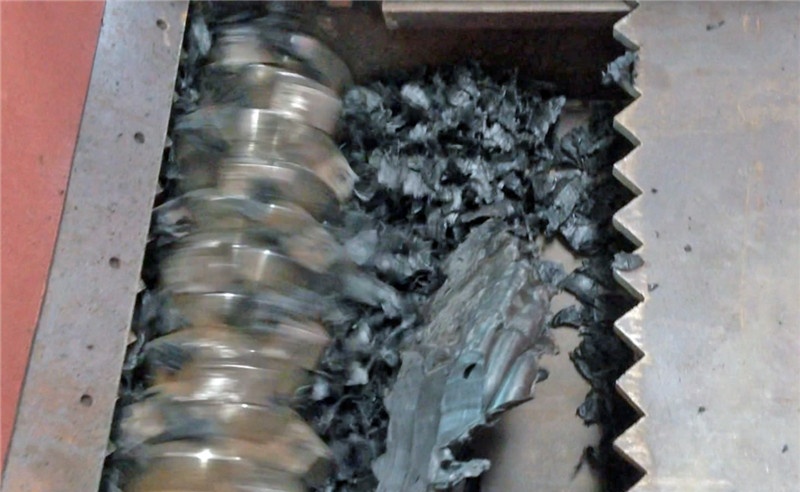
The recycling process typically involves discharge, pre-crushing, secondary granulation, and multi-stage separation. Black mass containing nickel, cobalt, and graphite is separated from plastic films, copper, and aluminum. Advanced air pollution control systems capture and neutralize harmful gases, ensuring safe operation.
For operators, the economics are compelling. With raw material prices remaining elevated, the value of recovered metals often exceeds processing costs. Companies that establish efficient lithium battery recycling capabilities early are positioning themselves at the forefront of a rapidly expanding market.
Beyond Batteries: Circuit Boards, Cables, and More
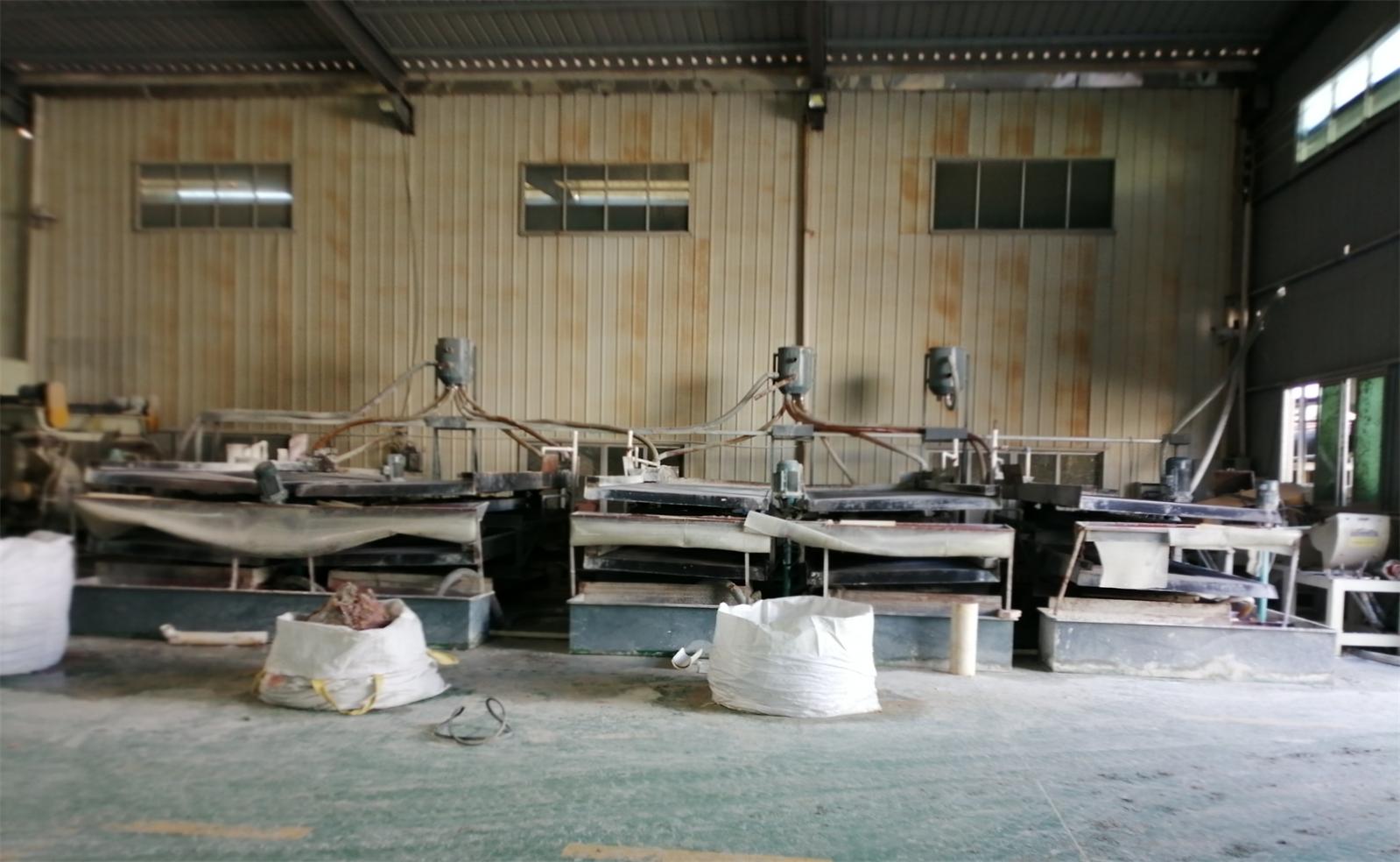
The e-waste recycling opportunity extends far beyond batteries. Printed circuit boards (PCBs) contain copper, gold, silver, and other precious metals in concentrations that exceed many natural ores. Circuit board recycling equipment uses mechanical separation processes including crushing, air separation, wet separation, and electrostatic sorting to recover copper powder with purity levels of 96 to 98 percent.
Scrap cable recycling is another high-volume opportunity. Cable granulators and stripping machines separate copper and aluminum conductors from plastic insulation, creating clean metal fractions that command premium prices in the metals market. Systems range from compact units processing 100 kilograms per hour to industrial-scale plants handling over 1,000 kilograms per hour.
Additional e-waste streams including CRT monitors, refrigerators, air conditioners, electric motors, and fluorescent lamps can all be processed with specialized equipment. Each represents a distinct revenue opportunity while diverting hazardous materials from landfills.
What to Look for in a Recycling Equipment Partner
Entering the recycling business requires more than just purchasing machinery. Success depends on selecting a partner that can provide comprehensive support across the project lifecycle. Key capabilities to evaluate include:
- Technical expertise and engineering experience in e-waste recycling processes
- Customized plant design tailored to your specific feedstock and capacity requirements
- One-stop procurement covering primary equipment, auxiliary systems, and environmental controls
- Installation, commissioning, and operator training services
- Ongoing technical support and spare parts availability
- Assistance with raw material sourcing and product offtake
Experienced manufacturers with a global installed base can offer valuable insights drawn from real-world operations across diverse regulatory and market environments. This practical knowledge often makes the difference between a project that struggles and one that thrives.
San Lan Technologies: Your Partner in Sustainable Recycling
San Lan Technologies Co., Ltd has been at the forefront of WEEE recycling machinery and mining equipment manufacturing since 2007. Based in Ganzhou, Jiangxi Province, China, the company has built a reputation for quality, reliability, and comprehensive customer support across more than 21 countries.
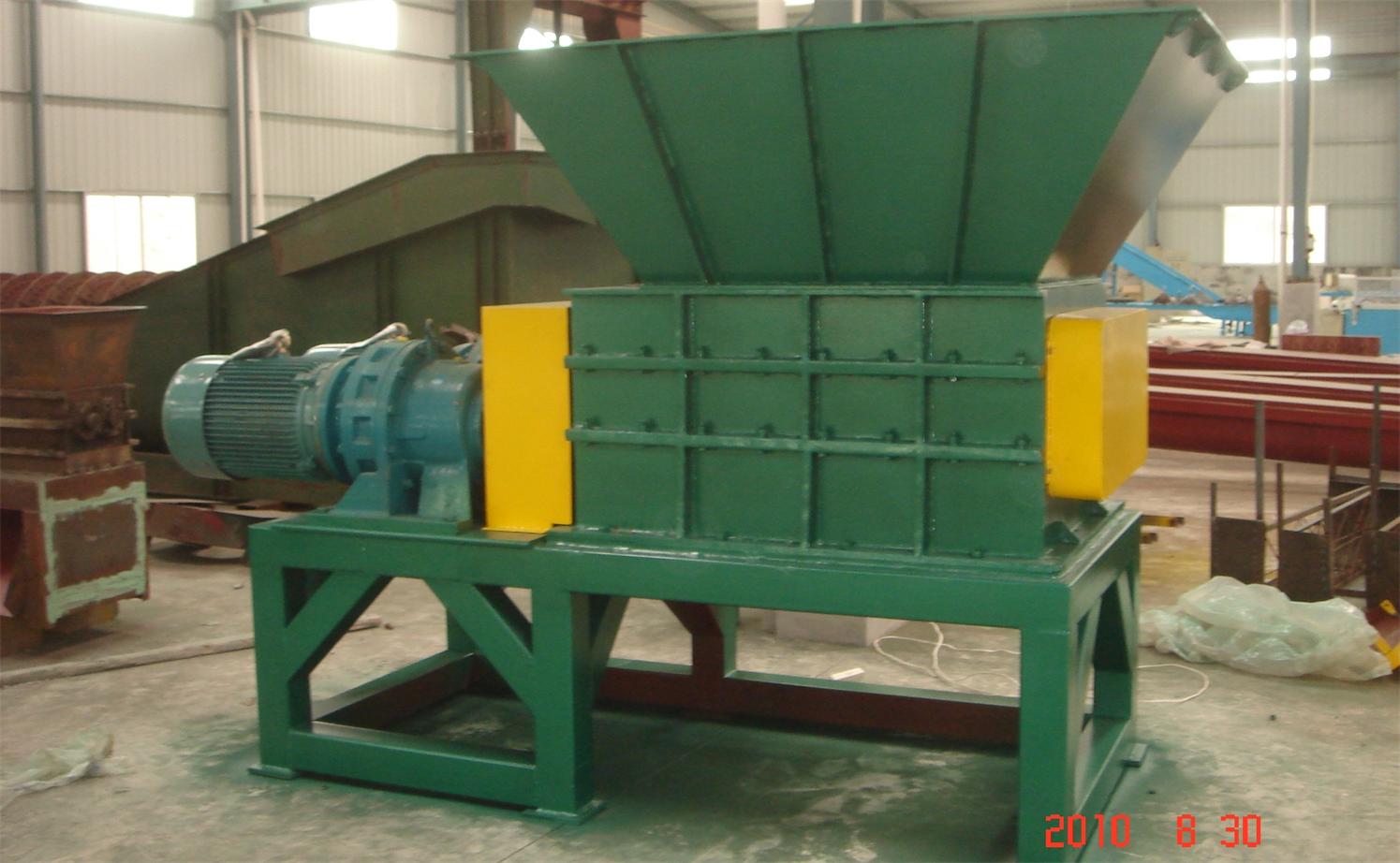
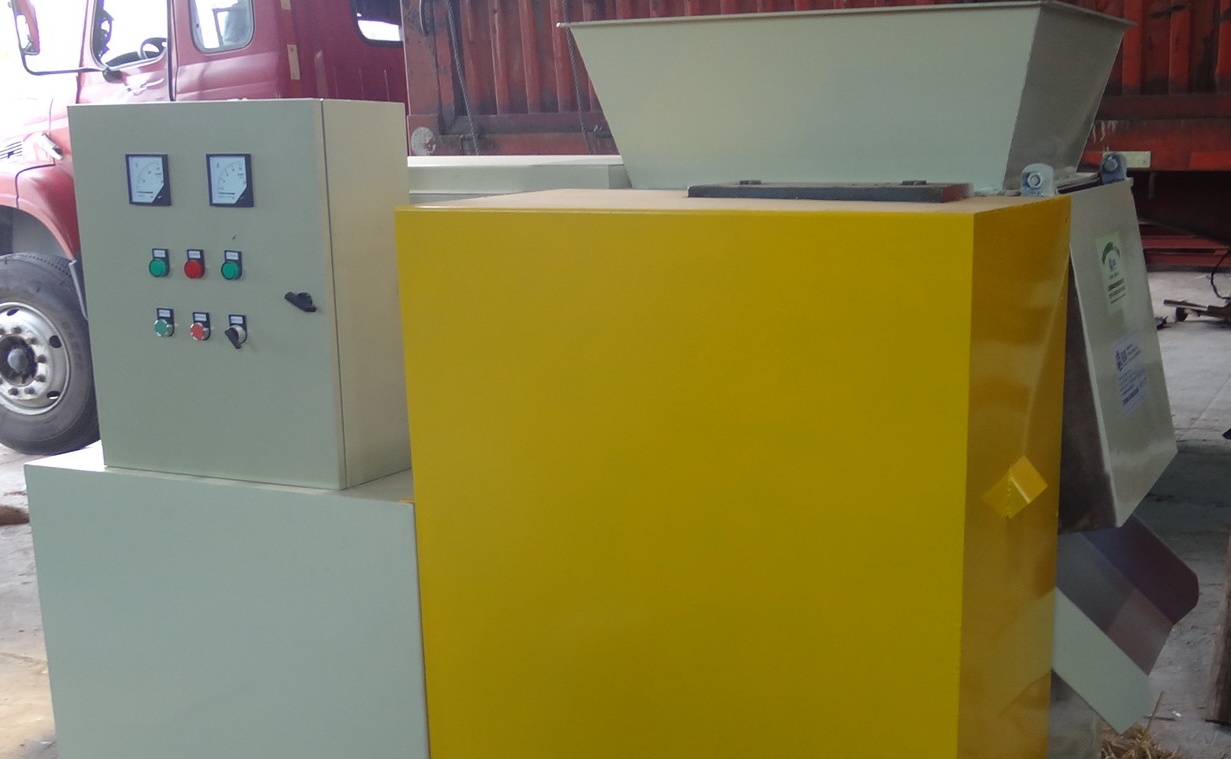
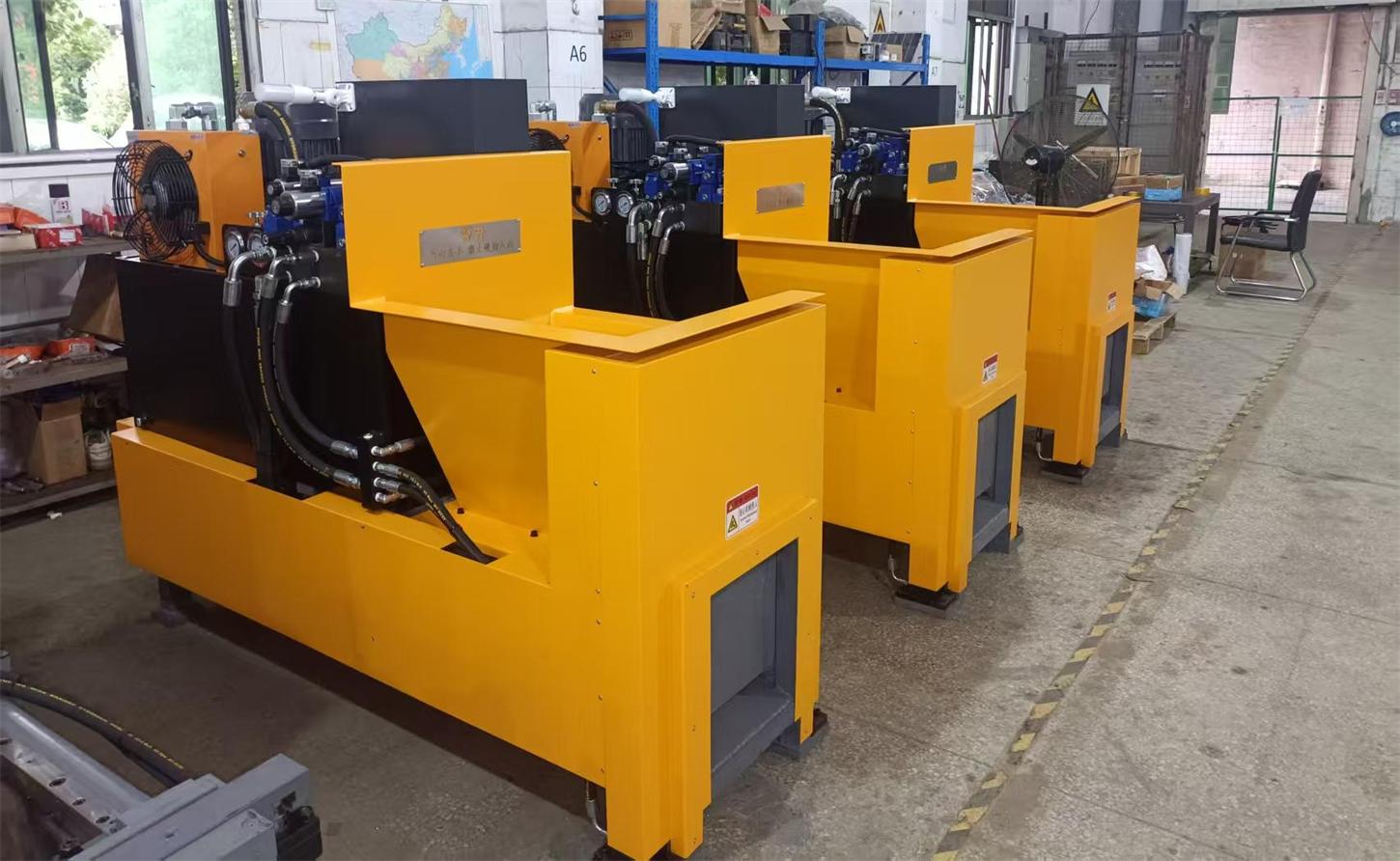
The company's product portfolio spans the full spectrum of e-waste recycling needs: lead acid battery recycling plants, lithium battery recycling systems, circuit board recycling equipment, cable granulators and strippers, CRT recycling machines, refrigerator and AC recycling lines, motor dismantling equipment, shredders, hydraulic presses, and metal melting furnaces. Each system is engineered for efficient material recovery, robust performance, and environmental compliance.
What sets San Lan apart is its commitment to end-to-end project support. The company's technical team includes mechanical engineering master's degree holders with over 15 years of experience in e-waste recycling equipment. From initial concept and customized design through installation, commissioning, and ongoing operations, San Lan works as a true partner in its customers' success.
San Lan's international customer base spans Singapore, Colombia, Vietnam, Mexico, Argentina, Korea, Malaysia, Indonesia, South Africa, Tunisia, India, Kenya, Saudi Arabia, the Philippines, Zambia, Israel, and beyond. This global experience ensures that every solution is adapted to local conditions, regulatory requirements, and market realities.
Building Your Recycling Business from the Ground Up
For entrepreneurs entering the recycling industry, the path to success involves several critical steps. First, understand your feedstock: what types of waste materials will you process, and in what volumes? Second, analyze your local market: what recovered materials can you sell, and at what prices? Third, ensure regulatory compliance: what permits, environmental controls, and safety measures are required in your jurisdiction?
With these foundations in place, selecting the right equipment becomes a matter of matching technical capabilities to operational requirements. Capacity, automation level, energy consumption, maintenance requirements, and after-sales support all factor into the decision. A reputable manufacturer will take the time to understand your specific situation and recommend a configuration optimized for your needs.
Financing is another important consideration. Some equipment suppliers can assist with identifying investors or partners for recycling plant construction, helping bridge the gap between a promising concept and a fully operational facility.
The Future of Recycling is Now
The transition to a circular economy is no longer a distant vision; it is a present-day business reality. Governments worldwide are implementing extended producer responsibility programs, banning hazardous waste exports, and incentivizing domestic recycling capacity. Consumers and corporations alike are demanding more sustainable supply chains. The companies that invest in efficient, scalable recycling technology today will be the industry leaders of tomorrow.
Whether your interest lies in lead acid batteries, lithium-ion cells, circuit boards, cables, or other e-waste streams, the technology exists to recover valuable materials safely and profitably. The question is not whether recycling makes business sense, but how quickly you can position your operation to capture this growing opportunity.
Ready to explore how recycling equipment can transform your business? Contact San Lan Technologies today to discuss your project requirements, request a detailed quotation, or arrange a consultation with our technical team. With nearly two decades of experience and installations across more than 21 countries, we have the expertise and equipment to help you turn waste into value.
Email: info@san-lan.com | WhatsApp: +86 139 2377 4083 | Website: www.san-lan.com