The global generation of electronic waste continues to rise at an accelerating pace, creating both environmental challenges and business opportunities. For entrepreneurs and established companies alike, this mounting stream of discarded material represents a significant opening. Investing in capable recycling machinery allows operators to recover valuable metals, reduce landfill pressure, and build a profitable enterprise. Yet with so many machine types and suppliers on the market, choosing the right solution can feel overwhelming.
In this guide, we break down the core categories of e-waste recycling equipment, explain what to look for in a reliable supplier, and show how an experienced manufacturer can help you transform waste streams into revenue streams.
Why E-Waste Recycling Is a Smart Business Move
Electronic devices contain recoverable quantities of copper, aluminum, lead, lithium, cobalt, nickel, and precious metals. Discarded circuit boards, used batteries, and scrap cables are not trash; they are concentrated feedstocks that can yield higher metal content than many natural ores. Meanwhile, governments worldwide are tightening regulations around landfill disposal and mandating producer responsibility. This regulatory pressure creates steady demand for professional recycling services and the industrial equipment that powers them.
Companies that enter this space with the right machinery and processes position themselves ahead of the curve. The key is selecting equipment that matches your feedstock, capacity targets, and local environmental standards.
Core Recycling Equipment Every Operator Should Know
1. Battery Recycling Systems
Batteries are among the most valuable and environmentally sensitive materials to recycle. Two systems dominate the market:
Lead Acid Battery Recycling Equipment — Used lead acid batteries remain one of the most recycled products on earth. A complete lead acid battery recycling equipment line breaks and separates batteries to recover acid, plastic shells, lead grids, and lead paste. Modern systems include breaking and separation units, de-sulfurization equipment, smelting furnaces, refinery kettles, air pollution control systems, and water treatment plants. Capacities typically range from 1 to 10 MT per hour, with lead recovery rates reaching 95%.
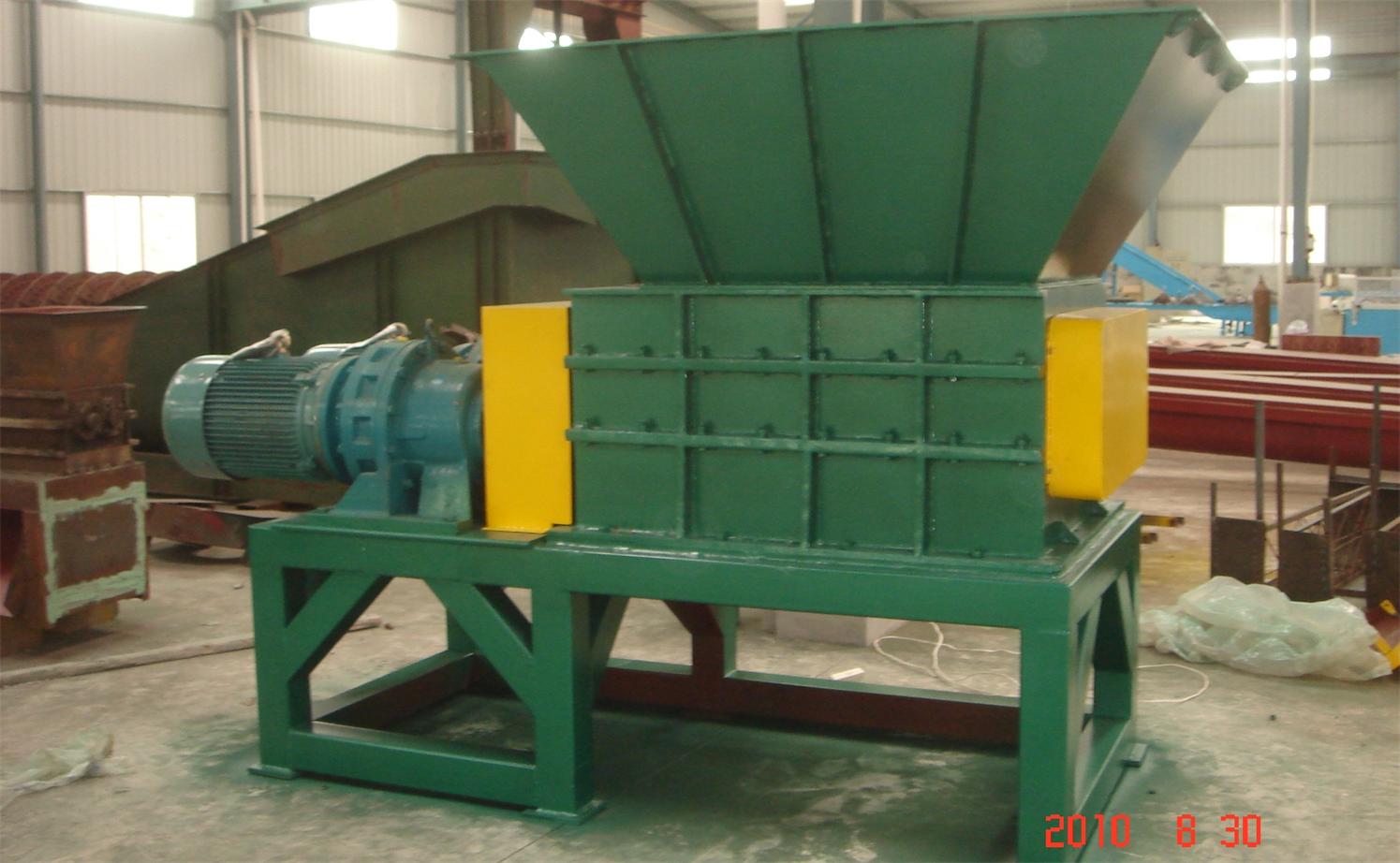
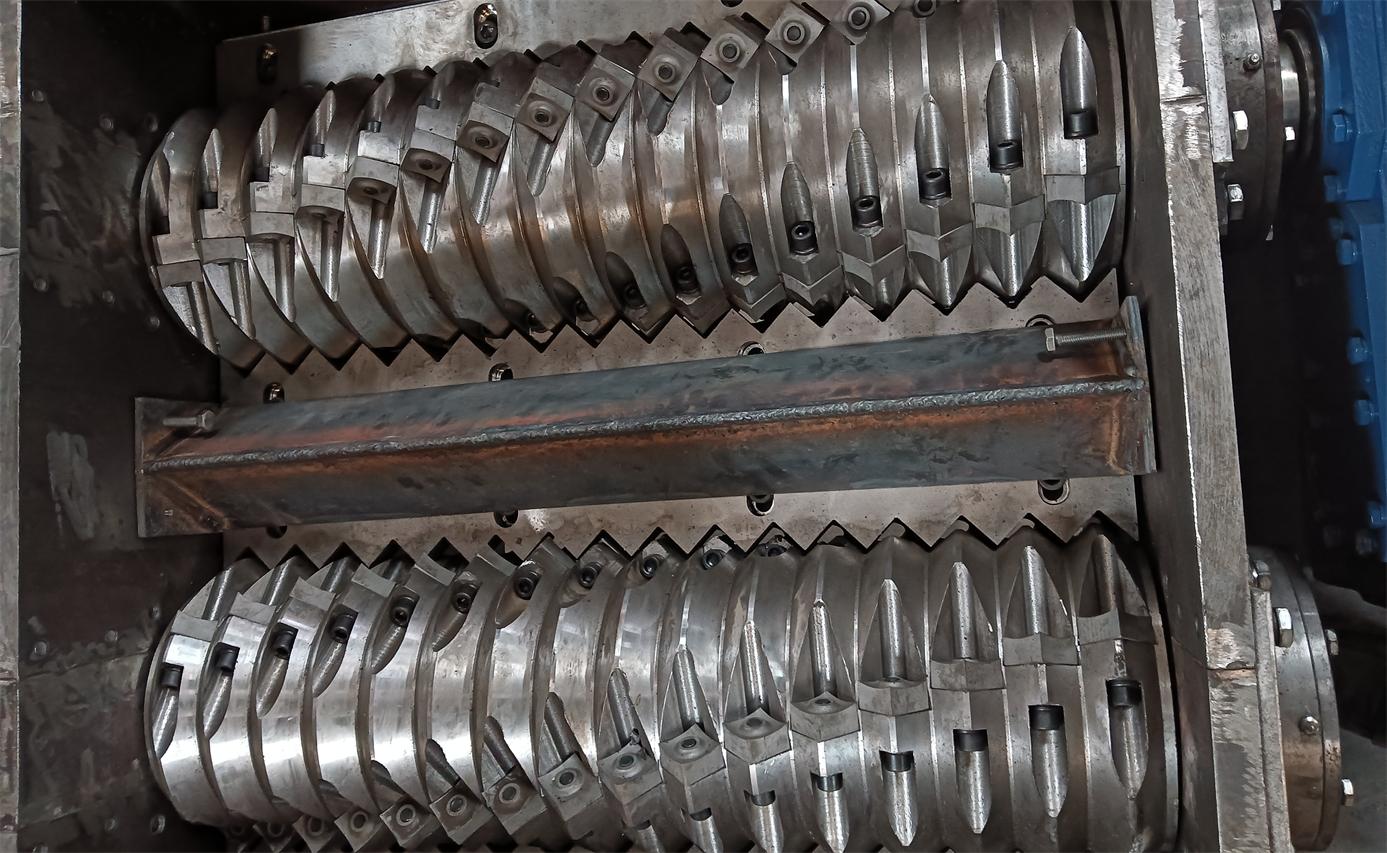
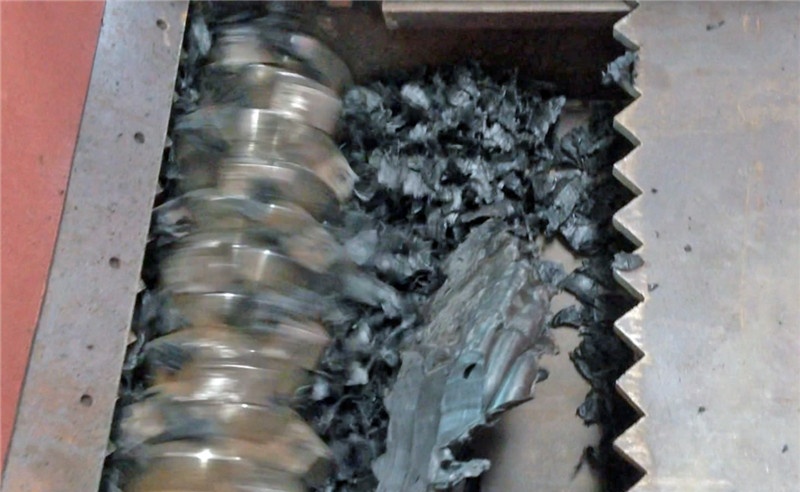
Lithium Battery Recycling — With the expansion of electric vehicles and portable electronics, lithium-ion battery waste is growing rapidly. Li battery recycling equipment breaks and separates waste batteries to recover black mass containing nickel, cobalt, and graphite, along with plastic, copper, and aluminum. Systems typically handle 500 to 2,500 kg per hour and include pre-crushing, secondary granulation, magnetic separation, and dedicated air pollution control to manage volatile electrolytes safely.
2. Circuit Board Recycling Equipment
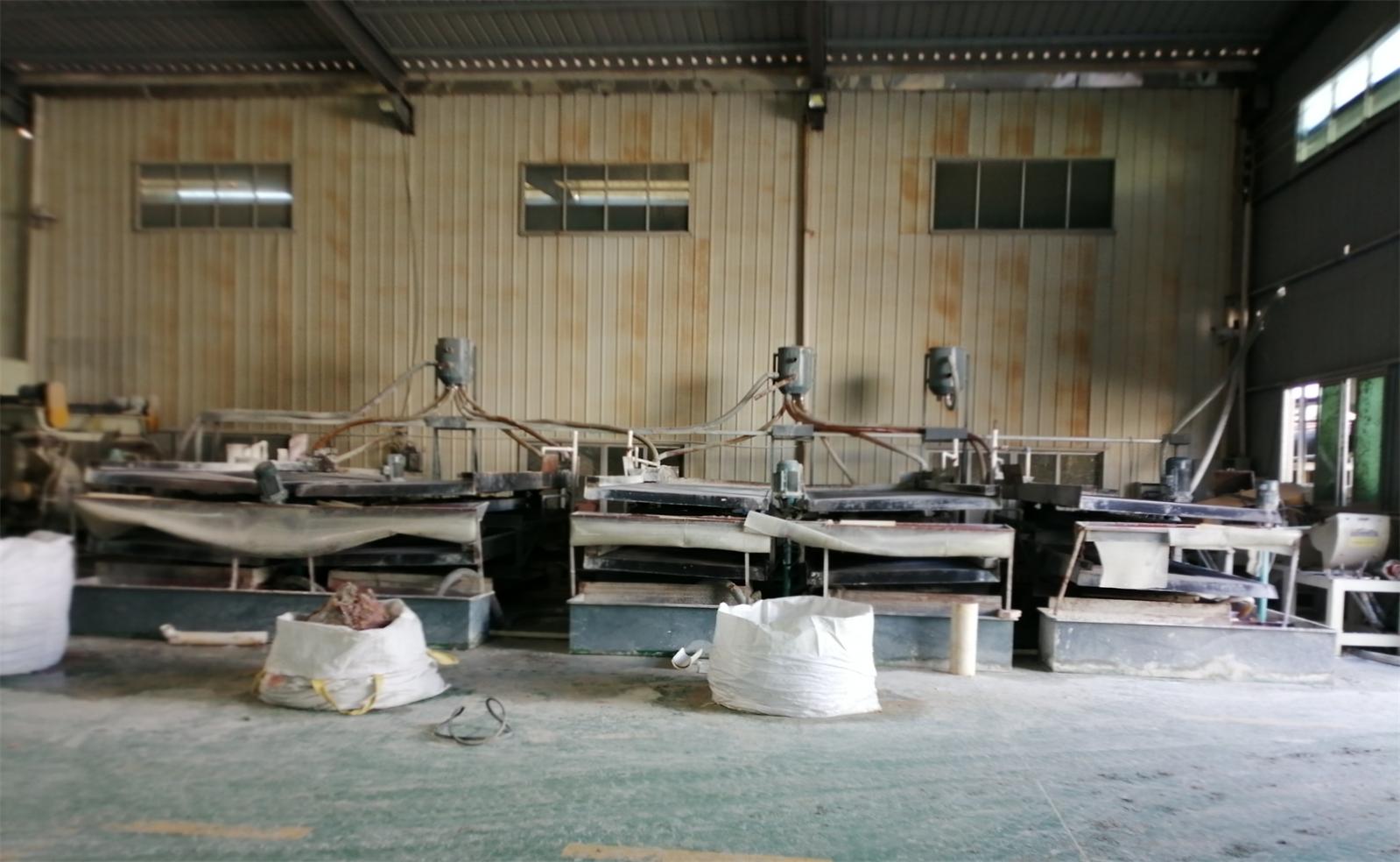
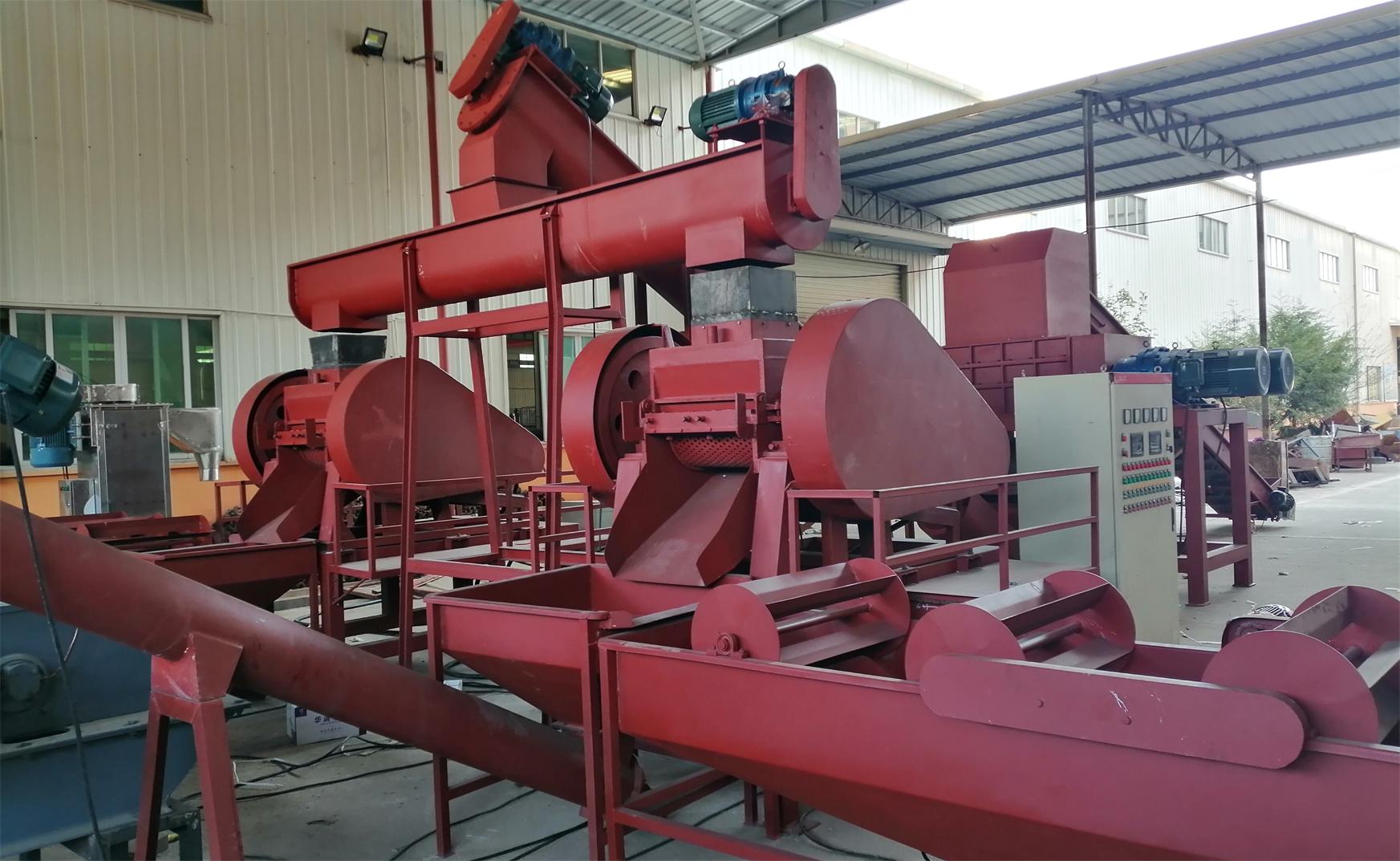
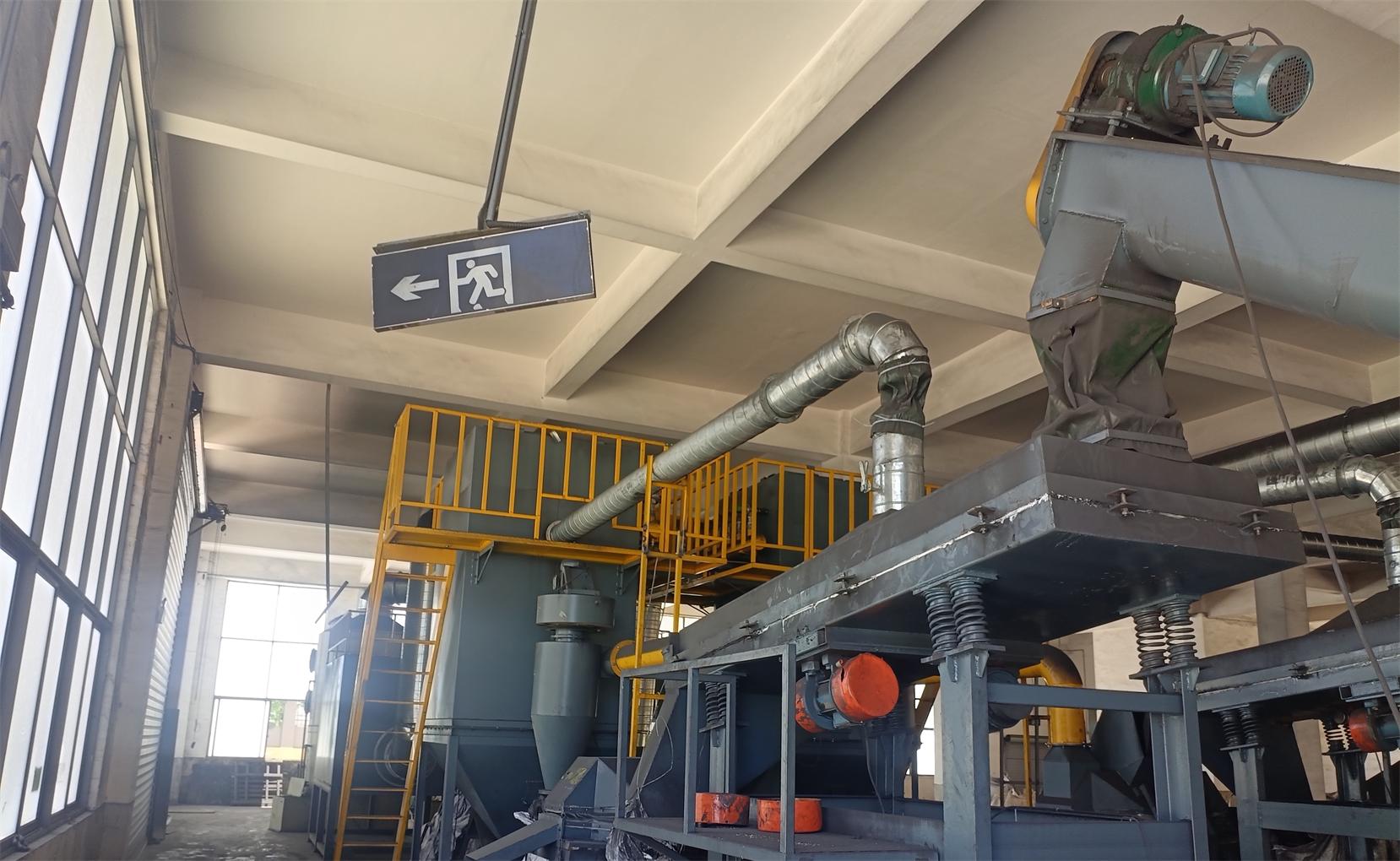
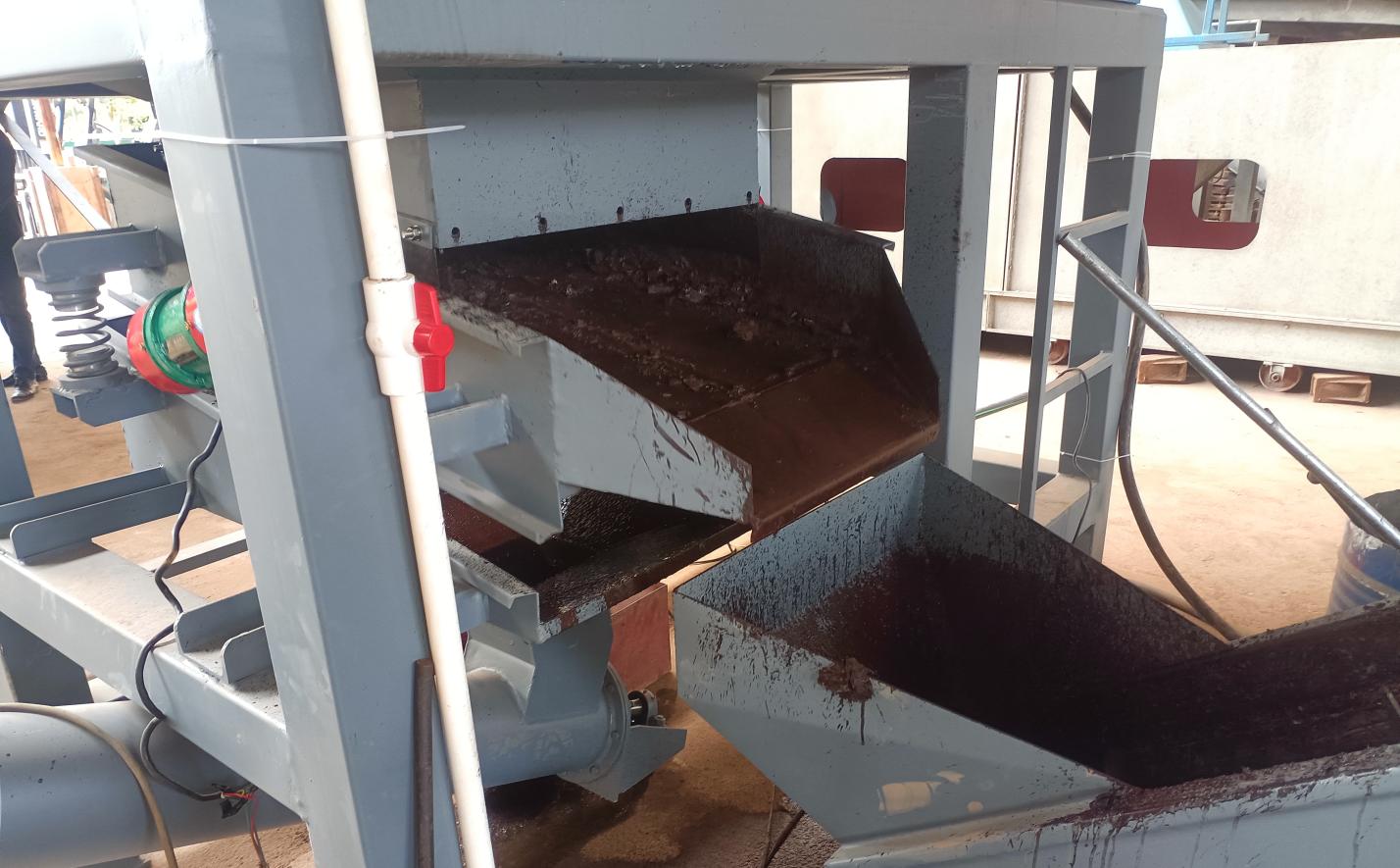
Printed circuit boards from computers, phones, and appliances contain copper, gold, silver, and palladium. Recycling plants use either dry or wet separation methods. Dry systems employ air separators, vibrating screens, electrostatic separators, and dust collectors to achieve copper powder purity of 96 to 98 percent with recovery rates around 95 percent. Wet systems use water-based metal separation and are suitable for processing boards that still carry electronic components. Capacities range from 300 kg per hour to 2,000 kg per hour or higher.
3. Cable Recycling Equipment
Scrap cables and wires are a constant waste stream from demolition, automotive dismantling, and telecommunications upgrades. Cable recycling equipment strips insulation from copper or aluminum conductors. Options range from manual and semi-automatic scrap cable strippers for smaller operations to fully automatic cable granulators with dry separators that process hundreds or thousands of kilograms per hour. The objective is clean separation of metal from plastic with minimal material loss.
What to Look for in a Recycling Equipment Supplier
Choosing a supplier is as important as choosing the equipment itself. Here are the factors that separate reliable partners from mere vendors:
Proven Experience. Look for manufacturers with deep expertise in both machine design and full plant operation. A supplier that understands the entire recycling workflow—from feedstock handling through final metal recovery—can design systems that perform in production, not just on paper.
Turnkey Capability. The best suppliers offer Engineering, Procurement, and Construction services. This means they handle plant layout, equipment integration, installation, commissioning, and operator training. Turnkey delivery reduces project risk and accelerates time to revenue.
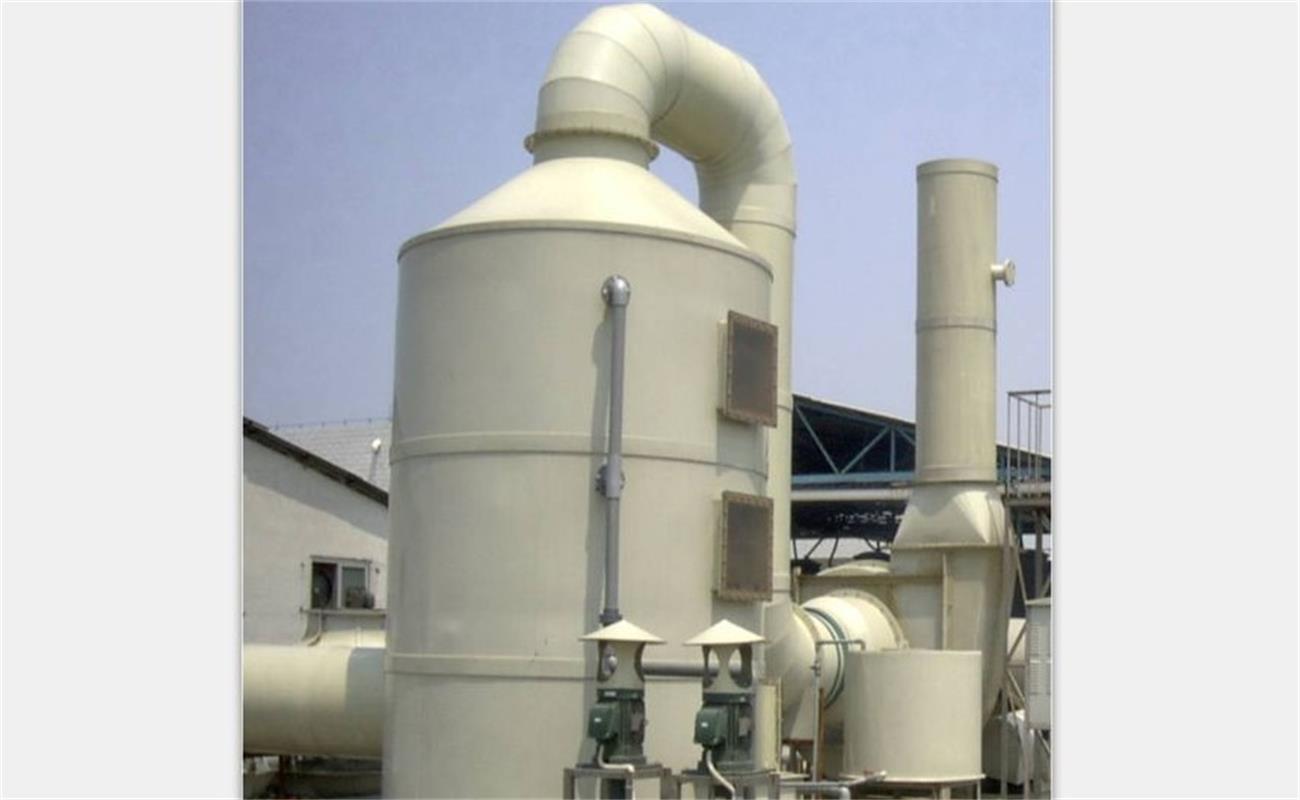
Environmental Compliance Support. Recycling is a regulated industry. Your supplier should provide pollution control equipment—dust collectors, acid gas scrubbers, wastewater treatment—as standard, not as afterthoughts. Ask for documentation showing how their plants meet emission and effluent standards.
After-Sales and Business Support. Beyond installation, a strong partner helps you source raw materials such as scrap batteries, cables, and circuit boards, optimize your process, and connect you with buyers for recovered metals. This full-circle support is especially valuable for new entrants.
San Lan Technologies: End-to-End Recycling Solutions Since 2007
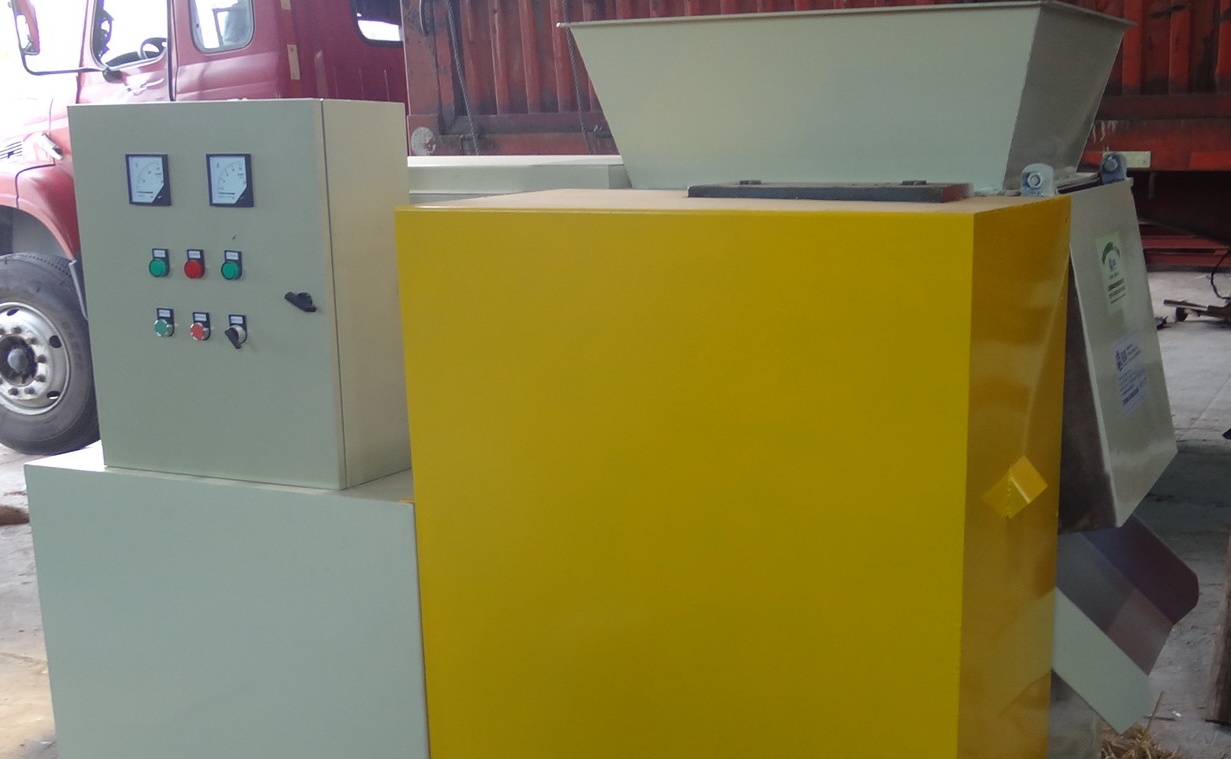
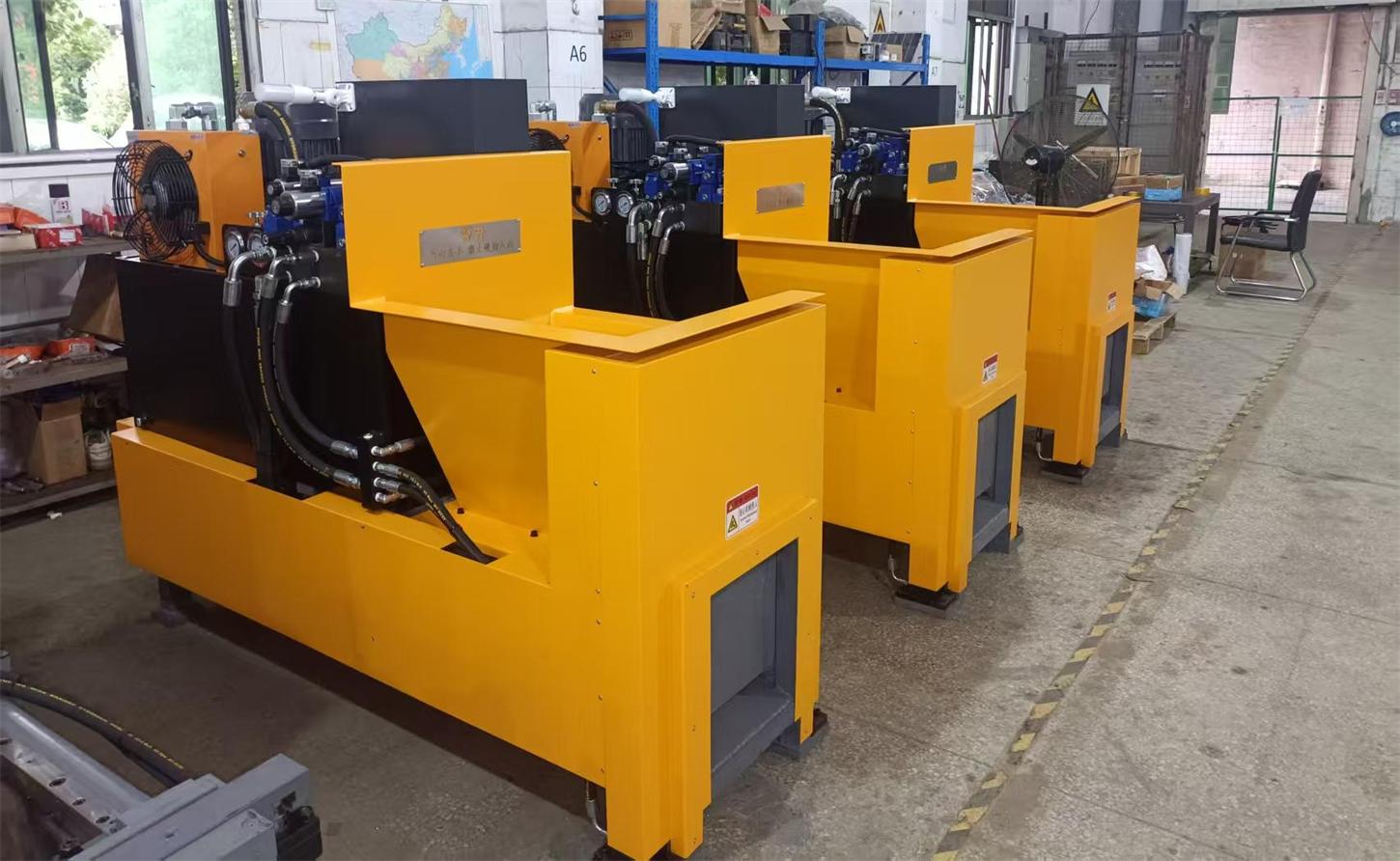
San Lan Technologies Co., Ltd, headquartered in Ganzhou, Jiangxi Province, China, has spent nearly two decades building a reputation as a dependable recycling equipment supplier. The company manufactures a comprehensive range of machinery covering lead acid battery recycling, lithium battery recycling, circuit board recycling, cable recycling, CRT recycling, refrigerator and air conditioner recycling, motor recycling, shredding systems, and lithium ore extraction equipment.
San Lan’s engineering team combines master’s-level mechanical engineering expertise with over 15 years of hands-on experience in e-waste recycling machine design. The company has delivered projects to customers in more than 21 countries, including Singapore, Colombia, Vietnam, Mexico, Argentina, South Africa, India, Saudi Arabia, and Zambia.
What sets San Lan apart is its commitment to practical, end-to-end project support. The team provides customized plant design, one-stop equipment procurement, installation and commissioning, and ongoing technical assistance. They also assist clients with raw material sourcing and product offtake—helping you sell recovered copper, lead ingots, and other commodities. This business-oriented approach reflects a clear understanding that equipment is only valuable when it generates profit for the operator.
Start Building Your Recycling Business Today
The e-waste recycling industry is no longer a niche. It is a necessity driven by environmental regulation, resource scarcity, and economic opportunity. Whether you are targeting lead acid batteries, lithium-ion cells, circuit boards, or scrap cables, the right equipment is the foundation of your success.
Partner with a manufacturer that brings proven technology, turnkey project experience, and genuine business support. San Lan Technologies offers all three. Contact their team today to discuss your project requirements and receive a customized equipment proposal tailored to your feedstock and capacity goals.