The world generates over 50 million metric tons of electronic waste every year, and this number continues to grow. Yet buried within this mounting challenge lies one of the most profitable business opportunities of the decade. For entrepreneurs and investors willing to act, e-waste recycling offers not just environmental benefits but also impressive financial returns. The key to success? Choosing the right lead acid battery recycling equipment and a trusted partner who understands the industry from the ground up.
Why E-Waste Recycling Is a Smart Investment
Electronic waste contains valuable metals such as copper, gold, silver, lead, and lithium. A single ton of discarded circuit boards can contain more gold than 17 tons of gold ore. Used lead acid batteries, which power vehicles and backup systems worldwide, are rich in recoverable lead and plastic. The business case is clear: instead of letting these resources rot in landfills, smart operators are extracting them and selling them back into the supply chain.
Governments across the globe are tightening environmental regulations, making proper recycling not just ethical but legally required. This regulatory pressure, combined with rising raw material prices, has created a perfect storm of demand for professional recycling solutions.
Lead Acid Battery Recycling: A Proven Revenue Stream
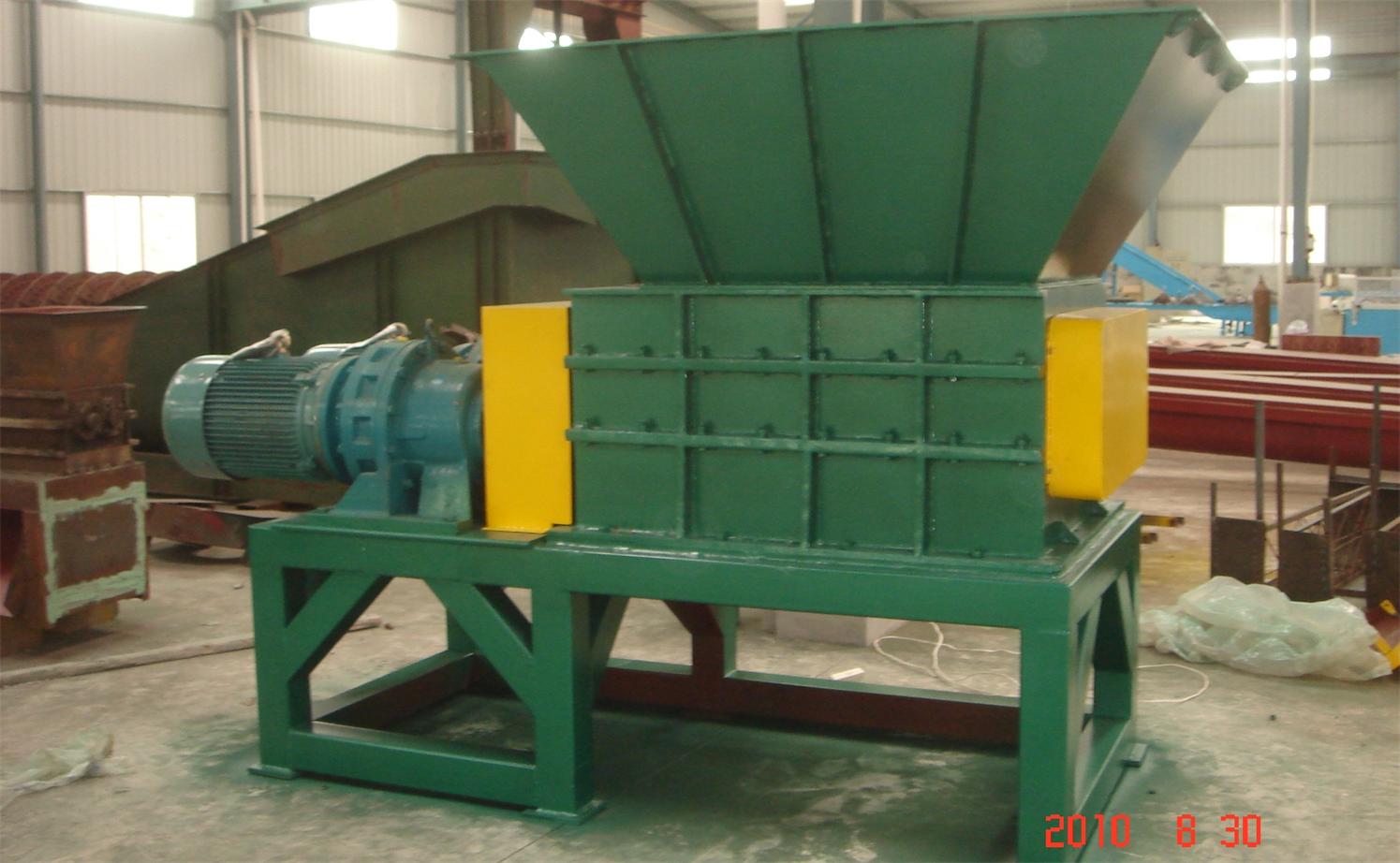
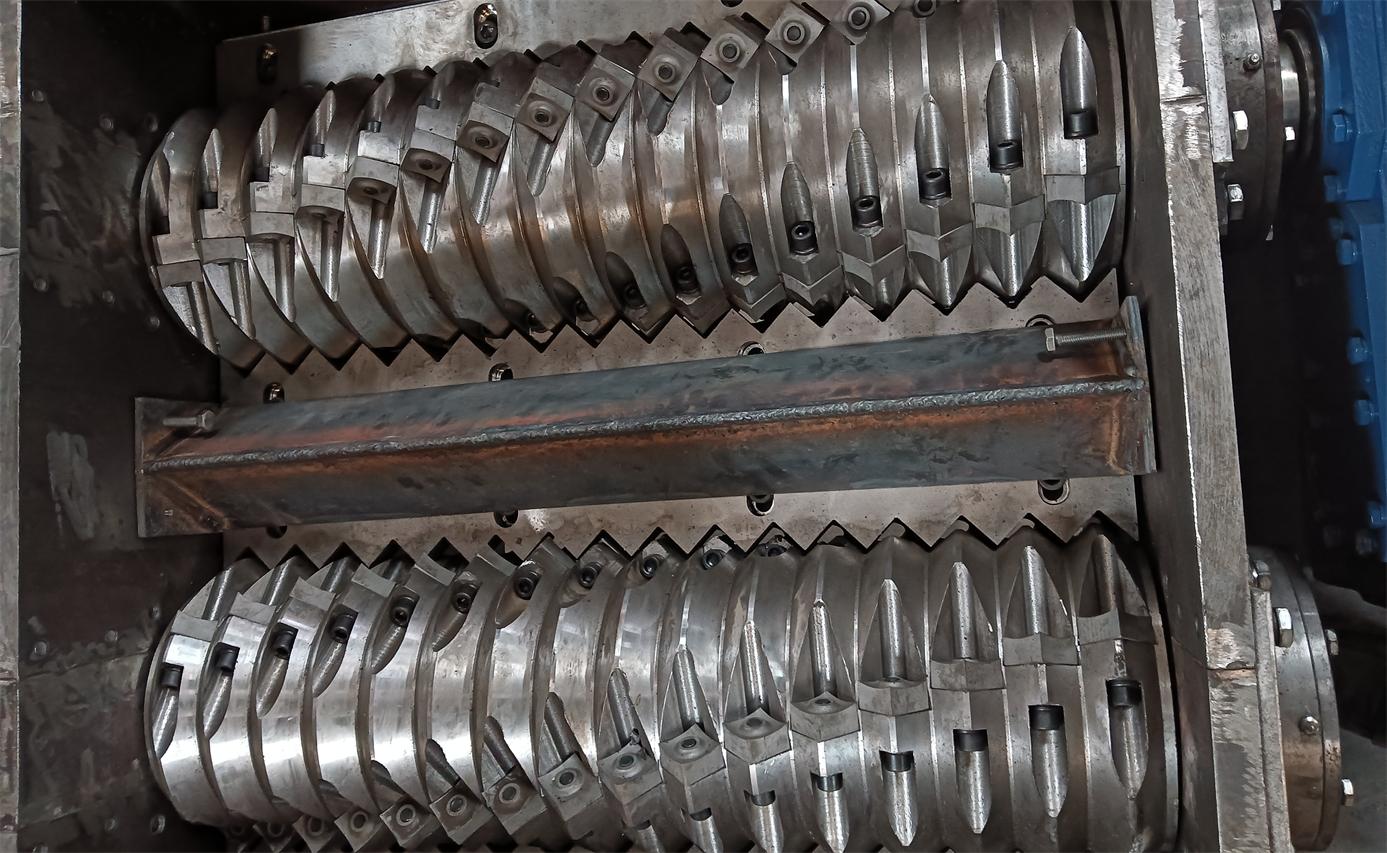
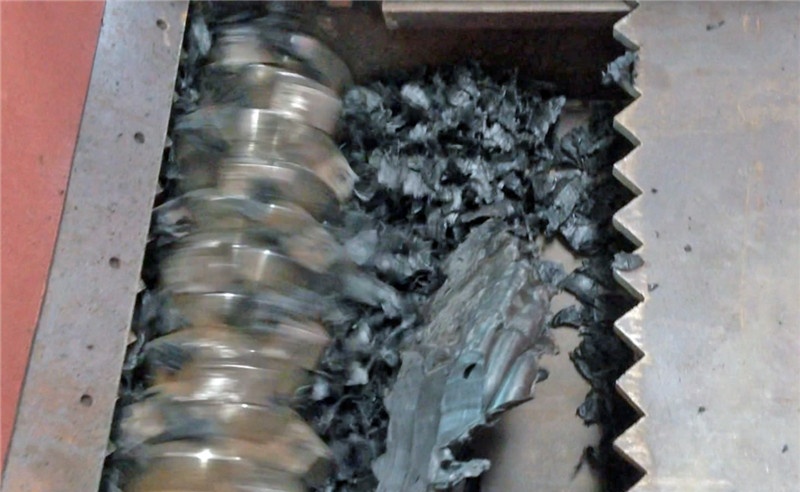
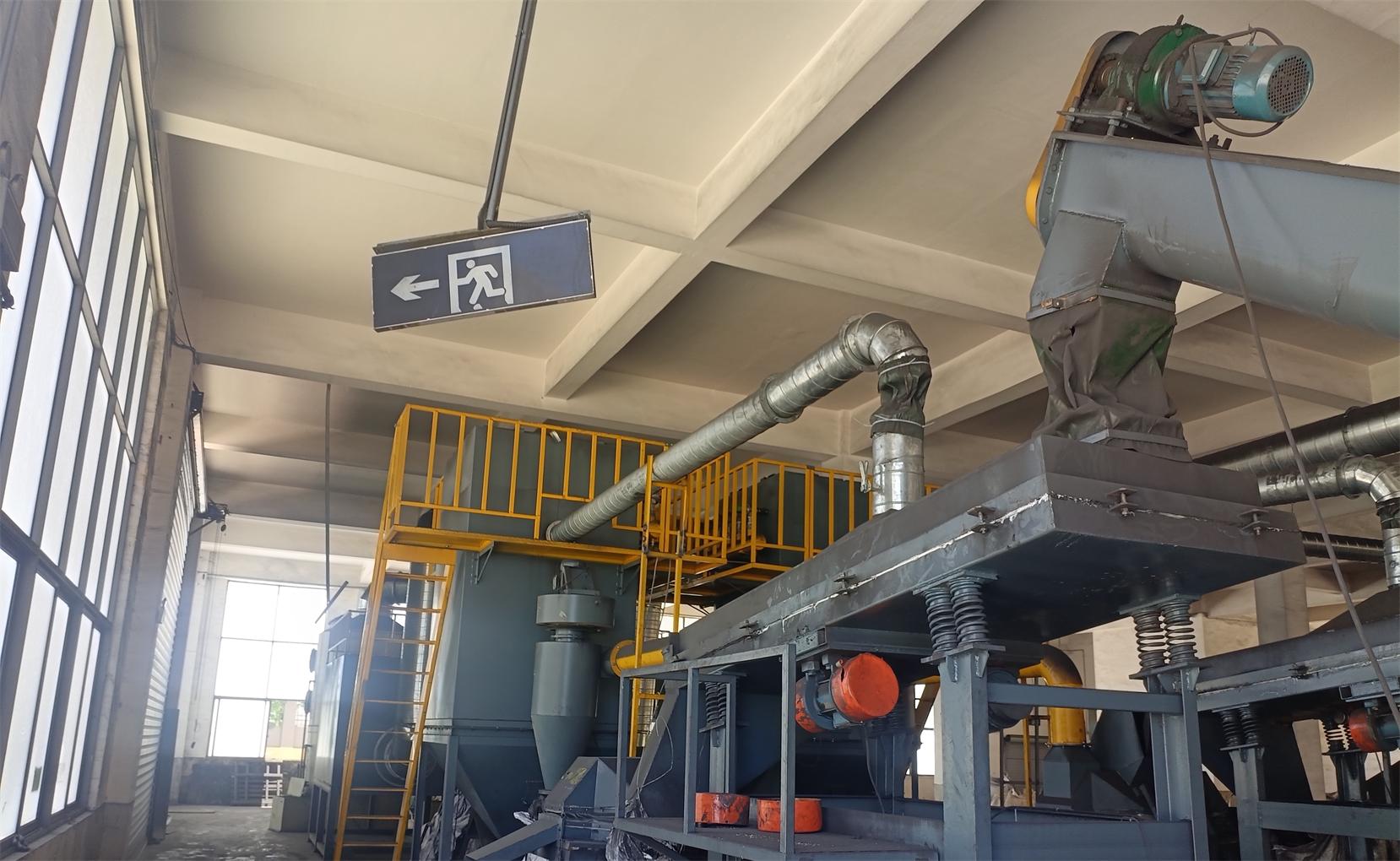
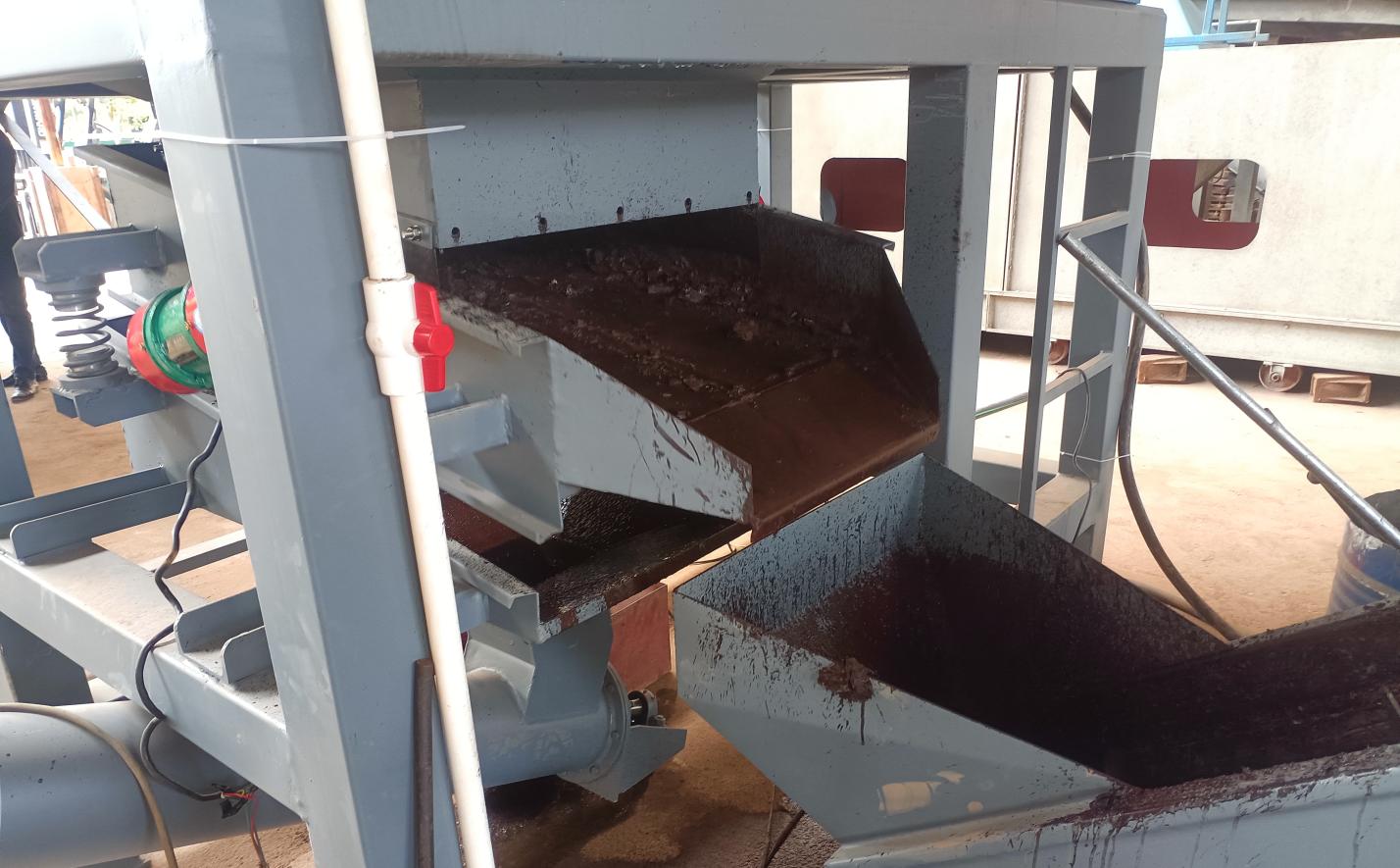
Lead acid batteries remain one of the most recycled products on the planet, with a recycling rate exceeding 95% in many regions. The process involves breaking and separating batteries to recover acid, plastic shells, lead grids, and lead paste. Modern lead acid battery recycling equipment can handle capacities from 1 to 10 metric tons per hour, turning waste into refined lead ingots with purity levels up to 99.999%.
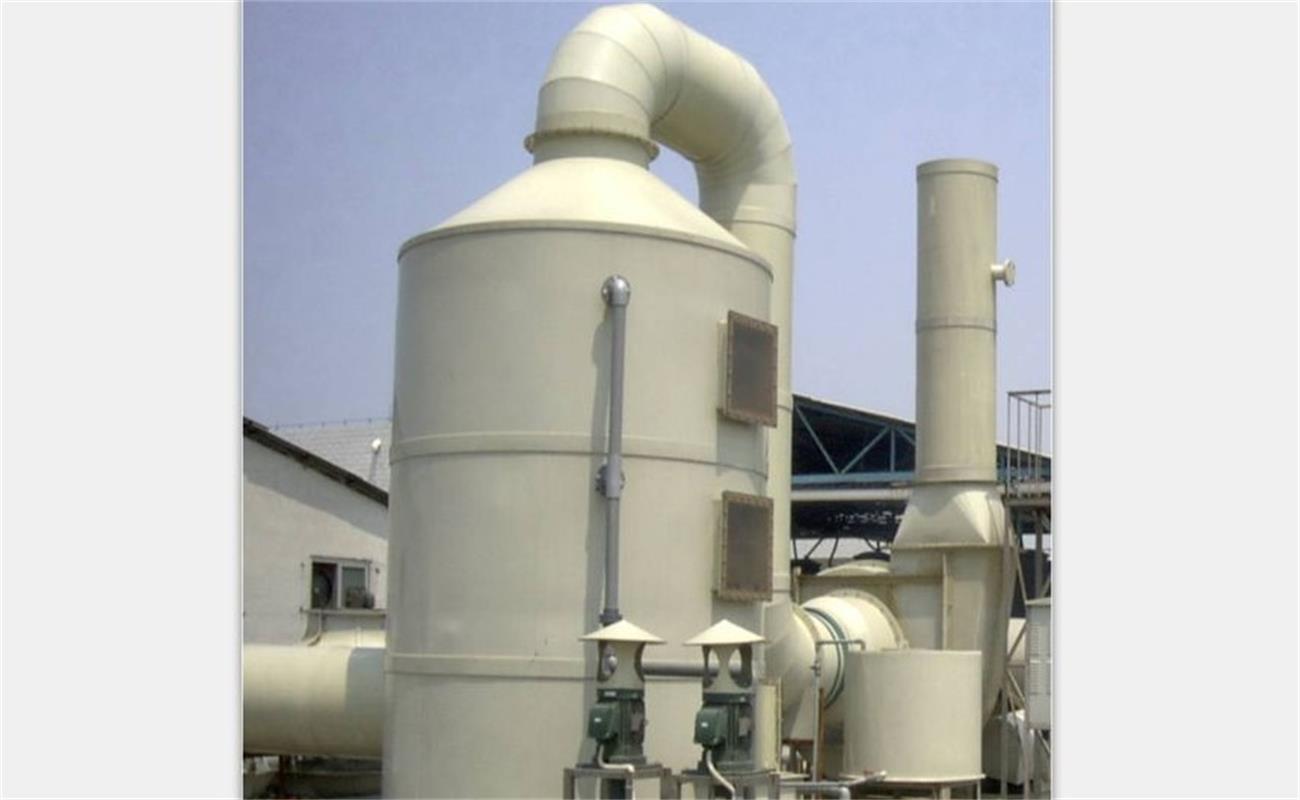
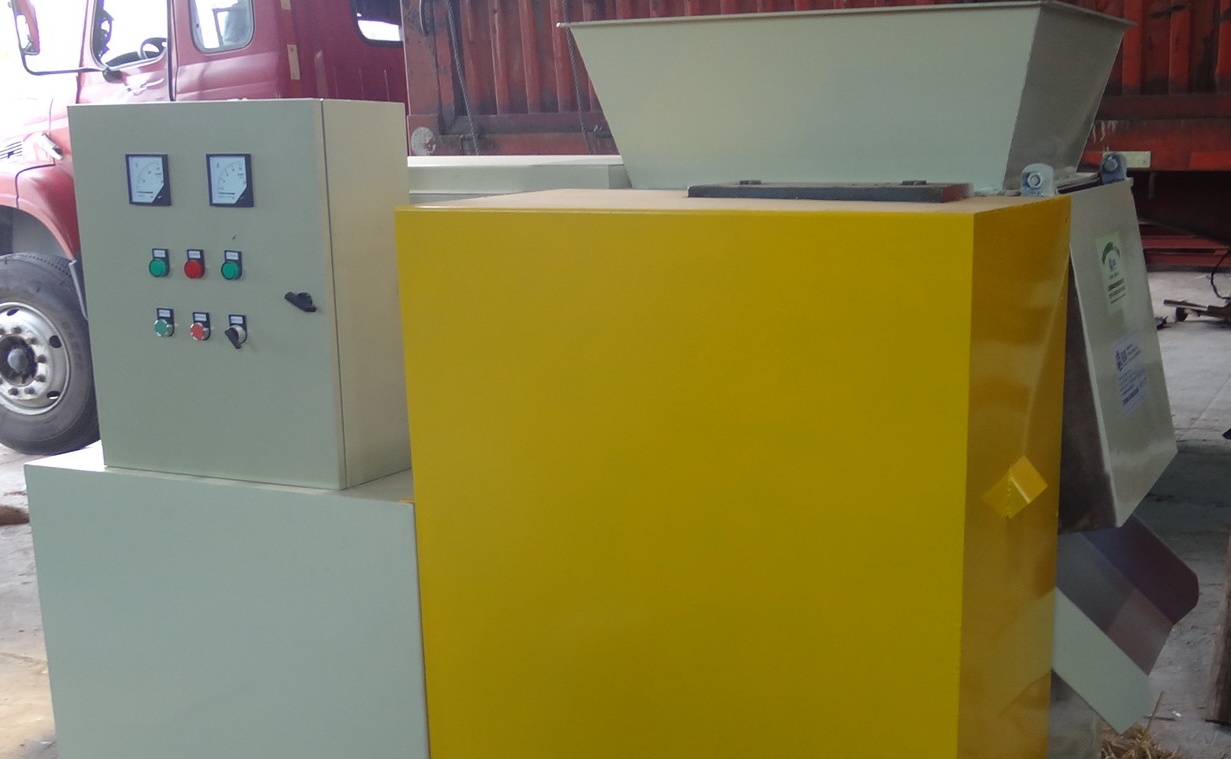
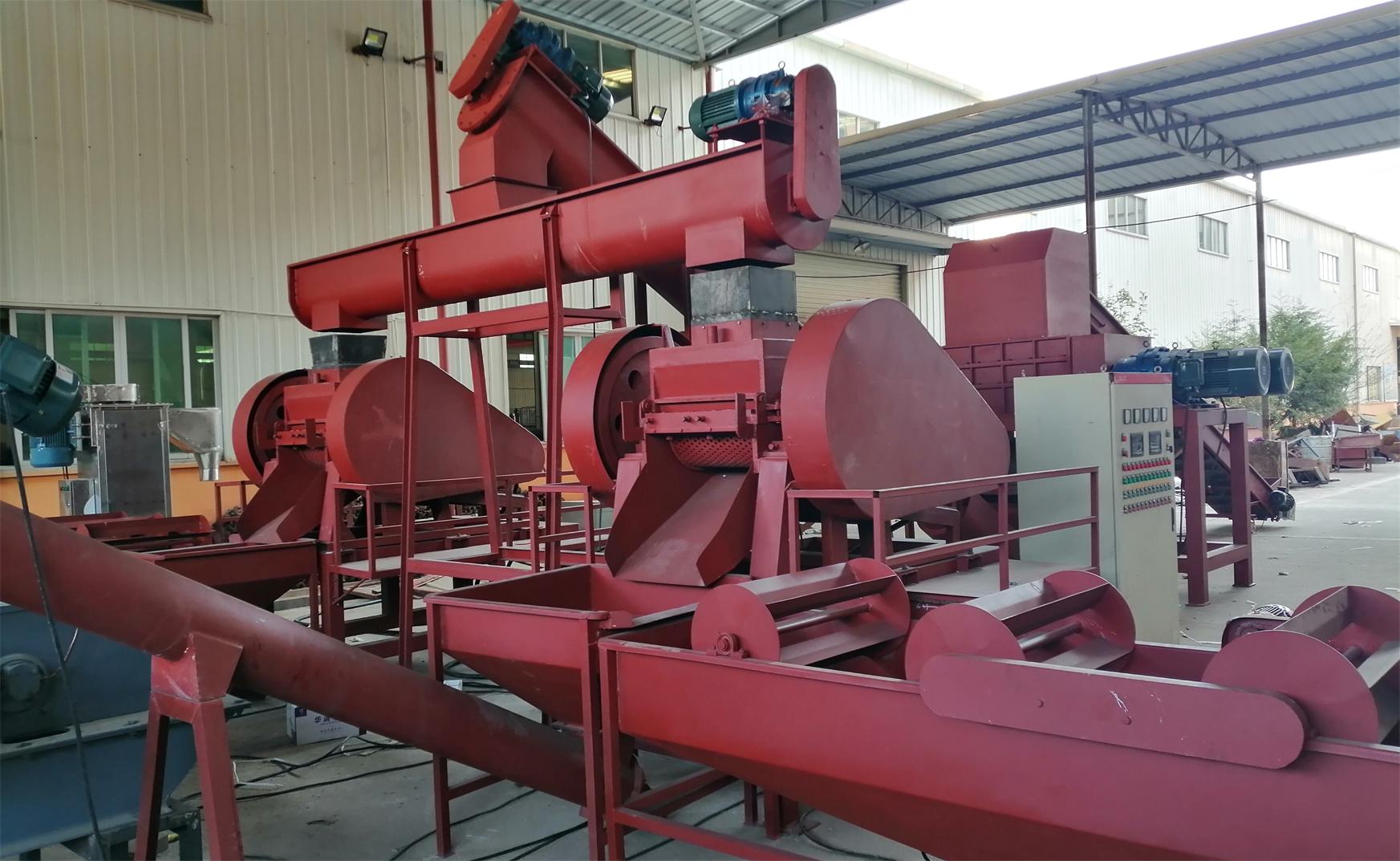
A complete lead acid battery recycling plant typically includes breaking and separation systems, rotary furnaces for paste reduction, blast furnaces, lead refinery kettles, de-sulfurization units, air pollution control systems, and water treatment facilities. Each component plays a critical role in maximizing recovery rates while meeting strict environmental standards.
Lithium Battery Recycling: Capturing the Future
As electric vehicles and portable electronics explode in popularity, spent lithium-ion batteries are becoming the next major recycling frontier. Unlike lead acid batteries, lithium batteries require specialized handling due to their chemical complexity and fire risks. Advanced li battery recycling equipment breaks and separates waste lithium batteries to recover black mass (containing nickel, cobalt, and graphite), plastic film, copper, and aluminum.
Capacity for modern lithium battery recycling plants ranges from 500 to 2,500 kilograms per hour. The process includes discharging, pre-crushing, secondary granulation, black powder separation, and magnetic separation of iron and steel. With the global EV market projected to grow exponentially, investing in lithium battery recycling infrastructure today positions operators at the forefront of tomorrow's resource economy.
Cable and Circuit Board Recycling: Uncovering Hidden Value
Scrap cables and printed circuit boards (PCBs) represent two of the most accessible entry points into the recycling business. Copper prices have remained strong, and cable recycling equipment can separate copper and aluminum from plastic insulation with remarkable efficiency. Cable granulators with dry separators achieve copper powder purity of 96-98%, with processing capacities ranging from 200 to 1,200 kilograms per hour.
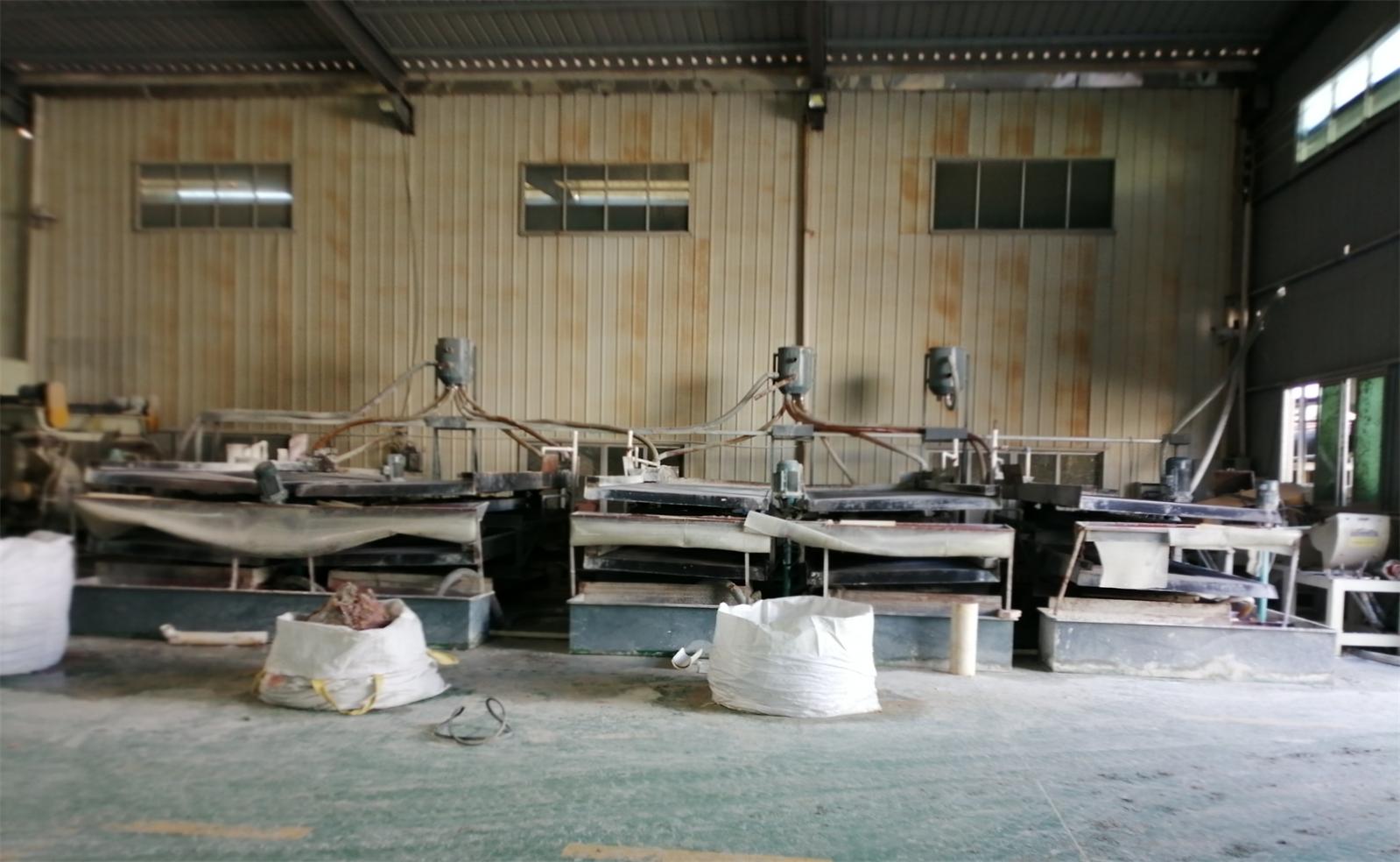
Circuit board recycling plants use either wet or dry separation technologies. Wet separation systems can process PCB waste even with electronic components still attached, while dry separation systems use air classification, electrostatic separation, and pulse bag dust collectors to achieve recovery rates around 95%. These plants typically handle 300 to 2,000 kilograms per hour, making them suitable for both small operators and large-scale facilities.
What to Look for in a Recycling Equipment Supplier
Not all equipment manufacturers are created equal. When evaluating potential partners, consider these critical factors:
- Technical expertise: Look for teams with advanced degrees in mechanical engineering and deep hands-on experience in recycling processes.
- EPC capabilities: Engineering, procurement, and construction experience ensures your plant is designed, built, and commissioned correctly from day one.
- Customization: Every market and feedstock is different. The ability to customize plant design to your specific requirements is essential.
- Environmental compliance: Modern plants must include air pollution control, water treatment, and dust collection systems that meet local regulations.
- After-sales support: Installation, training, and ongoing technical support determine whether your investment succeeds long-term.
San Lan Technologies: Your Partner from Start to Finish
Since 2007, San Lan Technologies Co., Ltd has been designing and manufacturing WEEE recycling machines and mining equipment from its base in Jiangxi Province, China. With a professional technical team holding master's degrees in mechanical engineering and over 15 years of experience in e-waste recycling, San Lan delivers more than just machines 鈥?it delivers complete business solutions.
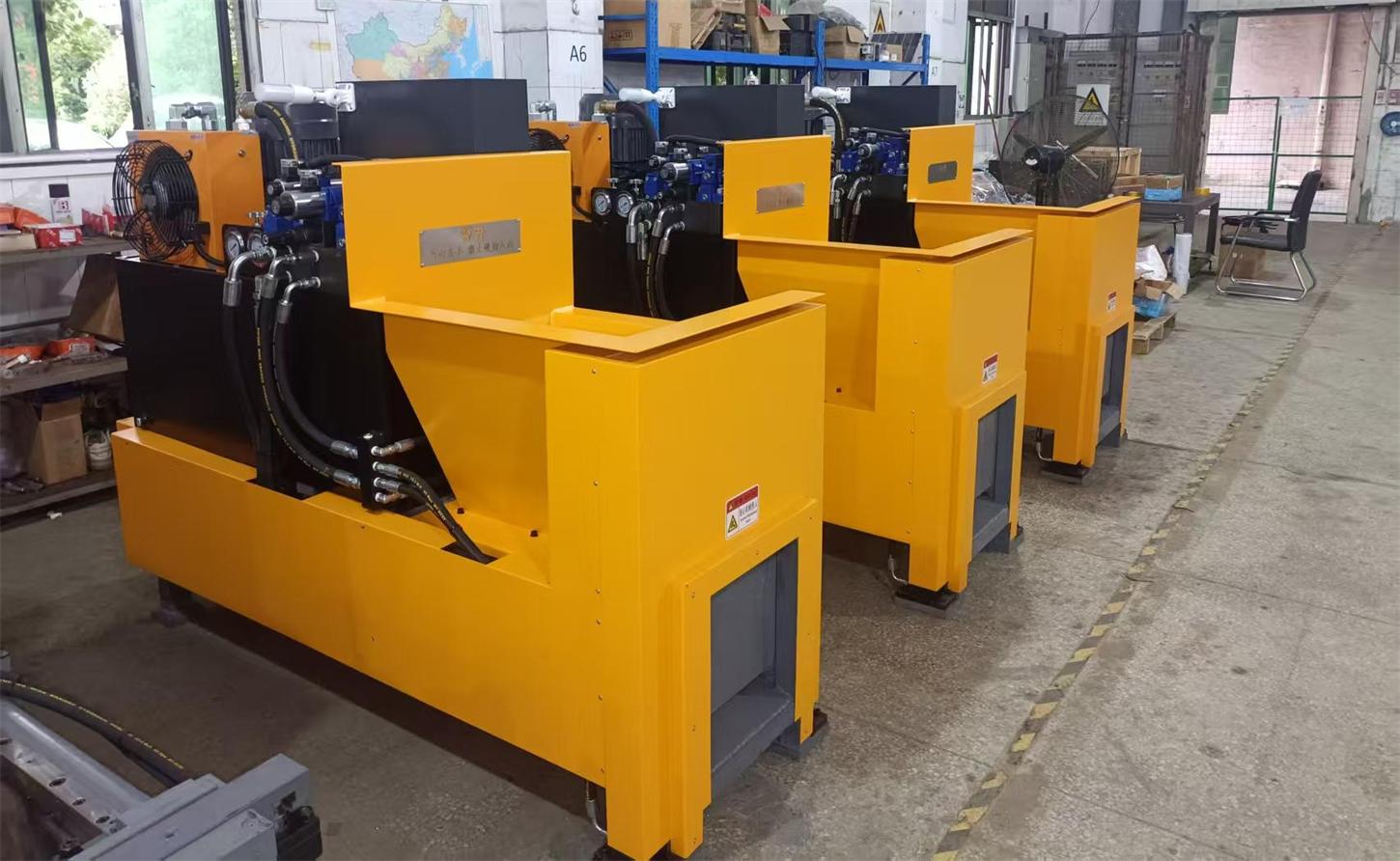
San Lan's product portfolio covers the full spectrum of recycling needs: lead acid battery recycling plants, lithium battery recycling plants, circuit board recycling plants, cable recycling machines, hydraulic press machines, shredders, CRT cutters, refrigerator and AC recycling systems, motor recycling machines, lamp recycling machines, and metal melting furnaces. The company also offers lithium ore extraction plants for mining operators.
What truly sets San Lan apart is its commitment to end-to-end customer success. Beyond manufacturing equipment, the company helps customers source waste materials such as cable scrap, PCB scrap, and used lead acid batteries. It assists in finding investors and partners for recycling plant construction. Most importantly, San Lan helps customers sell their recovered products 鈥?including copper rice, copper powder, and lead ingots 鈥?connecting operators directly to downstream markets.
With customers in over 21 countries including Singapore, Colombia, Vietnam, Mexico, Argentina, Korea, Malaysia, Indonesia, South Africa, Tunisia, India, Kenya, Saudi Arabia, Philippines, and Zambia, San Lan has built a reputation for reliable equipment, professional international marketing management, and deep understanding of cross-cultural business environments.
Ready to transform waste into profit? Whether you are starting a new recycling business or expanding an existing operation, San Lan Technologies provides the equipment, expertise, and ongoing support you need to succeed. Contact us today via email at info@san-lan.com or WhatsApp at +86 139 2377 4083 to discuss your project requirements and receive a customized proposal tailored to your market and budget.