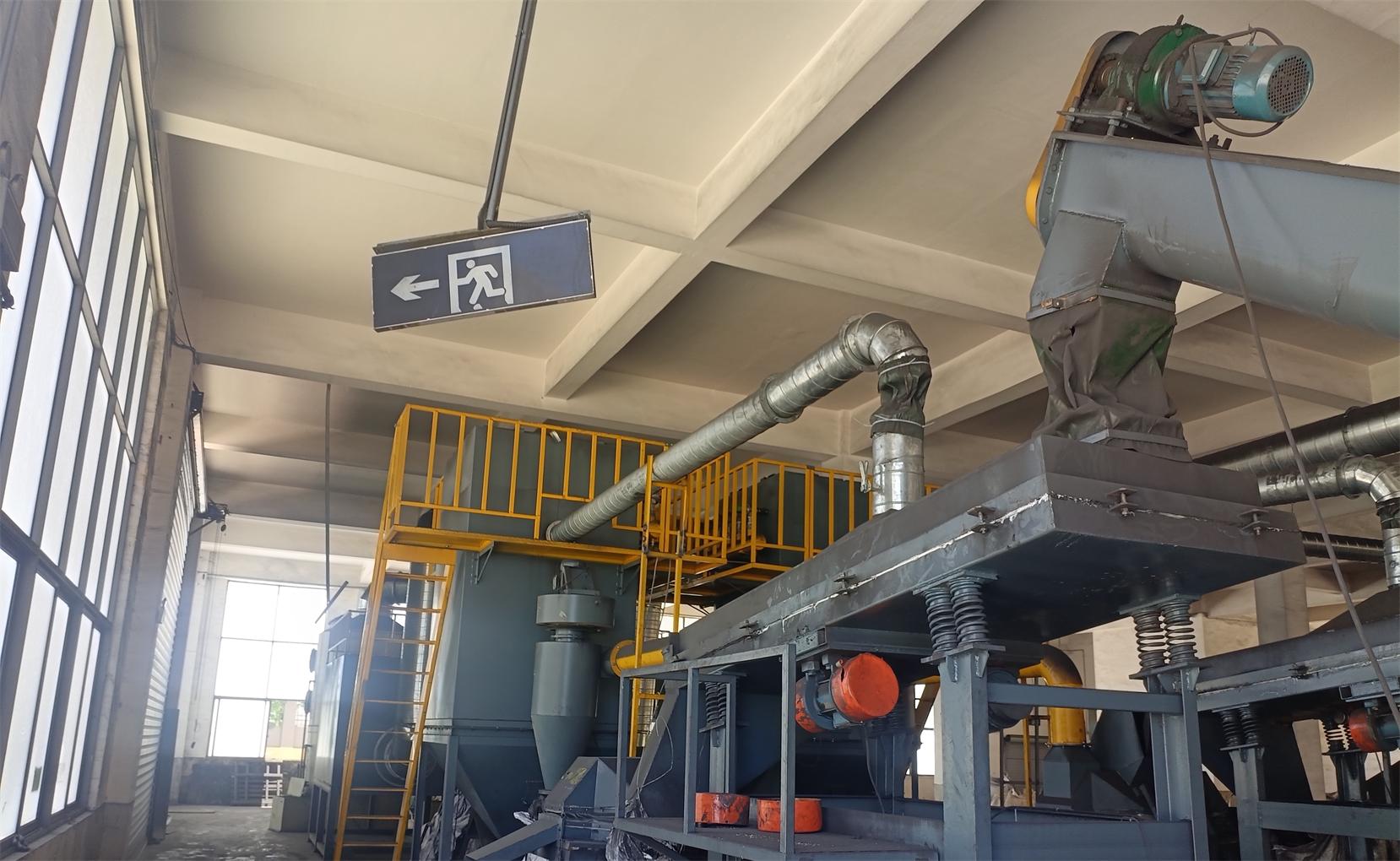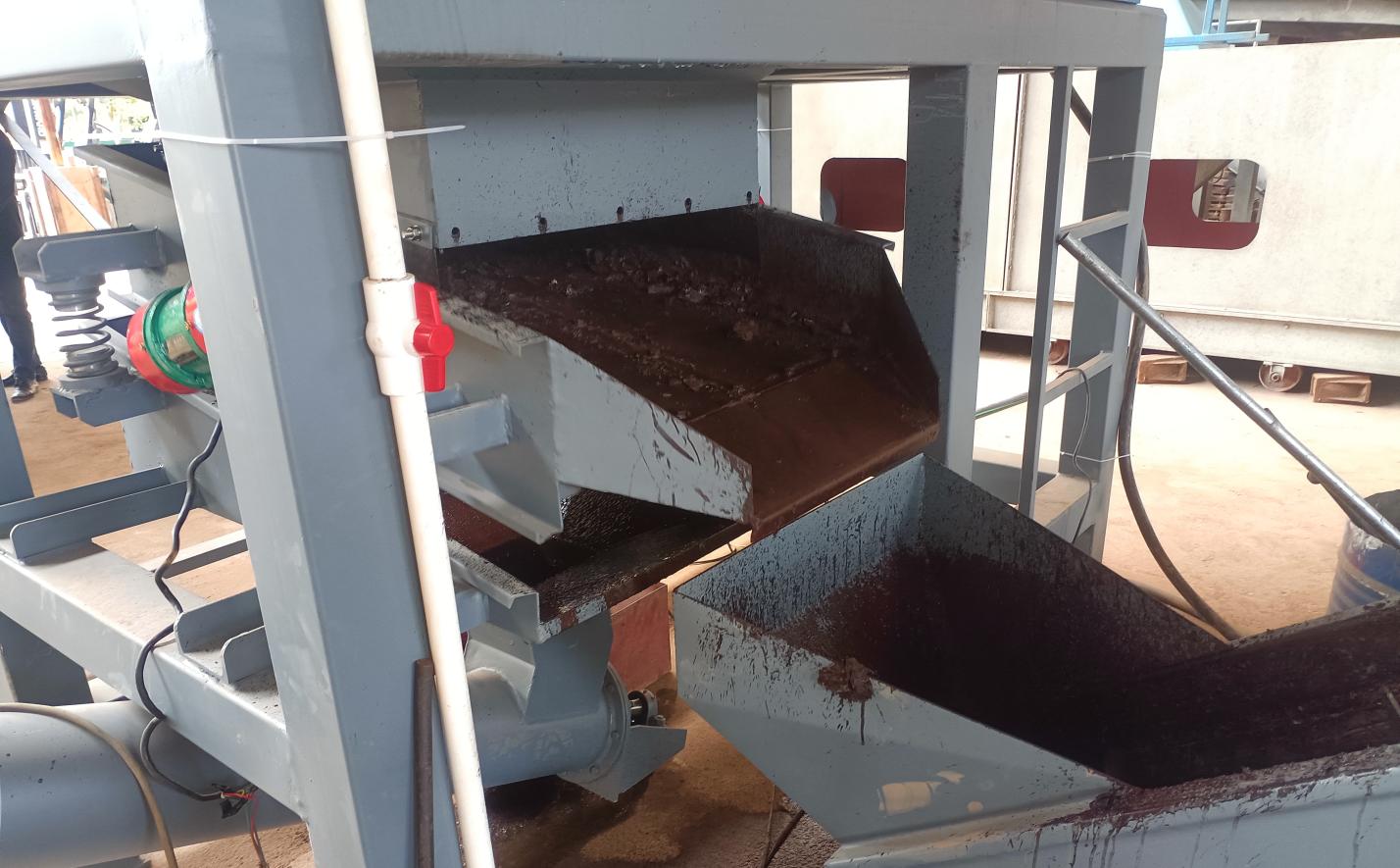
The world generates over 60 million tons of electronic waste annually, yet less than 25% is properly recycled. For businesses and entrepreneurs looking to enter this growing industry, investing in the right recycling equipment is the critical first step toward building a profitable and environmentally responsible operation.
Whether you are processing used lead acid batteries, scrap cables, or printed circuit boards, modern recycling technology has made it possible to recover valuable materials with high efficiency while meeting strict environmental standards. This guide explores the essential equipment needed for different e-waste recycling applications and what to look for when choosing a reliable supplier.
Lead Acid Battery Recycling: A Proven Revenue Stream
Used lead acid batteries represent one of the most recycled consumer products globally, with well-established collection networks and strong demand for recovered lead. A complete lead acid battery recycling equipment setup typically includes several key stages.
The process begins with battery cutting, where specialized hydraulic cutters safely open batteries and drain the acid. The broken batteries then go through separation systems that classify lead paste, lead grids, plastic shells, and acid into distinct fractions. Advanced plants incorporate desulfurization units to treat lead paste before smelting, reducing energy consumption and sulfur dioxide emissions.
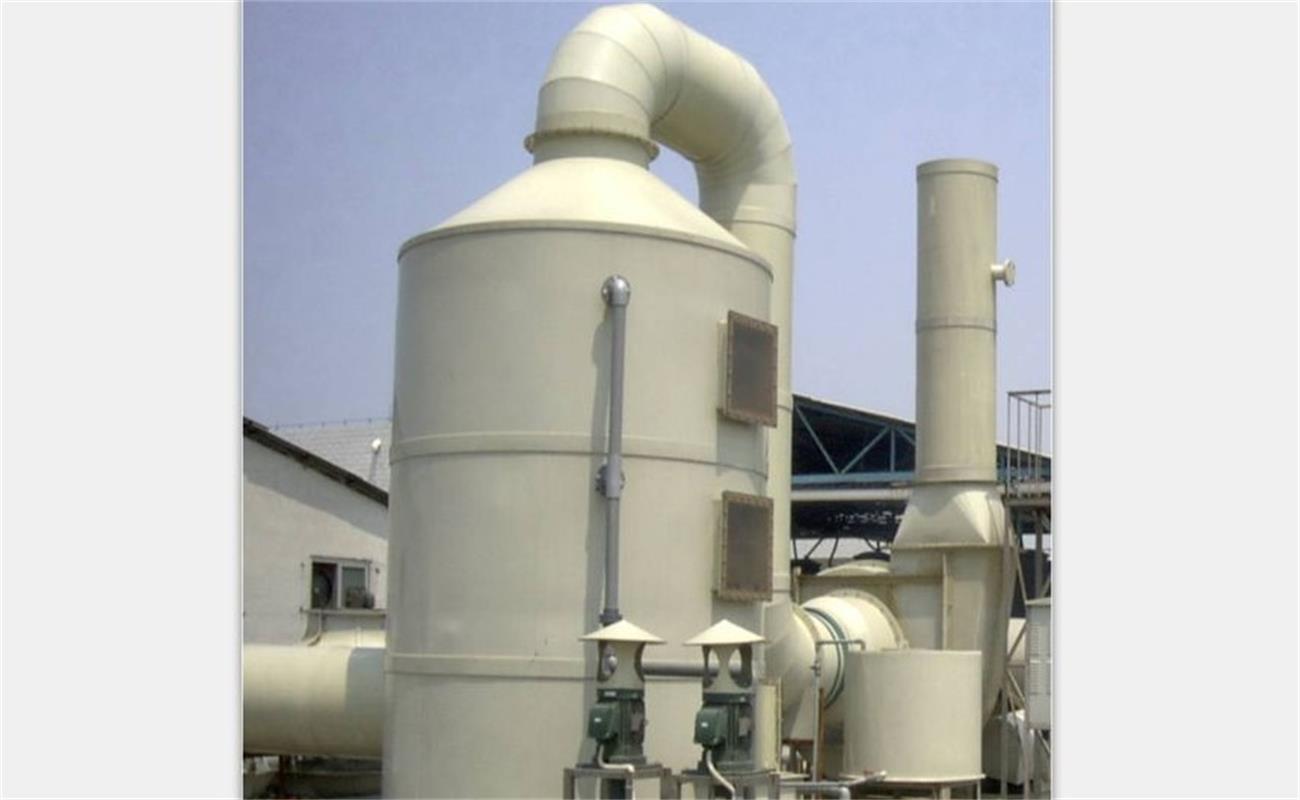
For lead recovery, rotary furnaces and blast furnaces offer different advantages depending on your scale and feedstock. Rotary furnaces generally achieve higher recovery rates for paste reduction, while blast furnaces handle larger volumes. The final refining stage uses kettle furnaces to produce 99.999% pure lead ingots ready for resale. Complete systems also include air pollution control and water treatment equipment to ensure full environmental compliance.
Lithium Battery Recycling: Capturing the EV Revolution
As electric vehicles and portable electronics proliferate, spent lithium-ion batteries have become a rapidly growing waste stream. Unlike lead acid batteries, lithium batteries contain valuable metals including lithium, cobalt, nickel, and copper, making them highly attractive for recycling.
A lithium battery recycling plant typically starts with a discharging and pre-crushing stage, followed by secondary granulation to break down the battery structure. The critical separation stage recovers black mass containing nickel, cobalt, and graphite, along with separated plastic, copper, and aluminum fractions. Pneumatic conveying systems and hydraulic briquetters help compress plastic separator film for easier handling and transport.
Due to the flammable electrolytes and toxic materials involved, air pollution control systems are essential for safe operation. Capacity requirements vary widely, with modular systems available from 500 kg/hour up to 2,500 kg/hour depending on your projected feedstock volume.
Cable Recycling: Separating Copper from Plastic
Scrap electrical cables contain valuable copper and aluminum conductors surrounded by plastic insulation. Rather than burning the insulation, which creates toxic fumes and destroys the plastic value, modern cable recycling equipment uses mechanical separation to recover both materials cleanly.
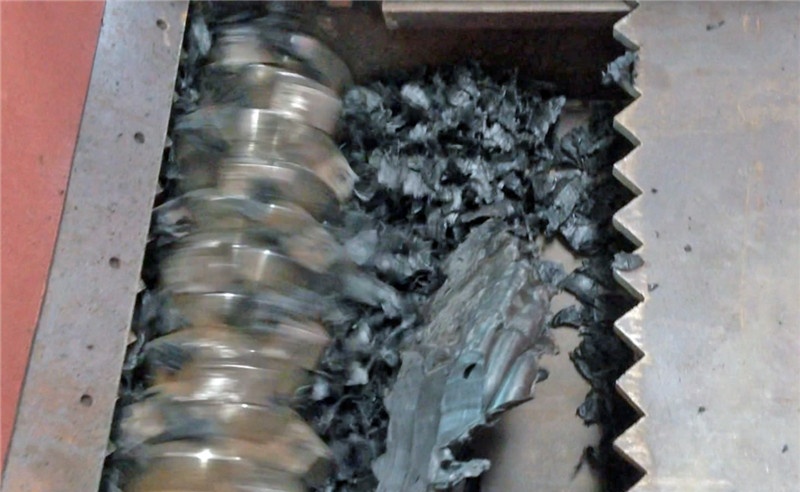
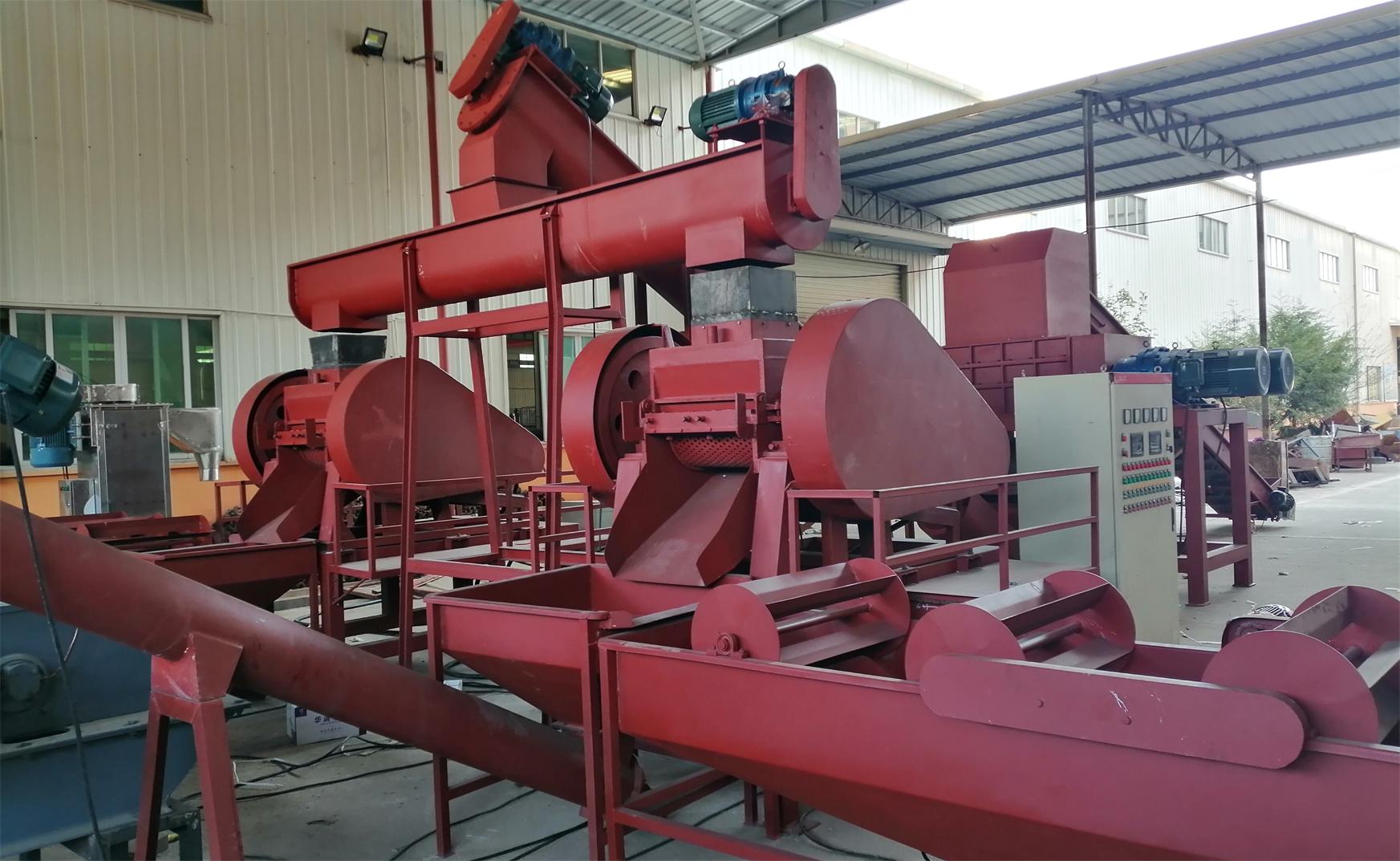
For large-diameter cables, scrap cable strippers first remove the outer insulation to expose the metal core. The stripped cables or smaller wire scrap then feed into cable granulators, which use rotating blades to pulverize the material into small particles. Air separation or water separation systems then split the copper or aluminum from the plastic based on density differences.
Dry separation systems using air classifiers offer lower operating costs and simpler maintenance, while wet separation systems can achieve higher purity levels, typically 96-98% copper powder. Your choice depends on local water availability, environmental regulations, and your target purity requirements.
Circuit Board Recovery: Extracting Precious Metals
Printed circuit boards from computers, phones, and other electronics contain copper, gold, silver, and palladium in concentrations that often exceed natural ore deposits. Recovering these metals requires specialized circuit board recycling equipment designed to handle the complex composite materials involved.
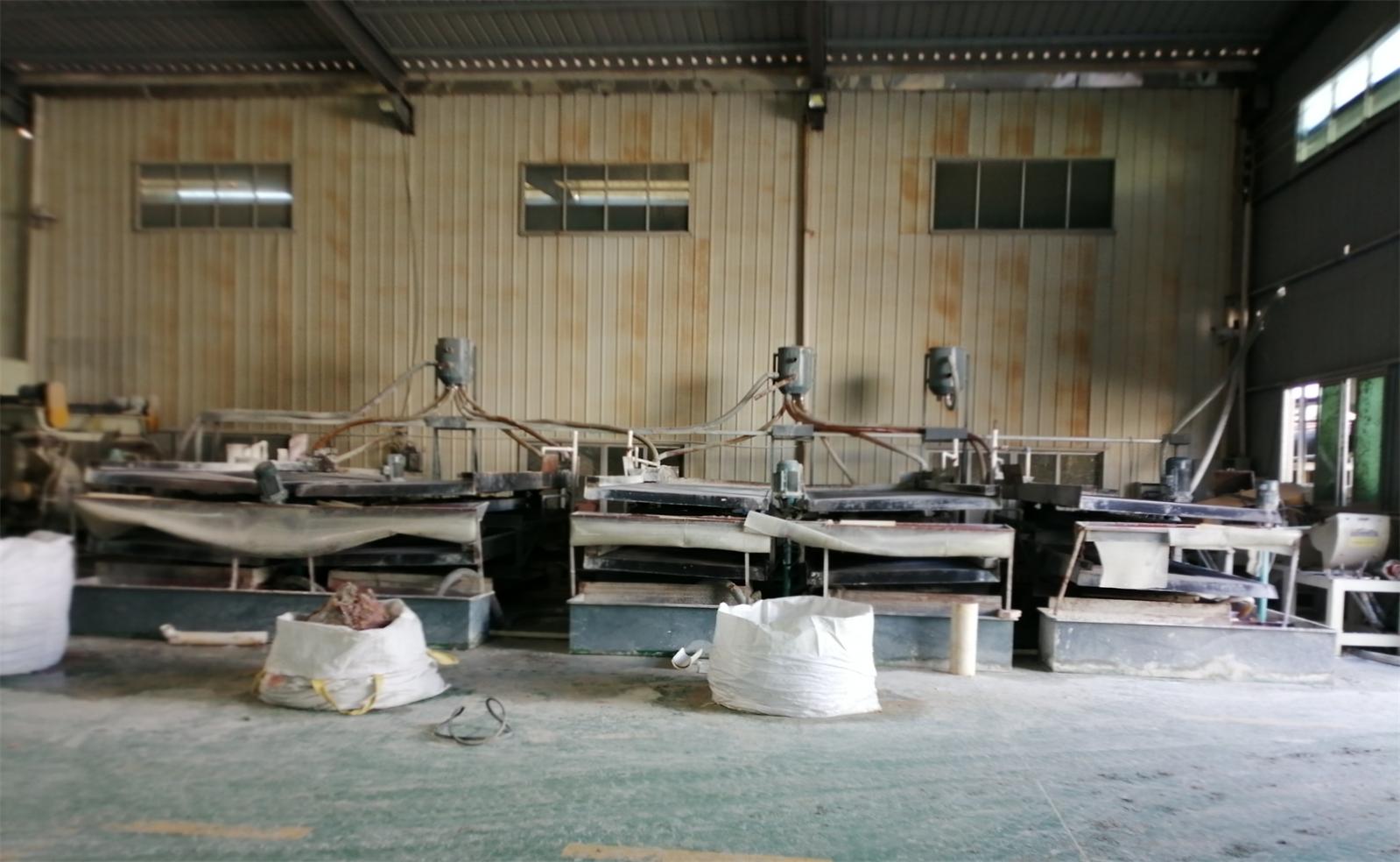
Circuit board recycling plants first shred the boards to liberate metal particles from the fiberglass and resin substrates. The shredded material then passes through separation systems that may include air classifiers, electrostatic separators, and vibrating screens. Wet separation systems use water-based density separation to achieve high recovery rates, while dry systems avoid wastewater treatment requirements.
Capacity ranges from 300 kg/hour for small operations up to 2,000 kg/hour or more for industrial facilities. Advanced plants can process boards with components still attached, reducing preprocessing labor costs.
Supporting Equipment: Shredders, Presses, and Furnaces
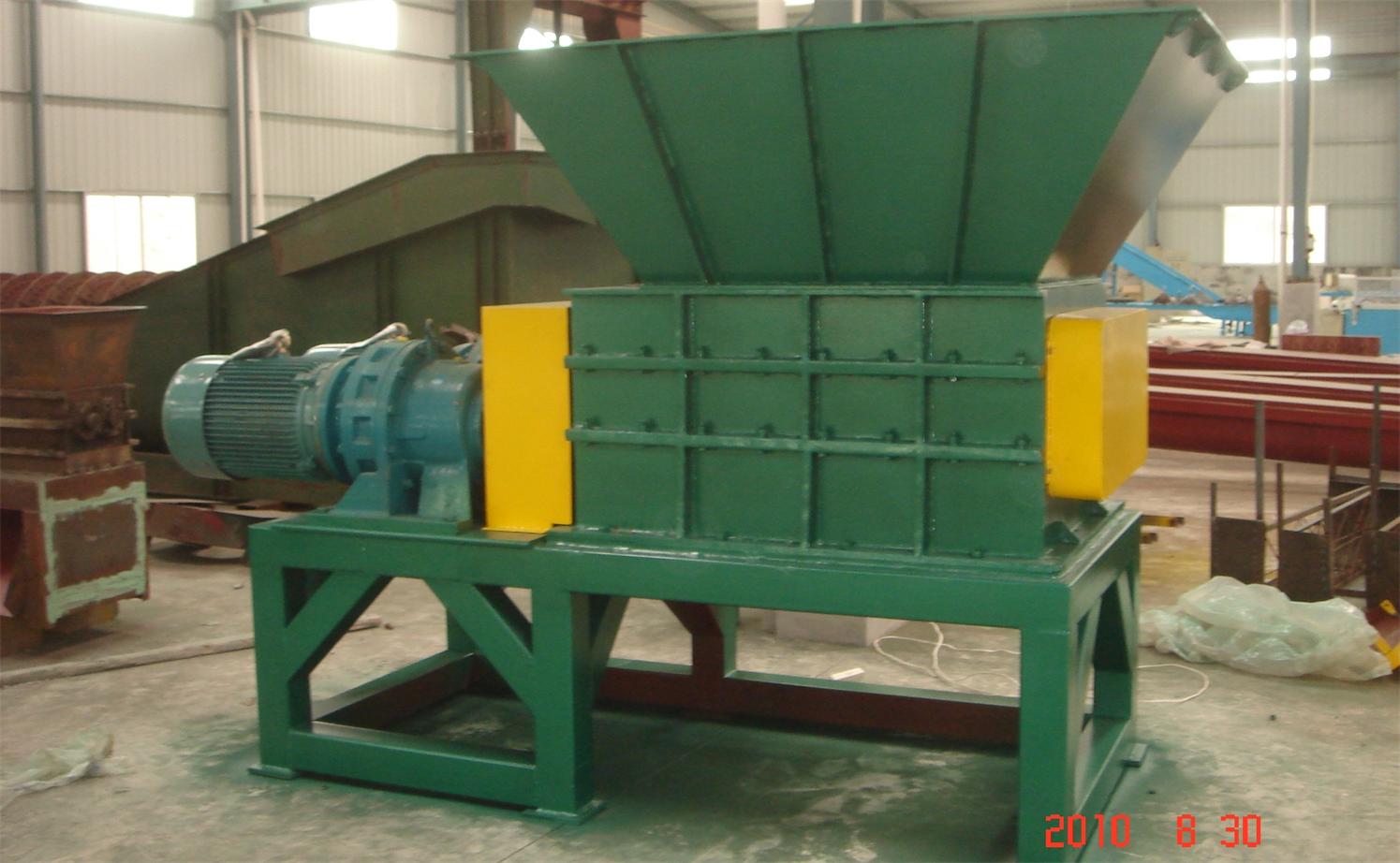
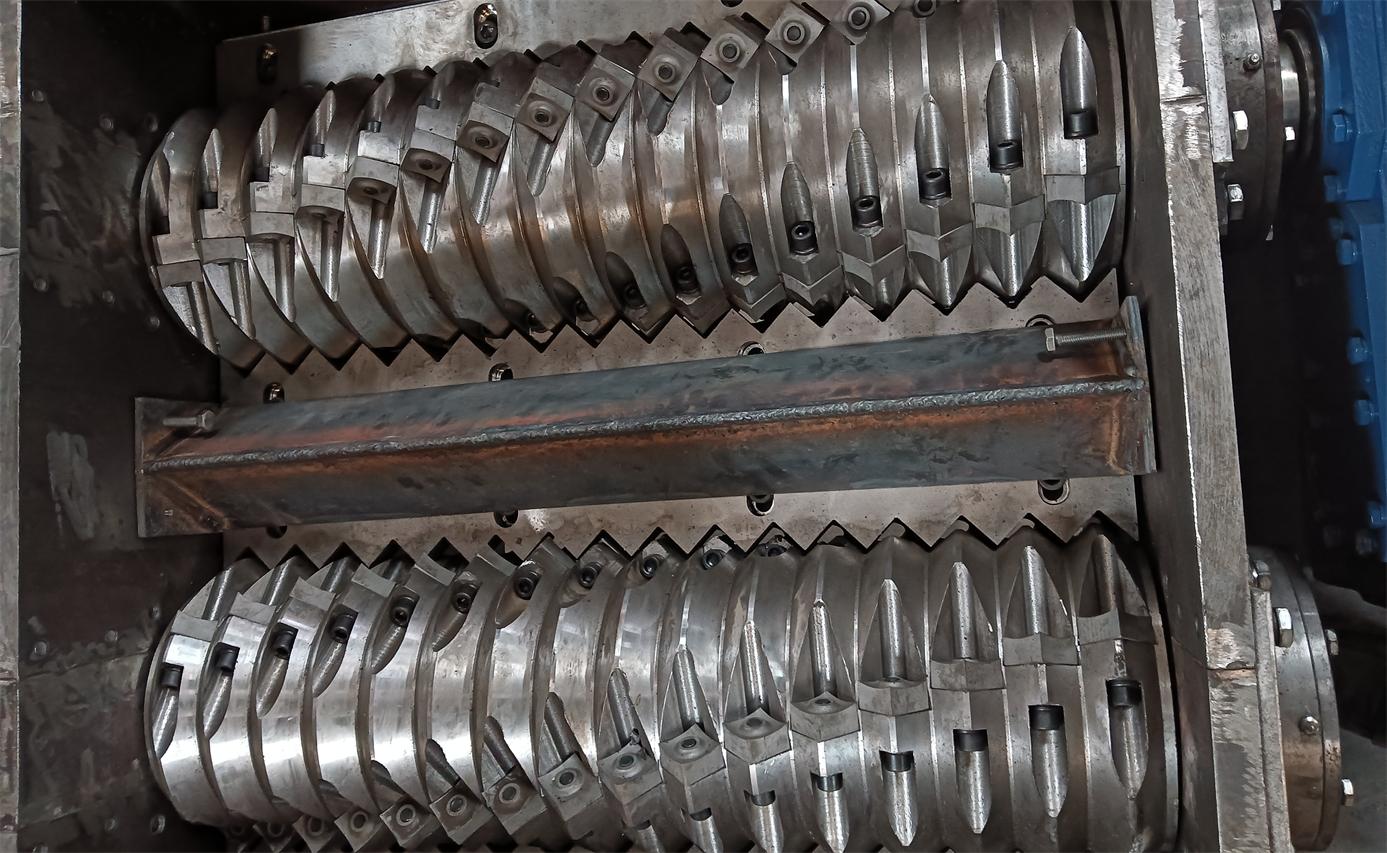
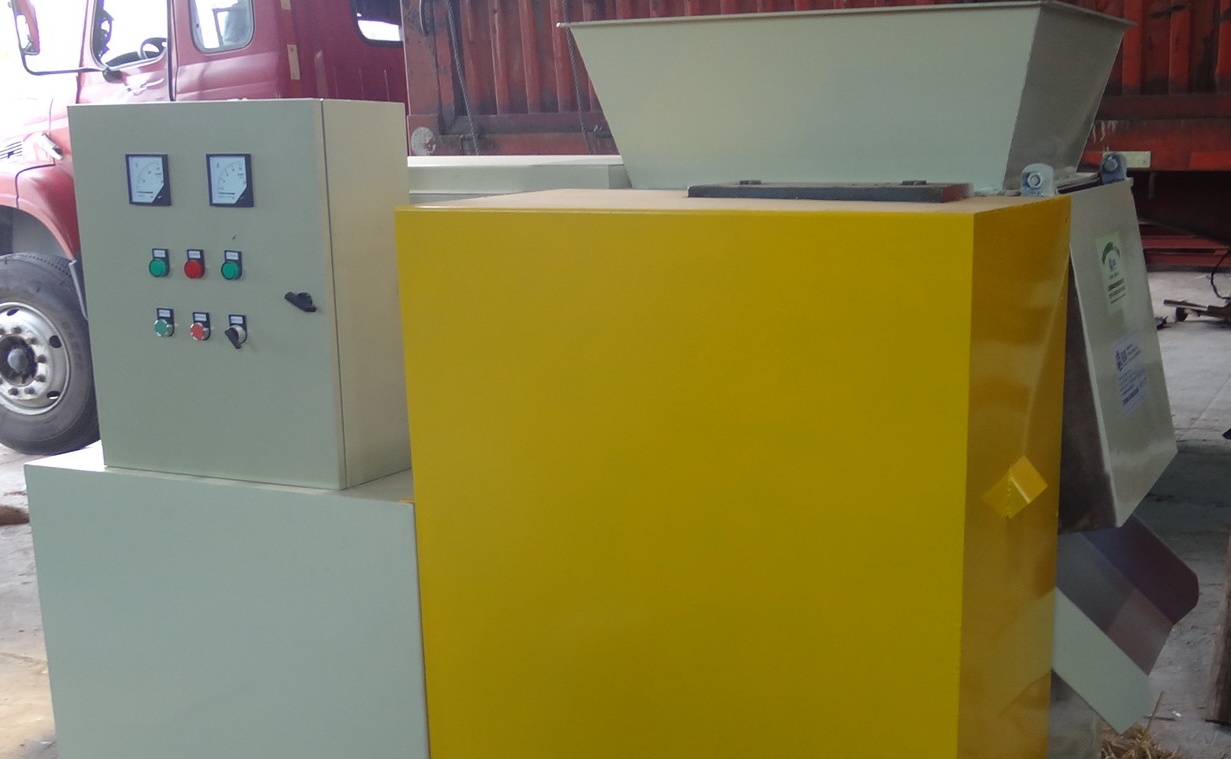
Beyond the primary recycling lines, several categories of supporting equipment improve overall plant efficiency and profitability. Industrial shredders and pre-choppers handle oversized or mixed feedstock, reducing material to uniform sizes that downstream equipment can process effectively. Options include single-shaft, twin-shaft, and four-shaft configurations depending on the material toughness and required output size.
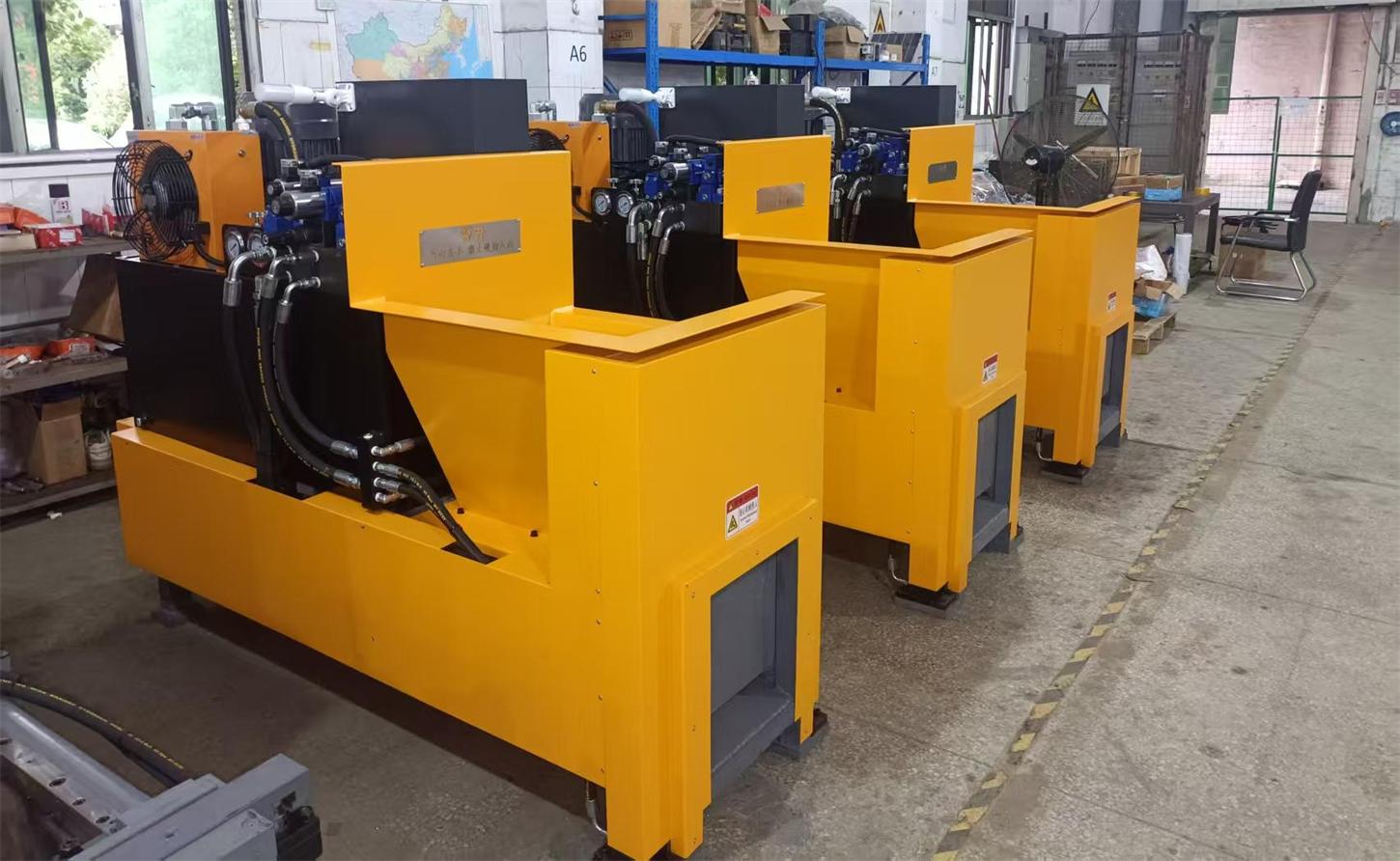
Hydraulic press machines serve multiple roles in recycling operations. Metal chip compactors briquette loose metal powder into dense blocks that are easier to transport and smelt. Hydraulic balers compress plastic, paper, or other recyclable materials into mill-ready bales. For operations handling mixed metal scrap, portable briquetting machines offer flexibility to process material directly at collection points.
Metal melting furnaces, typically medium-frequency induction types, convert recovered metals into standard ingots. These furnaces handle various metals including copper, aluminum, lead, and precious metals, with capacities ranging from a few kilograms to hundreds of kilograms per batch.
What to Look for in a Recycling Equipment Supplier
Choosing the right equipment partner affects your operation for decades. Look for manufacturers with demonstrated experience in your specific recycling sector, not just general fabricators. The best suppliers offer complete plant design services, helping you configure equipment layouts, calculate throughput capacities, and plan for future expansion.
Installation and commissioning support are equally important. Even high-quality equipment performs poorly if not properly installed and calibrated. Ask potential suppliers about their technical team's qualifications, response times for spare parts, and availability of remote diagnostic support. References from existing customers in similar markets provide valuable insight into real-world performance and reliability.
Environmental compliance should never be an afterthought. Ensure that air pollution control systems, water treatment equipment, and noise suppression measures meet your local regulatory requirements. Reputable suppliers provide documentation and performance guarantees for environmental control equipment.
Building a Sustainable Recycling Business
Successful recycling operations balance three priorities: maximizing material recovery rates, minimizing operating costs, and maintaining strict environmental compliance. Achieving this balance requires not just individual machines, but integrated systems where each component complements the others.
Start with a clear understanding of your available feedstock. The types and volumes of waste material you can reliably source determine which recycling lines make economic sense. Many successful operators begin with one primary material, such as lead acid batteries or cables, then expand into additional streams as their business grows.
Consider the full value chain, not just the mechanical processing. Some suppliers help customers source raw materials or find buyers for recovered products, reducing market risk for new entrants. This end-to-end support can accelerate your path to profitability, especially in unfamiliar markets.
Ready to start or expand your e-waste recycling operation? San Lan Technologies Co., Ltd. has manufactured WEEE recycling equipment since 2007, serving customers across 21 countries. From lead acid battery recycling plants to cable granulators and circuit board recovery systems, we provide complete solutions including custom design, installation, and commissioning. Contact us at info@san-lan.com or via WhatsApp at +86 139 2377 4083 to discuss your project requirements.