Every year, millions of tons of electronic devices reach the end of their useful lives. From obsolete smartphones and laptops to used car batteries and industrial cables, this mounting tide of e-waste represents both an environmental challenge and a remarkable business opportunity. For entrepreneurs and established companies willing to invest in the right technology, e-waste recycling offers a pathway to consistent revenue while contributing to global sustainability goals.
The E-Waste Opportunity Is Bigger Than Ever
The global e-waste management market is expanding rapidly as governments tighten environmental regulations and manufacturers face increasing pressure to meet recycling targets. Used electronics contain valuable concentrations of copper, gold, silver, lead, and other recoverable materials. A single ton of mobile phone circuit boards can contain more gold than a ton of high-grade mined ore. This inherent value makes e-waste recycling economically viable when paired with efficient equipment and proper processes.
Core Equipment Categories for a Modern Recycling Operation
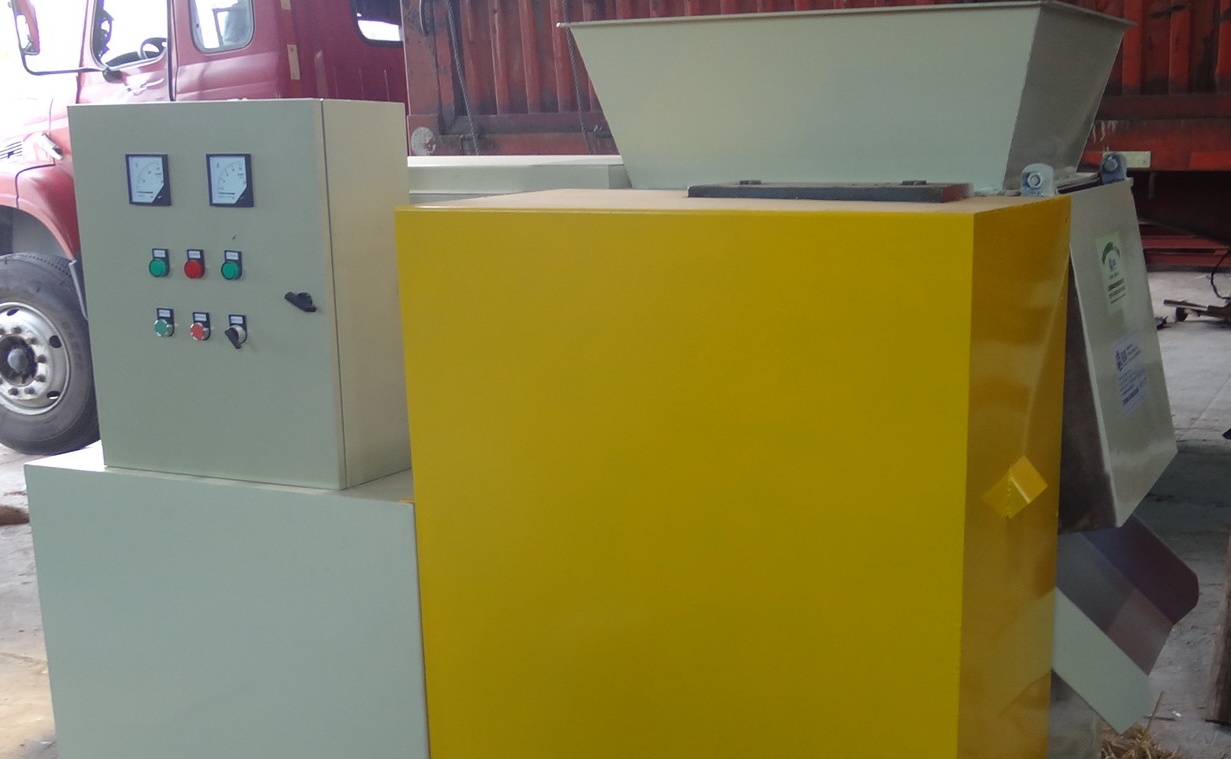
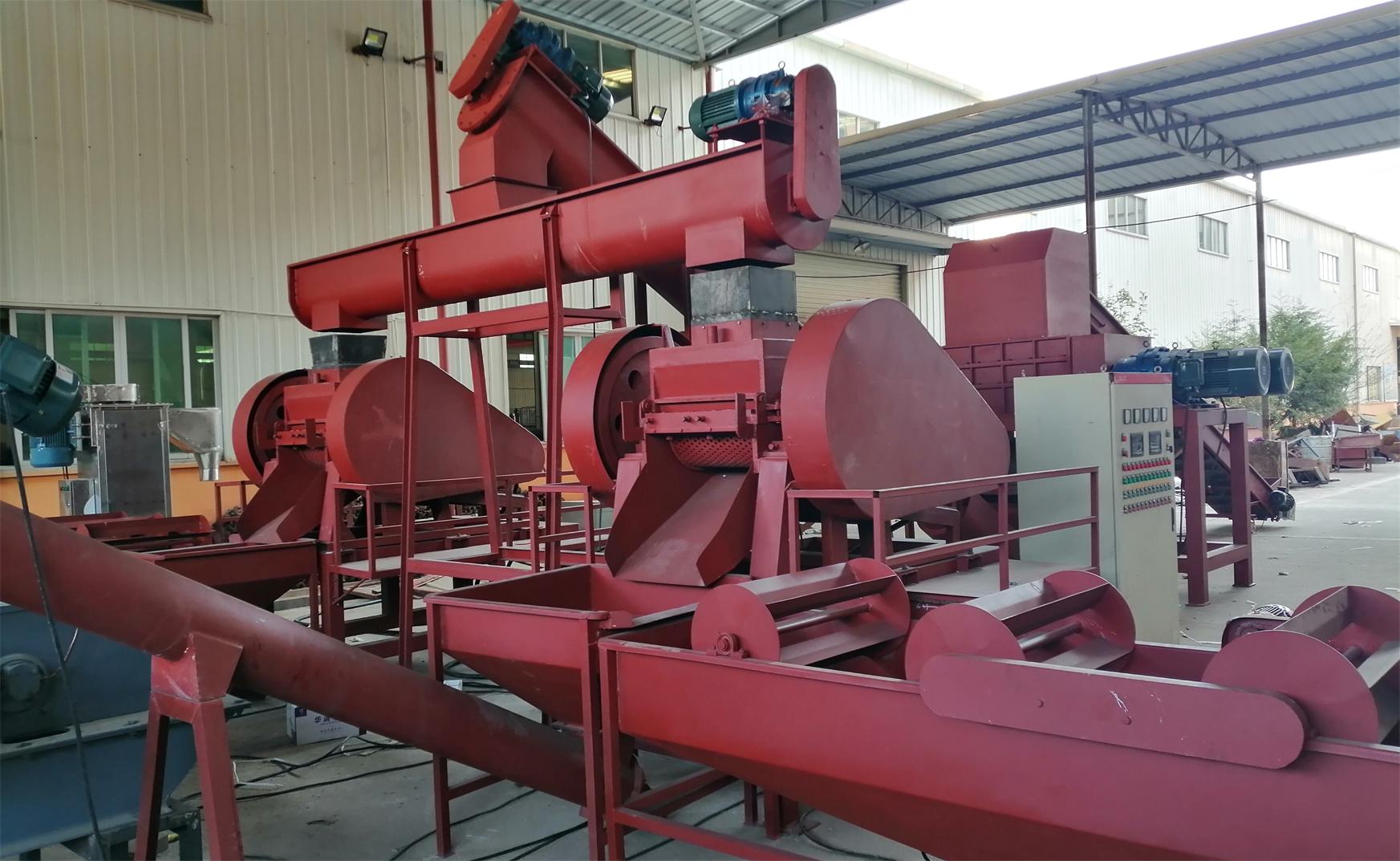
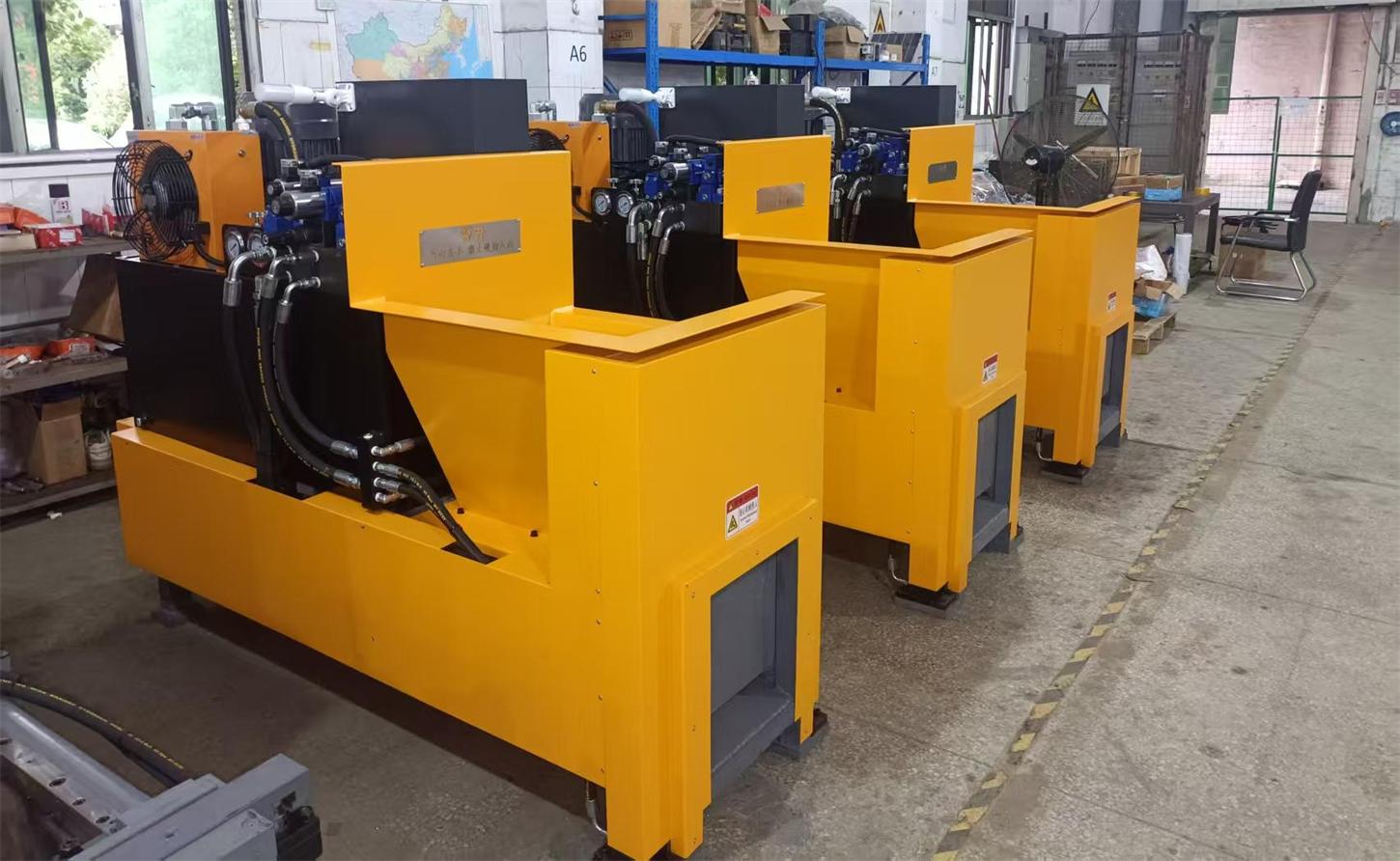
Building a profitable recycling business starts with selecting the right machinery for your target materials. Here are the essential equipment categories that form the backbone of a comprehensive e-waste processing facility:
Lead Acid Battery Recycling Equipment
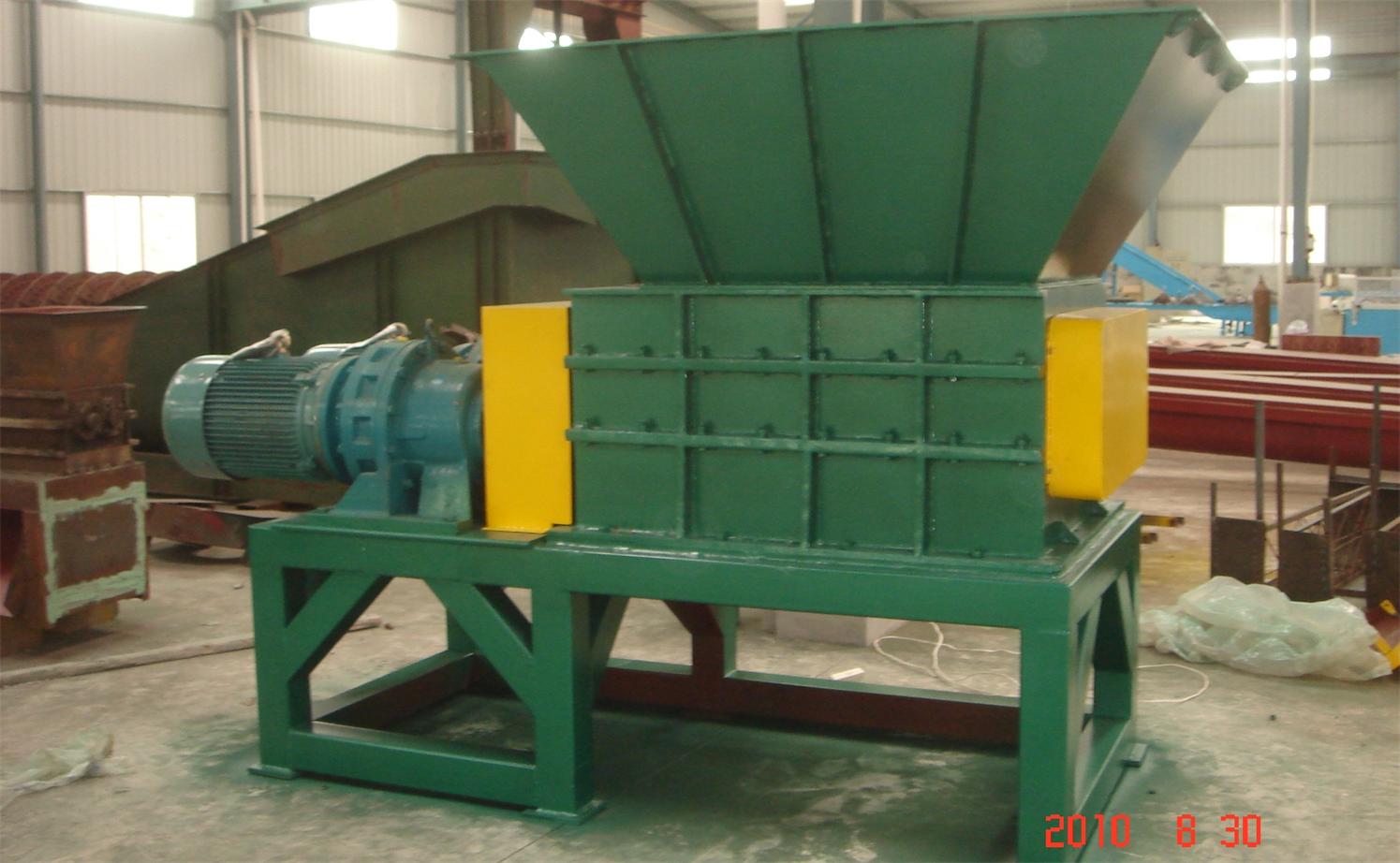
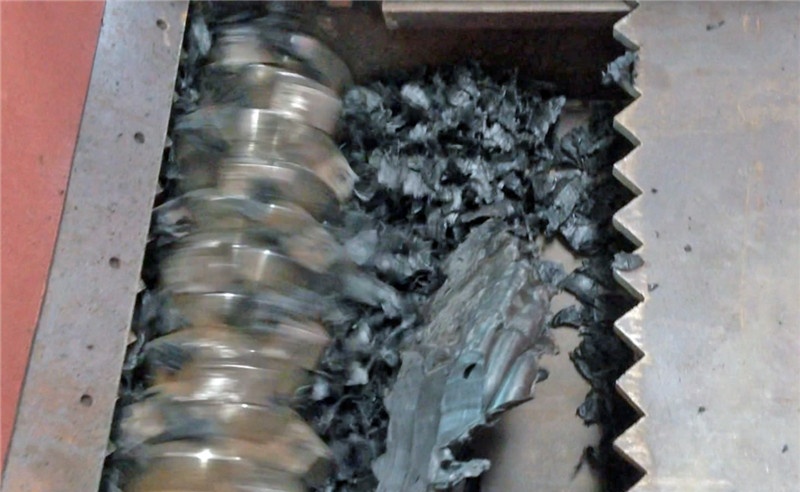
Used lead acid batteries represent one of the most recyclable waste streams, with well-established recovery pathways for lead, plastic, and acid. Modern lead acid battery recycling equipment automates the breaking and separation process, efficiently sorting battery components into lead paste, lead grids, plastic shells, and acid for safe disposal or reuse. Advanced systems integrate de-sulfurization units, rotary furnaces for paste reduction, and refinery kettles that can produce lead with purity levels up to 99.999%.
Cable Recycling Equipment
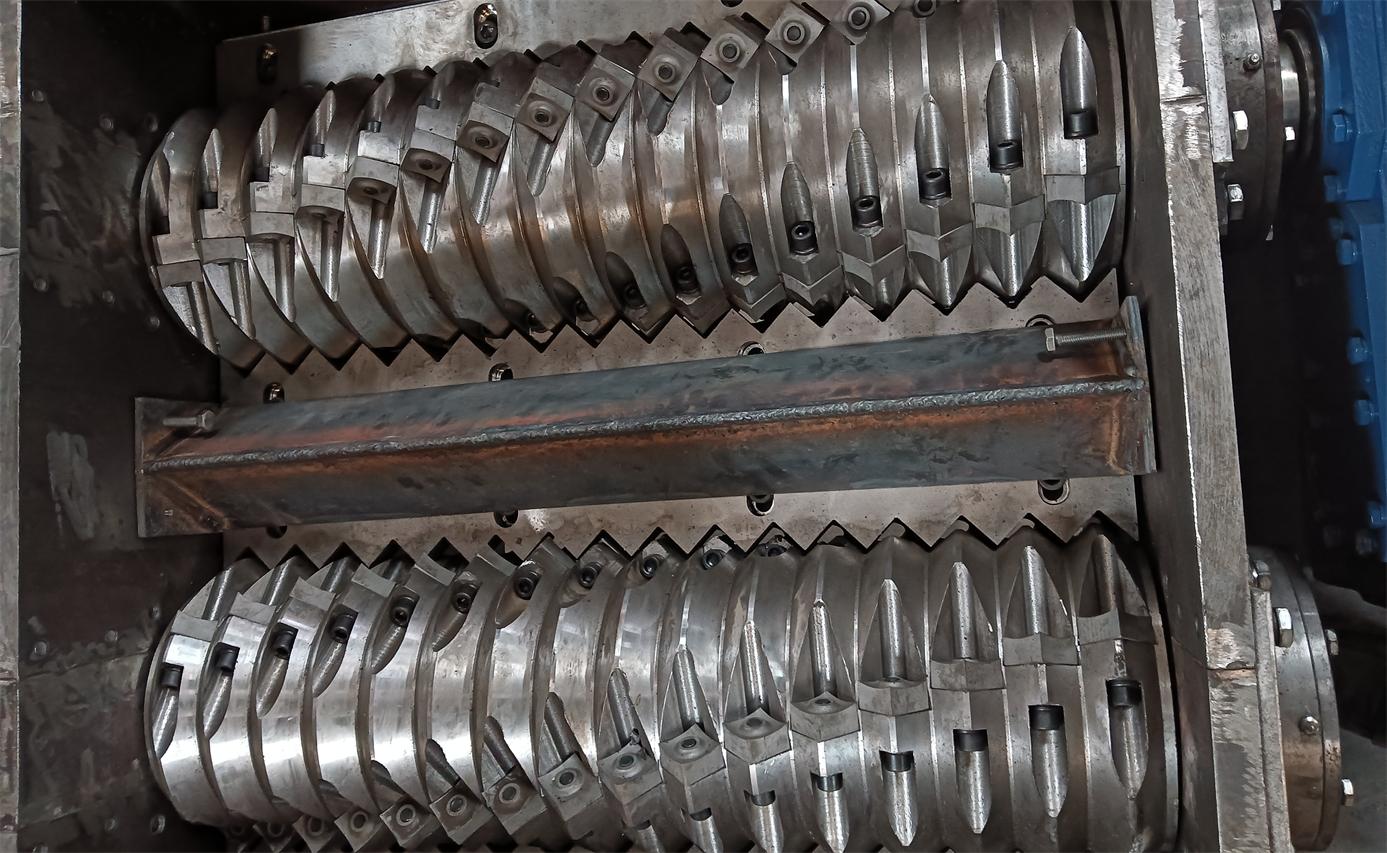
Scrap cable and wire represent a high-volume, high-value feedstock for recycling operations. Quality cable recycling equipment uses dry or wet separation methods to strip and granulate insulated wire, cleanly separating copper or aluminum from plastic insulation. Modern cable granulators can process hundreds to thousands of kilograms per hour, producing clean copper particles with recovery rates exceeding 95%. Pre-processing equipment such as scrap cable strippers can handle cable diameters ranging from 1.5mm to 150mm.
Circuit Board Recycling Equipment
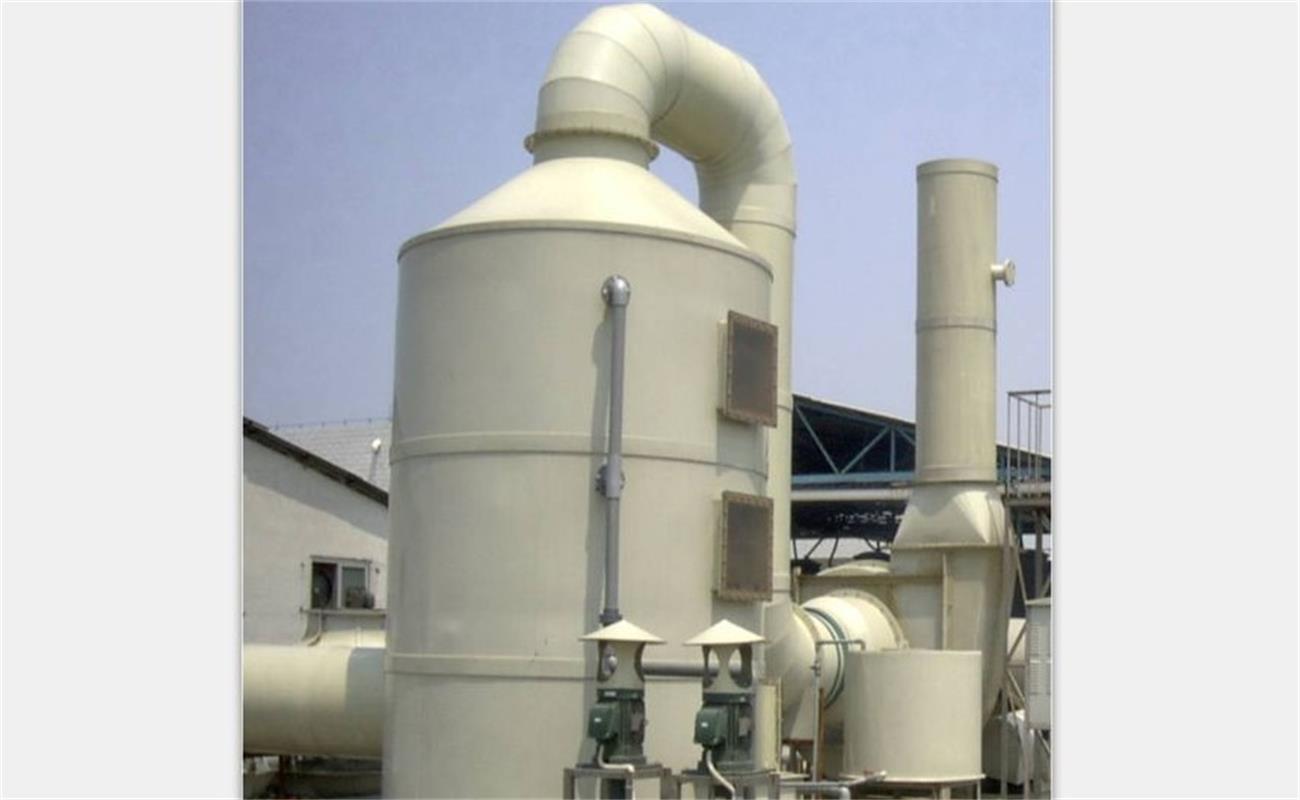
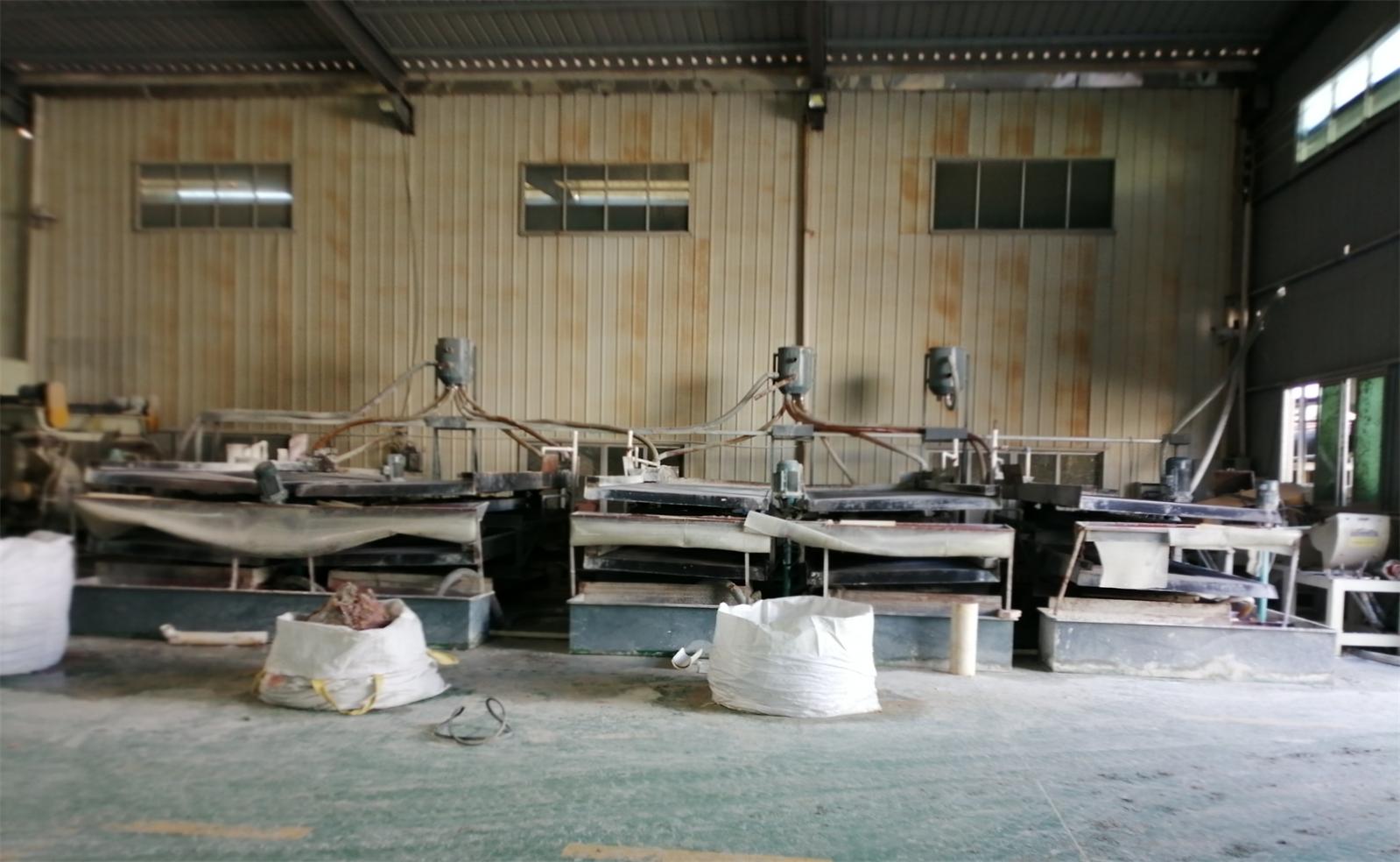
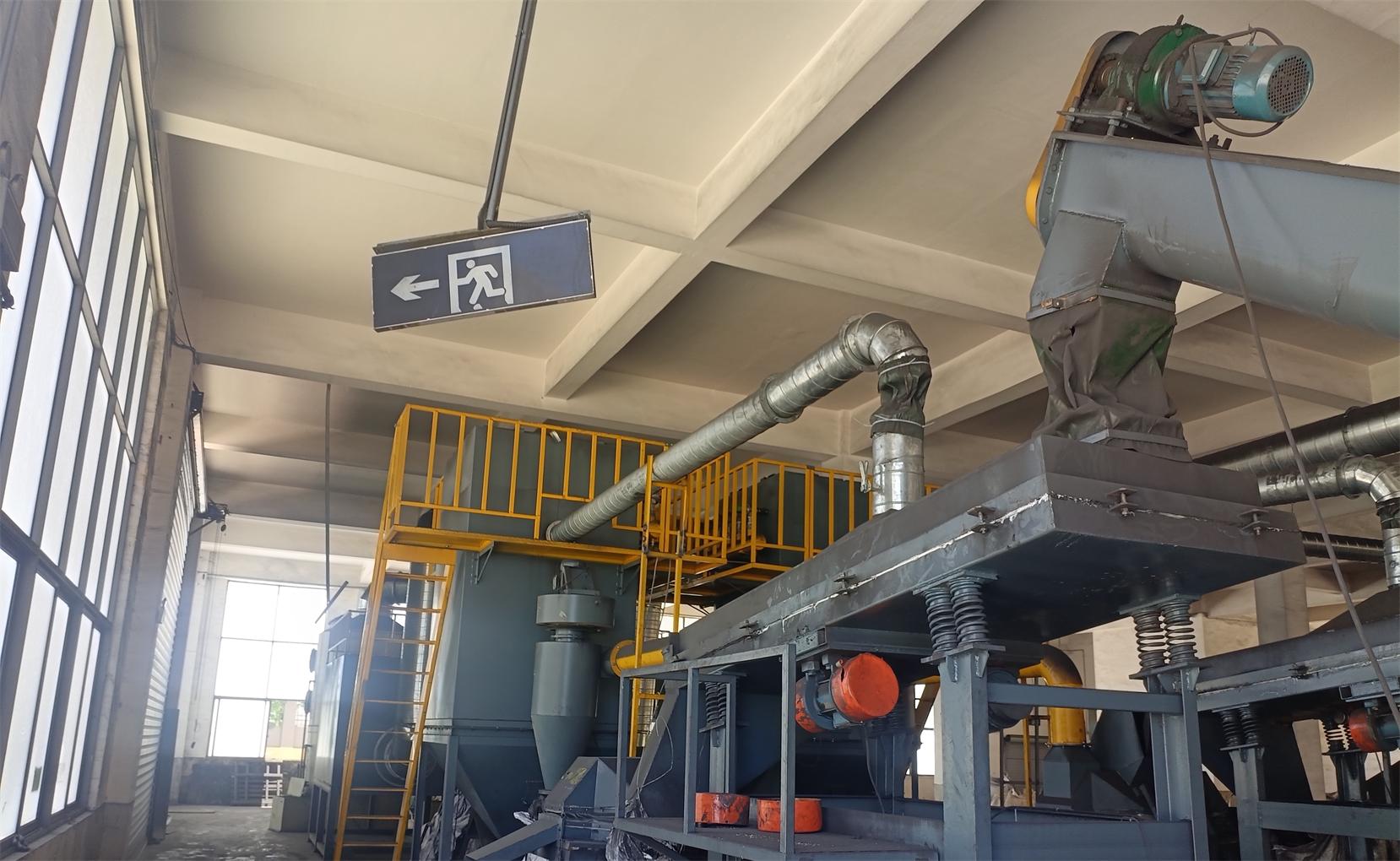
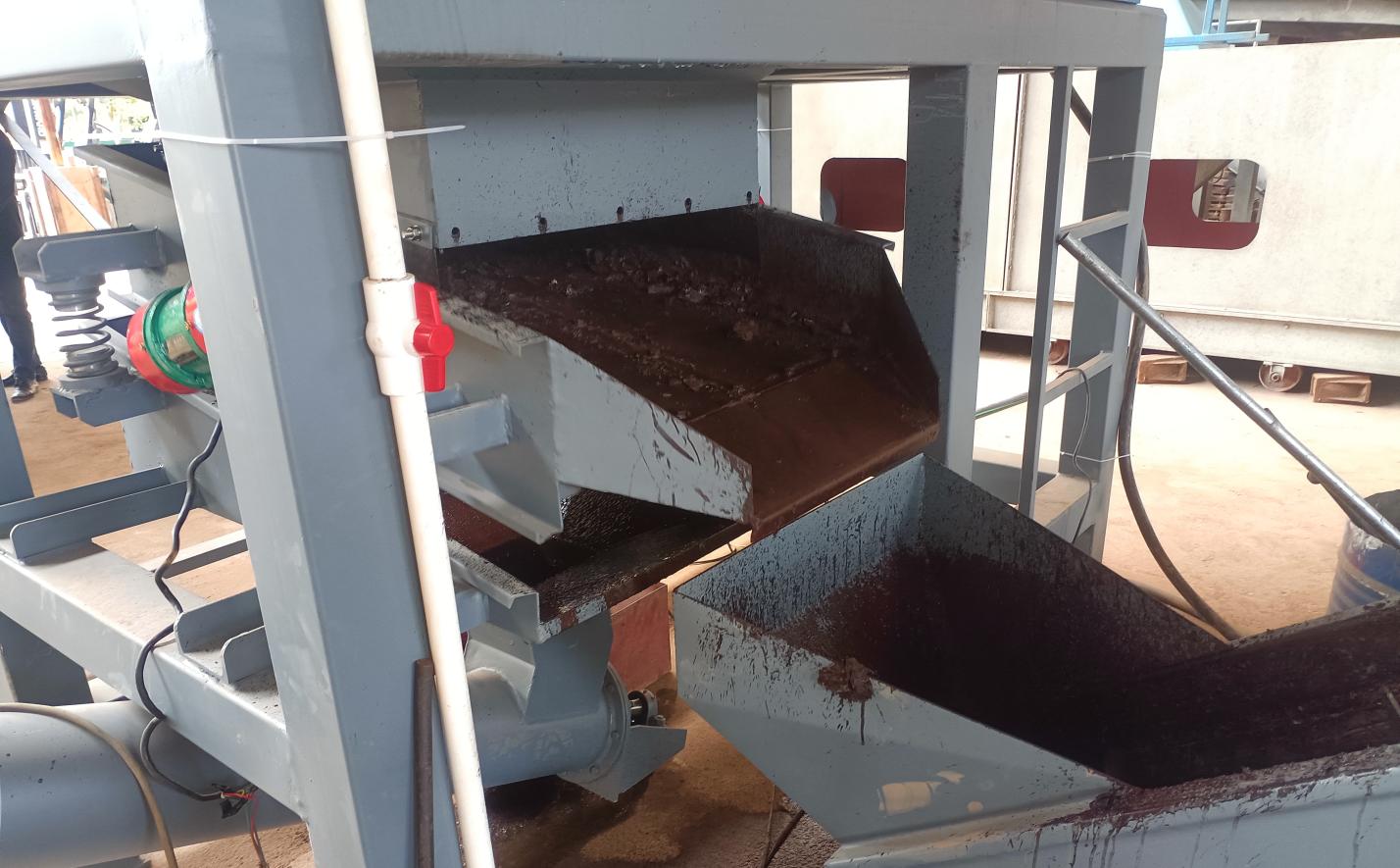
Printed circuit boards (PCBs) from computers, televisions, and mobile devices contain precious metals and copper in concentrations worth recovering. Specialized circuit board recycling equipment employs mechanical crushing combined with air or water separation to isolate metal powders from non-metallic fractions. Depending on the configuration, these plants can achieve copper powder purity levels of 96-98% while maintaining environmentally friendly dust collection systems.
Lithium Battery Recycling Systems
With the explosive growth of electric vehicles and portable electronics, spent lithium-ion batteries have become a critical recycling priority. Lithium battery recycling plants break down battery packs to recover black mass containing nickel, cobalt, and graphite, along with separated copper, aluminum, and plastic fractions. Capacities typically range from 500 to 2,500 kg per hour, with integrated air pollution control systems ensuring safe handling of potentially hazardous materials.
What to Look for in an Equipment Supplier
Choosing a machinery partner is as important as choosing the equipment itself. Consider these factors when evaluating suppliers:
- Technical expertise and experience: Look for manufacturers with deep domain knowledge in mechanical engineering and proven track records in e-waste recycling machinery.
- Customization capabilities: Your feedstock and local regulations may require tailored solutions rather than off-the-shelf packages.
- After-sales support: Installation, commissioning, and ongoing technical support are critical for maintaining uptime.
- EPC service availability: Suppliers offering Engineering, Procurement, and Construction services can significantly reduce project complexity.
The Advantage of Turnkey EPC Solutions
For many investors, navigating the complexities of plant design, equipment sourcing, installation, and commissioning can be overwhelming. Working with a supplier that provides comprehensive EPC services streamlines the entire process. An experienced EPC partner handles customized plant design, coordinates equipment delivery, manages installation, and ensures proper commissioning so your facility reaches operational status faster and with fewer surprises.
The most valuable partnerships extend beyond equipment delivery. Some suppliers help clients source waste materials such as cable scrap, PCB scrap, and used batteries. Others assist in marketing the recovered products including copper rice, copper powder, and lead ingots to established buyers. This end-to-end support transforms a simple equipment transaction into a genuine business partnership.
Conclusion: Your Recycling Success Starts with the Right Partner
The e-waste recycling industry offers tremendous potential for businesses that enter with proper planning and reliable equipment. Whether you are targeting lead acid batteries, copper cables, or lithium-ion cells, investing in proven technology from an experienced manufacturer positions your operation for long-term profitability.
If you are planning to establish or expand an e-waste recycling facility, consider partnering with a supplier that brings not just quality machinery, but decades of expertise, international project experience, and genuine commitment to your success. The right partnership can turn today's electronic waste into tomorrow's valuable raw materials.