How the right equipment and a reliable partner can help you capture value from the world's fastest-growing waste stream
Electronic waste is the world's fastest-growing waste stream. With annual global e-waste generation projected to reach 82 million tonnes by 2030, the recycling industry faces both an environmental imperative and a massive commercial opportunity. Yet most of this waste still goes unprocessed, leaving billions of dollars in recoverable metals lost forever.
For entrepreneurs and established businesses looking to enter this market, the challenge is not just collecting waste—it is having the right equipment and technology to extract maximum value efficiently, safely, and profitably.
The Growing Market for E-Waste Recycling
The global e-waste recycling market is expanding rapidly, driven by stricter environmental regulations, rising metal prices, and corporate sustainability mandates. Governments worldwide are implementing Extended Producer Responsibility (EPR) frameworks that require manufacturers to ensure their products are properly recycled at end-of-life.
Did you know? One tonne of mobile phone circuit boards contains more gold than a tonne of high-grade mined ore. The value locked in e-waste is real—and recoverable with the right technology.
This regulatory shift, combined with the inherent value in discarded electronics, creates a compelling business case for investing in professional recycling infrastructure. Companies that move early to establish efficient, scalable operations stand to capture significant market share.
Core Recycling Streams and Specialized Equipment
Different types of e-waste require specialized processing equipment. A successful recycling operation typically focuses on one or more of these primary streams:
Lead-Acid Battery Recycling
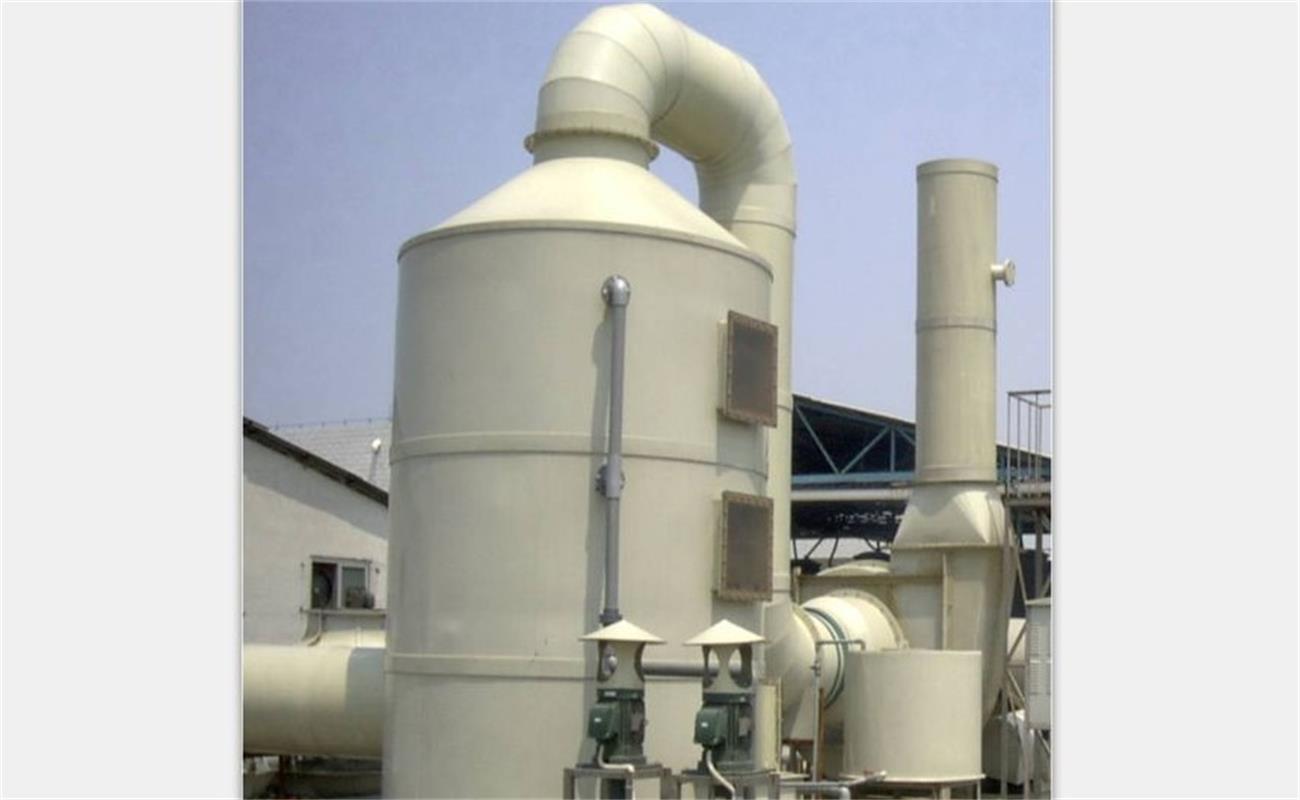
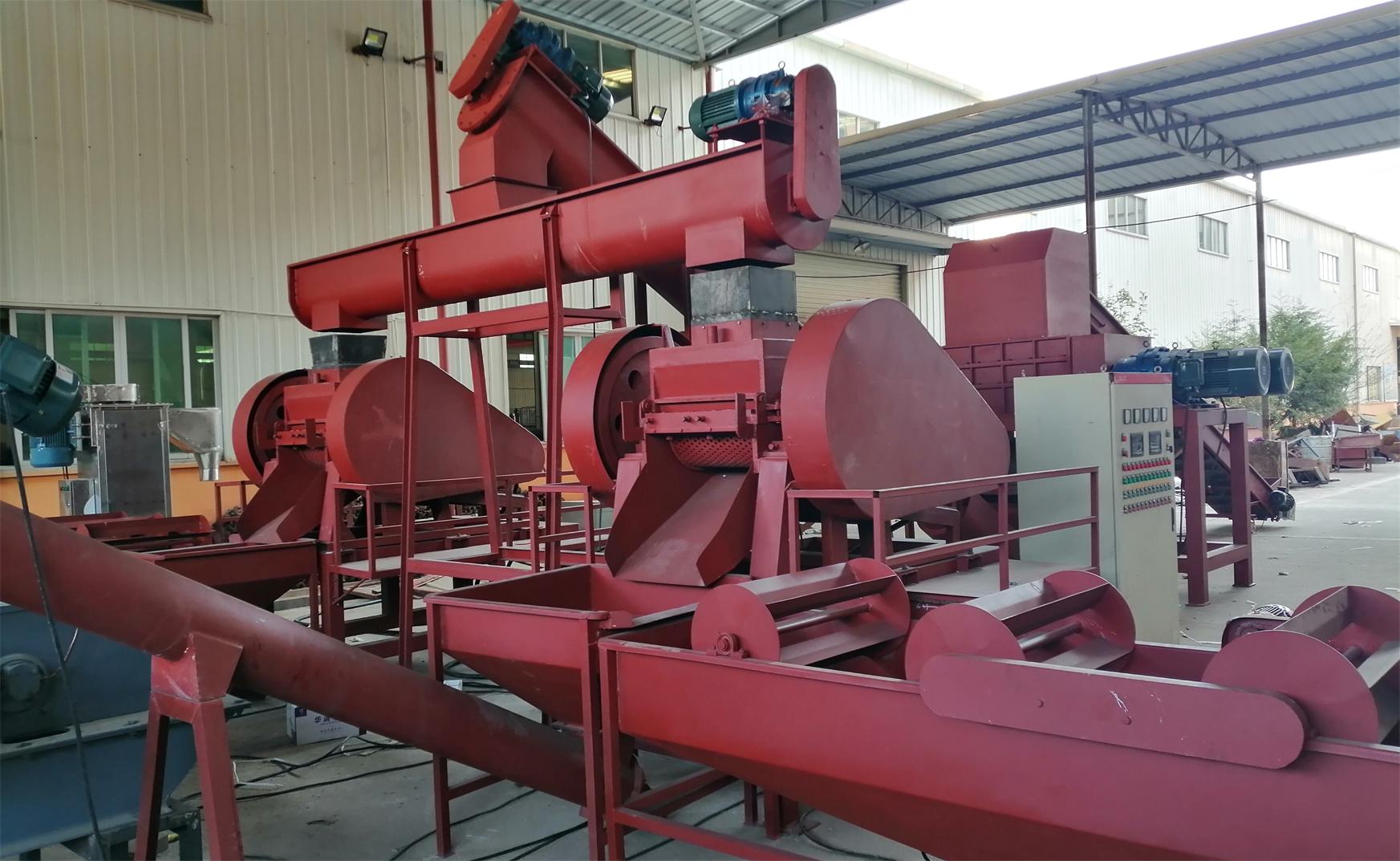
Used lead-acid batteries (ULAB) represent one of the most recycled consumer products globally. A complete lead acid battery recycling equipment setup typically includes battery cutting systems, breaking and separation units, paste desulfurization equipment, smelting furnaces (rotary or blast), refinery kettles, and air pollution control systems. Modern plants can process 1-10 MT per hour, recovering lead, plastic, and acid for reuse. Lead recovery rates can reach 95% with properly designed systems.
Lithium Battery Recycling
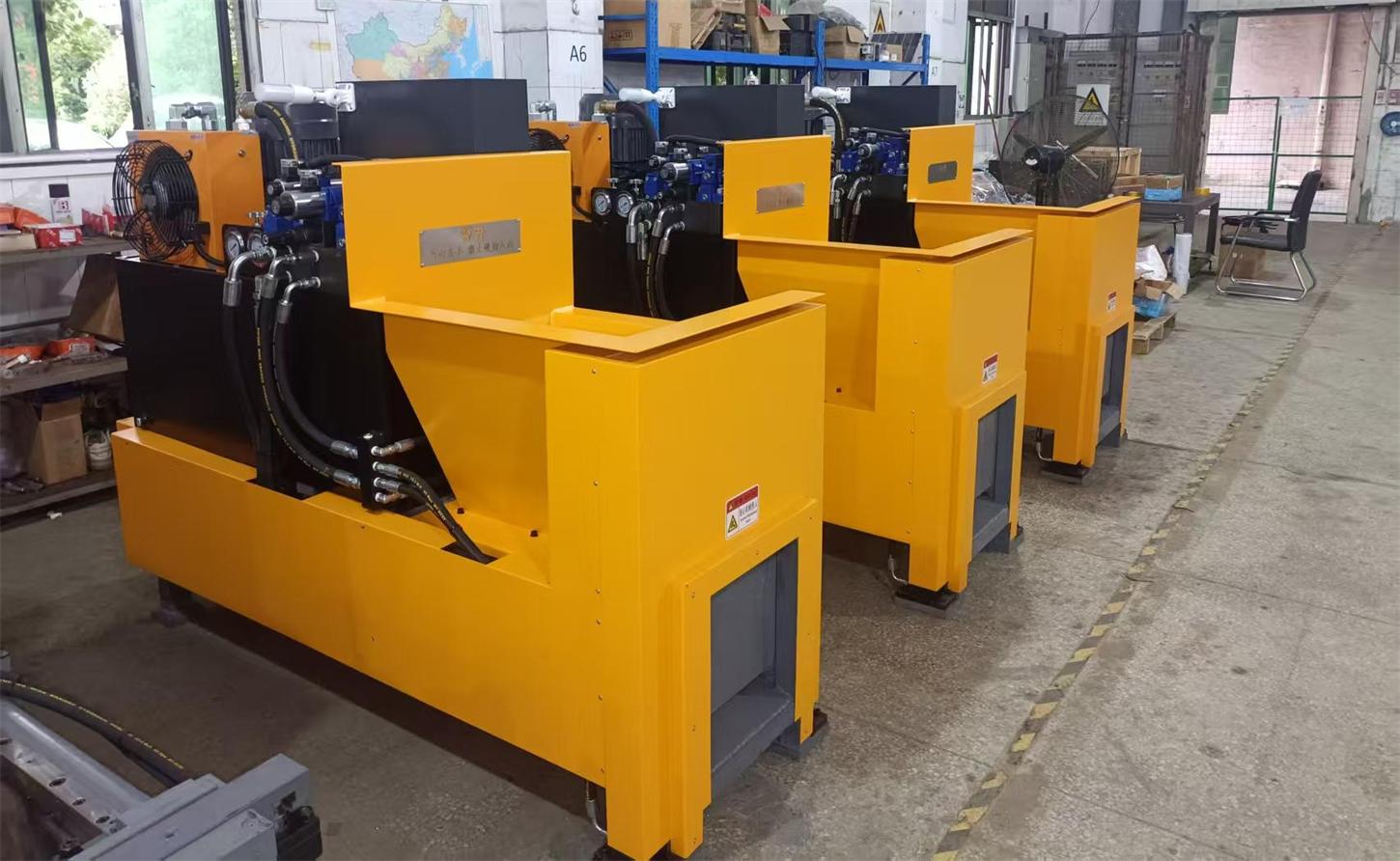
With the electric vehicle revolution accelerating, spent lithium-ion batteries are becoming a critical feedstock. li battery recycling equipment breaks down waste batteries to recover black mass (containing nickel, cobalt, and graphite), copper, aluminum, and plastic. Capacity typically ranges from 500-2500 kg/hour, with proper air pollution control essential for safe operation. This segment is projected to see the fastest growth over the next decade.
Circuit Board Recycling
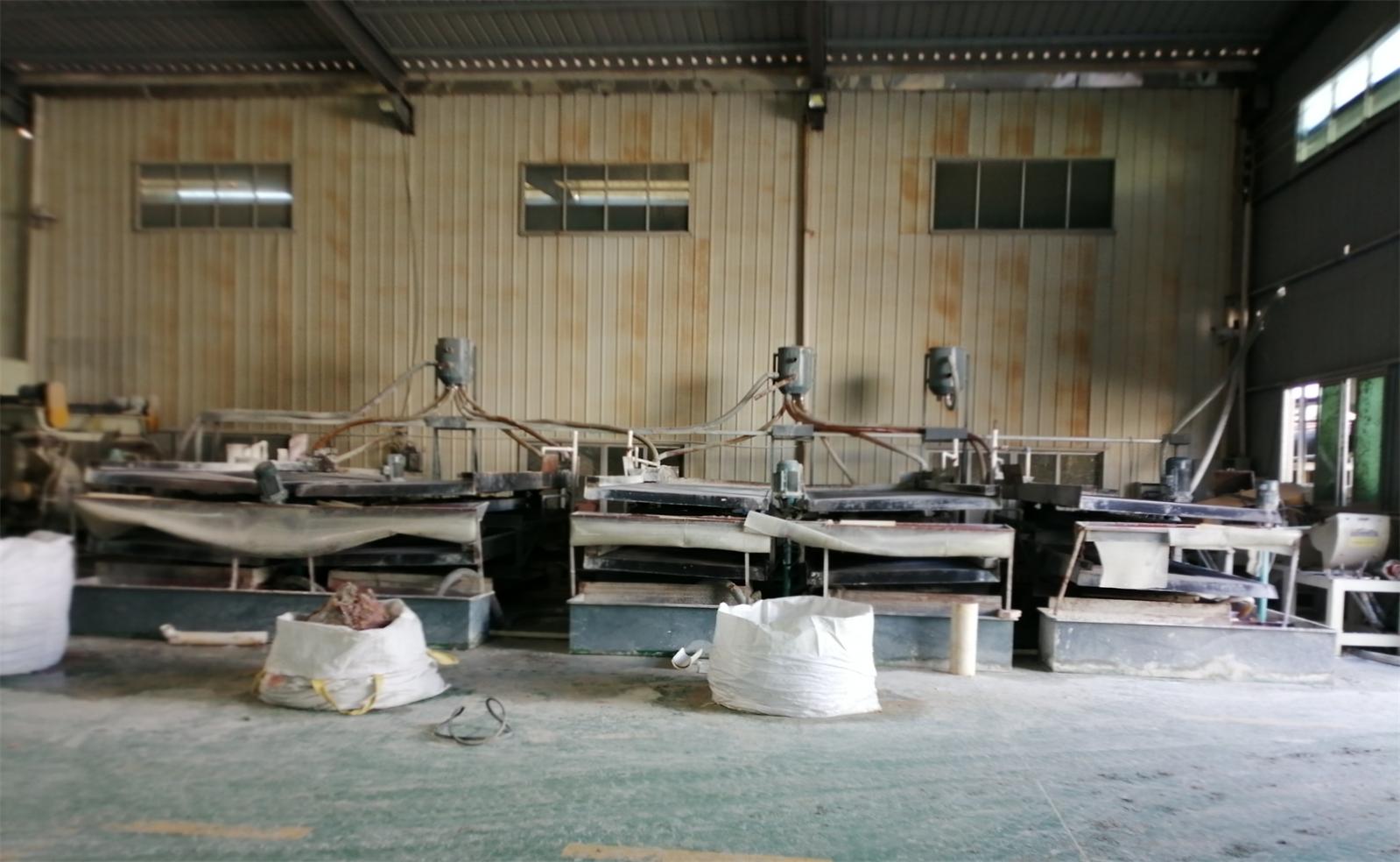
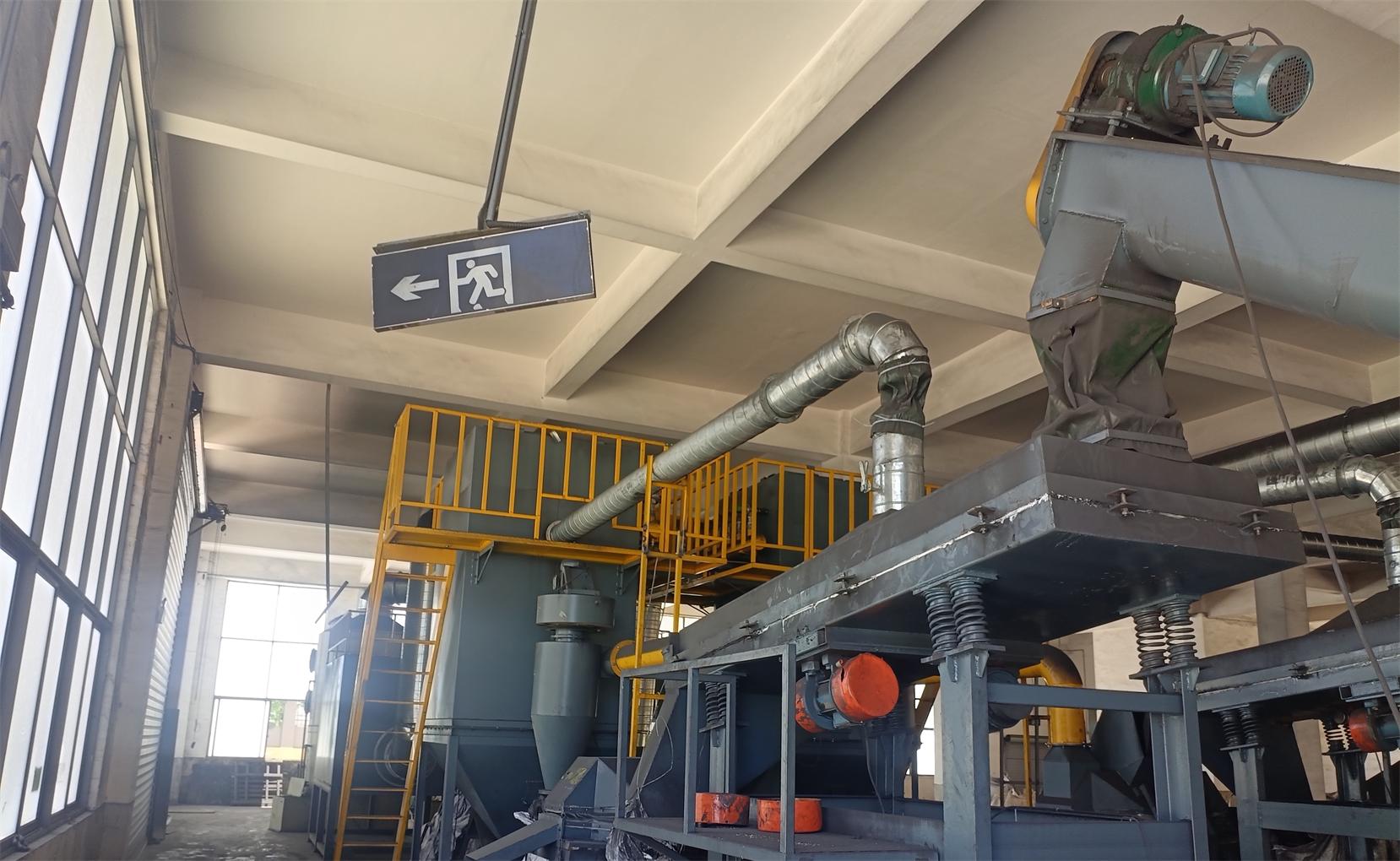
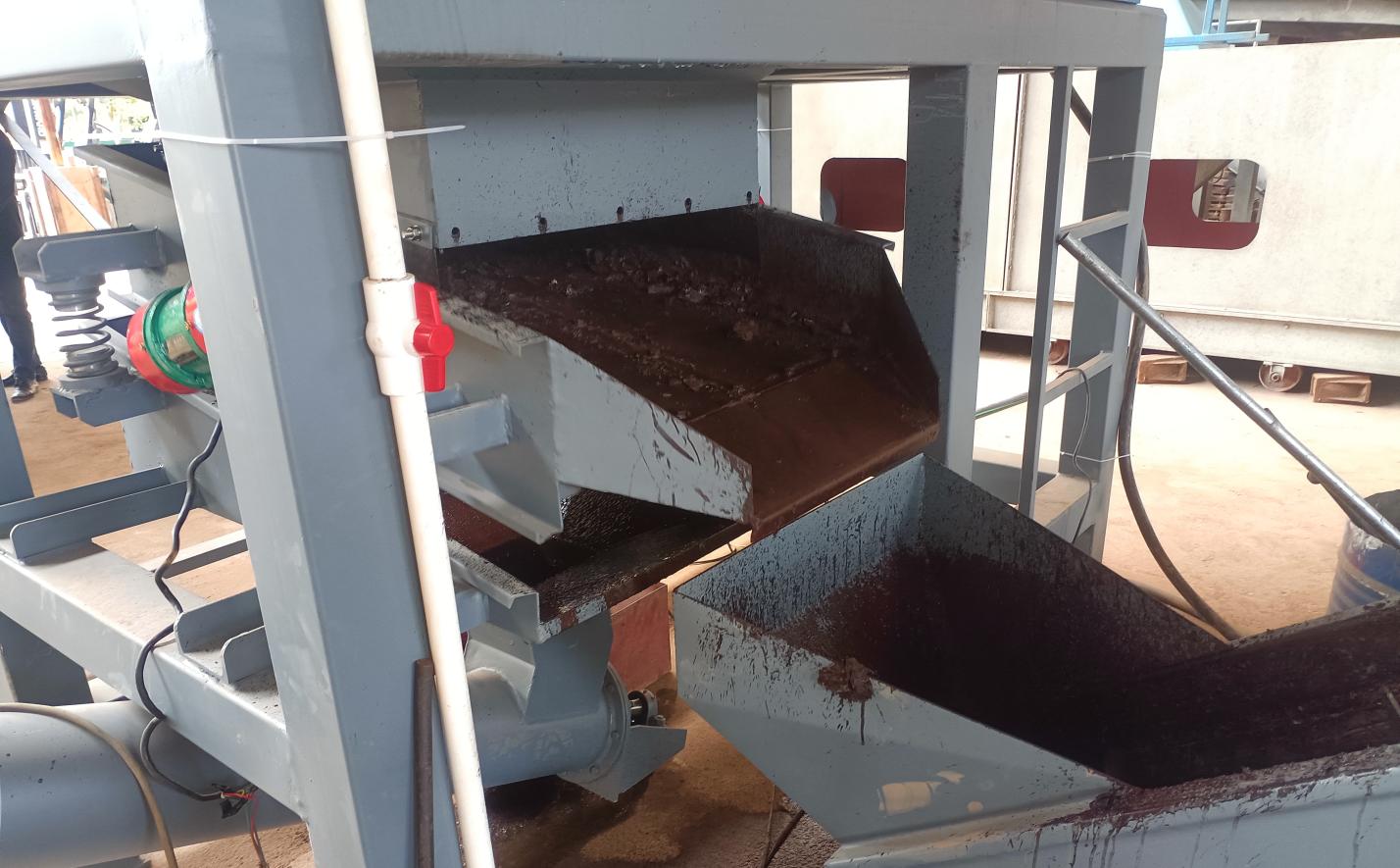
Printed circuit boards (PCBs) contain valuable copper and precious metals. circuit board recycling equipment uses either dry separation (air separators, electrostatic separators) or wet separation (water metal separators) to achieve copper powder purity of 96-98% with recovery rates around 95%. Plants can be designed for capacities from 300 kg/hour to 5000 kg/hour depending on your volume needs.
Cable Recycling
Scrap cables contain copper or aluminum encased in plastic insulation. cable recycling equipment includes strippers for large-diameter cables and granulators with dry separators for smaller wires. These systems efficiently separate metal from plastic, producing clean copper granules ready for smelting. Cable recycling plants offer relatively quick payback periods due to consistently high copper prices.
Choosing the Right Equipment Supplier
Selecting a reliable equipment manufacturer is crucial for long-term success. The wrong choice can lead to costly downtime, poor recovery rates, and regulatory headaches. Here are the key factors to evaluate:
- Technical expertise: Look for suppliers with deep engineering knowledge and proven experience in your target recycling stream.
- Complete solutions: Prefer vendors offering turnkey plant design, installation, and commissioning rather than just standalone machines.
- Customization: Every feedstock and market is different; off-the-shelf solutions rarely fit perfectly.
- After-sales support: Equipment maintenance, spare parts availability, and technical assistance matter enormously for operational uptime.
- Environmental compliance: Ensure equipment meets local emission and safety standards to avoid regulatory penalties.
San Lan Technologies: Your One-Stop Recycling Partner
Since 2007, San Lan Technologies Co., Ltd has been designing and manufacturing complete e-waste recycling plants and mining equipment from its facility in Jiangxi Province, China. With a technical team led by mechanical engineering master's degree holders and over 15 years of hands-on experience in e-waste recycling machinery, San Lan delivers solutions that work in real-world conditions—not just on paper.
Comprehensive Product Range
San Lan manufactures equipment for virtually every major e-waste stream:
- Lead-acid battery recycling plants (capacity: 1-10 MT/hour)
- Lithium battery recycling systems (500-2500 kg/hour)
- Circuit board recycling plants (dry and wet separation, 300-5000 kg/hour)
- Cable recycling lines (strippers and granulators)
- Refrigerator and AC recycling lines
- CRT recycling machines
- Motor recycling equipment
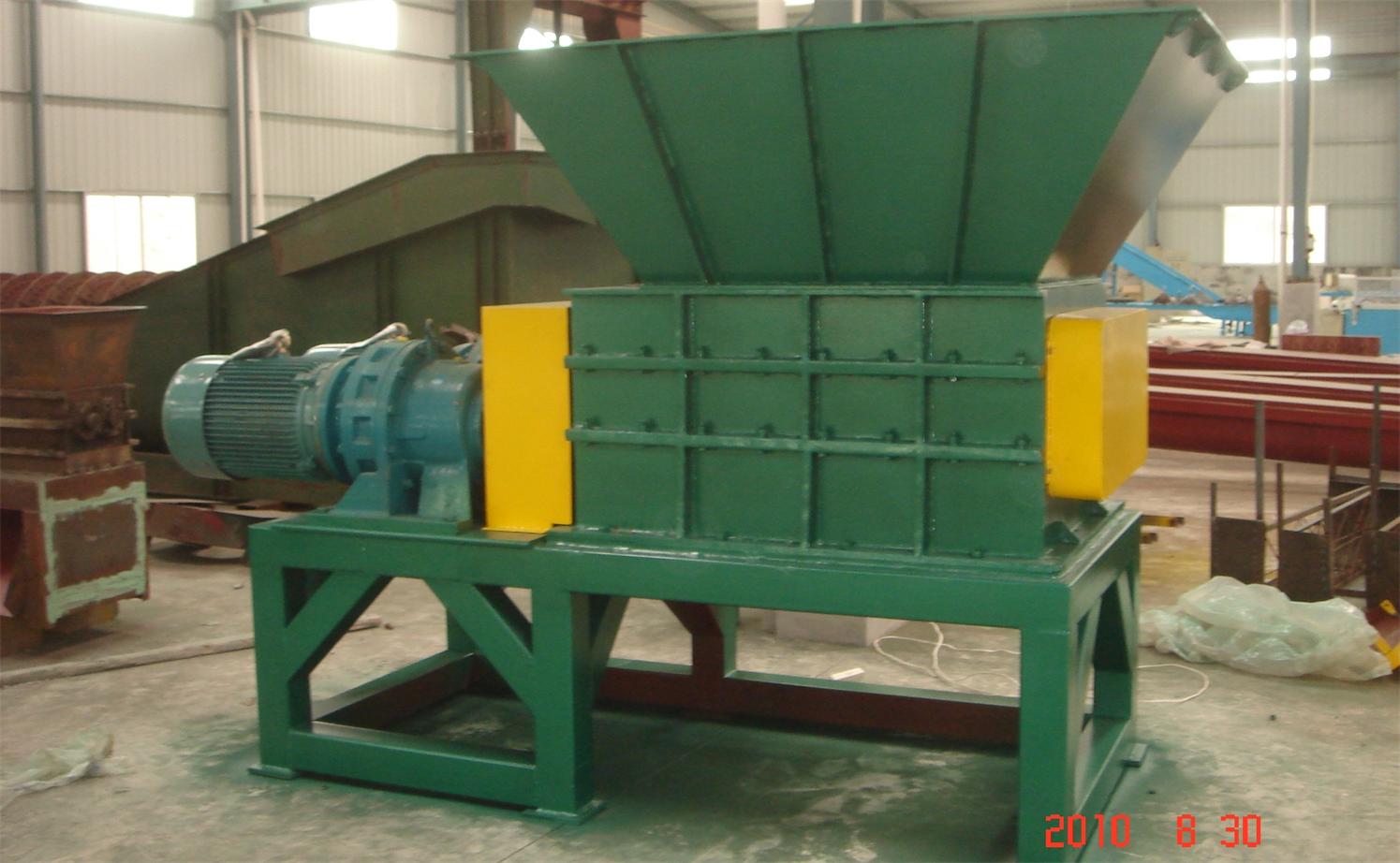
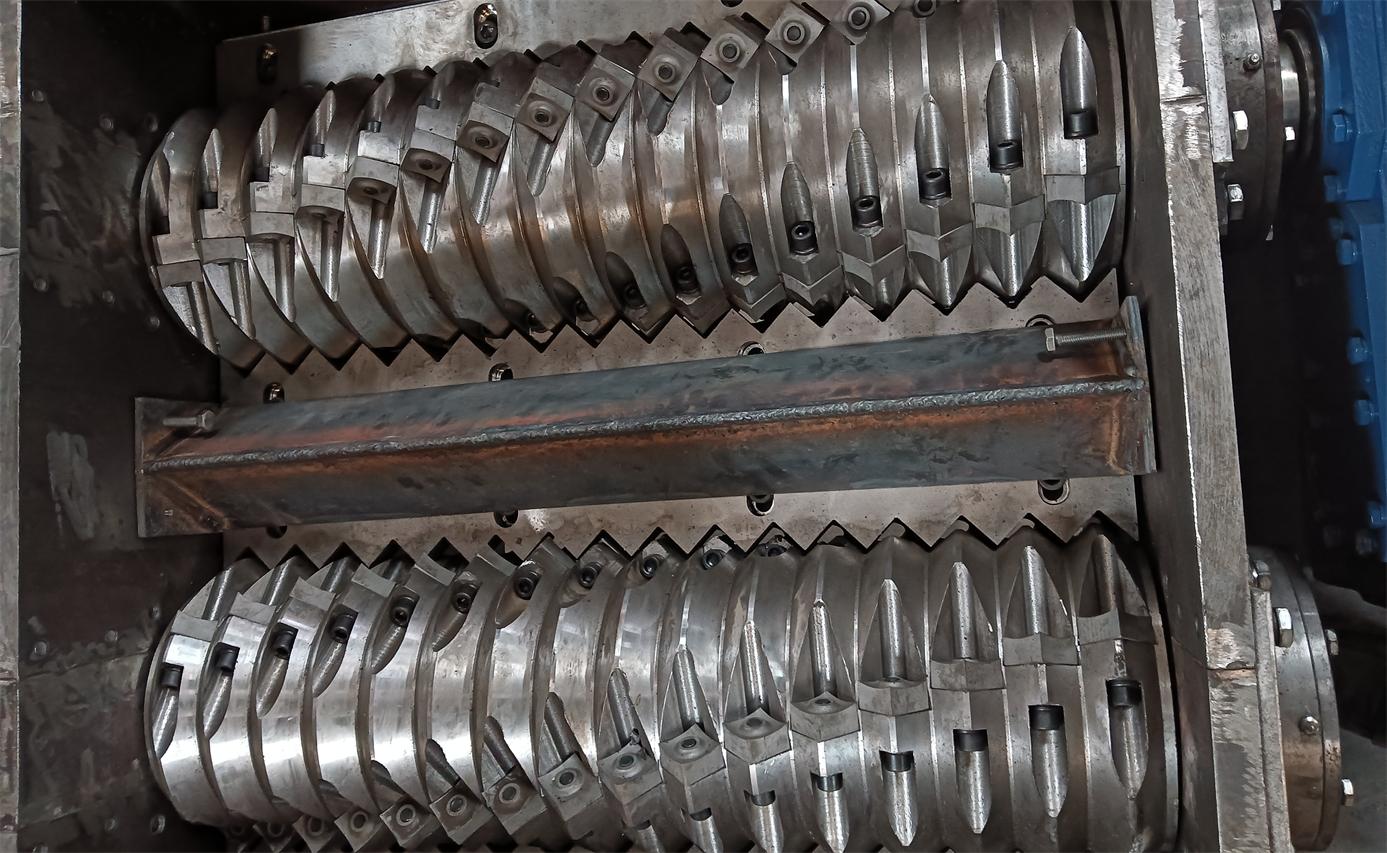
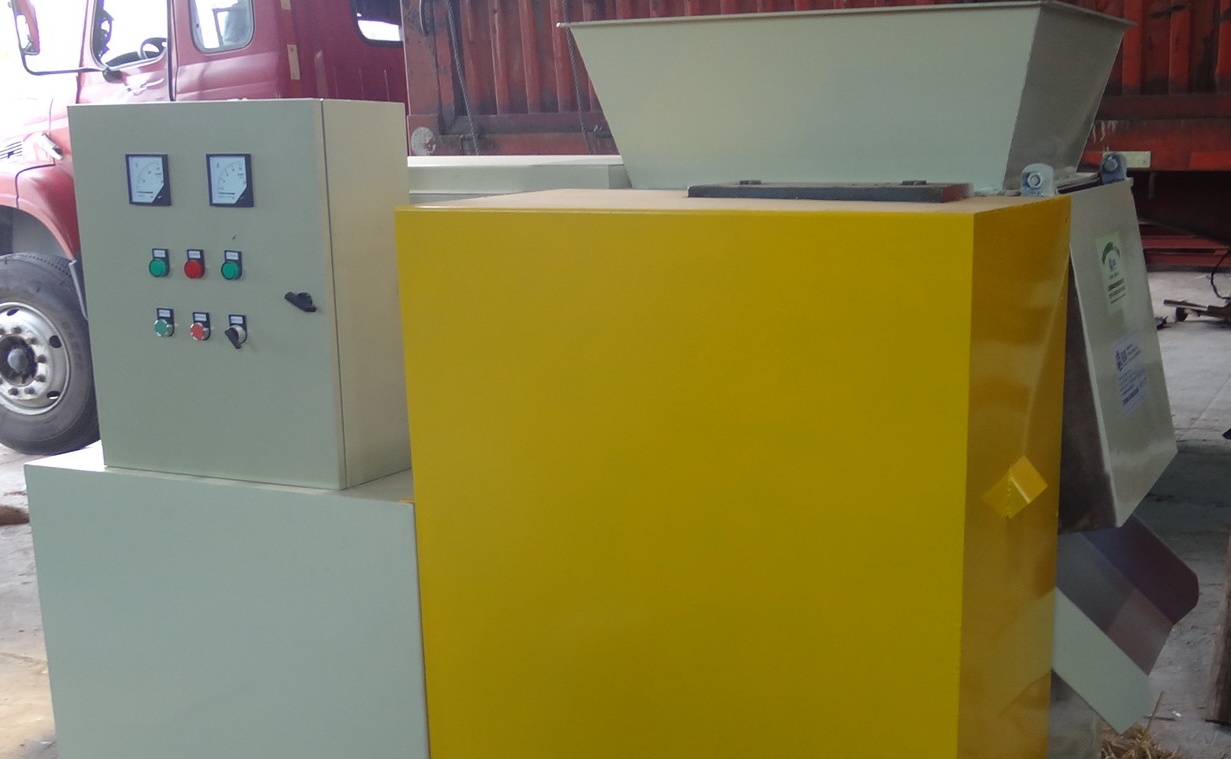
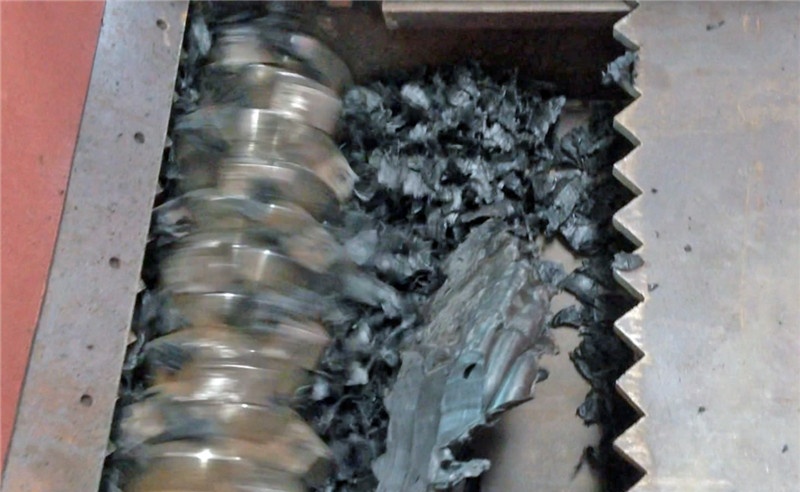
- Industrial shredders and pre-choppers
- Metal melting furnaces
Beyond Equipment: Full Project Support
San Lan distinguishes itself through genuine end-to-end project capabilities that go far beyond simply selling machines:
- EPC services: Engineering, procurement, and construction of complete recycling plants from concept to commissioning.
- Customized design: Tailored solutions based on your specific feedstock, capacity needs, local regulations, and budget.
- Raw material sourcing: Assistance in purchasing waste materials such as cable scrap, PCB scrap, and used batteries.
- Product offtake support: Help selling recovered materials including copper rice, copper powder, and lead ingots.
- Installation and commissioning: On-site setup, testing, and operator training to ensure smooth startup.
- Investor connections: For customers seeking capital partners, San Lan can facilitate introductions for recycling plant construction projects.
Global Experience, Local Understanding
San Lan's equipment operates in over 21 countries, including Singapore, Colombia, Vietnam, Mexico, Argentina, Korea, Malaysia, Indonesia, South Africa, Tunisia, India, Kenya, Saudi Arabia, and the Philippines. This global footprint ensures the company understands diverse regulatory environments, feedstock characteristics, and market conditions. The team is essentially bilingual in English and Chinese, with strong cross-cultural communication skills.
Conclusion: Start Building Your Recycling Business Today
The e-waste recycling industry offers substantial returns for well-equipped operators who enter the market with the right technology and partnerships. Whether you are starting a new venture or expanding existing capabilities, working with an experienced equipment supplier can mean the difference between a profitable, compliant operation and a costly misstep.
San Lan Technologies offers the technical expertise, comprehensive product range, and global project experience to help you build a successful recycling business from the ground up. With solutions spanning lead-acid batteries, lithium batteries, circuit boards, cables, and more—plus full EPC support and after-sales service—San Lan is positioned as a true one-stop partner for recycling entrepreneurs worldwide.
Ready to Turn E-Waste into Profit?
Contact San Lan Technologies today to discuss your specific requirements. Their engineering team will work with you to design a customized recycling solution that fits your feedstock, capacity goals, and budget.
Email: info@san-lan.com | WhatsApp: +86 139 2377 4083
Request a Free Consultation