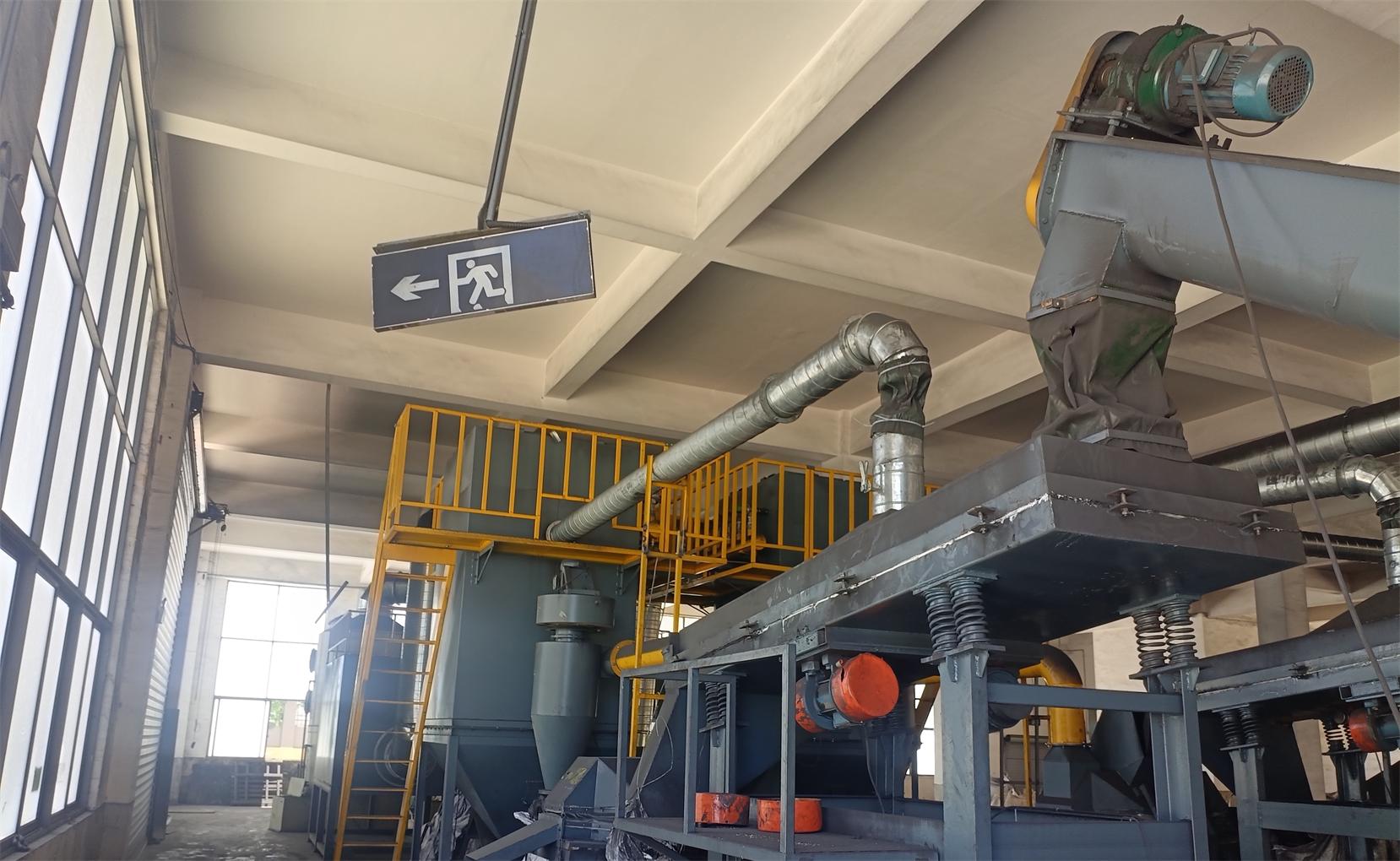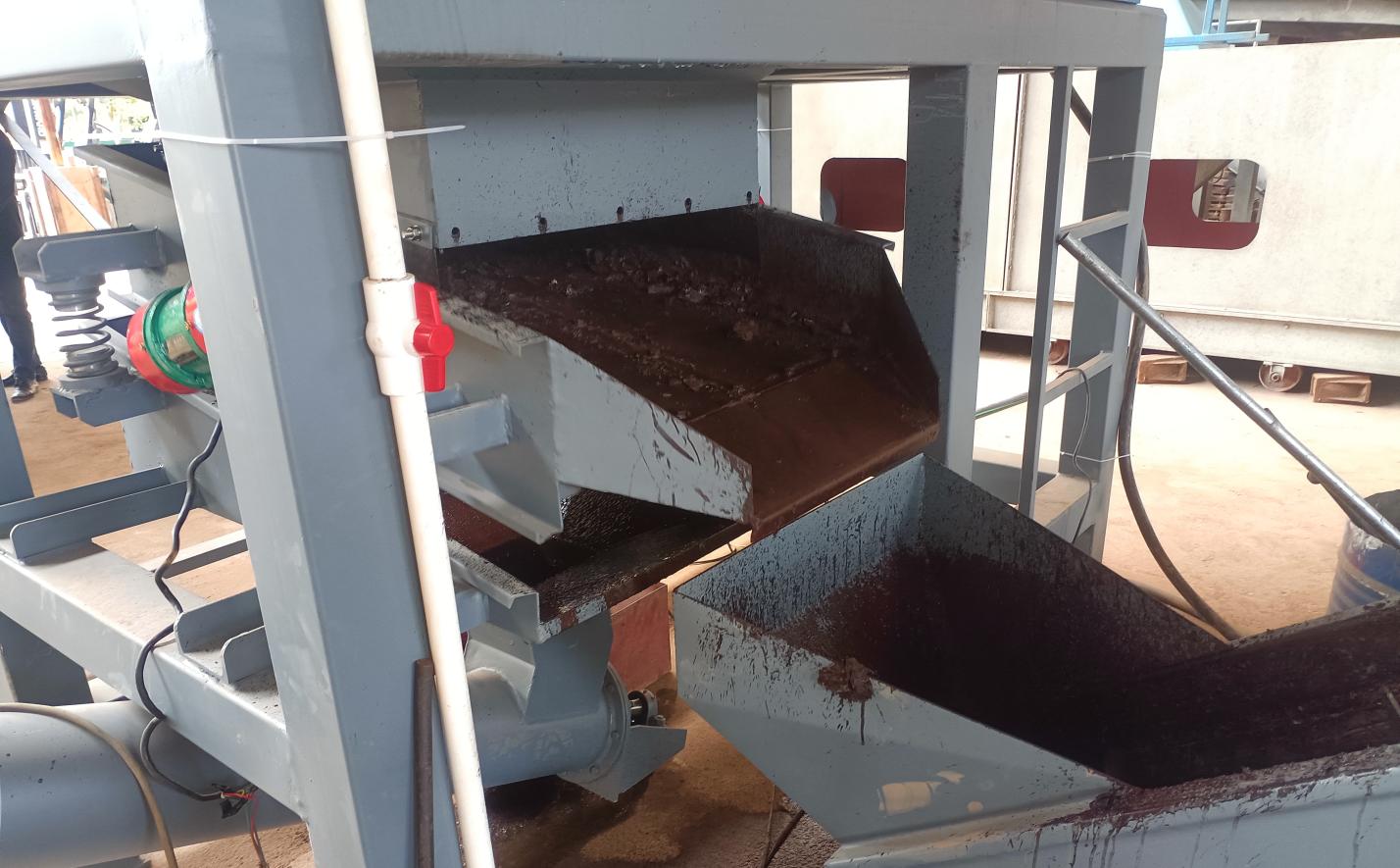
The world is drowning in electronic waste, and that represents one of the biggest business opportunities of our time. Every year, millions of tonnes of discarded smartphones, computers, batteries, and cables end up in landfills, locking away valuable metals like copper, gold, lead, and lithium. For entrepreneurs and investors who recognize the potential, e-waste recycling is not just an environmental mission, it is a highly profitable venture with strong long-term growth prospects.
However, success in this industry depends heavily on choosing the right recycling equipment and working with experienced suppliers who can guide you from concept to commission. This guide walks you through the essential equipment categories, key business considerations, and what to look for in a trusted partner.
1. The Booming E-Waste Recycling Market
Global e-waste generation continues to accelerate as consumer electronics become more pervasive and product lifecycles shorten. Governments worldwide are responding with stricter Extended Producer Responsibility (EPR) regulations, pushing manufacturers to ensure their products are properly recycled at end-of-life. This regulatory pressure is creating unprecedented demand for professional recycling infrastructure.
The financial case is equally compelling. A single tonne of mobile phone circuit boards contains more gold than a tonne of high-grade mined ore. Copper from discarded cables commands strong market prices. Lead from used batteries can be refined and reused indefinitely. For business owners who enter this market with reliable equipment and proper planning, the revenue streams are both diverse and sustainable.
2. Essential Recycling Equipment for Maximum Profit
Building a profitable recycling operation requires matching your equipment to your feedstock. Here are the core machine categories that deliver the strongest returns:
Lead Acid Battery Recycling
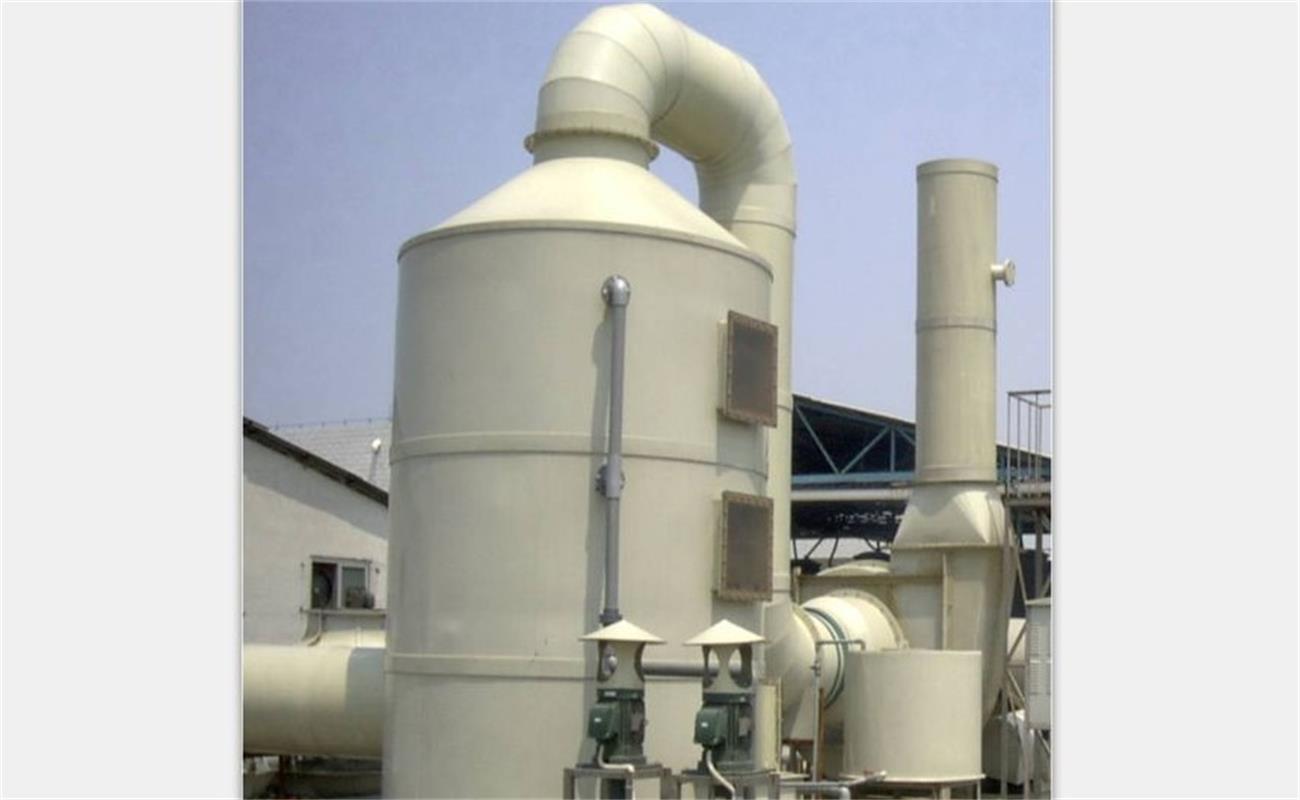
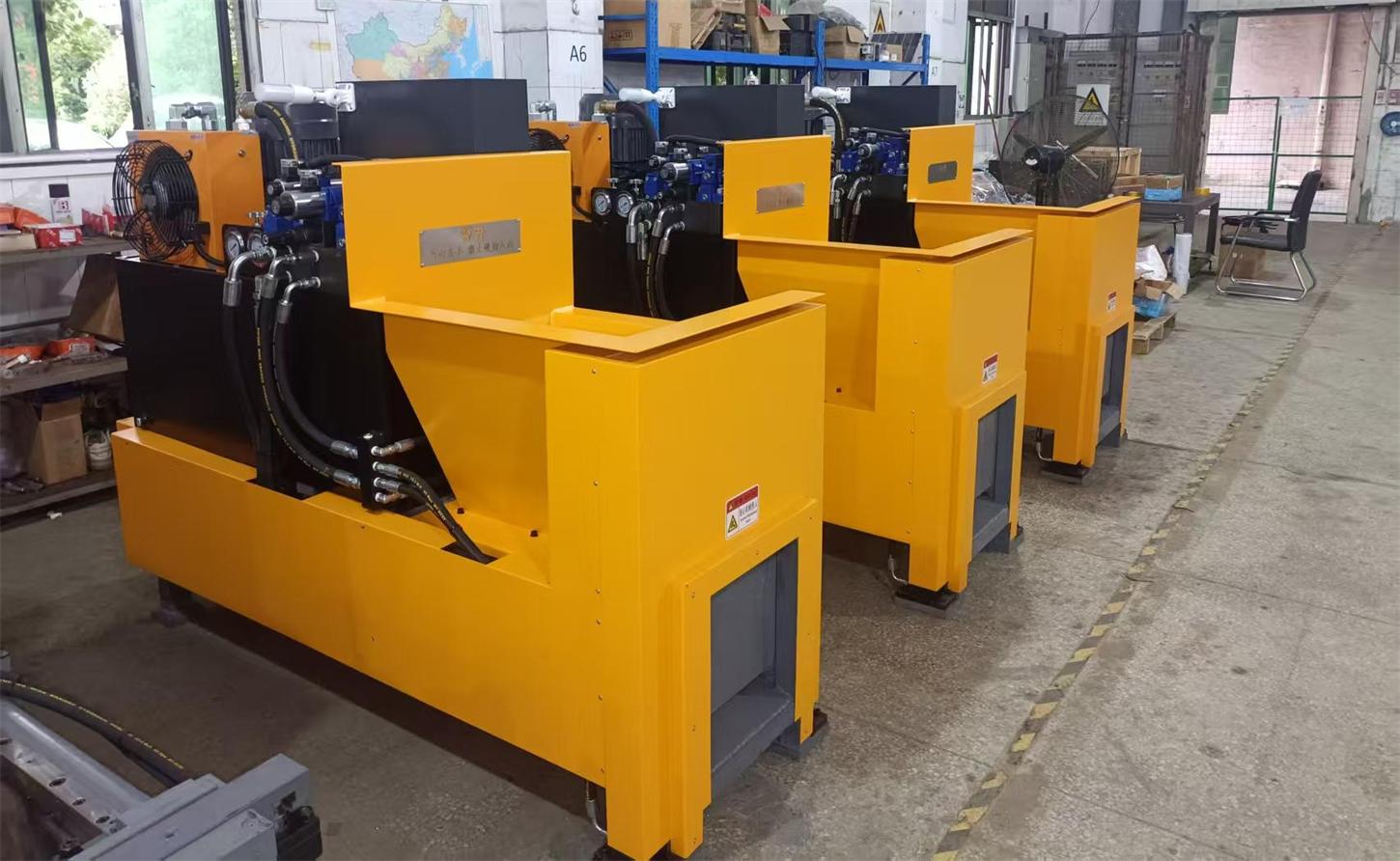
Used lead acid batteries (ULAB) are one of the most recycled consumer products globally. A complete lead acid battery recycling equipment setup typically includes battery cutters, breaking and separation systems, de-sulfurization units, rotary furnaces for paste reduction, refinery kettles, and air pollution control systems. Modern plants can process 1 to 10 metric tonnes per hour, recovering lead paste, lead grids, plastic shells, and acid for resale or reuse.
Cable and Wire Recycling
Scrap copper and aluminum cables represent a high-volume, high-value feedstock. Cable recycling equipment ranges from manual scrap cable strippers for small operations to fully automated cable granulators with dry or wet separators. Advanced granulators can process 500 to 2,000 kg per hour, achieving copper purity levels of 96% to 98% while separating plastic insulation for secondary sale.
Circuit Board Recycling
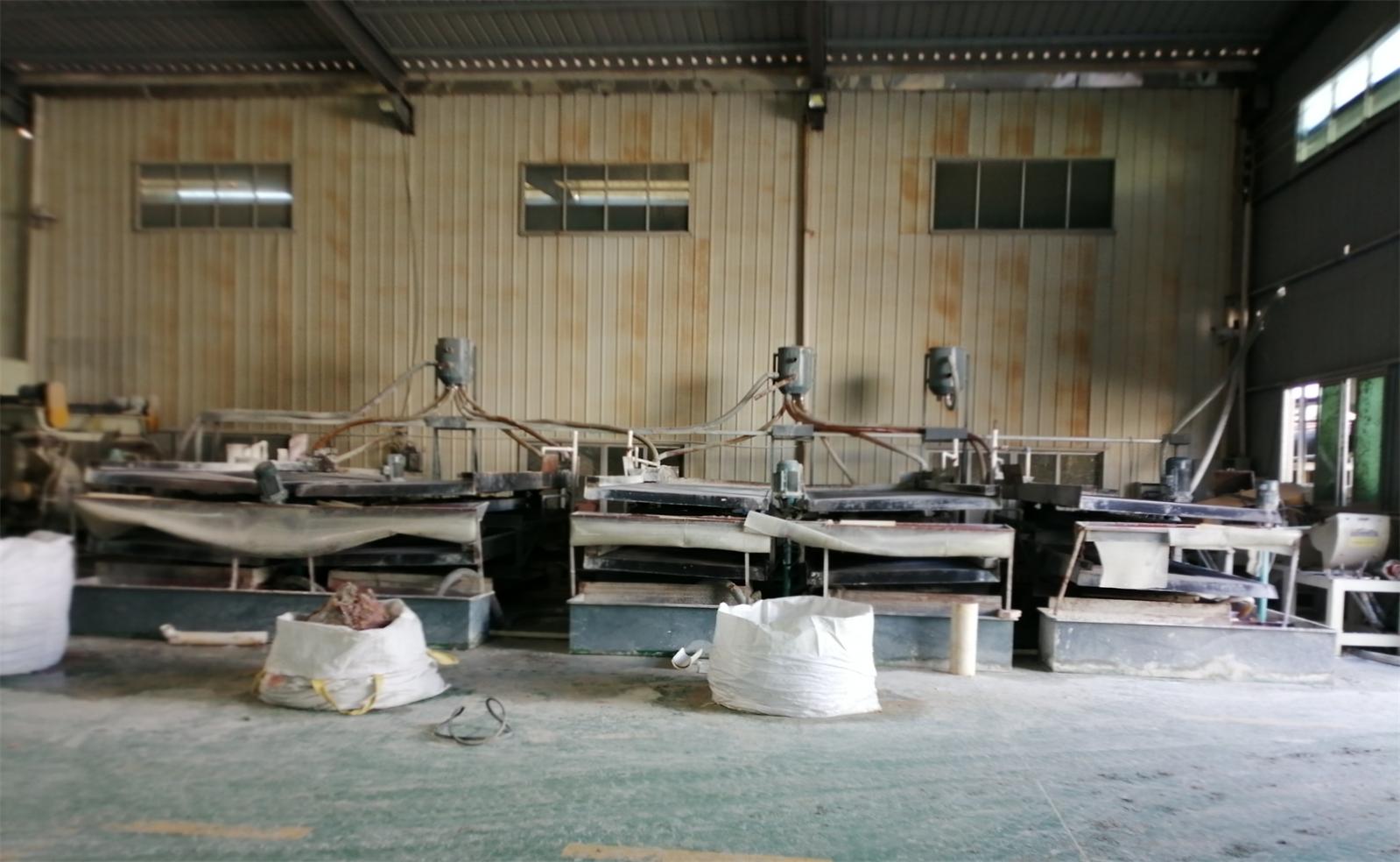
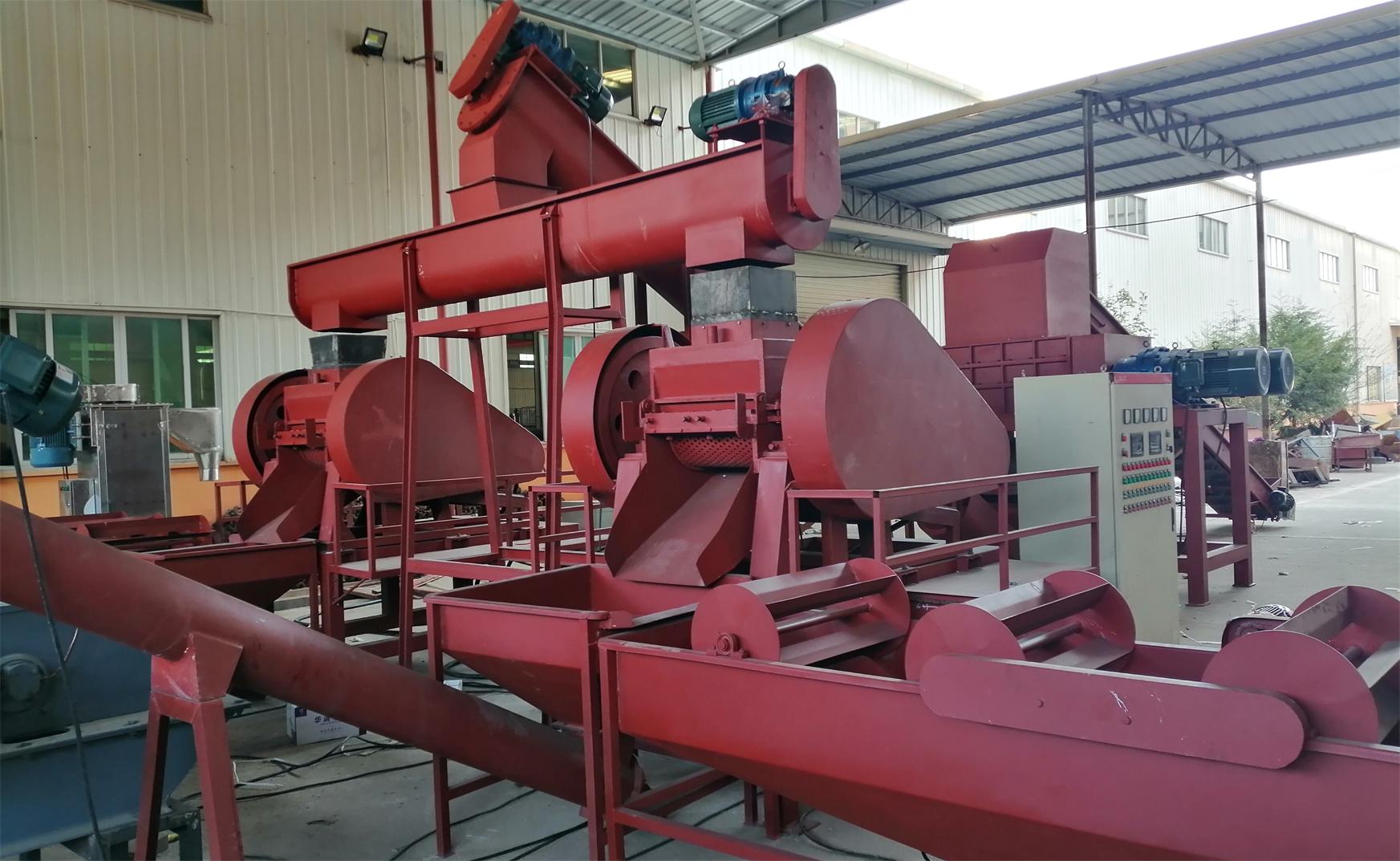
Printed circuit boards (PCBs) are treasure troves of precious and base metals. Circuit board recycling equipment uses mechanical crushing combined with air or water separation to recover copper powder, precious metal concentrates, and fiberglass resin powder. Depending on capacity needs, plants can handle 300 to 5,000 kg per hour with recovery rates exceeding 95%.
Lithium Battery and E-Waste Shredding
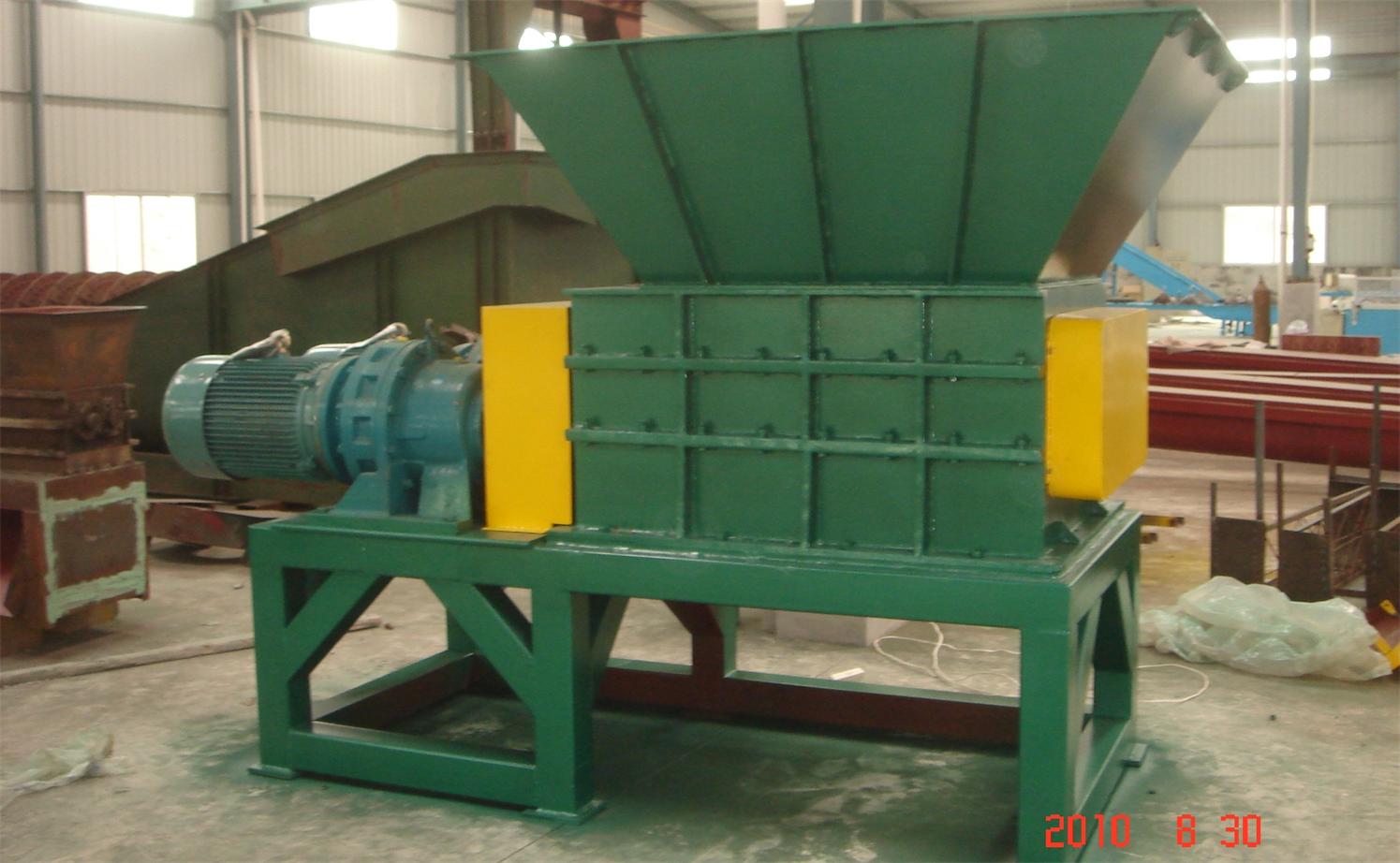
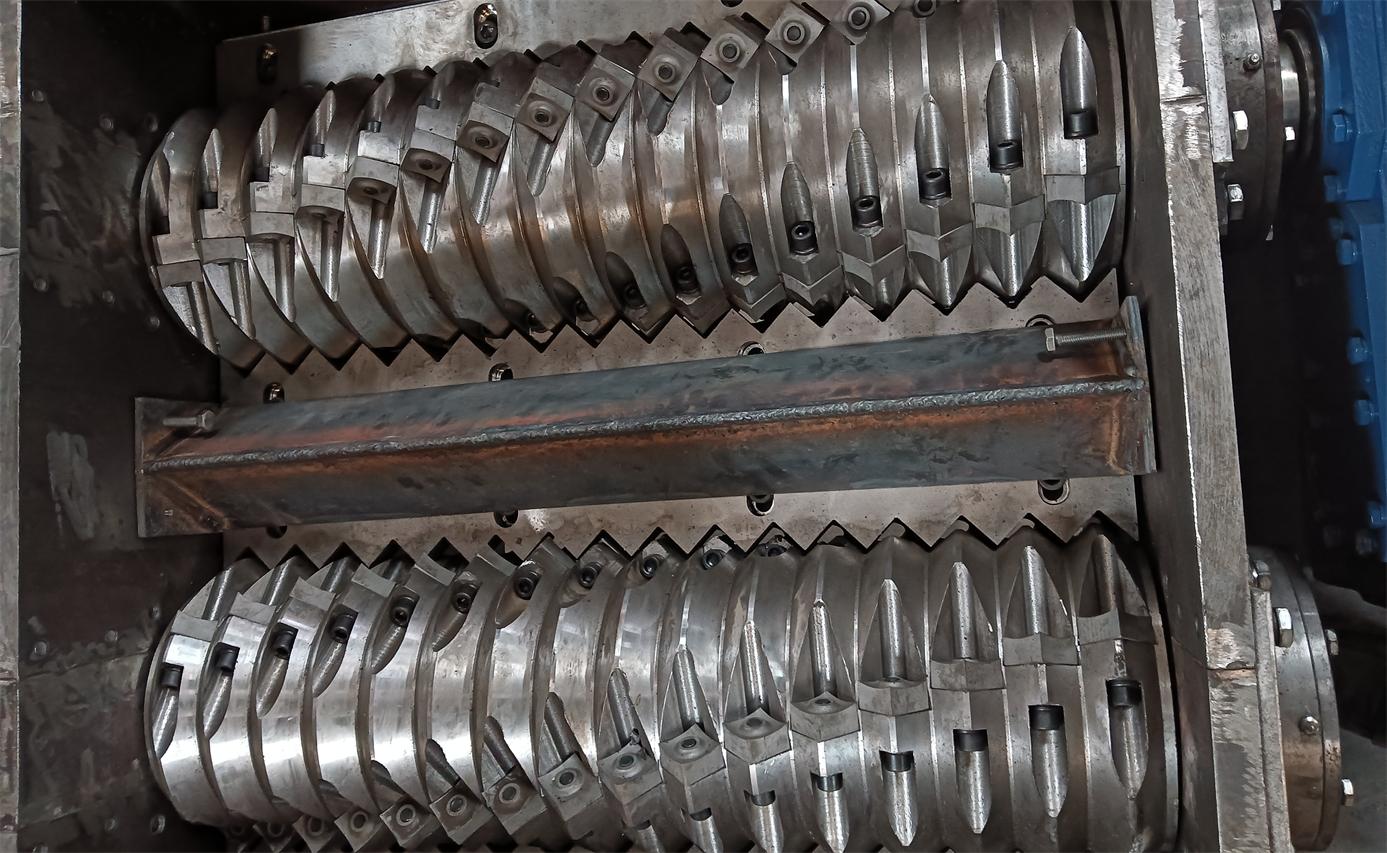
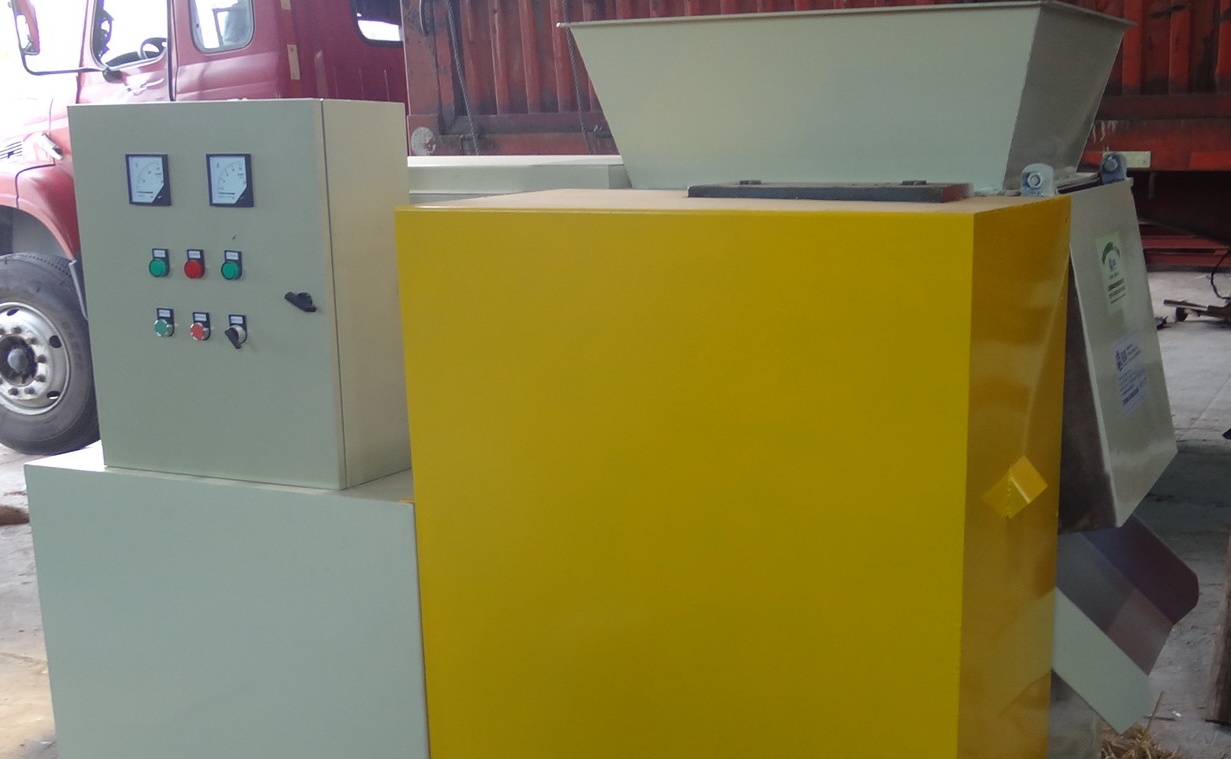
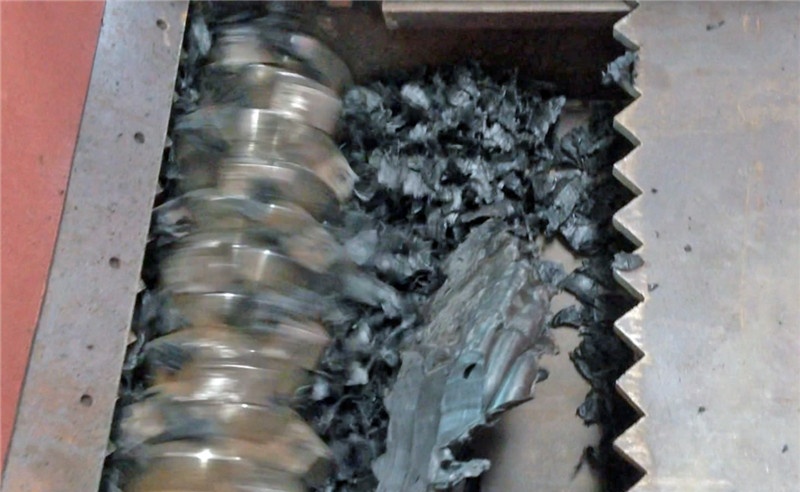
With the electric vehicle revolution accelerating, spent lithium-ion batteries are becoming a critical feedstock. Specialized lithium battery recycling plants safely discharge, crush, and separate black mass (containing nickel, cobalt, and graphite), copper, aluminum, and plastic. Meanwhile, multi-purpose shredders and pre-choppers prepare bulky e-waste items like refrigerators, CRT monitors, and motors for downstream sorting and recovery.
3. Why One-Stop EPC Solutions Save Time and Money
Many new entrants underestimate the complexity of building a recycling plant. It is not simply about buying machines. You need feedstock supply chains, plant layout design, environmental compliance systems, installation and commissioning, operator training, and aftermarket support.
This is where Engineering, Procurement, and Construction (EPC) providers deliver enormous value. A one-stop supplier handles customized plant design, equipment manufacturing, shipping, installation, and commissioning under a single contract. This approach eliminates the coordination headaches of dealing with multiple vendors, reduces project timelines, and ensures all components work together seamlessly.
Experienced EPC partners also bring intangible benefits. They can help you source waste materials like cable scrap, PCB scrap, or used batteries. They can connect you with investors or joint-venture partners. They can even assist in marketing your recovered products such as copper rice, lead ingots, or aluminum granules to end buyers. These value-added services transform a simple equipment purchase into a true business partnership.
4. Key Factors When Choosing a Recycling Equipment Supplier
Not all equipment manufacturers are equal. Before committing to a major investment, evaluate potential partners on these criteria:
- Technical depth: Look for teams with formal mechanical engineering backgrounds and deep hands-on experience in e-waste recycling processes.
- Product breadth: A supplier offering crushers, separators, furnaces, and pollution control systems can optimize your entire flow sheet rather than selling you isolated machines.
- Global track record: Suppliers with customers across 20+ countries have proven their ability to meet diverse regulatory, voltage, and operational standards.
- After-sales commitment: Installation, commissioning, spare parts availability, and remote technical support are essential for minimizing downtime.
- Language and cultural fluency: Working with a bilingual team that understands international business practices smooths communication and prevents costly misunderstandings.
5. Building a Sustainable Competitive Advantage
The recycling industry rewards scale, efficiency, and vertical integration. Operators who start with the right equipment can expand downstream into metal refining or upstream into waste collection networks. Those who master one material stream, such as lead acid batteries or copper cables, can replicate their model across regions.
Environmental compliance is also a competitive moat. Plants equipped with proper air pollution control systems, wastewater treatment, and dust collection not only avoid regulatory penalties but also earn goodwill from communities and brand-conscious corporate clients. In an era where sustainability credentials influence purchasing decisions, clean operations are a marketing asset.
Start Your Recycling Business with Confidence
San Lan Technologies Co., Ltd has been manufacturing e-waste recycling machinery and mining equipment since 2007. With a professional technical team holding master's degrees in mechanical engineering and over 15 years of industry experience, we deliver complete EPC solutions including customized design, one-stop procurement, installation, and commissioning.
Our equipment portfolio covers lead acid battery recycling plants, lithium battery recycling systems, circuit board recovery lines, cable granulators, multi-purpose shredders, CRT cutters, refrigerator recycling plants, and metal melting furnaces. We have served customers in more than 21 countries, and we go beyond equipment supply to help you source feedstock, find investment partners, and market your recovered materials.
If you are planning to enter the e-waste recycling business or expand your existing operations, contact us today for a customized proposal tailored to your feedstock, capacity targets, and budget.
Email: info@san-lan.com
WhatsApp: +86 139 2377 4083
Website: www.san-lan.com