The Growing Demand for E-Waste Recycling
Electronic waste represents one of the fastest-growing waste streams worldwide. Discarded cables, spent batteries, and obsolete circuit boards contain valuable metals such as copper, aluminum, lead, nickel, cobalt, and even precious metals like gold and silver. Rather than allowing these resources to end up in landfills, modern recycling plants can recover up to 95% of the raw materials, creating significant economic value.
Governments across the globe are tightening environmental regulations, and industries are under increasing pressure to manage waste responsibly. This regulatory shift, combined with rising raw material prices, has created a perfect storm of opportunity for recycling businesses equipped with the right technology.
Cable Recycling: Unlocking Copper and Aluminum Value
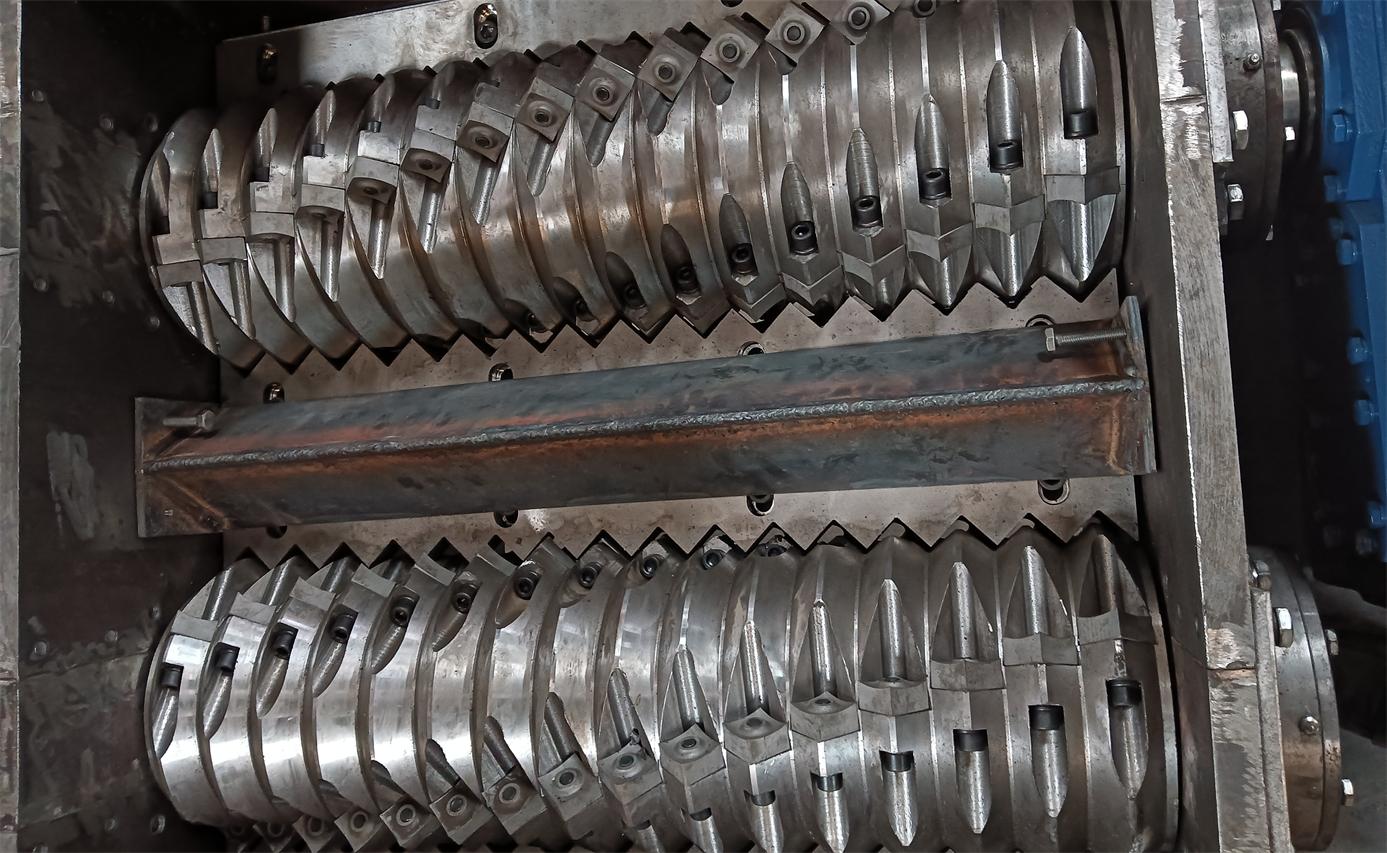
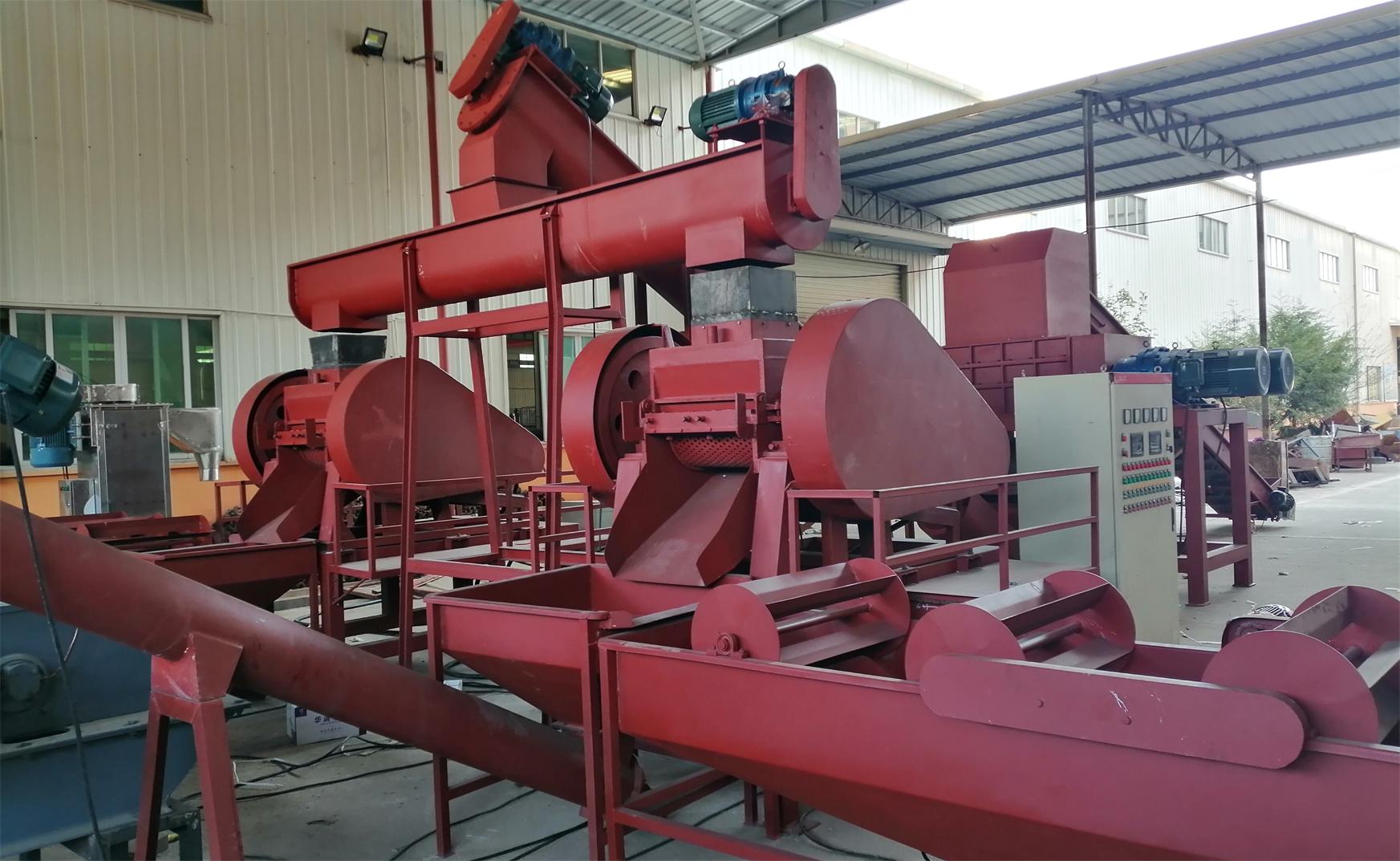
Scrap cables are everywhere, from construction sites and automotive dismantlers to telecommunications companies and utility providers. A cable recycling plant uses specialized granulators and separators to strip away plastic insulation and recover pure copper or aluminum granules, commonly known as "copper rice."
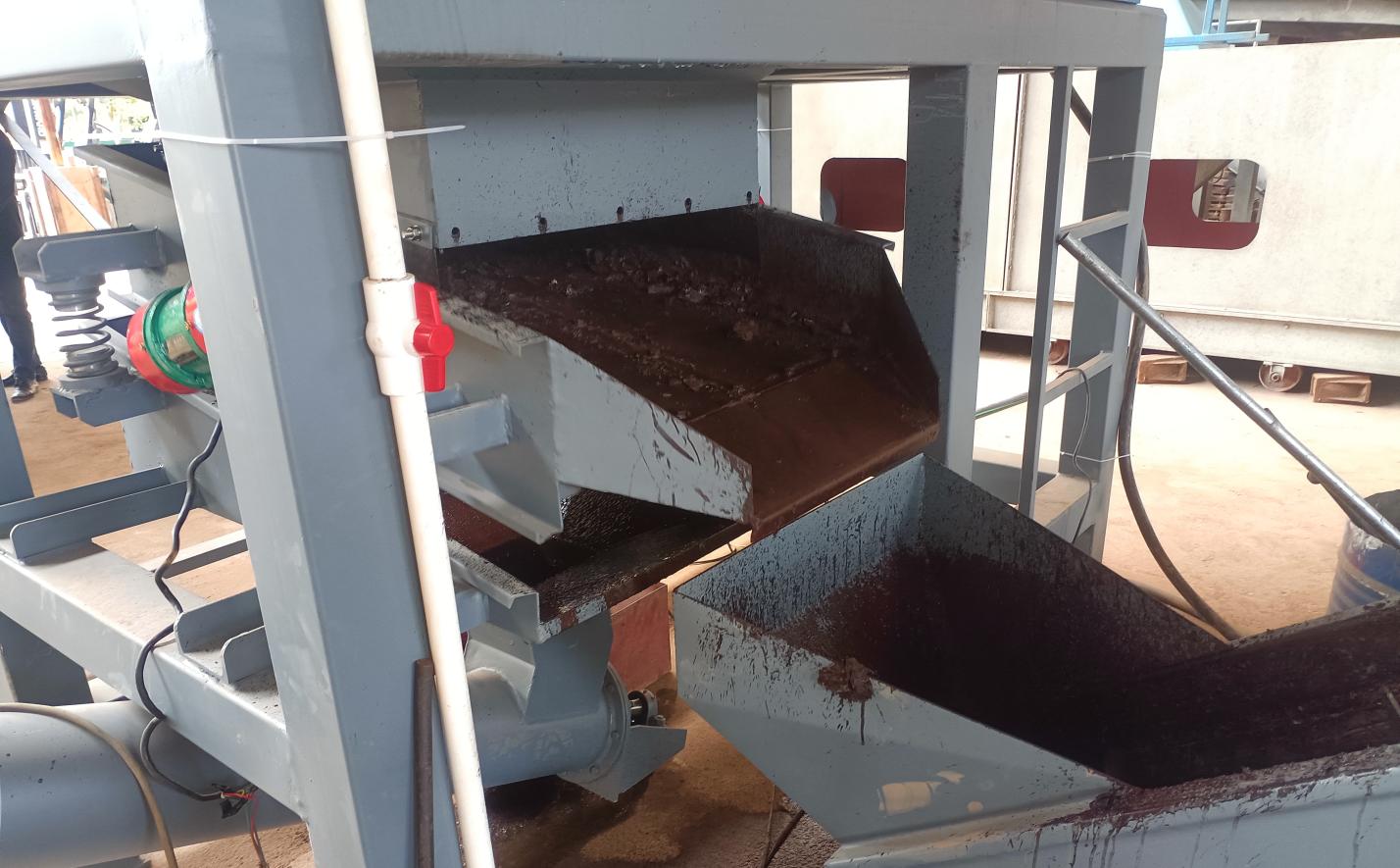
Modern cable recycling machines can process anywhere from 100 kg/hour to over 1,200 kg/hour, depending on the model. Dry separation technology uses air classifiers and electrostatic separators to achieve copper purity levels of 96-98%, ensuring maximum resale value. For businesses dealing with jelly-filled cables or armored wires, wet separation systems offer an effective alternative that handles complex cable types without material loss.
- High recovery rates with minimal copper loss
- Modular designs suitable for small workshops and large facilities
- Low operational costs with dry separation methods
- Quick return on investment due to high copper market prices
Battery Recycling: Lead-Acid and Lithium Solutions
Batteries represent one of the most environmentally hazardous yet resource-rich waste categories. A well-designed battery recycling operation can safely extract valuable metals while preventing toxic materials from contaminating soil and water.
Lead-Acid Battery Recycling
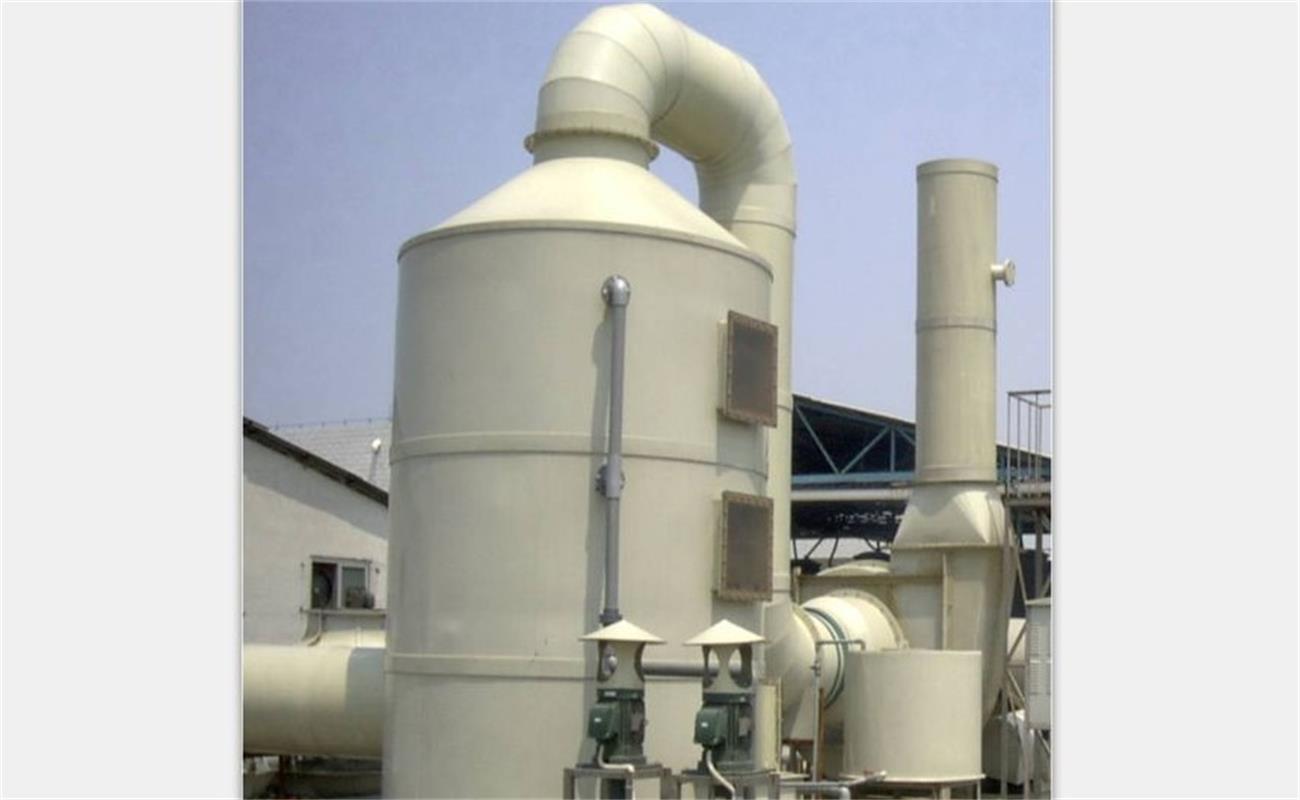
Used lead-acid batteries (ULAB) are among the most recycled products globally. A complete lead acid battery recycling plant typically includes a battery breaking and separation system, desulfurization unit, smelting furnace, refinery kettle, and air pollution control system. The process separates plastic casings, lead grids, lead paste, and sulfuric acid, recovering each component for reuse.
Advanced plants achieve lead recovery rates of 95% or higher. The de-sulfurization unit removes sulfur from PbSO4 in lead paste before smelting, which lowers melting temperatures, decreases harmful SO2 emissions, and reduces the need for additional additives. Rotary furnaces and blast furnaces then convert the paste into crude lead, which is refined to 99.999% purity in refinery kettles.
Lithium-Ion Battery Recycling
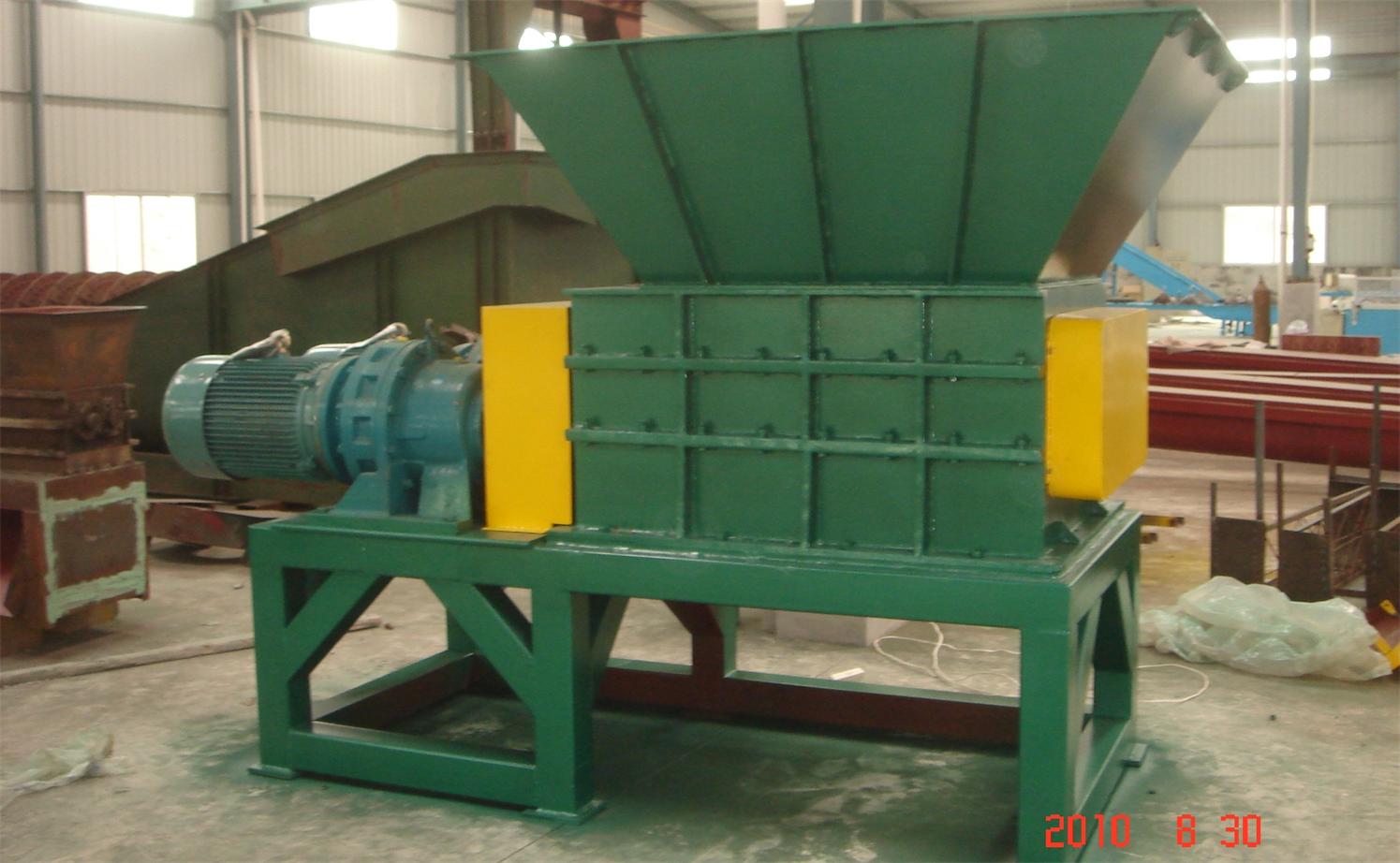
As electric vehicles and portable electronics proliferate, spent lithium-ion batteries have become a critical recycling priority. A lithium battery recycling plant safely discharges, crushes, and separates batteries to recover black mass containing nickel, cobalt, and graphite, along with copper, aluminum, and plastic.
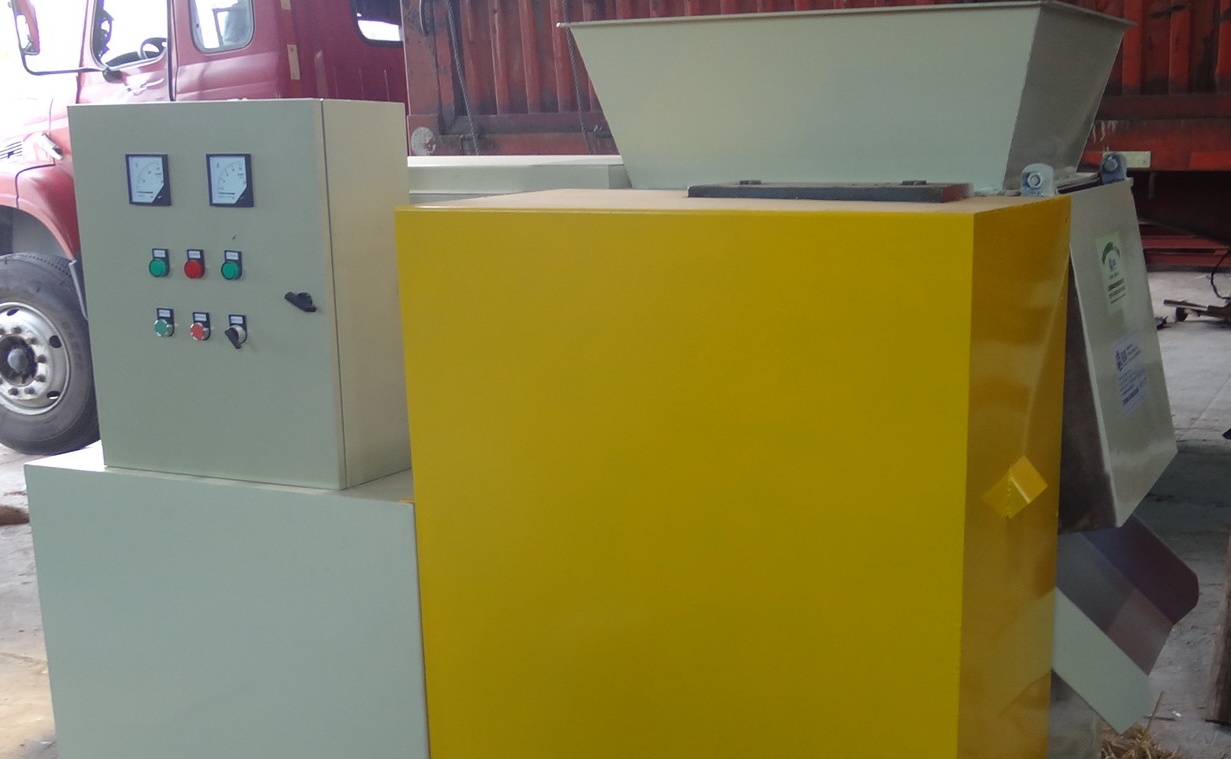
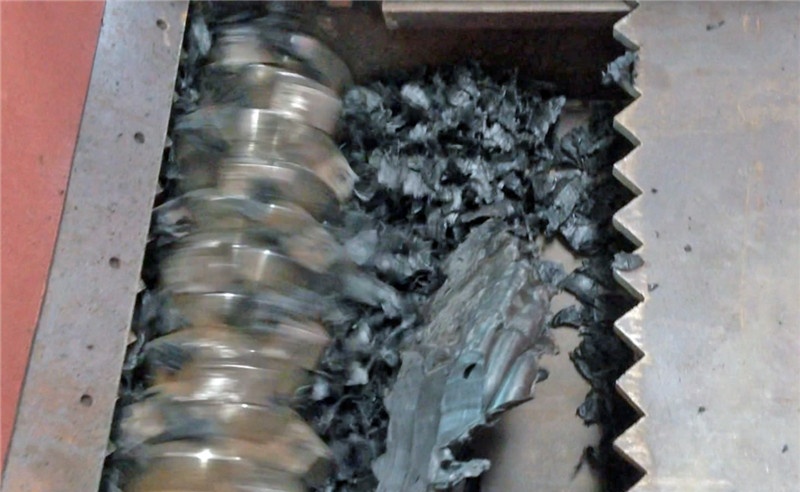
Capacity typically ranges from 500 to 2,500 kg/hour. The process includes pre-crushing, secondary granulation, magnetic separation of ferrous metals, and fine separation of black powder. Air pollution control systems are essential to neutralize harmful gases generated during crushing, ensuring full environmental compliance.
Circuit Board Recycling: Recovering Precious and Base Metals
Printed circuit boards (PCBs) are treasure troves of metals. A professional circuit board recycling plant can recover copper powder with 96-98% purity, along with trace amounts of gold, silver, palladium, and other precious metals.
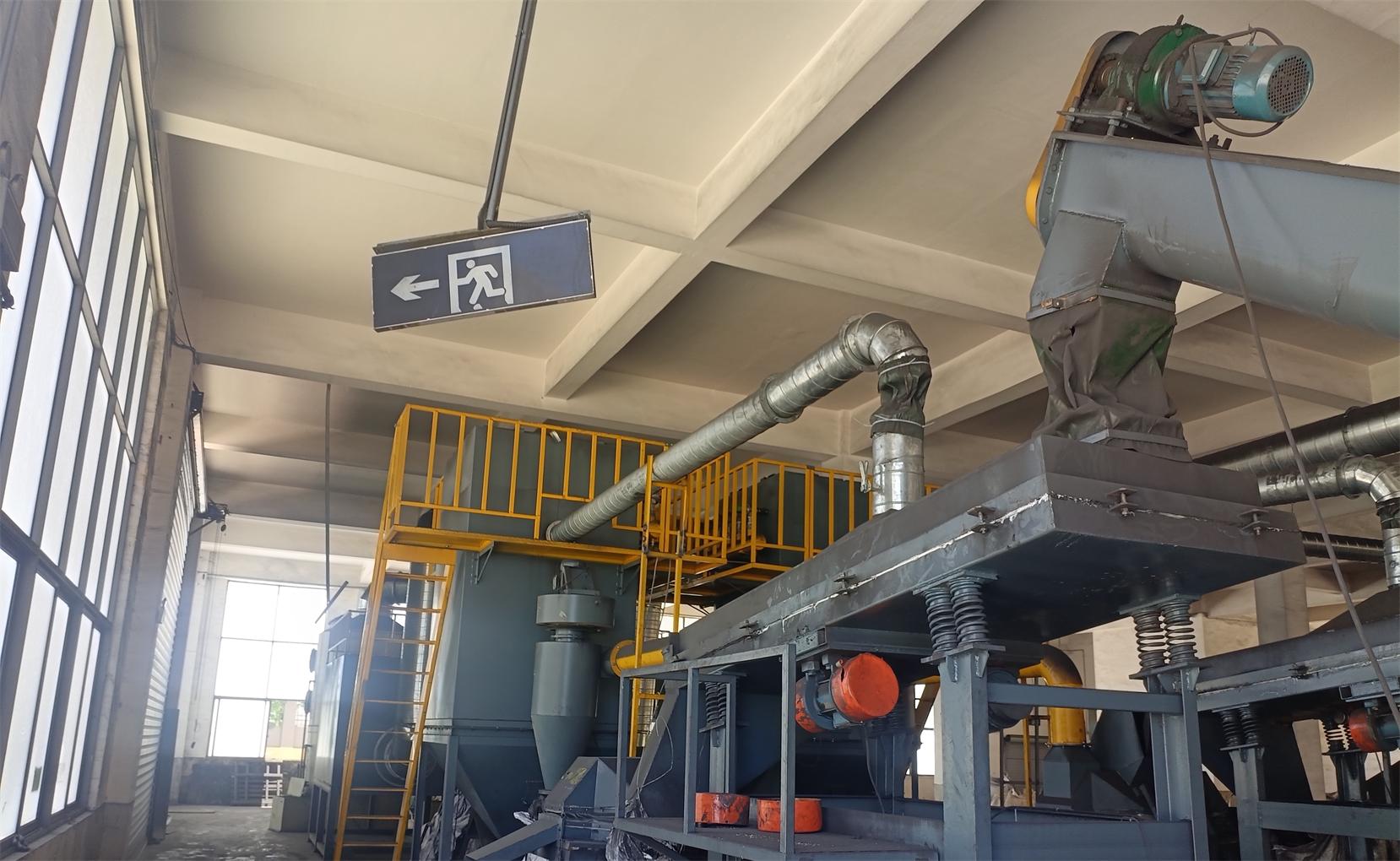
The technology has evolved through three generations. First-generation methods relied on open burning, which caused severe pollution. Second-generation dry crushing combined with air separation improved recovery but still generated dust. Today's third-generation plants integrate air separators, electrostatic separators, pulse bag dust collectors, and cyclone separators to achieve recovery rates above 95% with zero dust pollution.
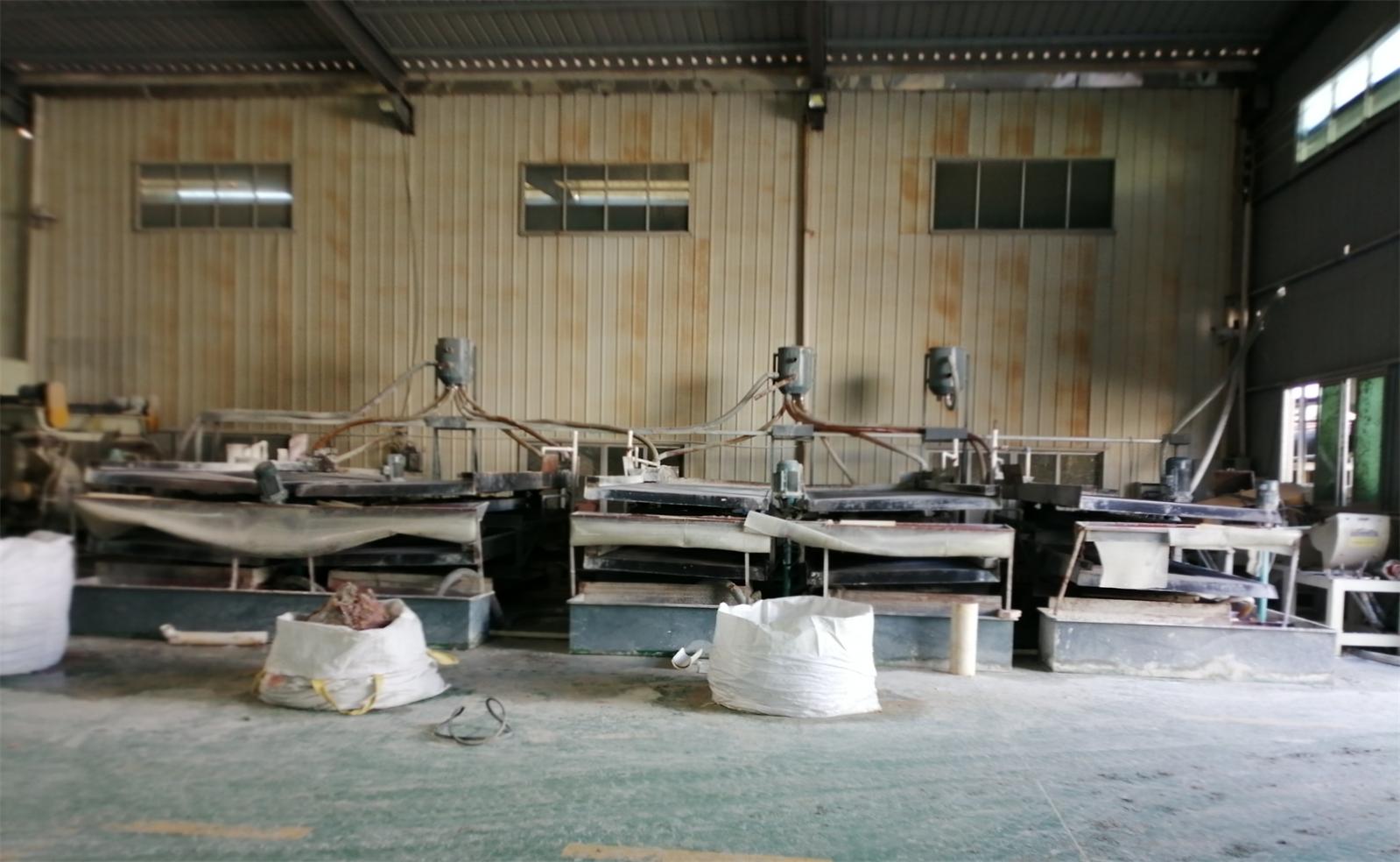
Both dry and wet separation options are available. Dry systems with capacities of 300-2,000 kg/hour are ideal for most operations, while wet separation systems can process PCB waste with electronic components still attached, offering greater flexibility for mixed feedstock.
Why Equipment Quality and Technical Support Matter
Purchasing recycling equipment is not merely a transaction, it is the beginning of a long-term partnership. The best equipment suppliers offer more than machines; they provide complete project solutions including customized plant design, installation and commissioning, operator training, and ongoing technical support.
When evaluating suppliers, consider the following factors:
- Manufacturing experience: Look for suppliers with at least 10-15 years of proven expertise in recycling machinery.
- Customization capability: Every recycling operation has unique raw materials, capacity requirements, and space constraints. Off-the-shelf solutions rarely fit perfectly.
- Environmental compliance: Ensure the equipment includes proper dust collection, gas treatment, and wastewater management systems.
- After-sales support: International projects require reliable spare parts supply, remote technical assistance, and on-site troubleshooting.
- Turnkey solutions: EPC (Engineering, Procurement, Construction) capabilities allow a single supplier to handle the entire project from design to commissioning.
Building a Successful Recycling Business from Scratch
Beyond equipment selection, successful recycling entrepreneurs must address several business fundamentals. Sourcing a steady supply of raw materials is critical. Many equipment suppliers can assist with connecting customers to reliable waste material sources, whether scrap cables, used batteries, or PCB waste.
Equally important is securing buyers for recycled outputs. Copper rice, lead ingots, aluminum granules, and black mass all have established commodity markets. Experienced suppliers often help customers establish relationships with smelters, refiners, and metal traders, ensuring that the output from your recycling plant can be sold profitably.
For larger-scale projects, some entrepreneurs seek investors or joint-venture partners to share capital requirements and market risks. A recycling plant with capacities of 1-10 tons per hour can represent a significant investment, but the payback period is often surprisingly short given current metal prices and growing feedstock availability.
San Lan Technologies Co., Ltd has been manufacturing WEEE recycling machines and mining equipment since 2007. With customers in over 21 countries including Singapore, Colombia, Vietnam, Mexico, Argentina, Korea, Malaysia, and South Africa, we provide complete EPC solutions for e-waste recycling plants, from customized design and equipment manufacturing to installation, commissioning, and after-sales support.
Whether you need a cable recycling plant, lead acid battery recycling plant, lithium battery recycling plant, or circuit board recycling equipment, our engineering team with master's degrees in mechanical engineering and over 15 years of experience is ready to help you turn waste into profit.
Contact us today at info@san-lan.com or via WhatsApp at +86 139 2377 4083 to discuss your project requirements and receive a customized proposal.