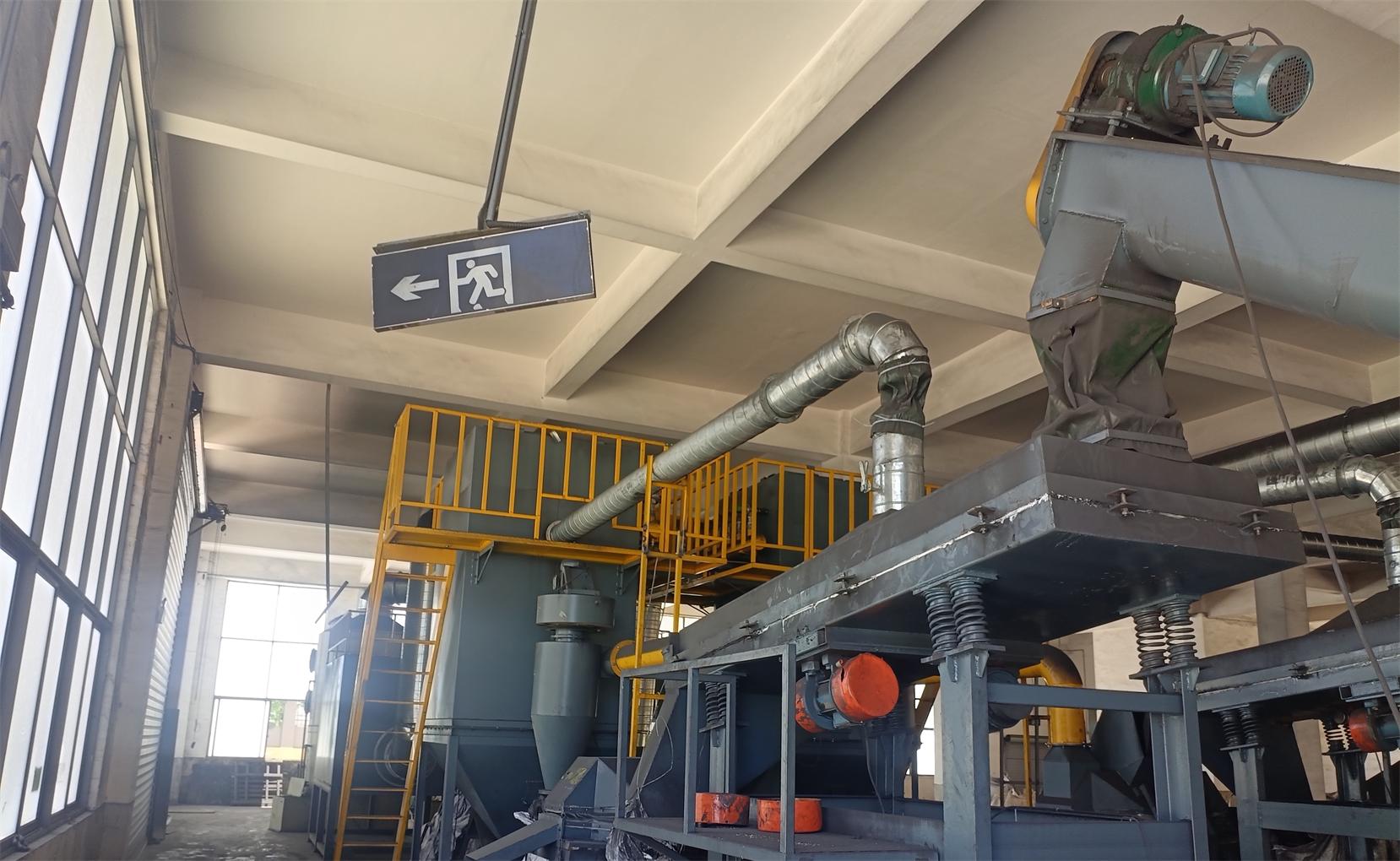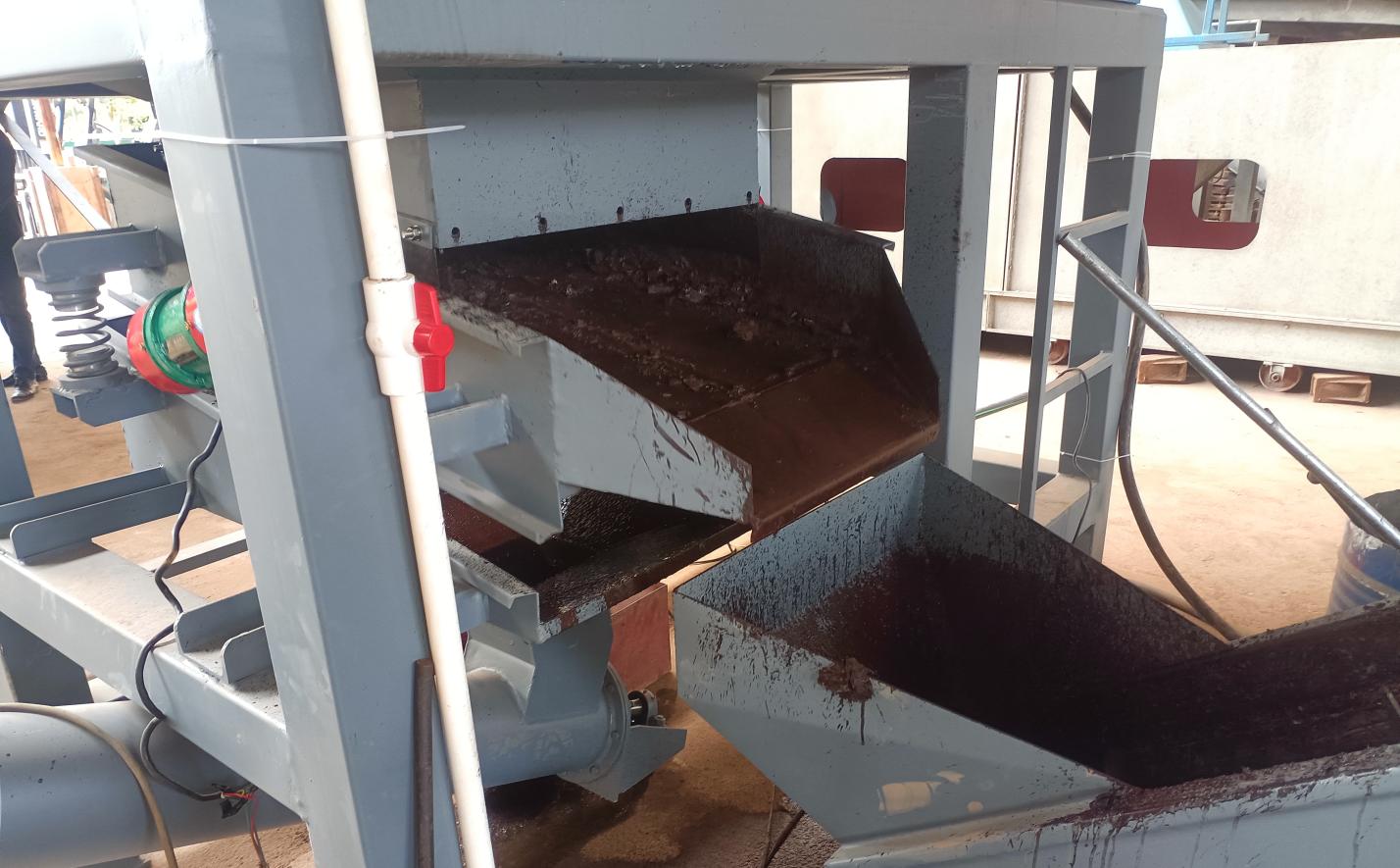
From e-waste mountains to resource goldmines—how China’s leading suppliers are revolutionizing circuit board recycling with dry process technology that’s efficient, eco-friendly, and ready to scale.
The Urgent Need for Smarter PCB Recycling
Every year, billions of smartphones, laptops, and electronic devices reach the end of their life, piling up as e-waste. At the heart of this growing mountain lies one critical component: the printed circuit board (PCB). These thin, copper-laden boards are the "brains" of our devices—but they’re also ticking time bombs of toxic materials like lead, mercury, and flame retardants. Yet here’s the paradox: PCBs are also treasure troves, packed with gold, silver, copper, and palladium worth billions of dollars annually.
The problem? Traditional recycling methods often fall short. Wet processes, which use acids and water to leach metals, generate toxic wastewater and require costly treatment systems. Manual dismantling is slow, labor-intensive, and risky for workers. That’s where dry process PCB recycling equipment steps in—and why China has emerged as the global hub for this game-changing technology.
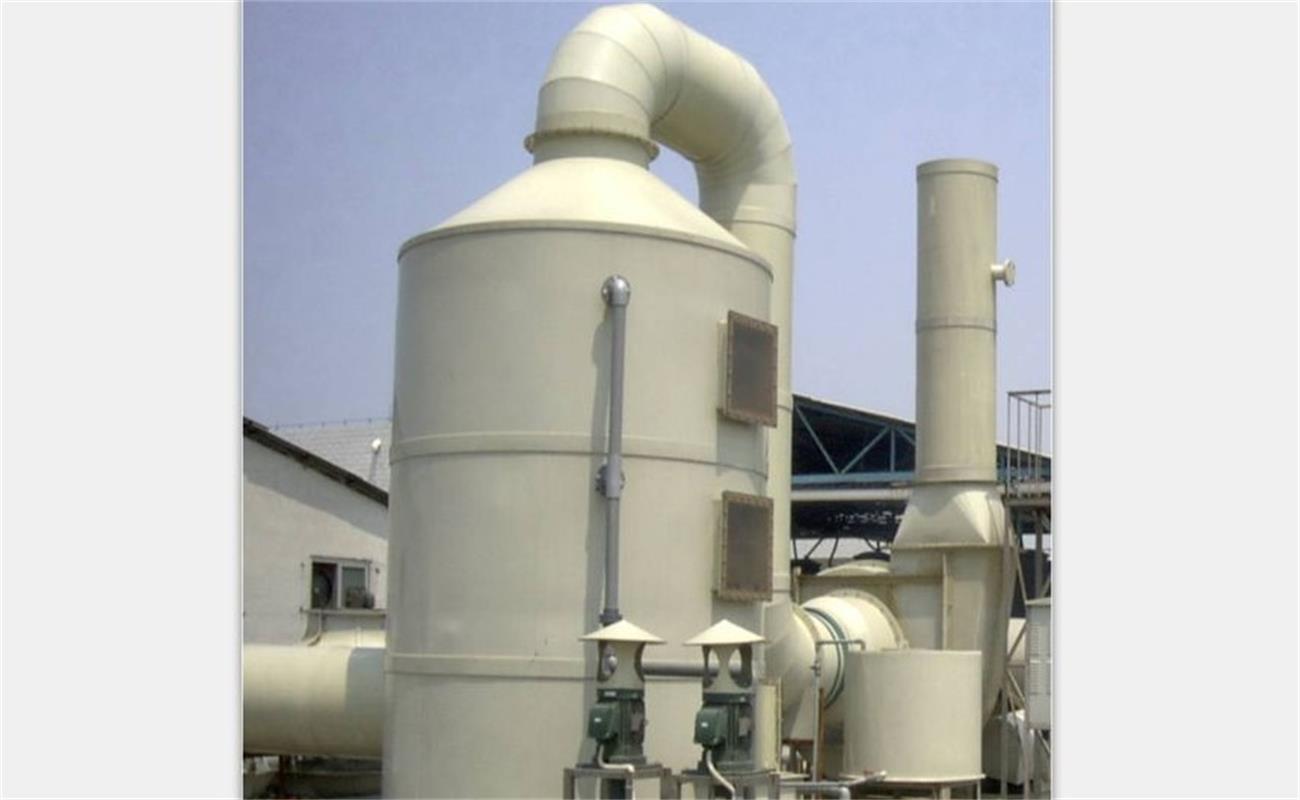
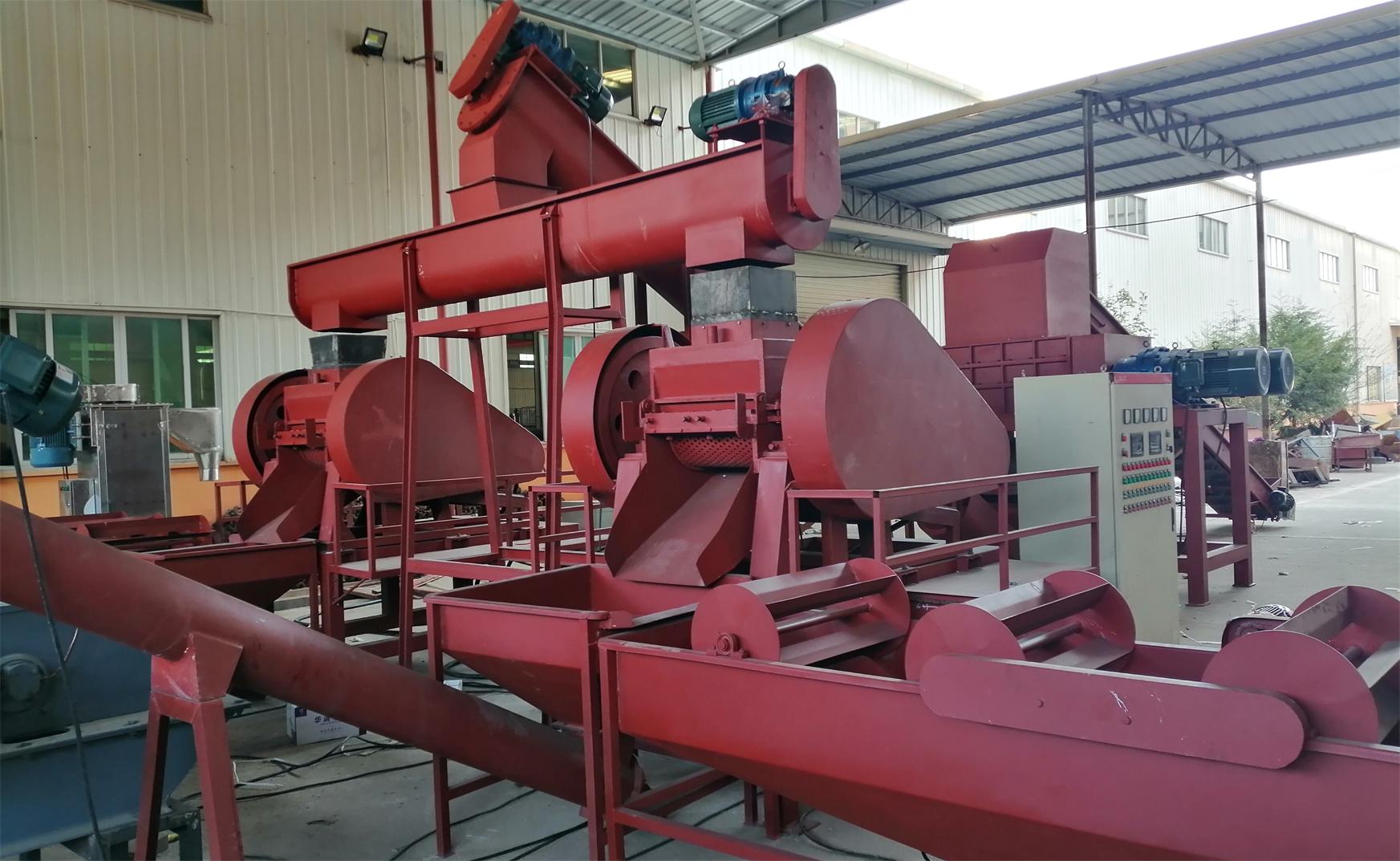
Dry process systems skip the water and chemicals, using mechanical sorting, air classification, and electrostatic separation to recover metals from PCBs. They’re faster, cleaner, and more adaptable to different scales of operation, from small workshops to industrial plants. And in a world racing to meet sustainability goals, they’re not just a choice—they’re a necessity.
Why Dry Process Technology Leads the Pack
So, what makes dry process PCB recycling equipment stand out? Let’s break it down:
- No more toxic wastewater: Unlike wet processes, dry systems use air and mechanical force, eliminating the need for water or harmful chemicals. That means zero wastewater treatment costs and a smaller environmental footprint.
- High efficiency, low downtime: Modern dry systems can process 500kg to 2000kg of PCBs per hour, with automated sorting that reduces human error and speeds up recovery.
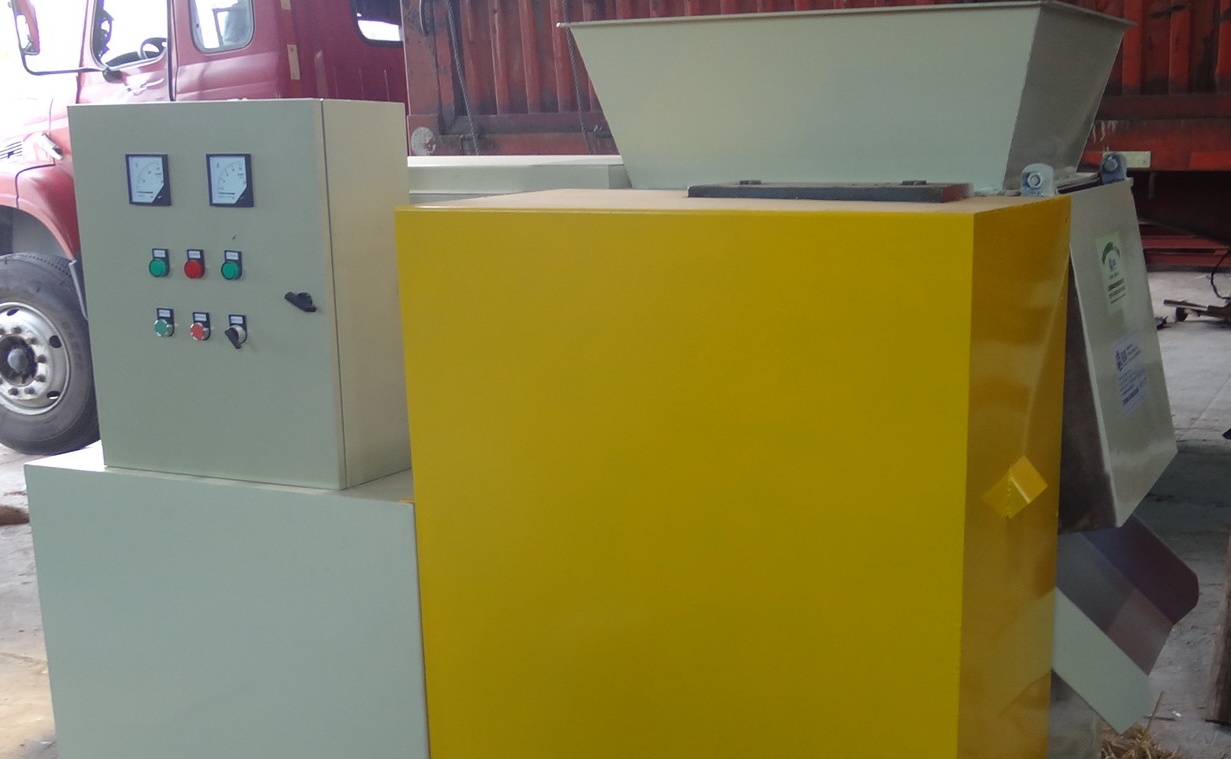
- Versatility for every operation: Whether you’re a small recycler or a large-scale plant, dry equipment scales to fit. Compact granulators with dry separators work for tight spaces, while industrial-grade plants handle bulk processing.
- Better metal purity: Advanced electrostatic separators and air classifiers separate metals from non-metals with precision, often achieving purity rates above 95%—critical for selling recovered materials back to manufacturers.
What Sets China’s Top Dry Process PCB Suppliers Apart?
China isn’t just a manufacturer of dry process PCB equipment—it’s an innovator. The country’s top suppliers combine decades of engineering expertise with a focus on R&D, creating machines that balance performance, safety, and affordability. Here’s what makes them leaders:
1. Cutting-Edge R&D: Many suppliers run in-house labs, testing new materials and designs to boost efficiency. Think nano-ceramic balls for longer-lasting grinders or AI-powered sensors that optimize separation in real time.
2. Customization as Standard: No two recycling operations are the same. China’s suppliers don’t just sell "one-size-fits-all" machines—they design systems tailored to your capacity, target metals, and space constraints. Need a compact granulator for a small workshop? They’ve got it. Want a 2000kg/hour plant with fully automated sorting? That’s on the menu too.
3. Rigorous Quality Control: From raw steel to final assembly, top suppliers adhere to strict standards (ISO 9001, CE, SGS) to ensure machines run reliably for years. Many offer warranties of 12–24 months, plus on-site installation and training.
4. After-Sales Support That Delivers: Breakdowns happen, but the best suppliers don’t leave you hanging. 24/7 technical hotlines, spare parts warehouses, and local service teams mean minimal downtime—critical when every hour offline costs money.
20 Leading Dry Process PCB Recycling Equipment Suppliers in China
To help you navigate the options, we’ve compiled a list of 20 top suppliers, each bringing unique strengths to the table. Whether you need a small-scale granulator or a full turnkey plant, these companies have the expertise and equipment to power your recycling operation.
| Supplier Name | Core Dry Process Equipment | Capacity Range | Key Technical Features | Competitive Advantages |
|---|---|---|---|---|
| EcoRecycle Tech Co., Ltd. | WCBD-2000A Dry Separator Plant | 500–2000 kg/hour | Electrostatic separation, dust collection system | ISO 14001 certified, 24/7 global support |
| Green Circuit Solutions | Compact Granulator with Dry Separator | 300–800 kg/hour | Low noise (≤75dB), energy-efficient motor | Space-saving design, ideal for small workshops |
| DrySep Systems China | PCB Shredder + Air Classifier Combo | 800–1500 kg/hour | AI-driven metal detection, automatic sorting | 96% metal recovery rate, 3-year warranty |
| Resource Recovery Innovators | WCB-2000C Dry Process Plant | 1000–2000 kg/hour | Modular design, easy to upgrade | Customizable for mixed e-waste (PCBs + cables) |
| Clean Tech Machinery | Single-Shaft Shredder + Dry Separator | 500–1200 kg/hour | PLC control system, remote monitoring | CE certified, on-site installation included |
| Smart Recycling Equipment Co. | 4-Shaft Pre-Chopper + Granulator | 600–1800 kg/hour | High-torque shredding, low maintenance blades | Metal purity up to 98%, free operator training |
| Golden Harvest Recycling | Low-Dust Dry Separation Line | 400–1000 kg/hour | HEPA filtration, odor control system | Worker safety focus, OSHA compliant |
| Advanced Circuit Recovery | 2-Shaft Shredder + Electrostatic Separator | 700–1600 kg/hour | Variable speed control, automatic lubrication | Fast ROI (avg. 18 months), spare parts in 48 hours |
| EcoMetal Solutions | Mobile Dry Processing Unit | 300–600 kg/hour | Towable design, no fixed installation | Ideal for on-site recycling, low setup cost |
| Precision Separation Tech | High-Speed Air Classifier Plant | 900–2000 kg/hour | Multi-stage separation, real-time purity monitoring | Used by 50+ industrial recyclers worldwide |
| Green Machine Works | Energy-Saving Dry Granulator | 400–900 kg/hour | Regenerative motor, 30% lower power consumption | Sustainability-focused, carbon footprint reporting |
| CircuitCycle Equipment | WCBD-300A Small-Scale Dry Plant | 300–500 kg/hour | Plug-and-play operation, minimal training needed | Perfect for startups, affordable financing options |
| MetalMinds Recycling Tech | AI-Powered Dry Separation System | 800–1800 kg/hour | Machine learning for adaptive sorting | 99% copper recovery, predictive maintenance alerts |
| EcoShred Industries | Heavy-Duty Shredder + Dry Classifier | 600–1400 kg/hour | Reinforced steel blades, 10,000-hour lifespan | Durable for tough PCBs (with solder, components) |
| CleanCycle Machinery | Dust-Free Dry Recycling Line | 500–1200 kg/hour | Negative pressure dust collection, zero emissions | Meets EU emission standards (EN 12738) |
| ResourceMax Equipment | Modular Dry Process Plant | Custom (500–3000 kg/hour) | Add-on modules for cable/metal recycling | Scalable as your business grows |
| ProCycle Solutions | High-Purity Dry Separator | 700–1500 kg/hour | Electromagnetic sorting, gold/silver targeting | Specialized for precious metal recovery |
| EcoFlow Tech Co. | Continuous-Feed Dry Processing Line | 800–2000 kg/hour | No manual feeding, fully automated | Reduced labor costs, 24/7 operation possible |
| SmartSep Equipment | Compact Dry Plant (WCBD-500) | 500–800 kg/hour | Touchscreen control, easy troubleshooting | User-friendly for operators with basic training |
| Global Circuit Recyclers | Industrial-Grade Dry Separator | 1000–2500 kg/hour | High-capacity hopper, minimal downtime | Used by municipal e-waste programs in Asia/Europe |
Inside the Machine: How Dry Process PCB Recycling Works
Curious about what happens inside these machines? Let’s walk through the typical dry process workflow—from PCB to pure metal granules:
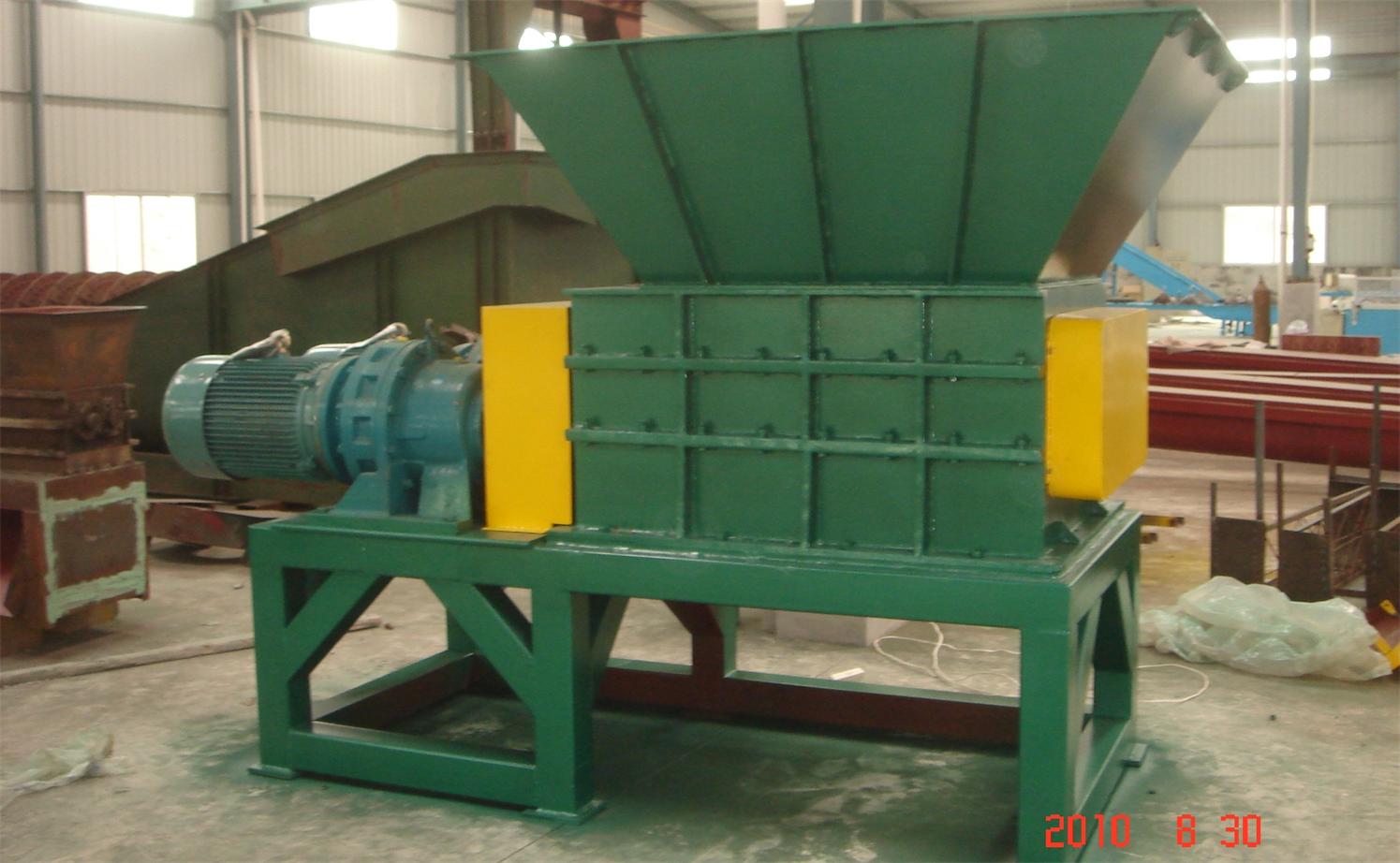
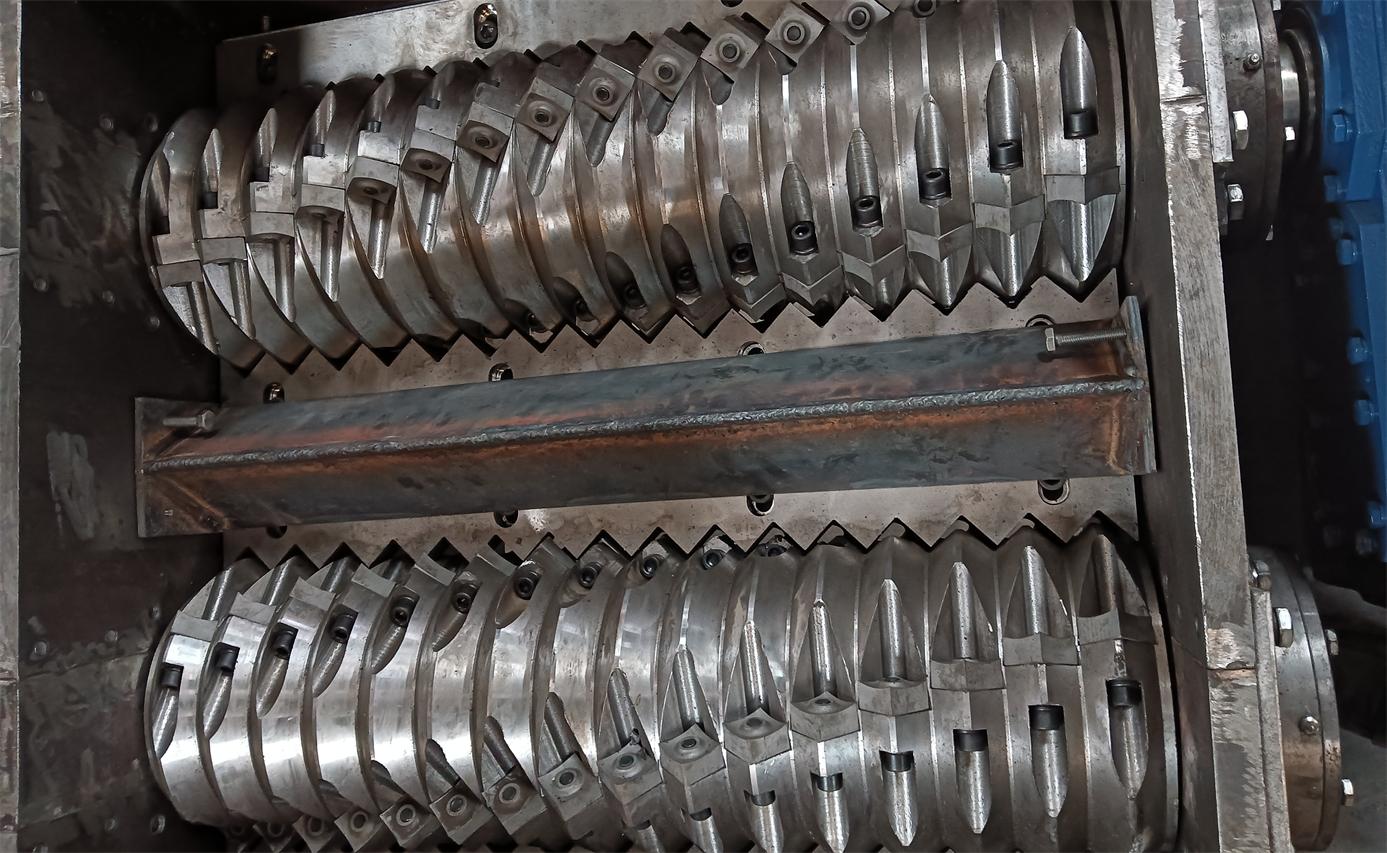
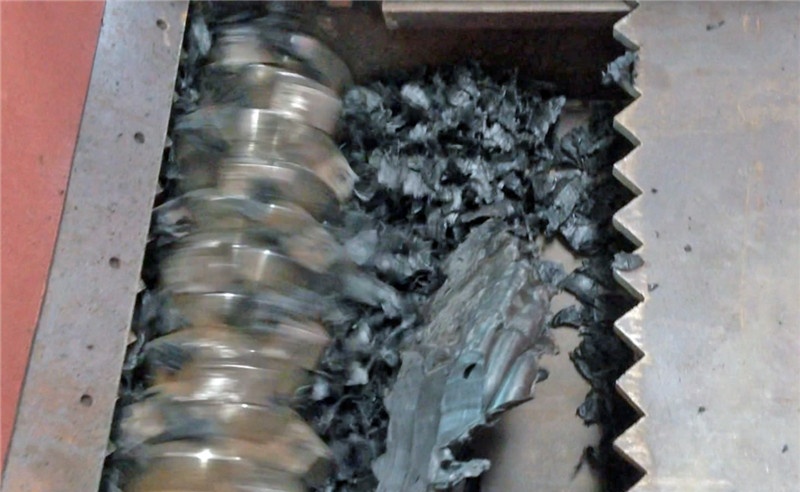
- Shredding & Pre-Chopping: First, PCBs are fed into a shredder (single-shaft, 2-shaft, or 4-shaft designs) that breaks them into small pieces (5–10mm). For tough, component-heavy boards, a pre-chopper softens the material first.
- Granulating: Next, the shredded PCBs go into a granulator, which grinds them into finer particles (1–3mm). Compact granulators with dry separators often combine this step with initial sorting, using air flow to separate lighter plastics from heavier metals.
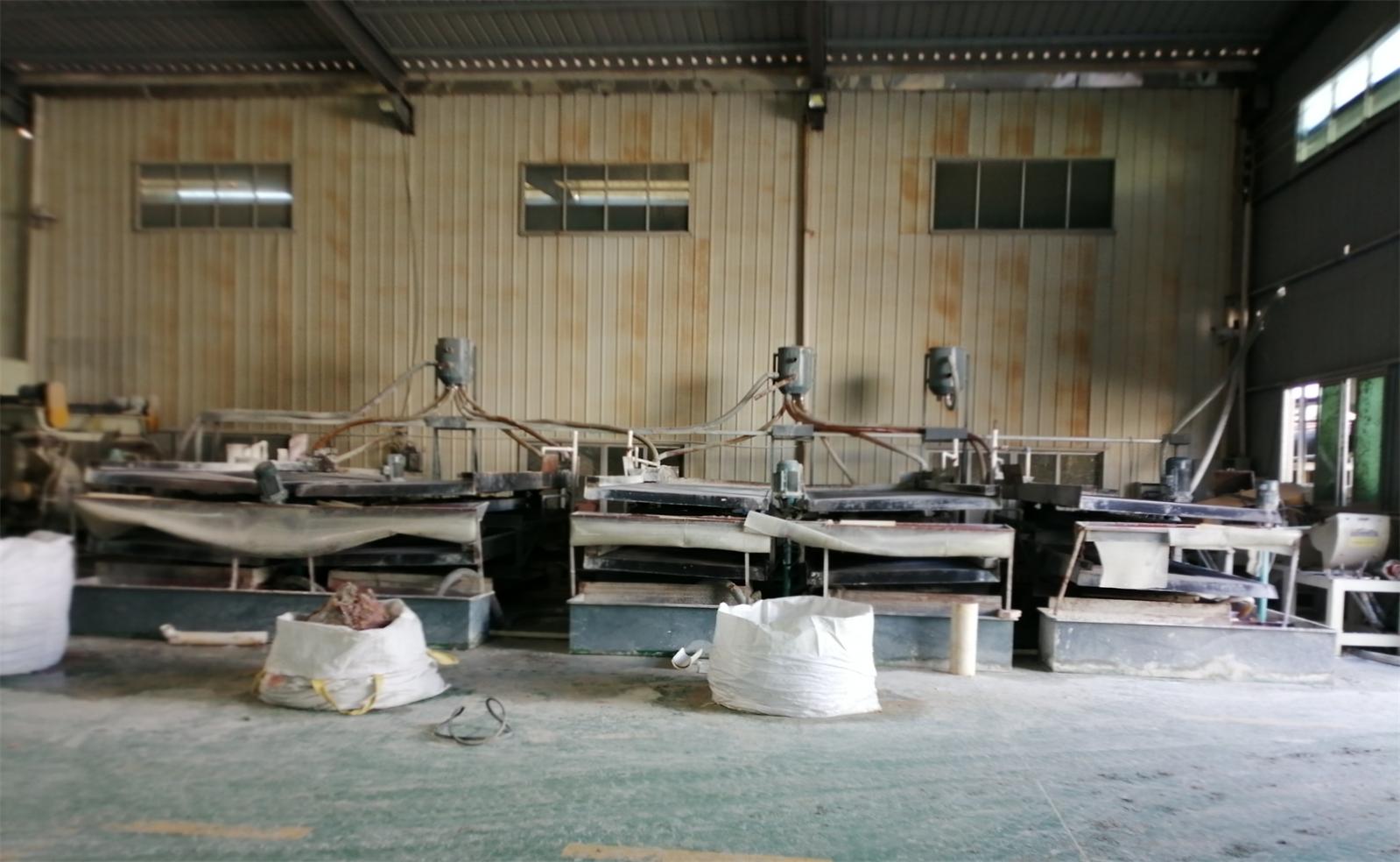
- Dry Separation: The magic happens here. Using electrostatic separation, air classification, or magnetic sorting, the machine separates metal (copper, gold, etc.) from non-metal (plastics, fiberglass). Electrostatic separators charge particles, so metals and non-metals are drawn to opposite plates—like a tiny, high-tech magnet for all metals.
- Dust Collection: Dry processes generate dust, so built-in filtration systems (HEPA filters, cyclones) capture particles, ensuring clean air and reducing worker exposure.
- Final Sorting & Packaging: Recovered metals are collected in bins, ready for smelting or resale. Non-metals can be recycled into plastic pellets or used as fuel, closing the loop.
Pro Tip: Look for machines with adjustable separation settings. Different PCBs (from smartphones vs. TVs) have varying metal densities, so flexibility ensures you maximize recovery no matter the input.
How to Choose the Right Supplier for Your Business
With 20 top suppliers to pick from, how do you narrow it down? Here’s a step-by-step guide to finding your perfect match:
1. Start with Your Capacity Needs
Be honest about how much PCB waste you process daily. A small recycler handling 1–2 tons/day doesn’t need a 2000kg/hour plant—you’ll overpay and waste energy. Conversely, a large facility skimping on capacity will bottleneck operations.
2. Prioritize Certifications & Compliance
Recycling is regulated, and for good reason. Look for suppliers with CE (for Europe), ISO 9001 (quality), and ISO 14001 (environmental) certifications. If you plan to export recovered metals, ensure the equipment meets destination-country standards (e.g., EPA rules for the U.S.).
3. Ask About After-Sales Support
A machine is only as good as the team behind it. Ask: Do they offer on-site installation? Training for your operators? How quickly can they send spare parts? A supplier with local service centers in your region is a huge plus—no waiting weeks for a technician from China.
4. Request References (and Check Them)
Any supplier can claim to be the best. Ask for contact info of 2–3 clients with similar operations. Did the equipment meet产能 promises? Was the support team responsive? Would they buy from the supplier again?
5. Compare Total Cost of Ownership (TCO), Not Just Price
A $100,000 machine might seem cheaper than a $150,000 competitor—but if it uses 50% more energy, breaks down monthly, and has short-lived blades, it’ll cost you more in the long run. Calculate TCO: purchase price + energy + maintenance + labor + downtime.
The Future of Dry Process PCB Recycling: What’s Next?
The industry isn’t standing still. Here’s what to watch for from China’s suppliers in the next 5 years:
- AI and IoT Integration: Smart machines that learn from input materials, adjust settings automatically, and send real-time data to your phone (e.g., "Blades need sharpening in 10 hours").
- Even Higher Purity: New separation technologies targeting ultra-fine particles (down to 0.1mm) to recover more gold and silver from low-grade PCBs.
- Energy Neutrality: Systems that generate their own power via waste heat recovery, slashing operating costs and carbon footprints.
- Circular Economy Partnerships: Suppliers teaming up with e-waste collectors and metal refiners to offer "end-to-end" recycling solutions, from pickup to purified metal.
One thing’s clear: dry process PCB recycling isn’t a trend—it’s the future of e-waste management. And with China’s suppliers leading innovation, the tools to turn e-waste into resources are more accessible than ever.
Final Thoughts: Your Turn to Lead the Charge
E-waste isn’t going away—but how we handle it is up to us. Dry process PCB recycling equipment lets you do more than comply with regulations; it lets you build a profitable, sustainable business that turns trash into treasure.
China’s top 20 suppliers aren’t just selling machines—they’re selling solutions. Solutions that reduce environmental harm, protect workers, and put money back in your pocket. So whether you’re just starting out or scaling up, now’s the time to invest in dry process technology.
The e-waste mountain is growing. But with the right equipment, you won’t just climb it—you’ll turn it into a goldmine.