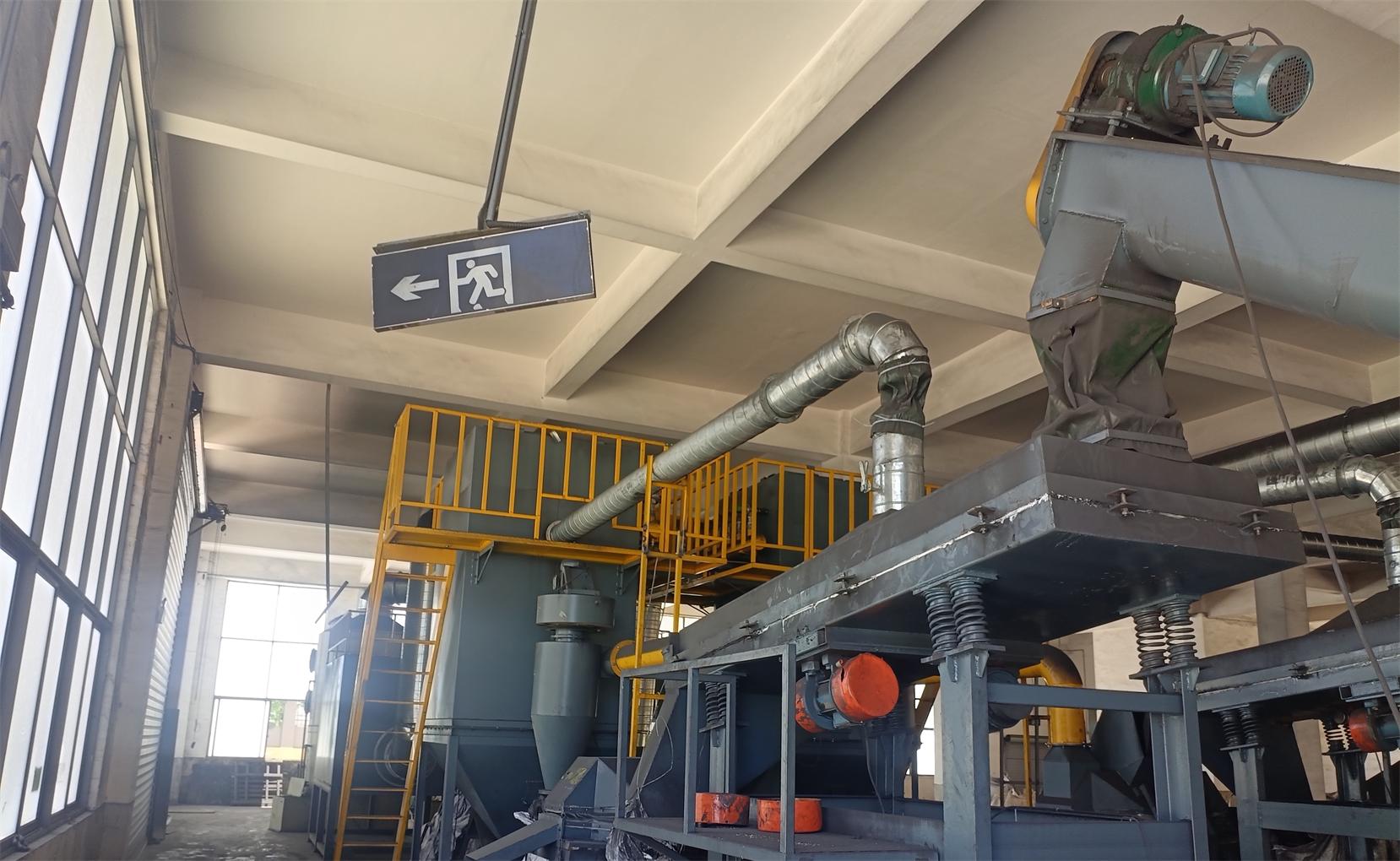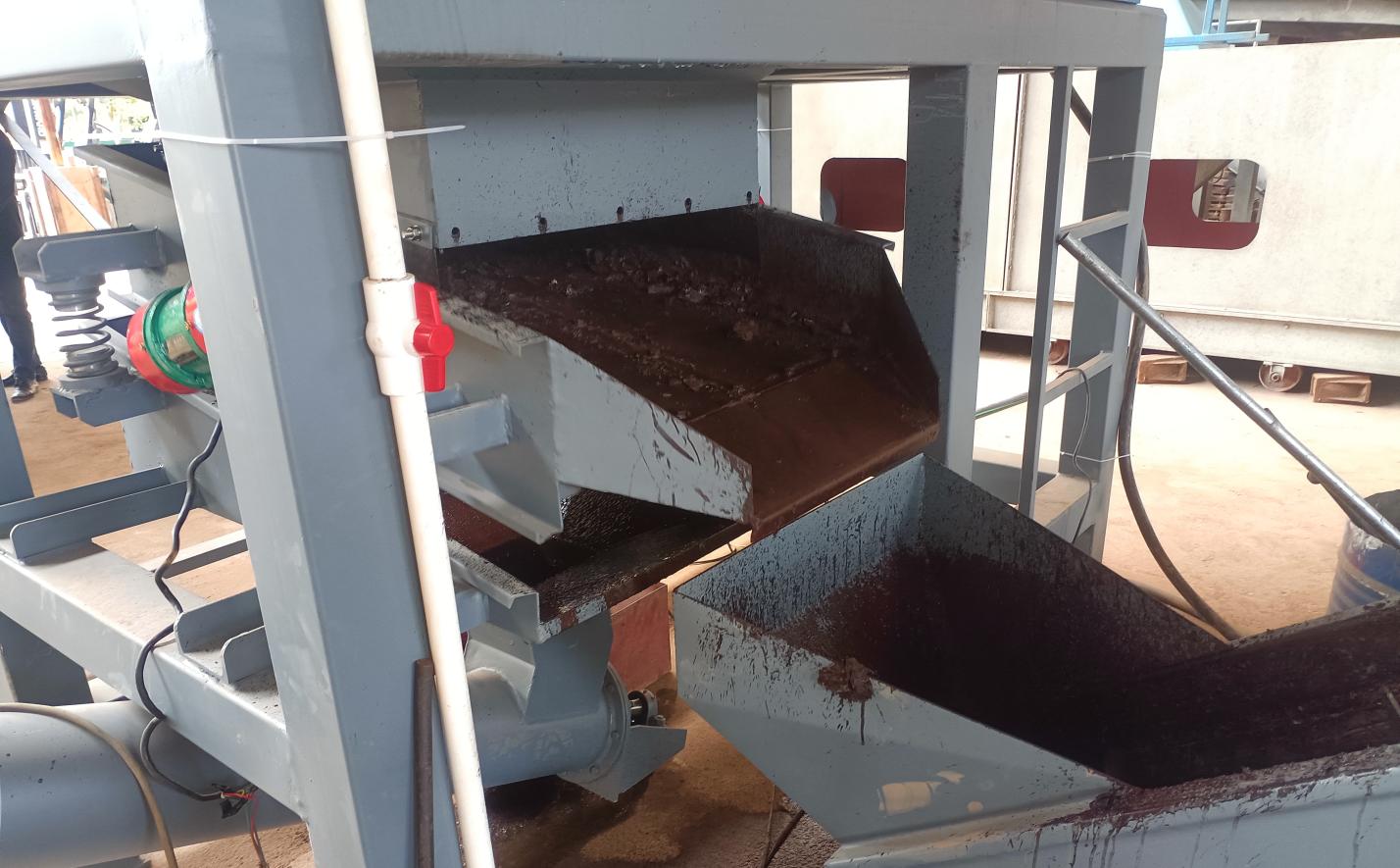
One person's discarded battery is another person's raw material inventory. While most people see e-waste as an environmental headache, savvy entrepreneurs around the world are building serious businesses by recovering valuable metals from scrap electronics, batteries, and cables. The difference between a pile of scrap and a profitable recycling operation usually comes down to three things: choosing the right waste stream, investing in capable equipment, and partnering with a recycling equipment supplier that understands how to turn your investment into revenue.
Why Recycling Is Becoming a Serious Business
Global demand for copper, lithium, lead, and other industrial metals continues to climb, driven by electric vehicles, renewable energy storage, and expanding infrastructure. At the same time, governments across Asia, Africa, Latin America, and the Middle East are tightening environmental regulations around battery disposal and electronic waste. These two forces create a powerful market window for industrial recycling operations.
The most successful recycling entrepreneurs do not treat this as a side project. They approach it as a manufacturing business where the input material happens to be waste, and the output is commodity-grade metal that foundries, battery makers, and manufacturers will pay for.
Choosing Your First Recycling Stream
Not all waste is equally profitable. Your choice of recycling stream should depend on three factors: local waste availability, your available capital, and the technical complexity you are prepared to manage. Here are three of the most accessible and profitable streams for new recycling investors.
Lead Acid Batteries: The Most Recycled Product on Earth
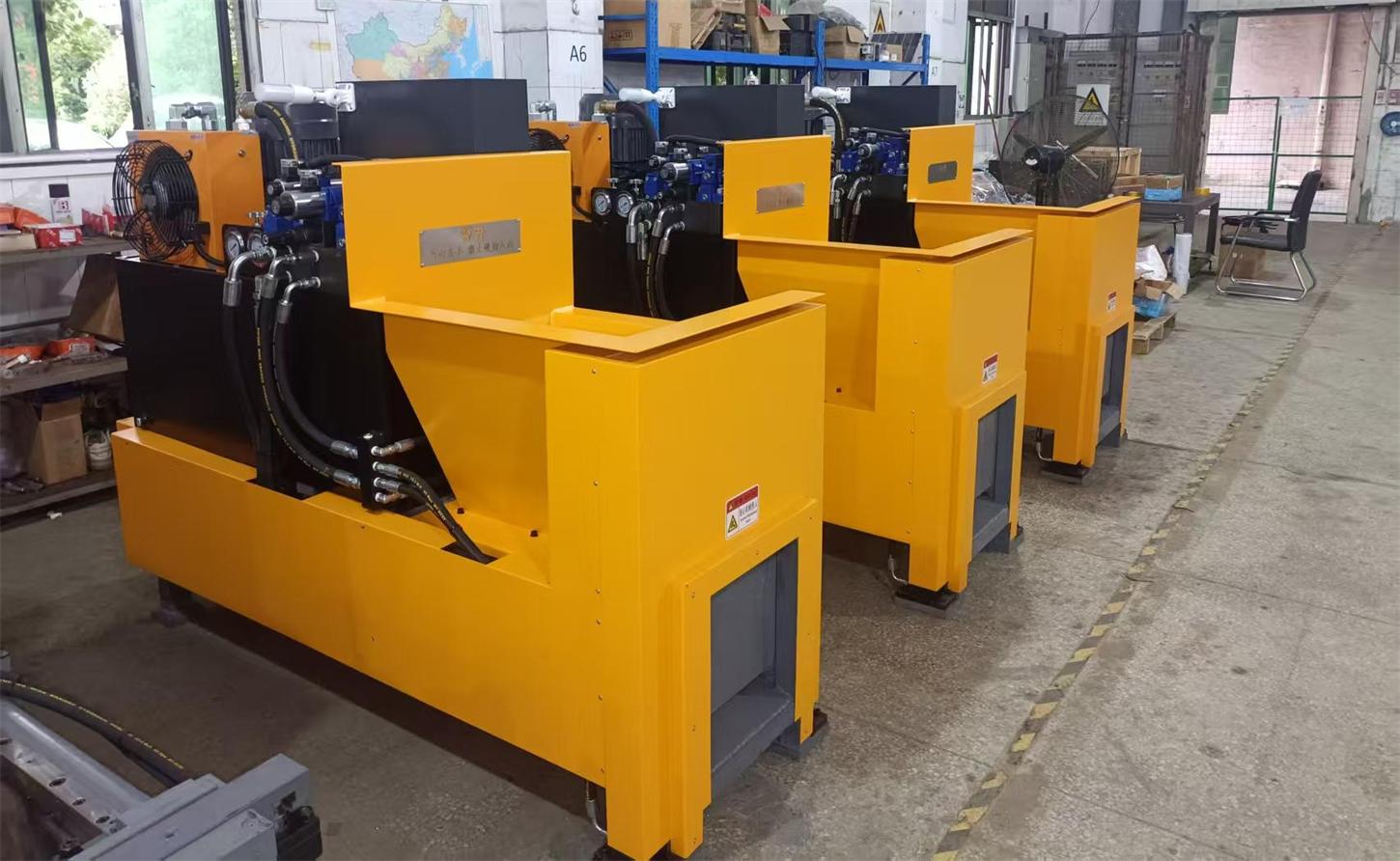
Used lead acid batteries are everywhere, from cars and trucks to UPS systems and telecom backup power. Because lead can be recovered and refined indefinitely without losing its properties, the economics are well established. A complete lead acid battery recycling line typically includes breaking and separation, desulfurization, smelting in a rotary furnace or blast furnace, and final refining to produce 99.999% pure lead ingots.
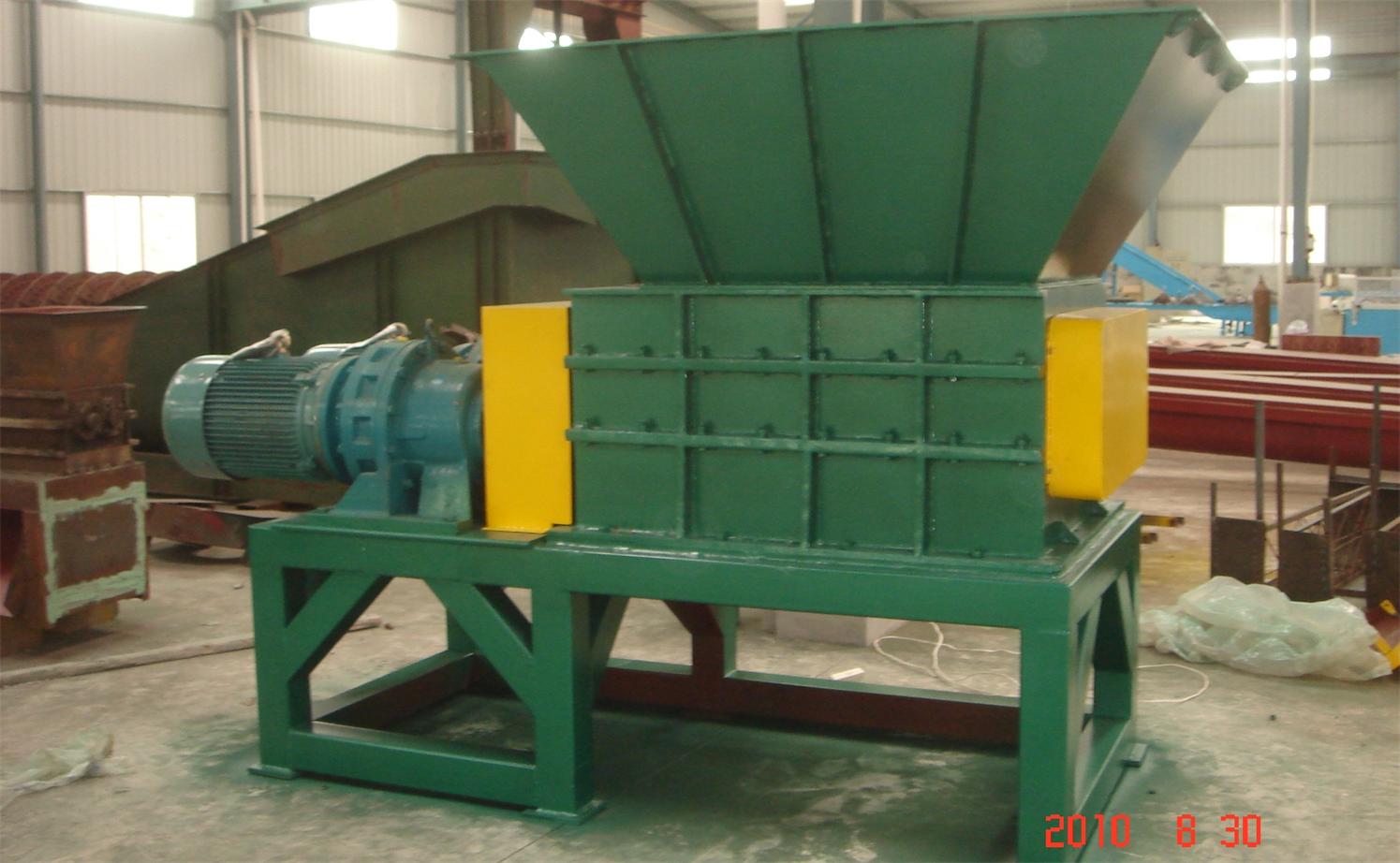
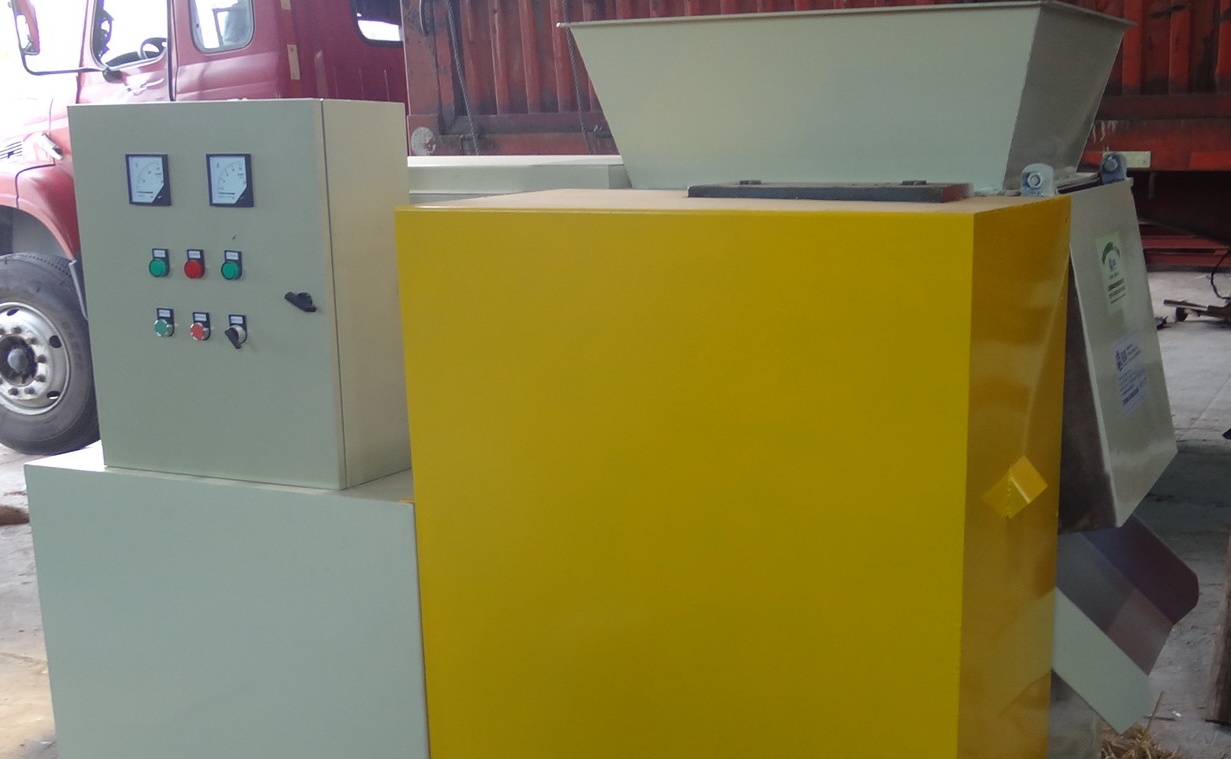
For smaller operations or entry-level investors, starting with a lead battery cutter equipment and basic breaking-separation system allows you to recover lead paste, lead grids, plastic shells, and acid as separate products. You can sell these outputs to larger smelters while you build capital for your own furnace. This staged approach reduces upfront risk and lets you learn the material before committing to full pyrometallurgy.
Lithium Batteries: The Fastest Growing Stream
As electric vehicles and portable electronics multiply, spent lithium-ion batteries are becoming one of the fastest-growing waste categories worldwide. Unlike lead acid batteries, lithium batteries require careful discharging and controlled atmosphere processing because of fire risks. However, the payoff is significant: recovered black mass containing nickel, cobalt, and graphite commands strong prices from battery material refiners.
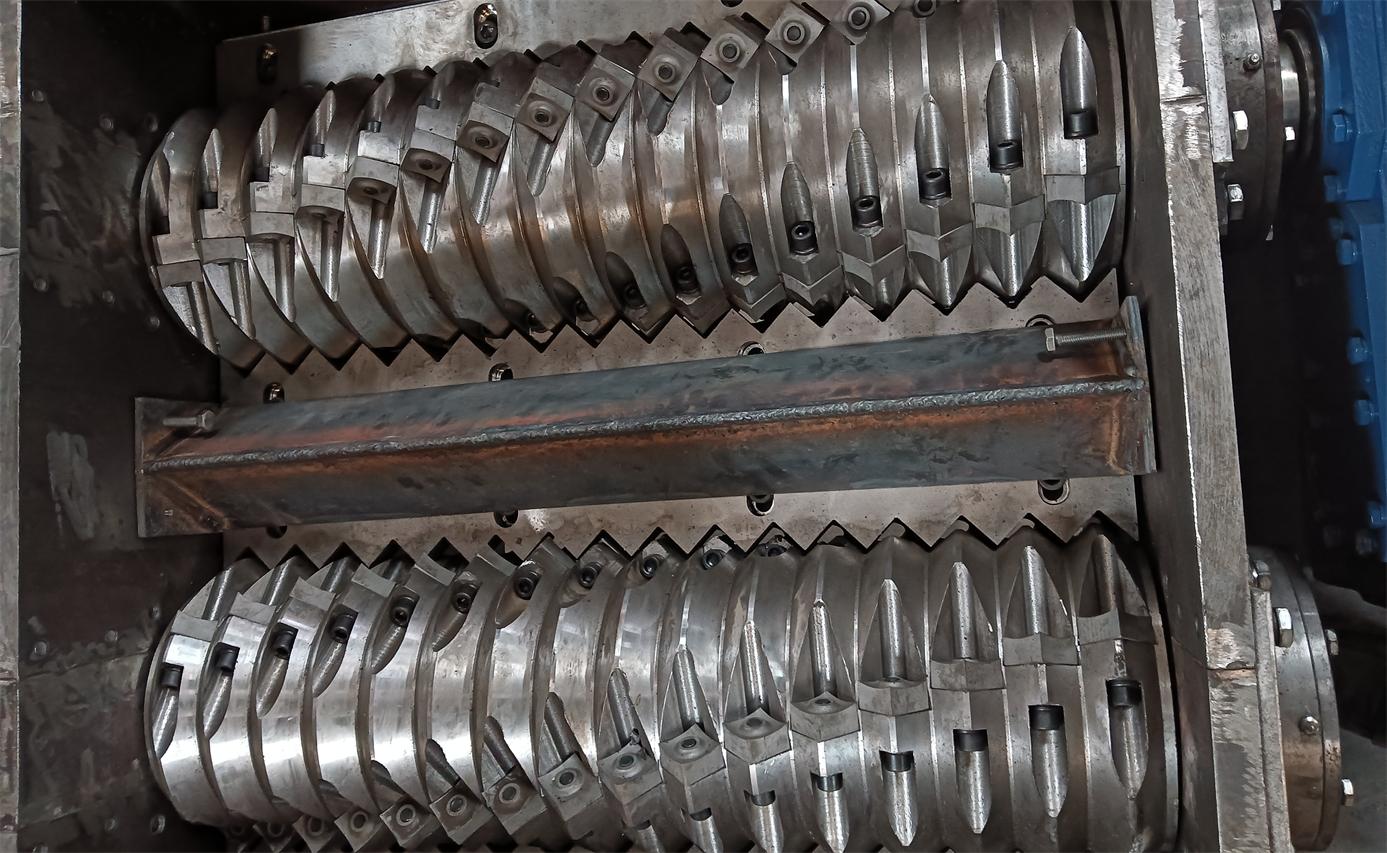
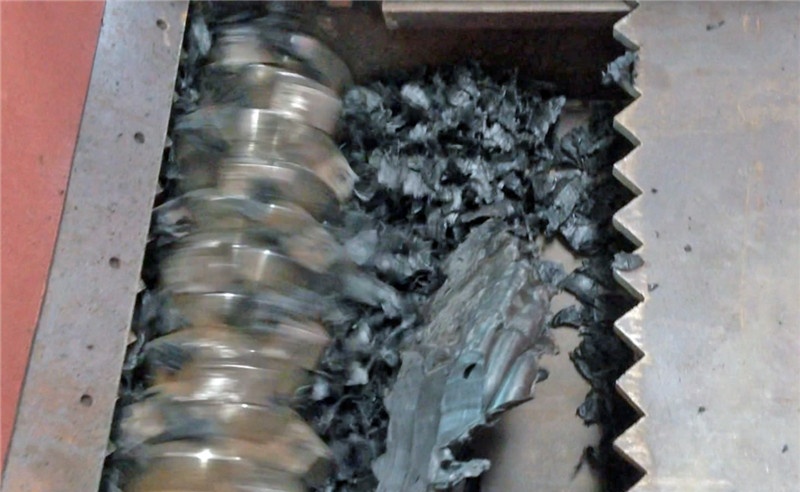
A modern lithium battery recycling system typically handles 500 to 2,500 kilograms per hour through a process of pre-crushing, secondary granulation, magnetic separation, and fine separation to isolate black powder, copper, aluminum, and plastic film. Because the technology is more specialized than lead acid processing, working with an equipment partner that offers installation support and operator training is critical.
Scrap Cable: The Steadiest Cash Flow
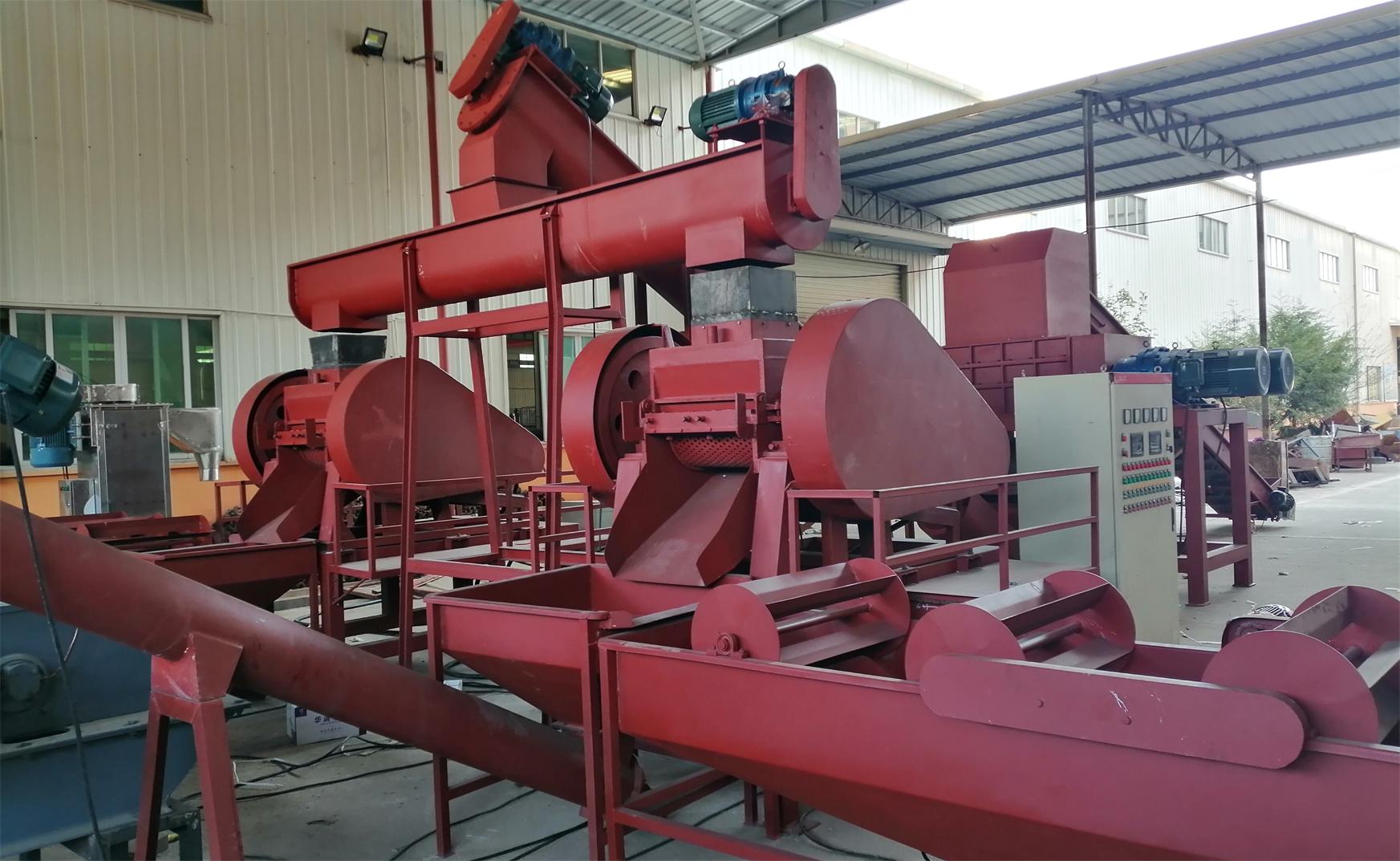
Copper and aluminum cable scrap offers one of the most predictable revenue models in recycling. The process is mechanically straightforward: large cables are stripped, and smaller cables are granulated and separated using dry or wet methods to produce clean copper rice or aluminum granules with plastic insulation removed.
For operations processing mixed cable diameters, a scrap cable stripper equipment handles thick industrial cables efficiently, while compact cable granulators with dry separators process thinner wire. The equipment footprint is relatively small, energy costs are moderate, and the output, copper rice, sells readily to copper refiners and foundries. This makes cable recycling an excellent first stream or a reliable complement to battery operations.
Understanding Your Equipment Investment
Recycling equipment is not a commodity purchase. Machines that look similar on paper can perform very differently in practice depending on engineering quality, material thickness, motor specification, and separation efficiency. When evaluating equipment, focus on these practical questions rather than brochure promises.
- What is the actual hourly throughput under continuous load, not just the maximum theoretical rating?
- What purity and recovery rate does the separation system deliver consistently?
- How easily can the machine handle feedstock variation, such as mixed battery sizes or cables with different insulation types?
- What spare parts wear out first, and how quickly can replacements reach your facility?
- Does the supplier provide installation, commissioning, and operator training, or do they simply deliver the machine?
The cheapest machine is rarely the most profitable one. Downtime, low recovery rates, and frequent maintenance will erase any initial savings within months. A well-built cable granulator delivering 96 to 98% copper purity with minimal dust emission will generate more profit over five years than a lower-priced unit requiring constant adjustment.
What Experienced Suppliers Bring Beyond the Machine
First-time recycling investors often underestimate how much support they need after the equipment arrives. You are not just buying a machine; you are building a processing line that must comply with local environmental rules, handle variable feedstock safely, and produce output that downstream buyers will accept.
San Lan Technologies, established in 2007 and serving customers across more than 21 countries, approaches recycling projects as engineering partnerships rather than simple equipment sales. Their technical team includes mechanical engineers with master's degrees and over 15 years of hands-on experience in e-waste recycling machinery design and operation.
For entrepreneurs entering the recycling business, this experience translates into practical advantages: help selecting the right combination of machines for your local waste stream, customized plant layout design, assistance sourcing raw material such as cable scrap or used batteries, and guidance selling your recovered copper, lead ingots, or plastic pellets to established buyers. They also offer EPC project services, meaning they can manage engineering, procurement, and construction as an integrated package rather than leaving you to coordinate multiple vendors.
Your First 90 Days: A Practical Roadmap
Once you have selected your waste stream and equipment partner, execution speed matters. Here is a realistic timeline for launching a small to mid-scale recycling operation.
1Days 1 to 30: Finalize your waste stream based on local availability. Secure letters of intent from at least two raw material suppliers and one output buyer. Confirm your facility meets local environmental and safety requirements. Order core equipment with confirmed delivery and installation schedule.
2Days 31 to 60: Prepare your facility with proper electrical supply, ventilation, and waste handling infrastructure. If you are processing batteries, install acid containment and neutralization systems. If you are granulating cable, ensure dust collection is in place before the machine arrives.
3Days 61 to 90: Receive and install equipment with supplier supervision. Run test batches using representative feedstock. Train operators on normal operation, emergency stops, and routine maintenance. Begin commercial processing at partial capacity while refining your workflow.
Most profitable recycling operations reach steady-state production between month four and month six. The first quarter is for learning. Do not expect maximum recovery rates or perfect uptime immediately. The operators and the equipment need time to adapt to your specific feedstock.
Managing the Economics
Recycling profitability depends on the spread between your input cost and output price, minus your operating expenses. Input costs include purchasing scrap batteries or cables, transportation, and any preprocessing. Output prices track London Metal Exchange rates for copper and lead, though local premiums and discounts apply based on purity and form.
Your operating costs include power, labor, consumables such as furnace flux or separation water, maintenance, and environmental compliance. A well-designed plant with efficient separation equipment minimizes metal losses and reprocessing costs, which directly improves your margin. For example, a lead acid battery recycling plant with properly engineered breaking and separation will recover acid, plastic, lead paste, and lead grids at rates that make the smelting stage far more efficient than processing whole batteries.
One often overlooked factor is working capital. You may pay for scrap material weekly but wait 30 to 60 days for payment on refined metal output. Plan your cash flow accordingly, especially in the first six months.
Ready to Turn Waste into Revenue?
Building a recycling business is not simple, but it is straightforward when you have the right equipment and the right partner. San Lan Technologies has been designing and supplying recycling equipment for lead acid batteries, lithium batteries, cables, circuit boards, and complete e-waste streams since 2007. Whether you need a single machine to test the market or a complete turnkey recycling plant, their engineering team can help you design an operation that matches your budget, your local waste supply, and your revenue targets.
Visit www.san-lan.com to explore their product range, or contact their team directly at info@san-lan.com or via WhatsApp at +86 139 2377 4083 to discuss your project requirements.