Ever wondered how tiny ceramic balls smaller than a human hair are revolutionizing everything from medical implants to industrial machinery? These nano-ceramic marvels – particularly those made from zirconium oxide (ZrO 2 ), silicon nitride (Si 3 N 4 ), and aluminum oxide (Al 2 O 3 ) – possess extraordinary properties that seem almost too good to be true. Let's unpack the science behind these microscopic powerhouses without drowning you in jargon.
The Core Trio: What Makes Them Special
Zirconium Oxide: The Shapeshifter
Picture a material that can transform its crystal structure under stress like a microscopic superhero. That's zirconia for you. When temperatures rise, it shifts between monoclinic, tetragonal, and cubic phases. This isn't just chemistry trivia – it's the secret behind its exceptional fracture toughness . Unlike ordinary ceramics that snap under pressure, zirconia nano-balls absorb impacts by triggering controlled phase transitions at the nanoscale.
But there's more: zirconia's biocompatibility makes it a dental implant superstar. Your body doesn't see it as an invader, so no nasty immune reactions. Plus, its antimicrobial properties? They come from oxygen vacancies in its crystal lattice acting like tiny bacteria traps. Imagine billions of invisible security guards on each ceramic ball!
Silicon Nitride: The Silent Warrior
If zirconia is the flexible artist, silicon nitride is the rugged engineer. Its covalent bonds create a herculean hardness that laughs at abrasion – perfect for bearings in jet engines or electric motor recycling machines where failure isn't an option. But here's the kicker: silicon nitride releases ammonium ions when wet . Sounds chemical? It actually creates an environment where bacteria suffocate. That's why hospitals are testing it for infection-resistant implants.
Its thermal conductivity is another party trick. Most ceramics insulate heat; silicon nitride nano-balls shuttle it away efficiently. Picture them as microscopic heat sinks preventing meltdowns in high-speed industrial shredders.
Aluminum Oxide: The Affordable Workhorse
Alumina might seem like the "basic" option but don't underestimate it. Its claim to fame? Cost-effectiveness meets brute strength . With hardness second only to diamond in the oxide family, alumina nano-balls can grind materials relentlessly without wearing down. In cable recycling machines processing metal wires, they serve as immortal grinding media.
What's fascinating is how they handle heat. While not the best conductor, alumina's thermal stability at 1,800°C lets it survive furnaces where metals liquefy. Think of them as fireproof marbles working inside industrial melting furnaces.
Crafting the Invisible: How Nano-Ceramic Balls Are Born
Making perfect ceramic nano-spheres isn't kitchen chemistry. Let's compare three fabrication heavyweights:
| Method | How It Works | Best For | Size Control |
|---|---|---|---|
| Sol-Gel | Metal precursors chemically dance into gel networks | Pure zirconia/alumina precision | ±10 nm precision |
| Hydrothermal | Pressure-cooks chemicals in watery crucibles | Complex silicon nitride structures | Moderate (50-100nm) |
| High-Temp Combustion | Ugly metal salts transformed through fiery baptisms | Mass production economics | Least precise |
Ever notice ultra-smooth bearings? Thank ceramic ball mill media for polishing them during manufacturing. Nano-ceramic grinding balls work without contaminating materials – critical for pharmaceuticals where a single iron speck ruins batches.
The Numbers Don't Lie: Why Nano > Micro
Shrinking ceramics to nanoscale isn't vanity – it flips their capabilities:
Higher wear resistance than micro-ceramics
Higher fracture toughness for nano-zirconia
Impurity transfer in medical-grade batches
But size matters in surprising ways. Nano-zirconia particles under 20nm become transparent to infrared light. That means ceramic-coated sensors can "see" heat signatures without distortion – revolutionary for thermal imaging in battery recycling plants.
From Labs to Life: Where Nano-Ceramic Balls Shine
Medicine: More Than Just Hips
Nano-zirconia's role in hip replacements is famous, but its antimicrobial features are game-changers. When embedded in bone scaffolds, zirconia particles attract and rupture bacterial membranes like targeted missiles. Hospitals report 30% fewer post-op infections using ceramic-enhanced implants.
Energy: The Hidden Enablers
Inside fuel cells, zirconia nano-balls conduct oxygen ions like tiny subway trains at 800°C. Their secret? Tetragonal phase stability that shatters conventional conductivity limits. Meanwhile, aluminum oxide nanoparticles double as "insulating armor" in lithium battery separators preventing thermal runaway disasters.
Industry: Working Hard Unseen
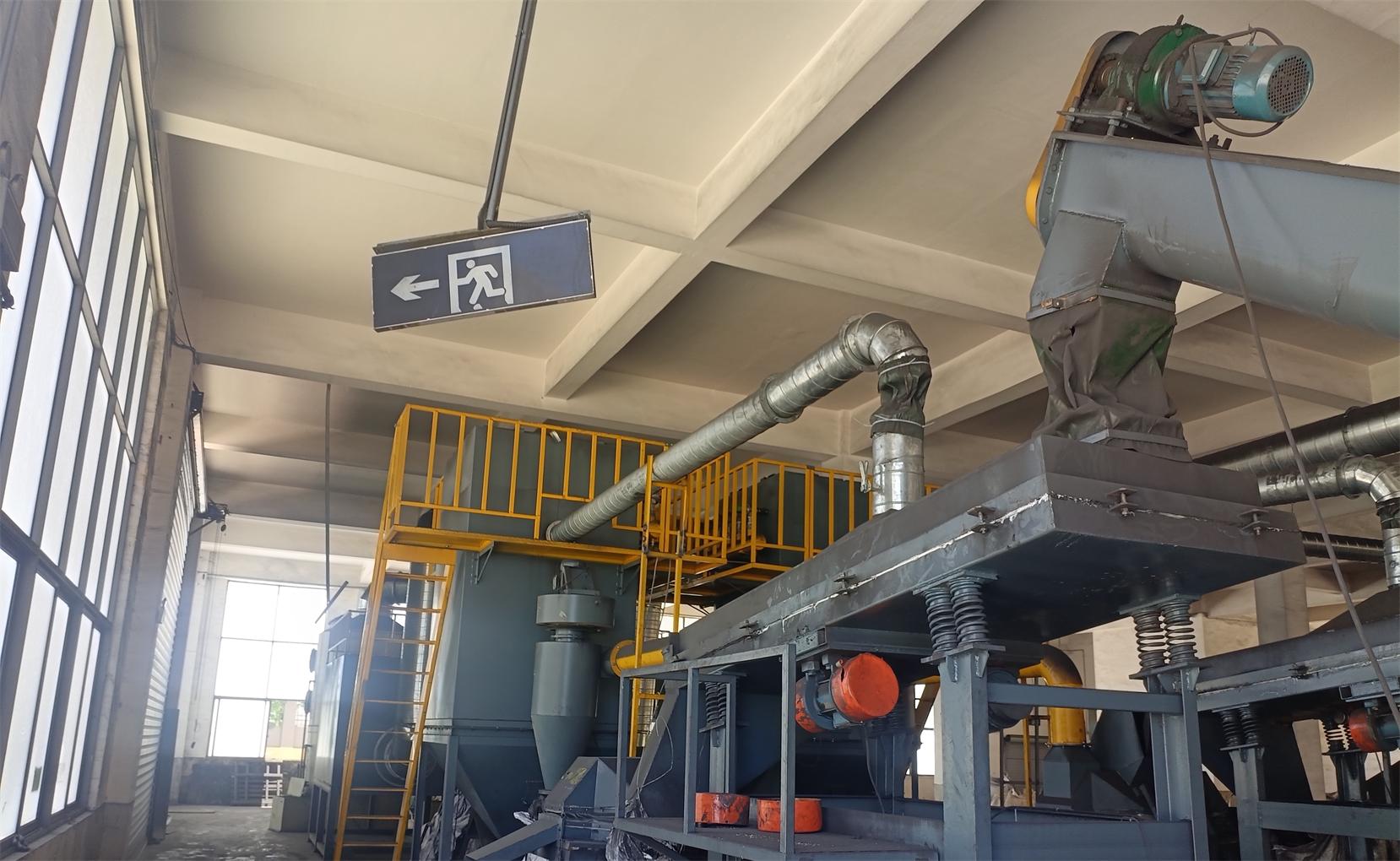
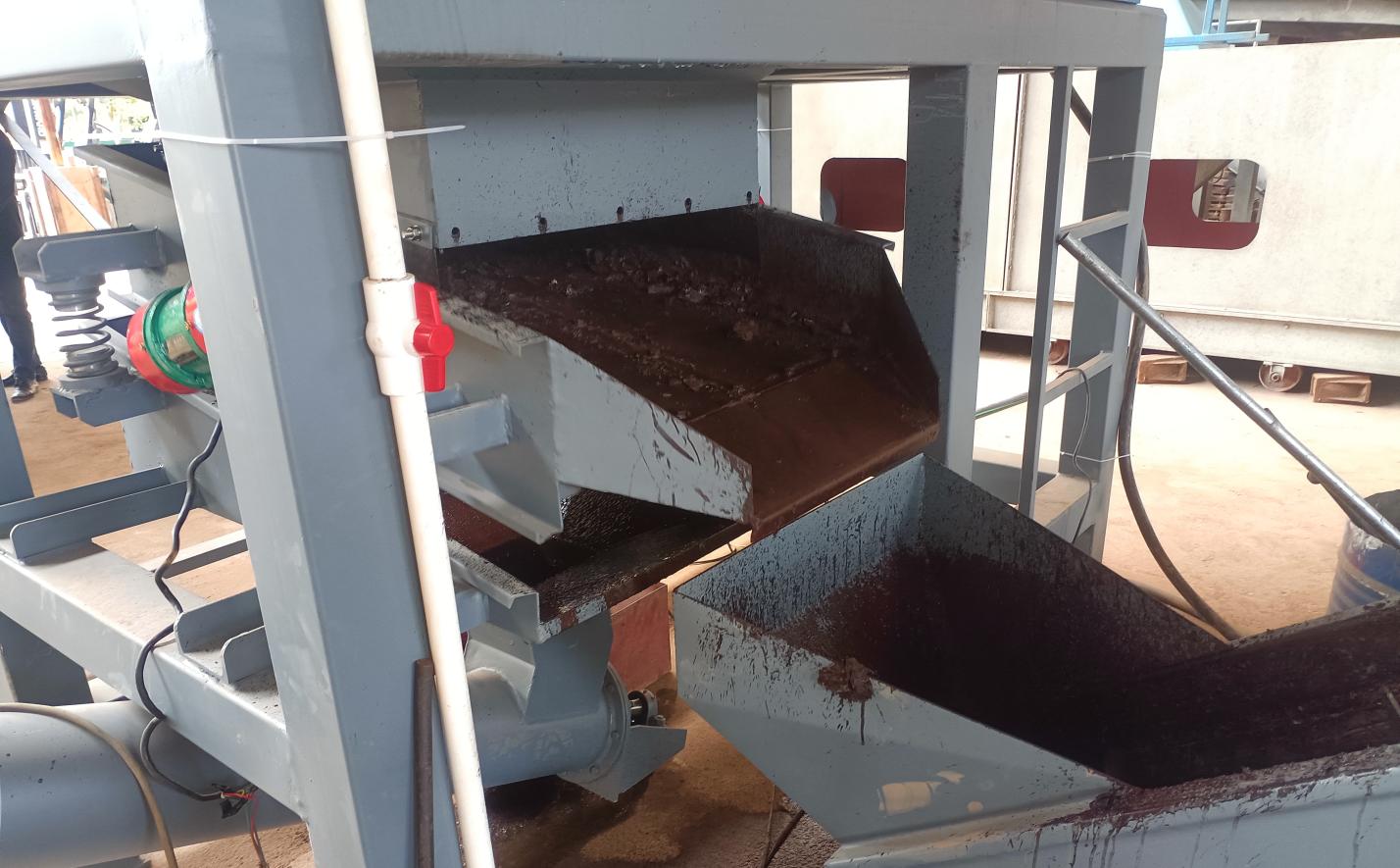
In wire recycling equipment processing kilometers of copper cables, ceramic grinding balls work 24/7 with near-zero wear. Their density (<6 g/cm³) saves energy while hardness (>9 Mohs) shreds insulation like paper. Operators report 50% longer service intervals than steel counterparts.
Head-to-Head: Choosing Your Nano-Champion
Each material has its sweet spot:
Zirconia
- MVP for medical implants
- Unbeatable thermal flexibility
- Pricey if budget matters
Silicon Nitride
- King of extreme abrasion zones
- Bacteria-busting bonus
- Complex fabrication
Aluminum Oxide
- Budget-friendly workhorse
- Thermal stability pro
- Less tough under impact stress
What's Next? The Nano Horizon
Smart ceramics are emerging: zirconia balls containing rare-earth ions that glow under stress. Engineers monitor equipment wear by literally seeing ceramic particles "scream" with visible light when overstressed. Meanwhile, hybrid nano-ceramics mixing alumina/zirconia could make affordable super-bearings for wind turbines.
The recycling angle excites scientists too. Silicon nitride particles can now self-heal cracks by attracting atmospheric nitrogen at high temperatures – goodbye costly replacements in metal melting furnaces.
Small Balls, Big Impact
At their core, nano-ceramic balls are proof that great things come in small packages. Whether it's zirconia flexing its atomic structure to survive impacts, silicon nitride fighting bacteria while carrying heavy loads, or alumina delivering reliable performance on a budget – they work silently in places we rarely see but deeply rely on.
Their evolution continues as researchers experiment with dopants, morphologies, and hybrid compositions. But one thing is crystal clear: these microscopic spheres are permanently reshaping technology’s backbone, one nanometer at a time.