Transforming Waste Streams into Resource Highways
Introduction: The Unsung Workhorses of Sustainability
When we picture the circular economy, our minds often jump to flashy innovations like biodegradable packaging or electric vehicles. Yet behind these headline-grabbers exists a humble hero: the hydraulic baler. This unassuming mechanical marvel has become the quiet linchpin holding together modern waste management systems. Its rhythmic compression cycles represent the heartbeat of resource recovery, transforming messy waste streams into neatly packaged commodities ready for their next lifecycle.
What makes these machines ecologically transformative? They fundamentally change waste economics. By dramatically reducing volume - sometimes up to 90% - hydraulic balers solve the most persistent puzzle of recycling: making transportation and processing energetically and financially viable. That cardboard mountain behind supermarkets? Hydraulic balers condense it to portable cubes. Agricultural plastic waste that would choke landfills? Balers transform it into transportable building blocks of tomorrow's products.
The Anatomy of Transformation: How Hydraulic Balers Redefine Waste
Engineering Magic: The Mechanics That Matter
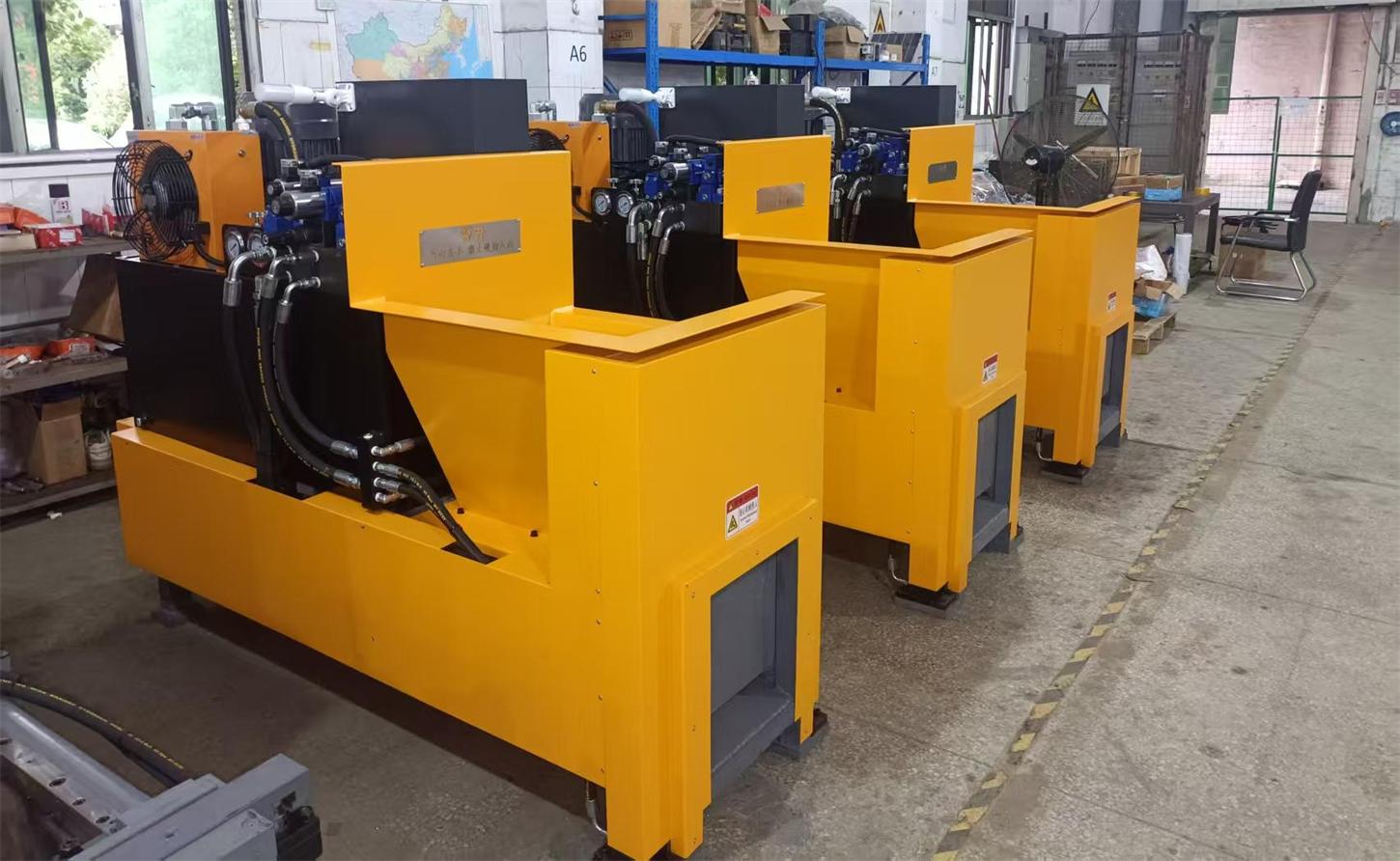
At its core, a hydraulic baler is brilliantly simple yet extraordinarily effective. The hydraulic power system generates tremendous pressure - equivalent to several elephants standing on a single square foot. This force collapses fluffy, air-filled materials into dense blocks:
- Horizontal balers process large volumes continuously, ideal for commercial recycling centers
- Vertical balers offer space-efficient solutions for smaller operations like retailers
- Automated systems integrate sensors and smart controls that adjust pressure based on material type
The real genius lies in how these machines achieve maximum density with minimal energy. Advanced hydraulic baler machines cleverly harness fluid dynamics to multiply force, creating compaction efficiencies impossible with mechanical systems. This is engineering poetry - transforming waste volume through precisely calculated physics rather than brute force.
Material Resurrection: From Single-Use to Circular Resource
Consider the journey of cardboard - a mundane material transformed into ecological gold by hydraulic balers:
- Discarded boxes enter the baler as chaotic, space-hogging refuse
- The hydraulic press transforms them into dense rectangular blocks
- These standardized bales travel efficiently to recycling facilities
- Paper mills convert them into fresh cardboard or innovative building materials
This transformation turns "waste" into a commodity. Baled materials maintain higher purity and value compared to loose materials that get contaminated during handling. Recycling plants will pay premiums for properly baled materials because they know exactly what they're getting - a critical factor in high-quality remanufacturing.
The Ecological Ripple Effect: Beyond Volume Reduction
Carbon Footprint Crunchers
The environmental mathematics of baling is startling. Transporting baled materials requires fewer truck trips - imagine removing 4 out of every 5 recycling trucks from our roads. This doesn't just cut fuel costs:
- Reduces diesel particulate pollution in urban areas
- Lowers road maintenance costs and traffic congestion
- Cuts CO2 emissions by thousands of tons annually per facility
But the carbon benefits extend beyond transportation. Denser bales require less energy in the recycling furnace. Aluminum cans compressed into 1,000-pound blocks melt using 30% less energy than loose cans filled with air pockets. Similarly, plastic bales flow more efficiently through shredders and wash lines. These compounding efficiencies turn hydraulic balers into invisible climate warriors.
Economic Ecosystems Around Baling
Hydraulic balers create entirely new economic possibilities that support the circular model:
For Small Businesses: Local balers enable neighborhood recycling entrepreneurs. Picture a family-owned workshop collecting plastics from nearby restaurants. Their horizontal baler transforms truckloads of bottles into manageable bales they can sell directly to regional processors. Without baling, this wouldn't be economically feasible.
For Developing Regions: In places lacking formal waste management, balers become engines of opportunity. Grassroots recycling cooperatives use affordable balers to add value to collected materials. Suddenly, waste pickers transition to micro-entrepreneurs controlling the first critical step in the circular economy chain.
Innovation Horizon: Smarter Balers for a Circular Future
Intelligent Compression Systems
Next-generation hydraulic balers are evolving into sophisticated material intelligence platforms:
- Computer vision systems identify material types automatically
- Self-learning hydraulics optimize pressure curves for different composites
- Blockchain-enabled tracking embedded in bales provides provenance data
- Predictive maintenance algorithms minimize downtime
These innovations address a key circular economy challenge: material traceability. When a bale with embedded RFID tags enters recycling, manufacturers gain unprecedented transparency about material history. This builds confidence in recycled content - essential for circular product design.
Integration with Advanced Recycling
The true magic happens when hydraulic balers connect with emerging technologies:
Imagine balers working symbiotically with chemical recycling plants. As new polymer-specific recycling technologies emerge, sorting and baling become increasingly specialized. We see specialized balers designed for:
- Textile waste streams destined for fiber-to-fiber recycling
- Electronic components prepared for precious metal recovery
- Agricultural plastic optimized for pyrolysis conversion
These specialized baling operations create the material homogeneity needed for advanced recycling technologies to achieve commercial viability. The baler becomes the critical first sorting and preparation stage in sophisticated resource recovery.
Conclusion: The Quiet Revolution
In our rush toward high-tech sustainability solutions, we shouldn't overlook these humble compression workhorses. Hydraulic balers create the fundamental economic and logistical viability that makes circular systems possible. Each baled block of material represents:
- An energy savings multiplier along the recycling chain
- A carbon reduction opportunity through efficient logistics
- An economic enabler for waste-to-value businesses
- A building block in our collective sustainable future
As circular economy models evolve, hydraulic balers will continue to adapt - becoming smarter, more specialized, and increasingly integrated. They may operate quietly in the background, but these machines powerfully compress our ecological footprint while expanding possibilities for material rebirth. That's the profound niche they occupy: transforming what we discard today into the foundation of tomorrow's sustainable products.
Perhaps we should listen more closely to the rhythmic thump of the baler's hydraulic press - it's the sound of our waste economy being compressed into history.