The Global E-Waste Wave: Why Now Is the Right Time to Invest in Recycling Equipment
Understanding the market forces driving demand for lead-acid, lithium-ion, and cable recycling solutions worldwide.
Every year, millions of tonnes of batteries, cables, and printed circuit boards reach end-of-life. For decades, much of this material was buried or burned, wasting valuable metals and creating serious environmental hazards. Today, that narrative is changing rapidly. Tightening environmental regulations, volatile metal prices, and the explosive growth of electric vehicles have created a powerful economic incentive to recover resources instead of discarding them. For entrepreneurs and established recyclers alike, the question is no longer whether to enter the market, but how to do it with the right equipment and the right partner.
This article examines the forces reshaping the global recycling landscape and explains what to look for when selecting
lead acid battery recycling equipment, lithium-ion systems, and complementary machinery for cables and circuit boards.
The Market Reality: Supply Is Surging Faster Than Formal Capacity
Waste batteries represent one of the fastest-growing recycling feedstocks on the planet. Lead-acid batteries continue to dominate automotive and industrial backup power, generating a steady, high-volume stream of spent units. At the same time, lithium-ion packs from consumer electronics, power tools, and electric vehicles are entering the waste stream in rapidly increasing numbers. Industry analysts project double-digit annual growth in lithium-ion battery waste through the end of this decade as the first generation of EV batteries reaches retirement age.
70%+
of battery waste tonnage is still lead-acid
30-35%
projected CAGR for lithium-ion waste
<30%
of waste batteries move through formal channels
The gap between available formal recycling capacity and actual waste generation is striking. In many regions, less than one-third of discarded batteries are handled by licensed, environmentally compliant facilities. The remainder often flows into informal channels with poor recovery rates and severe pollution risks. That capacity shortfall represents both an environmental problem and a business opportunity for well-equipped operators.
Lead-Acid Battery Recycling: The Volume Foundation
Despite the excitement around lithium-ion, lead-acid recycling remains the bedrock of the battery recycling industry. The technology is mature, the economics are well understood, and the equipment is more accessible for first-time plant operators. A properly designed lead-acid recycling line can recover lead grid, lead paste, plastic casing, and even sulfuric acid with recovery rates exceeding 95 percent for metallic lead.
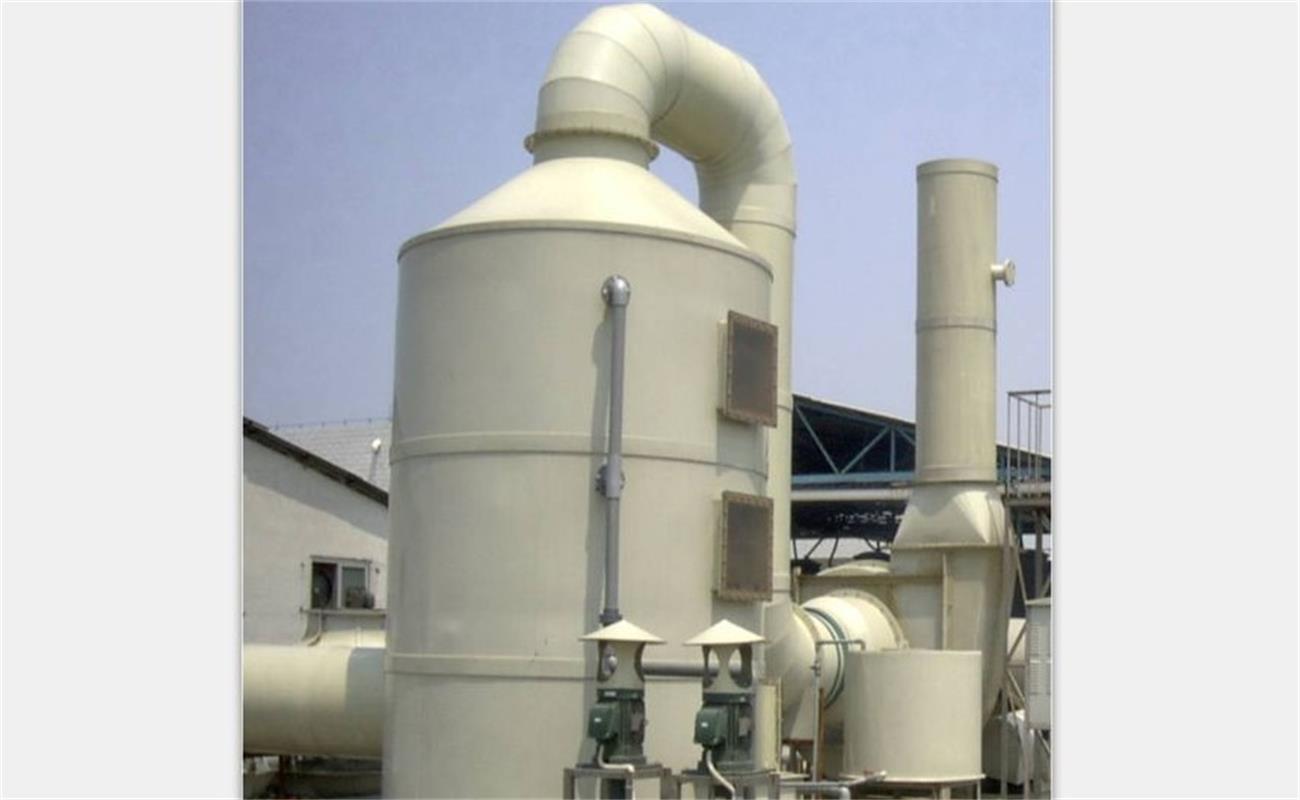
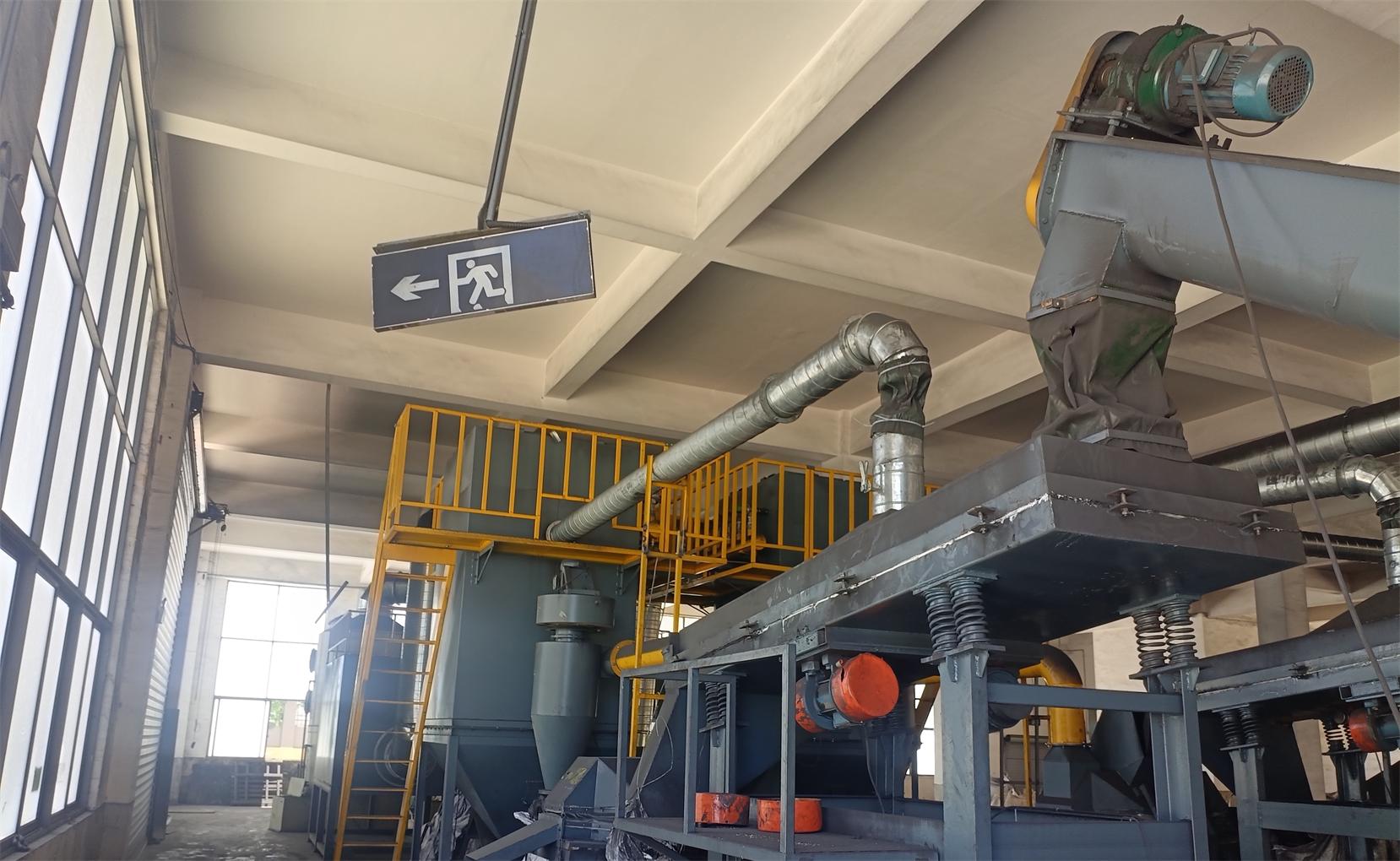
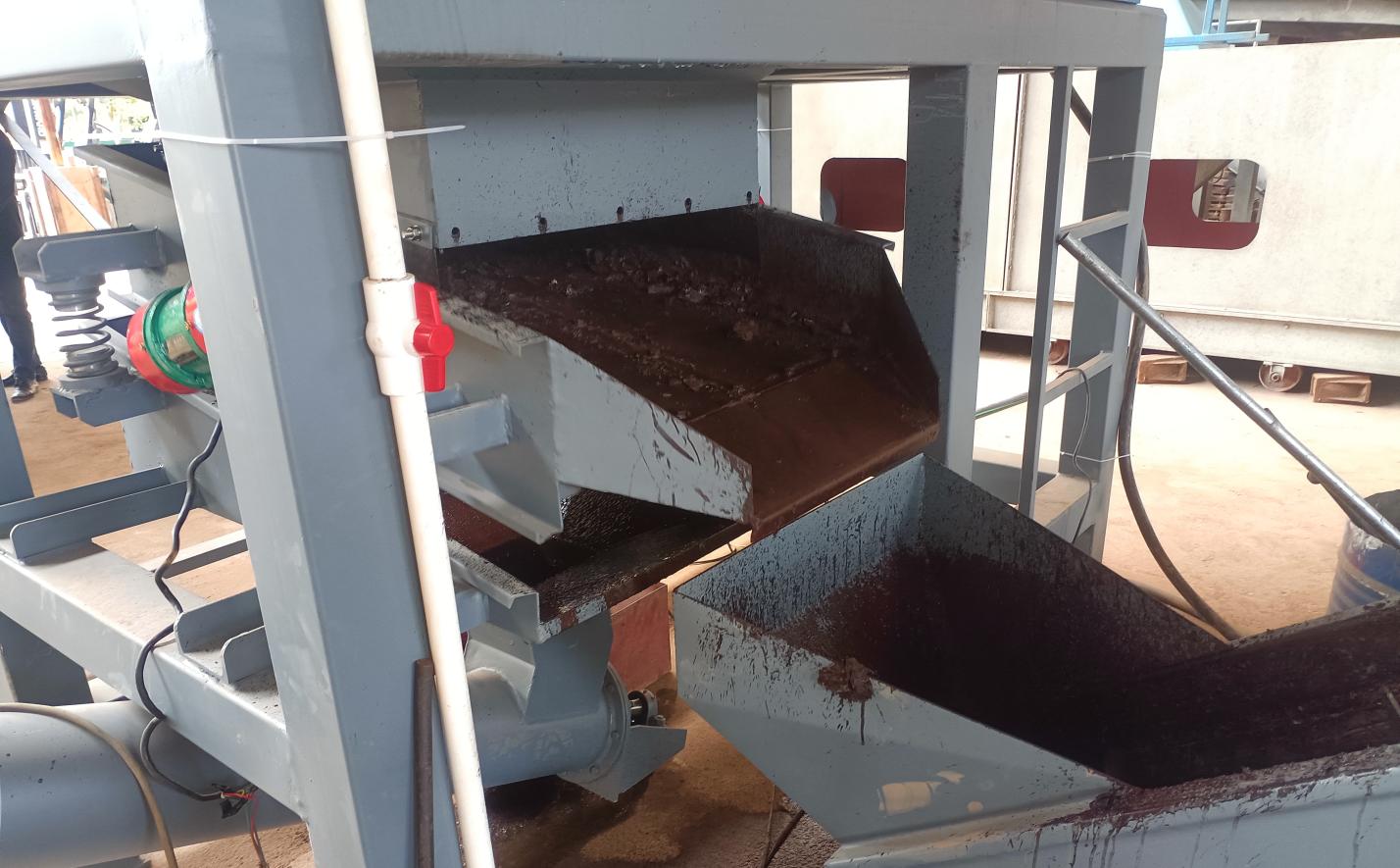
A complete lead acid battery recycling equipment line typically includes battery cutting or breaking systems, paste separation and filtration units, smelting furnaces or rotary kilns for paste reduction, refining kettles for purity upgrades, and air pollution control systems that keep emissions within regulatory limits. Water treatment and acid neutralization stages are equally critical for environmental compliance.
The payback dynamics for lead-acid plants are attractive because working capital cycles are short. From the moment a spent battery enters the plant, six to ten weeks is a realistic timeline to convert that material into saleable lead ingot and recycled plastic granules. That speed matters enormously for cash flow, especially for operators who are financing growth or planning expansions into lithium-ion processing.
Lithium-Ion Battery Recycling: Capturing the Growth Curve
Lithium-ion recycling is where the industry's growth story lives. A single EV battery pack can yield significant quantities of black mass containing cobalt, nickel, manganese, and lithium carbonate equivalent. At current commodity prices, the recovered material value per tonne of input is substantially higher than lead-acid, but so is the required capital investment and technical complexity.
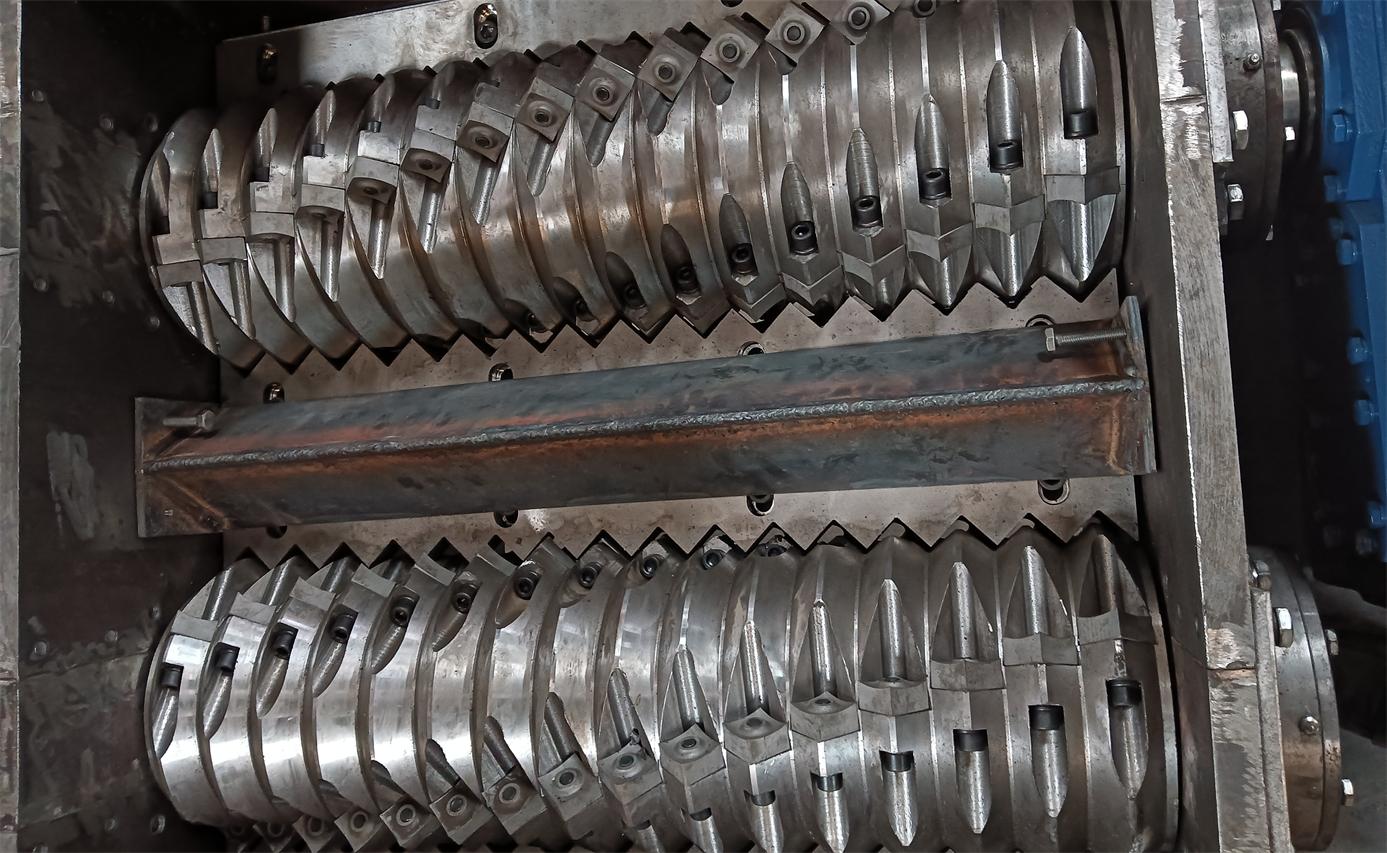
Safe lithium-ion recycling begins with controlled discharge and pre-crushing, followed by secondary granulation, magnetic separation of ferrous content, and precision separation of black powder from copper, aluminum, and plastic fractions. The most advanced operations add hydrometallurgical leaching and solvent extraction to refine black mass into battery-grade salts, though many successful operators start with mechanical separation and sell black mass to downstream refiners.
When evaluating
li battery recycling equipment, pay close attention to safety integration. Lithium-ion cells carry thermal runaway risks during shredding, which means inert gas protection, fire suppression, and real-time temperature monitoring are not optional extras. They are essential design requirements that protect both personnel and plant assets.
Beyond Batteries: Cables and Circuit Boards
A well-conceived recycling operation rarely stops at batteries. Scrap cables and printed circuit boards are often available from the same industrial and municipal sources, and the equipment overlaps in useful ways. Cable granulators separate copper and aluminum from plastic insulation with purity rates reaching 96 to 98 percent, producing what the industry calls copper rice that smelters purchase readily.
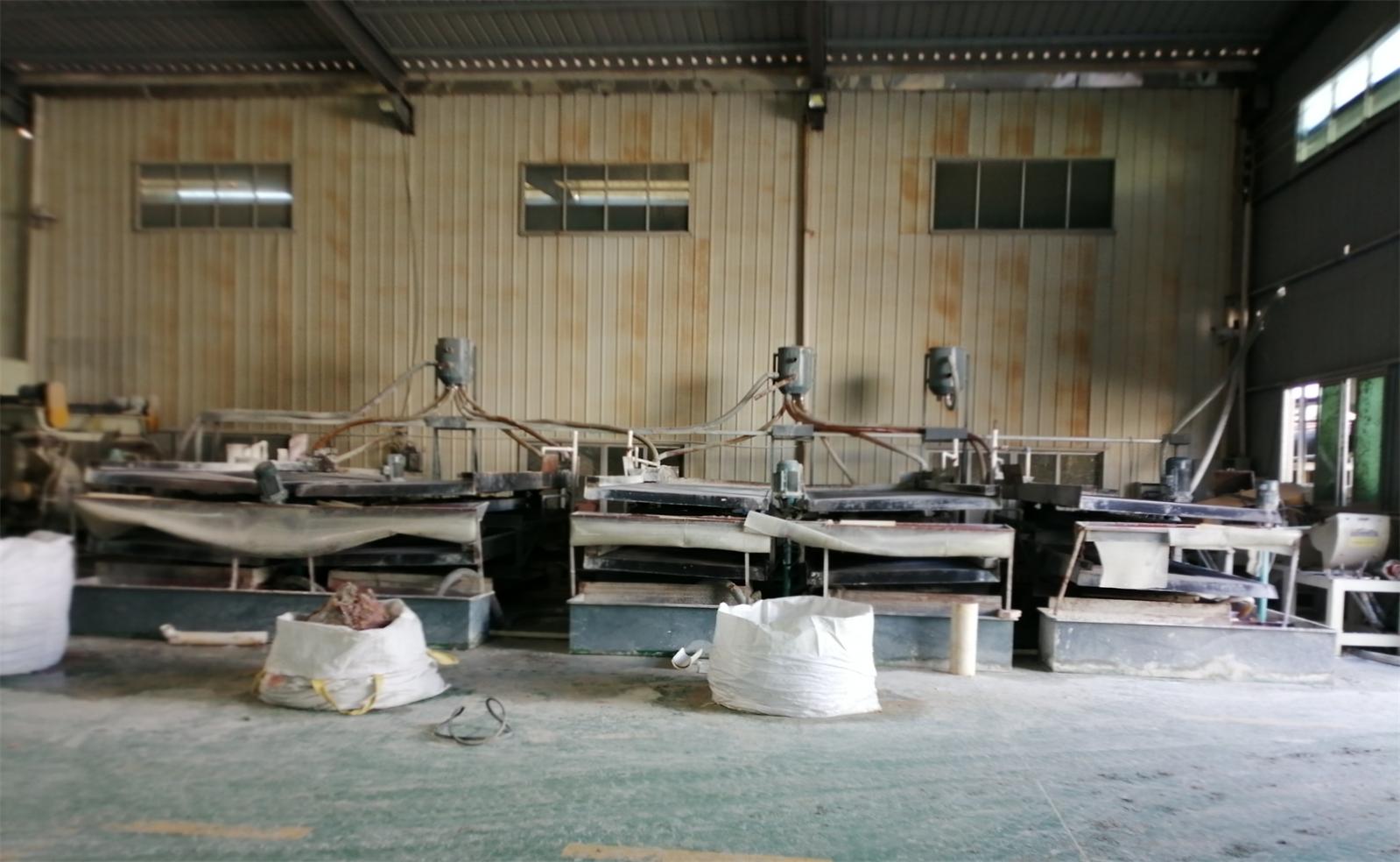
Circuit board recycling lines use either dry air separation or wet metal separation to recover copper powder and precious metal concentrates. The choice between dry and wet methods depends on local water costs, environmental permits, and whether the incoming PCB waste still carries electronic components. Both approaches can be highly profitable when matched to the right feedstock profile.
Adding
cable recycling equipment and circuit board processing to an existing battery recycling plant creates revenue diversification and strengthens relationships with waste suppliers who prefer one-stop drop-off solutions.
What Separates Reliable Equipment from Risky Purchases
The recycling equipment market is crowded with manufacturers who promise high recovery rates and low prices. Separating serious suppliers from risky ones requires looking beyond brochures and evaluating four core dimensions:
- Proven project execution: Has the supplier delivered complete plants, or only standalone machines? Full EPC capability covering engineering, procurement, construction, and commissioning dramatically reduces integration risk.
- Technical depth: Does the supplier employ mechanical engineers with relevant advanced degrees and long-term recycling industry experience? Deep process knowledge matters when feedstock characteristics vary or when regulatory requirements change.
- After-sales infrastructure: Installation, commissioning, operator training, and spare parts availability separate equipment investments that generate returns from those that sit idle.
- Customization willingness: No two recycling operations face identical feedstock, space, or budget constraints. A supplier who insists on selling catalog configurations without adapting to local conditions is often a poor long-term partner.
San Lan Technologies, established in 2007 and based in Jiangxi Province, China, has shipped recycling machinery to operators across more than twenty-one countries. The company's engineering team holds master's degrees in mechanical engineering and brings over fifteen years of direct experience in e-waste recycling machine design. Beyond manufacturing, San Lan assists customers with feedstock sourcing, plant design, installation supervision, and even product offtake connections for recovered metals.
The One-Stop Advantage
Building a recycling plant from multiple suppliers creates coordination headaches. Electrical interfaces, layout compatibility, and unified control systems all become the buyer's responsibility. A single-source supplier who can deliver lead-acid battery lines, lithium-ion systems, cable granulators, circuit board separators, shredders, hydraulic presses, and melting furnaces from one portfolio simplifies project management and creates accountability.
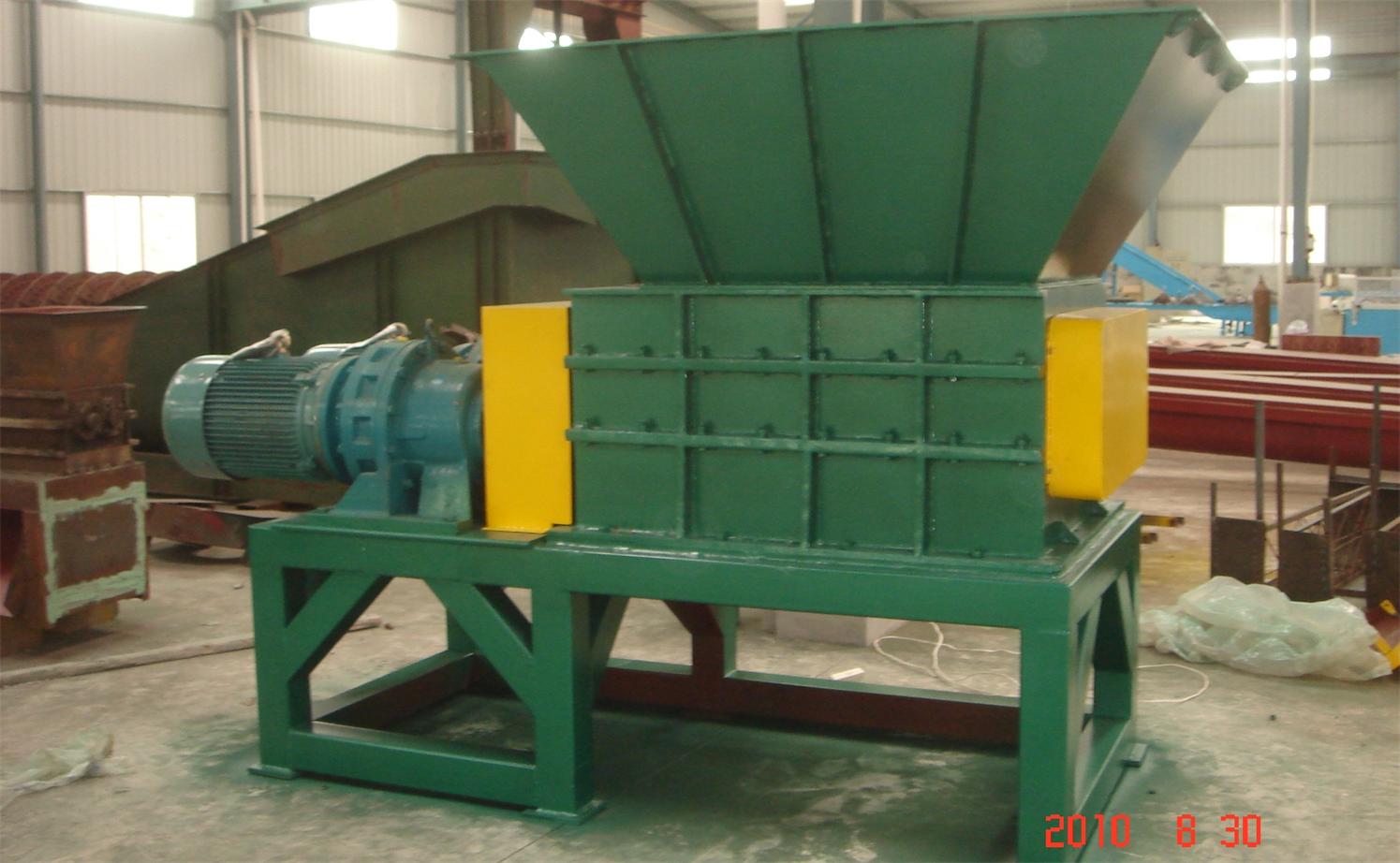
San Lan's product range covers precisely that spectrum: from used lead acid battery recycling plants and lithium battery breaking and separating systems to cable recycling machines, circuit board recycling plants, refrigerator and air conditioner recycling lines, motor recycling equipment, industrial shredders, hydraulic briquetting presses, and medium-frequency induction furnaces for converting recovered metal into ingots.
Final Thoughts: Act Before the Window Narrows
The recycling industry is entering a period of rapid formalization. Governments worldwide are extending producer responsibility rules, restricting landfill disposal of batteries, and offering incentives for domestic metal recovery. Early movers who secure reliable equipment and establish supply relationships now will be positioned to capture market share as informal operators are regulated out of existence.
Success, however, depends on choosing equipment that matches actual feedstock volumes, local regulatory requirements, and realistic capital constraints. The cheapest quote rarely delivers the lowest total cost of ownership. Recovery rate differences of just a few percentage points compound into enormous revenue gaps over a plant's operating life. Safety and environmental compliance failures can shut operations down entirely. These are not abstract risks; they are daily realities for recycling entrepreneurs worldwide.
If you are evaluating a recycling plant investment and need equipment guidance tailored to your feedstock, capacity targets, and budget, contact San Lan Technologies for a detailed proposal. With customers in Singapore, Colombia, Vietnam, Mexico, Argentina, Korea, Malaysia, Indonesia, South Africa, Tunisia, India, Kenya, Saudi Arabia, the Philippines, Zambia, Israel, and beyond, the team understands the operational and regulatory landscape across diverse markets. Reach out via email at info@san-lan.com or WhatsApp at +86 139 2377 4083 to discuss your project.