As the world generates over 60 million tonnes of electronic waste annually, the recycling industry is no longer just an environmental necessity—it has become one of the most profitable business opportunities of the decade. From discarded batteries to obsolete circuit boards, the raw materials locked inside e-waste represent billions of dollars in recoverable value. The question is no longer whether to recycle, but how to do it efficiently, safely, and profitably.
The Battery Recycling Boom: Lead-Acid and Lithium-Ion Lead the Charge
Batteries account for one of the fastest-growing segments within the e-waste stream. Lead-acid batteries, widely used in vehicles and industrial backup systems, contain substantial amounts of recoverable lead and plastic. Meanwhile, the surge in electric vehicles and consumer electronics has created an unprecedented demand for lithium-ion battery recycling, driven by the need to recover valuable materials such as lithium, cobalt, nickel, and graphite.
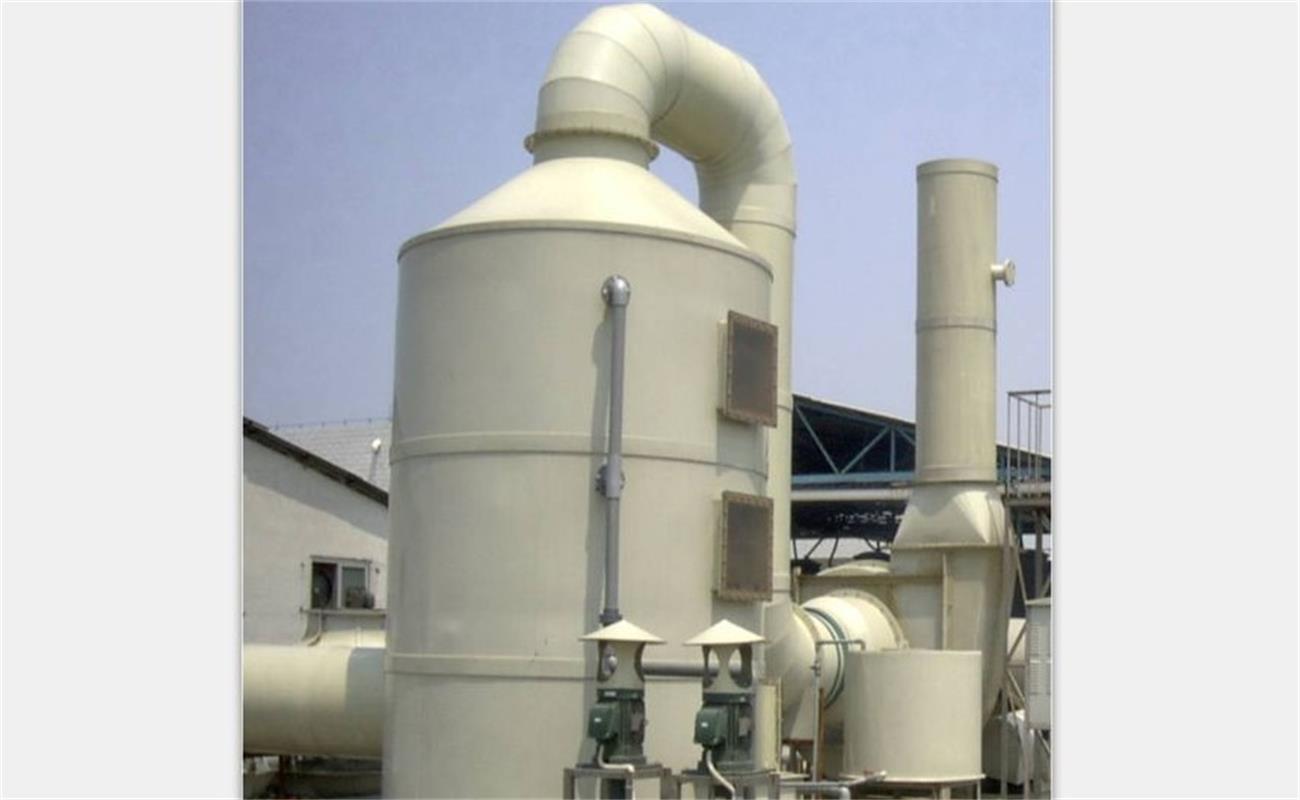
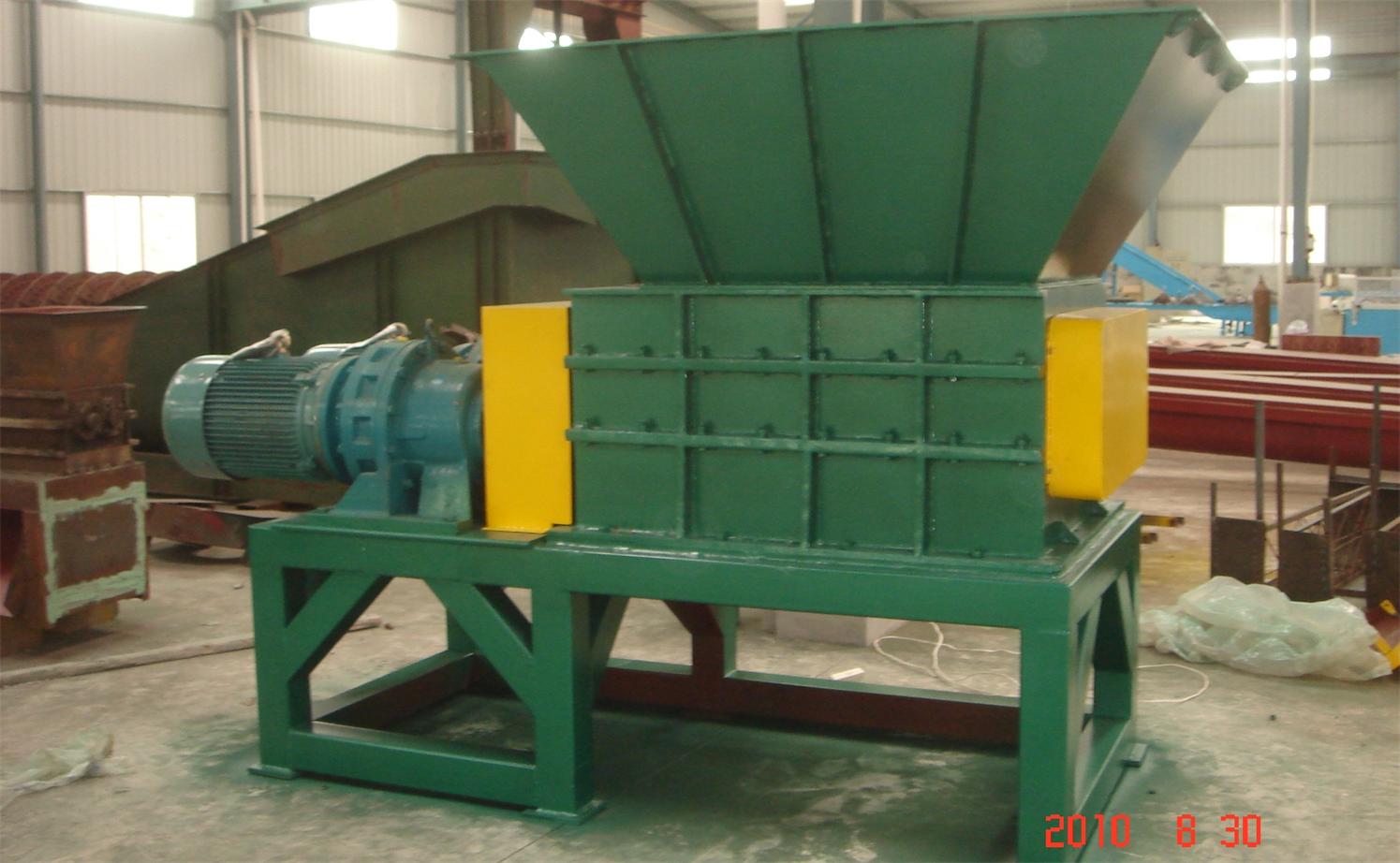
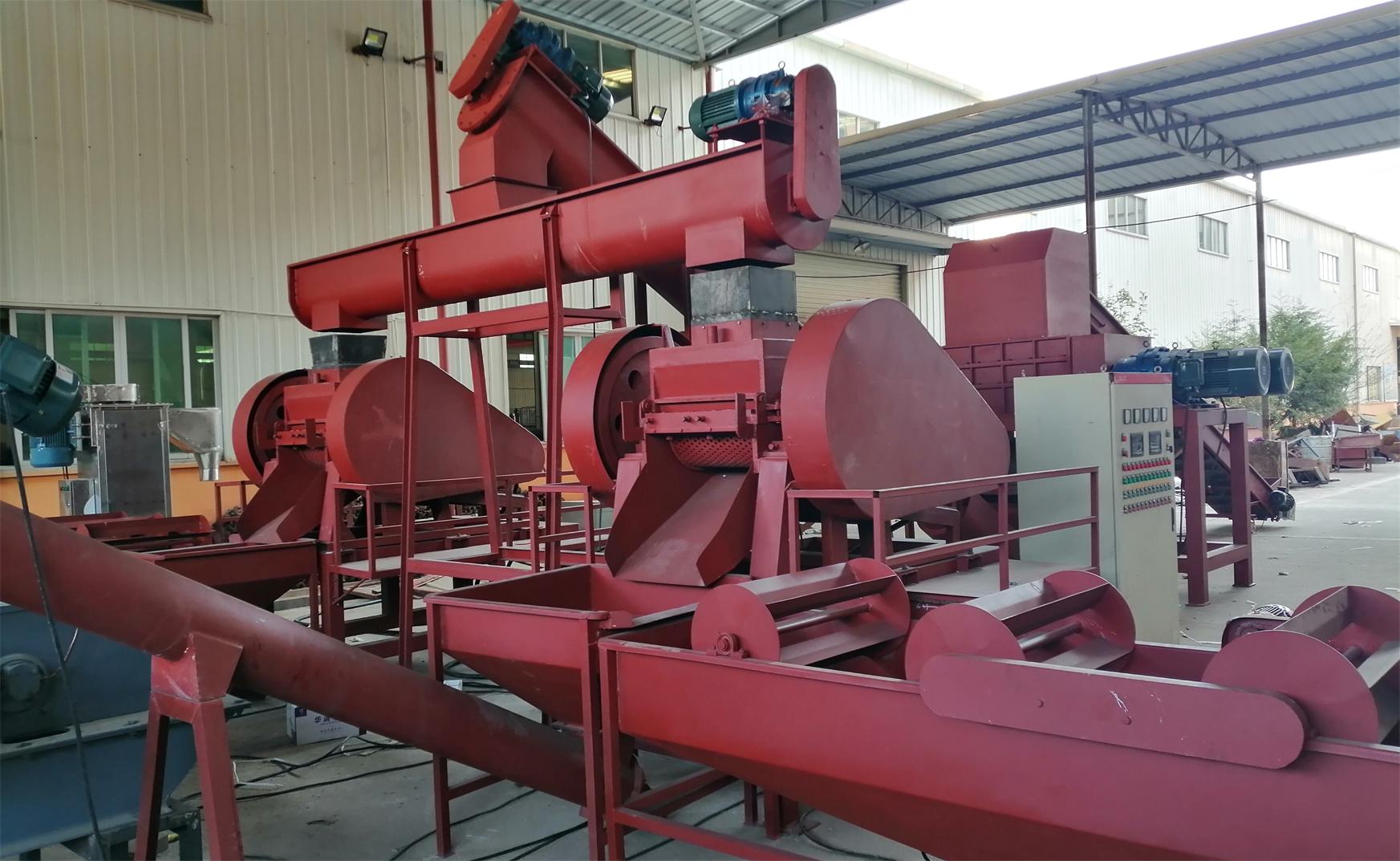
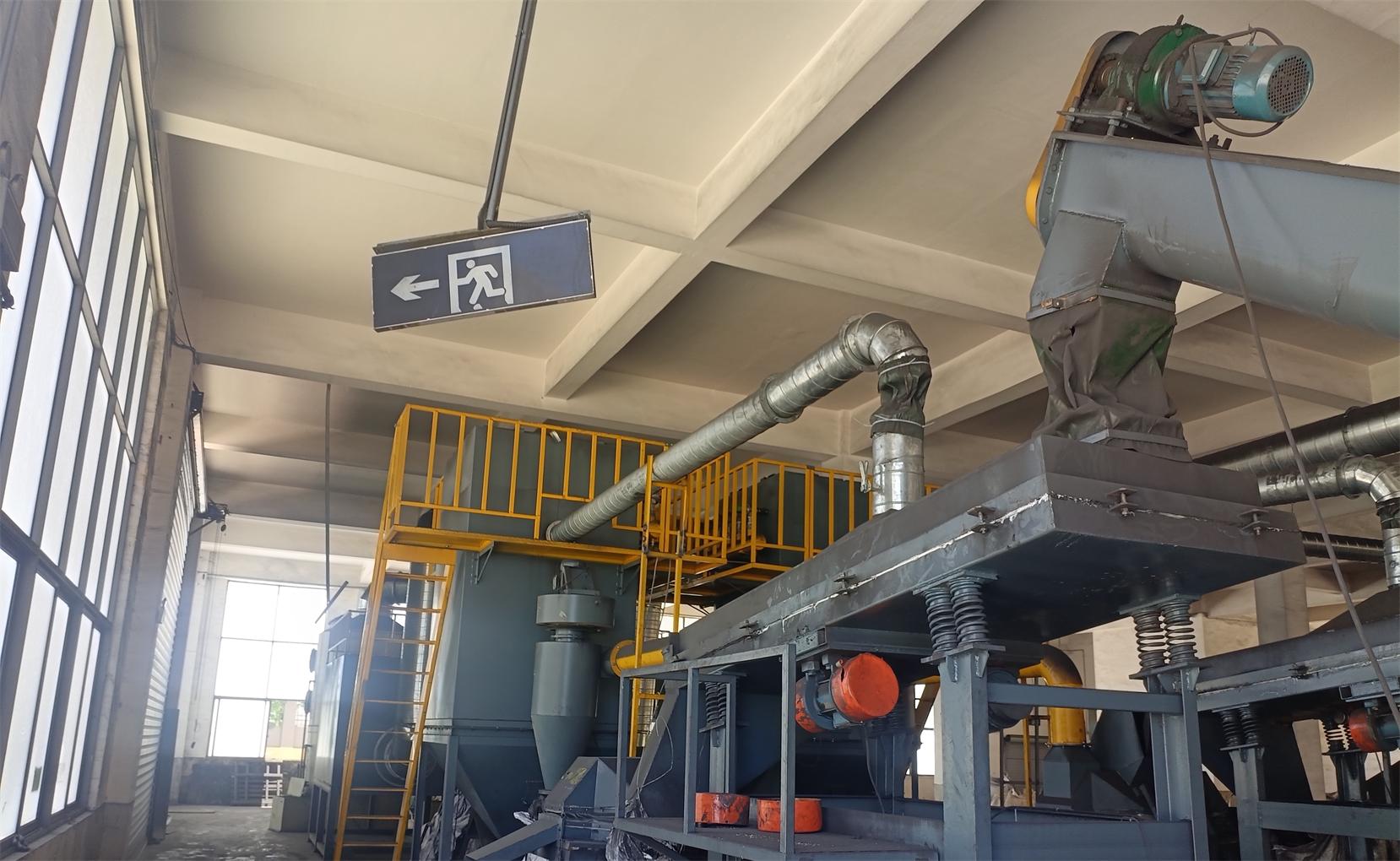
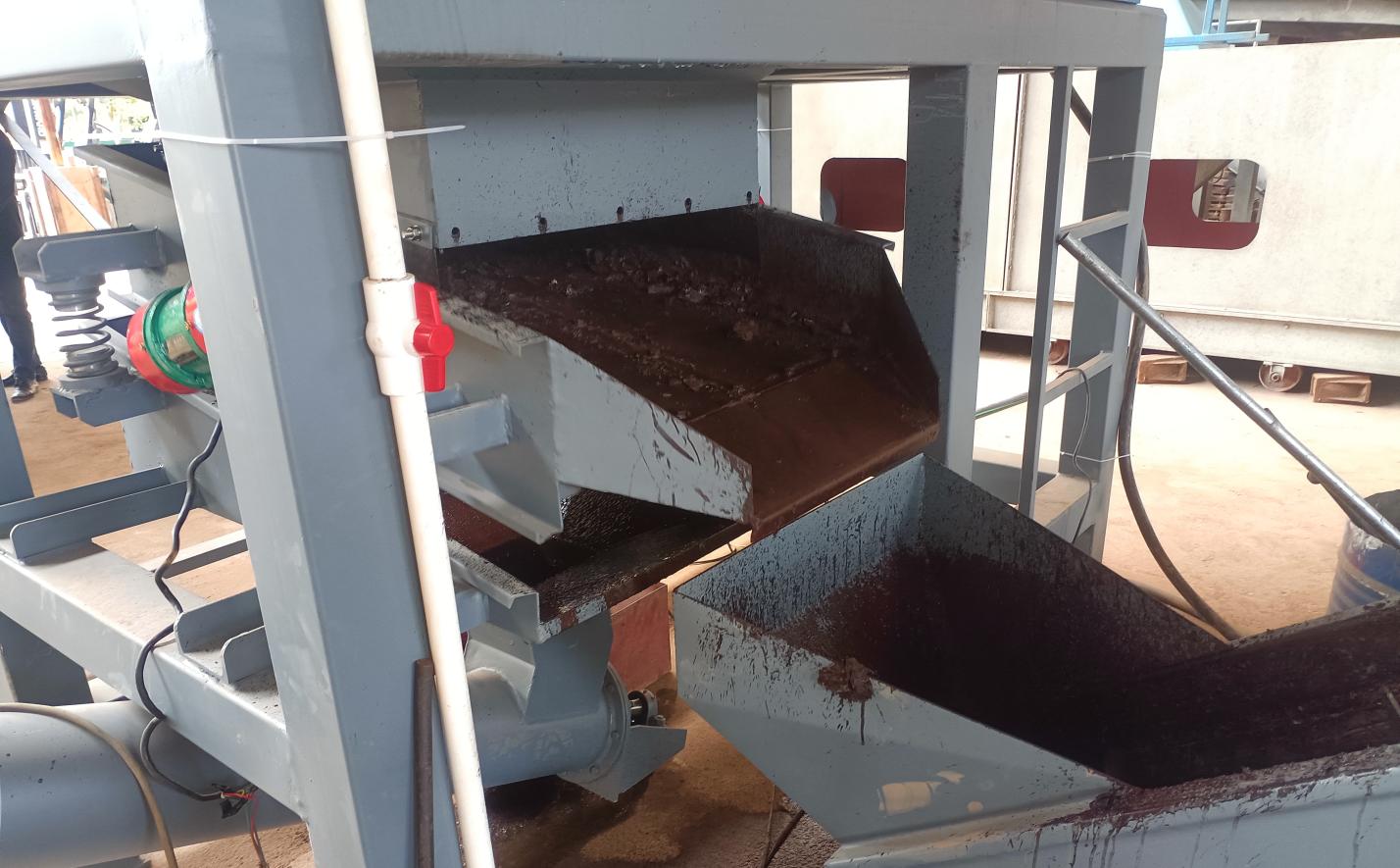
For entrepreneurs and established recyclers alike, investing in lead acid battery recycling equipment offers a proven pathway to profitability. Modern systems can break and separate used lead-acid batteries into four distinct products—lead paste, lead grids, plastic shells, and acid—with processing capacities ranging from 1 to 10 metric tons per hour. Advanced downstream equipment, including rotary furnaces and refinery kettles, can further refine crude lead to 99.999% purity, ready for resale to battery manufacturers.
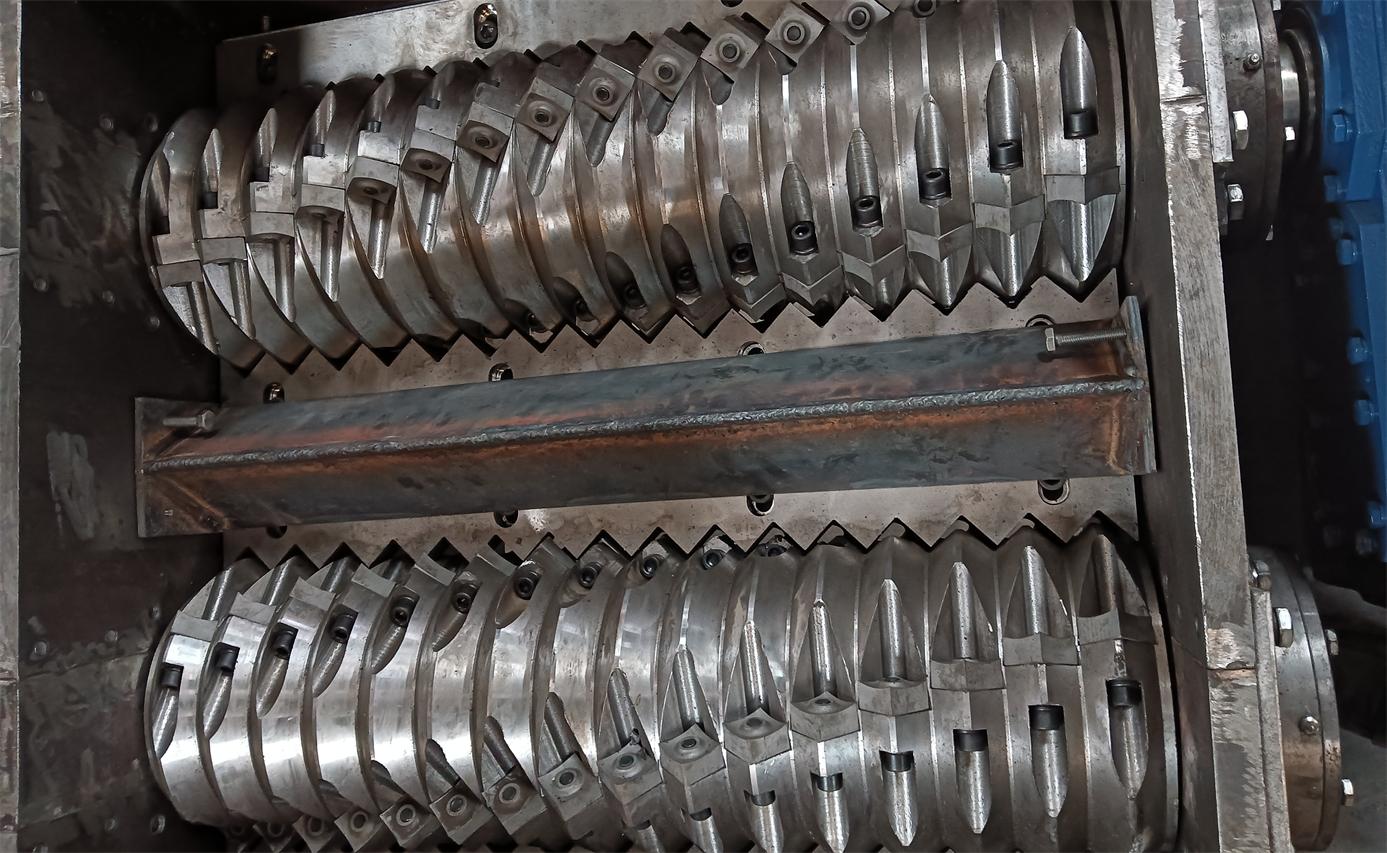
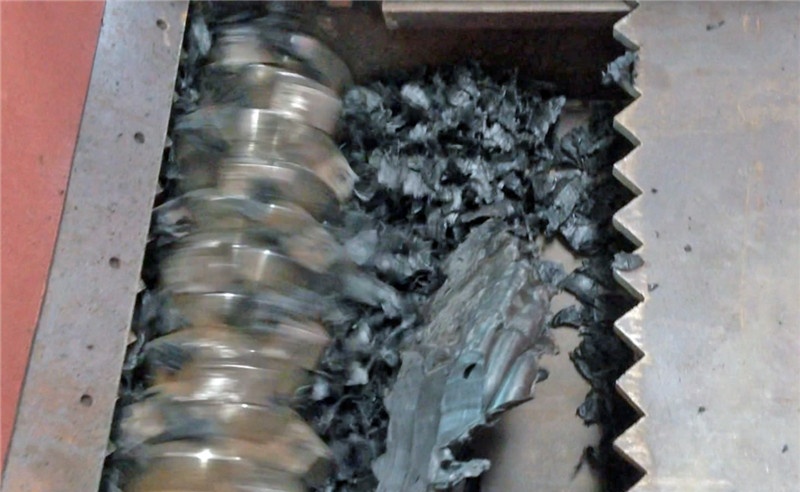
On the lithium front, li battery recycling equipment has evolved to handle the complex chemistry of modern power cells. State-of-the-art plants can process 500 to 2,500 kg of waste lithium batteries per hour, separating black mass (containing nickel, cobalt, and graphite), copper, aluminum, and plastics. With lithium recovery rates exceeding 90% in well-designed facilities, the economic case for lithium battery recycling has never been stronger.
Cable and Circuit Board Recycling: Hidden Value in Every Wire
While batteries dominate headlines, scrap cables and printed circuit boards (PCBs) represent equally lucrative recycling opportunities that are often overlooked. Copper prices remain historically high, and every ton of scrap cable contains a concentrated source of this valuable metal.
Modern cable recycling equipment uses dry or wet separation technologies to strip insulation and recover copper or aluminum with purities reaching 96-98%. Whether processing thin communication wires or thick industrial power cables, the right granulator and separator combination can turn what appears to be waste into a sellable commodity. Compact machines are available for small-scale operations, while high-capacity plants can process over 1,000 kg per hour for industrial recyclers.
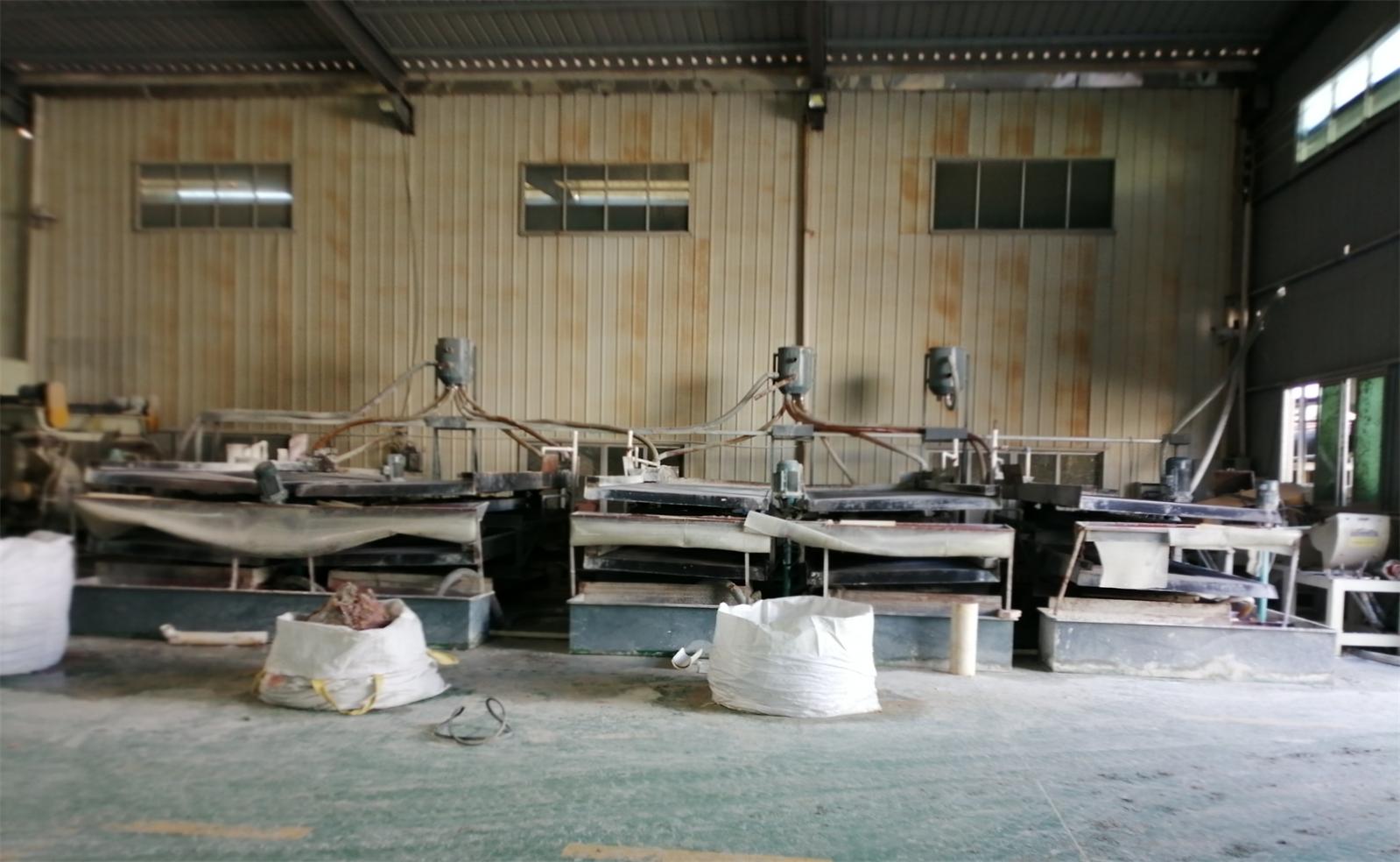
Circuit boards, found in virtually every electronic device, contain not only copper but also trace amounts of precious metals such as gold, silver, and palladium. Specialized circuit board recycling plants employ mechanical crushing combined with air or water separation to recover copper powder and metal concentrates. With recovery rates up to 95% and no dust pollution when proper collection systems are installed, PCB recycling delivers both environmental and financial returns.
One-Stop Solutions for Diverse Recycling Needs
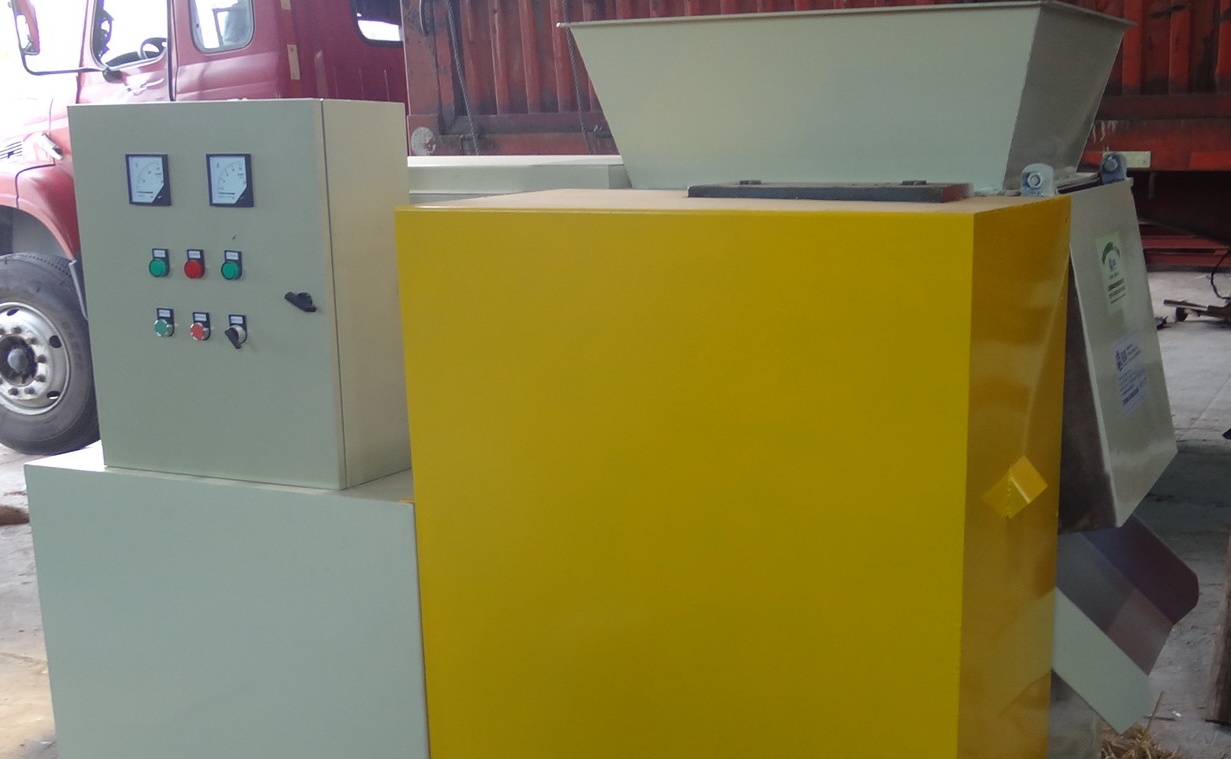
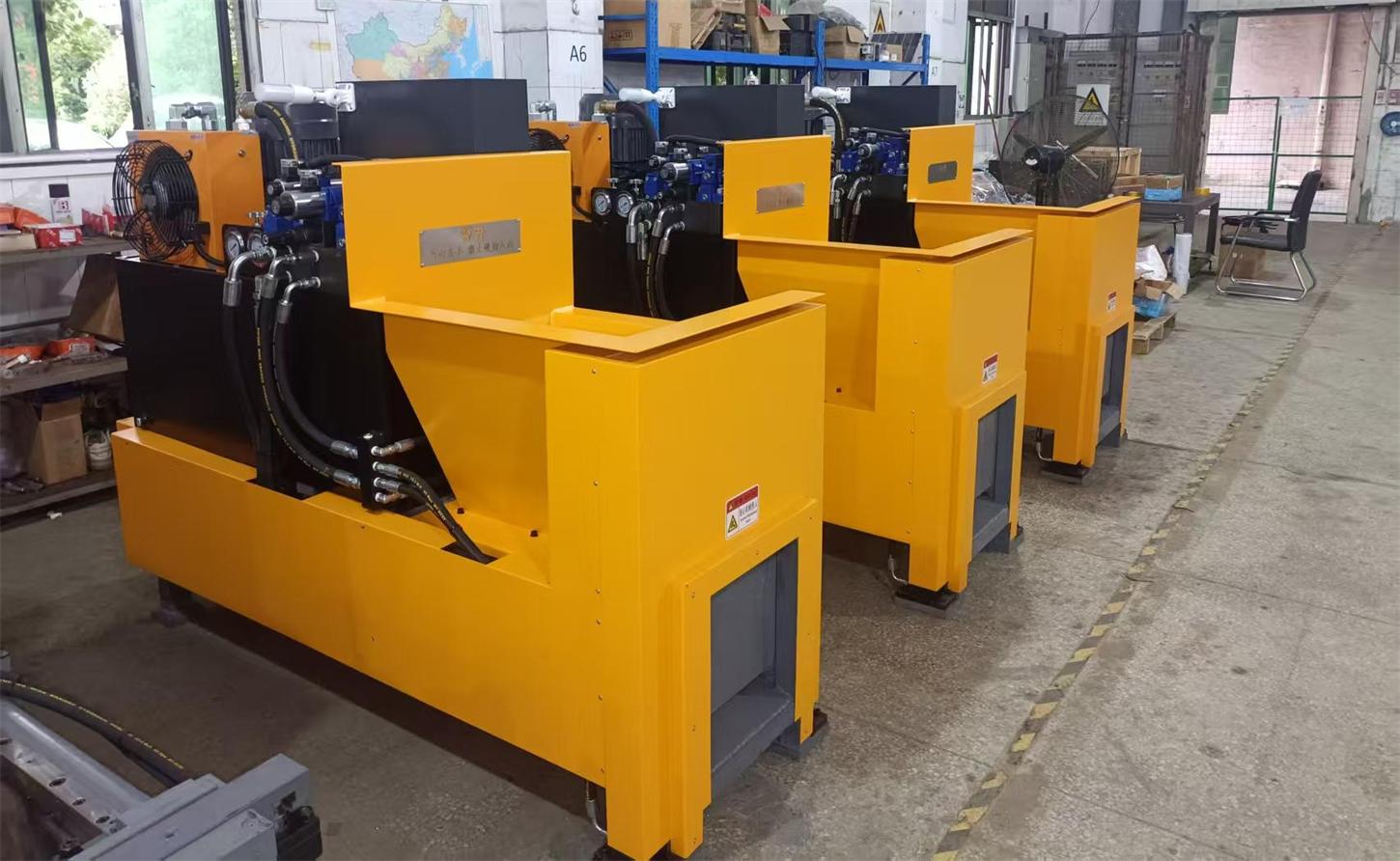
Beyond batteries, cables, and circuit boards, the e-waste ecosystem encompasses a wide range of materials requiring specialized handling. Refrigerators and air conditioners must be processed to safely extract refrigerants before metals and plastics are separated. CRT monitors require precise cutting to separate funnel glass from panel glass while capturing hazardous phosphor powder. Electric motors contain valuable copper windings that can be recovered with dedicated dismantling equipment. Even fluorescent lamps, which contain mercury, can be safely crushed and filtered with purpose-built recycling machines.
For companies looking to enter or expand in this sector, partnering with a supplier that offers a comprehensive product range simplifies procurement, ensures equipment compatibility, and provides a single point of contact for technical support and spare parts.
Experience Matters: Choosing the Right Equipment Partner
The difference between a profitable recycling operation and a costly mistake often lies in the quality of the equipment and the expertise of the supplier. With nearly two decades of experience in the industry, San Lan Technologies Co., Ltd has established itself as a trusted manufacturer of WEEE recycling machines and mining equipment, serving customers across more than 21 countries including Singapore, Colombia, Vietnam, Mexico, Argentina, Korea, Malaysia, and South Africa.
What sets an experienced supplier apart?
- A professional technical team with master's degrees in mechanical engineering and over 15 years of hands-on experience in e-waste recycling machine design
- Proven expertise in EPC (Engineering, Procurement, Construction) projects, offering customized plant design, installation, and commissioning
- End-to-end support including assistance with raw material sourcing and help selling recovered products such as copper rice, lead ingots, and copper powder
- Bilingual communication in English and Chinese, ensuring smooth collaboration across cultures
Whether you need a single machine or a complete turnkey recycling plant, working with a supplier that understands both the technical and commercial aspects of the recycling business can significantly reduce your time to profitability.
Conclusion: The Time to Invest Is Now
Global e-waste volumes continue to rise, regulatory pressure on landfill disposal is intensifying, and commodity prices for recovered metals remain attractive. Together, these factors create a compelling environment for investment in recycling infrastructure. However, success depends on selecting the right equipment—machinery that is efficient, reliable, environmentally compliant, and backed by knowledgeable support.
By focusing on high-value waste streams such as lead-acid batteries, lithium-ion batteries, scrap cables, and circuit boards, and by partnering with an experienced equipment manufacturer, recycling businesses can capture a growing share of this multi-billion-dollar market while contributing to a more sustainable global economy.
Ready to start or expand your recycling operation? Explore a full range of recycling solutions including lead acid battery recycling plants, lithium battery recycling systems, cable granulators, circuit board recycling plants, shredders, and auxiliary equipment. Contact the team today to discuss your project requirements and receive a customized equipment proposal tailored to your capacity and budget.