The global surge in electronic consumption has created an unprecedented challenge: millions of tons of e-waste are discarded annually, yet less than a quarter is properly recycled. For entrepreneurs and established businesses alike, this challenge represents a significant opportunity. Investing in the right e-waste recycling equipment can transform discarded electronics into valuable raw materials while generating substantial returns. This guide explores how to select optimal recycling machinery, maximize recovery rates, and build a profitable recycling operation.
Understanding the E-Waste Recycling Landscape
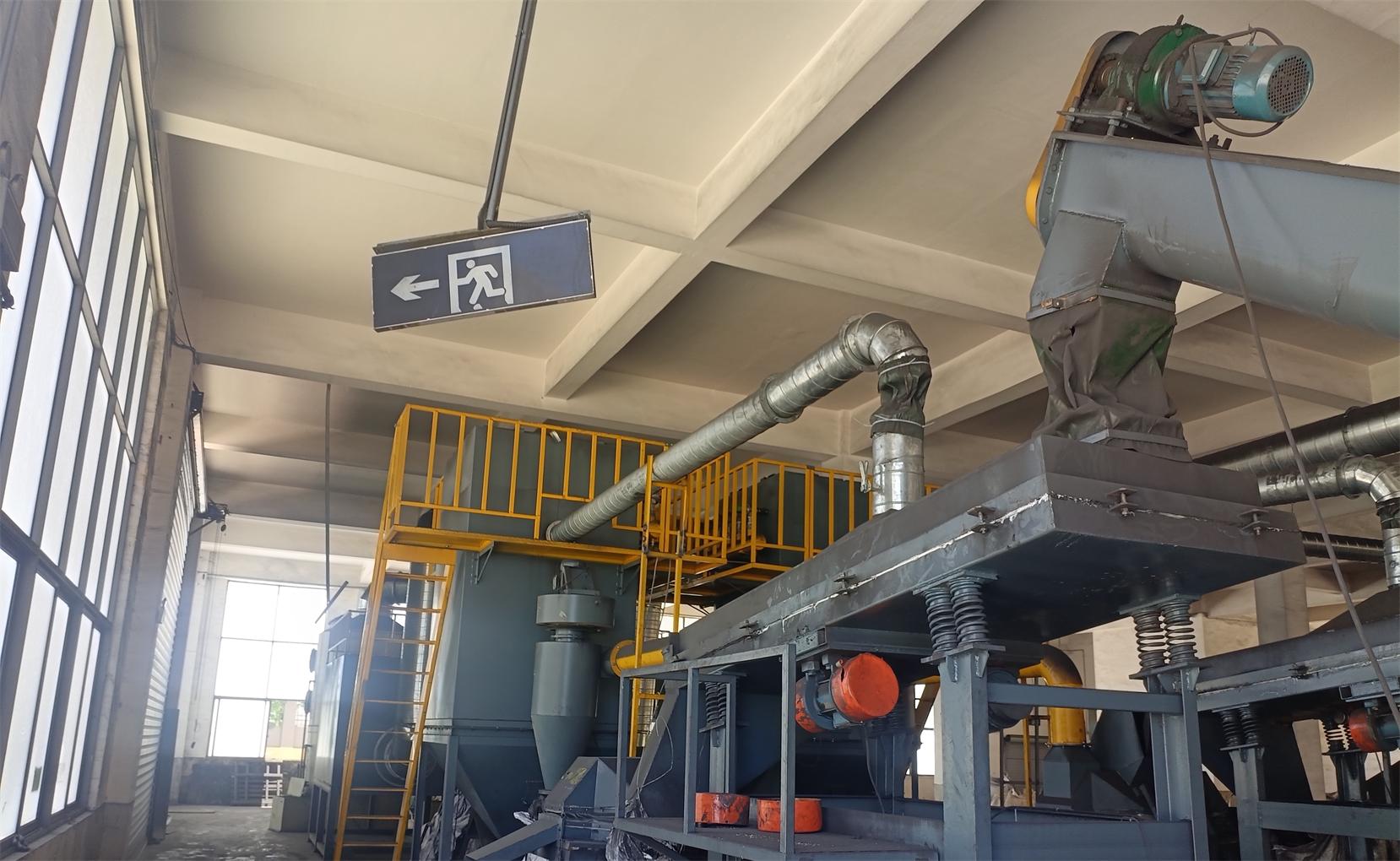
E-waste encompasses a diverse range of discarded electronic devices, each requiring specialized processing techniques. Printed circuit boards (PCBs) contain copper powder and precious metals; used batteries hold recoverable lead and lithium; scrap cables are rich in copper and aluminum; and end-of-life appliances contain a mixture of metals, plastics, and refrigerants. A successful recycling operation must match the right equipment to the specific waste stream it intends to process.
The profitability of any recycling venture depends heavily on recovery rates and material purity. Modern circuit board recycling equipment can achieve copper powder purity of 96-98% with recovery rates up to 95%. Similarly, advanced cable recycling systems can efficiently separate copper and aluminum from plastic insulation, creating high-value copper rice that commands premium market prices. These recovery metrics directly impact your bottom line, making equipment selection a critical business decision.
Core Equipment Categories for a Complete Recycling Plant
Building a comprehensive e-waste recycling facility requires careful consideration of multiple equipment categories. Here are the essential systems that form the backbone of a modern recycling operation:
Circuit Board Recycling Systems
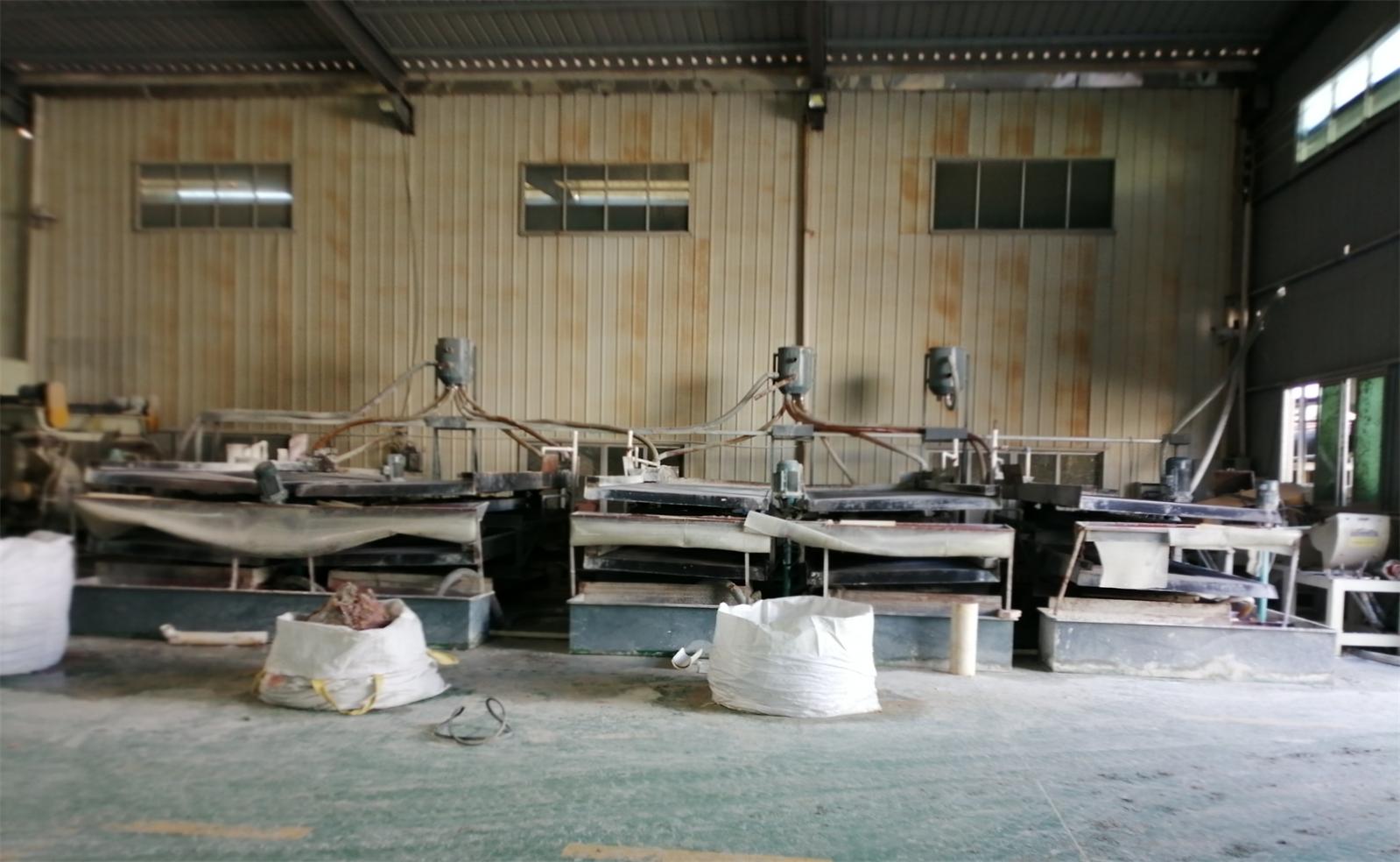
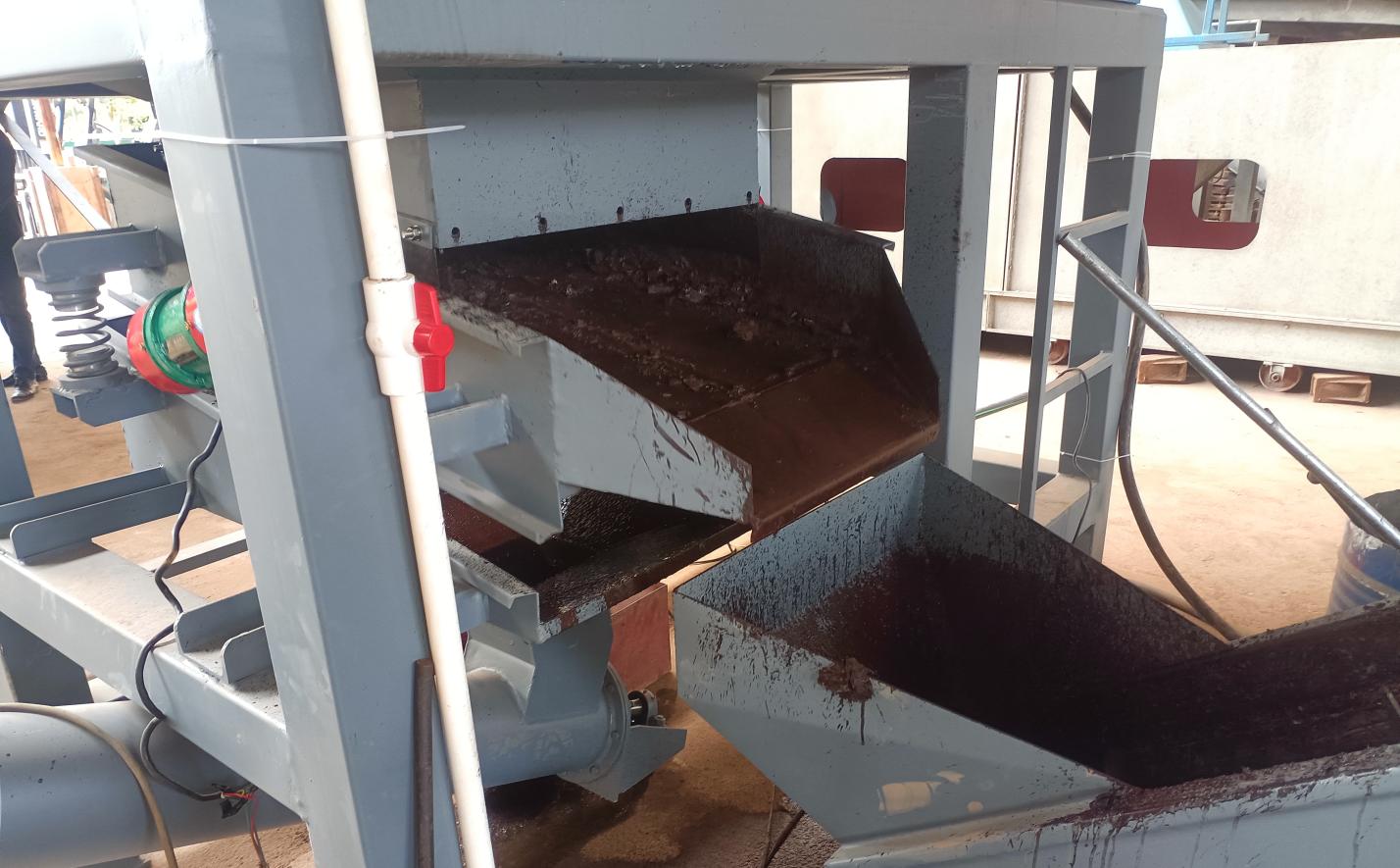
Wet and dry separation technologies process PCBs to recover copper powder and precious metals. Capacities range from 300 kg/hour to 2000 kg/hour depending on model selection.
Cable Recycling Plants
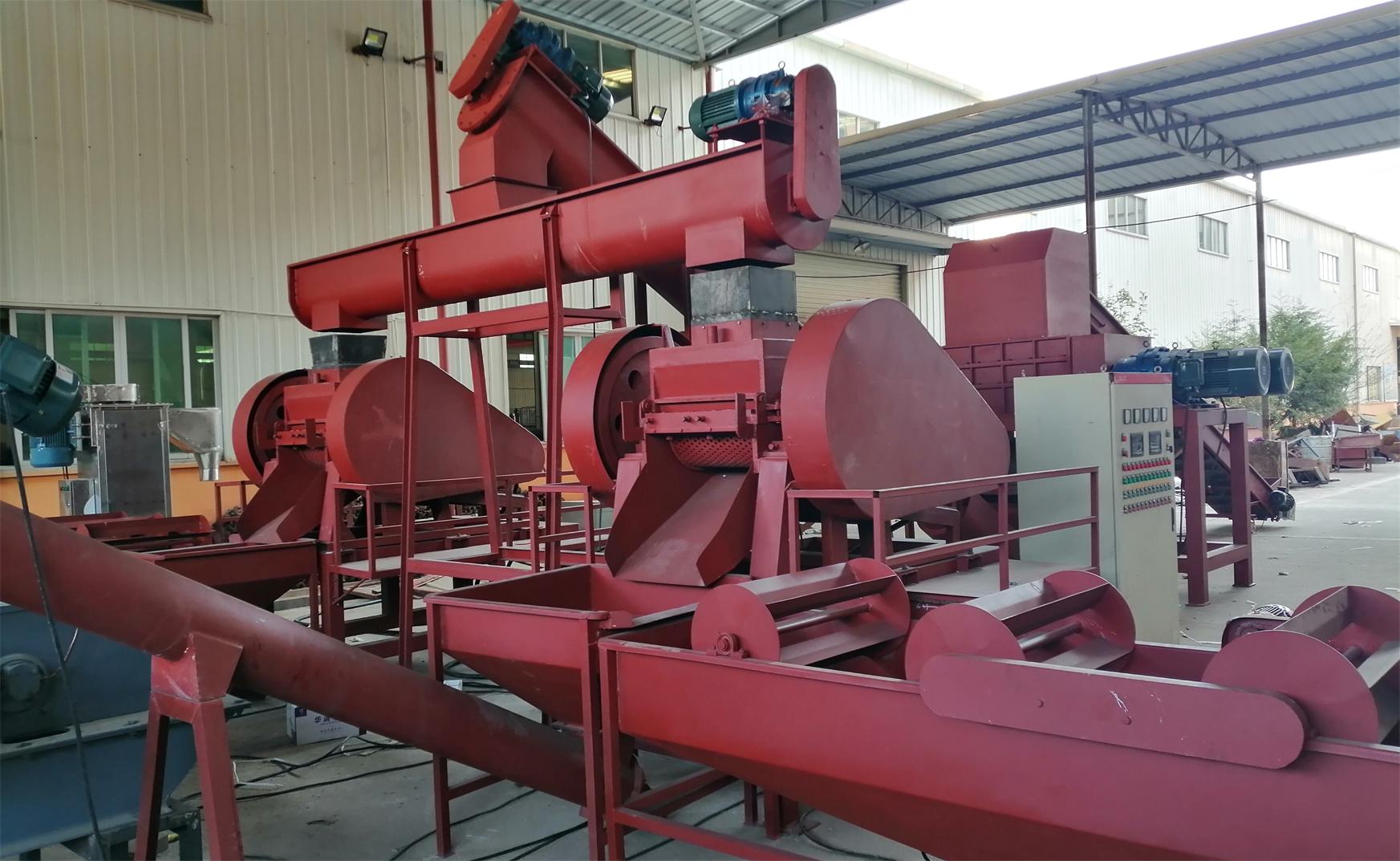
Granulators and strippers separate copper and aluminum from plastic insulation. Compact units handle small-scale operations while large plants process industrial cable volumes.
Battery Recycling Lines
Specialized systems for lead-acid and lithium-ion batteries recover lead paste, lead grids, black mass, plastic, and valuable metals through mechanical separation and smelting.
Pre-Processing Shredders
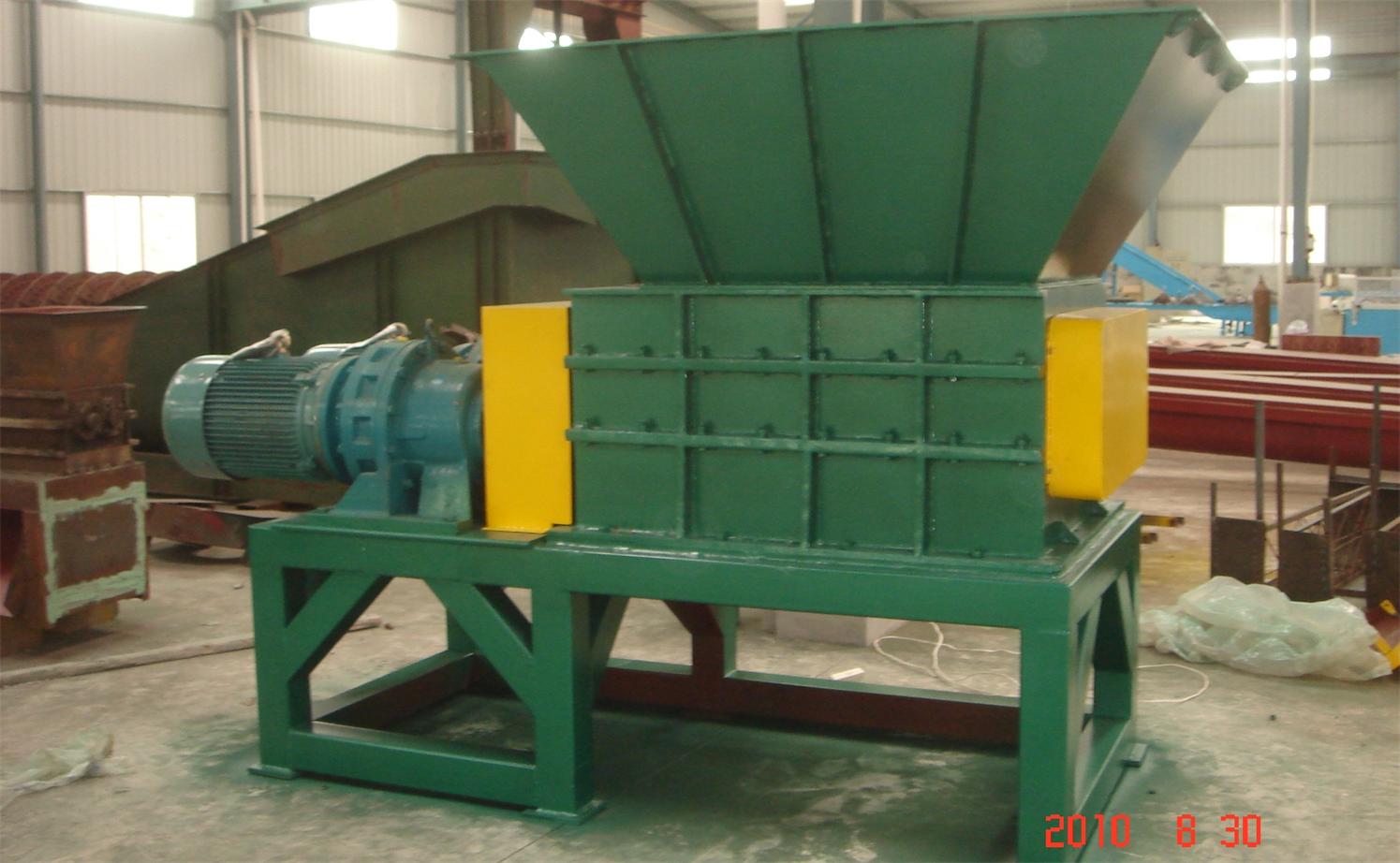
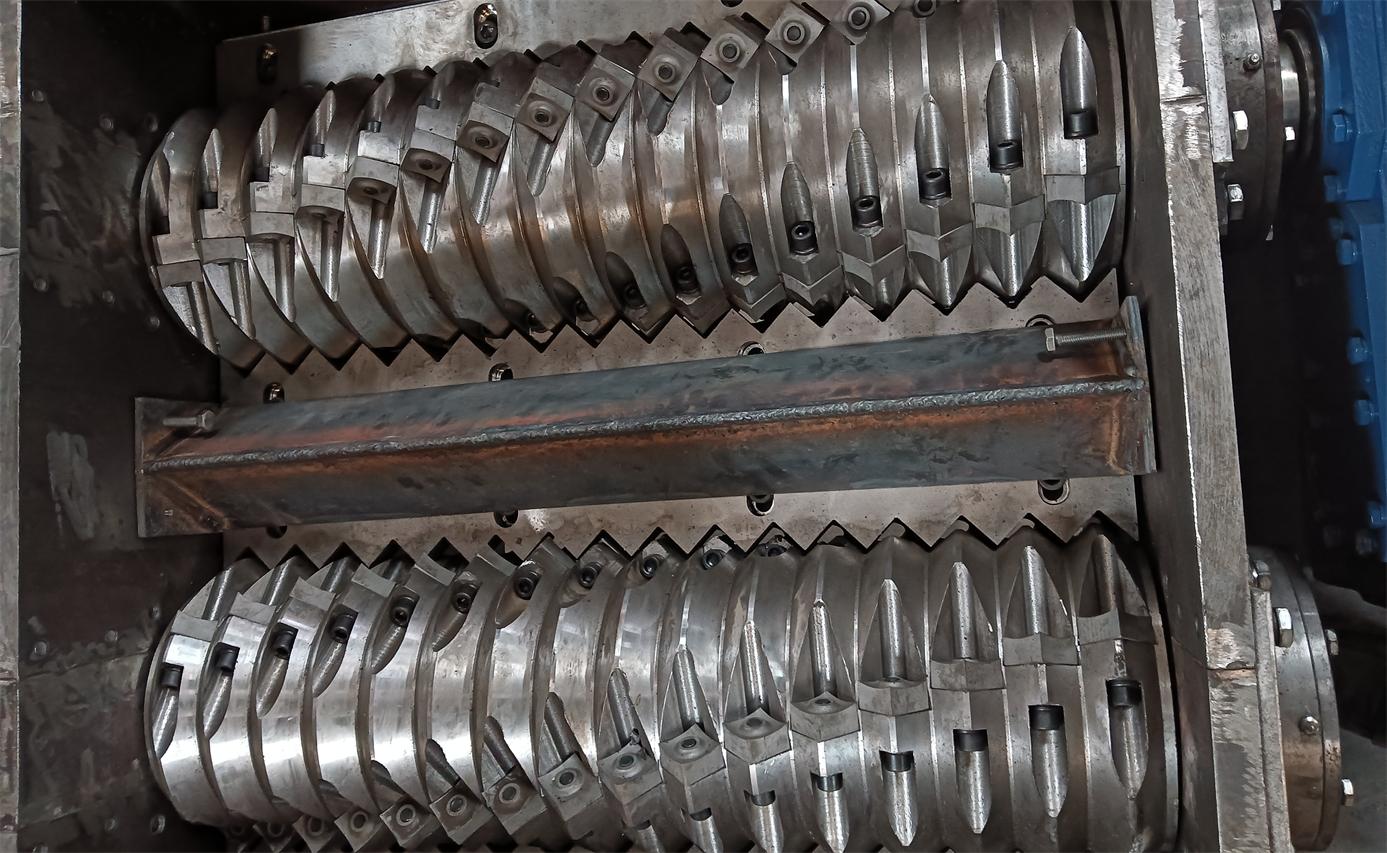
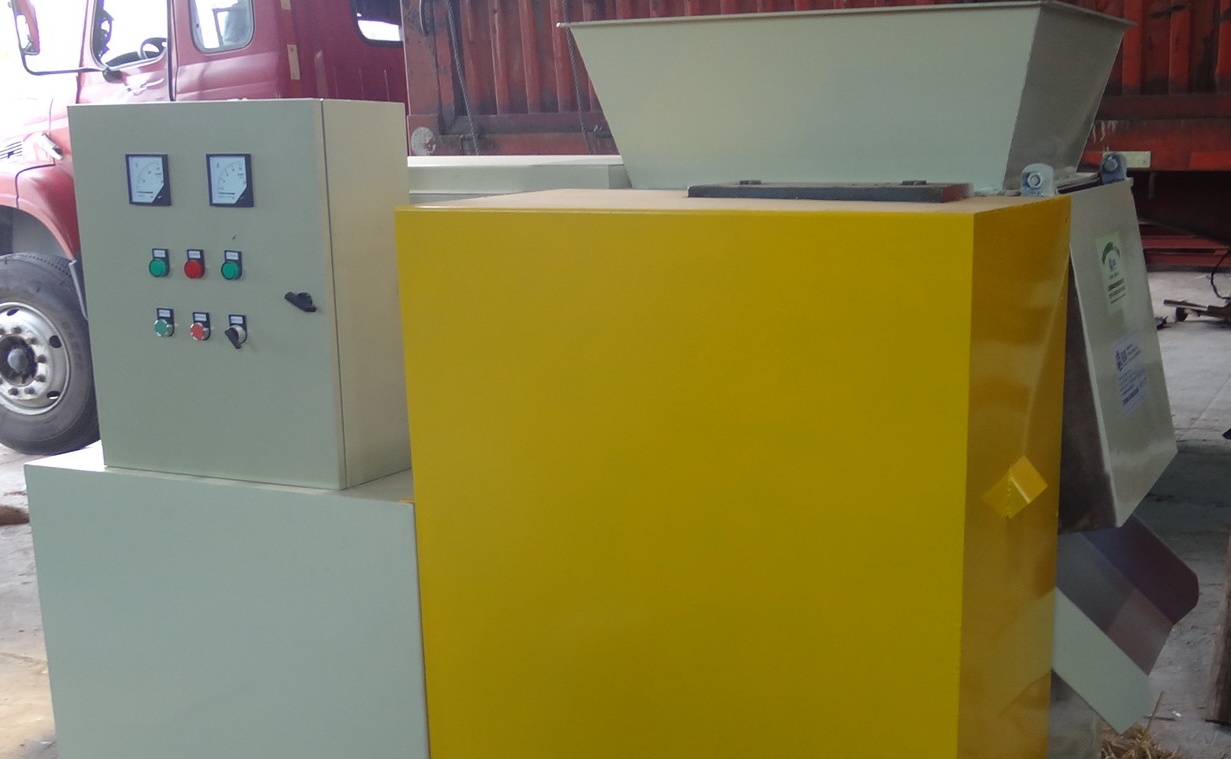
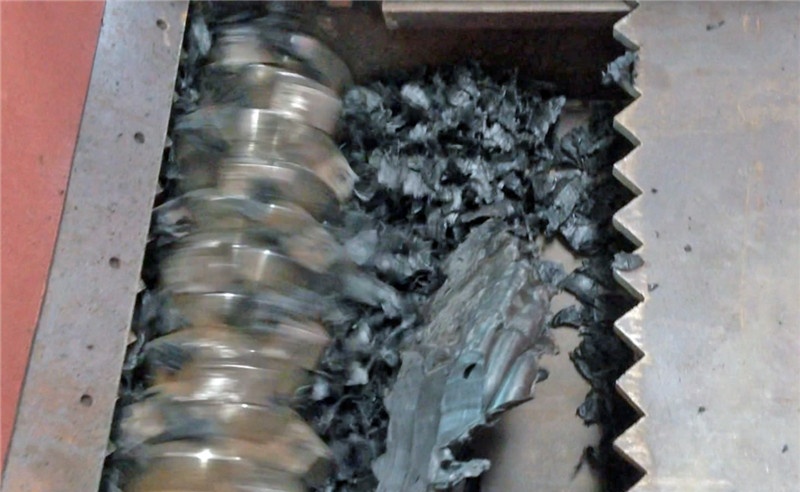
Single, twin, and four-shaft shredders reduce large e-waste items to manageable sizes for downstream separation processes, handling everything from refrigerators to industrial cables.
Key Factors When Selecting Recycling Equipment
Choosing the right machinery involves more than comparing price tags. Experienced operators evaluate several critical factors before making investment decisions:
Processing Capacity and Scalability: Your equipment must align with both current waste volumes and projected growth. Modular systems that allow capacity expansion provide better long-term value than fixed-capacity units that require early replacement.
Recovery Rate and Material Purity: Higher recovery rates translate directly to increased revenue. When evaluating cable recycling equipment, consider not just throughput but the purity of separated materials, as cleaner fractions command better prices from smelters and refiners.
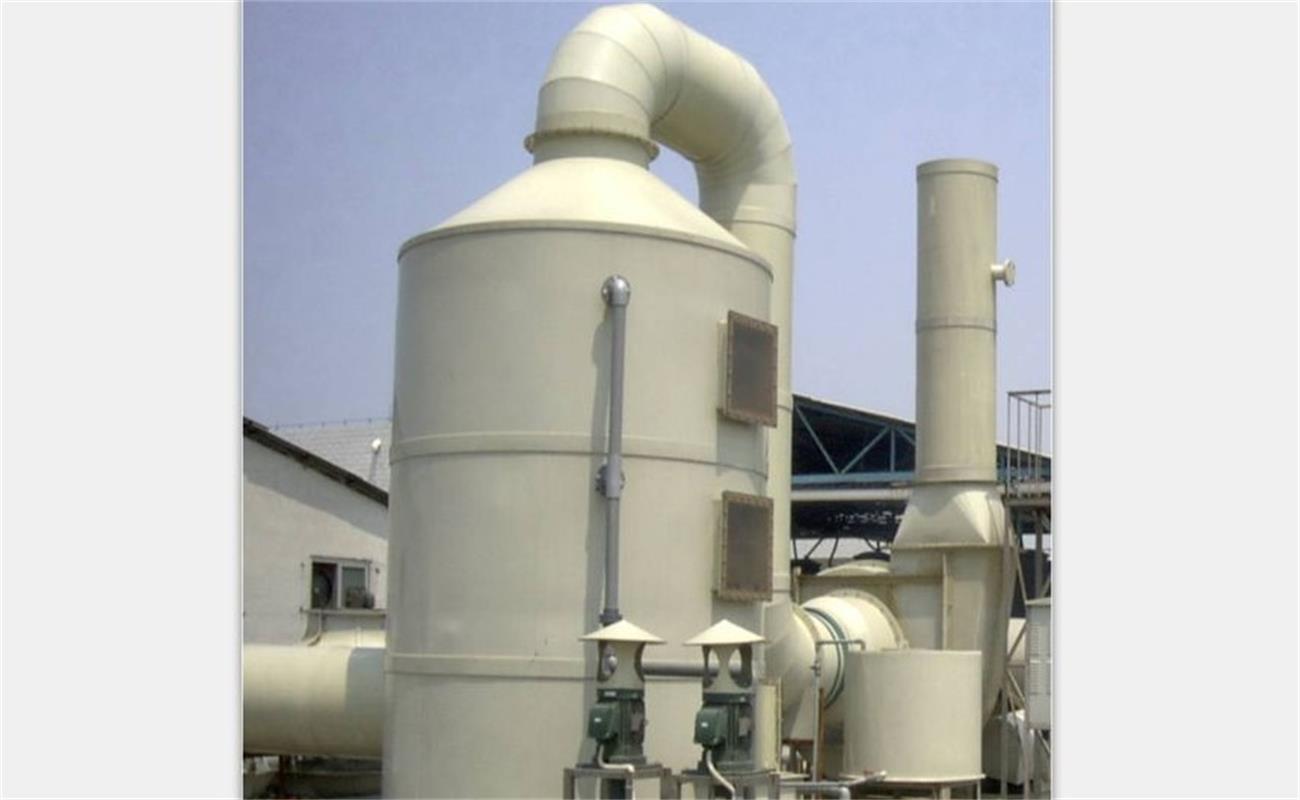
Environmental Compliance: Modern recycling plants must meet strict emission and effluent standards. Integrated air pollution control systems, water treatment plants, and dust collection equipment are essential components, not optional add-ons. Non-compliance risks costly shutdowns and legal penalties.
Energy Efficiency: Operating costs significantly impact profitability. Equipment with energy-saving features, such as near-infrared heating systems that reduce energy consumption by 30-50%, can provide substantial savings over the equipment lifecycle.
Automation Level: Fully automated systems reduce labor costs and improve consistency, while semi-automatic equipment offers lower entry costs for smaller operations. Match automation levels to your labor costs, technical capabilities, and production scale.
The Value of Turnkey EPC Solutions
For many investors, navigating the complexities of plant design, equipment procurement, installation, and commissioning presents a significant barrier to entry. Engineering, Procurement, and Construction (EPC) providers offer a compelling alternative by delivering complete, ready-to-operate recycling plants under a single contract.
EPC advantages include:
Single point of accountability for design, equipment supply, and performance
Customized plant layouts optimized for your specific feedstock and site conditions
Streamlined commissioning with experienced technical teams
Reduced project risk through proven engineering templates
Ongoing technical support and spare parts availability
Experienced EPC providers also assist with waste material sourcing and product offtake, helping new entrants establish reliable supply chains for scrap materials and sales channels for recovered metals like copper rice, copper powder, and lead ingots.
Maximizing ROI Through Strategic Equipment Selection
The most successful recycling operations take a holistic view of equipment investment. Rather than purchasing standalone machines, they design integrated processing lines where each unit operation feeds efficiently into the next. A well-designed lead acid battery recycling plant, for example, integrates breaking and separation systems, paste reduction furnaces, refinery kettles, air pollution control, and water treatment into a cohesive production line.
Consider the full lifecycle cost, not just purchase price. Equipment with higher upfront costs but superior energy efficiency, lower maintenance requirements, and longer service intervals often delivers better returns over a 10-15 year operational life. Similarly, robust build quality reduces downtime, which is critical in a business where daily throughput directly correlates with revenue.
Diversification also enhances resilience. Plants capable of processing multiple waste streams, such as both lead-acid and lithium batteries, or both cables and circuit boards, can adapt to changing market conditions and raw material availability. Flexible equipment configurations allow operators to pivot between feedstocks as relative prices shift.
Global Market Trends Driving Equipment Demand
Several macro trends are accelerating demand for e-waste recycling equipment worldwide. Stringent environmental regulations in Europe, North America, and increasingly in Asia and Africa are mandating proper e-waste disposal and extended producer responsibility. Meanwhile, volatile commodity prices, particularly for copper and lithium, make urban mining from electronic waste economically attractive compared to virgin material extraction.
Developing economies represent a particularly high-growth market. Countries across Southeast Asia, Latin America, the Middle East, and Africa are establishing domestic recycling capacity to reduce reliance on exports and capture value from locally generated e-waste. This geographic expansion creates opportunities for equipment suppliers with international project experience and multilingual technical support capabilities.
Conclusion
The e-waste recycling industry offers substantial opportunities for well-prepared investors. Success depends on selecting equipment that delivers high recovery rates, meets environmental standards, and aligns with your specific operational requirements. Partnering with experienced manufacturers who offer not just machines but complete project support, from initial design through commissioning and ongoing service, can significantly de-risk your investment and accelerate your path to profitability.
Ready to start your e-waste recycling venture? San Lan Technologies Co., Ltd has been manufacturing WEEE recycling machines and mining equipment since 2007, serving customers in over 21 countries. Our product range includes circuit board recycling plants, cable recycling systems, lead acid and lithium battery recycling lines, shredders, CRT cutters, refrigerator recycling equipment, and more. We provide customized EPC solutions, installation and commissioning support, and ongoing technical assistance. Contact us today to discuss your project requirements and receive a tailored equipment proposal.