With global e-waste generation reaching 62 million metric tons annually and growing by 33% projected through 2030, the demand for efficient recycling equipment has never been more critical. For businesses entering this lucrative market, selecting the right machinery directly impacts recovery rates, operational costs, and long-term profitability.
Understanding the E-Waste Recycling Landscape
Electronic waste represents one of the fastest-growing waste streams worldwide, yet less than 25% is currently recycled through proper channels. This gap presents enormous opportunities for entrepreneurs and established recycling companies alike. However, success depends heavily on investing in the right equipment tailored to specific waste streams.
Modern recycling equipment has evolved significantly, incorporating advanced separation technologies, automated processes, and environmentally compliant designs. Today's market leaders offer turnkey solutions that can recover valuable materials including copper, aluminum, lead, lithium, cobalt, nickel, and precious metals with recovery rates exceeding 95%.
Essential E-Waste Recycling Equipment Categories
Lead Acid Battery Recycling Systems
Used lead acid batteries (ULAB) represent one of the most recycled consumer products globally, with well-established recovery economics. A complete lead acid battery recycling equipment line typically includes battery breakers and separation systems, de-sulfurization units, rotary furnaces for paste reduction, blast furnaces, lead refinery kettles, and air pollution control systems.
Advanced systems can process 1-10 metric tons per hour, separating batteries into four distinct output streams: lead grid, lead paste, PVC/PP plastic, and hard rubber. Modern rotary furnaces achieve higher recovery rates than traditional blast furnaces, while electric lead refinery kettles using near-infrared heating can reduce energy consumption by 30-50%.
Lithium Battery Recycling Plants
With the explosive growth of electric vehicles and portable electronics, lithium-ion battery recycling has become a strategic priority. Complete lithium battery recycling plants process waste batteries at capacities ranging from 500-2500 kg/hour, recovering black mass containing nickel, cobalt, and graphite, along with separated plastic, copper, and aluminum fractions.
These integrated systems typically include discharging stations, pre-crushing units, secondary granulation equipment, black powder separation systems, and magnetic separation for iron and steel. Proper air pollution control systems are essential to neutralize harmful gases before atmospheric release.
Circuit Board Recycling Equipment
Printed circuit boards (PCBs) contain the highest concentration of valuable metals in the e-waste stream, including copper, gold, silver, and palladium. Professional circuit board recycling equipment employs either dry or wet separation technologies, with capacities ranging from 300 kg/hour to 2000 kg/hour depending on application requirements.
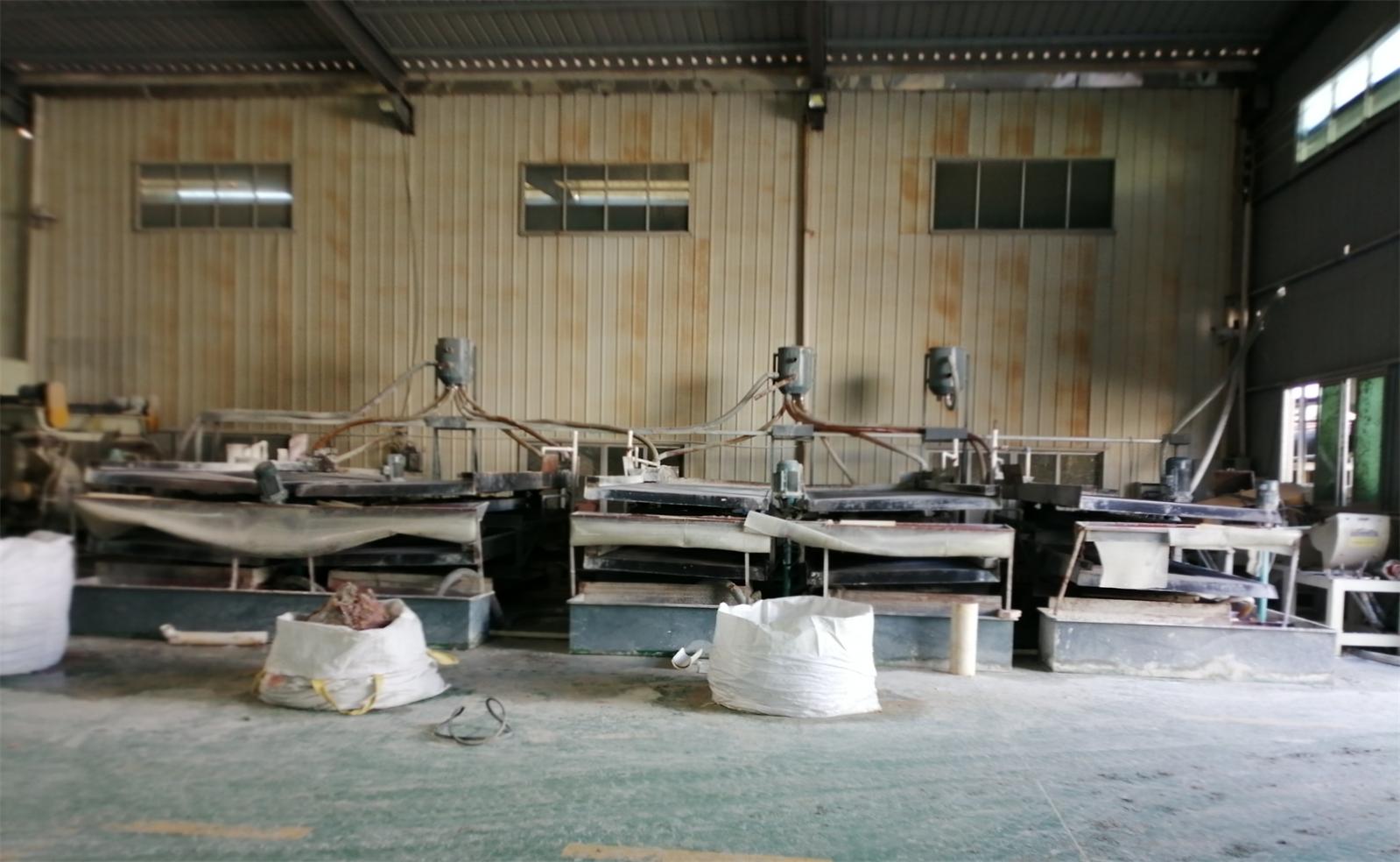
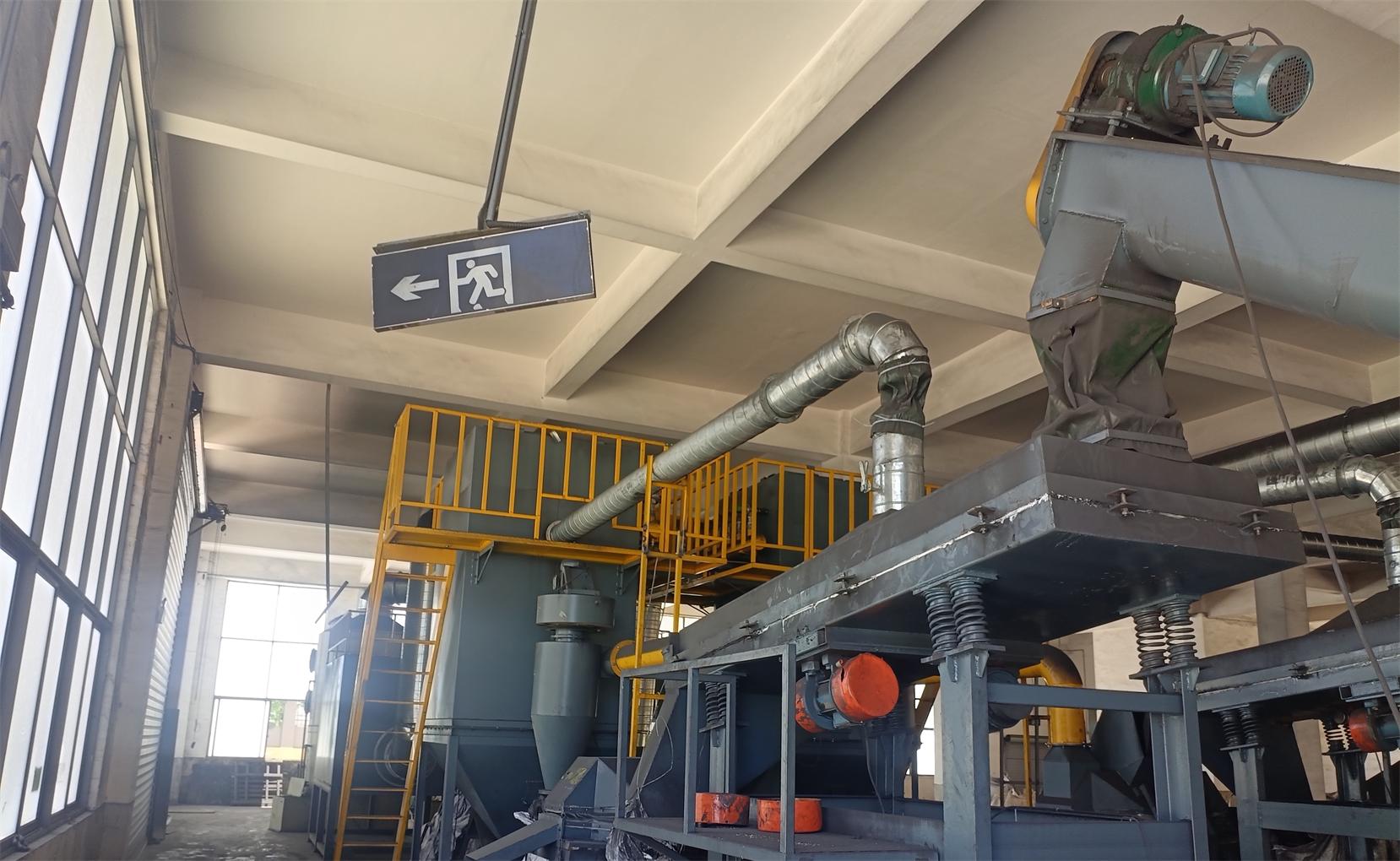
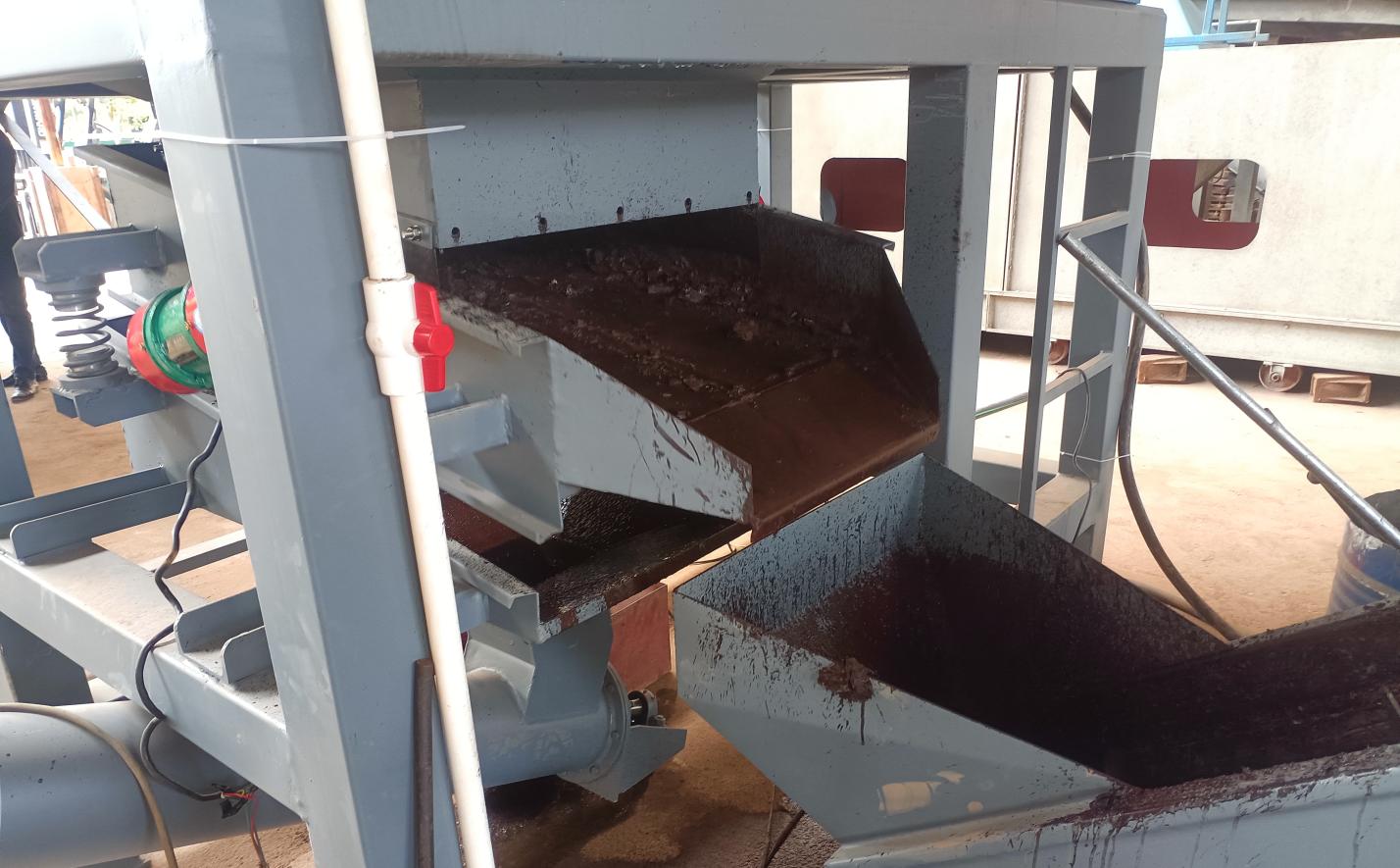
Dry separation systems utilizing air separators, vibrating screens, electrostatic separators, and pulse bag dust collectors can achieve copper powder purity of 96-98% with recovery rates around 95%. Wet separation alternatives offer effective metal recovery without dust pollution concerns, making them suitable for environmentally sensitive locations.
Cable and Wire Recycling Machinery
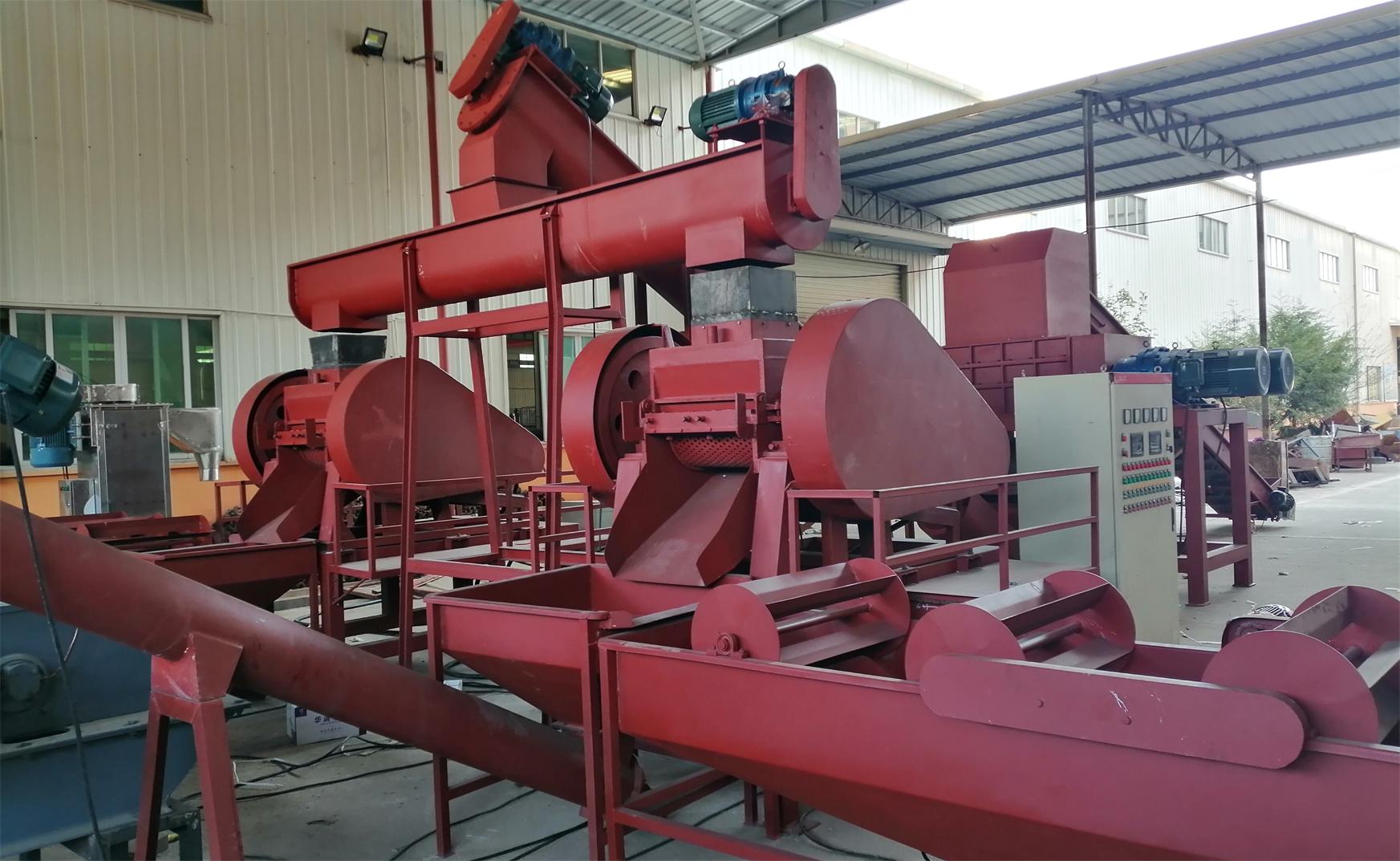
Scrap cables and wires represent one of the most accessible entry points into e-waste recycling. Cable recycling machine options range from manual and automatic wire strippers for thick cables to advanced cable granulators with dry separation that can process mixed cable waste automatically.
Modern cable granulators separate copper and aluminum from plastic insulation through crushing and air separation or electrostatic separation, without using fire, water, or chemicals. This eliminates secondary pollution while producing clean metal fractions ready for direct smelting or sale.
Supporting Equipment and Pre-Processing
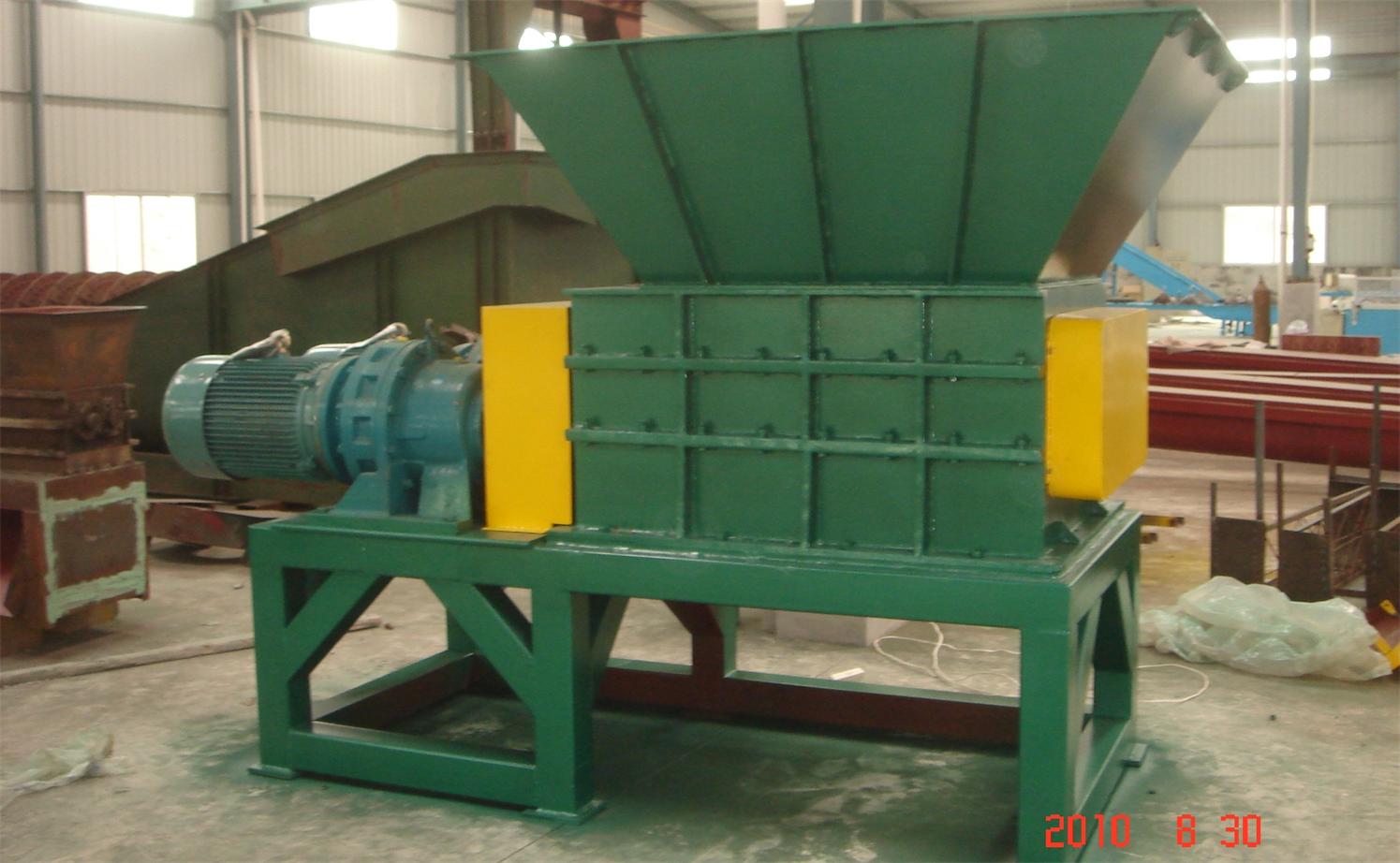
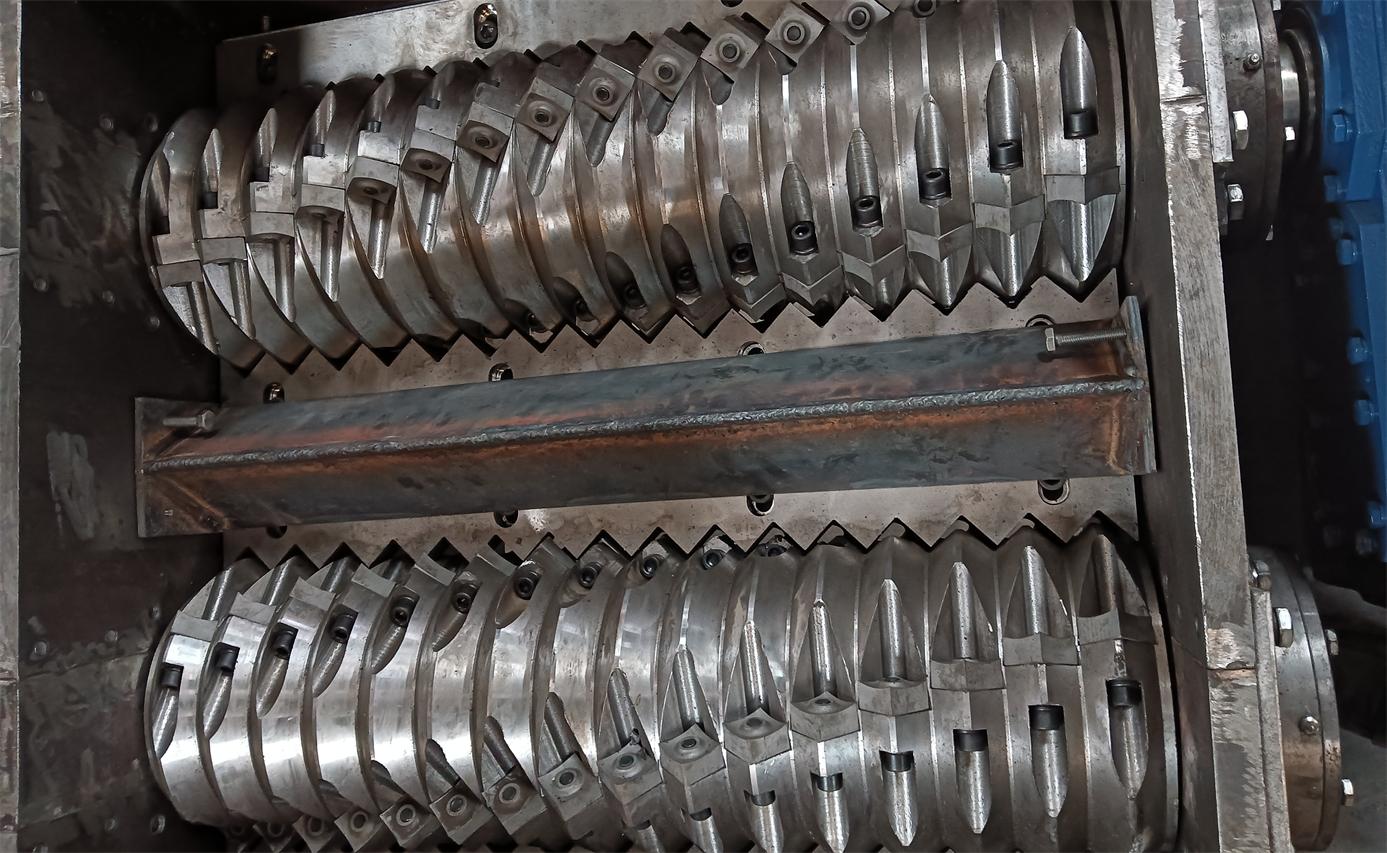
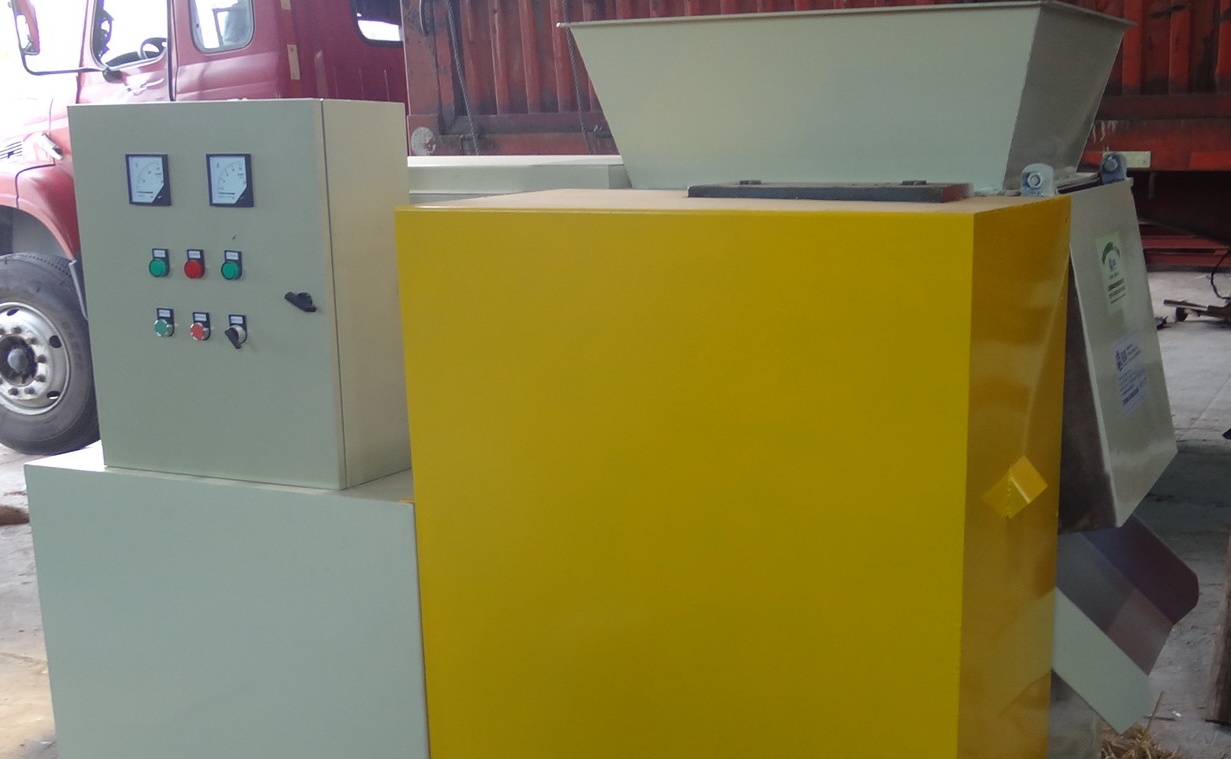
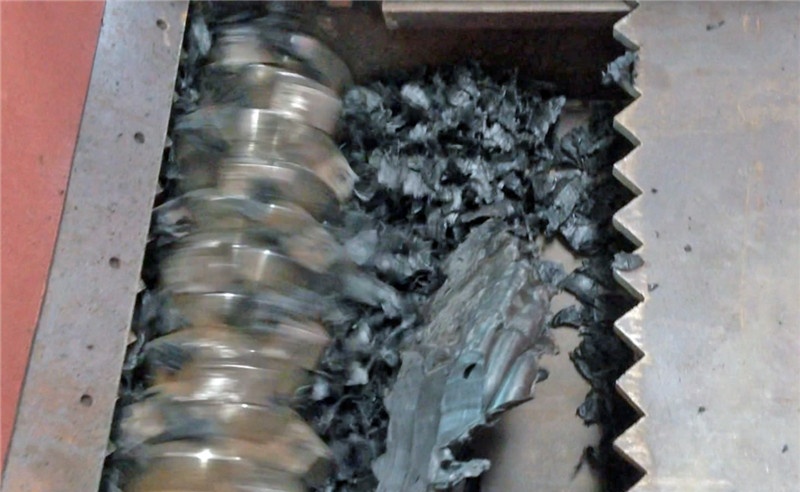
Effective recycling operations require robust pre-processing equipment. Industrial shredders, including single-shaft, twin-shaft, and four-shaft configurations, handle everything from PCB and cables to refrigerators and batteries. Pre-choppers and shredders with capacities from 200 kg/hour to 6 MT/hour prepare material for downstream separation processes.
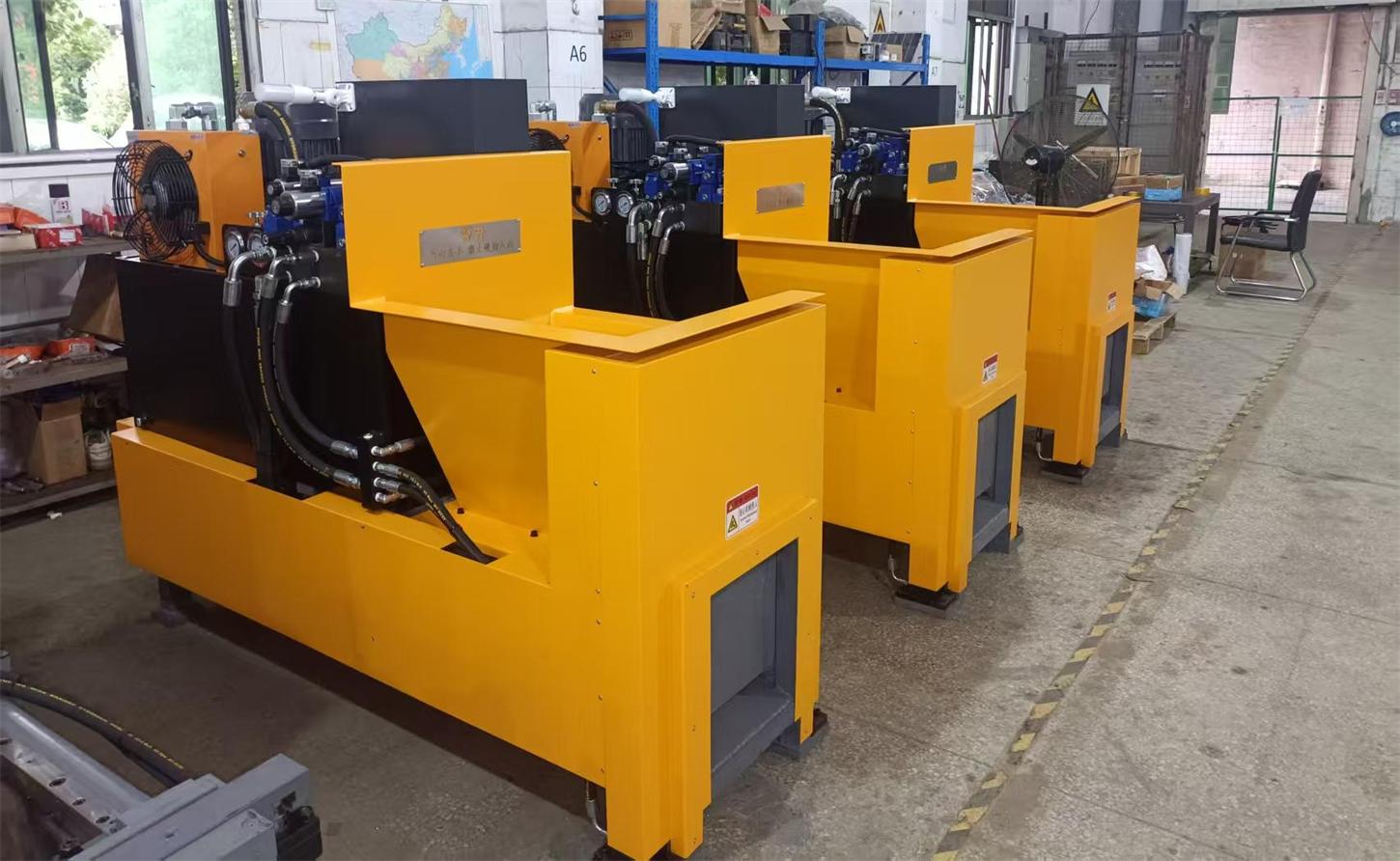
Additional essential equipment includes hydraulic press machines for briquetting metal chips, metal melting furnaces for converting recovered metals into ingots, and specialized machinery for CRT cutting, refrigerator recycling, and lamp processing.
Key Factors in Equipment Selection
Processing Capacity: Match equipment capacity to your projected feedstock volume. Undersized equipment creates bottlenecks, while significantly oversized systems increase capital costs without proportional benefits.
Recovery Rates: Higher recovery rates directly impact profitability. Leading manufacturers design systems with recovery rates exceeding 95% for target materials.
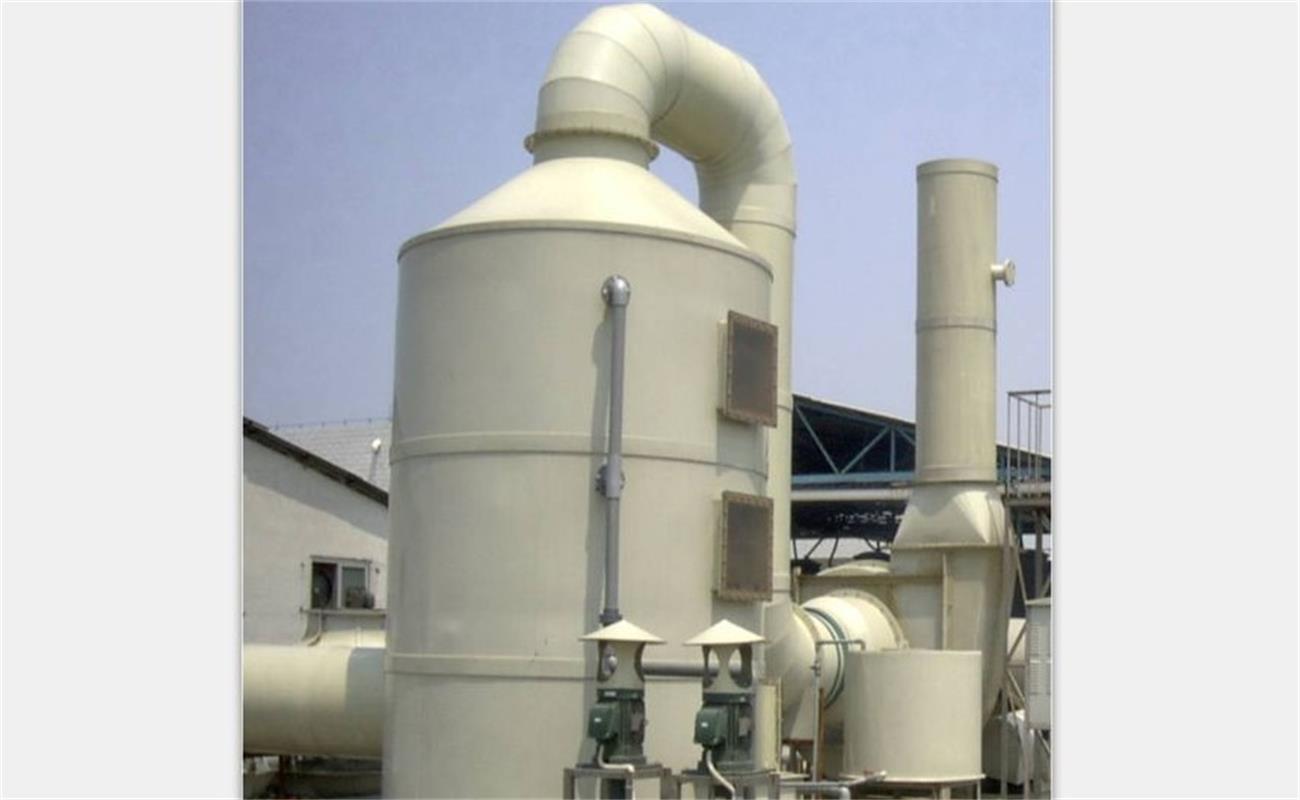
Environmental Compliance: Modern equipment must incorporate effective dust collection, waste gas treatment, and wastewater processing to meet increasingly stringent environmental regulations worldwide.
Automation Level: Automated systems reduce labor costs and improve consistency, but require higher initial investment. Semi-automatic systems may be preferable for emerging markets with lower labor costs.
Why Experience Matters in Equipment Manufacturing
When investing hundreds of thousands to millions of dollars in recycling infrastructure, partnering with an experienced manufacturer significantly reduces project risk. Established manufacturers with 15+ years of specialized experience have refined their designs through real-world operational feedback, resulting in more reliable equipment and better process integration.
Experienced suppliers provide comprehensive support beyond equipment delivery, including customized plant design, installation and commissioning, operator training, and ongoing technical support. Companies with strong EPC (Engineering, Procurement, Construction) capabilities can deliver turnkey projects that accelerate time-to-revenue while ensuring all components work together optimally.
San Lan Technologies Co., Ltd., established in 2007, exemplifies this experience-driven approach. With a professional technical team holding master's degrees in mechanical engineering and over 15 years of specialized experience in e-waste recycling machines, the company has delivered equipment to customers across 21+ countries including Singapore, Colombia, Vietnam, Mexico, Argentina, Korea, Malaysia, Indonesia, South Africa, Tunisia, India, Kenya, Saudi Arabia, Philippines, and Zambia.
Beyond Equipment: Value-Added Partnership
Leading equipment manufacturers increasingly differentiate themselves through comprehensive value-added services. These include helping customers source waste feedstock such as cable scrap, PCB scrap, and used lead acid batteries; facilitating partnerships with investors for plant construction; and assisting with marketing recovered products including copper rice, copper powder, and lead ingots.
This ecosystem approach transforms equipment suppliers into true business partners, particularly valuable for entrepreneurs entering the recycling industry. Companies offering bilingual support and understanding of intercultural business environments further reduce communication barriers for international projects.
Getting Started with Your Recycling Project
Whether you are planning a small-scale cable recycling operation or a comprehensive multi-stream e-waste processing facility, selecting the right recycling equipment is the foundation of your success. The combination of proven technology, experienced manufacturing partners, and comprehensive project support significantly increases your probability of achieving strong returns on investment.
For detailed technical specifications, customized plant design consultations, or to discuss your specific project requirements, contact San Lan Technologies Co., Ltd. Our engineering team is ready to help you transform waste into valuable resources while contributing to global sustainability goals.
Contact Information:
Email: info@san-lan.com
WhatsApp: +86 139 2377 4083
Website: www.san-lan.com