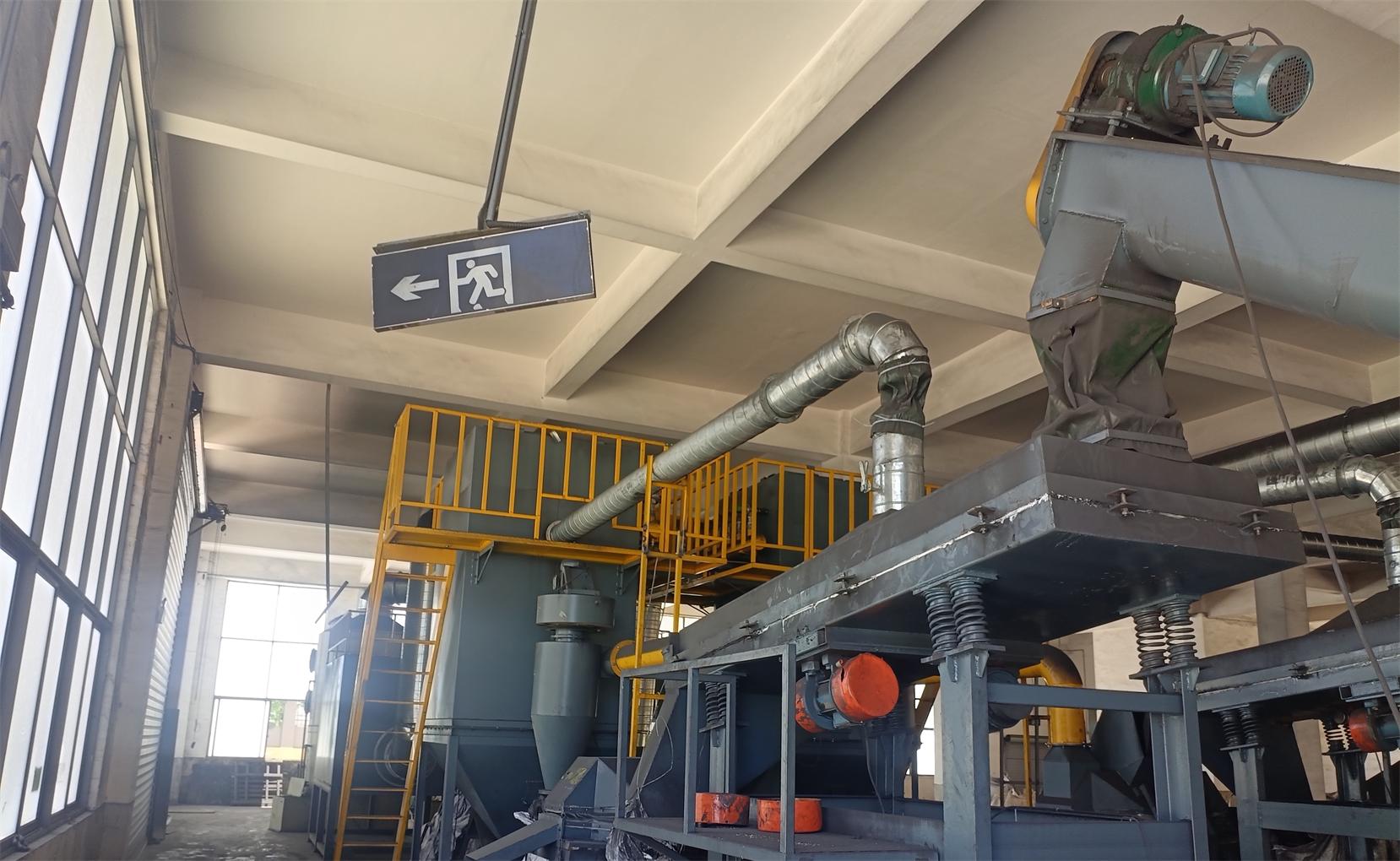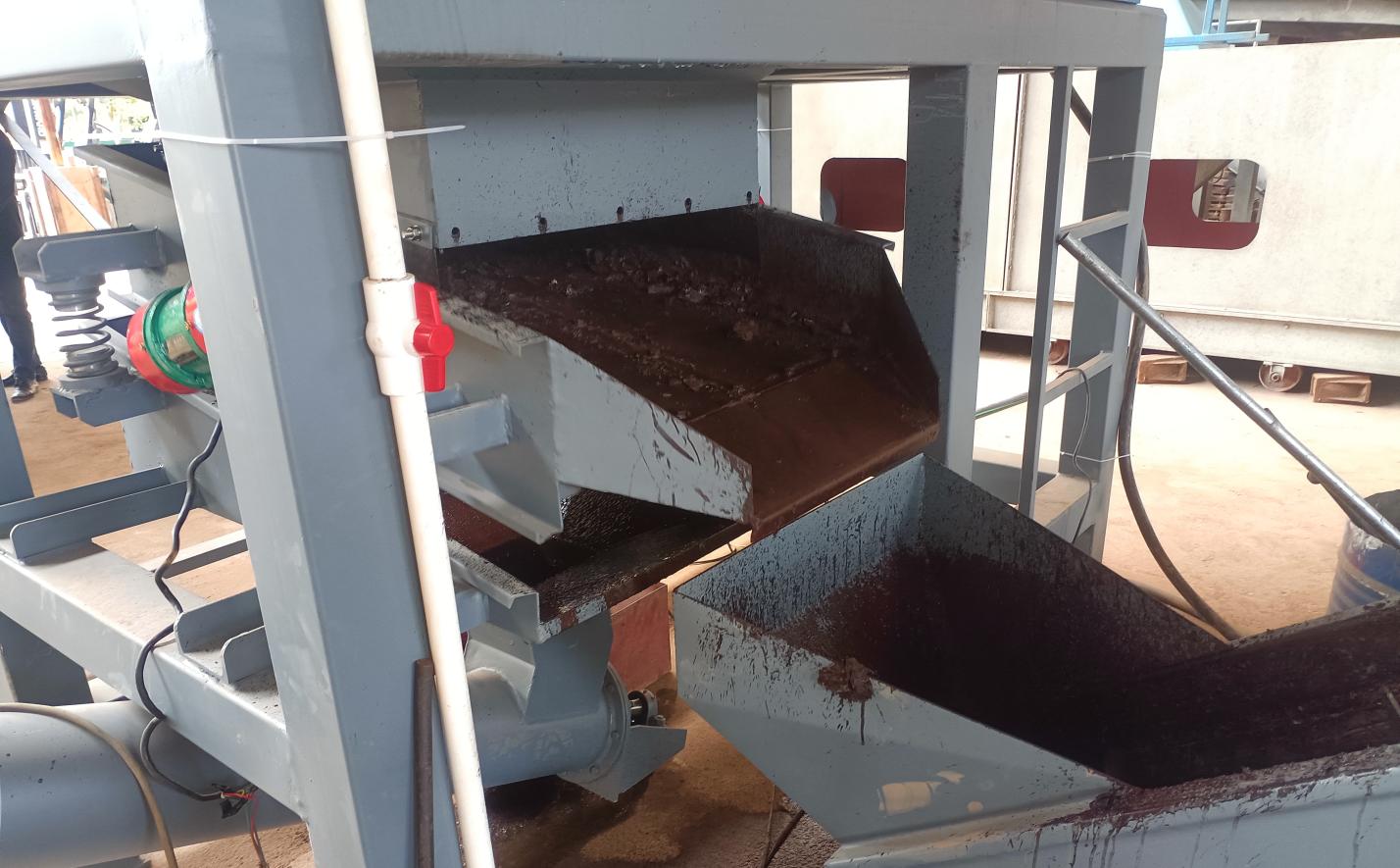
The global e-waste recycling market is projected to reach $145 billion by 2030, driven by stricter environmental regulations and the ever-growing volume of discarded electronics. For entrepreneurs and established businesses looking to enter this high-growth sector, the difference between a profitable operation and a costly mistake often comes down to one critical decision: choosing the right recycling equipment.
With over 17 years of experience manufacturing and deploying recycling plants across 21+ countries, San Lan Technologies has learned that successful recycling operations share common traits. They use robust, well-designed equipment that matches their feedstock, achieve recovery rates above 95%, and operate with pollution control systems that meet or exceed local environmental standards.
This guide breaks down the essential equipment categories you need to consider, how to evaluate different technologies, and what separates a reliable supplier from a risky gamble.
Why E-Waste Recycling Represents a Massive Business Opportunity
Electronic waste is the world's fastest-growing waste stream. According to the Global E-Waste Monitor, annual generation could reach 82 million tonnes by 2030, yet a staggering 347 million metric tonnes remain unrecycled worldwide. In 2022 alone, global e-waste contained approximately $91 billion in raw materials, but only $19 billion was recovered.
This gap represents an enormous business opportunity. One tonne of mobile phone circuit boards contains more gold than a tonne of high-grade mined ore. Copper, aluminum, lead, lithium, cobalt, and nickel are all recoverable at high purity when the right equipment is used. The businesses that capture this value will define the next decade of resource recovery.
Core Equipment Categories for a Complete Recycling Operation
A successful e-waste recycling plant typically combines multiple processing lines to handle diverse feedstock. Here are the four essential equipment categories that form the backbone of most profitable operations.
1. Lead Acid Battery Recycling Equipment
Lead acid batteries remain the most recycled consumer product in the world, and for good reason. The recycling process is mature, economically viable, and environmentally critical. A complete lead acid battery recycling equipment line typically includes a battery breaking and separation system, de-sulfurization unit, rotary furnace or blast furnace for paste reduction, lead refinery kettle, filter press, water treatment plant, and air pollution control system.
Recovery rates for well-designed plants exceed 95%, with lead ingot purity reaching 99.999%. Capacity ranges from 1 to 10 metric tonnes per hour, making this equipment suitable for both emerging markets and established recyclers looking to expand. The lead-acid segment offers the shortest payback window for new entrants because the technology is proven, the end-market for secondary lead is liquid, and the feedstock supply is steady.
Top-tier lead acid battery recycling plants achieve lead recovery rates of 95% or higher. Blast furnace capacity typically ranges from 40 to 100 metric tonnes per 24 hours, with maximum operating temperatures of 1800°C. Rotary furnace alternatives offer even higher recovery rates than traditional blast furnaces for paste reduction.
2. Lithium Battery Recycling Equipment
Lithium-ion battery recycling is the fastest-growing segment in the recycling industry, driven by the electric vehicle revolution and the proliferation of consumer electronics. A lithium battery recycling plant breaks down waste batteries to recover black mass containing nickel, cobalt, and graphite, along with separated plastic, copper, and aluminum.
Typical capacity ranges from 500 to 2,500 kg per hour. The process includes discharging, pre-crushing, secondary granulation, black powder separation, and magnetic separation of iron and steel. Because lithium batteries can release toxic gases during crushing, a dedicated air pollution control system is essential for safe operation.
The economics of lithium recycling are compelling. A typical EV battery pack at end-of-life yields 35-45% black mass by weight, containing 5-12% cobalt, 15-25% nickel, and 3-8% manganese. At current commodity prices, this makes lithium battery recycling one of the highest-margin segments in the entire resource recovery industry.
3. Circuit Board Recycling Equipment
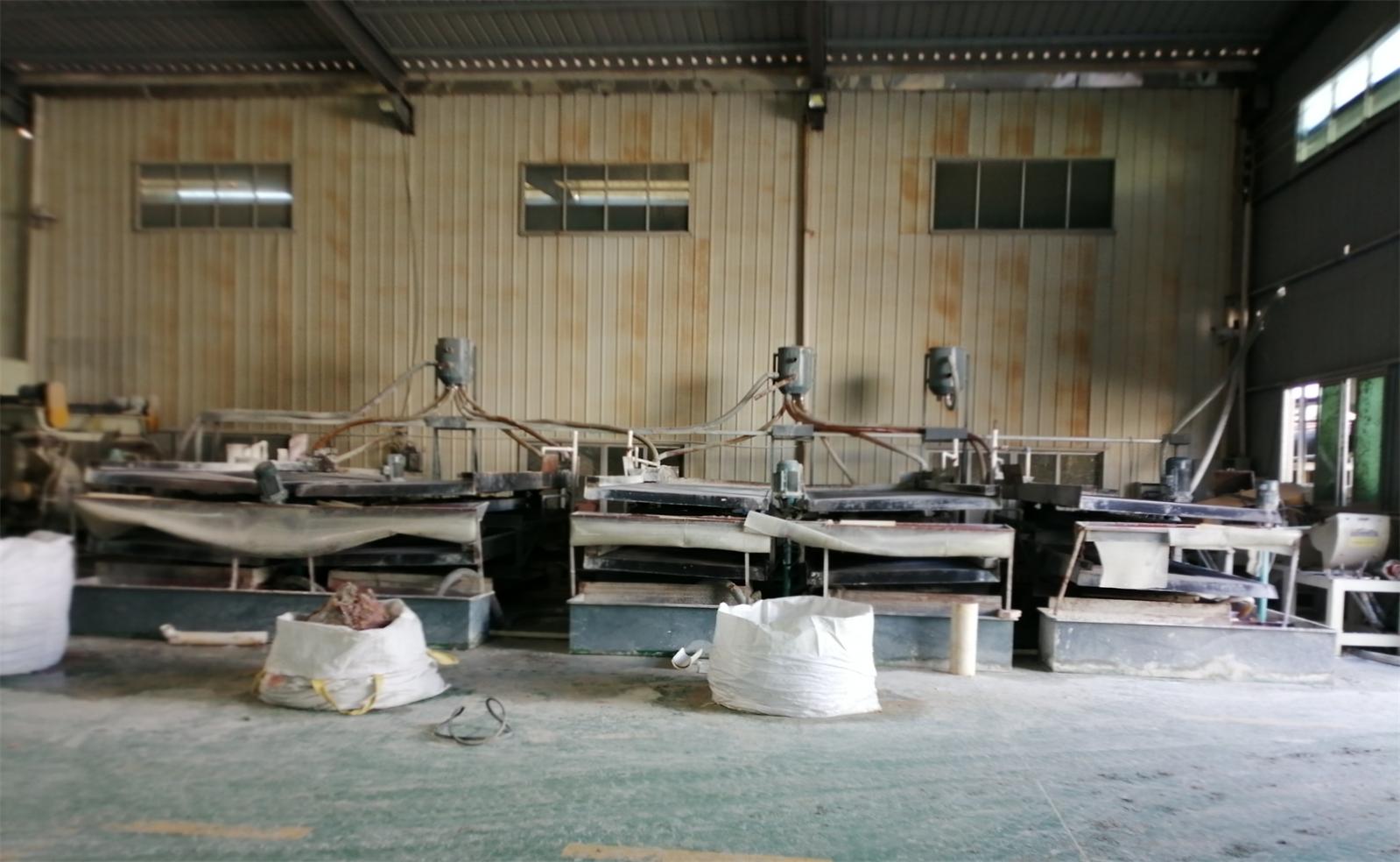
Printed circuit boards (PCBs) are among the most valuable components in e-waste, containing copper, gold, silver, palladium, and other precious metals. Circuit board recycling equipment uses either dry separation (air separator, electrostatic separator, pulse dust collector) or wet separation (water metal separator) technologies to achieve copper powder purity of 96-98%.
Dry separation plants typically handle 300 to 2,000 kg per hour with recovery rates around 95% and no dust pollution. Wet separation systems can process PCB waste with components still attached, offering more flexibility for mixed feedstock. For operators processing large volumes, the 2,000 kg/hour capacity line with air separator represents the sweet spot of throughput and capital efficiency.
4. Cable Recycling Equipment
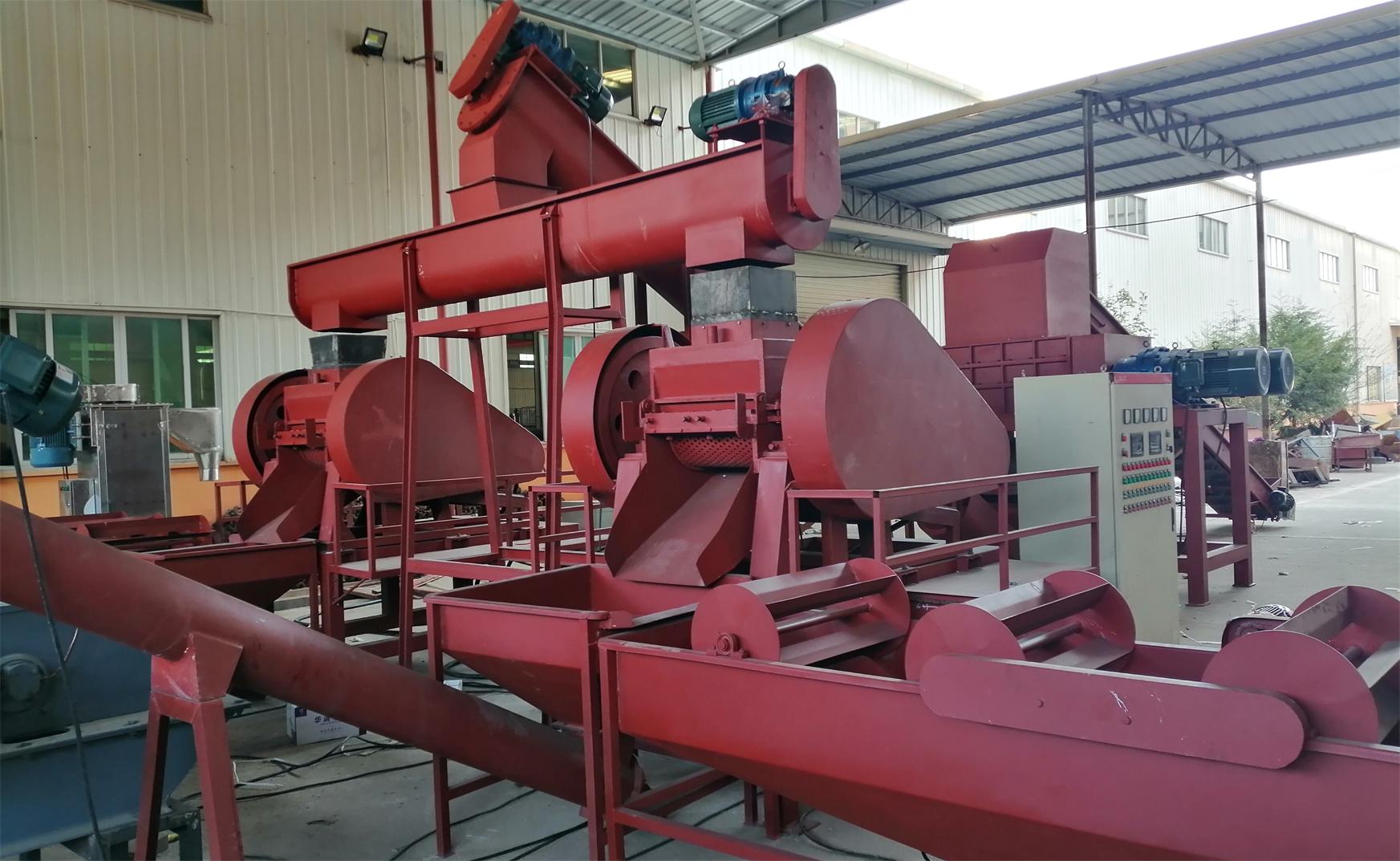
Scrap cables and wires represent one of the most accessible feedstocks for new recycling businesses. Cable recycling equipment separates copper or aluminum from plastic insulation through crushing and air separation or water separation processes.
A complete cable recycling line includes scrap cable strippers for large-diameter cables, cable granulators for fine processing, and separation systems to achieve clean metal fractions. Granulator capacity ranges from compact 100 kg/hour units suitable for small operations up to 1,200 kg/hour systems for industrial-scale facilities.
The economics are straightforward: copper recovered from scrap cable typically sells at a significant premium to virgin copper, and the plastic insulation can be sold as recycled granules for additional revenue. For entrepreneurs entering the recycling industry, cable recycling often represents the lowest barrier to entry with reliable returns.
Supporting Equipment That Determines Operational Success
While the primary processing lines get the most attention, experienced operators know that auxiliary equipment often determines whether a plant runs profitably or struggles with downtime and compliance issues.
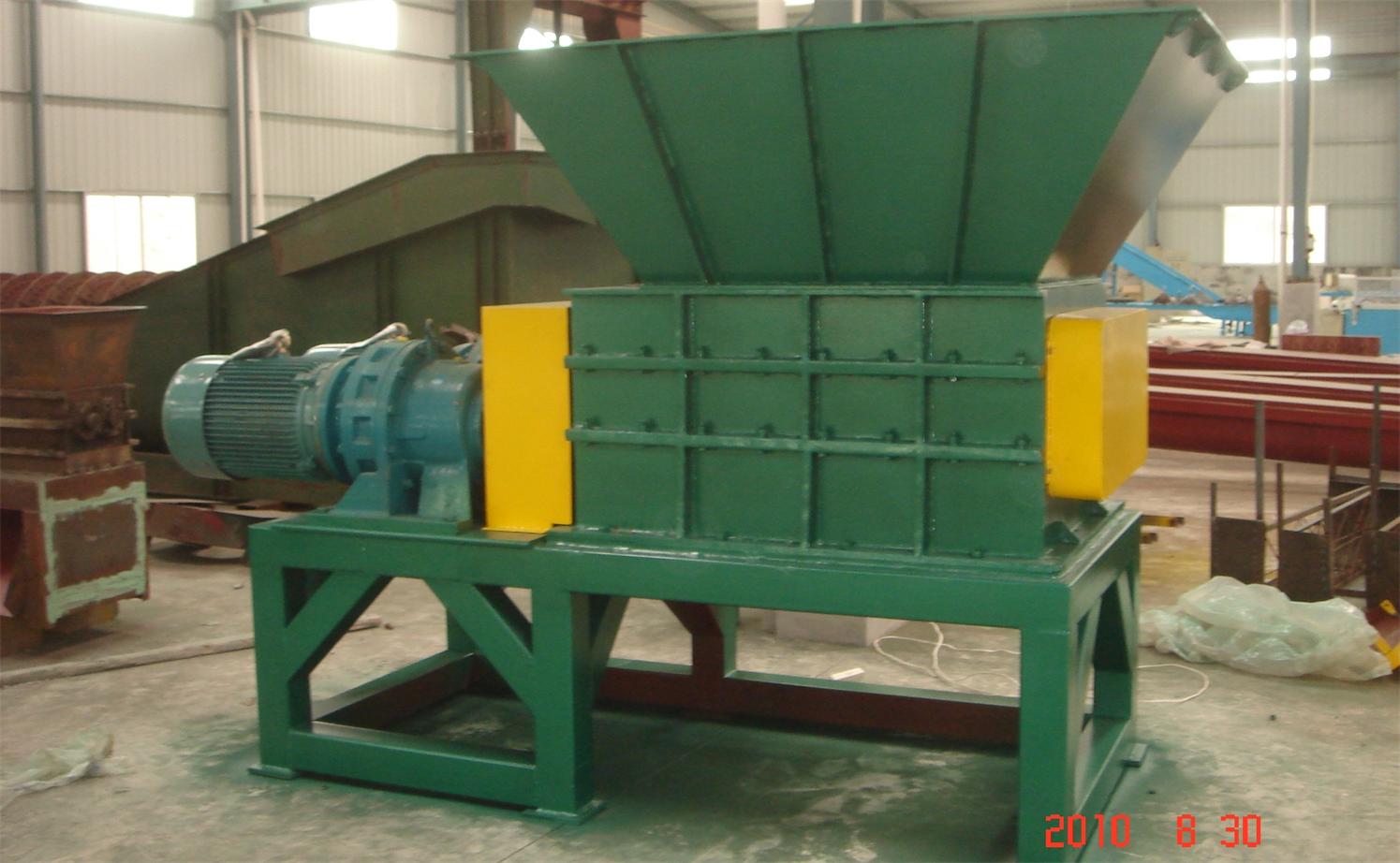
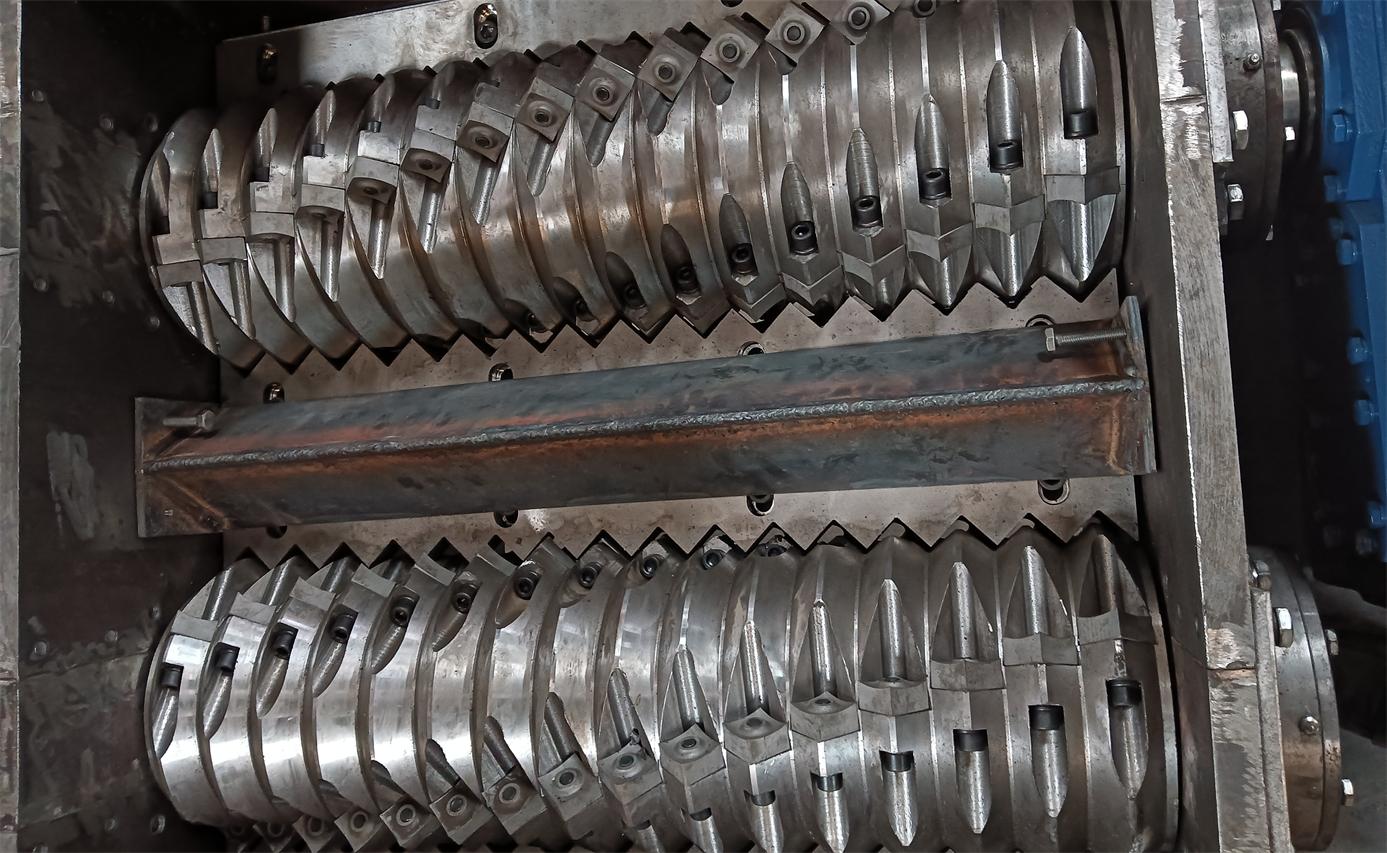
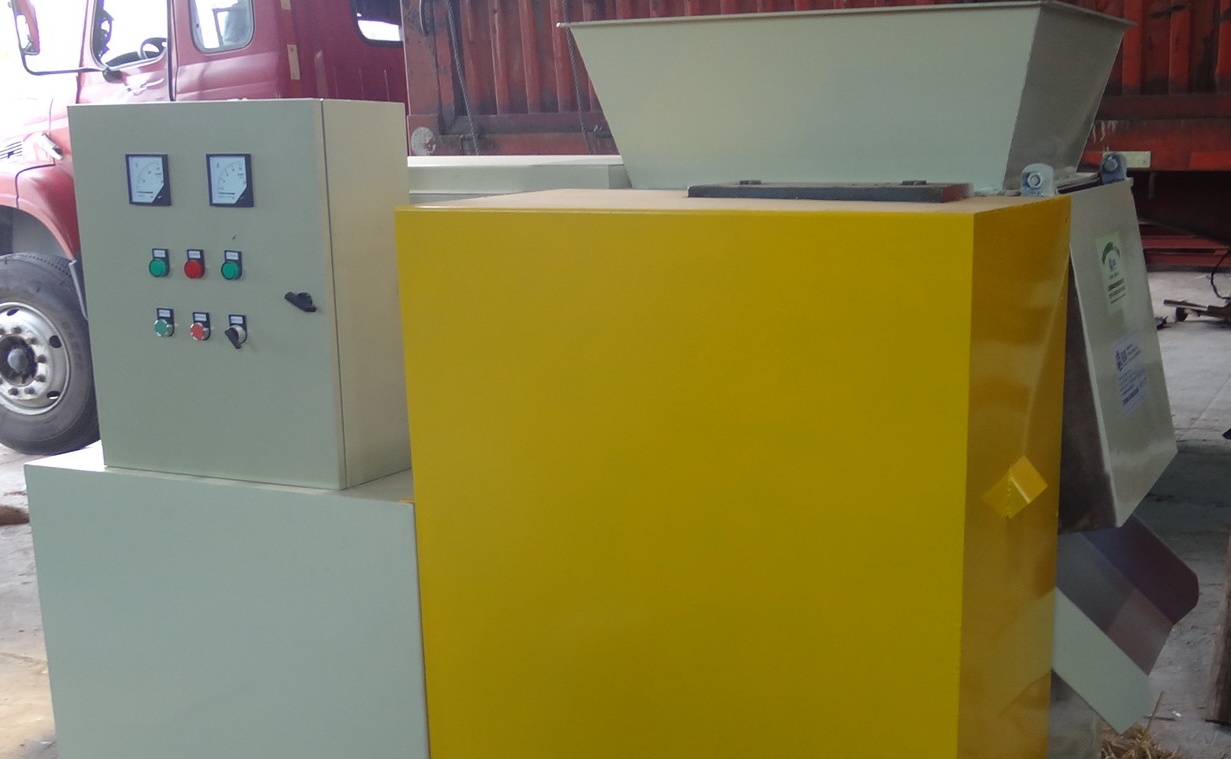
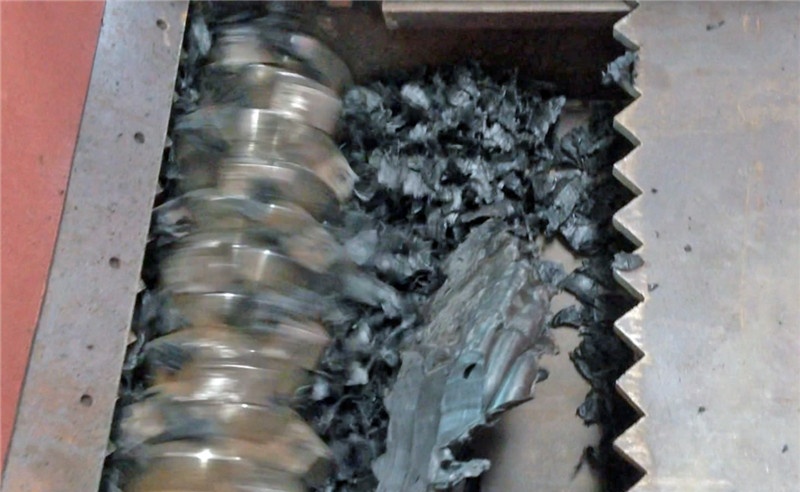
- Shredders and Pre-choppers: Four-shaft, twin-shaft, and single-shaft shredders handle the initial size reduction of diverse e-waste materials. Multi-purpose shredders can process PCBs, cables, refrigerators, batteries, and lithium cells in a single machine, with capacities ranging from 200 kg/hour to 6 metric tonnes/hour.
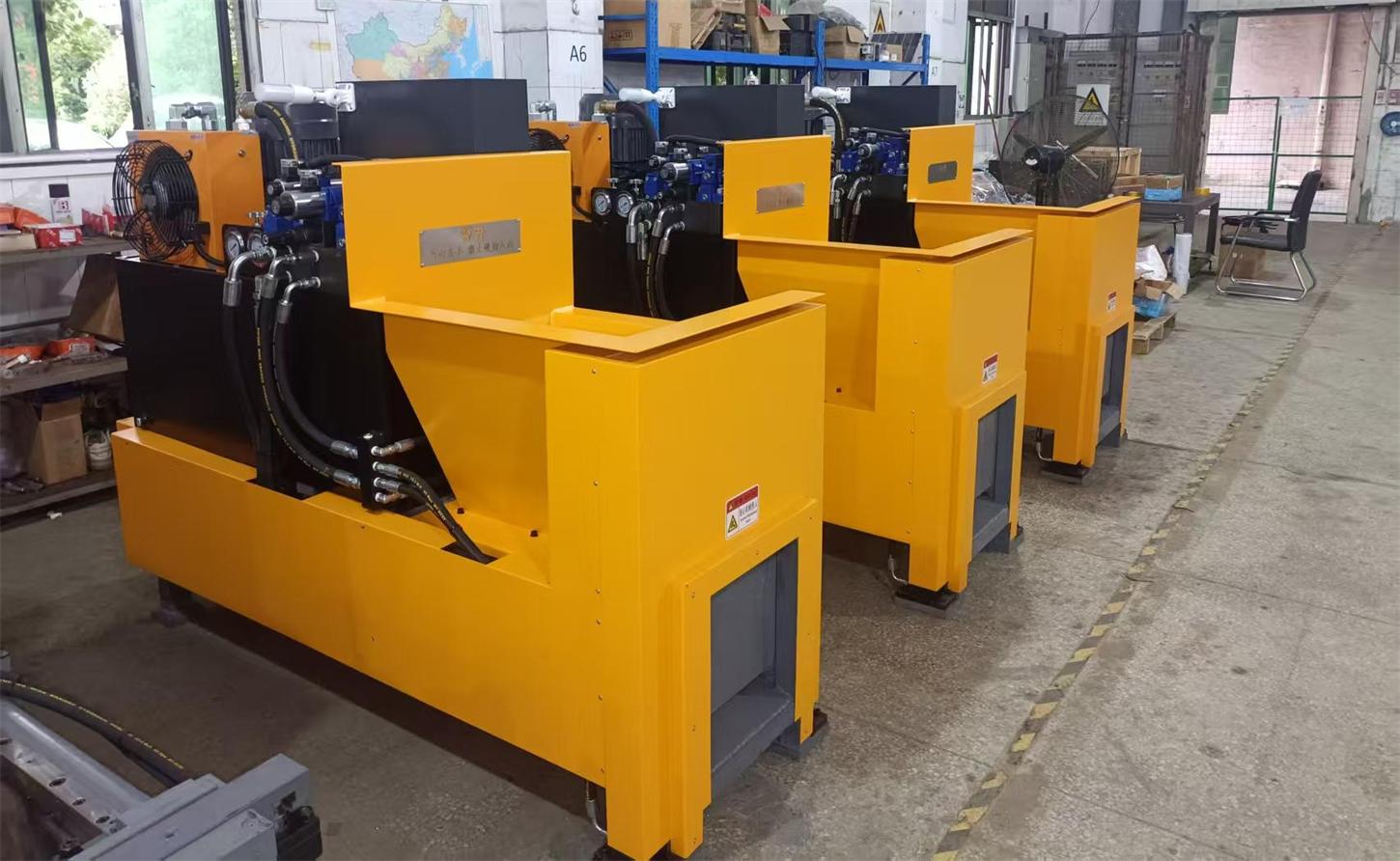
- Hydraulic Press Machines: Metal chip compactors and briquetting presses compress waste metal powder into dense blocks for easier transport and smelting. Volume compression ratios of 8:1 to 30:1 reduce logistics costs significantly.
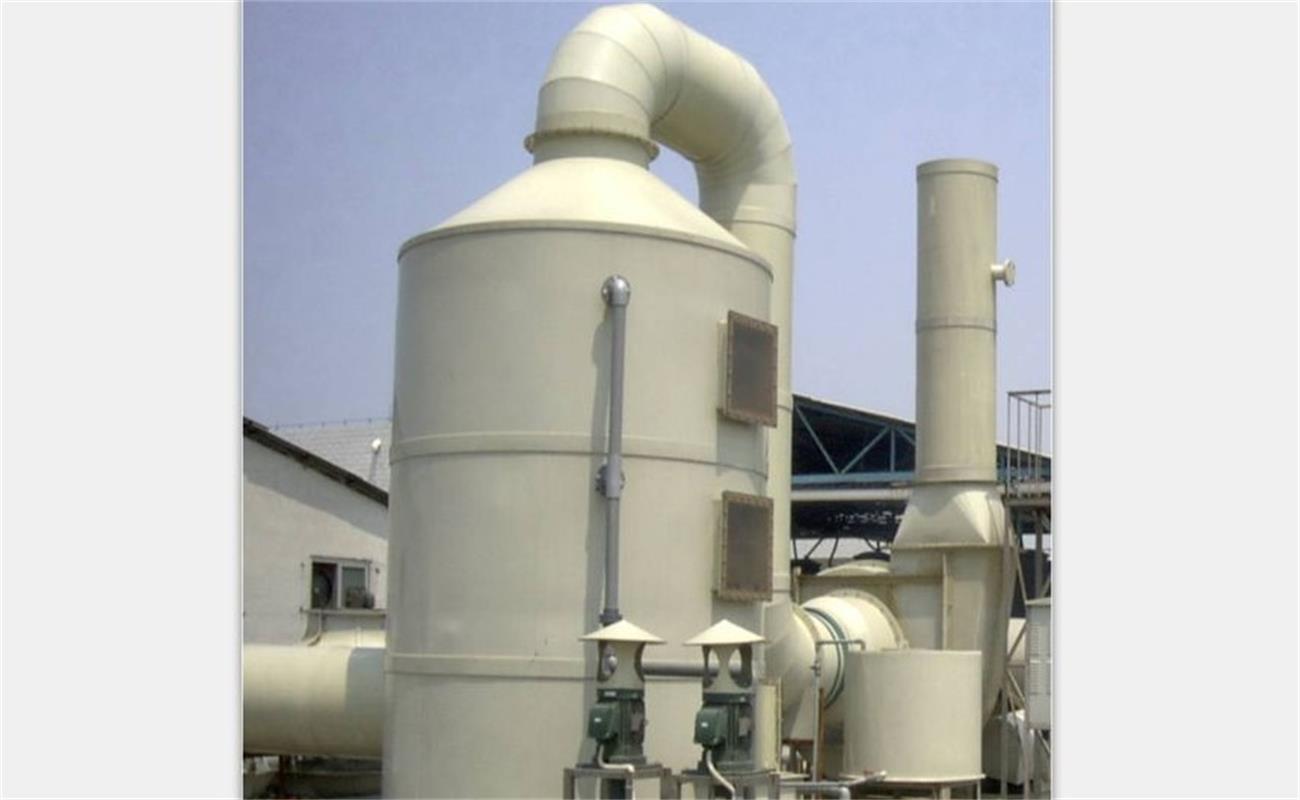
- Air Pollution Control Systems: Essential for lead battery recycling and lithium battery crushing operations. These systems absorb and neutralize harmful gases before emission, ensuring compliance with environmental regulations.
- Refrigerator and AC Recycling Systems: Specialized equipment extracts refrigerant safely, then shreds and separates end-of-life appliances into iron, copper, aluminum, plastic, and polyurethane fractions with recovery rates exceeding 90% for each material stream.
- Metal Melting Furnaces: Medium-frequency induction furnaces melt recovered metals into standardized ingots. Systems range from 15KW laboratory units to 160KW industrial furnaces capable of processing 250 kg of copper per batch.
How to Evaluate a Recycling Equipment Supplier
Not all equipment suppliers deliver the same value. The difference between a reliable partner and a costly mistake becomes apparent only after installation, when production targets, recovery rates, and environmental compliance are put to the test. Here are the criteria that separate the best suppliers from the rest.
Technical Expertise and Experience
Look for suppliers with deep engineering capabilities and a proven track record. A supplier with a professional technical support team holding master's degrees in mechanical engineering and over 15 years of hands-on experience in e-waste recycling machines can diagnose problems faster and optimize your process flow more effectively than a pure trading company.
Turnkey Project Capability
The most successful recycling ventures typically work with suppliers who offer EPC (Engineering, Procurement, Construction) project delivery. This means customized plant design, one-stop equipment purchasing, installation, commissioning, and operator training from a single responsible party. Turnkey delivery reduces coordination overhead, prevents incompatible components, and ensures the plant operates as an integrated system rather than a collection of separate machines.
After-Sales Support and Spare Parts Availability
Recycling equipment operates in harsh conditions. Downtime is expensive. Evaluate whether the supplier maintains spare parts inventory, offers remote diagnostic support, and can dispatch technicians to your site when needed. A supplier with customers in 21+ countries has necessarily developed robust logistics and support systems to maintain equipment across multiple time zones and regulatory environments.
Pollution Control and Regulatory Compliance
Environmental regulations are tightening globally. Your equipment must not only process material efficiently but also control emissions, treat wastewater, and handle hazardous byproducts safely. Reputable suppliers provide complete pollution control systems as integrated parts of their plant designs, not as optional afterthoughts.
Investment Considerations and Payback Reality
Recycling plant investments vary widely based on capacity, technology level, and feedstock types. Collection and dismantling operations can start with modest capital, while full-scale mechanical recycling plants with multiple processing lines require more substantial investment.
The key financial metric to focus on is not just the equipment price but the total cost of ownership including installation, commissioning, training, spare parts, and energy consumption over the equipment's lifetime. A slightly higher upfront investment in quality equipment typically pays for itself many times over through higher recovery rates, lower maintenance costs, and longer service life.
Working capital requirements deserve careful attention. Successful operators budget for 90 days of input material costs, not 60. This single line item is where many first-time operators under-budget, and it is the most common reason new plants stall at 70% utilization in their second year.
The Competitive Edge: Value-Added Services
The most successful recycling equipment suppliers do more than manufacture machines. They help customers succeed in the broader business ecosystem. Look for partners who can assist with feedstock sourcing, product off-take arrangements, and even investment partnerships for plant construction.
Some suppliers help customers purchase waste materials such as cable scrap, PCB scrap, and used lead acid batteries. Others assist in selling the output products from recycling plants, including copper rice, copper powder, and lead ingots. These value-added services can mean the difference between a plant that struggles to find consistent feedstock and one that operates at full capacity year-round.
Building Your Recycling Operation Starts with the Right Partner
San Lan Technologies has been manufacturing e-waste recycling equipment and mining machinery since 2007. With customers in 21+ countries across Singapore, Colombia, Vietnam, Mexico, Argentina, Korea, Malaysia, Indonesia, South Africa, Tunisia, India, Kenya, Saudi Arabia, Philippines, Zambia, Israel, and beyond, we bring global experience to every project.
Our product range covers complete recycling plant solutions including lead acid battery recycling lines, lithium battery recycling systems, circuit board recycling plants, cable recycling equipment, shredders, hydraulic presses, refrigerator recycling systems, motor recycling machines, lamp recycling equipment, and metal melting furnaces.
Whether you are starting your first recycling venture or expanding an established operation, our engineering team provides customized design, turnkey project delivery, installation, commissioning, and ongoing technical support.
Contact San Lan Technologies today to discuss your project requirements, request a detailed quotation, or schedule a video call with our engineering team. Let us help you build a recycling plant that delivers maximum recovery, consistent profitability, and full environmental compliance.
Email: info@san-lan.com
WhatsApp: +86 139 2377 4083
Website: www.san-lan.com