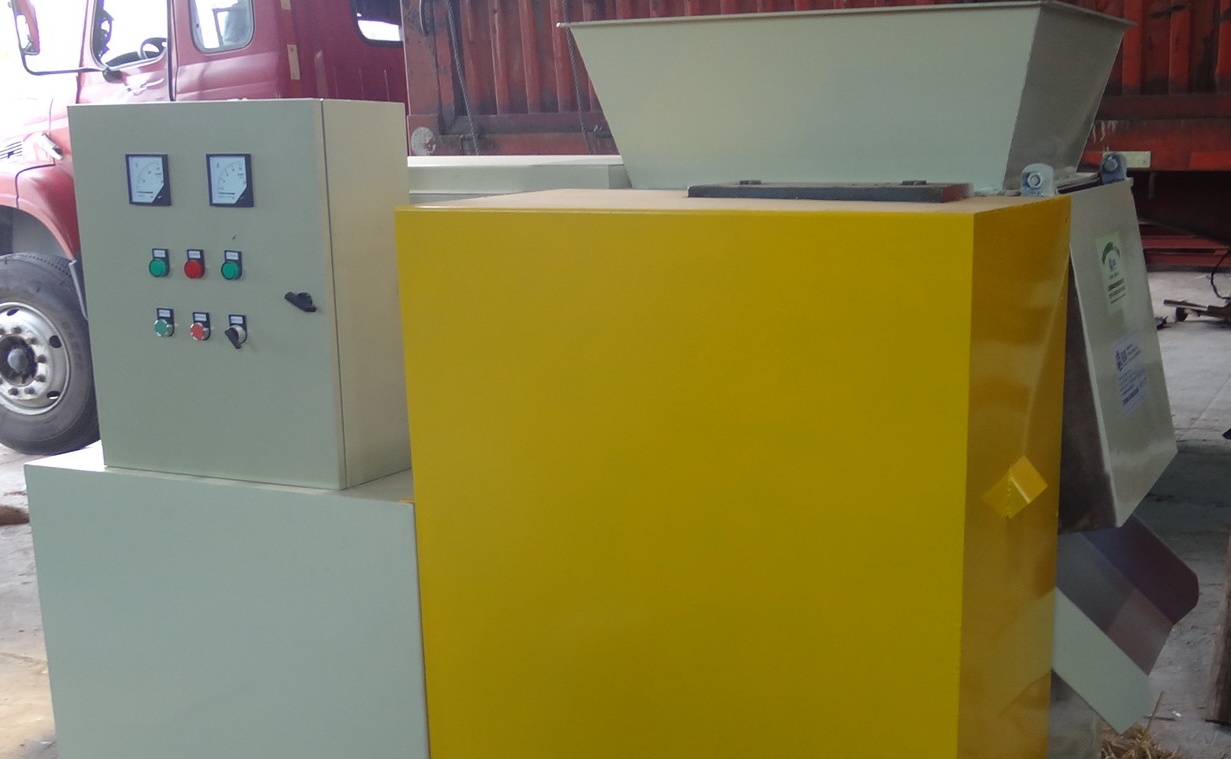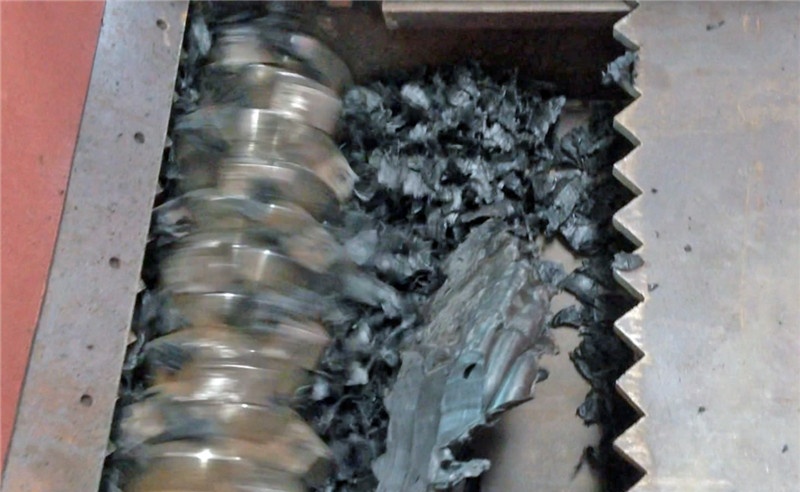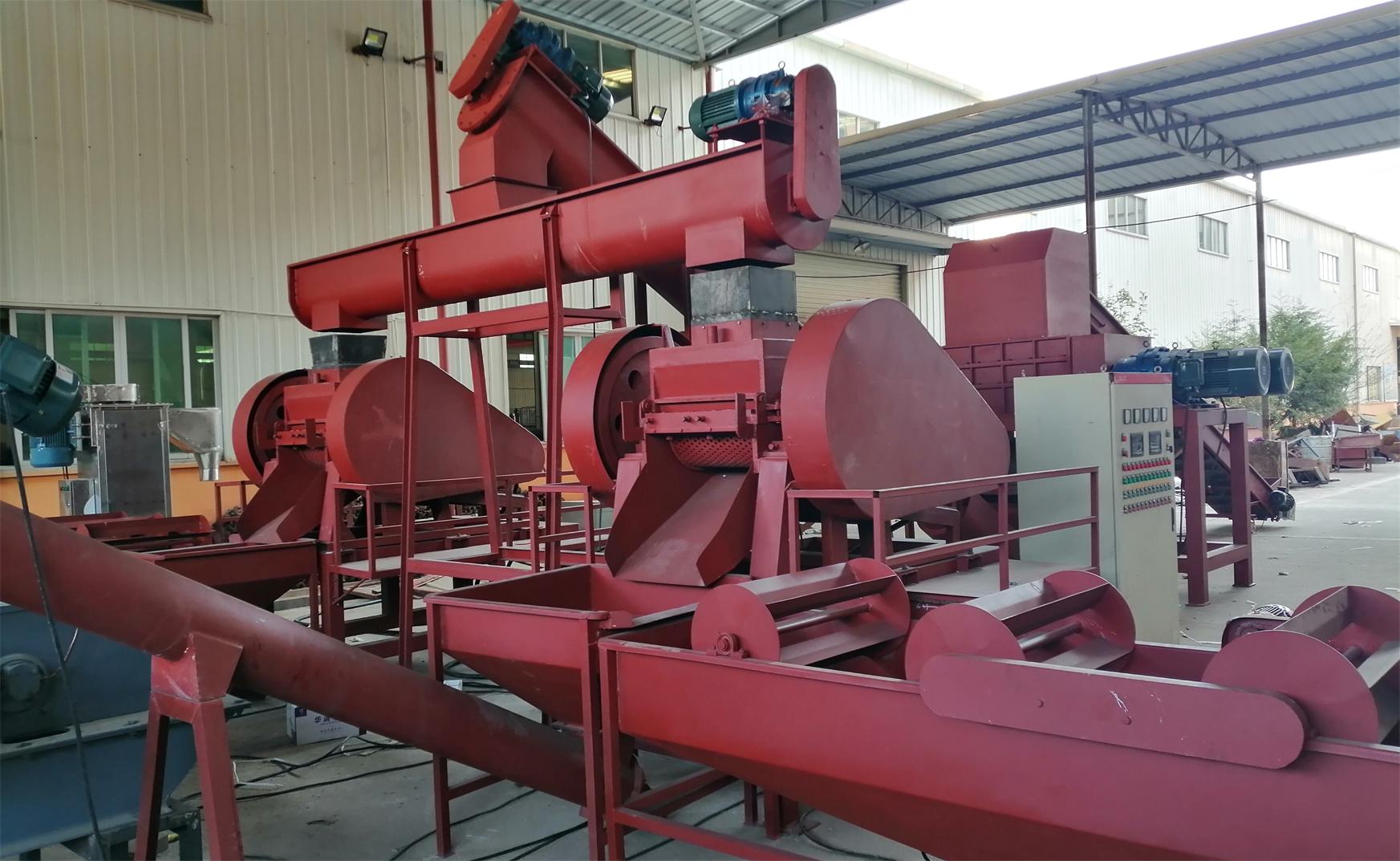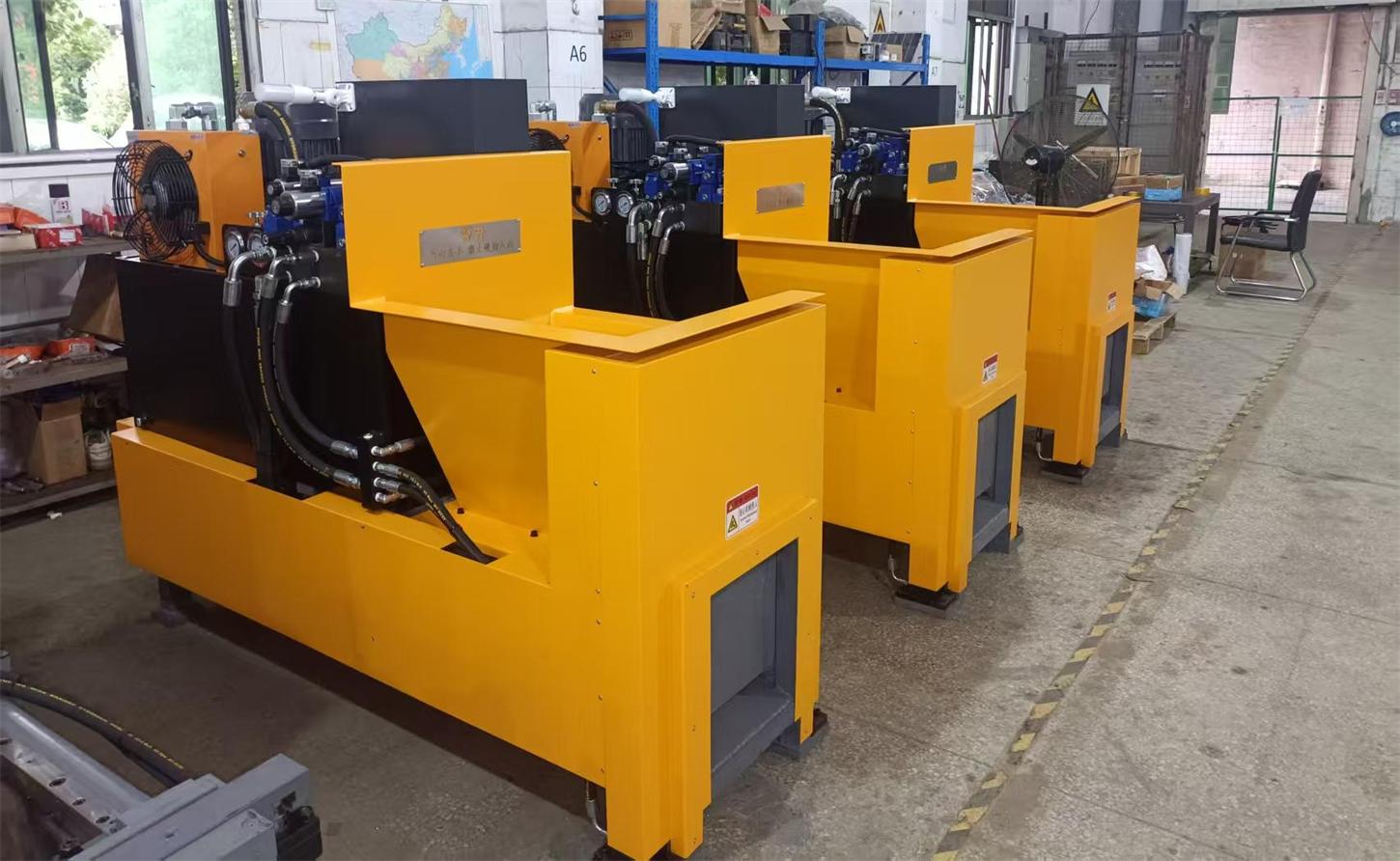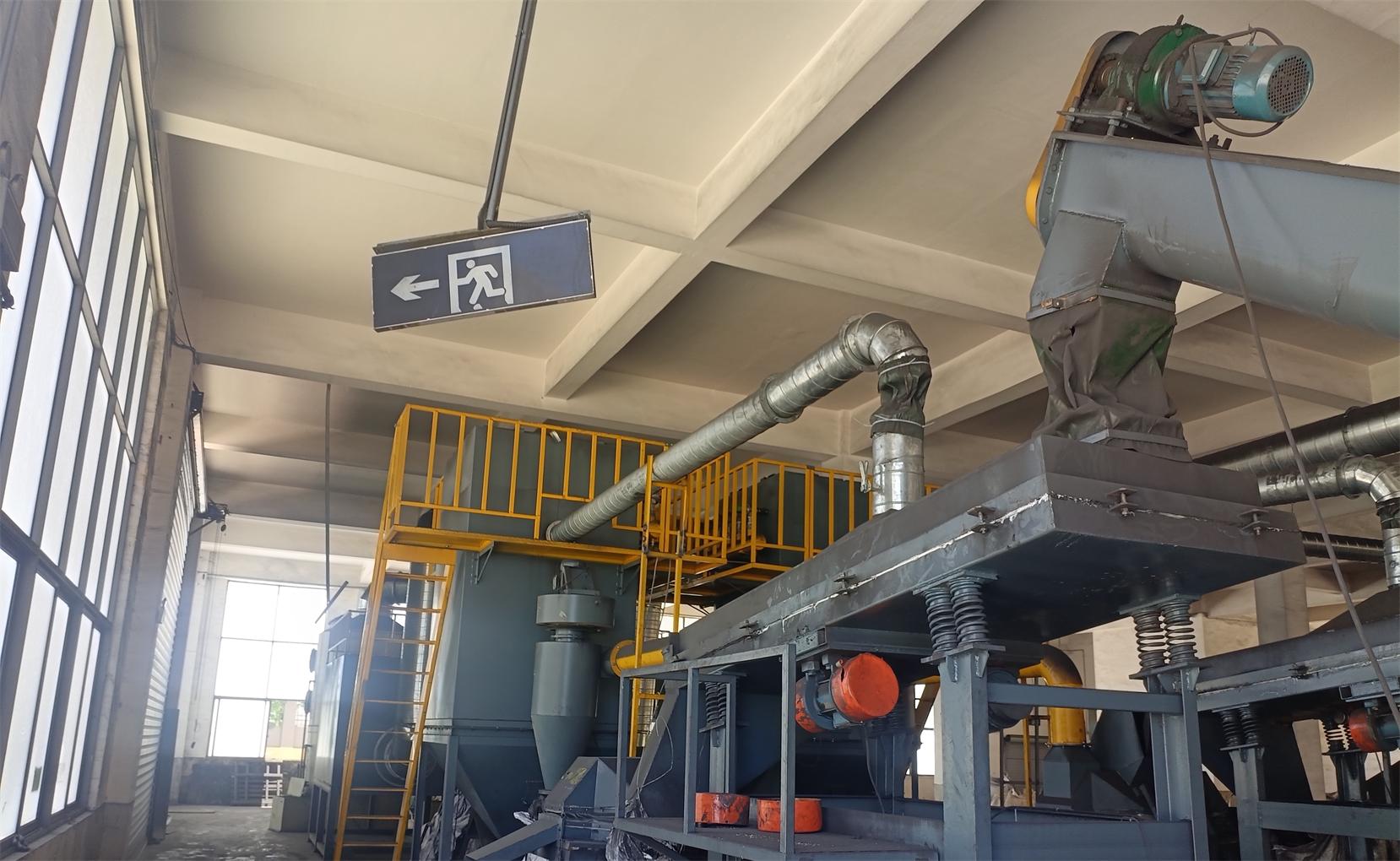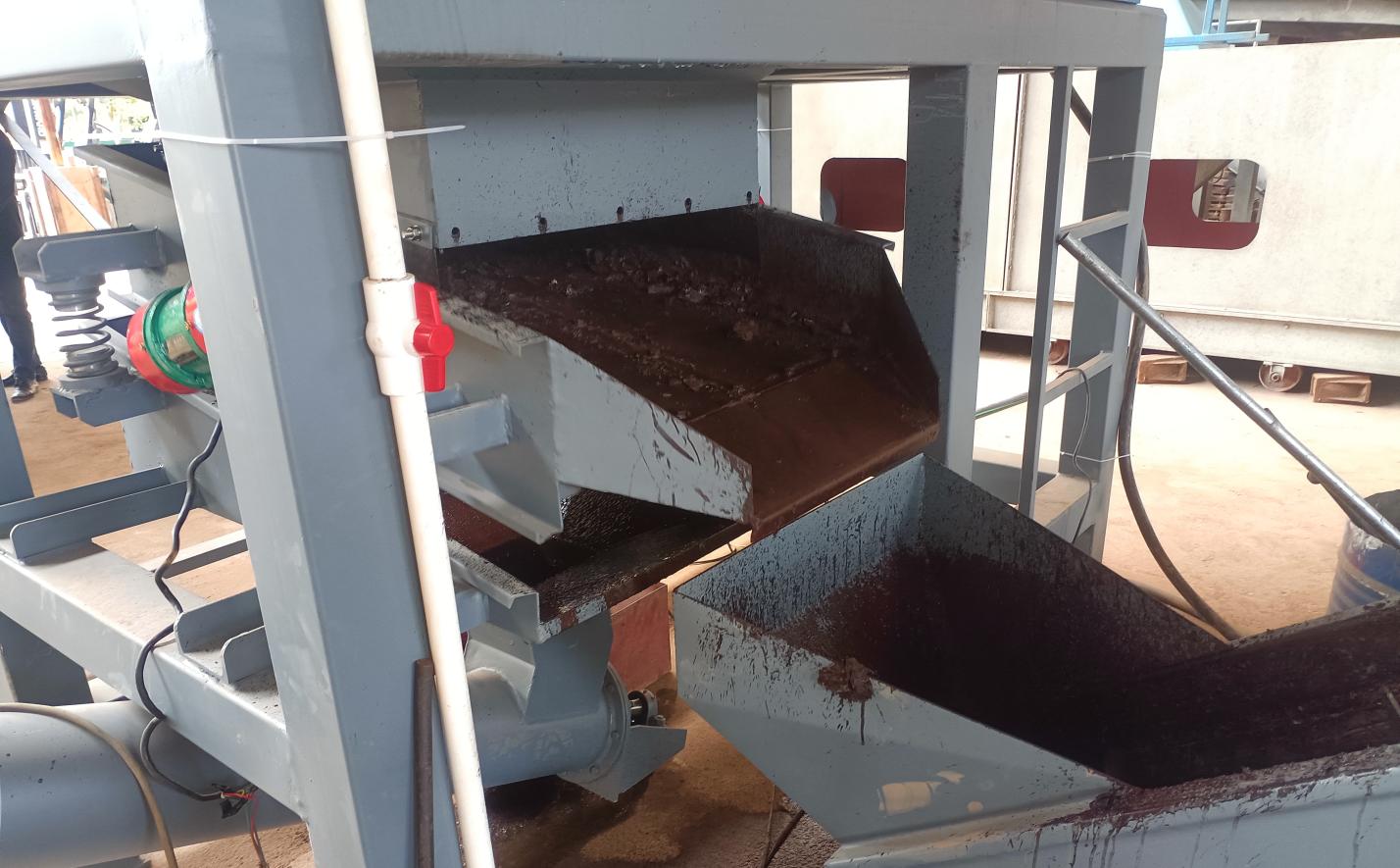
The global surge in electronic waste has created an unprecedented demand for efficient recycling solutions. With millions of tons of discarded electronics, batteries, and cables accumulating annually, businesses and governments alike are seeking reliable recycling equipment to recover valuable materials while protecting the environment. This guide explores the essential machinery behind modern e-waste processing and how experienced manufacturers are delivering turnkey solutions worldwide.
Why E-Waste Recycling Matters Now More Than Ever
Electronic waste represents one of the fastest-growing waste streams globally. From obsolete smartphones and computers to end-of-life industrial equipment, the volume of discarded electronics continues to rise. Within this waste lie significant quantities of recoverable metals including copper, aluminum, lead, lithium, cobalt, and precious metals. Without proper processing, these materials are lost to landfills, while improper handling releases toxic substances into soil and water systems.
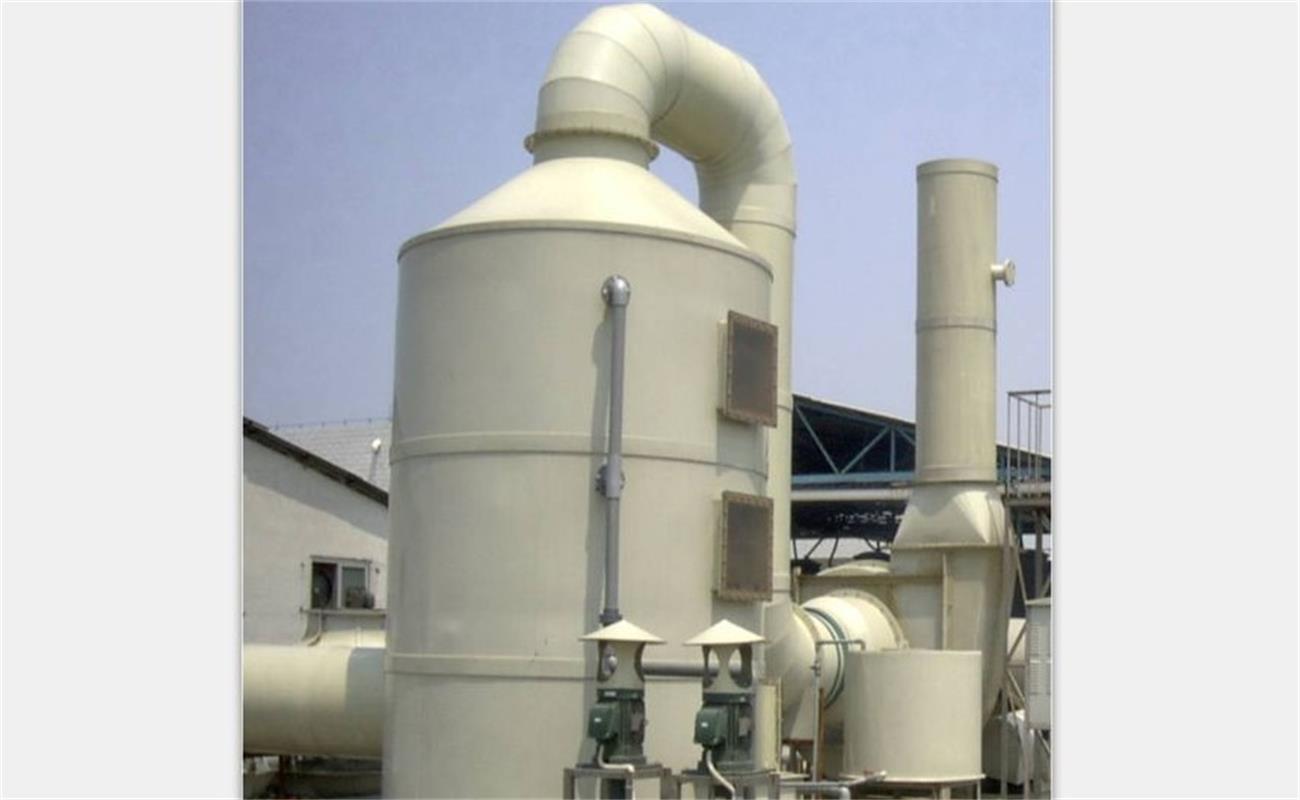
Modern recycling equipment supplier systems have evolved to address these challenges through automated breaking, separation, and purification technologies. Today's advanced plants can process diverse waste streams with recovery rates exceeding 95% for many materials, transforming environmental liabilities into profitable resource recovery operations.
Lead Acid Battery Recycling: A Critical Environmental Priority
Used lead acid batteries (ULAB) represent one of the most recyclable yet potentially hazardous waste categories. A complete lead acid battery recycling equipment system typically includes battery breaking and separation machinery, paste reduction furnaces, refining kettles, and pollution control systems. The process begins with cutting and emptying batteries, followed by mechanical separation to isolate lead paste, lead grids, plastic casings, and sulfuric acid.
Advanced systems now achieve lead recovery rates of 95% or higher while maintaining strict environmental compliance. Rotary furnaces and blast furnaces reduce lead paste to crude metallic lead, which is then refined to 99.999% purity in specialized kettles. Modern electric heated refinery kettles using near-infrared technology can reduce energy consumption by 30-50% compared to conventional fuel-fired systems. De-sulfurization units remove sulfur from lead paste before smelting, lowering melting temperatures and significantly reducing SO2 emissions.
Lithium Battery Recycling: Capturing Tomorrow's Resources
As electric vehicles and portable electronics proliferate, spent lithium-ion batteries have become a critical feedstock for recovering nickel, cobalt, graphite, and copper. A comprehensive lithium battery recycling plant incorporates discharging stations, pre-crushing units, secondary granulation systems, black powder separation equipment, and magnetic separators for iron and steel removal.
Capacity requirements vary significantly across operations, with modern plants offering throughput from 500 to 2,500 kg per hour. The separation process yields multiple valuable streams: black mass containing nickel, cobalt, and graphite; clean copper; aluminum; and plastic separator films. Auxiliary systems including air pollution control equipment, pneumatic conveying systems, and hydraulic briquetters for plastic film compression ensure complete environmental containment and material valorization.
Cable and Circuit Board Processing: Maximizing Metal Recovery
Scrap cables and printed circuit boards contain exceptionally high concentrations of copper and precious metals. Specialized cable recycling equipment ranges from manual and automatic scrap cable strippers for preprocessing to high-capacity cable granulators with dry or wet separation systems. Advanced granulators equipped with air separators, vibrating screens, and electrostatic separators achieve copper powder purity of 96-98% with recovery rates around 95%.
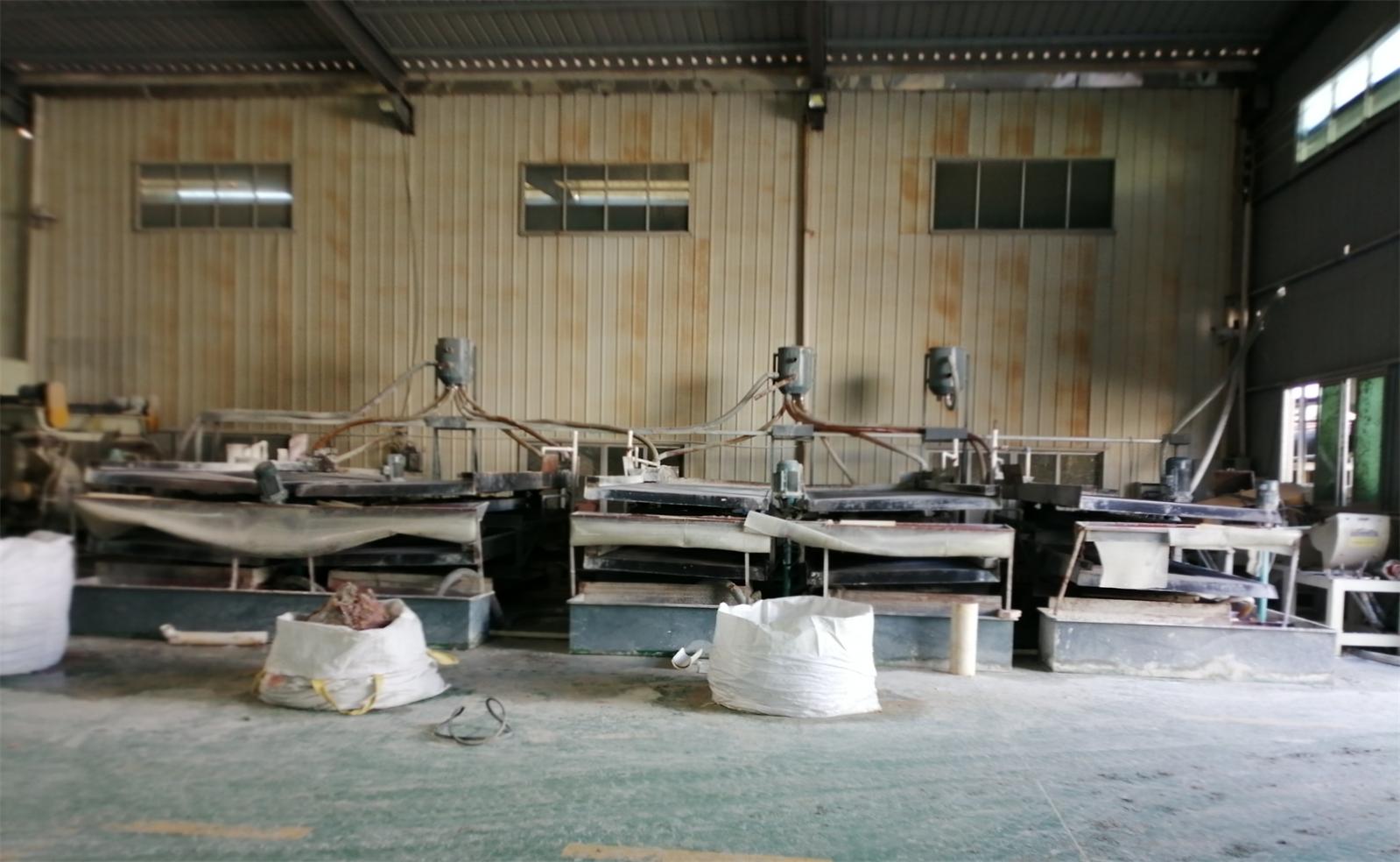
For circuit board processing, circuit board recycling equipment employs mechanical crushing combined with air or water separation to isolate copper powder and precious metal concentrates. Wet separation systems can process PCB waste with components still attached, offering flexibility for mixed feedstocks. Plants are available in capacities from 300 kg/hour to 5,000 kg/hour, with dry separation options eliminating water treatment requirements entirely.
Integrated Solutions: Beyond Individual Machines
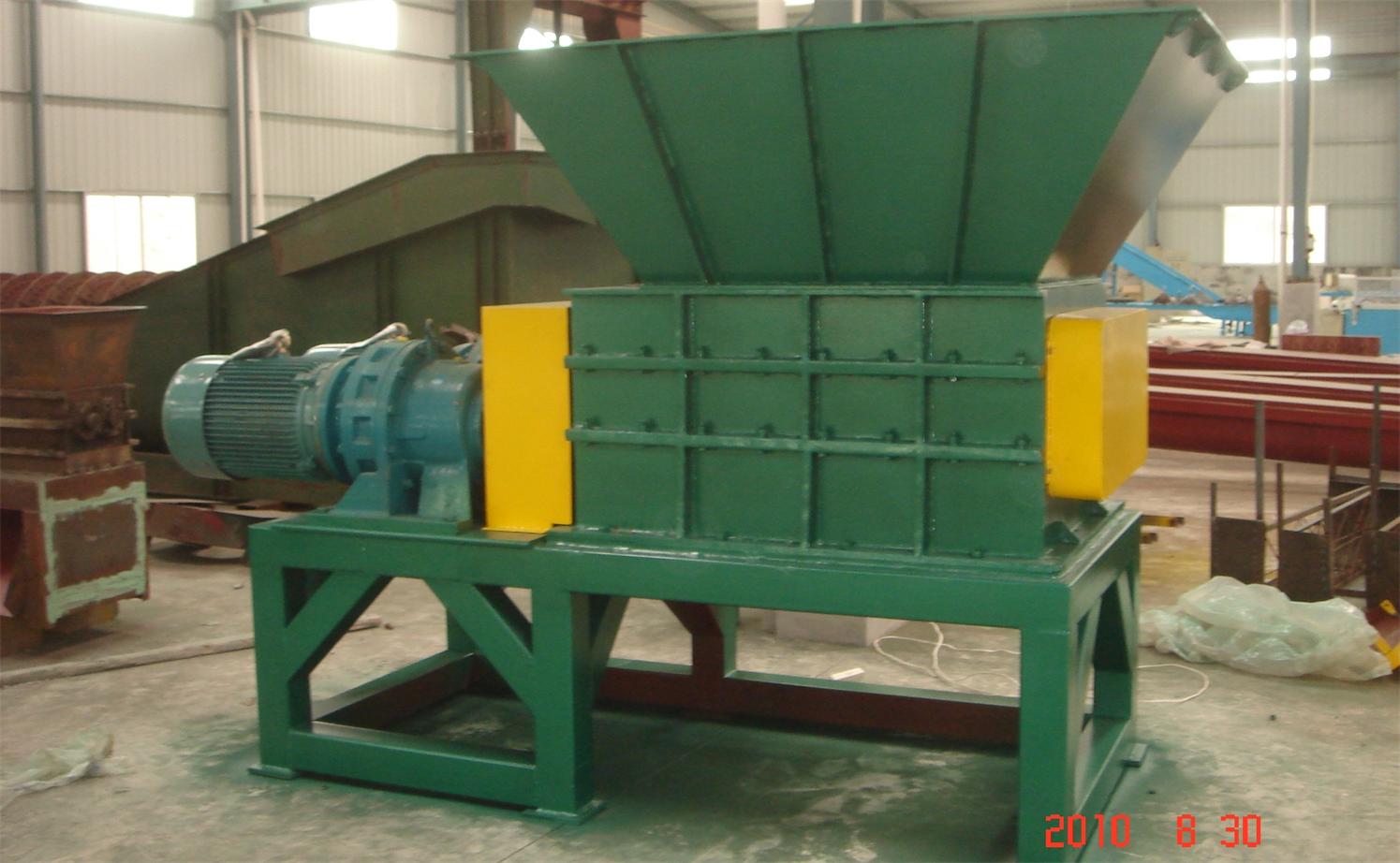
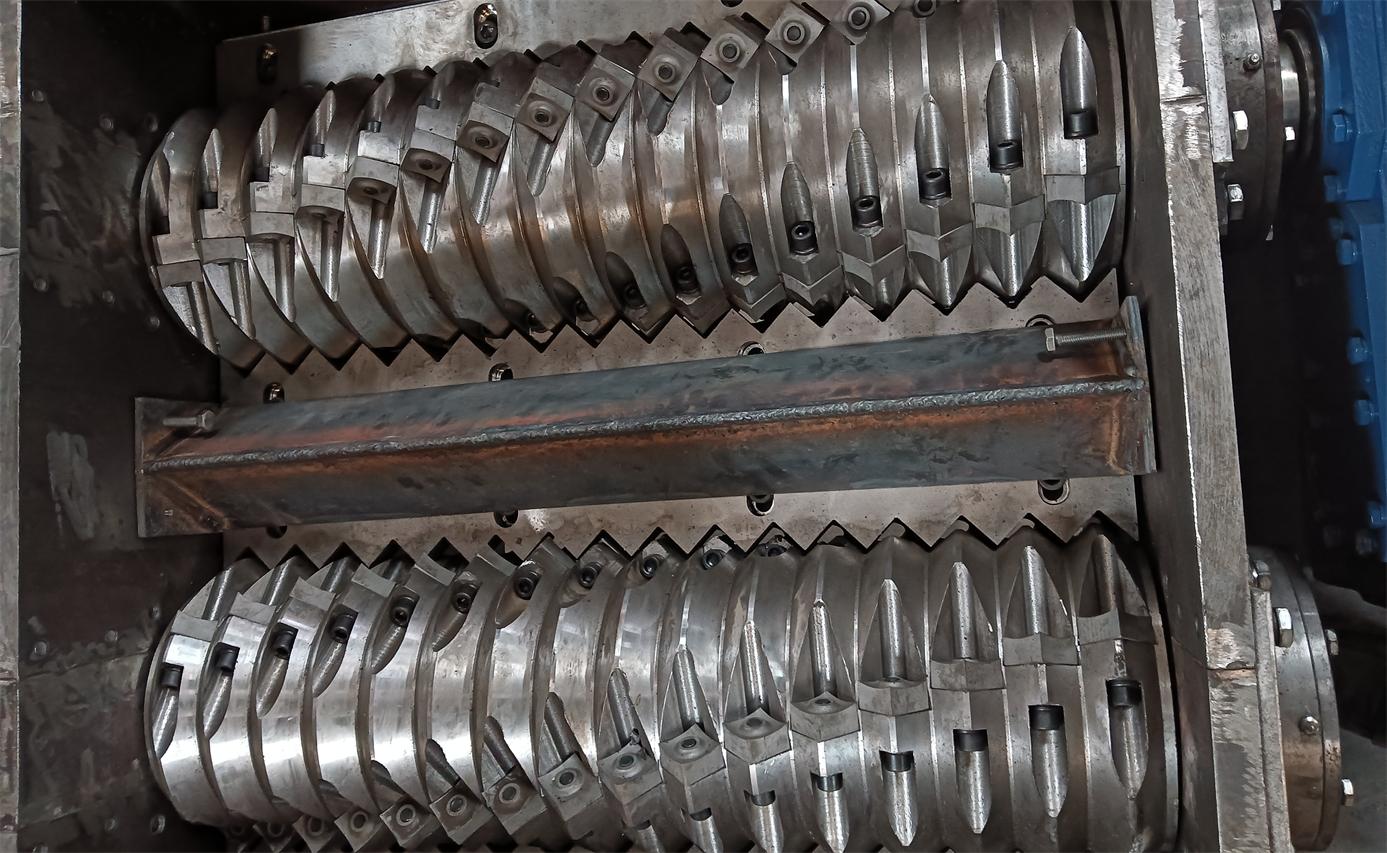
While individual machines serve specific functions, modern recycling operations increasingly demand integrated plant solutions. Complete e-waste recycling facilities incorporate shredders and pre-choppers for size reduction, specialized separation equipment for different material streams, and melting furnaces for metal ingot production. Additional auxiliary systems including hydraulic balers, metal chip compactors, and lamp recycling machines enable comprehensive processing of diverse waste categories.
For operations near mining regions or processing mineral extraction byproducts, lithium ore extraction plants and tailing ore recovery systems offer additional revenue streams. These facilities convert crude ore or low-grade tailings into lithium concentrate with grades of 4-5%, achieving total recovery rates significantly above industry averages.
What to Look for in a Recycling Equipment Partner
Selecting the right equipment supplier significantly impacts long-term operational success. Key considerations include technical expertise demonstrated through engineering qualifications and industry experience, proven project execution capabilities including installation and commissioning support, and comprehensive after-sales service with spare parts availability.
Experienced manufacturers offer substantial advantages including EPC (Engineering, Procurement, Construction) project capabilities, customized plant design for specific feedstocks and capacities, assistance with raw material sourcing and product marketing, and pollution control systems ensuring regulatory compliance. Bilingual technical teams capable of communicating across cultural boundaries further streamline international project execution.
Essential capabilities for recycling equipment suppliers:
- Customized design and one-stop purchasing centers
- Professional installation and commissioning services
- Pollution control and environmental compliance systems
- Raw material procurement and product sales assistance
- Ongoing technical support and spare parts supply
San Lan Technologies: Nearly Two Decades of Recycling Excellence
Since 2007, San Lan Technologies Co., Ltd has established itself as a professional manufacturer of WEEE recycling machines and mining equipment based in Ganzhou, Jiangxi Province, China. The company's product portfolio encompasses complete recycling plants for lead acid batteries, lithium batteries, circuit boards, cables, refrigerators, air conditioners, CRT monitors, electric motors, and fluorescent lamps, alongside shredders, hydraulic presses, and metal melting furnaces.
San Lan's technical team includes master's degree engineers with over 15 years of experience in e-waste recycling machinery design and application. The company has delivered equipment to customers across more than 21 countries including Singapore, Colombia, Vietnam, Mexico, Argentina, Korea, Malaysia, Indonesia, South Africa, Tunisia, India, Kenya, Saudi Arabia, Philippines, and Zambia. Beyond equipment manufacturing, San Lan provides comprehensive EPC services, helps customers source waste materials including cable scrap and PCB scrap, and assists with marketing recovered products such as copper rice, copper powder, and lead ingots.
Ready to establish or expand your recycling operation? Whether you need individual machines or complete turnkey plants, partnering with an experienced manufacturer ensures your project benefits from proven technology, professional implementation, and ongoing support. Contact San Lan Technologies today to discuss your specific requirements and discover how the right recycling equipment can transform waste into valuable resources while contributing to a sustainable future.