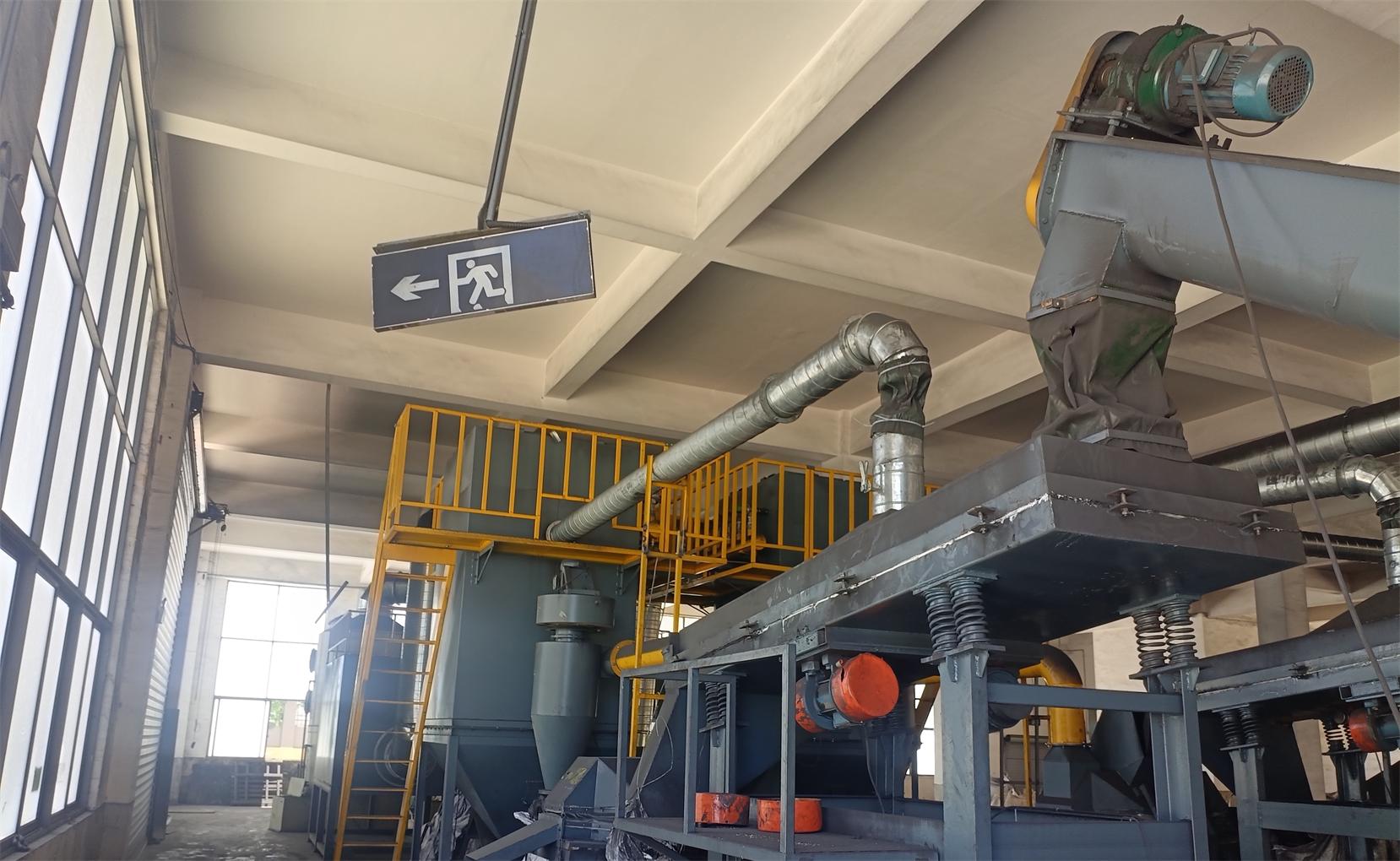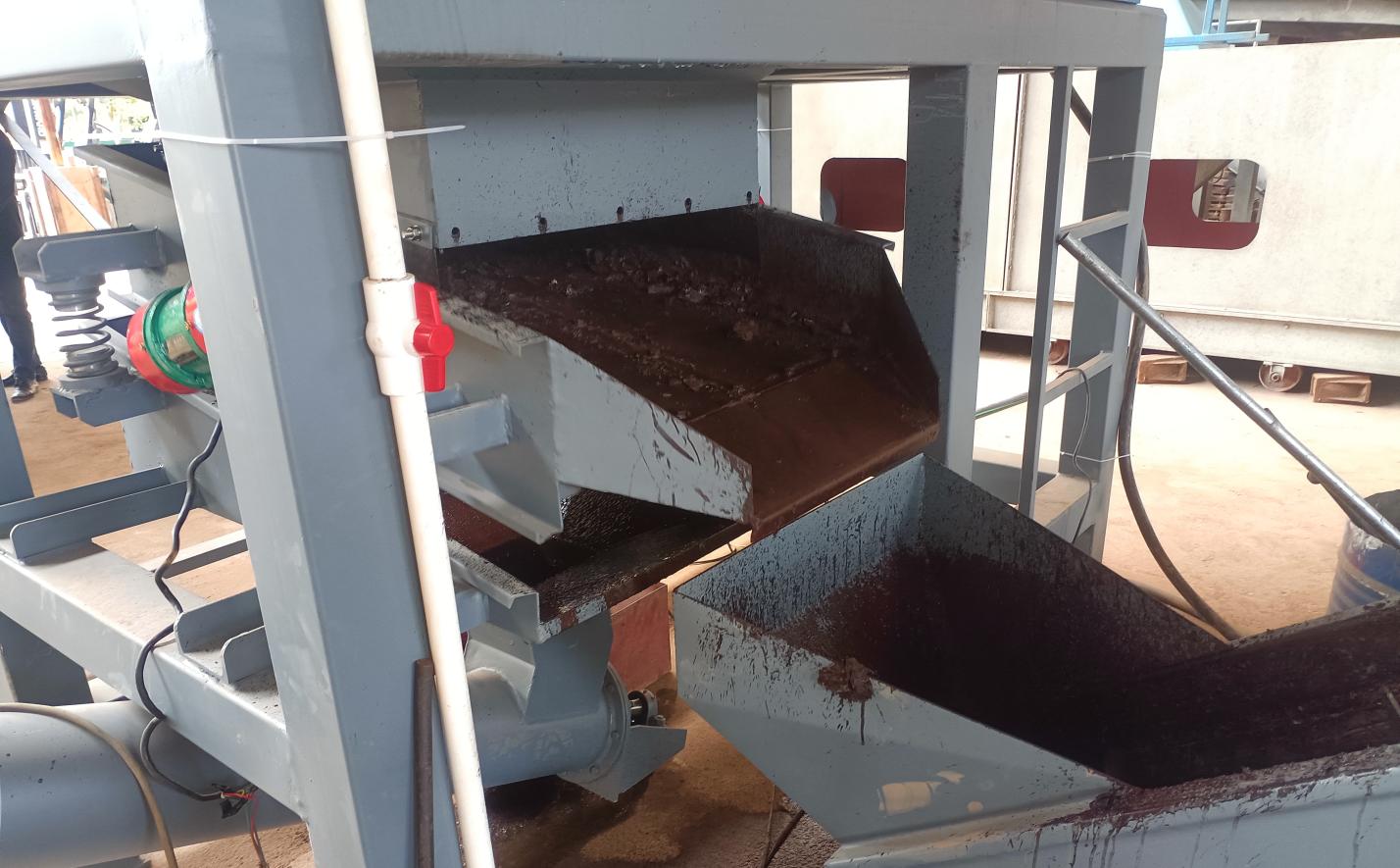
The global e-waste recycling market is expanding rapidly as governments tighten environmental regulations and businesses recognize the value hidden in discarded electronics. With the right recycling equipment, a well-planned facility can recover valuable metals, reduce landfill waste, and generate consistent revenue. This guide covers the essential equipment categories, selection criteria, and what to look for in a reliable equipment partner.
Why E-Waste Recycling Is a Growth Industry
Electronic waste contains significant concentrations of copper, aluminum, lead, lithium, cobalt, nickel, and precious metals. A tonne of mobile phone circuit boards, for example, contains more gold than a tonne of high-grade mined ore. As device lifespans shorten and consumption rises, the volume of available feedstock continues to grow.
For entrepreneurs and existing waste management companies, this presents a dual opportunity: environmental compliance and resource recovery. The key to capturing this opportunity is investing in the right machinery from the start.
Core Equipment Categories for a Modern Recycling Facility
A comprehensive e-waste recycling operation typically requires several integrated systems. Below are the primary categories that form the backbone of a profitable plant.
1. Battery Recycling Systems
Used batteries represent one of the most hazardous and valuable waste streams. Lead acid batteries and lithium-ion batteries require specialized processing lines.
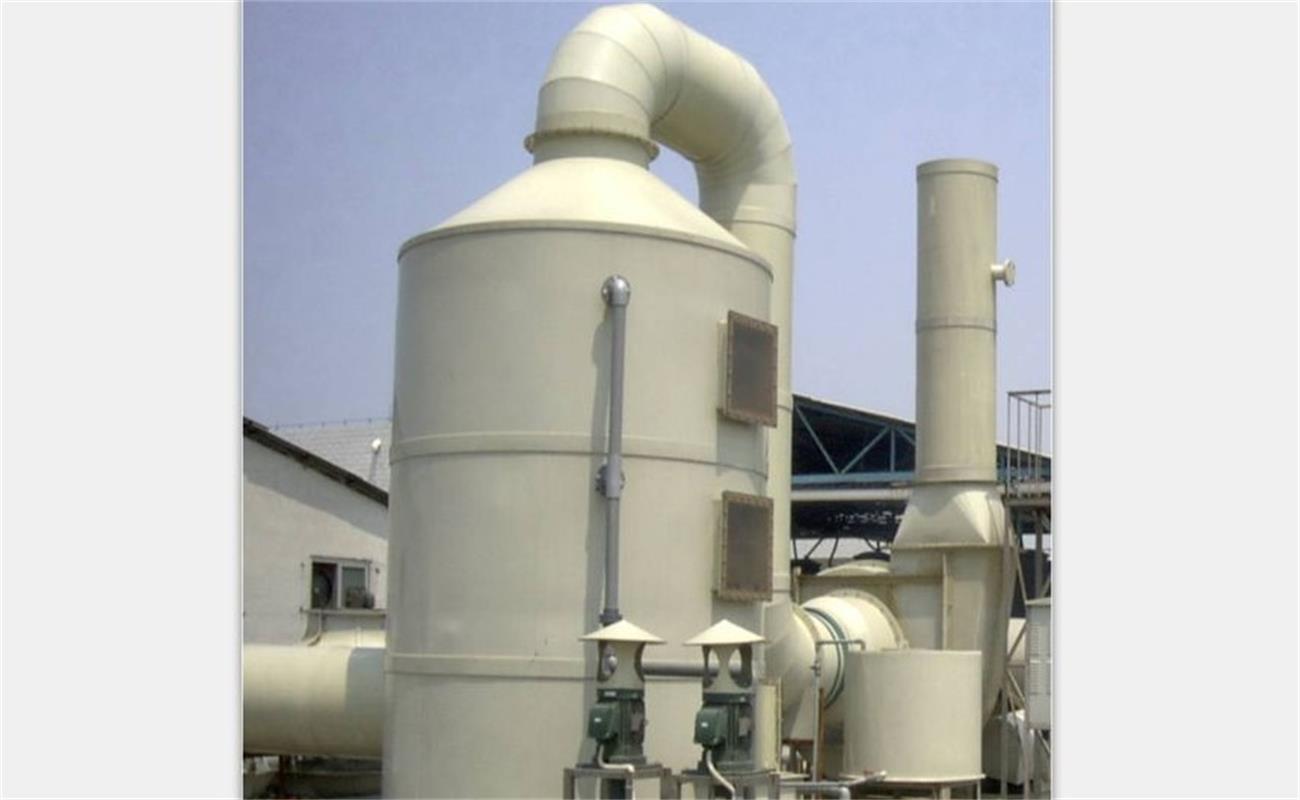
Lead acid battery recycling equipment breaks and separates batteries to recover lead paste, lead grids, plastic shells, and acid. A complete system includes battery cutters, breaking and separation units, de-sulfurization machines, smelting furnaces (rotary or blast furnaces), refinery kettles, and air pollution control systems. Capacities typically range from 1 to 10 metric tonnes per hour.
For lithium-ion batteries, recycling plants focus on recovering black mass (containing nickel, cobalt, and graphite), copper, aluminum, and plastic separators. These systems include discharging units, pre-crushers, secondary granulators, magnetic separators, and dedicated air pollution control systems to handle harmful gases safely.
2. Cable and Wire Processing Lines
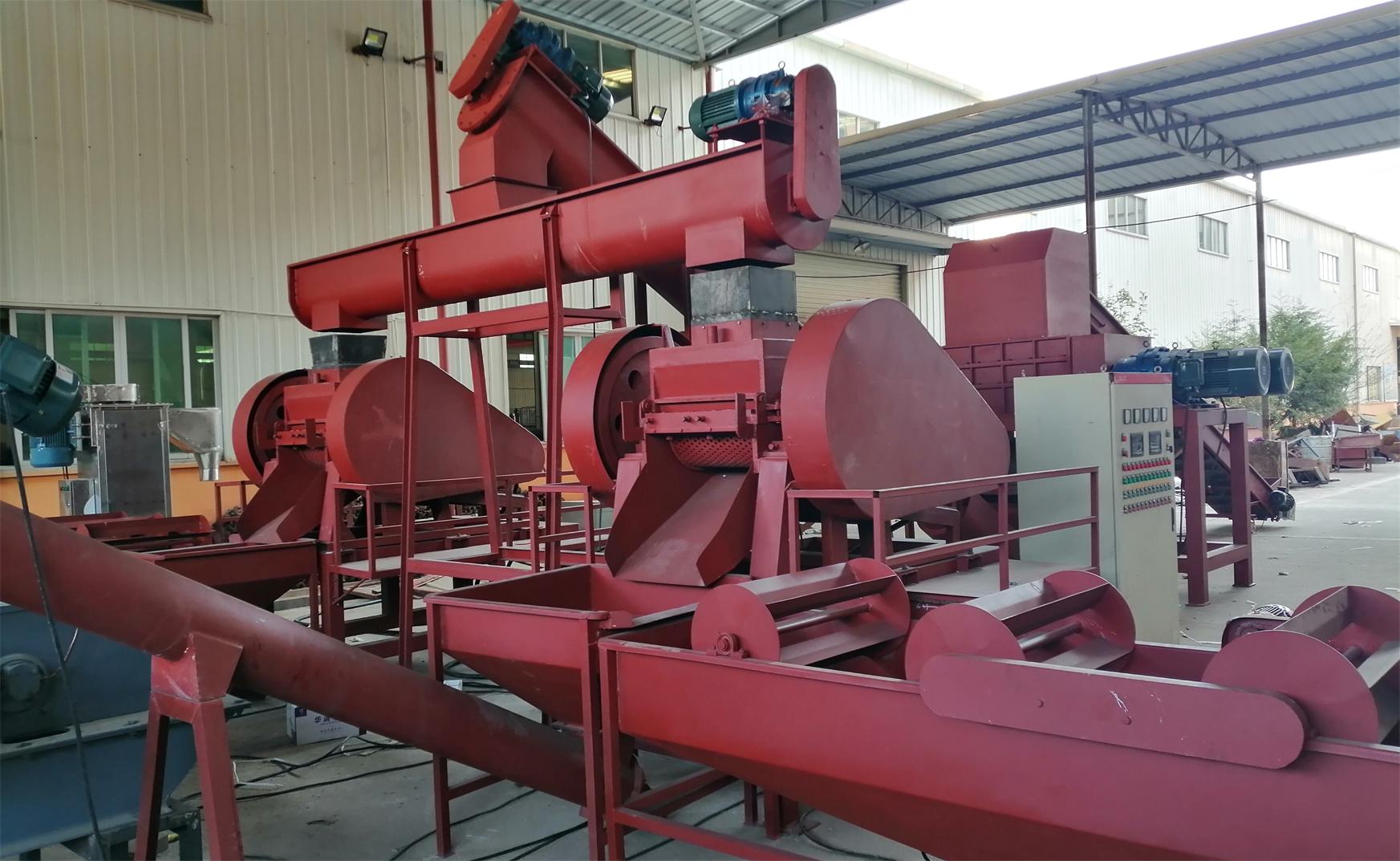
Scrap cables are a high-volume feedstock found in demolition sites, automotive recycling yards, and electrical contractor waste. Cable recycling equipment uses a combination of crushing, air separation, and sometimes water separation to isolate copper or aluminum from plastic insulation.
Modern cable granulators can process anywhere from 100 kg/hour to over 1,000 kg/hour depending on the model. Pre-processing with scrap cable strippers for large-diameter cables improves overall efficiency and reduces wear on the granulator.
3. Circuit Board Recycling Plants
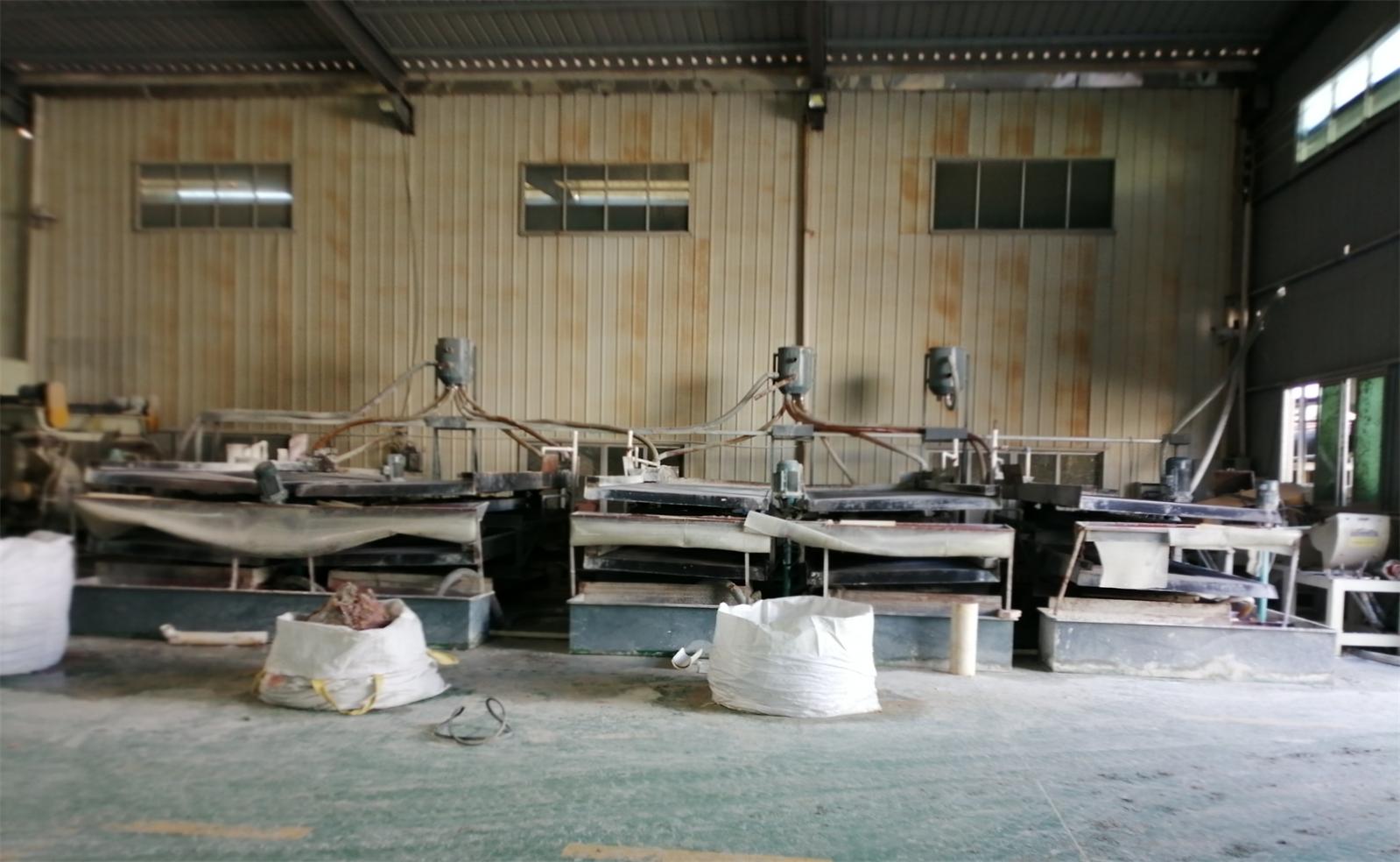
Printed circuit boards (PCBs) are among the most valuable e-waste fractions due to their copper and precious metal content. Circuit board recycling equipment uses either dry separation (air separators, electrostatic separators, and dust collectors) or wet separation (water-based metal separation) to recover copper powder with purity levels reaching 96–98%.
Capacities range from 300 kg/hour for smaller operations up to 2,000 kg/hour or more for industrial-scale facilities. Choosing between dry and wet processes depends on local environmental regulations, water availability, and the type of PCB waste being processed.
4. Pre-Processing and Size Reduction
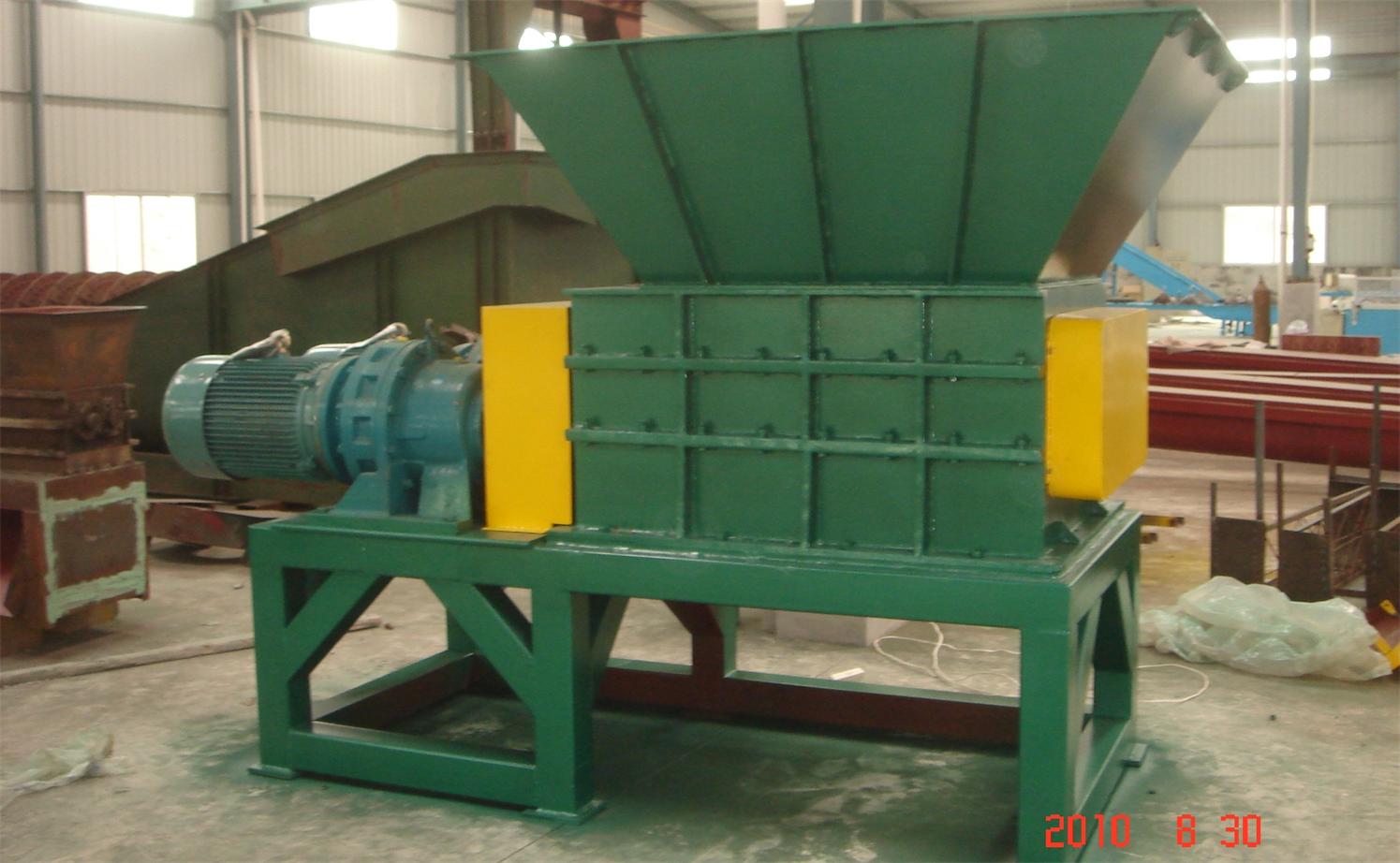
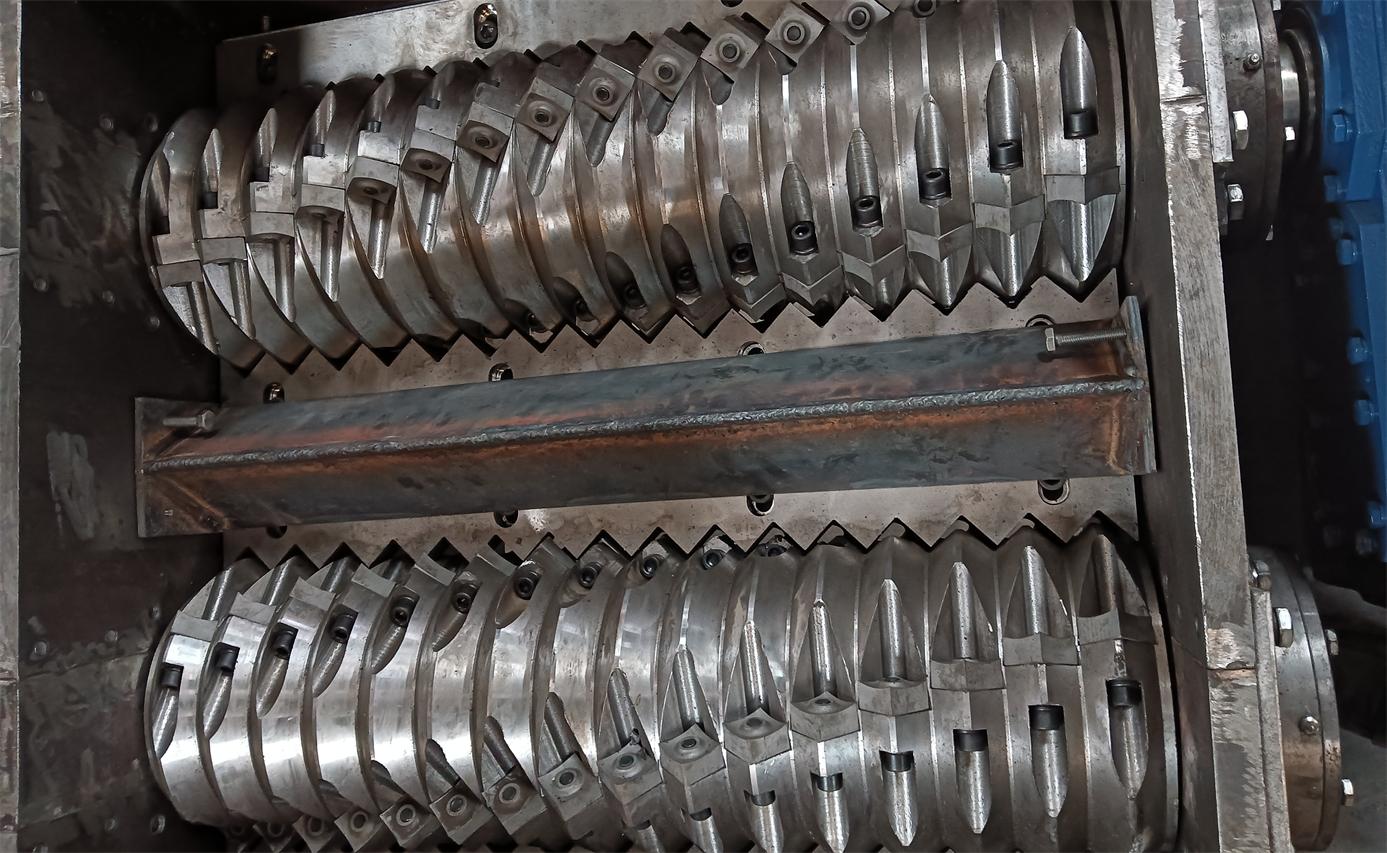
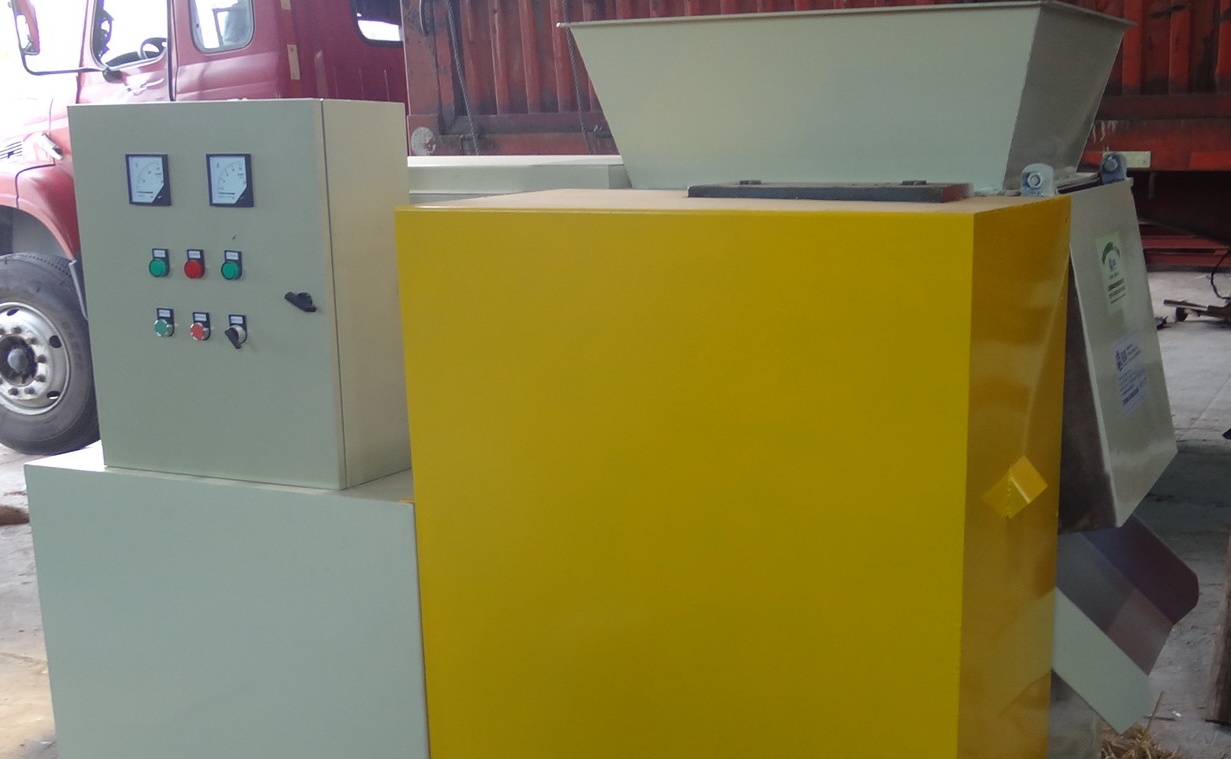
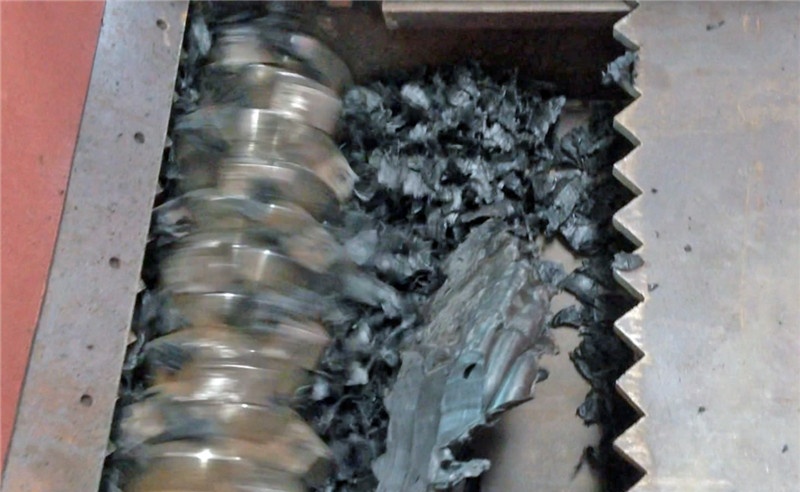
Before materials enter specialized recycling lines, they often need shredding or chopping. Multi-purpose shredders (single-shaft, twin-shaft, or four-shaft designs) handle everything from refrigerators and air conditioners to cables, PCBs, and batteries. Pre-choppers increase throughput and protect downstream equipment from damage caused by oversized items.
5. Refrigerator and AC Recycling
End-of-life cooling appliances require careful handling to extract refrigerants safely before mechanical shredding. A complete refrigerator recycling plant typically includes refrigerant recovery machines, compressor cutting units, and shredding and separation systems that recover iron, copper, aluminum, plastic, and polyurethane foam at rates exceeding 90% per material stream.
How to Evaluate a Recycling Equipment Supplier
Choosing the right equipment partner is as important as selecting the machinery itself. Here are the critical factors to assess:
- Technical Expertise and Experience: Look for manufacturers with demonstrated experience in your target material streams. A supplier with over 15 years in the field and a team of mechanical engineering specialists can provide more reliable designs and better troubleshooting support.
- Customization and EPC Capability: No two recycling facilities are identical. Suppliers that offer EPC (Engineering, Procurement, Construction) services and customized design can deliver turnkey solutions that accelerate your project timeline.
- After-Sales Support and Training: Installation, commissioning, and operator training are essential for safe and efficient operation.
- Compliance and Environmental Standards: Reputable suppliers integrate pollution control systems into their designs and ensure compliance with ISO guidelines.
- Global Track Record: A supplier with customers across 20+ countries has likely encountered a wide range of regulatory environments and operational challenges.
Why San Lan Technologies Stands Out
Founded in 2007, San Lan Technologies Co., Ltd has built a reputation as a professional manufacturer of WEEE recycling machines and mining equipment. The company serves customers in over 21 countries, including Singapore, Colombia, Vietnam, Mexico, Argentina, Korea, Malaysia, Indonesia, South Africa, India, and Saudi Arabia.
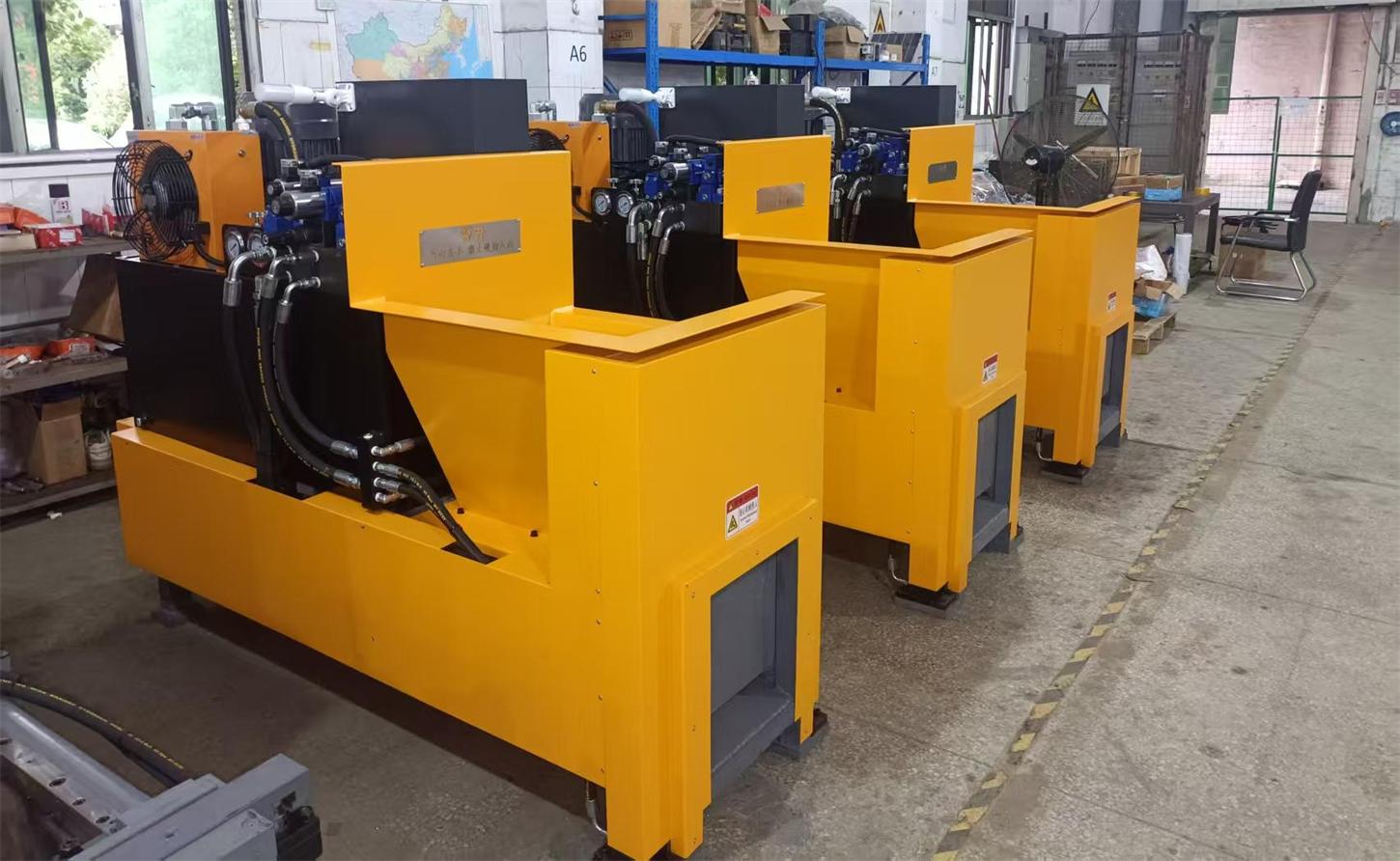
San Lan offers a comprehensive product portfolio spanning lead acid battery recycling plants, lithium battery recycling plants, circuit board recycling plants, cable recycling machines, refrigerator and AC recycling systems, motor recycling machines, multi-purpose shredders, CRT recycling machines, lamp recycling machines, metal melting furnaces, and hydraulic press machines.
Beyond manufacturing, San Lan provides value-added services that differentiate it from pure equipment vendors. These include assistance sourcing waste feedstock, helping customers find investors and partners for plant construction, and supporting the sale of recovered products such as copper rice, copper powder, and lead ingots.
With a technical team holding master's degrees in mechanical engineering and deep experience in EPC projects, San Lan delivers customized, one-stop solutions from design through installation and commissioning.
Getting Started with Your Recycling Project
Building a profitable recycling plant begins with understanding your local feedstock availability, regulatory requirements, and target output markets. Once you have clarity on these fundamentals, the next step is selecting equipment that matches your scale, budget, and material mix.
Partnering with an experienced supplier who can guide you through design, installation, and commissioning dramatically reduces project risk and accelerates your path to production. Whether you are processing lead acid batteries, lithium-ion batteries, scrap cables, or circuit boards, the right equipment and expertise make the difference between a struggling startup and a thriving recycling operation. For more information about recycling equipment solutions and to discuss your project requirements, contact San Lan Technologies or explore their product catalog online.