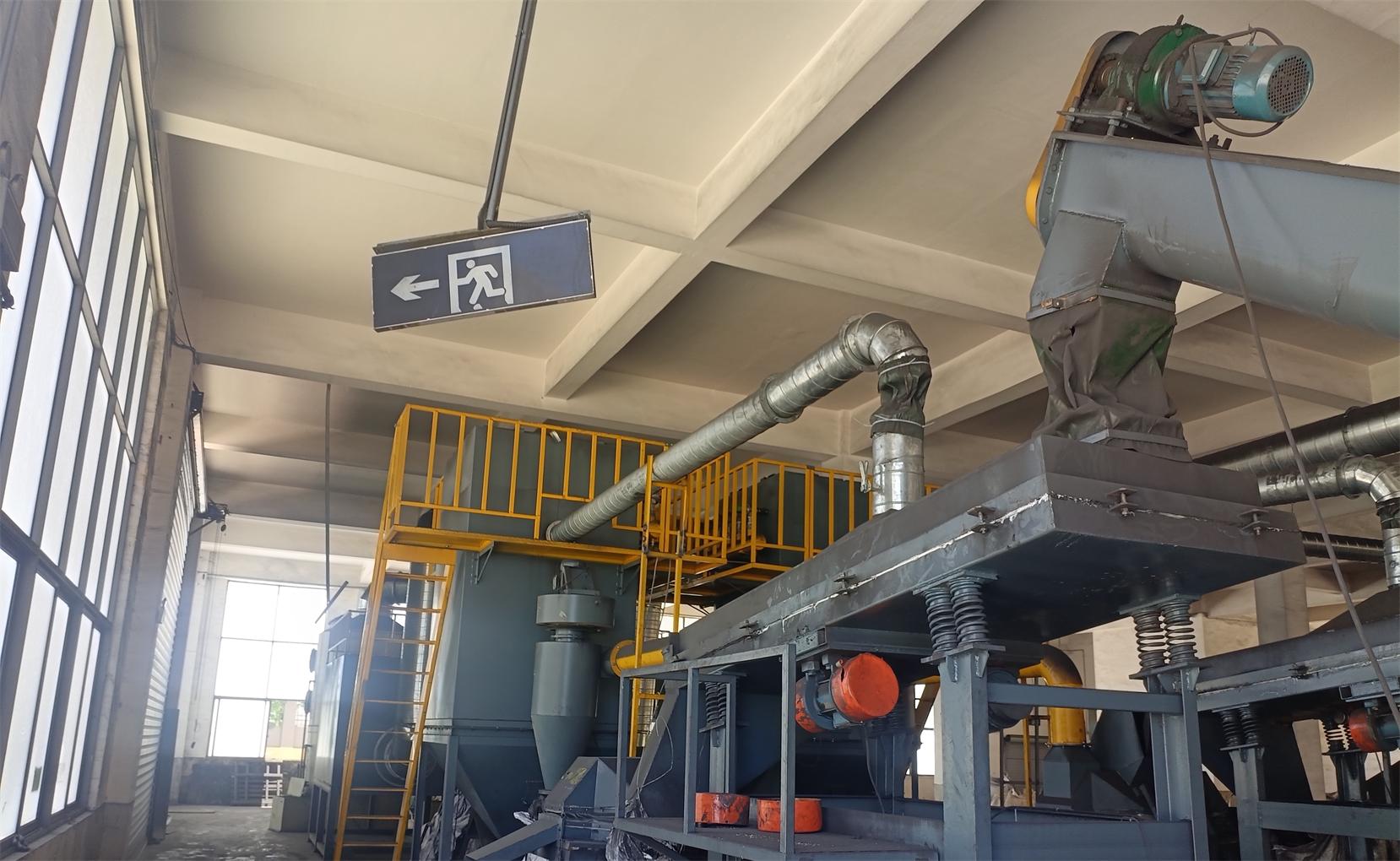
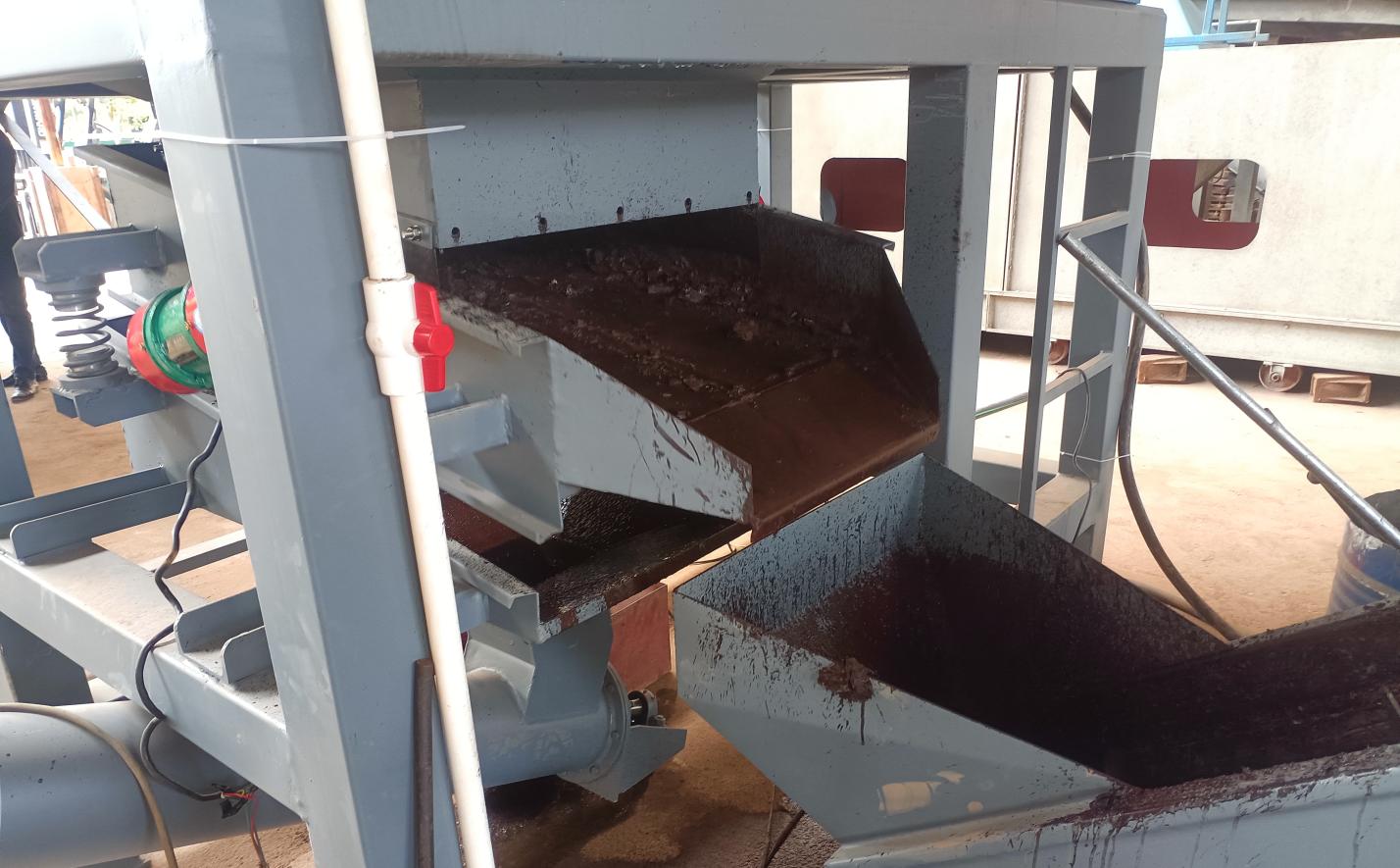
Hey there, waste management professionals! If you've ever stood in front of mountains of industrial scrap feeling overwhelmed, you're not alone. Choosing between pre-shredding and fine shredding solutions can feel like navigating a maze of torque ratios and throughput capacities. But here's the good news – when you break it down step by step, matching the right technology to your specific material stream isn't rocket science. It's all about understanding what happens when those double shafts start churning and how different configurations create vastly different outcomes.
Whether you're processing construction debris, recycling appliances, or handling manufacturing offcuts, the secret lies in pairing the
shredder's personality to your material's attitude. Some wastes come to the party ready to be shredded, while others need convincing. That's where the beautiful dance between pre-shredders and fine shredders begins – a tango of material reduction that determines your entire recycling profitability.
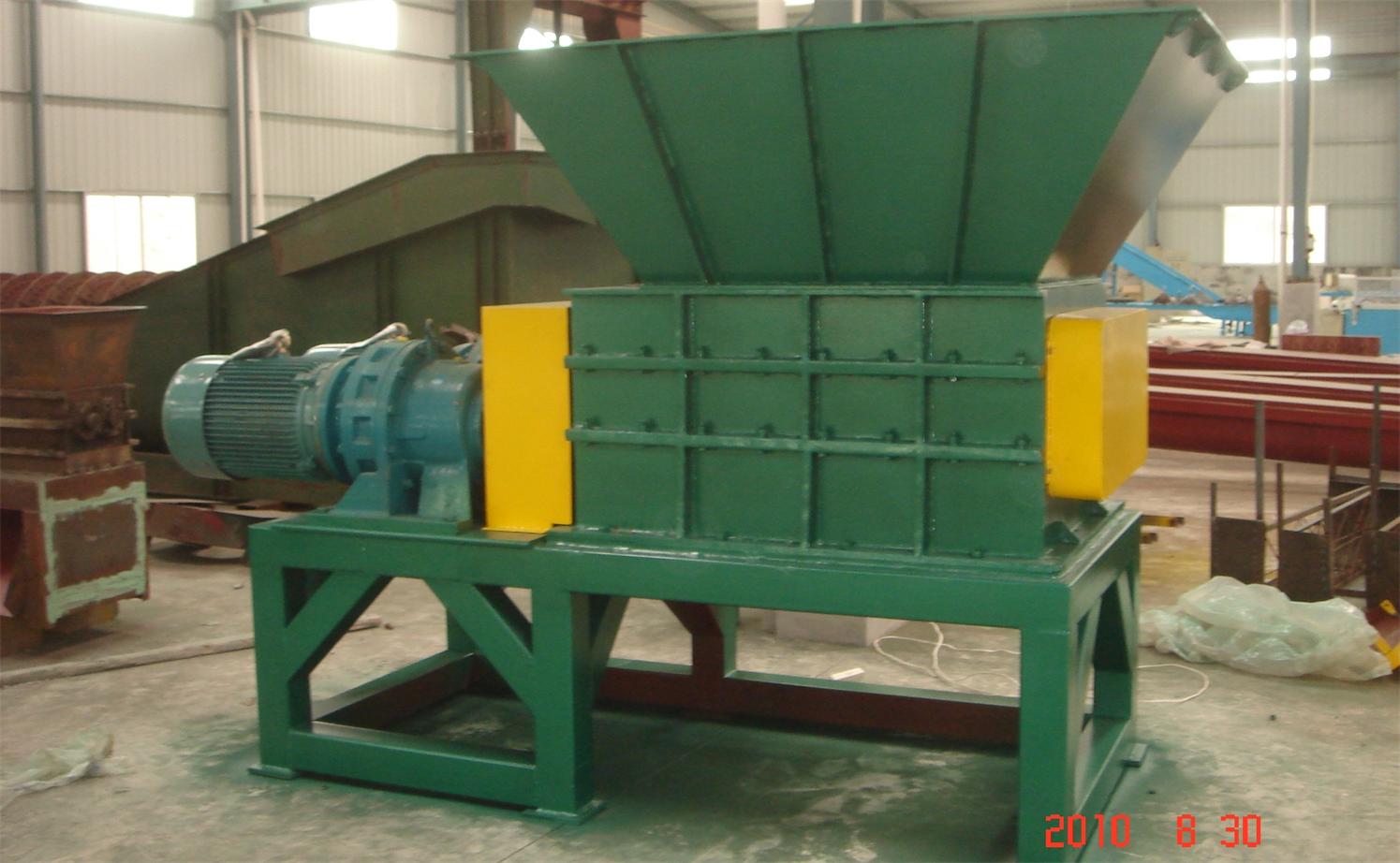
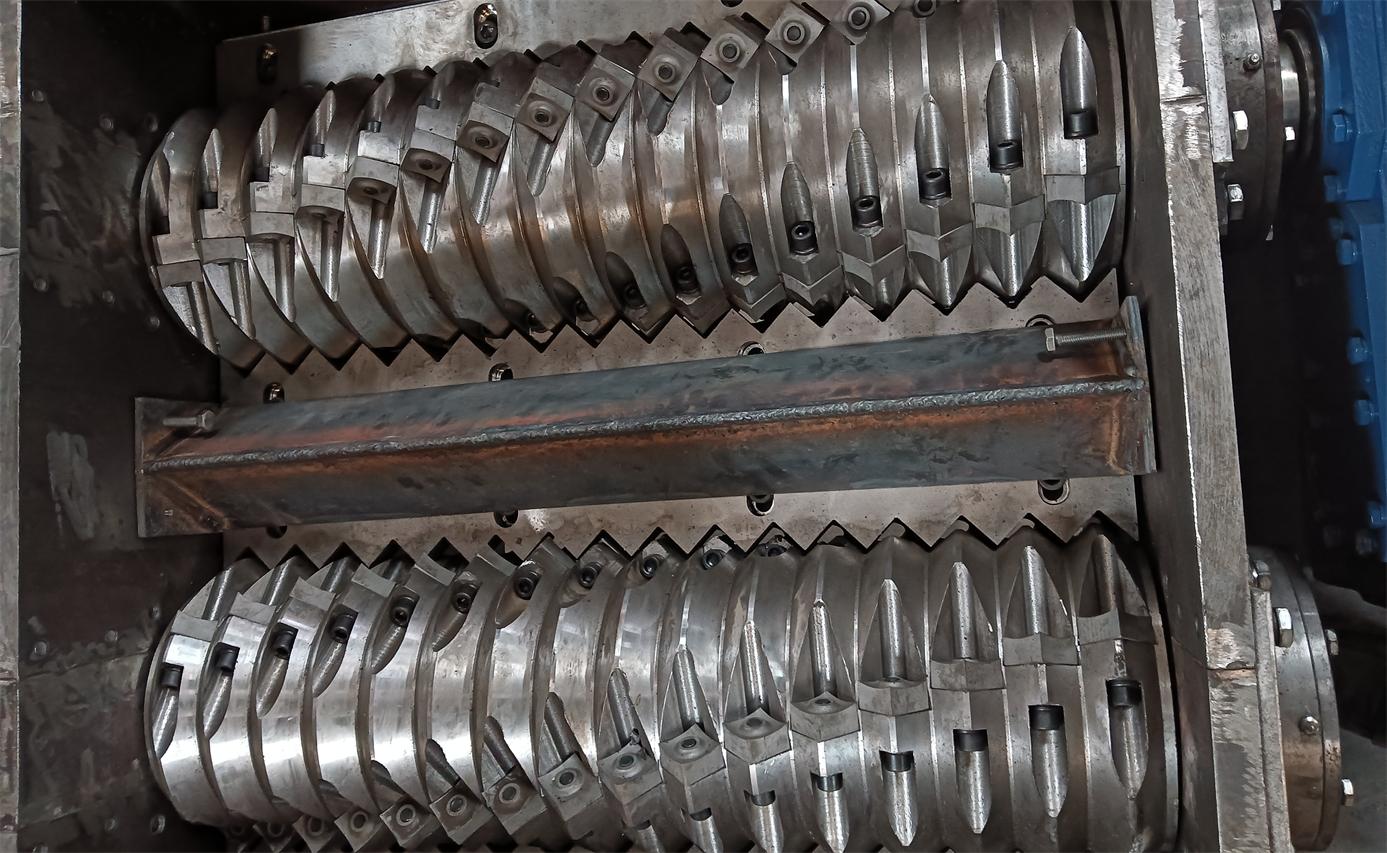
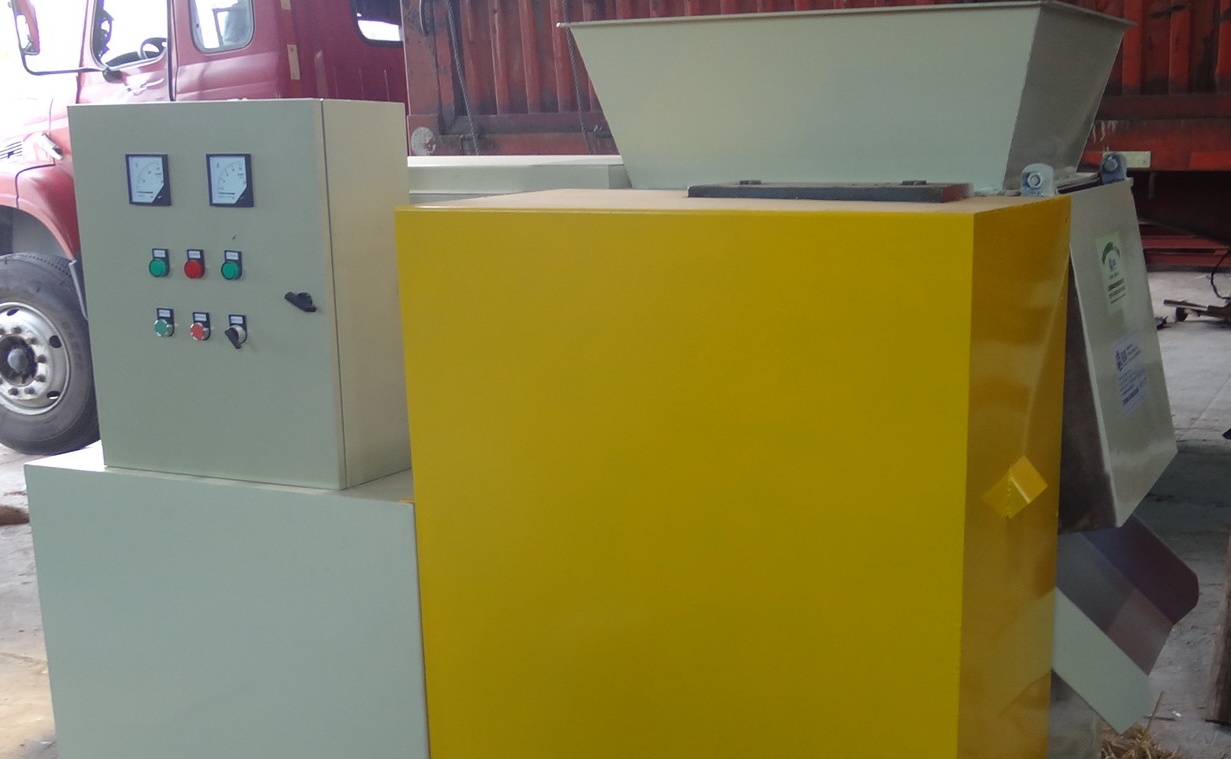
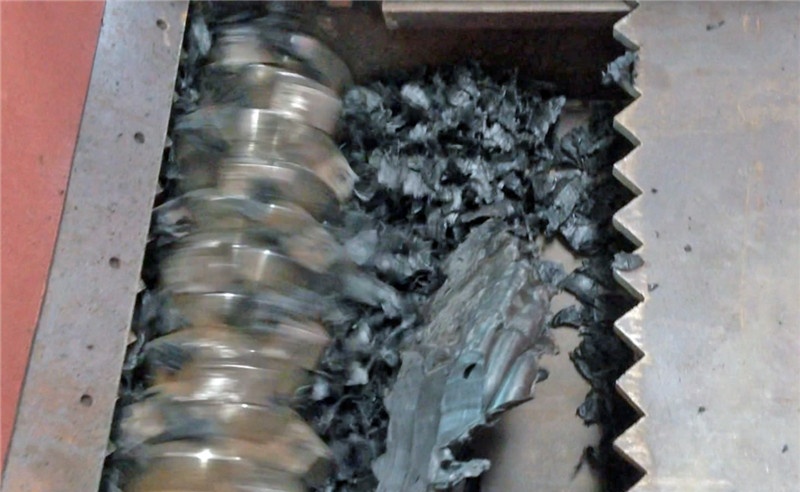
Let's start with why dual-shaft shredders have become the workhorses of waste processing. Unlike their single-shaft cousins, these machines come with a tag-team approach. Picture two rotating shafts with interlocking blades – they grab material like synchronized wrestlers, tearing, crushing, and shearing simultaneously. This creates three big wins: significantly higher torque to handle bulky items, self-feeding action that reduces jamming incidents, and remarkably uniform particle sizing when paired with the right downstream equipment.
Real-world impact:
At a car recycling yard outside Chicago, replacing their single-shaft setup with a twin-shaft system cut their aluminum separation prep time by 65%. Those dual shafts made mincemeat of engine blocks that previously needed manual demolition.
But here's what most brochures won't tell you – not all dual-shaft systems are created equal. The sweet spot lies in recognizing where they fit within the waste processing continuum. Using a powerhouse fine
shredder for initial size reduction is like using a scalpel to chop firewood – technically possible but wildly inefficient. This brings us to the opening moves in our shredding strategy: pre-shredding.
The Pre-Shredding Foundation: First Impressions Matter
Think of pre-shredders as your waste processing security guards. They're the burly first responders that establish order in chaotic waste streams before materials move to more delicate operations.
Primary Size Reduction
Tackles bulky items like pallets, mattresses, and appliances, creating chunks that downstream equipment can actually handle.
Contaminant Removal
Act as your first line of defense against "shredder killers" like hidden gas cylinders, engine blocks, or thick metals that slip past sorting lines.
Volume Reduction
Shrinks bulky waste footprints by up to 80% before materials hit your main processing floor, saving expensive space.
When visiting landfills, I've noticed a common mistake – operations trying to bypass the
pre-shredder phase to save capital costs. It inevitably backfires. Without this critical first step, downstream separation equipment gets overwhelmed, maintenance costs skyrocket, and you constantly fight throughput bottlenecks.
Once your pre-shredded material is prepped and sorted, fine shredders step into the spotlight. This is where particle size gets serious. While pre-shredding might take refrigerators down to football-sized chunks, fine shredding transforms materials into particles ranging from wood chips to gravel consistency – the sweet spot for efficient material separation and marketable commodities.
Material Spotlight:
When processing e-waste, that final 10-40mm shred size from fine shredders makes all the difference in liberating precious metals from circuit boards. Get this stage wrong, and valuable materials get lost in oversized chunks or over-shred into dust that clogs separation equipment.
The Density Advantage
Fine shredders excel at creating homogeneous particle size distribution for more accurate density-based separation. When particle sizes vary wildly, gravity separators get confused.
SRF/RDF Production
For waste-to-energy applications, that precise 30-50mm shred size transforms inconsistent waste into high-calorific fuel pellets.
Recycling Readiness
Material purity jumps significantly when shred size allows cleaner liberation of materials like copper from wire insulation.
This is where many facilities leave money on the table. I once audited a plastics recycler who complained about poor pellet prices. Their shreds contained microscopic PVC fragments contaminating PET streams. Adjusting their fine
shredder screen sizes and shaft speeds solved a $40,000/year contamination problem.
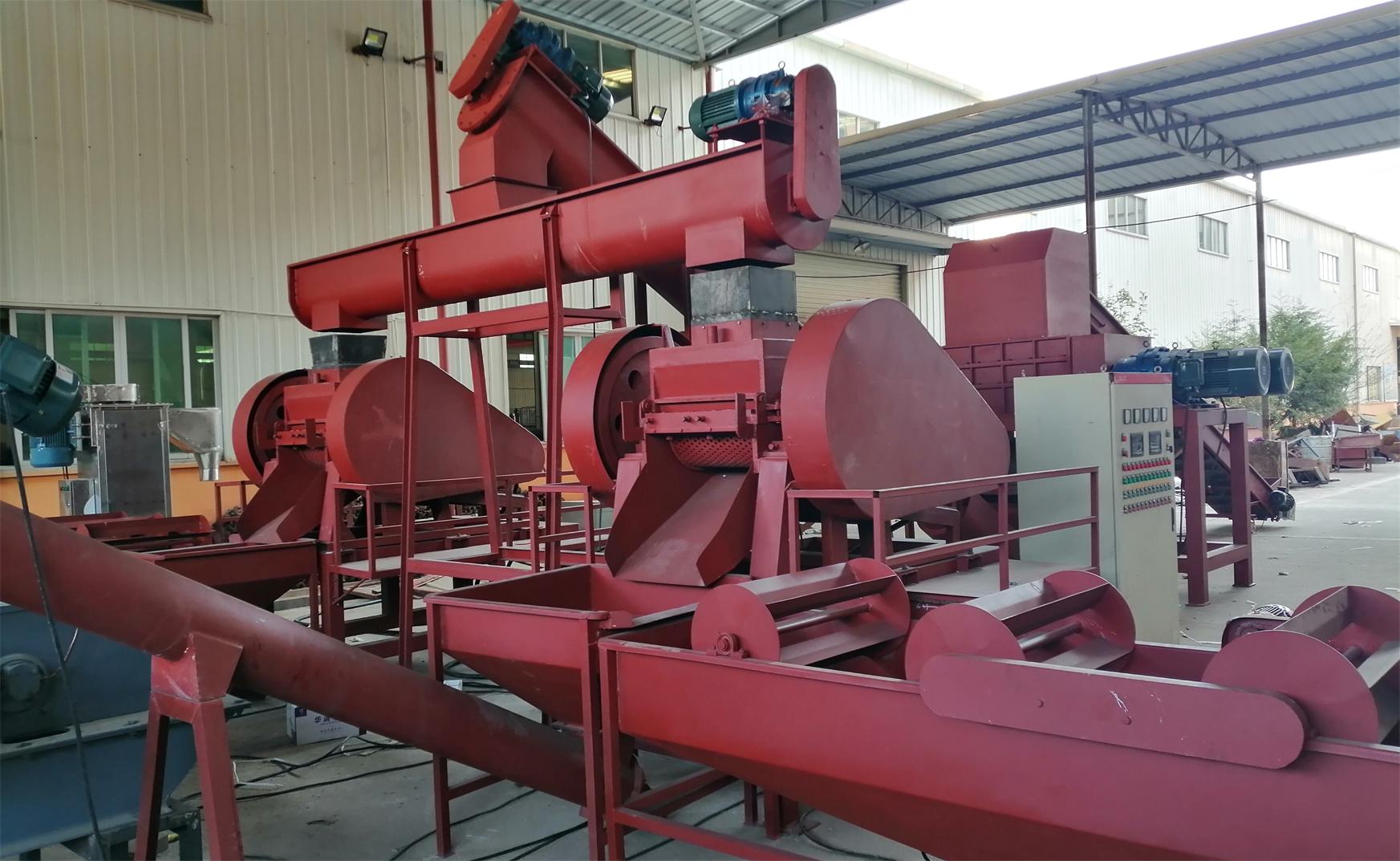
So how do you match your operation to the perfect shredding duo? Over the years, I've developed four key decision pillars:
1. Material Personality Profiling
Before looking at equipment specs, become a waste detective. Different materials fight shredders differently:
-
Revenge seekers:
Springs and cables that whip around shafts (solution: shearing blade configuration)
-
Jamming artists:
Films, fibers, and textiles that tangle (solution: staggered hook cutters)
-
Tough nuts:
Reinforced plastics and composites (solution: high-torque grinding zones)
-
Contamination risks:
Electronics with hazardous components (solution: multi-stage liberation)
2. The Volume-Variety Balancing Act
High-volume single-material streams love specialized shredders running continuously. Mixed-waste facilities (like most municipal operations) need flexibility. A common error is over-specifying pre-shredders for peak volumes. Remember: shredders hate stop-start cycles. Matching average daily throughput plus 15% headroom creates smoother operation than sizing for rare volume spikes.
Pro Tip:
Install variable frequency drives (VFDs) on fine shredders. They let you dial-in precise RPMs for different material batches without changing screens. It's like cruise control for shredding efficiency.
3. Future-Proofing Your Investment
The recycling landscape constantly shifts. That plastic stream today might become demolition wood tomorrow. Smart facilities look for modular shredders designed for reconfiguration without major replacements:
-
Swappable rotor assemblies for torque/capacity shifting
-
Hydraulic adjustable screen systems rather than fixed screens
-
Standardized blade mounts accommodating multiple cutter profiles
-
Upgradable PLC systems with open architecture programming
4. Energy Math That Actually Matters
Beyond horsepower specs, calculate your true kWh/ton figure. Pre-shredders should handle the bulk of size reduction at low energy cost, while fine shredders consume more energy for precision work. I've seen well-optimized facilities running entire shredding lines on less power than the office AC systems through proper staging. Remember: energy is the hidden profit killer if shredding phases overlap inefficiently.
Let's talk about
shredder relationships. These machines aren't appliances; they're partners. Treat them well and they'll return the favor for decades. Here's what separates top-performing shredding operations from maintenance nightmares:
Blade Romance
Rotating blades on twin-shaft systems must maintain consistent clearance. More than 1mm wear gap creates efficiency drops greater than poorly tuned guitars.
Lubrication Logic
Modern automatic grease systems beat manual lubrication every time. Pre-shredders love high-viscosity lithium grease, while fine shredders perform better with lighter synthetic oils.
Vibration Vigilance
Install wireless sensors on rotor bearings. Unbalanced vibration patterns offer early warnings before catastrophic failures.
Maintenance nightmares often start at purchasing. Before signing contracts, scrutinize component access. Can techs reach rotor shafts without dismantling half the machine? Are screen changing systems actually operator-friendly? These daily realities impact uptime more than glossy specifications sheets.
During site visits, I always chat with
shredder operators. These unsung heroes see realities equipment designers often miss:
Control Panel Confessions:
"The touchscreen looked great until rainy days when wet gloves smeared everything," shared an operator in Seattle. Simple membrane keypads now sit beside their fancy interface. Practicality trumps technology every time.
Similarly, hopper designs should prioritize material visibility, not just capacity. Operators need to see jams forming before they become hour-long battles. And safety override controls should be intuitive rather than buried in submenus during emergencies.
Remember: the most advanced
shredder becomes expensive scrap metal if operators avoid using it properly. Engaging crews in early decision-making builds ownership. Several facilities now include bonus systems tied directly to
shredder efficiency metrics, turning operators into optimization champions.
Before we wrap up, let's discuss industry secrets rarely captured in manuals:
-
Material sequencing matters:
Always process softer materials before harder ones. Running wood after plastics creates contamination that's near impossible to remove.
-
The warm-up ritual:
Cold-starting shredders under heavy load invites premature failure. Start with lighter "appetizer" materials before the main course.
-
Seasonal adjustments:
Winter's freezing temperatures make rubber brittle and harder to shred. Summer's heat creates soft plastics that melt rather than shear. Adjust screen sizes and RPM accordingly.
-
Moisture math:
Add moisture sensors in infeed conveyors. Wet materials shred differently, clog screens, and reduce separation efficiency. Knowledge of moisture content impacts overall equipment effectiveness.
Optimizing the dance between pre-shredding and fine shredding ultimately boils down to respecting the material journey. Each waste stream has unique characteristics that respond differently to shredding forces. By understanding this and selecting complementary shredding phases, operations achieve throughput and quality metrics that translate directly to profitability. Remember: particle size consistency matters more than absolute shred size. And the beautiful thing about modern double-shaft systems? Their flexibility makes previously impossible separations commercially viable. Happy shredding!