Protecting Workers and Enhancing Efficiency Through Intelligent Engineering
Hey there, if you're reading this, you're probably dealing with some piece of heavy-duty recycling equipment - whether you're an engineer designing the next generation of sorting machines, a safety officer responsible for your facility's operations, or a maintenance tech keeping things running smoothly. And let's be real - when it comes to the grinding, shredding, and compacting parts of recycling machines, safety isn't just some bureaucratic checkbox. It's about real people going home to their families with all their fingers intact.
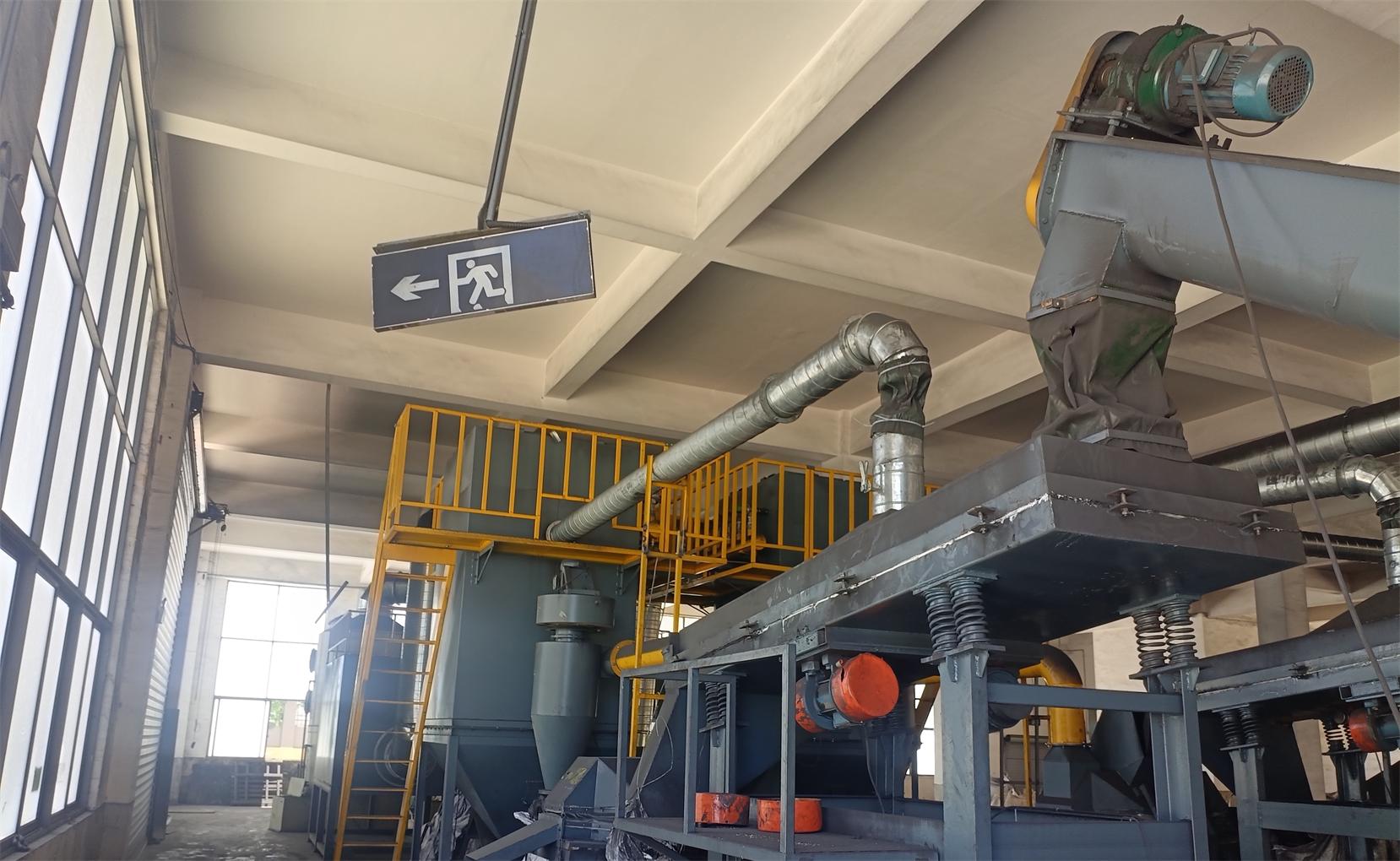
In the world of recycling machinery, we're dealing with some serious forces. These machines don't mess around - industrial shredders that can tear through cars, massive balers crushing tons of material, separators with powerful electromagnets. All this power comes with serious responsibility. That's why today, we're going to dive deep into the crucial topic of interlocking devices - the unsung heroes of machine safety.
But here's the thing: safety doesn't have to mean slowing things down or creating headaches for operators. When done right, smart safety systems actually make recycling processes more efficient and reliable. We're going to explore how thoughtful engineering and clever safety design can protect workers while optimizing your operations.
Remember when machine safety just meant slapping a warning sticker on the equipment and calling it a day? Those days are long gone – and for good reason. In the recycling industry, especially with equipment dealing with unpredictable materials, manual safety systems just don't cut it.
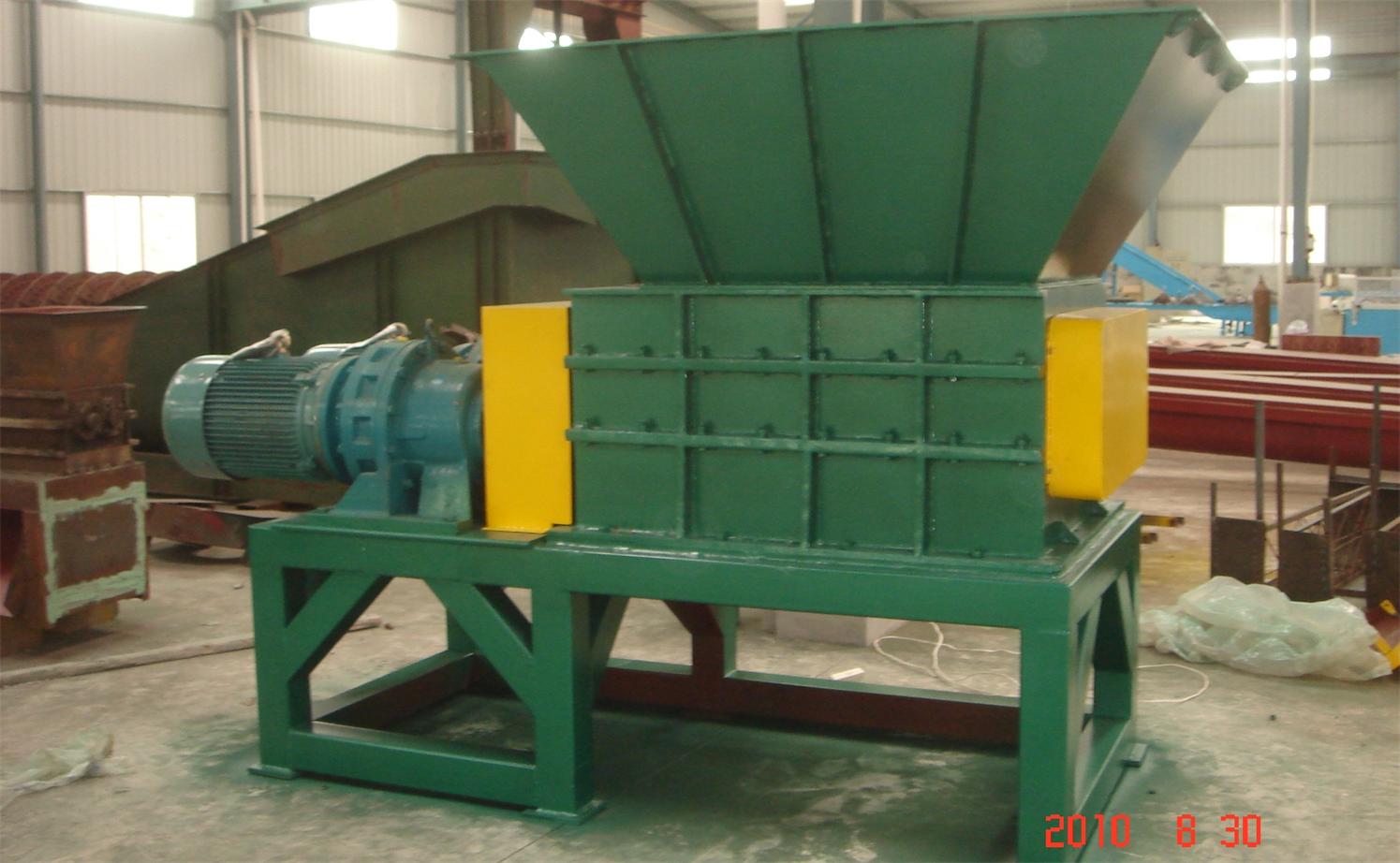
I visited a recycling facility a while back that taught me this lesson clearly. Their plastic shredder had a lockout procedure that required workers to manually padlock each energy source. Theoretically sound, but here's what happened in practice: Workers would bypass the system because stopping production every time they needed to clear a jam meant killing their productivity numbers. This created a "quiet danger" where everyone knew the risk but felt compelled to accept it.
This is where interlocking devices come in – they don't give operators the option to bypass safety. Properly implemented, they create a seamless safety net that operates automatically, without requiring manual interventions that interrupt workflow.
At their core, interlocking devices are sensors that prevent machine operation when certain safety conditions aren't met. Think of them as the bodyguards of your equipment - always on watch, never sleeping. For recycling machines with hazardous moving parts, they typically involve:
In modern recycling facilities, these aren't just mechanical switches anymore. We're talking about magnetic sensors, RFID systems, laser curtains, and smart controllers that can monitor multiple safety parameters simultaneously. The technology has come a long way since the simple mechanical switches of the past.
Here's where many safety implementations fail: They don't account for the messy reality of recycling operations. Dusty environments corrode contacts. Vibrations loosen components. Operators find creative ways to bypass "inconvenient" safety features. Designing robust interlocks means anticipating these real-world conditions.
Let's break down the key considerations for recycling machinery specifically:
Recycling facilities are notoriously dirty places. Paper dust, plastic particles, metal shavings – all these find their way into everything. Interlock devices need IP65 or higher ratings to survive these conditions. Sealed magnetic switches and optical sensors perform much better here than mechanical switches with moving parts.
Ever stood next to a running shredder? You can feel it in your bones. Interlock components must be rated for constant, heavy vibration. Welded connections are better than bolted. Solid-state sensors beat mechanical components. This isn't a place to compromise.
Jams happen. When they do, operators need quick, safe access. Systems with guard locking allow machines to coast to a stop before unlocking, preventing abrupt energy releases. Electronic systems with bypass modes for maintenance (with proper authorization protocols) keep operations moving without compromising safety.
Let's be honest – when production pressure mounts, some workers might try to defeat safety systems. Key-operated switches, uniquely coded magnets, and permanently sealed enclosures prevent easy bypass. But more importantly – design the system so it's easier to use properly than to bypass.
Before we dive deeper into interlock specifics, we need to understand where they fit in the bigger safety picture. Safety engineers use a hierarchy that prioritizes the most effective protection methods:
Interlocks fall squarely in that crucial engineering controls tier – automatic, passive protections that don't rely on human behavior. When eliminating shredding hazards isn't possible, interlock systems become the most reliable protection method.
Here's a truth that safety engineers sometimes miss: If operators hate the safety system, they'll find ways around it. The key is designing interlock systems that integrate naturally with workflow. Let's look at approaches that work:
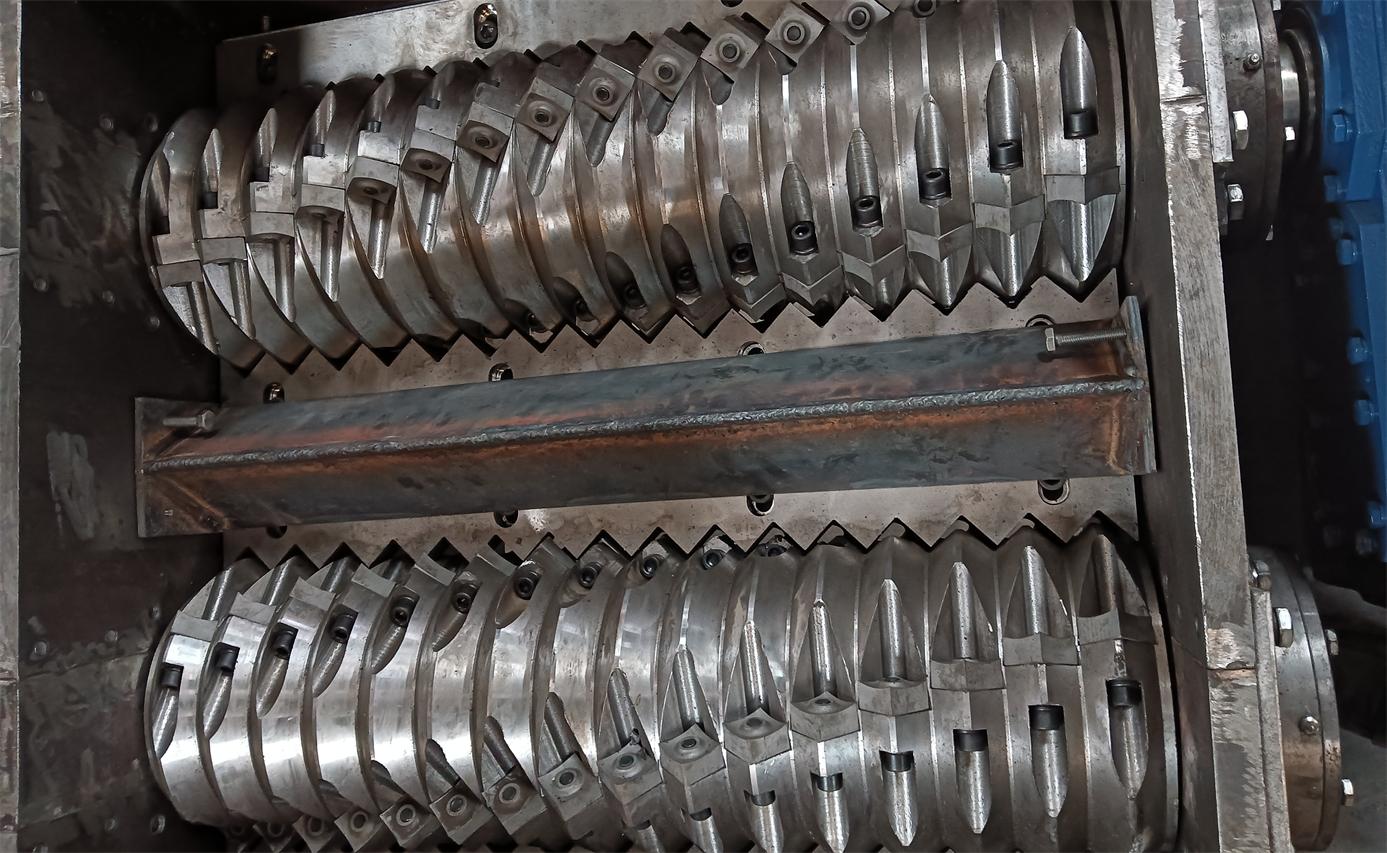
Not all shutdowns need to be instant. For a slow-moving conveyor, an immediate stop is safe and practical. But stopping a massive shredder rotor instantly? That could cause mechanical damage while throwing material around. Progressive braking systems can safely decelerate equipment while protecting workers.
For operations like scrap metal shearing where the operator must feed material but needs hands near the danger zone, two-hand controls ensure both hands are safely positioned before initiating the cycle. Modern capacitive sensing can even detect if hands are present without physical buttons.
This is especially effective for battery recycling machine systems. Once triggered, the machine stops, but the guard remains locked until all moving parts completely stop. No more guessing whether that rotor is still coasting to a stop.
For larger access points, light curtains create invisible safety barriers. Today's advanced versions can distinguish between an arm reaching in and material passing through, reducing false stops that frustrate operators.
If you're operating globally, you'll need to understand the different safety frameworks. Here's the landscape:
ISO 14119 (International): The gold standard for interlock systems. Focuses on security against defeat and system robustness. Uses Performance Level (PL) ratings from a to e based on safety integrity.
ANSI B11.19 (North America): Defines requirements for machine safeguarding. Specifically calls out that interlock devices must be "specifically designed and constructed for use in safeguarding applications."
EU Machinery Directive: Requires CE marking and comprehensive risk assessments. Interlock systems must meet Essential Health and Safety Requirements, typically validated against EN ISO 13849-1.
The good news? Designing to the highest standards (typically ISO 14119 PLd or PLe) will satisfy most regulations. But you'll still need to understand local enforcement practices - particularly in how fault exclusions are handled.
Even well-designed systems have issues in real recycling environments. Here's what I've seen come up repeatedly:
Nothing undermines confidence in a safety system like frequent false stops. This often happens when vibration shifts alignment on position sensors or dust accumulates on optical sensors. The solution? Use position switches with generous actuation ranges, keep optics covered but cleanable, and implement daily inspection routines.
The humid, chemically active environments around recycling equipment, especially in metal processing, wreak havoc on electrical contacts. Silver-plated contacts outperform standard metals. Some facilities use gold contacts on critical safety components despite the cost. Sealed connectors with dielectric grease provide additional protection.
When workers tape magnets to reed switches or jam locking pins, it's a management failure as much as an engineering one. Solution? First, design out the ability – use coded magnet systems that are harder to fool. Then create accountability through lockable access doors and audit trails. Most importantly, build a culture where safety isn't seen as production's enemy.
Complicated interlock systems require specialized maintenance skills. I've seen expensive recycling lines down for days because the site electrician couldn't troubleshoot the safety PLC. Smart strategy: Document systems thoroughly, keep spare parts, train multiple technicians, and establish relationships with technical support from equipment suppliers.