The Hidden Goldmine in Old Refrigerators
Let's face it: old refrigerators are more than just bulky eyesores taking up space in garages or landfills. They're veritable treasure chests of valuable materials—steel, copper, aluminum, plastic, and even rare earth metals—just waiting to be unlocked. But here's the catch: extracting that value isn't as simple as hauling them to a scrapyard and hoping for the best. Refrigerators are engineering marvels, designed to be durable, which means breaking them down requires the right tools. That's where refrigerator recycling equipment comes into play. In this guide, we'll walk through how investing in specialized shredding and separation equipment can turn those discarded appliances into a steady stream of revenue—while doing right by the planet, too.
First, let's talk about why this matters. The average refrigerator contains a complex mix of materials, including hazardous components like refrigerants (hello, ozone-depleting CFCs) and foam insulation. Dumping them in landfills isn't just bad for the environment; in many places, it's illegal. Governments worldwide are cracking down on e-waste, mandating proper disposal and recycling. That's creating a booming demand for recycling facilities equipped to handle these appliances. But to capitalize on this opportunity, you need more than a truck and a sledgehammer. You need a system—one built around reliable, efficient equipment that can handle the chaos of a fridge's inner workings.
The Challenges of Refrigerator Recycling (And How Equipment Solves Them)
Recycling a refrigerator is like solving a puzzle with sharp edges, toxic glue, and a ticking clock (okay, maybe not a clock, but you get the idea). Here's what you're up against:
- Size and bulk: Even a small fridge weighs 150-200 pounds, and larger models can tip the scales at 400 pounds or more. Manually moving or dismantling them is time-consuming and risky for workers.
- Mixed materials: Inside that metal shell, you'll find plastic liners, foam insulation, copper wiring, glass shelves, and sometimes even mercury switches. Separating these materials by hand is inefficient and often results in lost value.
- Hazardous components: Old fridges may contain refrigerants like R-12 or R-22, which are regulated as greenhouse gases. Mishandling them can lead to fines, not to mention environmental damage.
- Tough, durable parts: The metal frames, compressors, and motor stators are built to last. Trying to cut through them with basic tools is like using a butter knife to slice through steel—frustrating and ineffective.
This is where specialized equipment becomes your greatest asset. Let's break down the key players in a successful refrigerator recycling setup.
Key Equipment: The Backbone of Your Recycling Operation
Think of your recycling line as a well-choreographed dance. Each piece of equipment has a role to play, and when they work together, the result is a smooth, profitable process. Below, we'll dive into the stars of the show—and why they're non-negotiable for maximizing your returns.
| Equipment Type | Core Function | Profit-Boosting Benefit |
|---|---|---|
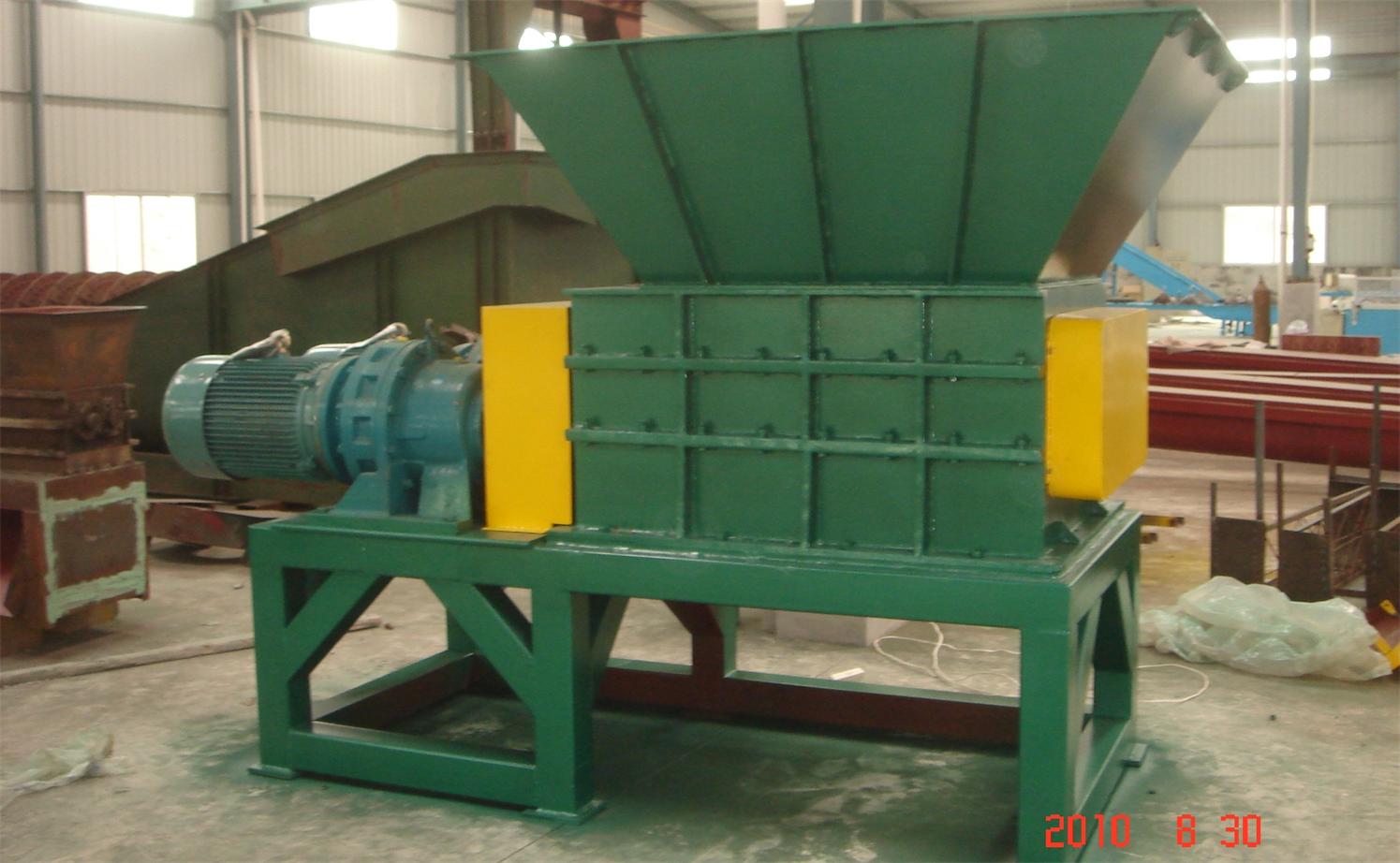
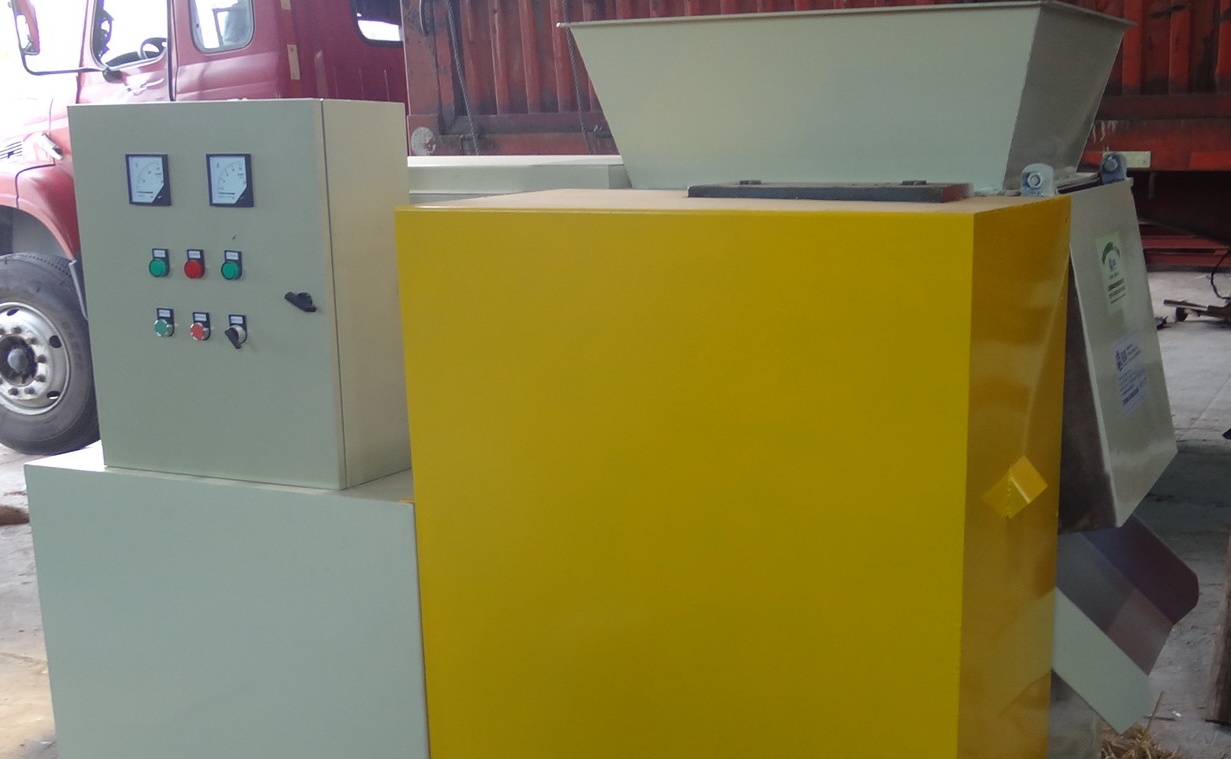
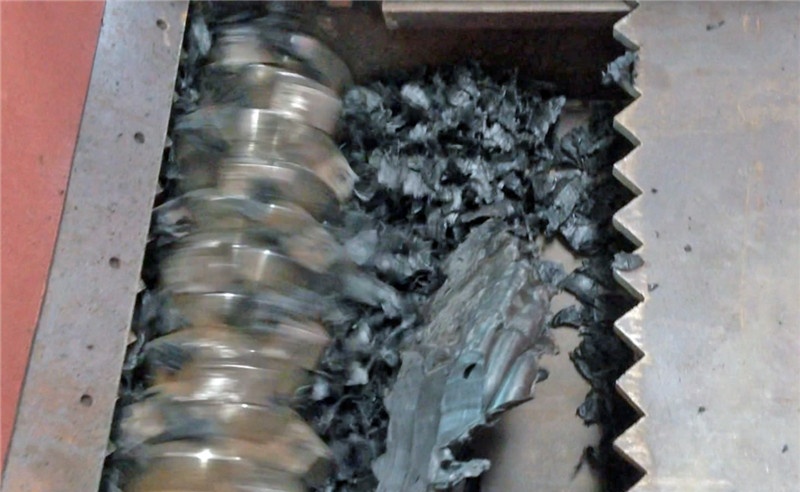
| Shredder and Pre-chopper Equipment | Breaks down the refrigerator into manageable pieces (3-6 inches) in the initial stage. | Reduces manual labor, speeds up processing, and prepares materials for downstream separation. |
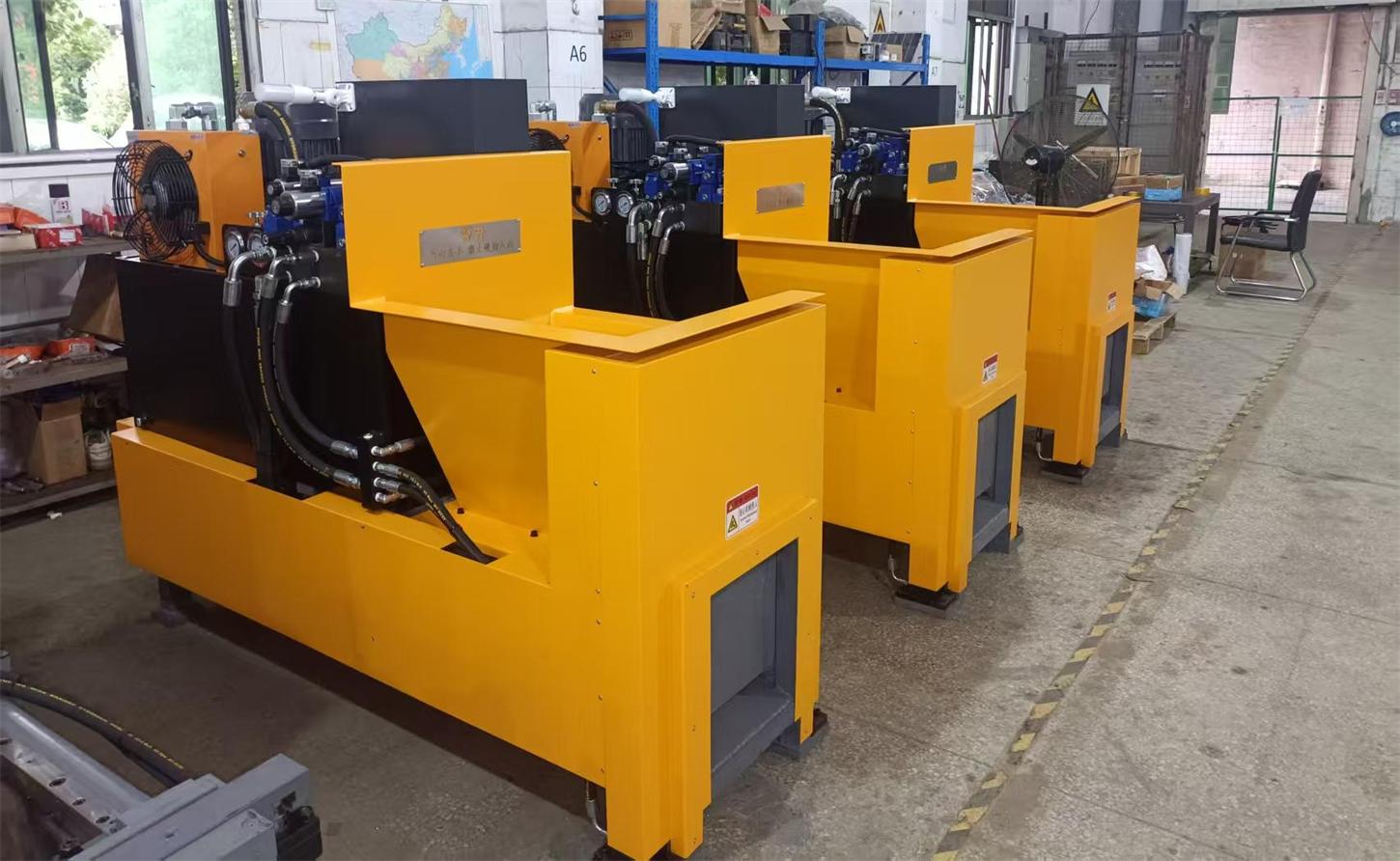
| Hydraulic Cutter Equipment | Precision cuts through tough components like motor stators, metal frames, and compressors. | Extracts high-value materials (e.g., copper windings) that would otherwise be damaged by brute-force shredding. |
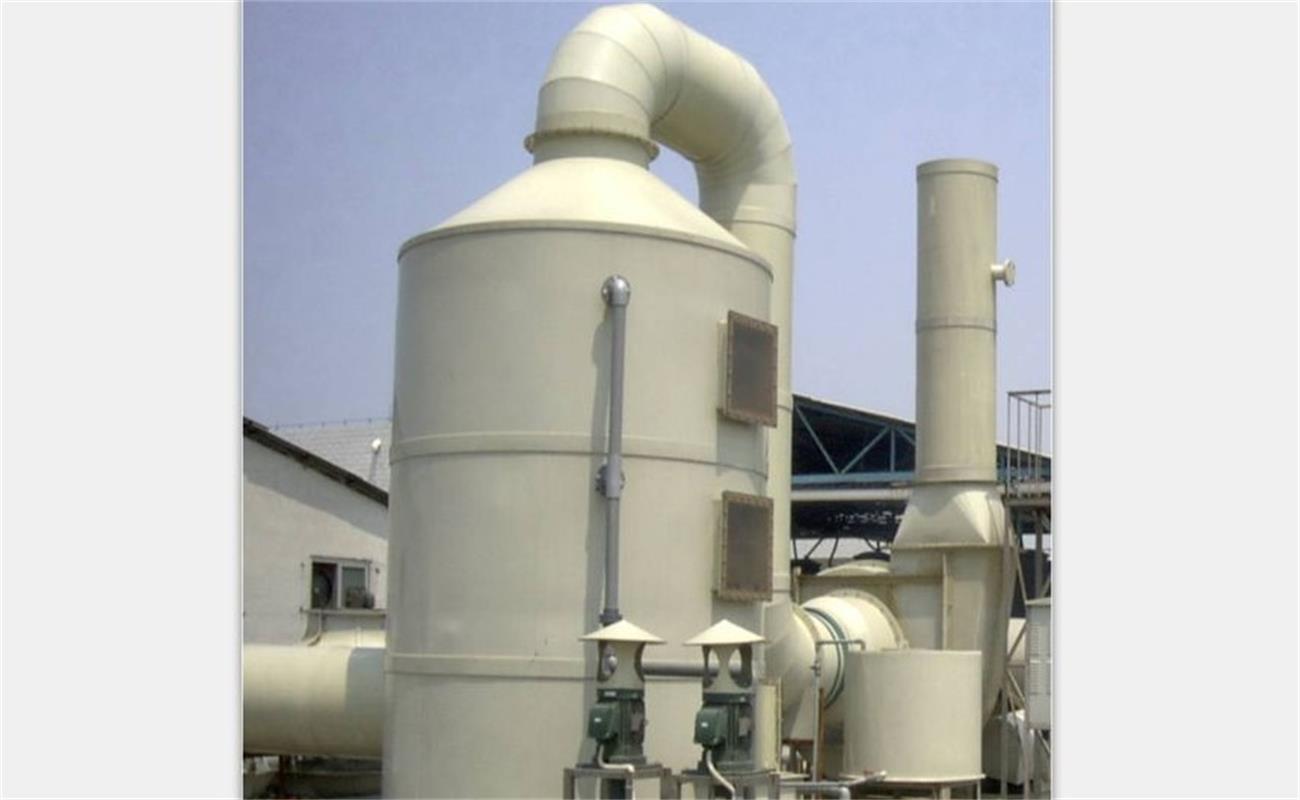
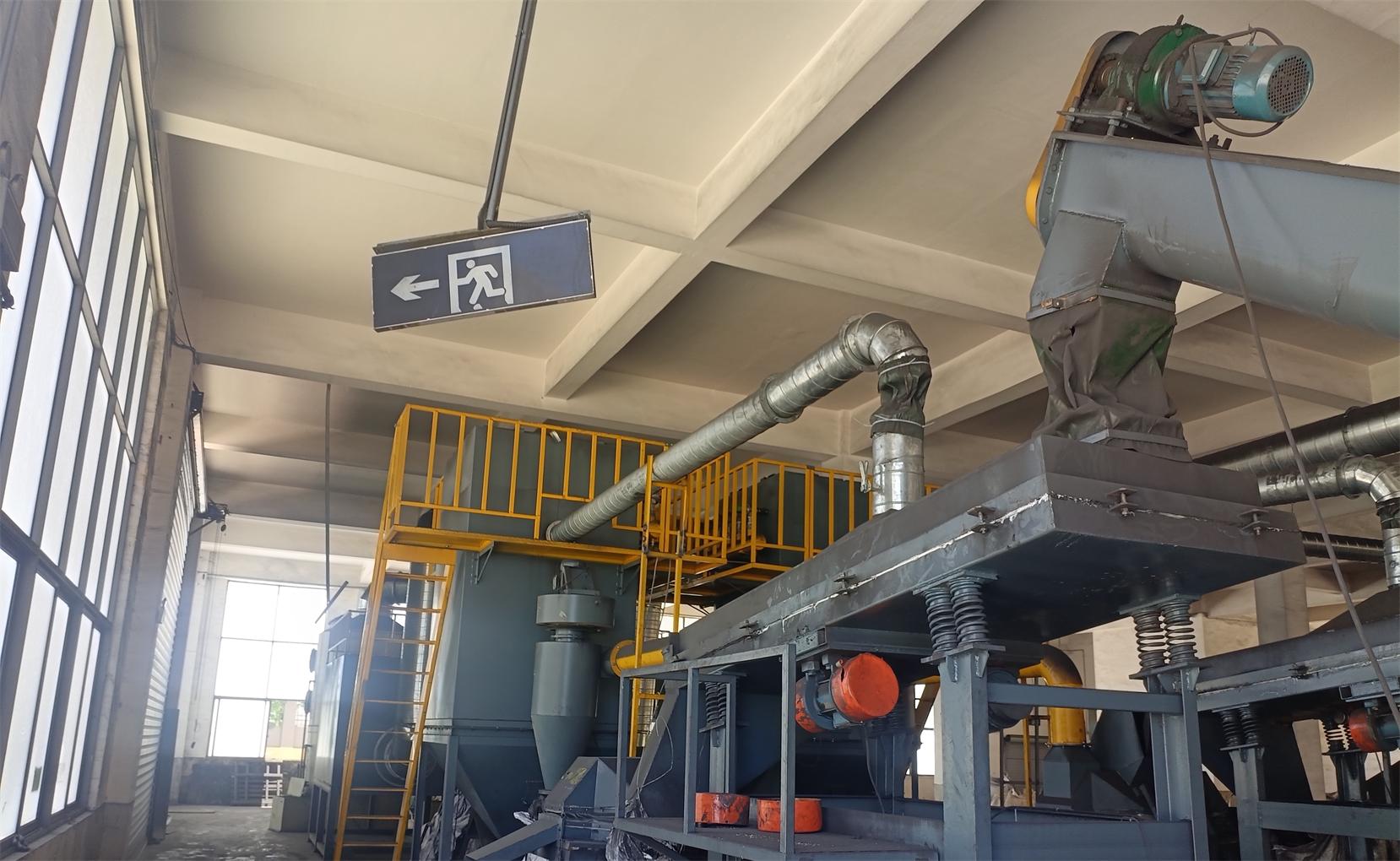
| Air Pollution Control System Equipment | Filters dust, fumes, and volatile organic compounds (VOCs) released during shredding. | Ensures compliance with environmental regulations, avoiding fines and protecting worker health. |
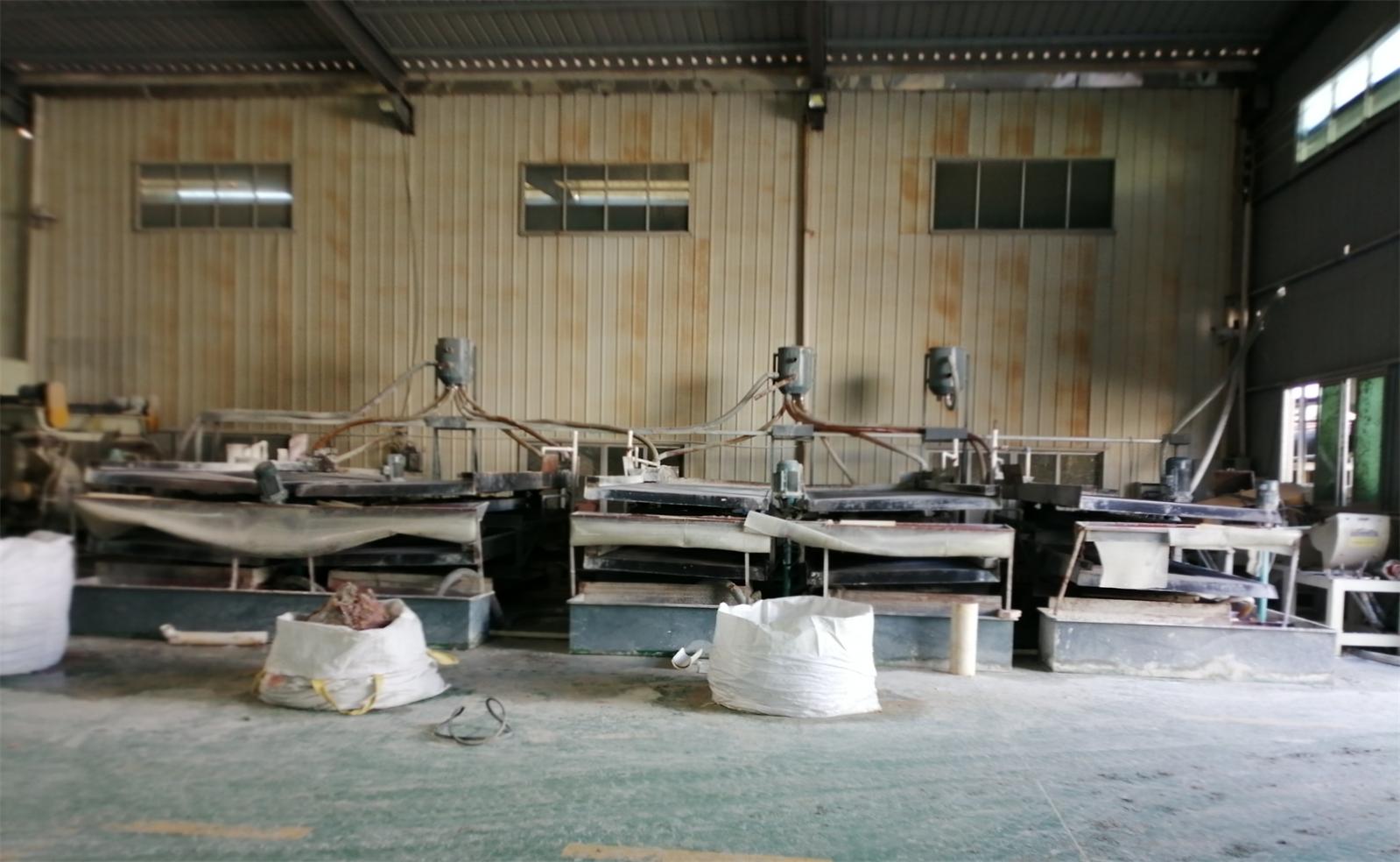
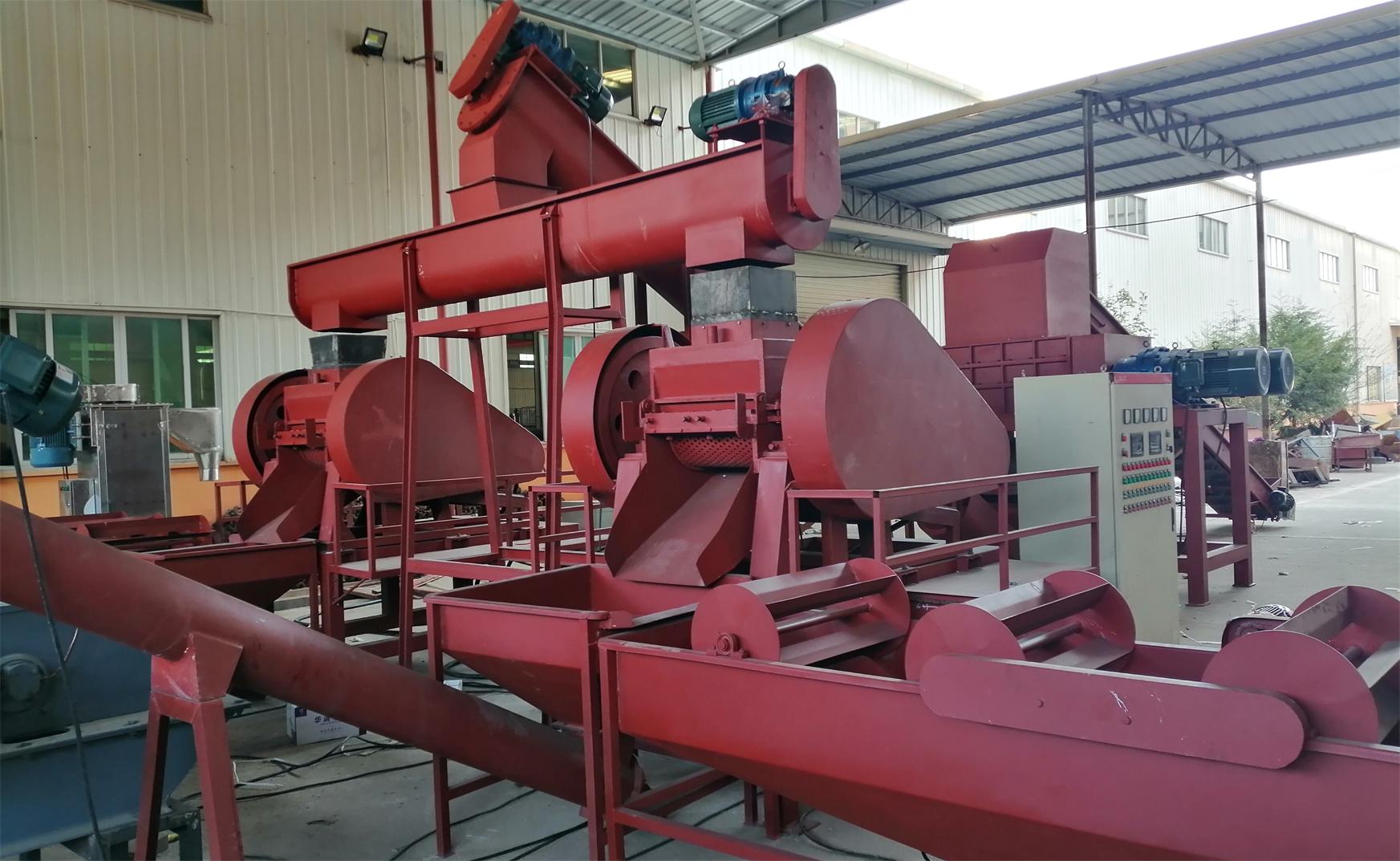
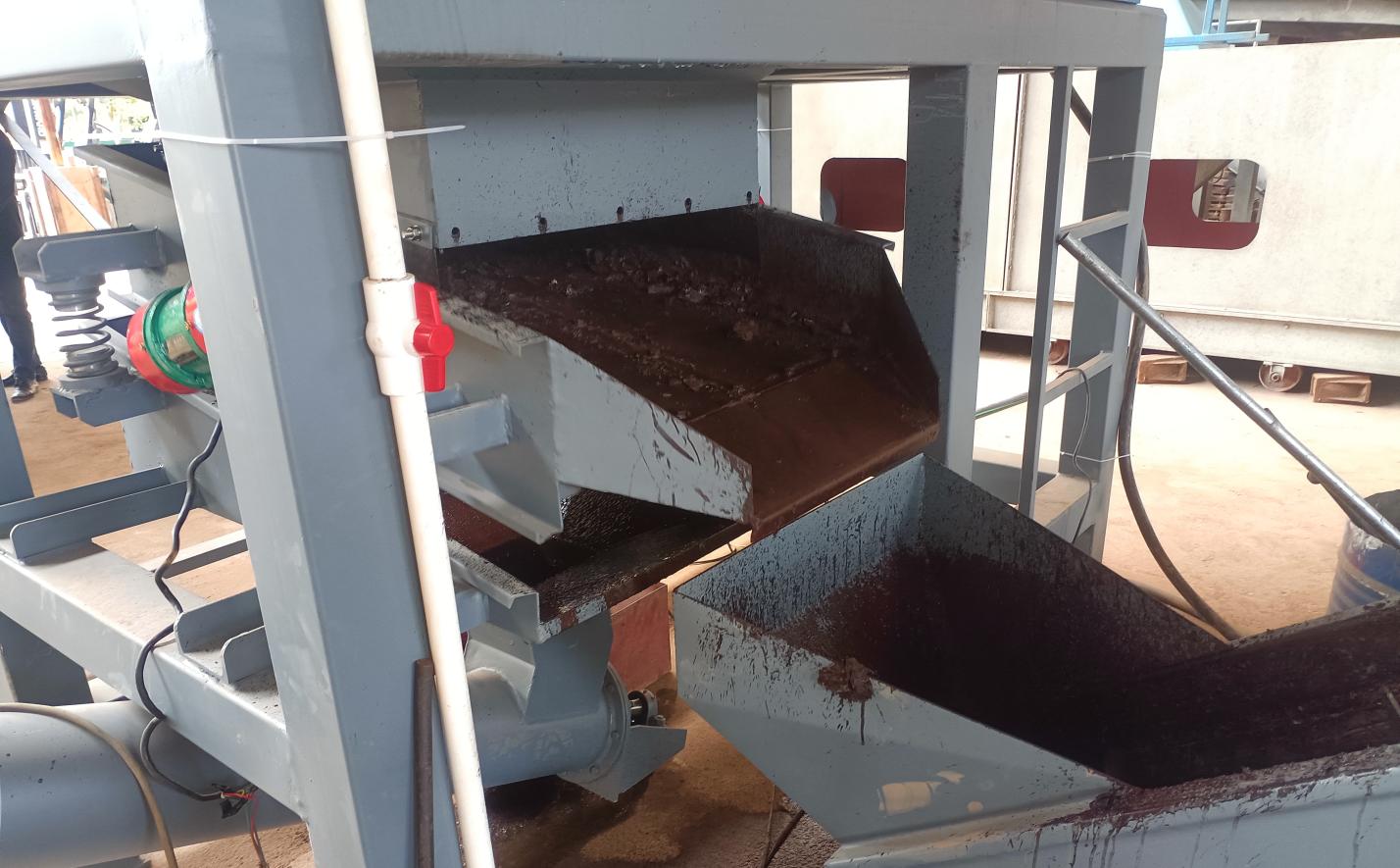
| Auxiliary Equipment | Includes conveyors, magnetic separators, and sorting systems to move and separate materials post-shredding. | Streamlines workflow, reduces bottlenecks, and ensures maximum separation of valuable materials. |
1. Shredder and Pre-chopper Equipment: The First Step to Efficiency
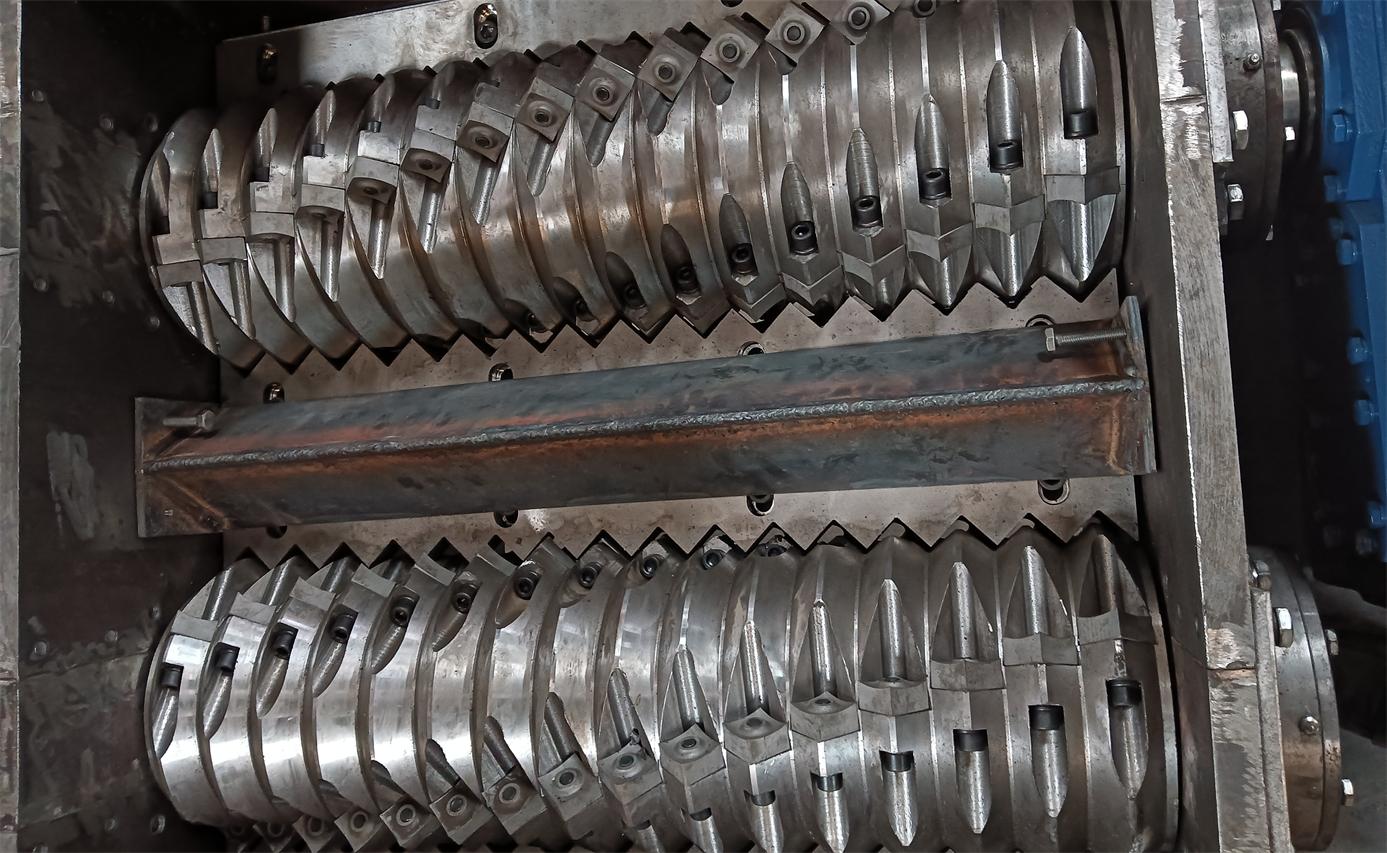
You can't separate materials if the fridge is still in one piece. That's why shredder and pre-chopper equipment is the starting line of any serious recycling operation. These machines are designed to tackle the initial breakdown, turning a full-size refrigerator into smaller, uniform chunks. But not all shredders are created equal. For refrigerators, look for models with robust cutting blades and adjustable speed settings—like 2 shaft or 4 shaft shredders—to handle the mix of metal, plastic, and foam without jamming.
Here's why this matters for profits: Time is money. A high-capacity shredder can process 10-15 fridges per hour, compared to 1-2 with manual labor. That's a 10x increase in throughput, which means more materials processed and more revenue generated in the same amount of time. Plus, pre-chopping ensures that hazardous components (like refrigerant lines) are exposed early, making them easier to safely remove before further processing.
2. Hydraulic Cutter Equipment: Precision for High-Value Materials
Once the fridge is shredded into chunks, there's still work to do. Some components—like motor stators (the heart of the compressor) or thick metal frames—contain dense, valuable materials that need careful handling. That's where hydraulic cutter equipment shines. Unlike generic cutters, these machines use hydraulic pressure to deliver clean, precise cuts, even through hardened steel or copper windings.
Imagine trying to extract copper from a motor stator with a hacksaw. It would take hours, and you'd likely damage the copper, reducing its scrap value. A hydraulic cutter, on the other hand, can slice through the stator in seconds, leaving the copper coils intact and ready for sale. For operators, that's a game-changer: higher yields of high-purity copper, which fetches top dollar on the scrap market. It's not just about speed—it's about preserving the value of the materials you're extracting.
3. Air Pollution Control System Equipment: Stay Compliant, Stay Profitable
Let's talk about the elephant in the room: regulations. Environmental agencies (like the EPA in the U.S. or the EU's EEA) don't mess around when it comes to air quality. Shredding and cutting refrigerators releases dust, foam particles, and potentially harmful fumes—especially if refrigerants aren't properly removed first. Without air pollution control system equipment, you're looking at fines, shutdowns, or worse: damage to your reputation as a responsible operator.
But this equipment isn't just a compliance box to check—it's a profit protector. Modern systems include cyclone dust collectors, bag filters, and wet scrubbers that capture 99% of airborne particles. Not only does this keep your facility within legal limits, but it also creates a safer work environment (happy, healthy workers are more productive). Plus, many systems can recover valuable dust (like metal fines) that would otherwise be lost to the air, adding another revenue stream to your operation.
4. Auxiliary Equipment: The Unsung Heroes of Efficiency
If shredders and cutters are the stars, auxiliary equipment is the supporting cast that makes the whole show run. This category includes everything from conveyor belts that move materials between stations to magnetic separators that pull steel from the mix, and even optical sorters that identify and separate plastics by type. Without these tools, your line would grind to a halt—literally.
Take pneumatic conveying systems, for example. They use air pressure to transport lightweight materials like foam or plastic flakes, reducing the need for manual handling. Or hydraulic balers, which compress metal scraps into dense bales for easier transport and higher scrap yard prices. Every minute saved by these systems is a minute you can spend processing more fridges. And in recycling, volume equals profit.
5 Proven Strategies to Maximize Profits with Your Equipment
Investing in equipment is just the first step. To turn that investment into real, sustainable profits, you need a game plan. Here are five strategies to ensure your refrigerator shredding and separation line is as profitable as possible:
1. Prioritize Material Separation (The Cleaner, the Better)
Scrap yards and recyclers pay premiums for clean, separated materials. A bin of mixed metal scraps might fetch $100/ton, but a bale of pure copper could net $8,000/ton or more. That's why your equipment setup should focus on maximizing separation. Use magnetic separators for steel, eddy current separators for aluminum, and optical sorters for plastics. The more you can isolate high-value materials like copper wiring or aluminum coils, the higher your bottom line.
2. Optimize Equipment Size for Your Volume
Bigger isn't always better. A 4 shaft shredder with a 2,000 kg/hour capacity sounds impressive, but if you're only processing 50 fridges a day, you're overpaying for power and maintenance. On the flip side, a undersized single shaft shredder will bottleneck your line, leaving you with a backlog of unprocessed appliances. Do the math: calculate your average daily volume, then choose equipment that can handle 120% of that (to account for growth). It's the sweet spot between efficiency and cost.
3. Stay Ahead of Maintenance (Downtime Kills Profits)
A shredder that's broken down is a shredder that's not making you money. Regular maintenance—changing blades, lubricating bearings, cleaning filters—might seem like a hassle, but it's far cheaper than emergency repairs. Create a maintenance schedule and stick to it. Many equipment suppliers offer service contracts that include regular check-ins—consider this an investment, not an expense. A well-maintained line can run 95% uptime, while a neglected one might struggle to hit 70%.
4. Leverage Compliance as a Marketing Tool
Environmental regulations aren't just hoops to jump through—they're a selling point. Many businesses and municipalities are required to work with certified recyclers who meet strict standards. By investing in air pollution control system equipment and following best practices, you can earn certifications (like ISO 14001) that make you the go-to choice for bulk refrigerator disposal. Charge a premium for compliant, responsible recycling—customers will pay for peace of mind.
5. Scale Smartly (Don't Grow Broke)
Once your initial line is running smoothly, resist the urge to expand overnight. Instead, add capacity incrementally. Maybe start with a second hydraulic cutter to handle motor stators faster, or upgrade your air pollution control system to process more units without sacrificing air quality. Each small upgrade should pay for itself within 6-12 months. This way, you're growing profitably, not just spending more money.
Final Thoughts: Your Equipment, Your Profit Engine
At the end of the day, refrigerator shredding and separation equipment isn't just about breaking down old appliances—it's about building a sustainable, profitable business. The right tools turn chaos into order, waste into wealth, and compliance into a competitive advantage. Whether you're just starting out or looking to upgrade an existing line, remember: every piece of equipment should have a clear purpose, a measurable ROI, and a role in making your operation faster, safer, and more efficient.
So, what's next? Take stock of your current setup (or your goals if you're new). Do you have the shredder power to keep up with demand? Is your hydraulic cutter precise enough to extract every last bit of copper? Are you losing money to poor material separation or downtime? Address those gaps, and you'll be well on your way to turning old refrigerators into a steady, lucrative revenue stream. The planet (and your bank account) will thank you.