Every year, millions of refrigerators and air conditioning units reach the end of their service life. Disposing of these appliances in landfills is no longer just environmentally irresponsible; in many countries, it is illegal. The refrigerants inside them deplete the ozone layer and contribute to global warming, while the metals, plastics, and polyurethane foam represent significant untapped value. For recycling entrepreneurs and established waste management companies alike, refrigerator & ac recycling machines equipment has become one of the most strategic investments in the circular economy.
This guide walks you through the entire refrigerator and AC recycling process, the equipment you need, and what separates a profitable operation from a compliance liability.
Why Refrigerator and AC Recycling Is a Growing Opportunity
The global push for stricter environmental regulations has transformed appliance recycling from a niche service into a mandatory industry. Governments across Europe, North America, Asia, and Latin America now require proper handling of refrigerants and mandate recycling rates for end-of-life appliances. At the same time, raw material prices for copper, aluminum, and steel continue to fluctuate, making recovered metals from old appliances increasingly valuable.
A single standard refrigerator contains approximately 5-10 kilograms of recyclable metals, several kilograms of plastics, and polyurethane foam that can be processed into reusable material. Multiply that by the volume of units discarded annually in any major city, and the revenue potential becomes clear. The challenge is not market demand; it is building a processing line that extracts these materials safely, efficiently, and in compliance with environmental law.
The Refrigerator Recycling Process: Step by Step
A professional refrigerator recycling plant follows a precise sequence. Skipping steps or using the wrong refrigerator recycling equipment does not just reduce recovery rates; it can create serious environmental and legal risks.
Step 1: Refrigerant Extraction and Recovery
Before any dismantling or shredding begins, refrigerant gases must be safely extracted and collected. Modern refrigerant extraction machines can handle multiple refrigerant types, including R404A, R407C, R410A, and R134A. The best systems separate oil, filter out contaminants, and store the recovered refrigerant for resale or proper disposal. Liquid recovery rates of 50 kg/h and gas recovery rates of 25 kg/h are achievable with professional-grade equipment.
Step 2: Compressor Cutting and Copper Recovery
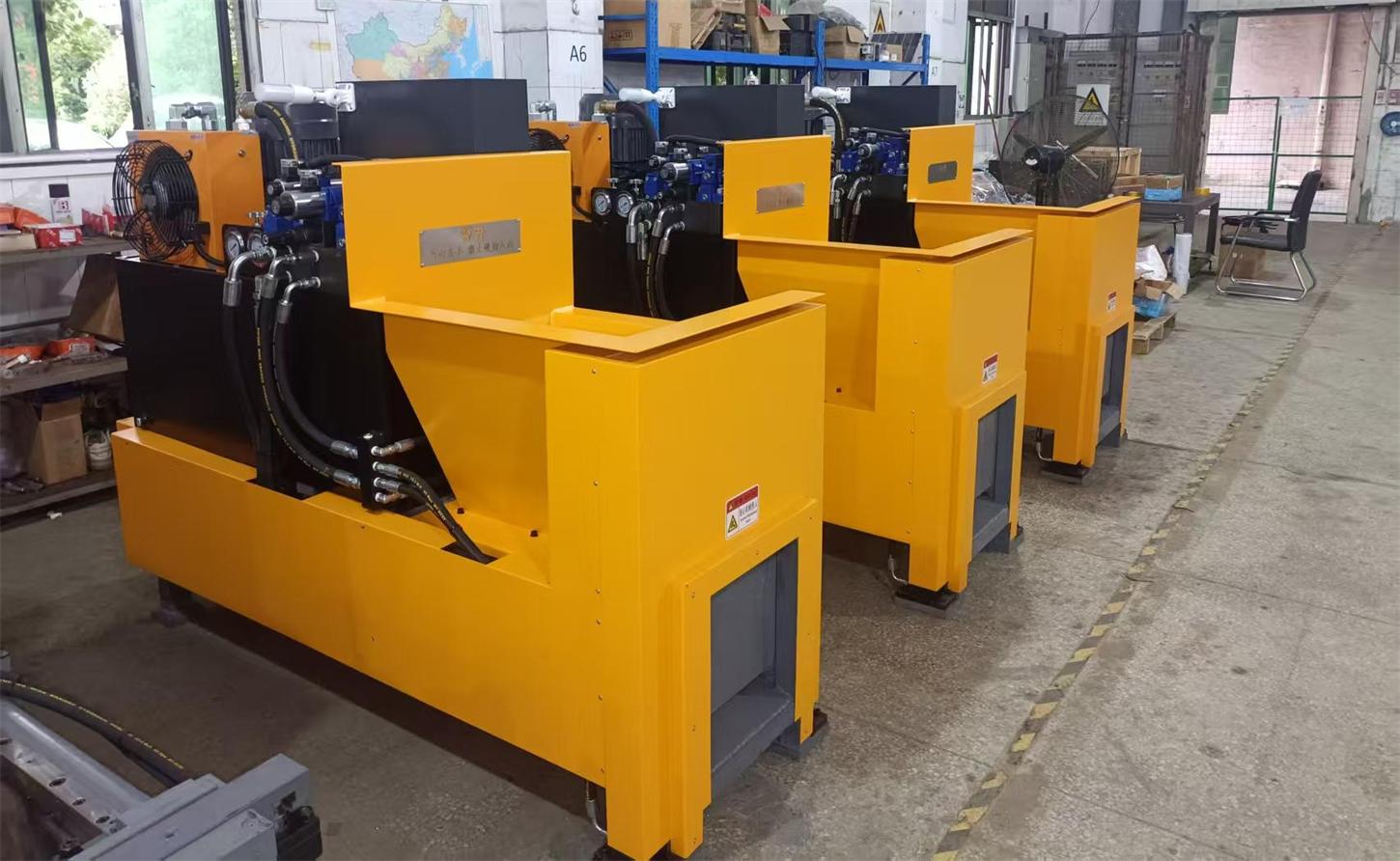
The compressor is the most valuable component in terms of metal content. Specialized cutting machines use hydraulic power to slice through the compressor housing, allowing operators to extract the copper coil inside. A typical unit runs a hydraulic station at 3 kW and can process compressors efficiently without damaging the copper windings.
Step 3: Shredding and Material Separation
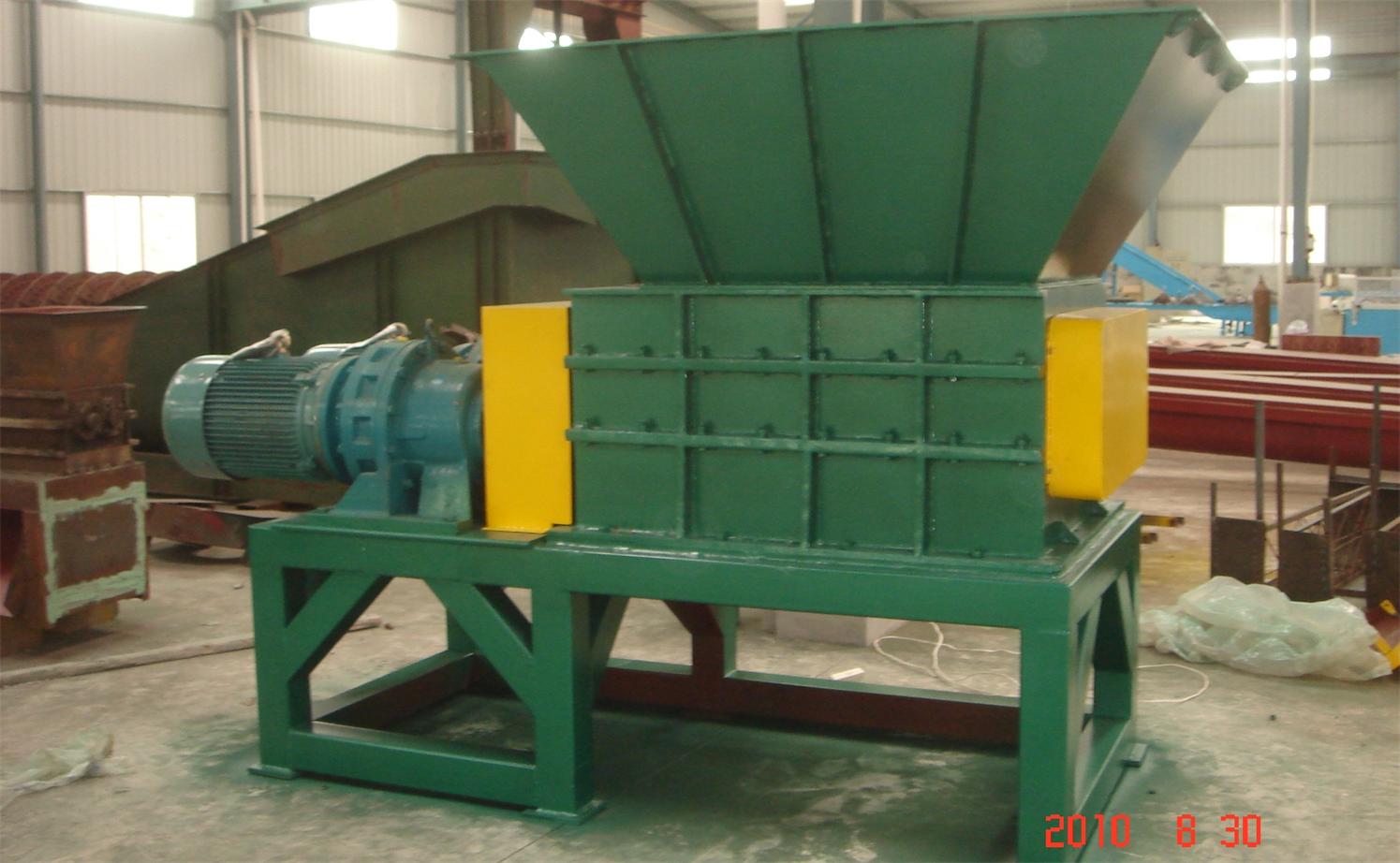
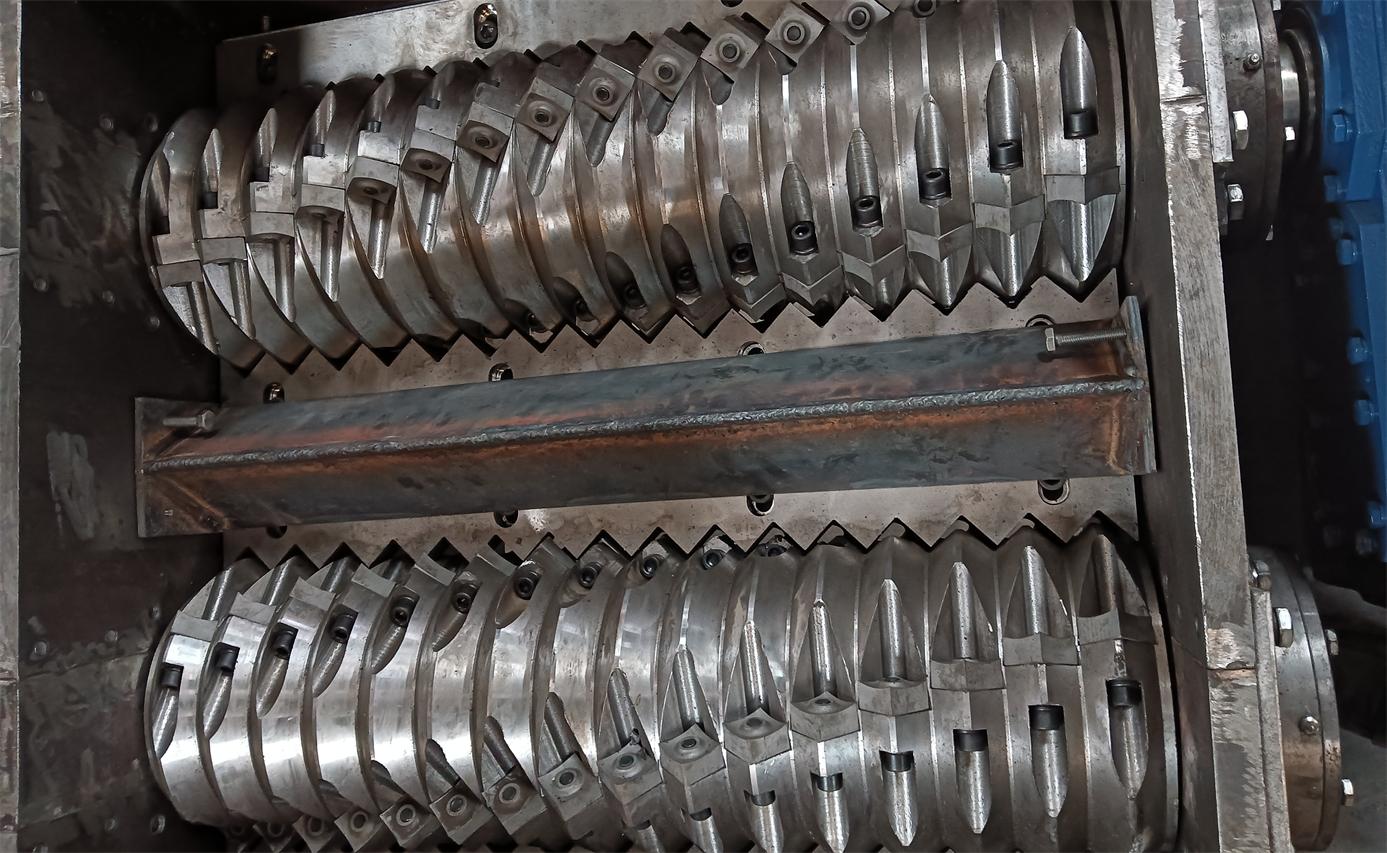
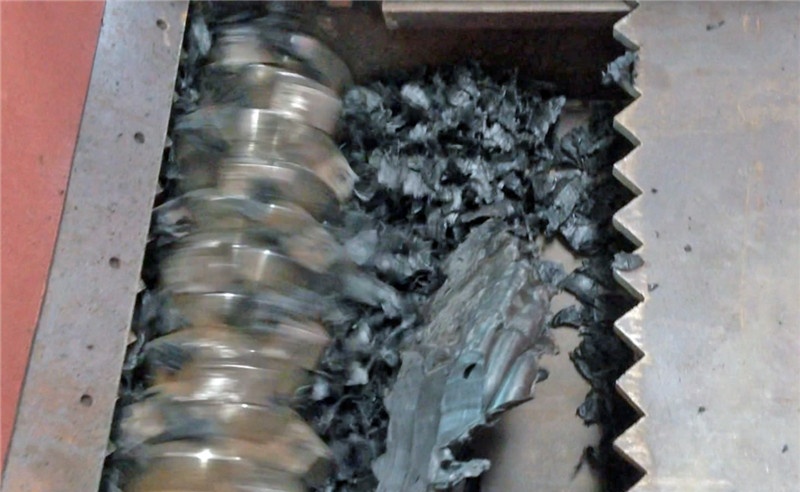
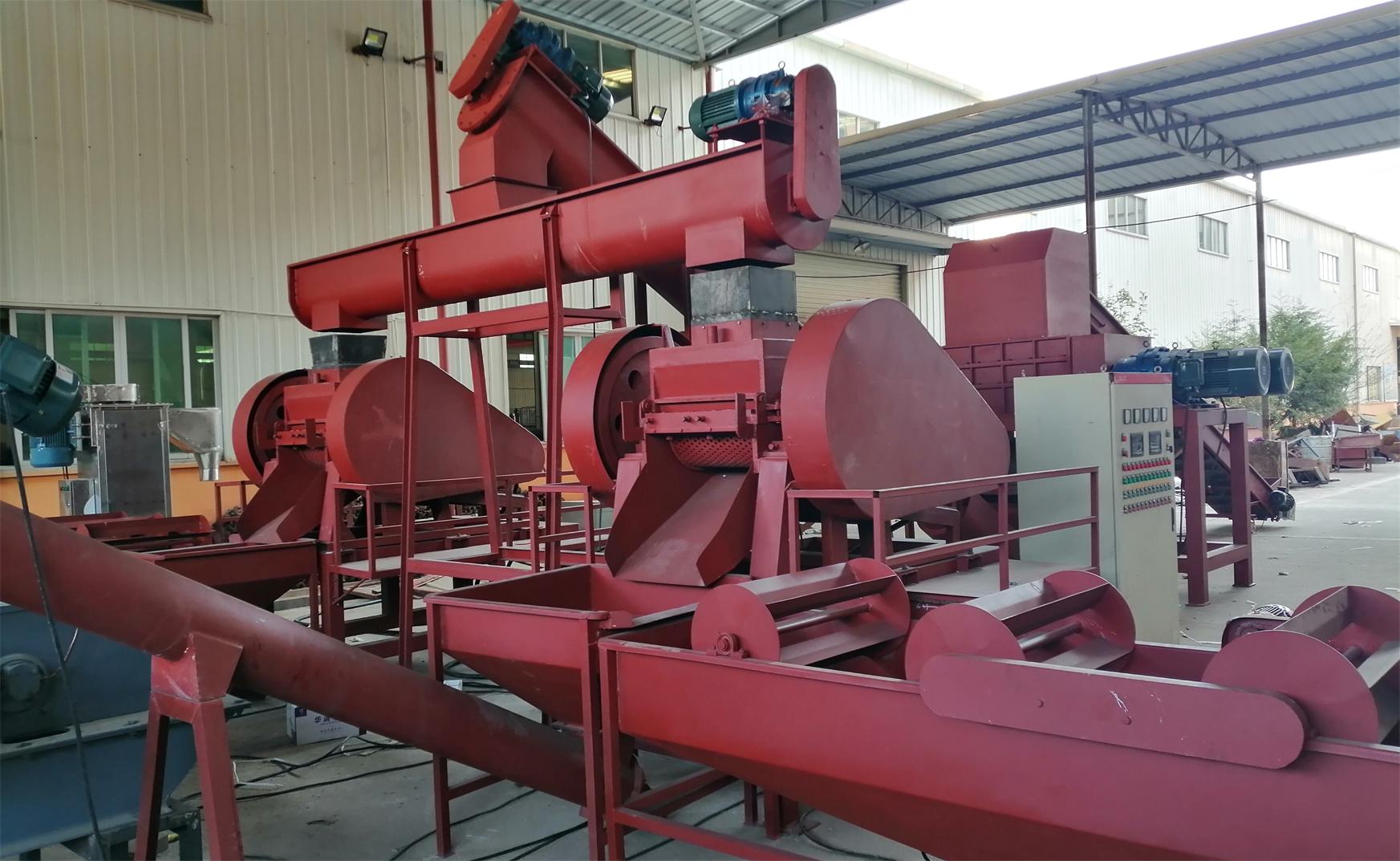
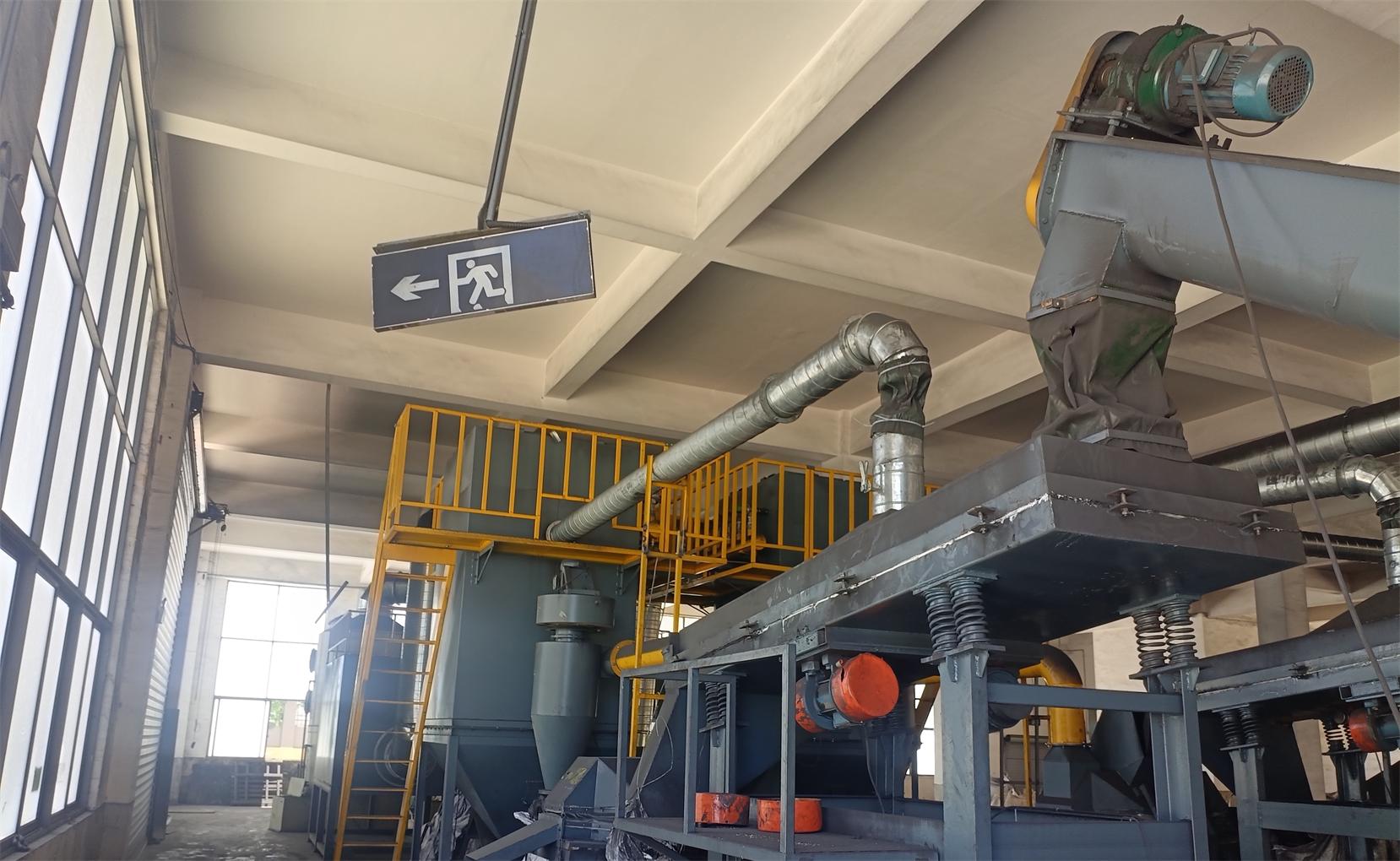
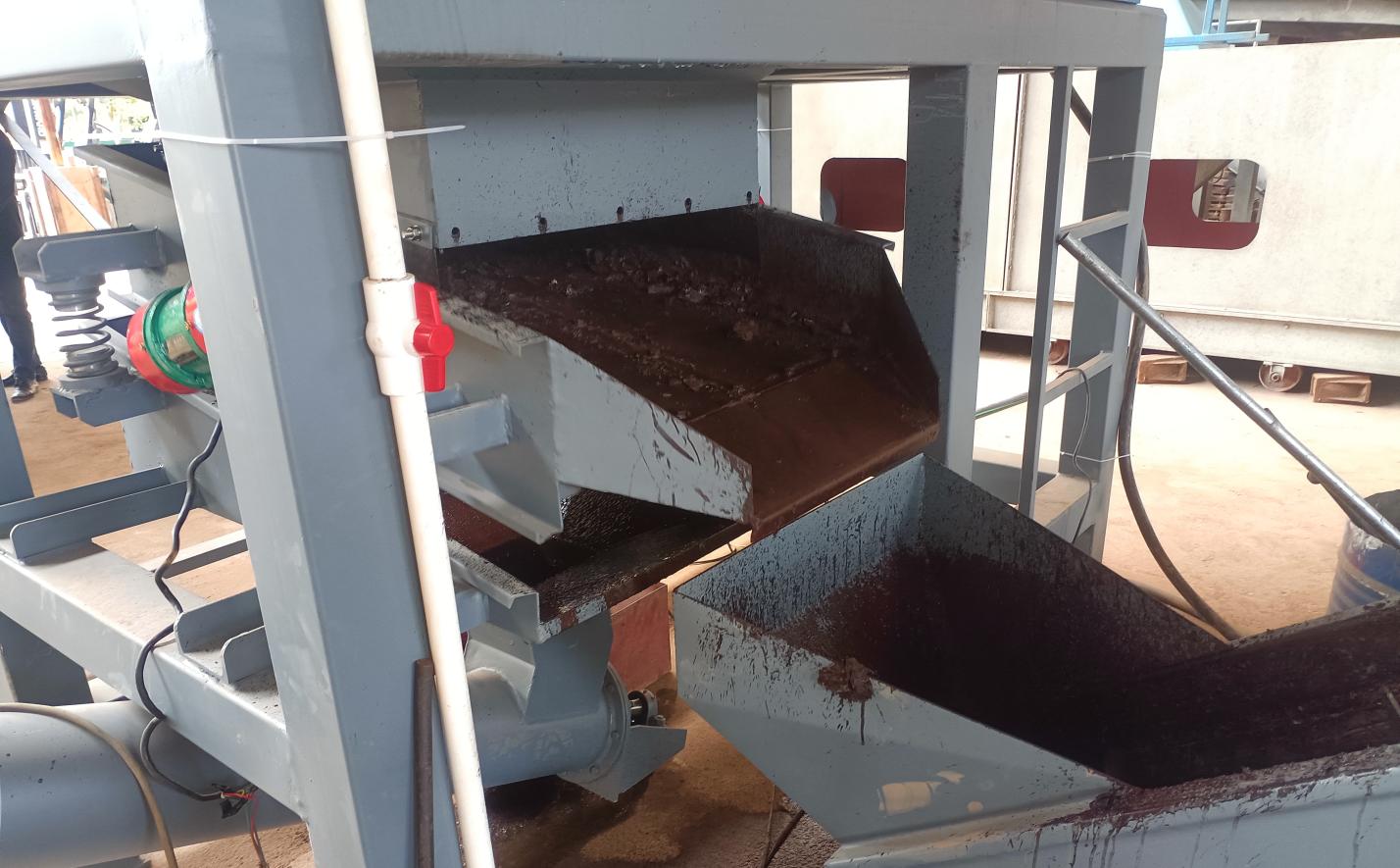
Once hazardous components are removed, the appliance body enters an industrial shredding and separating line. Advanced systems can process 20 to 30 refrigerator units per hour, automatically separating iron, copper, aluminum, plastic, and polyurethane foam. Recovery rates for iron typically reach 95% or higher, while copper, aluminum, plastic, and polyurethane recovery rates reach 90% or above.
Key Equipment for a Modern Refrigerator Recycling Plant
Building a complete refrigerator and AC recycling operation requires more than a single machine. You need an integrated line where each piece of equipment handles a specific stage of the process. Here are the core systems that define a professional plant.
-
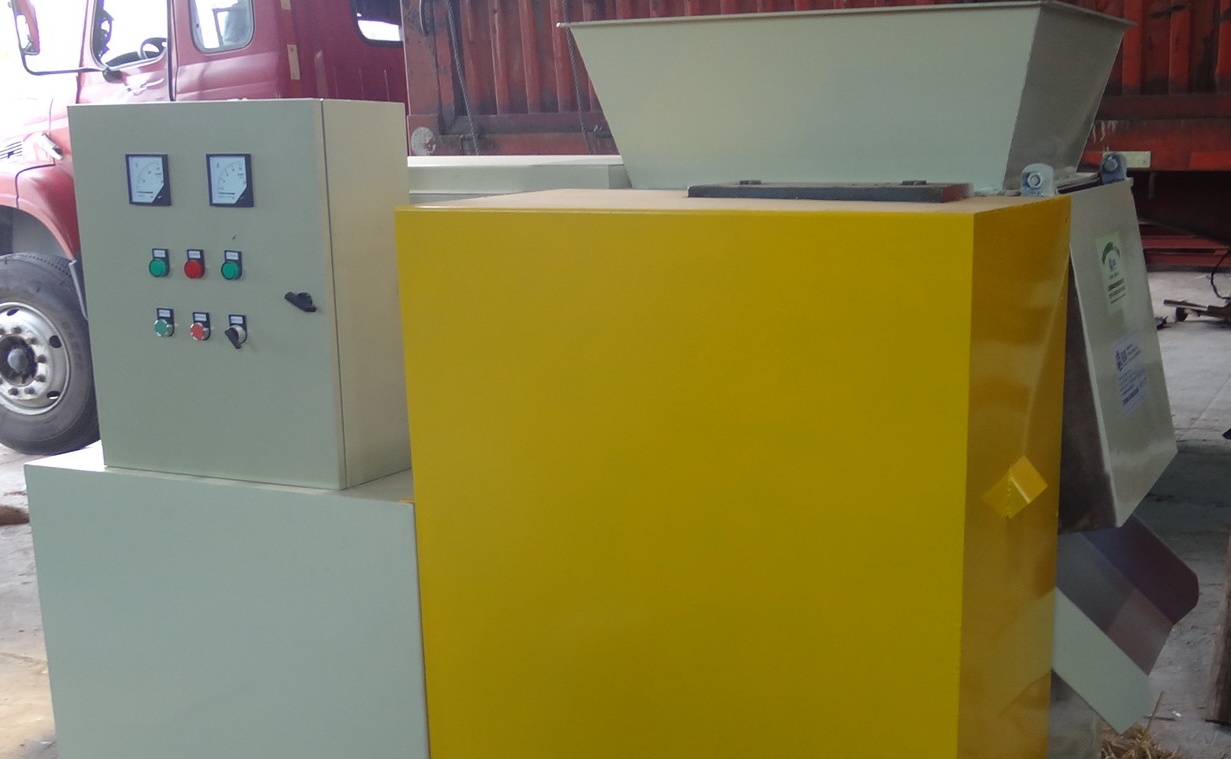
Refrigerant Extraction and Recycling MachinesDual-input extraction systems with multi-stage filtration, oil separation, and air separation capabilities. Professional units are compatible with all common refrigerants and feature recovery rates of 50 kg/h for liquid refrigerant and 25 kg/h for gas. Collection tanks typically hold 15 kg, and compact dimensions allow flexible placement within existing facilities.
-
AC Compressor Cutting MachinesHydraulic-powered cutting stations designed specifically for refrigerator and air conditioner compressors. A robust system uses three motors: a 1.1 kW lifting motor, a 3 kW hydraulic station, and a 3 kW rotary disc motor. This configuration ensures clean cuts that preserve the value of the copper coil inside.
-
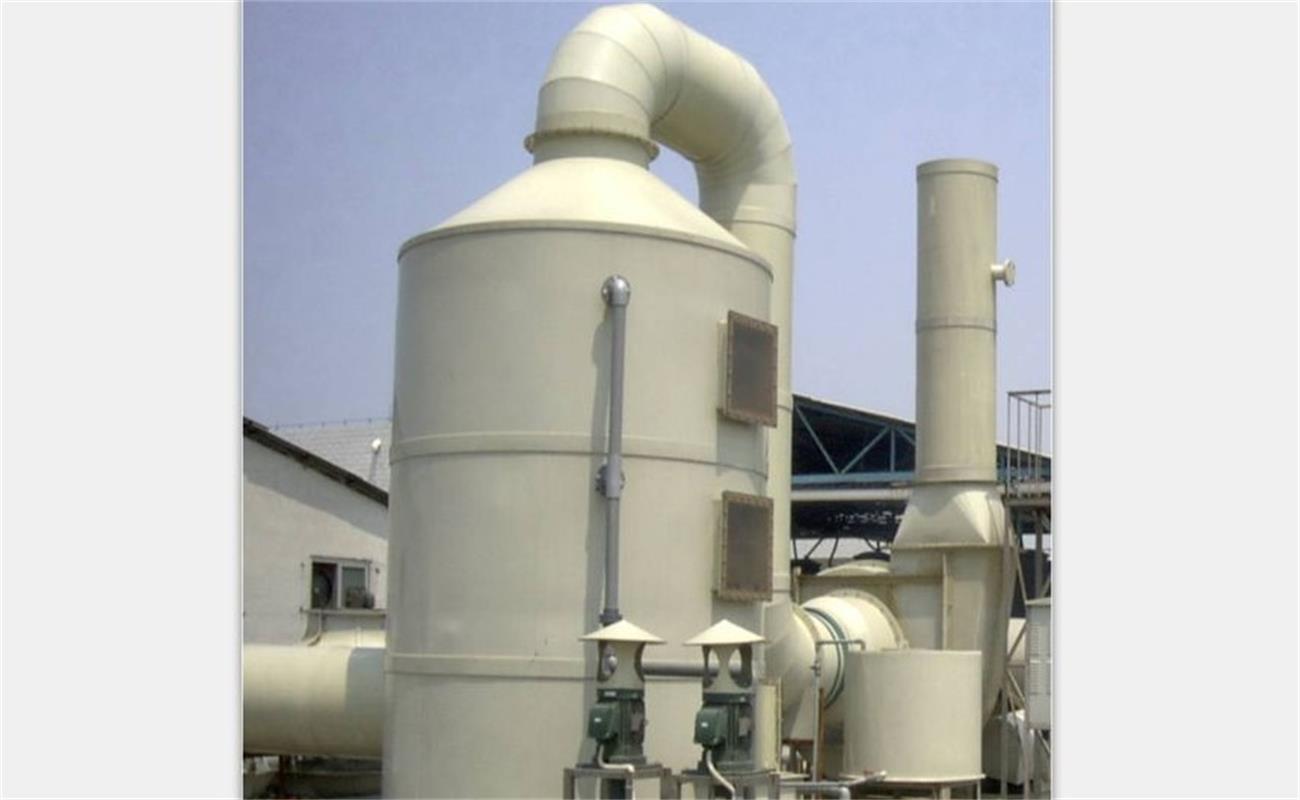
Refrigerator Shredding and Separating PlantsLarge-scale integrated processing lines that handle the entire appliance body after refrigerant and compressor removal. Capable of processing 20 to 30 units per hour with automated separation of iron, copper, aluminum, plastic, and polyurethane foam. These systems typically require around 150 kW of power and deliver recovery rates of 90% to 95% across all material categories.
What to Look for When Buying Refrigerator Recycling Equipment
Not all recycling equipment supplier catalogs are created equal. When evaluating machines for refrigerator and AC recycling, focus on these practical criteria that directly affect your bottom line and compliance standing.
Recovery Rates: The difference between 85% and 95% metal recovery may seem small, but over thousands of units, it represents tons of additional sellable material. Ask suppliers for documented recovery rates for each material stream, not just aggregate claims.
Processing Capacity: Match your equipment capacity to your expected feedstock. A plant designed for 20 units per hour is very different from one that processes 5 units per hour. Over-sizing wastes capital; under-sizing creates bottlenecks and missed revenue.
Refrigerant Compatibility: Ensure extraction equipment handles the specific refrigerants common in your region. Older units may contain R12 or R22, while newer appliances use R134A, R410A, or R407C. Modern extraction machines should cover this full spectrum.
Power and Space Requirements: Shredding and separating plants can exceed 30 meters in length and require substantial electrical infrastructure. Verify that your facility can accommodate the physical footprint and power demand before committing to a system.
After-Sales Support: Refrigerator recycling lines contain multiple integrated machines. When one component fails, the entire line stops. Choose a supplier with a proven track record of technical support, spare parts availability, and installation assistance.
Building a Turnkey Refrigerator Recycling Operation
For entrepreneurs entering the refrigerator recycling business, the most reliable path to profitability is a turnkey solution. Rather than piecing together individual machines from multiple vendors, a single-source supplier can design an integrated line where each stage feeds seamlessly into the next.
Turnkey providers typically offer customized plant design based on your local regulations, available space, budget, and target processing volume. They handle installation, commissioning, and operator training. This approach reduces integration risks and ensures that your refrigerant extraction, compressor cutting, and shredding systems work together as a unified process.
Experienced suppliers also help navigate the regulatory landscape. Refrigerant handling is heavily regulated in most jurisdictions, and improper disposal can result in severe penalties. A knowledgeable equipment partner will design your line to meet or exceed local environmental standards, including proper containment, filtration, and documentation systems.
The Bottom Line: Safety, Compliance, and Profit
Refrigerator and AC recycling is not just about shredding metal. It is a multi-stage process that demands precision, environmental responsibility, and efficient material separation. The right equipment turns a compliance burden into a revenue stream, recovering valuable metals, plastics, and foam while keeping harmful refrigerants out of the atmosphere.
Whether you are expanding an existing e-waste facility or launching a dedicated appliance recycling plant, investing in professional-grade refrigerator & ac recycling machines equipment is the foundation of a sustainable and profitable operation. Focus on recovery rates, capacity matching, refrigerant compatibility, and supplier support. Get these four factors right, and your plant will deliver returns for years to come.
Looking for a reliable partner to build or upgrade your refrigerator recycling plant? San Lan Technologies designs and manufactures complete refrigerator and AC recycling lines, from refrigerant extraction machines to fully integrated shredding and separating systems. With over 15 years of experience in WEEE recycling equipment and customers in more than 21 countries, we provide customized turnkey solutions, installation support, and ongoing technical service. Contact our team today to discuss your project requirements and receive a tailored equipment proposal.