The Rising Tide of E-Waste
Picture this: your old smartphone. That laptop you replaced last year. The flat-screen TV that just couldn't keep up. They might be out of sight, but they're not gone. They've joined a massive, invisible tsunami sweeping across the globe – a tsunami called electronic waste. With each passing year, we're tossing away over 53 million metric tons of gadgets and appliances worldwide. That's equivalent to throwing away 1,000 laptops every single second.
Now, here's where things get complicated. Not all e-waste is created equal. While many know about the dangers of batteries and circuit boards, a particularly thorny problem hides under the radar: what professionals call "wet equipment." We're talking refrigerators leaking coolant, air conditioners holding chemical refrigerants, industrial machinery with hydraulic fluids. These aren't just electronic scrap; they're environmental time bombs containing toxic liquids that demand specialized handling.
The Regulatory Revolution Gains Momentum
Over the past decade, we've witnessed something remarkable: the world is finally getting serious about this crisis. It's like watching a global lightbulb moment turning into coordinated action:
The Europeanunionpioneered this movement with its landmark WEEE Directive. They didn't just set targets; they built systems. The results speak for themselves – by implementing mandatory manufacturer responsibility programs, they achieved a staggering 42.5% recycling rate, putting them decades ahead of other regions. Their secret? Creating clear accountability chains where producers finance the recycling infrastructure their products will eventually require.
Meanwhile, Japan went all-in on innovation. Since the early 2000s, they've embedded mini-recycling centers at electronics retailers, turning disposal into something as routine as buying groceries. It's not just convenient; it's psychologically brilliant. By making recycling feel like everyday behavior rather than a chore, Japan built cultural buy-in while developing specialized recovery processes for problematic materials.
Down in Brazil, the journey felt more like scaling a mountain. They faced the classic emerging economy challenge: masses of imported electronics with minimal disposal infrastructure. But their 2019 National Solid Waste Policy changed everything, introducing sectoral agreements that forced manufacturers to create collection logistics. It's messy and imperfect, but shows how determined legislation can jumpstart circular economies.
Where Wet Equipment Meets Policy Teeth
This is where regulations get particularly relevant for wet equipment operators. The EU's Eco-design Directive increasingly targets fluids in HVAC systems and refrigeration units, mandating replacements with greener alternatives while requiring specialized recovery equipment. Japan's Home Appliance Recycling Law specifically calls out refrigerant recovery from air conditioners and refrigerators.
For facilities handling large volumes, this regulatory shift brings relief disguised as restriction. Tighter rules mean:
- Reduced liability risks from contamination incidents
- Predictable recycling workflows as standards harmonize
- Competitive advantage through specialized certifications
- New revenue streams from safe material recovery
The Tech Revolution Responding to Regulations
Policy momentum has triggered explosive innovation in recycling tech. For wet equipment processors, this means game-changing tools arriving at just the right time:
Physical Separation
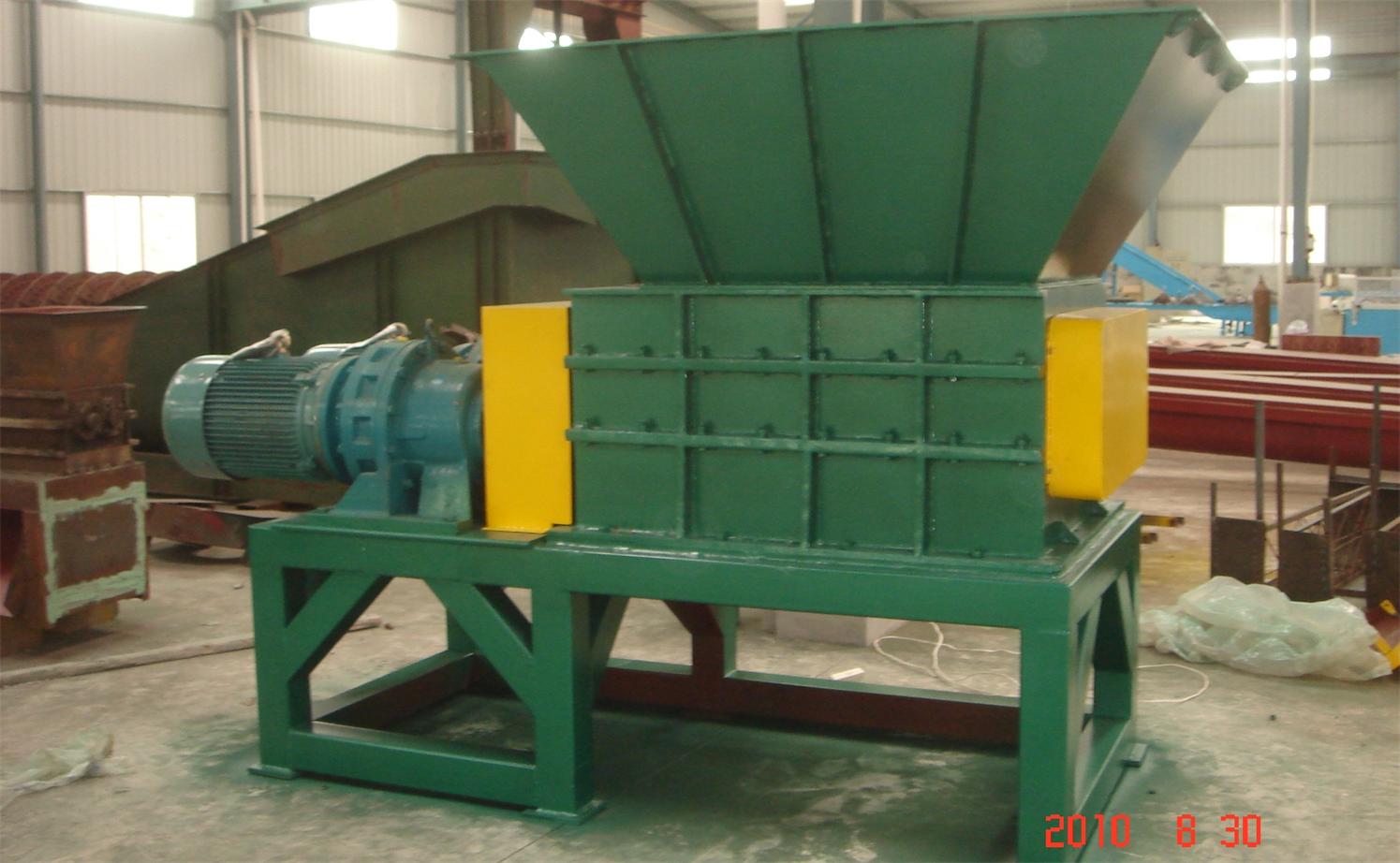
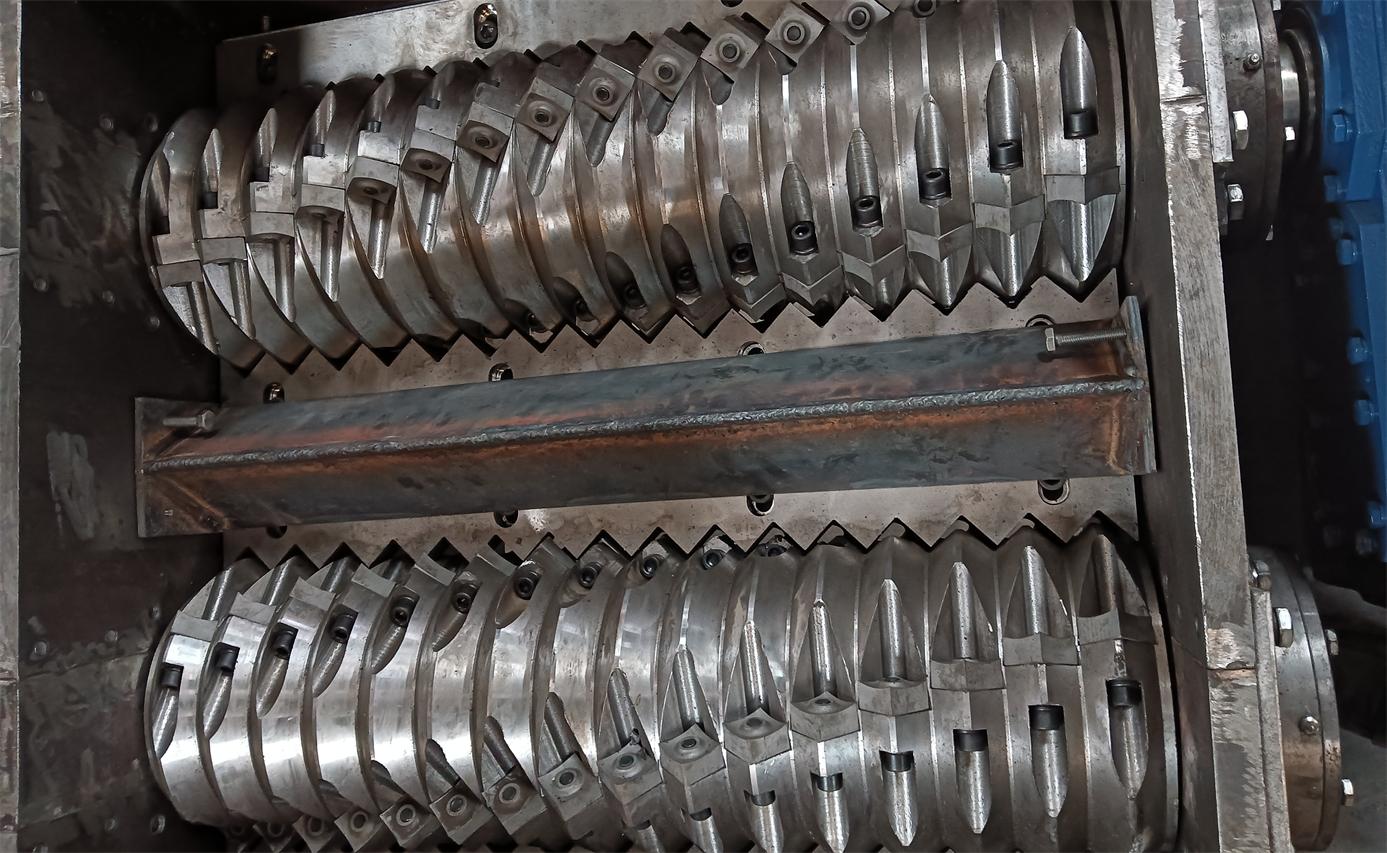
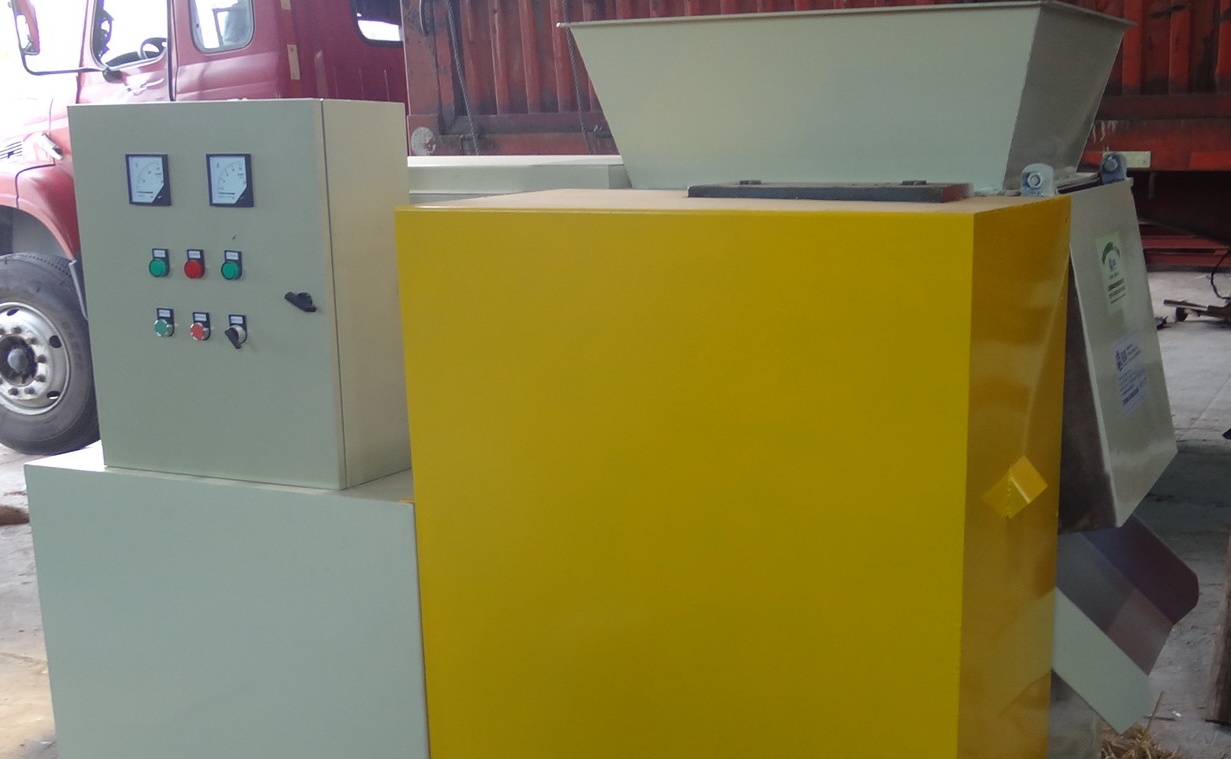
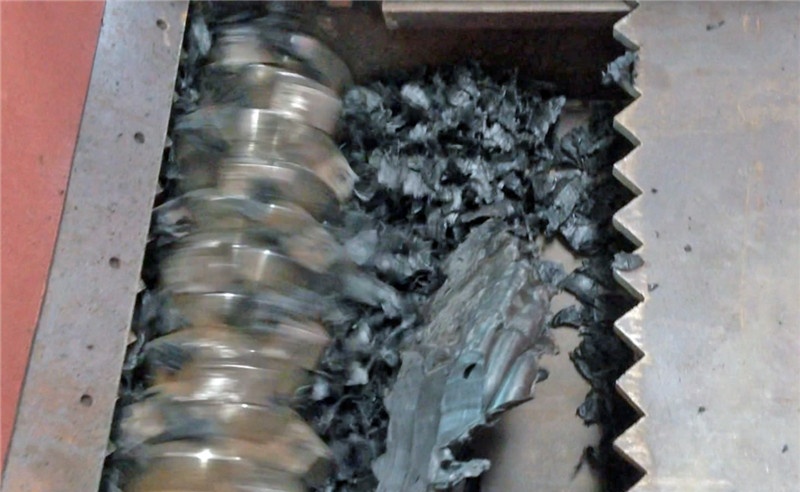
- Cryogenic shredders freezing moisture-heavy components for clean separation
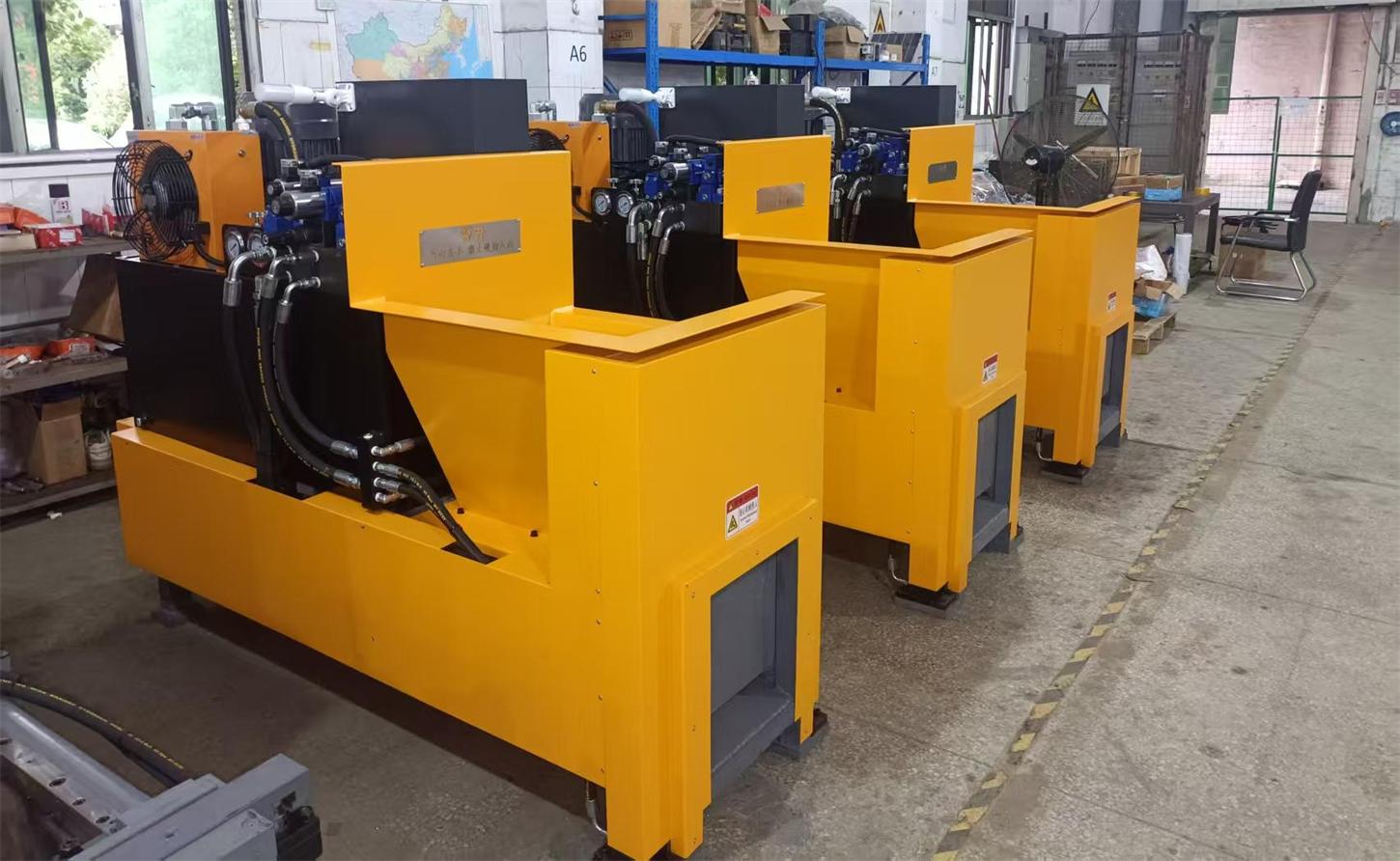
- Hydraulic fluid extraction systems specifically designed for industrial machinery
- Closed-loop refrigerator processor lines capturing over 98% of refrigerant
Chemical Processing
- Bioleaching tanks using bacteria to dissolve metals from wet circuit boards
- Solvent-free degreasers for removing industrial lubricants
- pH-controlled precipitation systems neutralizing acidic fluid contaminants
Thermal Recovery
- Condensing flue systems capturing evaporated refrigerants
- Electric arc furnaces reaching precise temperatures for wet battery smelting
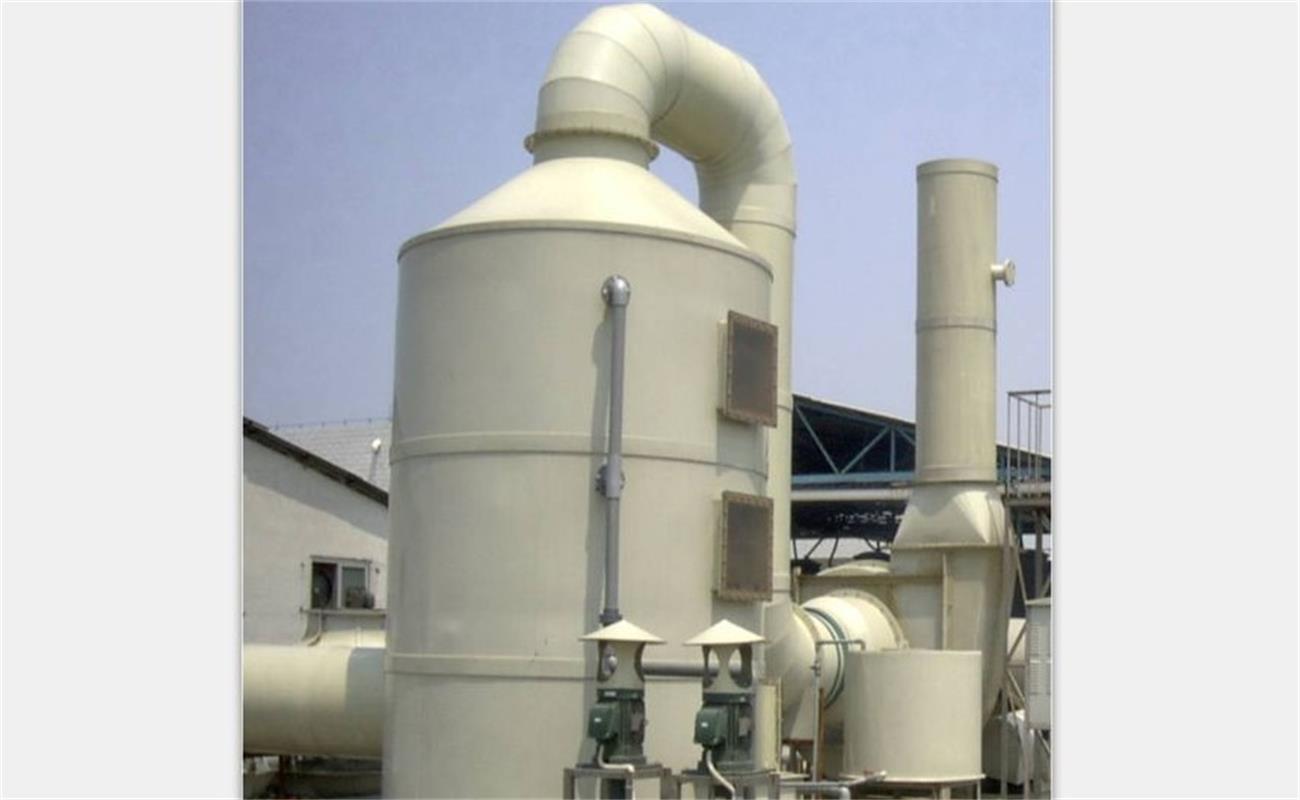
- Advanced emission controls capturing mercury from broken fluorescent lamps
Resource Refinement
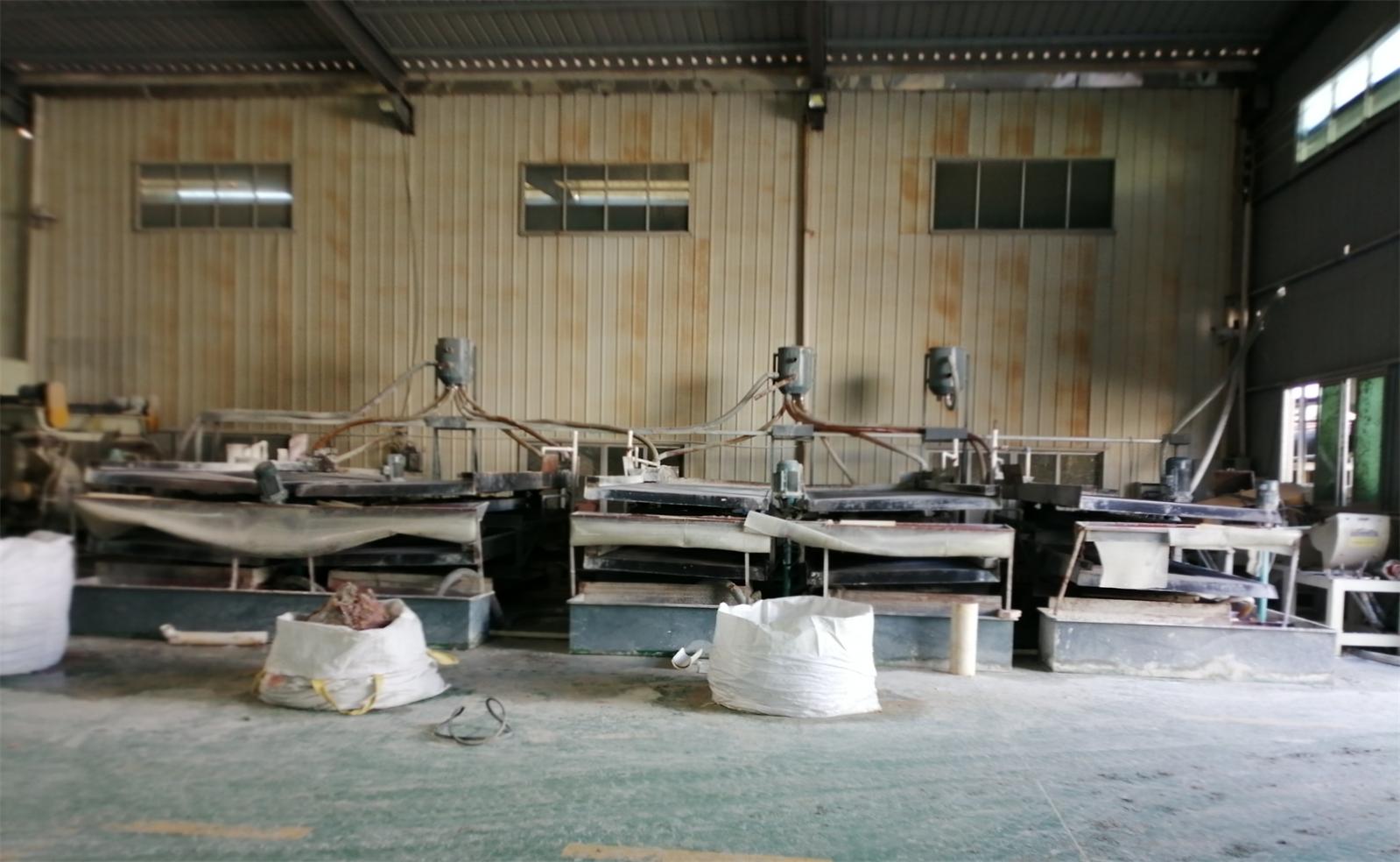
- Centrifuge systems separating oil/water/solid emulsions from industrial scrap
- Multi-stage water purification loops for closed-system recycling
- Cold trap technologies extracting pure refrigerants for reuse
The Tangible Benefits Coming Into Focus
This regulatory-technological synergy is producing measurable impacts right now:
Economic Shifts: European recyclers report 25-40% cost reduction when handling refrigerators under the new standards. Rather than paying disposal fees for problematic units, they're profiting from material recovery thanks to better tech and streamlined logistics.
Innovation Acceleration: Specialized CRT recycling equipment (critical for old monitors/TVs containing toxic phosphor dust) now processes units in under 90 seconds while capturing 99.9% of recoverable lead glass. Japan's Panasonic-developed refrigerant recovery system captures three times more gas than previous methods, turning environmental compliance into competitive advantage.
Environmental Wins: Proper wet equipment processing prevents coolant equivalent to 15 million metric tons of CO2 from escaping annually. That's equal to taking 3.2 million cars off the road permanently.
The Path Forward: Challenges & Opportunities
Despite progress, we're still climbing the mountain. Some hurdles remain steep:
- Infrastructure Gaps: Over 60 countries lack any specialized wet equipment recycling capacity
- Enforcement Shortfalls: Many emerging economies struggle to implement regulations they've passed
- Cross-Border Loopholes: Illicit e-waste trade avoids responsible processing requirements
The opportunities outweigh these challenges though:
- Economic Expansion: Global e-waste recycling could employ over 2 million people in formal jobs
- Resource Security: 1 ton of circuit boards can yield 40-800 times more gold than gold ore
- Pollution Prevention: Preventing 1 kg of mercury contamination saves $50,000+ in cleanup costs
Conclusion: Navigating the Regulatory Currents
The tightening of e-waste regulations isn't just paperwork; it's fundamentally reshaping the landscape for wet equipment operators. The rules pushing for specialized processing equipment and recovery protocols provide crucial guidance that the industry needed for decades. And crucially, they're creating stable investment environments where technological innovation can thrive.
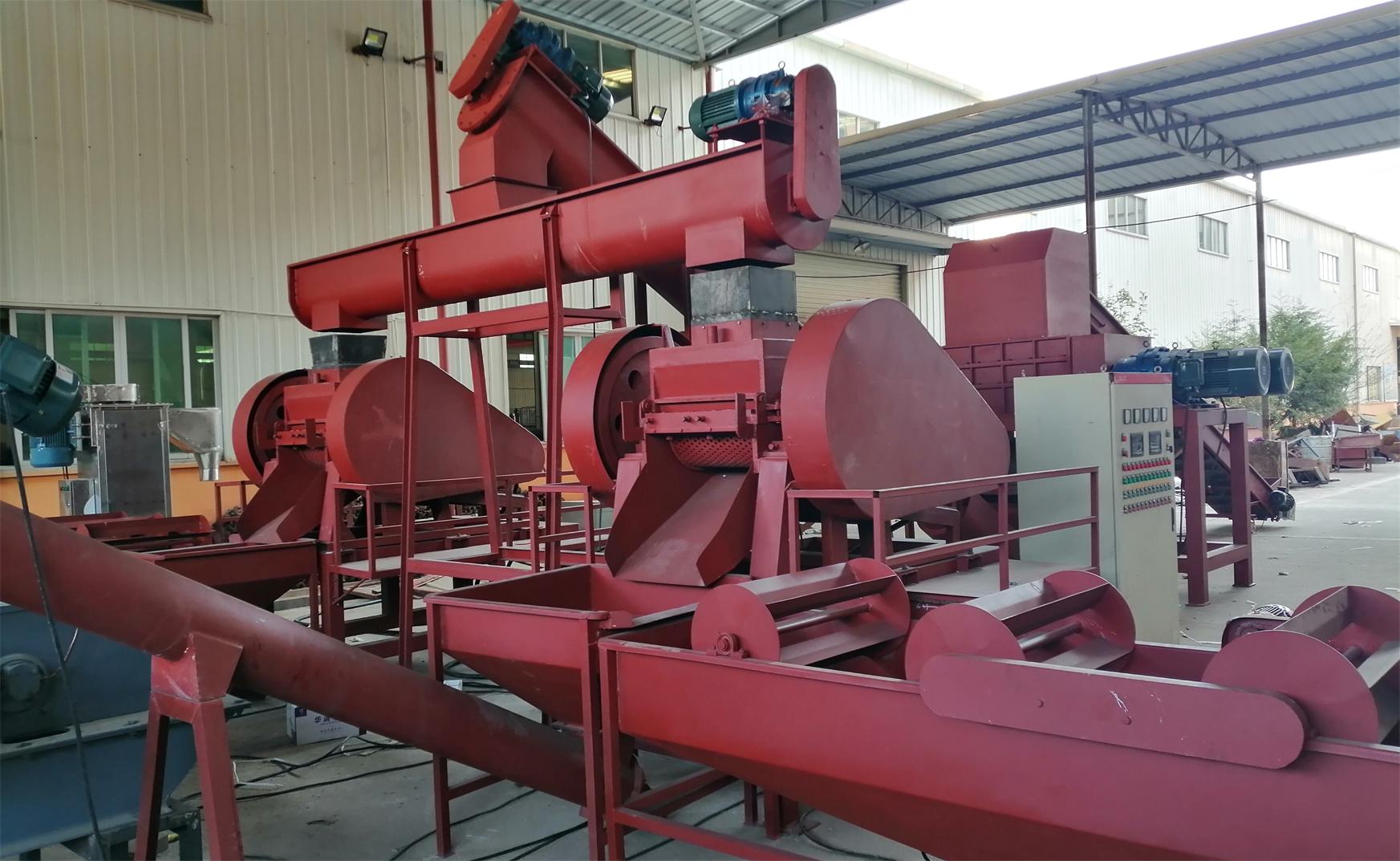
For recyclers handling liquid-containing devices, this represents a turning point. The frameworks pioneered in Europe and refined in places like Japan and Brazil provide the playbook others will follow. As the regulatory wave continues building, the facilities implementing advanced technologies – from circuit board recycling plants to hydraulic processing systems – will find themselves positioned as indispensable resource hubs in the circular economy.