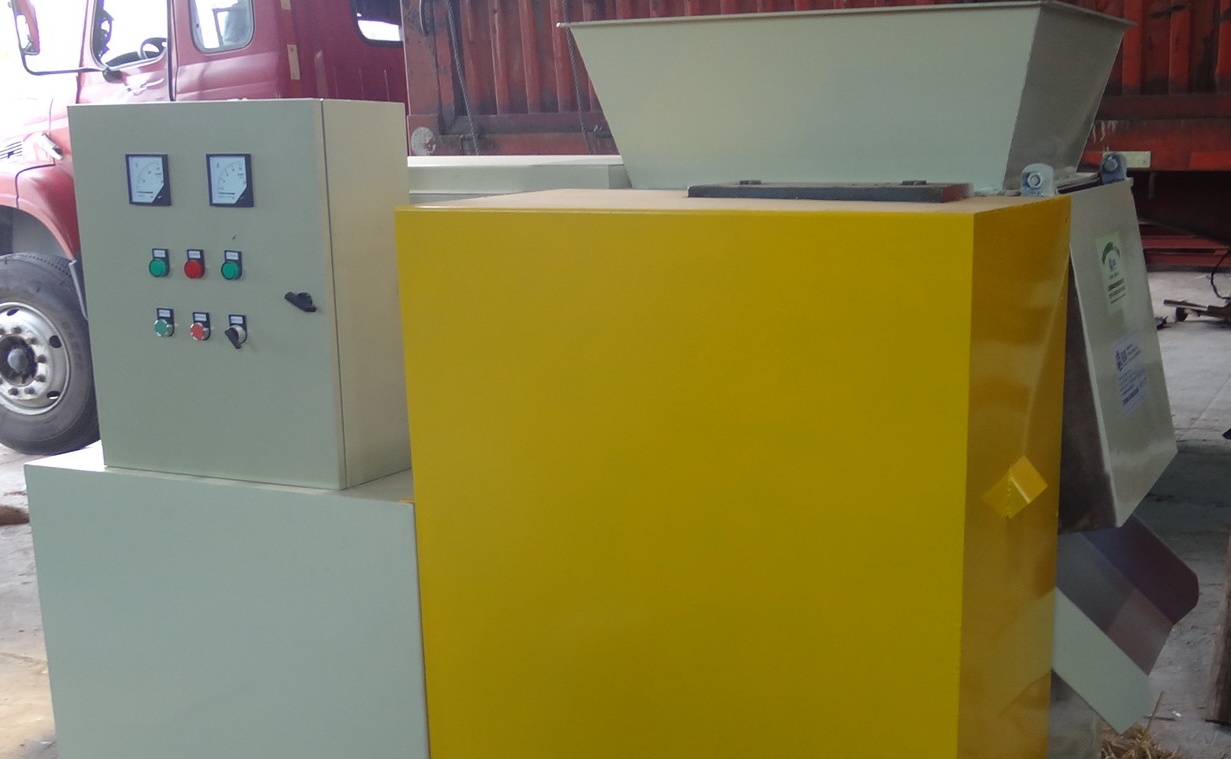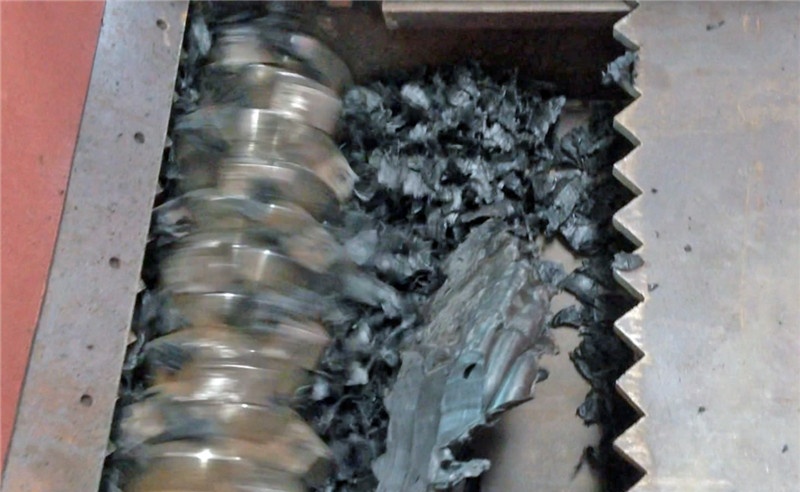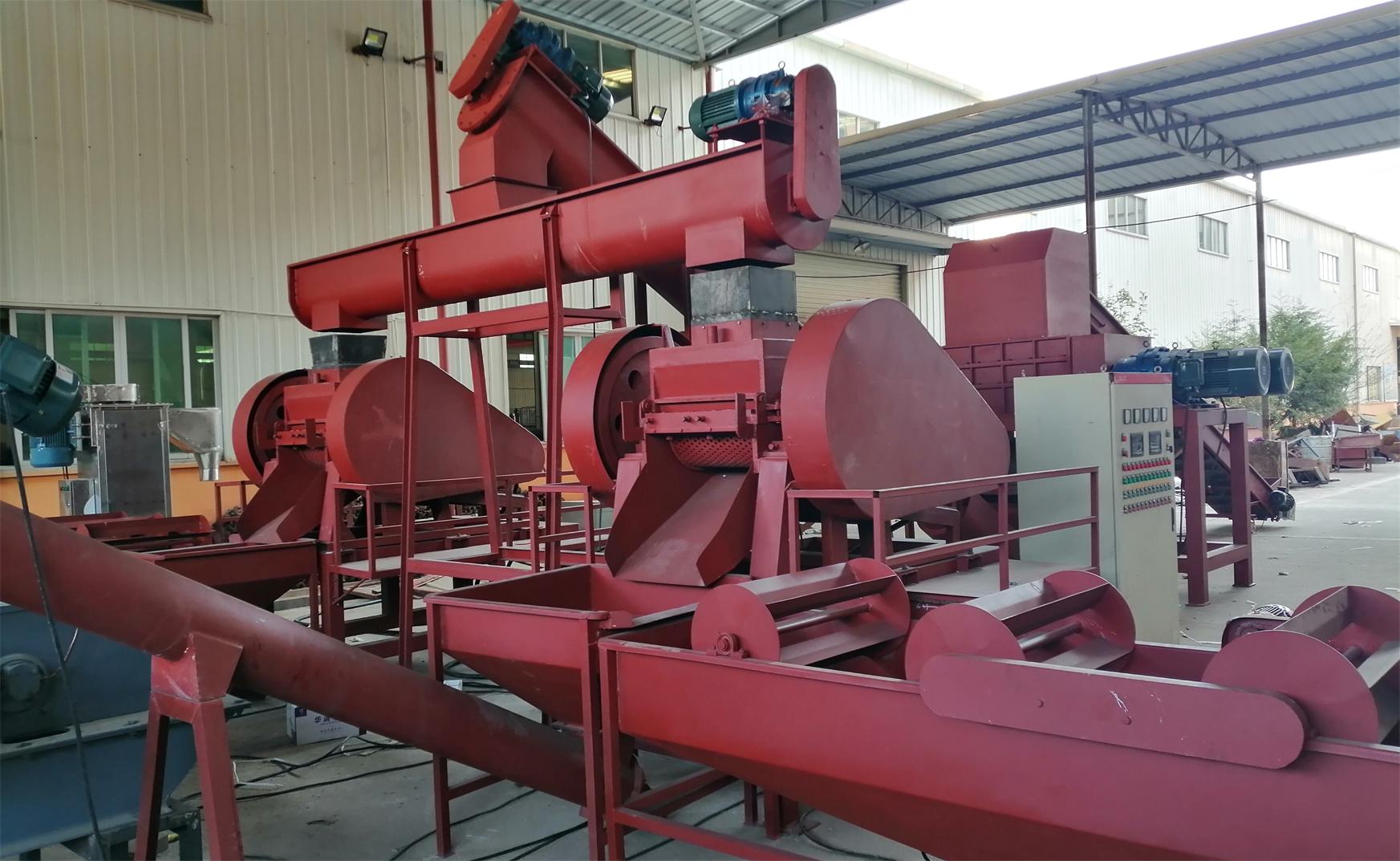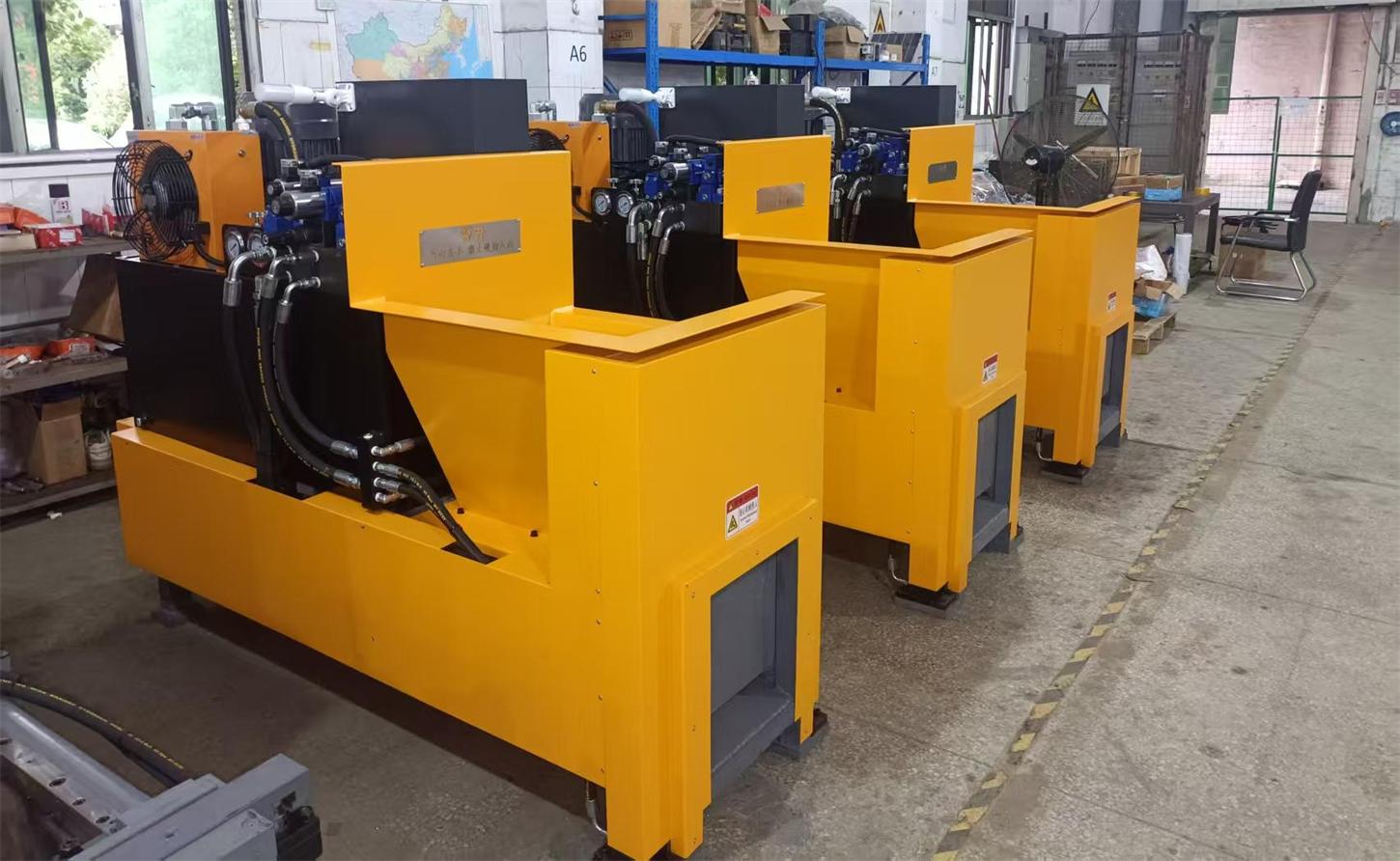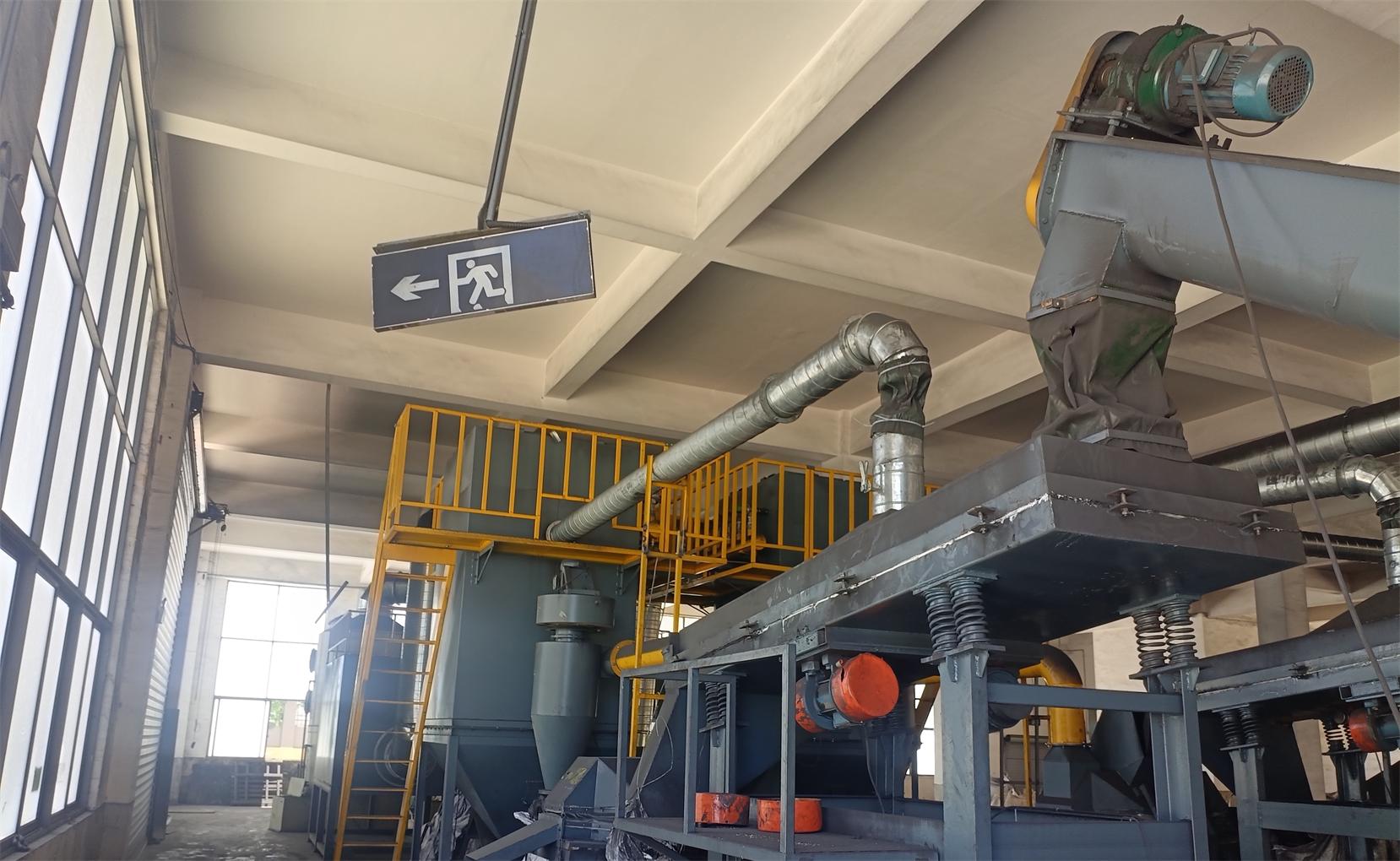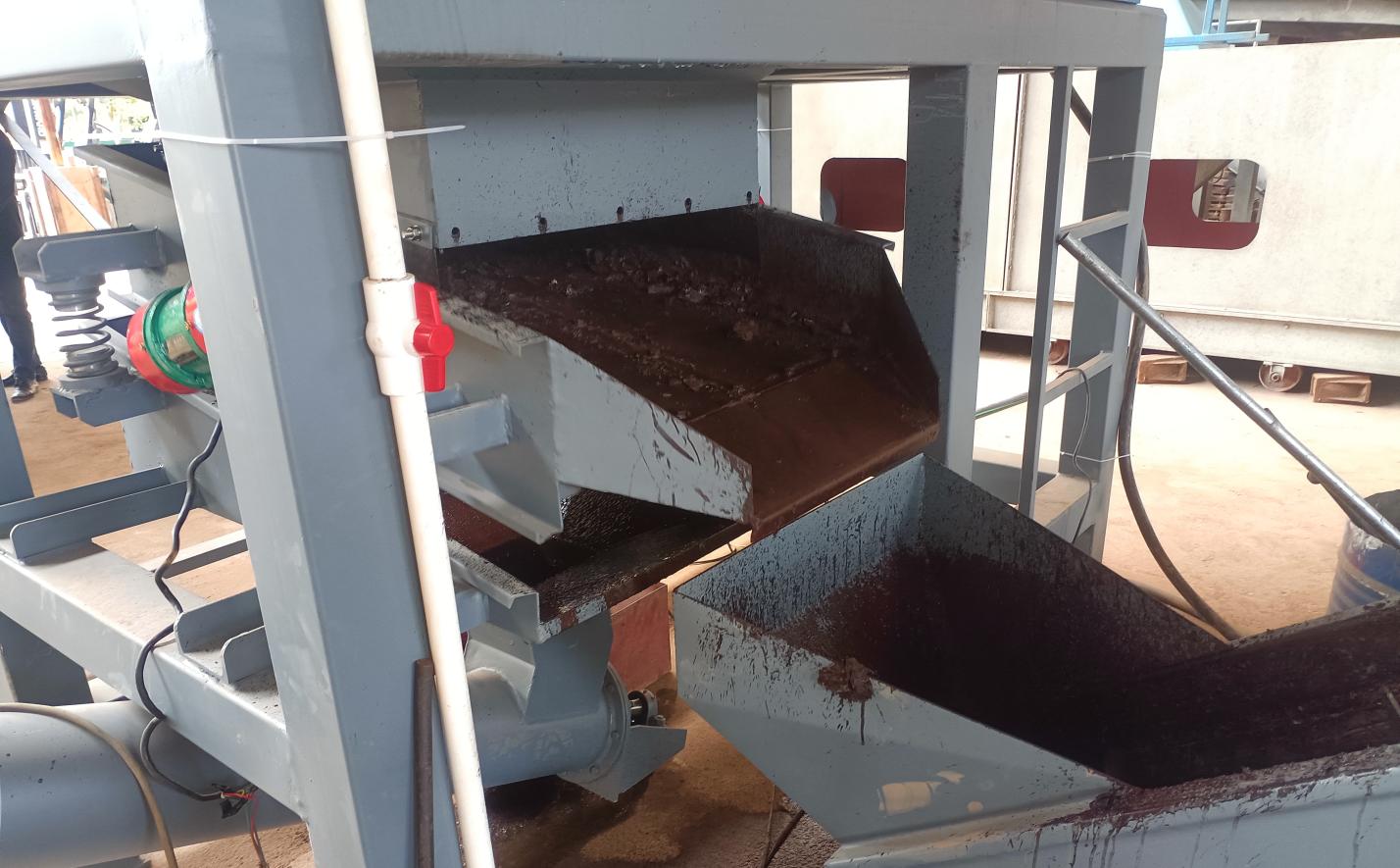
Ever wonder what really separates top-tier shredders from the rest? We've put industrial-grade 4-shaft shredders through punishing trials to uncover how different manufacturers stack up. Forget glossy brochures – we're talking actual operating costs, maintenance nightmares, and unexpected quirks that only emerge after shredding tons of wires, cables, and circuit boards.
Why 4-Shaft Design Matters in Modern Recycling
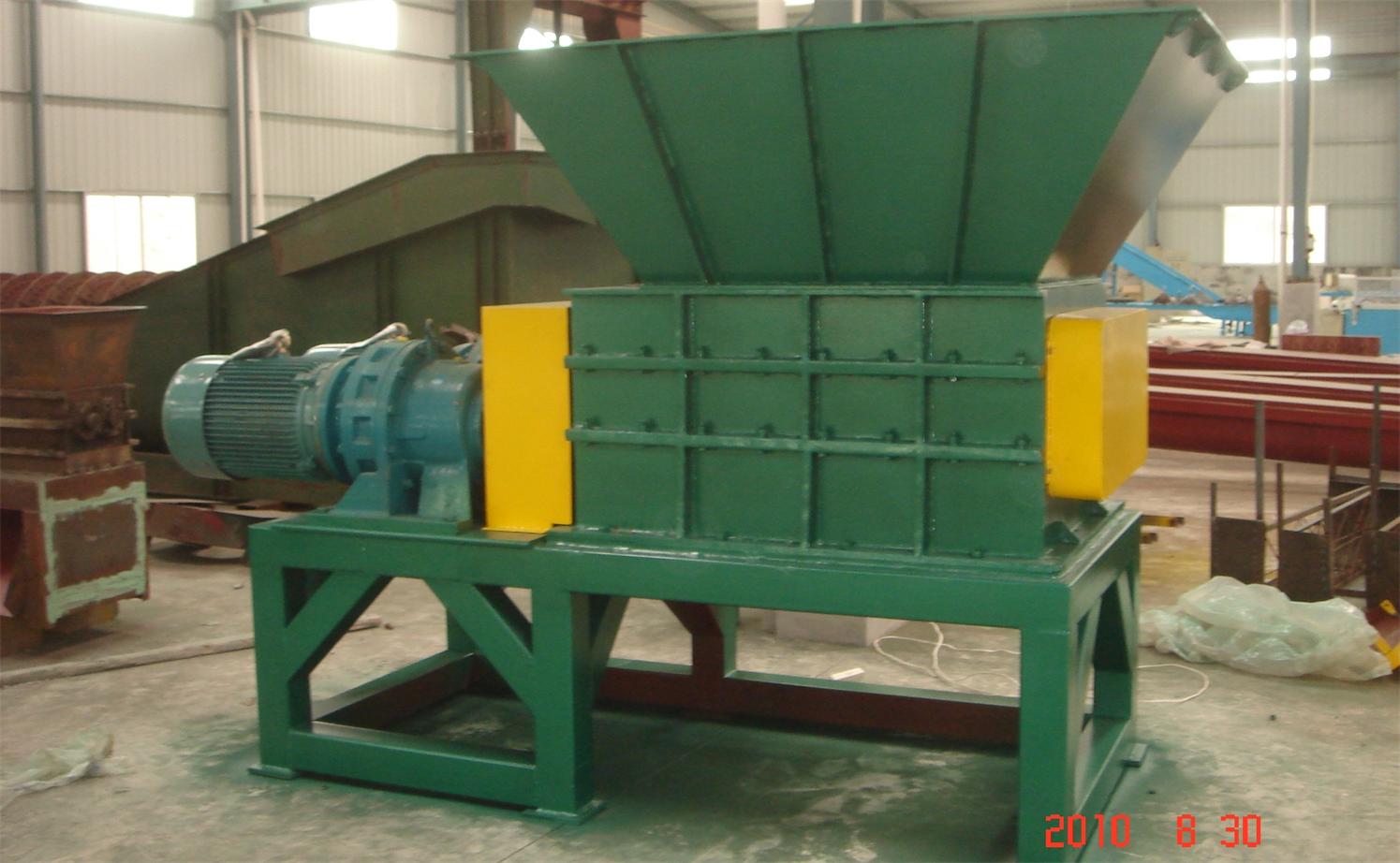
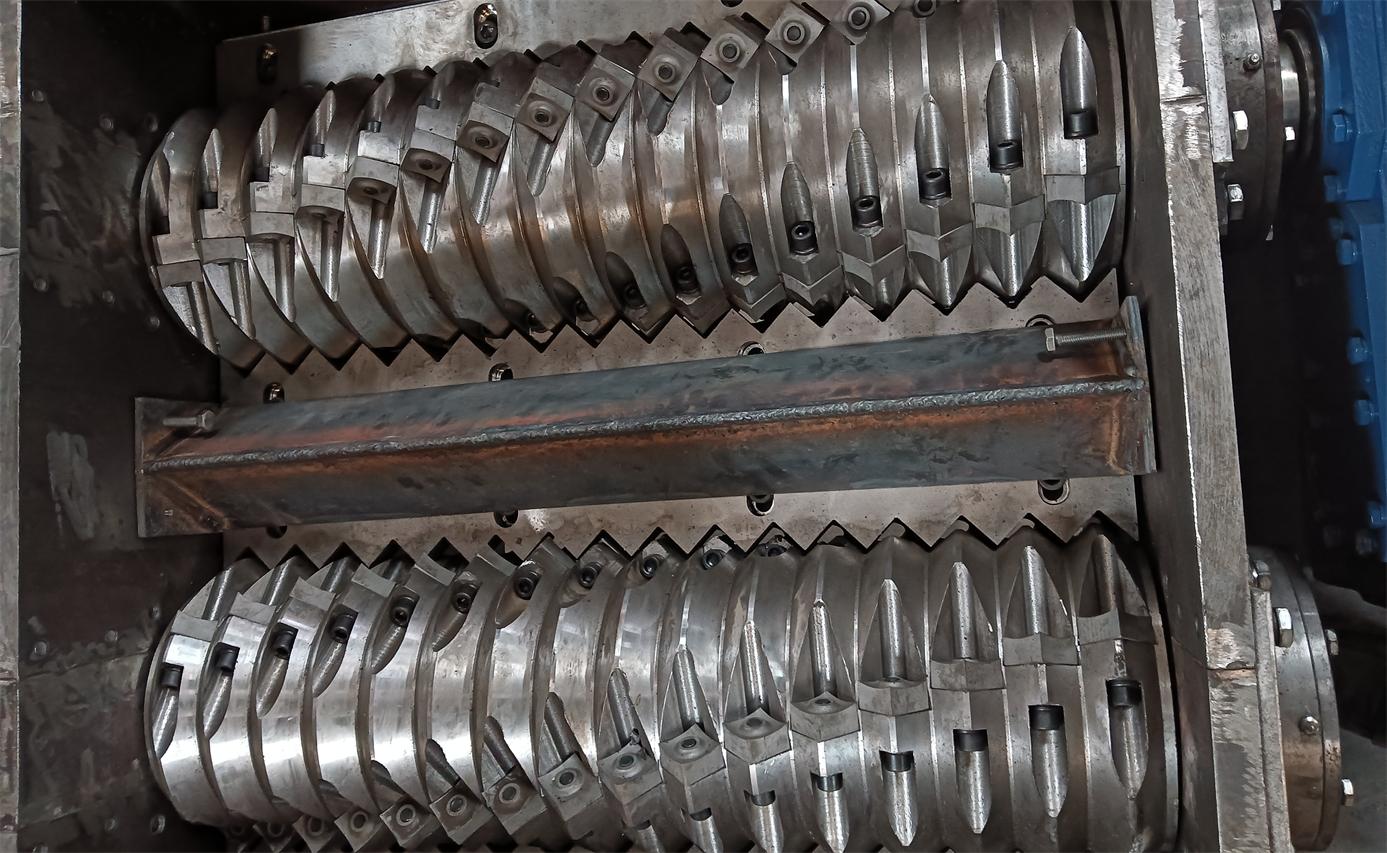
Picture this: a shredded circuit board or crushed lithium battery components cleanly separating into reusable metals and plastics. That's where the four-shaft design shines. Unlike basic shredders, these industrial beasts use interlocking blades working in tandem like synchronized sharks. The magic happens when the top shafts pre-shred materials before the bottom shafts finish the job. This multi-stage approach lets them tackle what others can't: tangled copper cables, compressed refrigerator compressors, and stubborn PCB assemblies.
Real Talk: During our cable recycling trials, cheap dual-shaft units jammed constantly with insulated wires. The four-shaft models? They munched through automotive wiring harnesses like spaghetti.
Head-to-Head Performance Metrics
We subjected Brand A (Industrial Titan), Brand B (EcoShred Pro), and Brand C (DragonSHRED) to identical challenges:
| Performance Metric | Brand A | Brand B | Brand C |
|---|---|---|---|
| Copper Cable Throughput | 1.8 tons/hour | 1.5 tons/hour | 2.1 tons/hour |
| PCB Shredding Consistency | ±5% variance | ±8% variance | ±3% variance |
| Energy Consumption (kWh/ton) | 38 | 41 | 32 |
| Noise Level at 5m (dB) | 92 | 88 | 94 |
| Blade Replacement Frequency | Every 120 hours | Every 90 hours | Every 200 hours |
Manufacturing Secrets That Matter
What makes some four-shaft shredders outperform others? It boils down to five critical engineering choices:
1. Blade Geometry Intelligence
Brand C's dragon-tooth blade pattern wasn't just for show – those wavy edges reduced material wrapping by 40% compared to standard hooks during lithium battery crushing tests. When processing battery modules, the self-cleaning design prevented catastrophic jams from sticky electrode materials.
2. Power Transfer Precision
We tore down all three models and found Brand A used laser-aligned gear couplings instead of chain drives. This translated to zero power loss during sudden load spikes when shredding refrigerator compressors. The competitors wasted 11-15% energy through transmission slippage.
3. Vibration Control
Remember that noise difference? Brand B's sandwich-mounted dampening system absorbed high-frequency vibrations from unbalanced loads like crushed CRT monitors. Their secret? Proprietary elastomer pads that most manufacturers skip to save $37 per unit.
4. Thermal Management
During 72-hour endurance runs shredding motor stators, only Brand C maintained consistent throughput. Their liquid-cooled bearing housings prevented thermal expansion from narrowing blade gaps – a fatal flaw we observed in competitors after 8 hours.
5. Access Philosophy
When a blade cracked during our copper wire granulation test, Brand B's modular cassettes had us back operational in 28 minutes. Competitors requiring full rotor removal took 3+ hours – costing $900+ in downtime per incident.
The Hidden Cost Factors
That sticker price? Just the beginning. Consider these operational realities:
Blade Economics
Brand A's "economical" blades seemed cheaper until we calculated cost-per-ton: $2.17 vs Brand C's $1.42. Why? The premium alloy could be sharpened 9 times vs 5 times before replacement.
Contamination Consequences
When processing e-waste shreds for metal recovery, Brand B's inconsistent particle size created problems downstream. Smelter clients reported 15% lower copper purity in outputs due to plastic residue – a dealbreaker for battery-grade lithium purification facilities.
Maintenance Rituals
Brand A required weekly tension calibration on all 32 blade positions. Skip one and efficiency dropped 18% within days. Brand C's auto-tensioning system? Zero adjustments in 500 operating hours.
Material-Specific Performance Surprises
| Material Challenge | Standout Performer | Key Advantage Observed |
|---|---|---|
| Tangled Copper Wiring | Brand C | Counter-rotating shafts untangled snarls without manual intervention |
| FRP-Rich Circuit Boards | Brand B | Specialized blade coating resisted fiberglass abrasion 3x longer |
| Lithium Battery Packs | Brand A | Explosion-proof housing contained thermal runaway events |
| Refrigerator Compressors | Brand C | Hydraulic overload protection saved motors during steel surges |
The Efficiency Trap
Don't fall for theoretical specs. Brand B claimed 2-ton/hour capacity but achieved it only with ideal, pre-sorted cables. Reality check:
When fed mixed waste streams resembling actual recycling centers, outputs plummeted:
- Brand A: 1.43 tons/hour (28% drop)
- Brand B: 1.21 tons/hour (40% drop)
- Brand C: 1.85 tons/hour (12% drop)
The difference? Brand C's intelligent torque management system redistributed power instantly between shafts when encountering tough materials like lead-acid battery casings.
Specialized Configurations Worth Considering
Leading shredder manufacturers now offer application-specific packages:
PCB Destroyer Package
Includes:
- Electromagnetic separation shield to capture precious metal dust
- Hardened tool steel blades with diamond-like coating
- Negative-pressure dust containment system
Battery Breaker System
Essential for lithium battery recycling plants:
- Fire suppression gas injection ports
- Non-sparking titanium alloy blades
- Electrolyte neutralization spray bars
Copper-Specific Optimization
For dedicated cable granulating lines:
- Dynamic air-knife separation
- Anti-wrap tungsten carbide blade tips
- Granule sizing screens (3mm/5mm/8mm)
The Verdict
There's no universal "best" – only the best fit for your operation:
Brand A
Choose when handling explosive risks like lithium batteries. Their containment engineering is unmatched.
Brand B
Ideal where noise regulations are strict (below 90dB). Just budget for more frequent blade changes.
Brand C
The throughput king for high-volume e-waste recycling equipment operations. Higher upfront cost pays back in 14 months.
The four-shaft revolution isn't coming – it's here. After seeing shredded e-waste flow like black gold into separation systems, I'll never look at dual-shaft units the same. Whether you're processing circuit boards or liberating copper, the extra axes aren't just nice-to-have; they're the difference between profit and headache.