Why China? The Rise of a Lithium Processing Powerhouse
You might be thinking: "There are plenty of countries making mining equipment—why China?" The answer lies in a unique mix of experience, scale, and adaptability. China isn't just a manufacturer; it's a player deeply embedded in the entire lithium supply chain. Let's break it down:
First, China has been building mining equipment for decades. From coal to rare earths, Chinese suppliers have honed their skills in handling tough ores and complex extraction processes. When lithium demand surged, they didn't start from scratch—they adapted existing technologies (like crude ore extraction equipment and mineral processing systems) and optimized them specifically for lithium. This head start means they've already solved many of the common headaches miners face, from low ore grades to high energy costs.
Second, scale matters. China's manufacturing ecosystem is unmatched. Suppliers here have access to vast networks of component producers, skilled labor, and advanced production facilities. That translates to faster turnaround times, lower production costs, and the ability to customize solutions—whether you need a small-scale plant for a remote mine or a large facility processing thousands of tons daily.
And third, Chinese suppliers understand the global market. They've worked with miners in Australia, South America, Africa, and beyond. They know that every mine is different—some have high-grade spodumene ore, others deal with low-grade pegmatite; some prioritize water conservation, others need mobile solutions. This global experience means they don't just sell you a one-size-fits-all machine—they build a solution that fits your mine.
Key Equipment: The Building Blocks of a Lithium Processing Plant
When you talk about a lithium ore processing plant, you're not just talking about one machine—you're talking about a coordinated system. Let's dive into the core equipment that makes these plants tick, with a focus on the solutions Chinese suppliers excel at.
1. Lithium Crude Ore Processing Plant: The Heart of the Operation
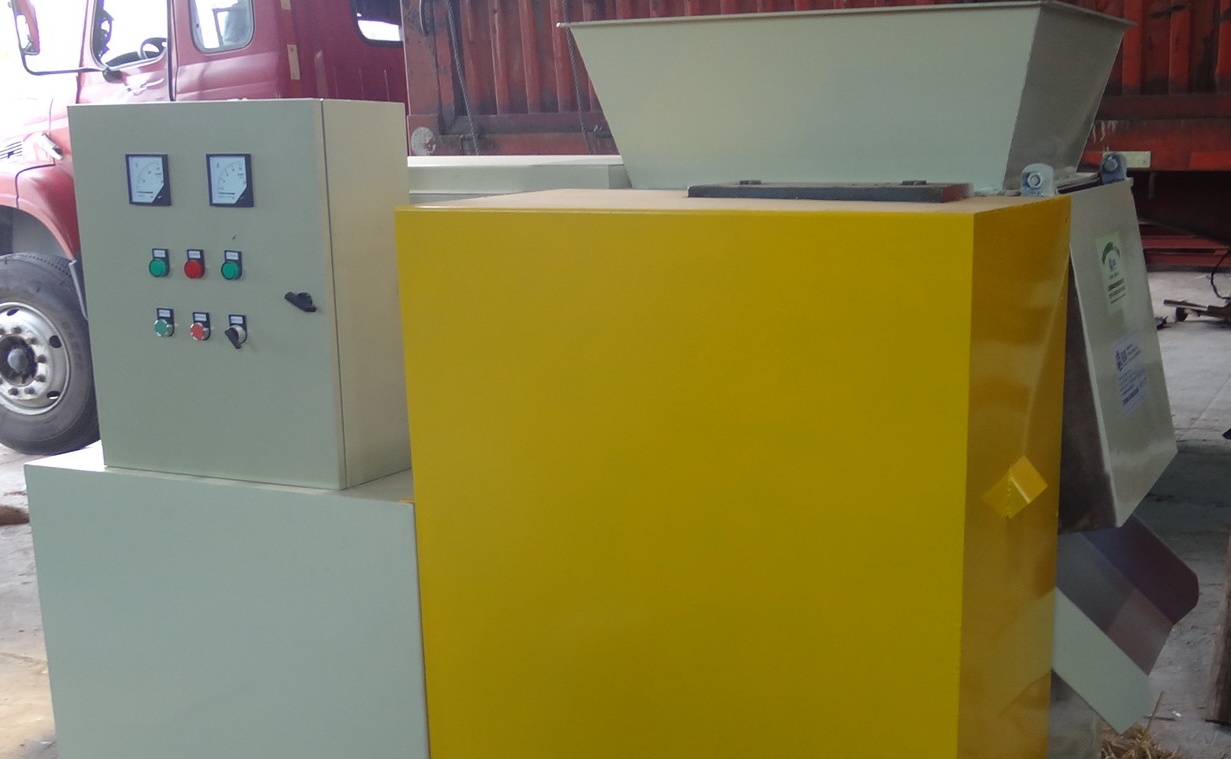
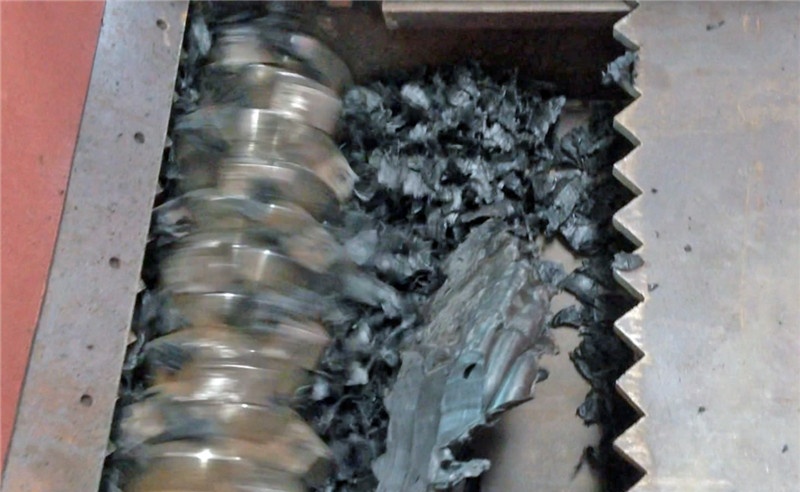
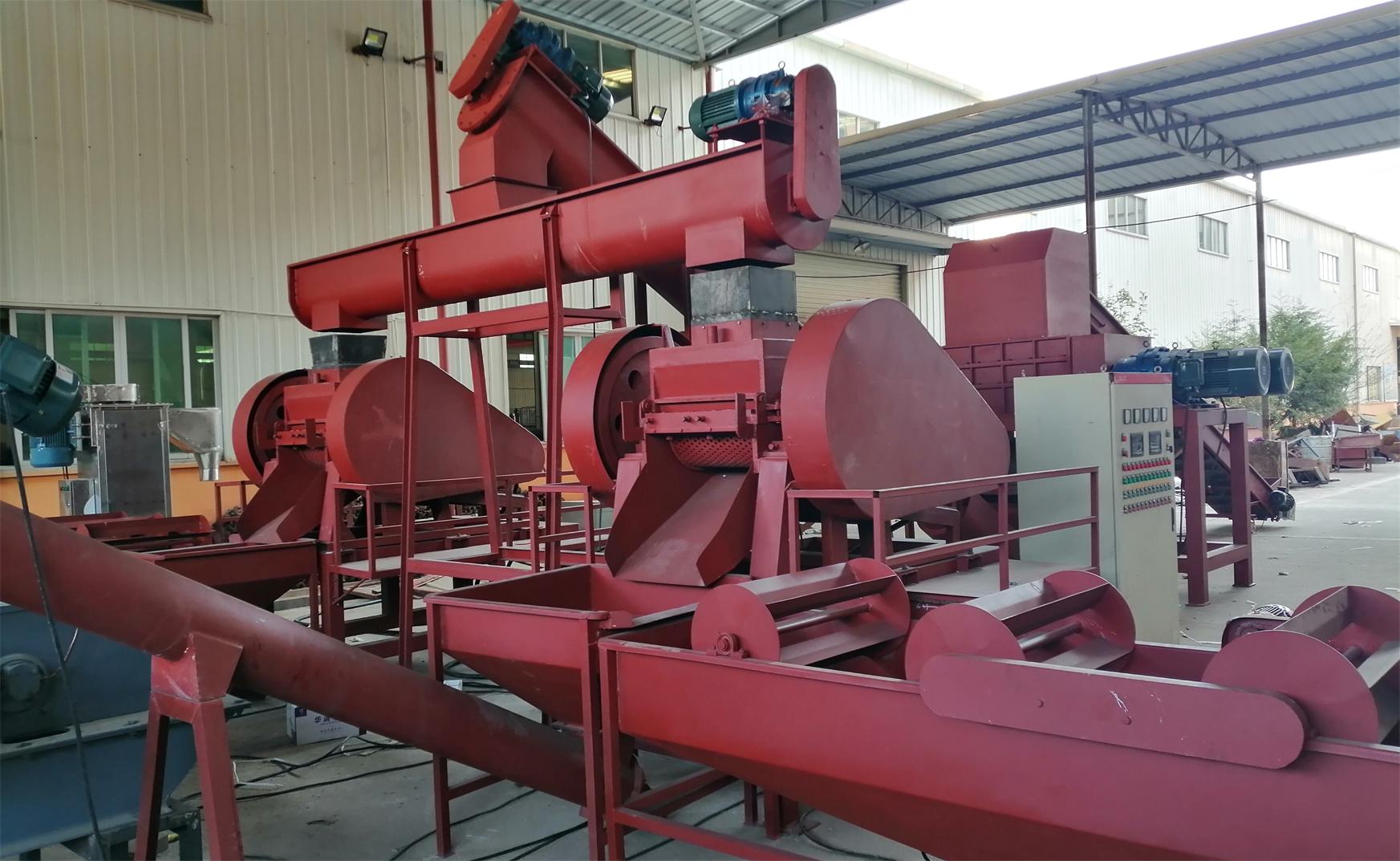
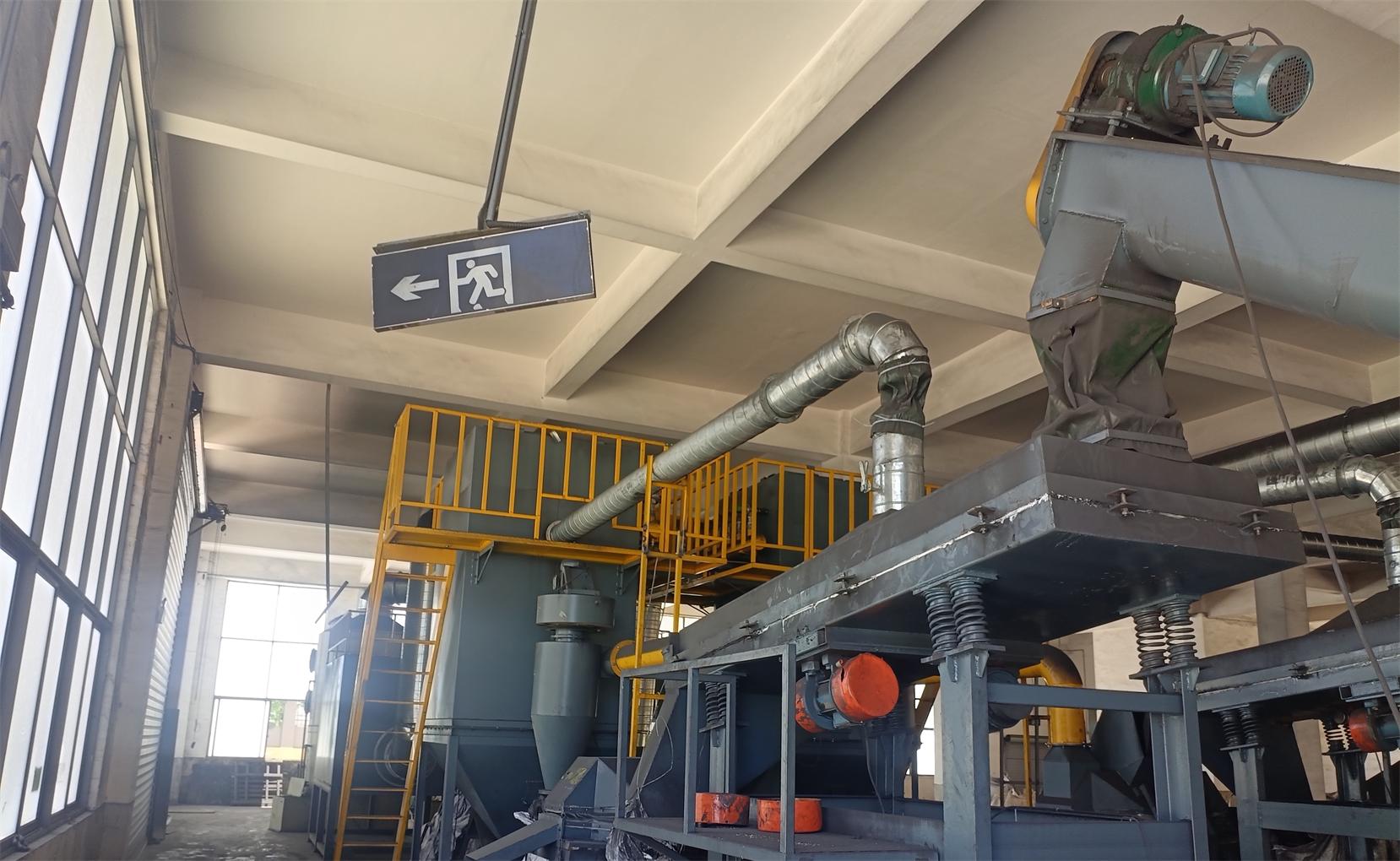
A lithium crude ore processing plant is where the magic starts. This isn't just a single piece of equipment; it's an integrated system designed to take raw, unprocessed lithium ore (like spodumene or lepidolite) and turn it into a concentrate ready for further refining. Here's how it typically works:
What sets Chinese plants apart? Automation. Many come with smart control systems that adjust crushing speed, chemical dosages, and separation parameters in real time, based on ore quality. This reduces waste and boosts concentrate grade—critical for maximizing profits.
2. Lithium Ore Extraction Equipment: Precision in Every Step
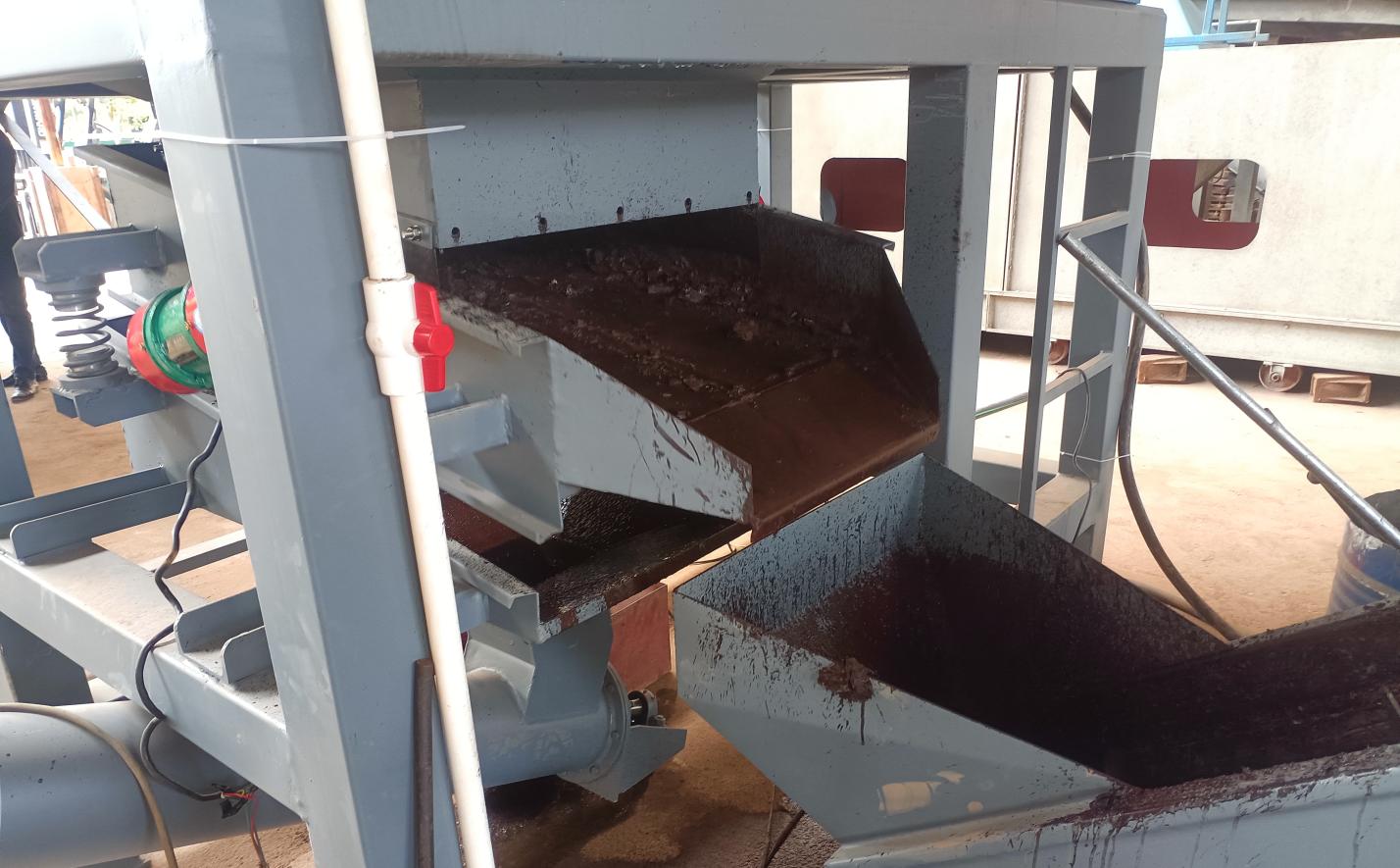
While the crude ore processing plant handles the bulk, lithium ore extraction equipment focuses on the finer details. This includes specialized machines for:
One miner in Australia told us: "The extraction equipment from China was a game-changer. Our previous setup lost about 15% of lithium during leaching. With their reactor design, we're down to 5%—that's millions in extra revenue per year."
3. Tailing Ore Extraction Equipment: Turning Waste into Profit
Mining isn't just about extracting lithium—it's about not wasting it. Tails (the waste material left after processing) often still contain small amounts of lithium. Tailing ore extraction equipment from China helps recover that lost value.
How does it work? These systems reprocess tailings using advanced separation technologies—like dry magnetic separators or centrifugal concentrators. They're designed to be energy-efficient (critical, since tailings processing can be power-hungry) and compact, so they can be added to existing plants without major overhauls.
"We thought our tailings were just waste until we added a Chinese extraction system," says a mine owner in Canada. "Now we recover an extra 800 tons of lithium concentrate per year from tailings alone. It paid for itself in 18 months."
| Equipment Type | Key Function | Typical Capacity Range | Why Chinese Suppliers Stand Out |
|---|---|---|---|
| Lithium Crude Ore Processing Plant | Turns raw ore into lithium concentrate | 500–5,000 tons/day | Integrated automation, customizable for ore type |
| Lithium Ore Extraction Equipment | Fine grinding, leaching, and filtration | Depends on plant size | High recovery rates, low chemical/energy use |
| Tailing Ore Extraction Equipment | Recovers lithium from waste tailings | 1,000–10,000 tons/day of tailings | Energy-efficient, compact design |
What to Look for in a Chinese Supplier
Okay, so China has the equipment—but not all suppliers are created equal. How do you find the right partner? Here are the key things to check:
1. Experience with Lithium (Not Just General Mining)
Lithium processing is unique. Ores like spodumene require different handling than coal or iron ore. Ask suppliers: "How many lithium projects have you completed?" "Can you share case studies with similar ore types?" A good supplier will have a portfolio of lithium-specific projects, not just general mining equipment.
2. Customization Capabilities
Your mine's ore is unique—your processing plant should be too. Avoid suppliers who push "standard" solutions. Instead, look for those who ask detailed questions: "What's your ore grade?" "What's your water availability?" "What's your target concentrate grade?" A supplier that visits your site (or does a virtual site assessment) to tailor the design is worth their weight in lithium.
3. After-Sales Support
Mining equipment runs 24/7—downtime costs money. Ask about after-sales: "Do you have local service teams in my region?" "How quickly can you send spare parts?" "Do you offer remote monitoring or troubleshooting?" The best Chinese suppliers now have global service centers (in places like Perth, Santiago, and Johannesburg) and online support portals to keep your plant running smoothly.
4. Environmental Compliance
Today's mining projects face strict environmental regulations. Ensure your supplier's equipment meets global standards—like low emissions, water recycling systems, and noise reduction. Many Chinese suppliers now offer "green packages" that include dust collectors, wastewater treatment, and energy-efficient motors.
The Process: From Inquiry to Operation
Working with a Chinese supplier might seem daunting, but the process is often smoother than you'd expect. Here's a typical timeline:
Final Thoughts: Why Now Is the Time to Partner with China
The demand for lithium isn't slowing down. By 2030, global lithium demand could grow by 10x, according to industry reports. To meet that demand, miners need efficient, cost-effective processing solutions—and China is leading the way.
Whether you're a small-scale miner looking to start a new project or a large company upgrading an existing plant, Chinese suppliers offer the experience, technology, and value to help you succeed. From lithium crude ore processing plants that form the backbone of your operation to tailing ore extraction equipment that turns waste into profit, they've got the tools to turn your lithium ore into a competitive advantage.
So, if you're ready to take your lithium mining project to the next level, don't overlook China. The future of lithium processing is here—and it's more accessible than you think.